
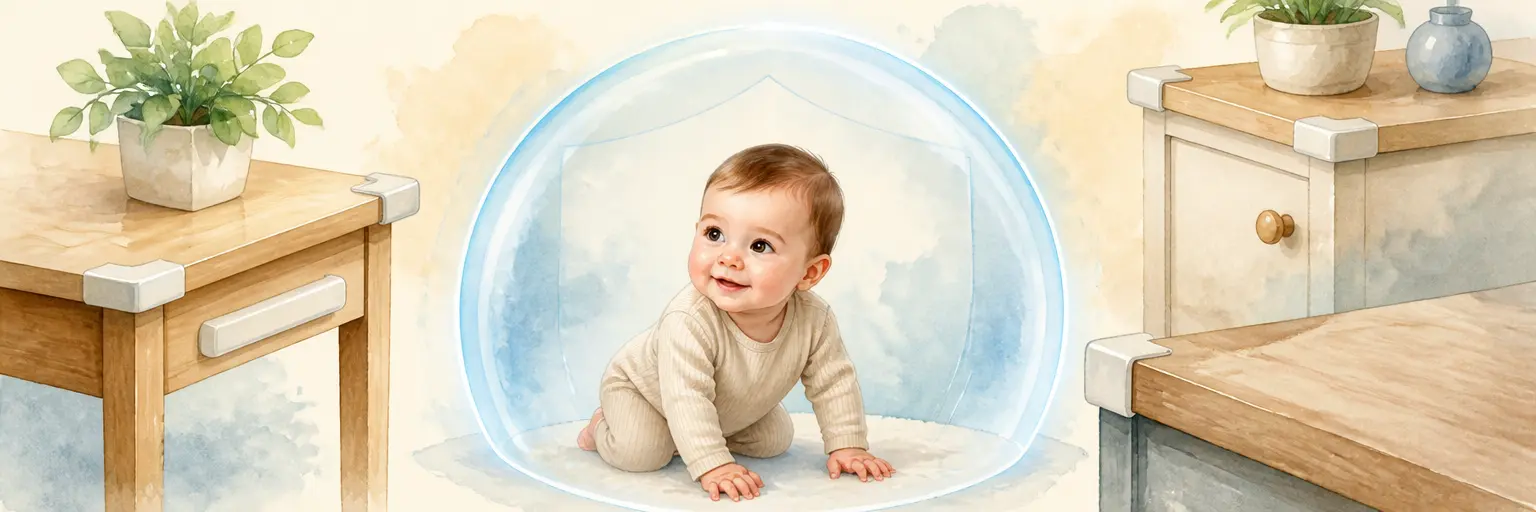
No More Ouchies: Top Corner Guard Materials for Baby's Safety
Protect your little explorer from sharp furniture corners and edges with trusted baby safety guards 🛡️. Discover practical tips for choosing, installing, and maintaining soft, secure corner protectors that help reduce bumps, bruises, and household accidents. Create a safer, more comfortable home while your baby crawls, plays, and grows with confidence 👶✨
4 articles
Baby's Safety First: Choosing NonToxic Corner Guard Materials
Peace of Mind: Choosing Corner Guards That Match Your Home Decor
Unseen Hazards: Identifying Risky Areas for Baby Corner Safety
🛡️ Protecting Your Baby with Corner and Edge Safety Guards
Discover practical ways to create a safer home with corner and edge safety guards designed to help protect babies and toddlers from sharp furniture corners, hard table edges, and unexpected bumps. At BabyCareHub, first-time parents can find helpful guidance on choosing, installing, and maintaining baby-proofing products that support a safer nursery, living room, play area, and family home.
🏠 Why Corner and Edge Protection Matters
As babies begin rolling, crawling, pulling up, and walking, they become increasingly curious about their surroundings. Furniture corners and countertop edges can present a risk of painful bumps, cuts, or facial injuries. Installing baby corner protectors and edge cushions helps reduce the impact of accidental falls and creates a more child-friendly environment.
Corner guards are especially useful in busy areas where your baby explores frequently. Look for products made from soft, durable, and non-toxic materials, and remember that safety guards should complement—not replace—active supervision and broader home safety measures.
🧸 Choosing the Best Baby Corner Protectors
The best corner protectors for babies should fit securely, have smooth surfaces, and remain attached during everyday use. Common options include foam corner cushions, silicone corner guards, rubber protectors, and transparent designs that blend with existing furniture. Consider the furniture material, corner shape, and location before selecting a product.
Parents should also check for strong adhesive backing, rounded edges, and reliable construction. Avoid guards that detach easily or contain small removable parts, since loose pieces may become choking hazards. Choosing appropriately sized guards can provide better coverage for coffee tables, cabinets, shelves, desks, and other hard surfaces.
🔧 How to Install Edge Safety Guards Correctly
Proper installation is essential for effective baby-proofing. Clean and dry the furniture surface before applying adhesive guards, and follow the manufacturer’s instructions carefully. Measure the edge first so the protector covers the area fully without leaving exposed sharp sections.
After installation, press the guard firmly into place and allow the adhesive to set for the recommended time. Test the protector regularly by gently pulling on it and checking for gaps, peeling, or damage. Replace loose or worn safety guards immediately to maintain dependable protection.
🛋️ Furniture and Areas That Need Extra Protection
Focus on furniture located at your baby’s height, including coffee tables, television stands, bedside tables, kitchen islands, desks, and low shelves. Glass tables and furniture with metal or stone edges may require special attention because they can be particularly hard and unforgiving during a fall.
Do not forget less obvious areas, such as fireplace hearths, window ledges, storage benches, and changing areas. Combining edge protectors with furniture anchors can improve overall safety, especially for tall or heavy furniture that could tip if a child pulls or climbs on it.
✅ Safe Baby-Proofing Habits for Growing Children
Corner and edge guards are one part of a complete home safety plan. Parents should also secure cabinets and drawers, cover electrical outlets, install safety gates, tie up window blind cords, and keep medicines, cleaning products, and small objects out of reach.
Reassess your baby-proofing as your child develops new skills. A crawling baby, a standing toddler, and an active climber face different hazards. Regular safety checks help ensure that protectors remain effective and that new risks are addressed promptly throughout early childhood.
❓ Frequently Asked Questions About Corner and Edge Safety Guards
What are corner and edge safety guards used for?
Corner and edge safety guards cushion sharp furniture surfaces and help reduce injuries caused by bumps and falls. They are commonly used on tables, desks, counters, shelves, fireplaces, and other hard-edged furniture.
Are foam or silicone corner protectors better for babies?
Both materials can be useful. Foam guards are often soft and highly cushioned, while silicone guards may offer a durable, flexible, and easy-to-clean surface. The best choice depends on the furniture, fit, material quality, and strength of the attachment.
How do I keep baby corner guards from falling off?
Clean and dry the surface before installation, use the supplied adhesive correctly, and allow sufficient setting time. Avoid moving or washing the furniture immediately after installation. Inspect guards often and replace any protector that becomes loose.
Can corner guards replace adult supervision?
No. Corner protectors can reduce the severity of some bumps, but they cannot eliminate every household hazard. Active supervision, secure furniture, safe play areas, and a complete baby-proofing plan remain essential.
When should I install corner and edge protectors?
It is wise to install them before your baby becomes mobile, ideally before crawling or pulling up. Preparing early gives you time to identify sharp edges and complete other home safety improvements before your child begins exploring independently.