
Baby's Safety First: Choosing NonToxic Corner Guard Materials

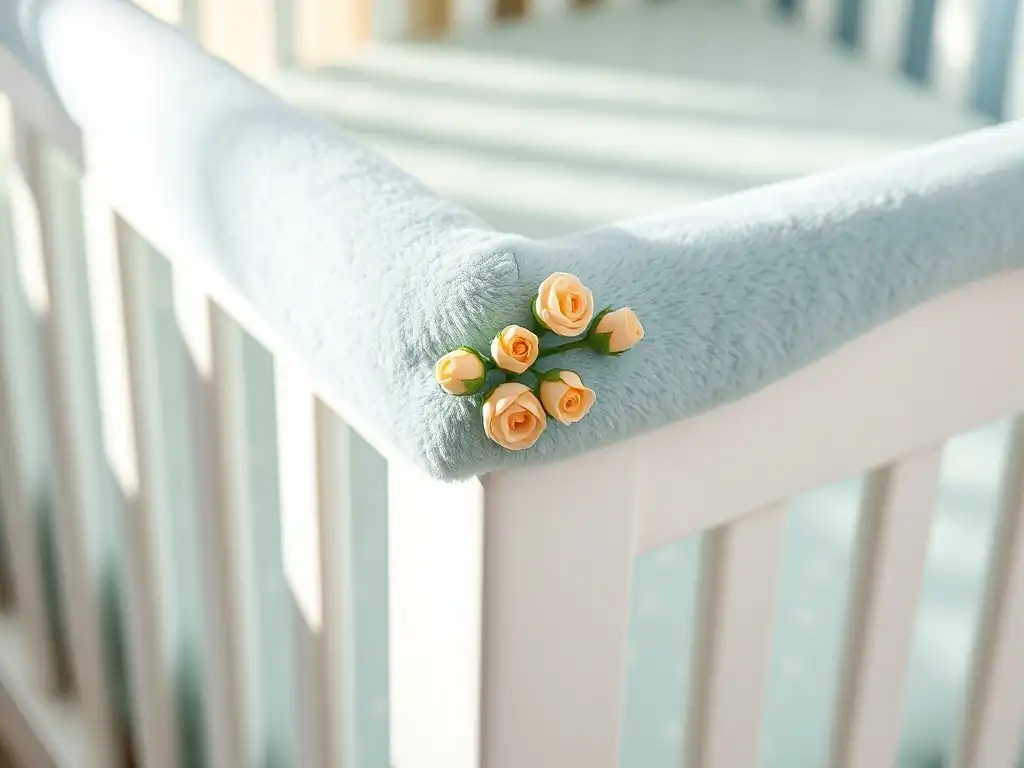
Welcome to BabyCareHub, your ultimate guide to navigating the incredible journey of parenthood! We understand that becoming a first-time parent can feel overwhelming, which is why we've created this comprehensive resource to support you every step of the way. But safety is paramount, isn't it?
That's why we're diving deep into the crucial topic of Nontoxic baby corner guards – ensuring your little one's environment is as safe and healthy as possible. Discover how to create a secure and nurturing space for your precious baby; read on to learn more about choosing the right materials and protecting your child from potential hazards.
- Understanding the Importance of Non-Toxic Baby Corner Guards
- Types of Non-Toxic Corner Guards for Baby Safety
- How to Install Non-Toxic Baby Corner Guards Effectively
- Top Picks: Best Non-Toxic Baby Corner Guards in 2024
- Frequently Asked Questions about Non-Toxic Baby Corner Guards
- Maintaining a Safe Home Environment for Your Baby: Beyond Corner Guards
- Frequently Asked Questions
- Final Reflection: Protecting Our Little Ones, Naturally
- Unveil Your Baby's Safe Haven: Protect & Play!
Understanding the Importance of Non-Toxic Baby Corner Guards
Navigating the world of baby products can feel overwhelming for first-time parents. Amidst the countless choices, ensuring your baby's safety should be paramount. This article focuses on a crucial aspect of baby-proofing: selecting non-toxic corner guards.
Sharp corners and edges represent a significant hazard in any home, posing a risk of painful bumps, bruises, and even more serious injuries to your crawling or toddling little one. While corner guards offer an effective solution, the materials used in their construction are equally important. Exposure to toxic chemicals through everyday items like corner guards can have significant consequences for your baby's developing health.
This guide will delve into the dangers of toxic materials, the impact of chemical exposure on infants, and provide a comprehensive guide to choosing safe, non-toxic corner guards for your home, ultimately contributing to a safer and healthier environment for your precious child. Choosing the right corner guards is not just about preventing bumps and bruises; it's about proactively protecting your baby's long-term well-being.
Dangers of Toxic Materials in Baby Products
Many baby products, including some corner guards, contain potentially harmful chemicals. These chemicals can leach into your baby's environment through contact or ingestion, causing a range of adverse health effects. Common culprits include:
- Phthalates: These are plasticizers often found in vinyl and PVC products, contributing to flexibility. Studies have linked phthalates to developmental problems, hormonal disruptions, and reproductive issues in children.
- BPA (Bisphenol A): While less common in recent years due to increased awareness, BPA is still found in some plastics and can mimic hormones in the body, potentially affecting development.
- Formaldehyde: A known carcinogen, formaldehyde can be released from certain adhesives and resins used in manufacturing. Exposure can irritate the eyes, nose, and throat, and has been linked to long-term health problems.
- Lead: While less common now, lead can still be present in some older or poorly manufactured products. Lead is a potent neurotoxin, particularly harmful to developing brains.
The presence of these chemicals is often not readily apparent to consumers. Many manufacturers do not clearly label their products with a complete list of ingredients, making informed decisions difficult. Therefore, choosing products specifically marketed as "non-toxic" and made with clearly identified safe materials is crucial.
The Impact of Chemical Exposure on Infants' Health
Infants are particularly vulnerable to the harmful effects of toxic chemicals. Their immune systems are still developing, and their bodies are more susceptible to absorbing and retaining these substances. Exposure can lead to a variety of health issues, including:
- Respiratory problems: Irritants like formaldehyde can trigger asthma and other respiratory conditions.
- Skin irritation and allergies: Certain chemicals can cause rashes, eczema, and other allergic reactions.
- Developmental delays: Exposure to neurotoxins like lead can negatively impact brain development and cognitive function.
- Hormonal disruptions: Chemicals that mimic hormones can interfere with the body's natural processes, potentially leading to long-term health problems.
The long-term consequences of early exposure to toxic chemicals are still being researched, but the potential risks are significant. Prioritizing non-toxic materials in your baby's environment is a proactive step towards protecting their health and well-being. The peace of mind knowing you've created a safe space is invaluable.
Choosing Safe Materials: A Parent's Guide to Non-Toxic Corner Guards
When selecting non-toxic corner guards, look for products made from:
- 100% silicone: Silicone is generally considered safe and non-toxic, and many reputable brands offer silicone corner guards. Look for those explicitly stating they are BPA-free and phthalate-free.
- High-quality foam: Some foam materials are safe for babies, but always check the product description for information on the specific type of foam used and any certifications indicating it is non-toxic.
- Wood: Untreated, naturally finished wood is a safe and environmentally friendly option, but ensure there are no sharp edges or splinters.
Avoid corner guards made from:
- PVC (Polyvinyl Chloride): PVC often contains phthalates and other harmful chemicals.
- Cheap plastics: Unidentified plastics often harbor unknown chemicals that are potentially harmful.
Always check the manufacturer's information for details on materials and certifications. Look for certifications like GREENGUARD Gold, which indicates the product has been tested for low emissions of volatile organic compounds (VOCs). Remember, a little extra research can go a long way in ensuring your baby's safety. Choosing non-toxic corner guards is an investment in your baby's health and a demonstration of your commitment to their well-being.
Types of Non-Toxic Corner Guards for Baby Safety
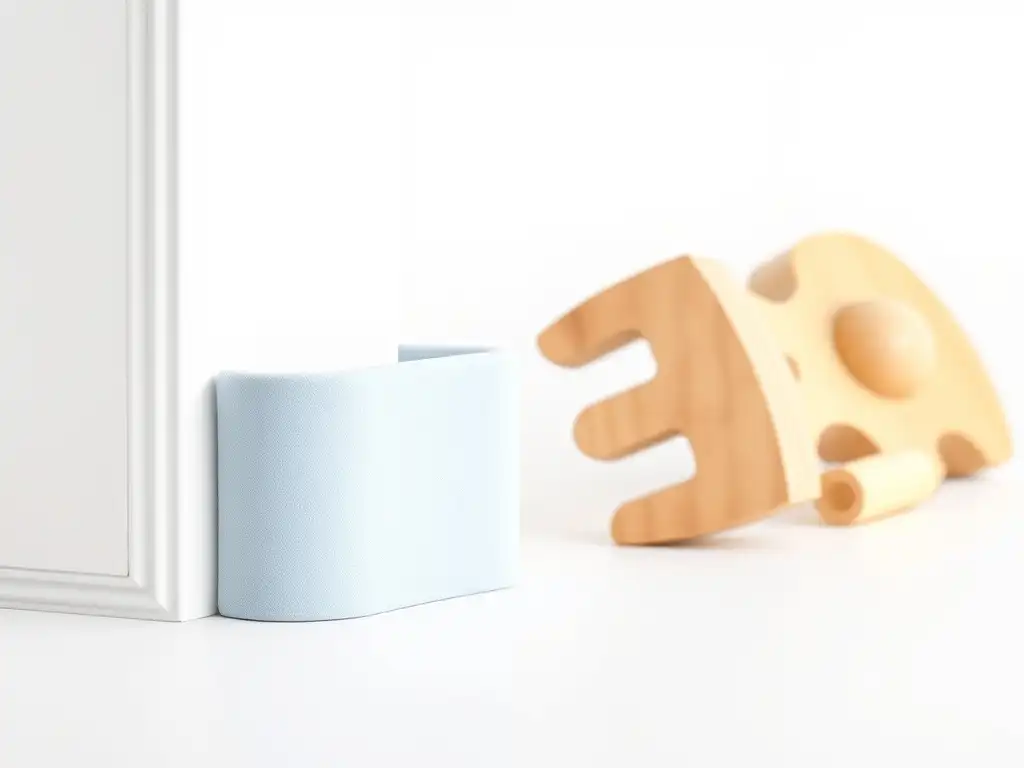
Choosing the right nontoxic baby corner guards is crucial for protecting your little one from bumps and injuries. Several materials offer a safe and effective solution, each with its own set of advantages and disadvantages. Understanding these differences will help you make an informed decision based on your needs and preferences.
The market offers a range of options, from soft foam to durable silicone, ensuring there's a perfect fit for every home and baby. Remember, prioritizing non-toxic materials is paramount to safeguard your baby's health and well-being. This section will delve into the specifics of different nontoxic materials used in baby corner guards.
Soft Foam Corner Guards: Safety and Effectiveness
Soft foam corner guards are a popular choice for their affordability and ease of application. Many parents appreciate their cushioning properties and the ability to absorb impact effectively. However, the long-term durability and hygiene of foam corner guards can be a concern. Some foam materials may degrade over time, becoming less effective or even posing a choking hazard if pieces break off.
Therefore, regular inspection and replacement are recommended. Furthermore, the porous nature of foam can make it susceptible to bacteria and mold growth, particularly in humid environments. Choosing a high-quality, antimicrobial foam is crucial to mitigate these risks. Always opt for corner guards explicitly labeled as non-toxic and free from harmful chemicals like phthalates and BPA.
Soft Foam Corner Guard Review and Features
Several brands offer soft foam corner guards, each with varying features. Some prioritize thicker padding for superior impact absorption, while others focus on ease of installation with adhesive backing. Look for guards with rounded edges to minimize the risk of sharp points or crevices that could trap fingers.
Consider the color and aesthetic appeal, choosing a style that blends well with your home décor. A good soft foam corner guard should be easy to clean, ideally with a damp cloth, and should be firmly attached to the furniture without leaving residue upon removal. Read reviews carefully before purchasing to gauge the product's durability and overall effectiveness.
Silicone Corner Guards: A Safe and Durable Option
Silicone corner guards represent a more durable and hygienic alternative to foam. Silicone is naturally resistant to bacteria and mold, making it a safer option for maintaining cleanliness. Its inherent flexibility allows it to conform to various furniture shapes and sizes, ensuring a secure fit. Additionally, silicone is typically more resistant to tearing and wear, offering a longer lifespan compared to foam. The non-porous nature of silicone prevents the absorption of liquids and minimizes the risk of bacteria build-up. However, silicone corner guards tend to be slightly more expensive than foam options.
Silicone Corner Guards: A Durable and Safe Alternative
The inherent properties of silicone make it an excellent choice for baby safety products. It's a non-toxic material, free from many harmful chemicals commonly found in plastics. Its flexibility and durability ensure it can withstand constant use and even potential chewing by toddlers without easily breaking down or releasing harmful substances. The smooth surface of silicone also makes it easy to wipe clean, maintaining a hygienic environment. This makes silicone corner guards a long-term investment in your baby's safety. Furthermore, the wide range of colors available ensures you can find a set that complements your existing home decor.
Silicone Corner Guard Review: Pros and Cons
| Feature | Pros | Cons |
|---|---|---|
| Material | Non-toxic, durable, easy to clean, hygienic | Can be more expensive than foam |
| Durability | Resistant to tearing and wear | May become discolored over prolonged use |
| Installation | Generally easy to install with adhesive backing | May leave residue upon removal (check reviews) |
| Cleaning | Simple wipe-down with a damp cloth | Requires careful cleaning to prevent staining |
Choosing the Right Size and Thickness for Optimal Protection
The size and thickness of your chosen corner guards are crucial for effective protection. Larger guards offer broader coverage, shielding more of the sharp corner. Thicker guards provide superior cushioning and impact absorption. Measure your furniture corners carefully before purchasing to ensure a proper fit. Consider the height of your baby and their current developmental stage.
A crawling baby will need more comprehensive protection than a toddler who is already walking. Remember, while larger and thicker guards offer better protection, they may not be aesthetically pleasing to everyone. Finding the right balance between safety and appearance is key. Always prioritize safety; a slightly less aesthetically pleasing but more protective guard is preferable.
Fabric Corner Guards: A Soft and Stylish Choice
Fabric corner guards offer a soft and aesthetically pleasing alternative to hard plastic or foam options. They are often made from natural materials like cotton, felt, or organic cotton blends, making them a popular choice for parents prioritizing non-toxic materials for their baby's environment. The softness of these guards minimizes the impact of bumps and falls, providing a gentler cushioning effect compared to harder materials.
Furthermore, fabric corner guards come in a wide variety of colors and patterns, allowing parents to seamlessly integrate them into their home décor. This is a significant advantage, as many safety products can appear visually jarring.
The flexibility of the fabric also allows for a more snug fit on various furniture shapes and sizes, ensuring comprehensive coverage. However, it's crucial to remember that fabric guards may not offer the same level of protection against sharp impacts as harder materials; they are best suited for mitigating the severity of minor bumps.
Fabric Corner Guard Review: Material Composition and Safety
When selecting fabric corner guards, meticulously scrutinize the material composition. Look for products explicitly labeled as "organic," "non-toxic," or "OEKO-TEX Standard 100" certified. The OEKO-TEX Standard 100 certification ensures that the materials have been tested for harmful substances and meet strict safety standards. Avoid guards containing potentially harmful chemicals like phthalates, BPA, or formaldehyde. These chemicals are often found in cheaper, mass-produced products and can pose health risks to infants.
Read product descriptions carefully and examine labels for complete ingredient lists. Pay close attention to the filling material within the guard; some use synthetic fillers that may contain undesirable chemicals. Natural fillers like organic cotton or wool are generally safer alternatives. Remember, thorough research and careful selection are key to ensuring you choose a truly non-toxic and safe product for your baby. Always prioritize brands with a transparent manufacturing process and readily available information on material sourcing and testing.
Considerations for Cleaning and Maintaining Fabric Guards
Maintaining the hygiene of fabric corner guards is paramount. Since these guards are in close proximity to your baby, regular cleaning is essential to prevent the buildup of bacteria and allergens. Check the manufacturer's instructions for specific cleaning recommendations; some guards may be machine-washable, while others require hand washing. For machine washing, use a gentle cycle and a mild, non-toxic detergent. Avoid harsh chemicals or bleach, as these can damage the fabric and potentially introduce harmful substances.
Always air-dry the guards to prevent shrinkage or damage from high heat. Regularly inspect the guards for any signs of wear and tear. If the fabric is torn or damaged, replace the guard immediately to maintain its protective function and prevent potential hazards. Proactive cleaning and regular inspection will help ensure that your fabric corner guards remain both safe and effective in protecting your baby.
How to Install Non-Toxic Baby Corner Guards Effectively
This section provides a detailed, step-by-step guide on installing non-toxic baby corner guards, ensuring your little one's safety. We'll cover preparation, installation techniques for various guard types, and securing methods for optimal protection against bumps and injuries. Remember, proper installation is crucial for the effectiveness of these safety products. Choosing the right nontoxic baby corner guards is only half the battle; knowing how to install them correctly is just as important for maximizing their protective capabilities.
Preparing the Furniture for Corner Guard Installation
Before you begin installing your non-toxic baby corner guards, proper preparation is key. This ensures a secure and lasting fit, maximizing the protection they offer. First, thoroughly clean the surfaces where you plan to install the guards. Dust, dirt, or grease can interfere with the adhesive, leading to a weak bond and potential failure. A simple wipe-down with a damp cloth is usually sufficient. Allow the furniture to dry completely before proceeding.
Next, inspect the corners and edges of your furniture. Any loose paint, chipping, or rough surfaces should be addressed. Sanding down any irregularities will create a smoother surface for better adhesion. For exceptionally rough surfaces, consider using a light layer of fine-grit sandpaper. This step might seem minor, but it significantly impacts the longevity and effectiveness of your corner guards. Remember, a secure installation is paramount for the safety of your baby. You want to ensure a strong bond that can withstand the inevitable bumps and bangs of a curious toddler.
Finally, consider the type of material your furniture is made of. Some adhesives might react differently with certain materials, so always check the manufacturer's instructions for compatibility. This will help you choose the most suitable nontoxic baby corner guards and ensure a secure, long-lasting installation.
Step-by-Step Guide to Installing Different Types of Corner Guards
Different nontoxic baby corner guards come with varying installation methods. Let's explore some common types and their installation processes.
Foam Corner Guards: These are usually self-adhesive. Simply peel off the protective backing and firmly press the guard onto the clean, dry corner. Hold it in place for several seconds to ensure a strong bond. Some foam guards may require additional pressure for a few minutes for optimal adhesion.
Silicone Corner Guards: Similar to foam guards, silicone guards typically have an adhesive backing. Follow the same cleaning and application steps as described above. The flexibility of silicone allows it to conform to various shapes and sizes of furniture corners, providing a snug fit.
Hard Plastic Corner Guards: These often require screws or strong adhesive. If screws are needed, carefully drill pilot holes to avoid cracking the furniture. Then, secure the guard using the provided screws and a screwdriver. For adhesive-backed versions, follow the manufacturer's instructions carefully, ensuring the surface is clean and dry. Allow the adhesive to cure completely for maximum hold.
Remember to always refer to the specific instructions provided with your chosen nontoxic baby corner guards. Each brand and material may have slightly different recommendations. Consistency in installation process is critical for ensuring lasting protection.
Securing the Guards for Maximum Protection Against Accidents
Once installed, check the stability of each nontoxic baby corner guard. Gently tug on each guard to ensure it's firmly attached. Any loose or wobbly guards should be re-installed immediately. If using adhesive, consider supplementing with additional adhesive strips for extra security, especially in high-traffic areas. This is particularly important for active babies who may pull or tug on the guards.
Regularly inspect the corner guards for any signs of damage or wear and tear. Replace any damaged guards immediately to maintain optimal protection. Remember that while these guards are designed to be durable, constant use can eventually lead to wear. Proactive replacement ensures that your baby remains protected.
Think of it as regular maintenance for your baby's safety, similar to checking smoke detectors or car seats. Protecting your little one requires vigilance and consistent attention to detail. Investing in high-quality, nontoxic baby corner guards and installing them correctly is a significant step in creating a safe home environment. Using a variety of safety measures, including these corner guards, will work together to make your home a safer place for your child.
Troubleshooting Common Installation Problems
Even with the best nontoxic baby corner guards, installation hiccups can occur. Let's address some common problems and their solutions. One frequent issue is adhesive failure. This often stems from insufficient surface preparation. Before applying the corner guards, ensure the surface is thoroughly cleaned and completely dry.
Dust, grease, or moisture can significantly reduce the adhesive's effectiveness, leading to premature detachment. Using a slightly damp microfiber cloth to clean the surface, followed by a thorough drying with a clean, dry cloth, is recommended. For particularly stubborn residue, a mild, non-toxic cleaner can be used, but always rinse and dry completely afterwards. Remember, patience is key; allow the adhesive ample time to bond properly before putting any weight or pressure on the corner guards.
Another common problem is incorrect placement. Improper positioning can lead to ineffective protection or even create a tripping hazard. Always carefully measure and plan the placement of each guard before applying the adhesive. Consider the child's height and typical movement patterns within the room. If the guards are too low, they might not offer sufficient protection. Conversely, if they are placed too high, they could become a hazard. Take your time and ensure each guard is precisely aligned before committing to the adhesive. Some corner guards may come with alignment aids; utilize these tools to ensure accurate placement.
Finally, damage to the corner guards during installation is a possibility. Rough handling or excessive force can lead to cracks, tears, or bending, compromising their protective function. Handle the guards gently throughout the installation process. If you encounter resistance during installation, reassess your approach. It's often better to stop and re-evaluate the placement or clean the surface again rather than forcing the guard into place, which could lead to irreversible damage.
Remember, a perfectly installed, undamaged corner guard is far more effective than a damaged one. Always inspect the guards after installation to ensure they are securely in place and undamaged. If you find any damage or issues, replace the affected guard immediately. Prioritize your baby's safety above all else.
Top Picks: Best Non-Toxic Baby Corner Guards in 2024

Choosing the right nontoxic baby corner guards is crucial for creating a safe environment for your little one. Exposure to harmful chemicals can have serious consequences for a developing child's health. This section highlights top-performing brands prioritizing safety and eco-friendliness, helping you make an informed decision for your baby's well-being. We'll delve into specific features, benefits, and pricing to assist you in your selection process. Remember to always check the manufacturer's instructions and safety guidelines before installation.
Non-Toxic Corner Guard Brand A: Detailed Review
This section focuses on Brand A, a leading manufacturer of nontoxic baby corner guards known for its commitment to using sustainable and child-safe materials. Their products are frequently recommended by pediatricians and parenting experts.
Features, Benefits, and Pricing of Brand A
Brand A corner guards stand out due to several key features:
- Material: They primarily utilize a soft, flexible, and durable EVA foam, free from BPA, phthalates, and other harmful chemicals. This ensures a safe and comfortable barrier for your baby.
- Adhesive: A strong, yet removable adhesive ensures a secure fit without damaging your furniture. The adhesive is also designed to be residue-free upon removal, making it easy to change guards as your baby grows or if you decide to relocate them.
- Design: Brand A offers a variety of colors and styles, allowing you to choose guards that complement your home décor. They also come in various lengths and thicknesses to accommodate different furniture sizes and shapes.
- Easy Installation: The guards are designed for quick and easy installation, even for first-time parents. Clear instructions are provided with each package.
Benefits:
- Superior Protection: The thick, cushioning foam effectively protects your baby from sharp edges and corners, reducing the risk of bumps and injuries.
- Long-Lasting: The durable materials ensure the corner guards withstand daily wear and tear, providing long-term protection.
- Easy Cleaning: The smooth surface is easily wiped clean with a damp cloth, making maintenance simple.
- Peace of Mind: Knowing your baby is protected by nontoxic materials provides invaluable peace of mind for parents.
Pricing: Brand A's corner guards typically range in price from $[Price Range Pending] depending on the quantity and style purchased. While slightly more expensive than some competitors, the superior quality and safety features justify the investment in your baby's well-being.
Eco-Friendly Corner Guard Brand B: A Detailed Analysis
Brand B represents another excellent choice for parents seeking nontoxic baby corner guards. This brand focuses on eco-consciousness, using recycled and sustainable materials in its manufacturing process. This commitment to environmental responsibility makes them a popular choice for environmentally aware parents.
Features, Benefits, and Pricing of Brand B
Brand B differentiates itself through its dedication to sustainability and eco-friendly practices.
- Material: Brand B predominantly employs recycled materials in its corner guard production, minimizing its environmental impact. Specific materials may include [Specific recycled materials pending], all rigorously tested for safety and non-toxicity.
- Packaging: The commitment to sustainability extends to their packaging, often utilizing recycled and biodegradable materials. This reflects their holistic approach to environmental responsibility.
- Durability and Safety: Despite using recycled materials, Brand B maintains a high standard of durability and safety. Their corner guards effectively protect against sharp edges and corners while remaining free from harmful chemicals.
- Design Aesthetics: Brand B offers a range of stylish designs, blending safety with aesthetic appeal to complement various home decor styles. They often feature subtle, natural color palettes.
Benefits:
- Environmental Responsibility: Choosing Brand B supports sustainable manufacturing practices and reduces your environmental footprint.
- Non-Toxic Materials: The recycled materials are carefully selected and tested to ensure they are free from toxins harmful to your baby.
- Durable Protection: These guards offer reliable protection against bumps and injuries, ensuring your baby's safety.
- Ethical Consumption: Supporting Brand B aligns with ethical consumption values, promoting responsible and sustainable practices.
Pricing: The pricing for Brand B's corner guards is competitive, typically falling within the range of $[Price Range Pending], offering a balance between quality, safety, and environmental responsibility. The price may slightly vary depending on the quantity and specific design chosen.
Brand C corner guards represent a significant investment in your baby's safety, offering a premium experience that justifies the higher price point. Their commitment to using only the purest, most rigorously tested materials sets them apart. This dedication to non-toxicity extends beyond the core materials; even the adhesives used are carefully selected for their low VOC (volatile organic compound) emissions, minimizing potential exposure to harmful chemicals.
The manufacturing process itself is also scrutinized, adhering to strict quality control measures to ensure each guard meets their exacting standards. Parents prioritizing the absolute best in terms of material safety and long-term durability often choose Brand C. Their customer service is also frequently praised for its responsiveness and helpfulness, providing reassurance to concerned parents.
The subtle design aesthetics also appeal to those seeking safety solutions that don't compromise on style. While the initial cost is higher than some competitors, many parents view it as a worthwhile investment in their child's well-being.
Features, Benefits, and Pricing of Brand C
Brand C corner guards boast several key features that contribute to their premium status. They typically utilize a thick, durable foam core, often made from a high-density, closed-cell EVA foam known for its impact absorption and resilience. The outer covering is usually a soft, phthalate-free PVC or a similar non-toxic material, offering a tactile experience that’s both safe and pleasant for babies to touch.
These guards are often designed with a strong, long-lasting adhesive, ensuring they stay securely in place even with repeated bumps and impacts. Furthermore, many sets include extra guards, allowing for flexibility in placement and replacement should any become damaged.
The benefits extend beyond just safety. Brand C's superior materials offer greater longevity compared to cheaper alternatives, meaning they are less likely to need replacing frequently. The thicker foam provides superior impact protection, reducing the risk of serious injury from falls. The aesthetically pleasing designs blend seamlessly into various home decor styles, unlike some bulky or visually unappealing guards.
Pricing for Brand C corner guards varies depending on the number of guards in a set and any additional features included. Expect to pay a premium compared to budget brands, with prices ranging from [specific pricing information pending] for smaller sets to [specific pricing information pending] for larger packages. While the initial cost is higher, the durability and superior safety features often justify the investment for parents who prioritize top-tier protection and quality.
The longer lifespan also contributes to the overall value proposition, minimizing the need for frequent replacements. Remember to always compare prices from different retailers to find the best deal.
Frequently Asked Questions about Non-Toxic Baby Corner Guards
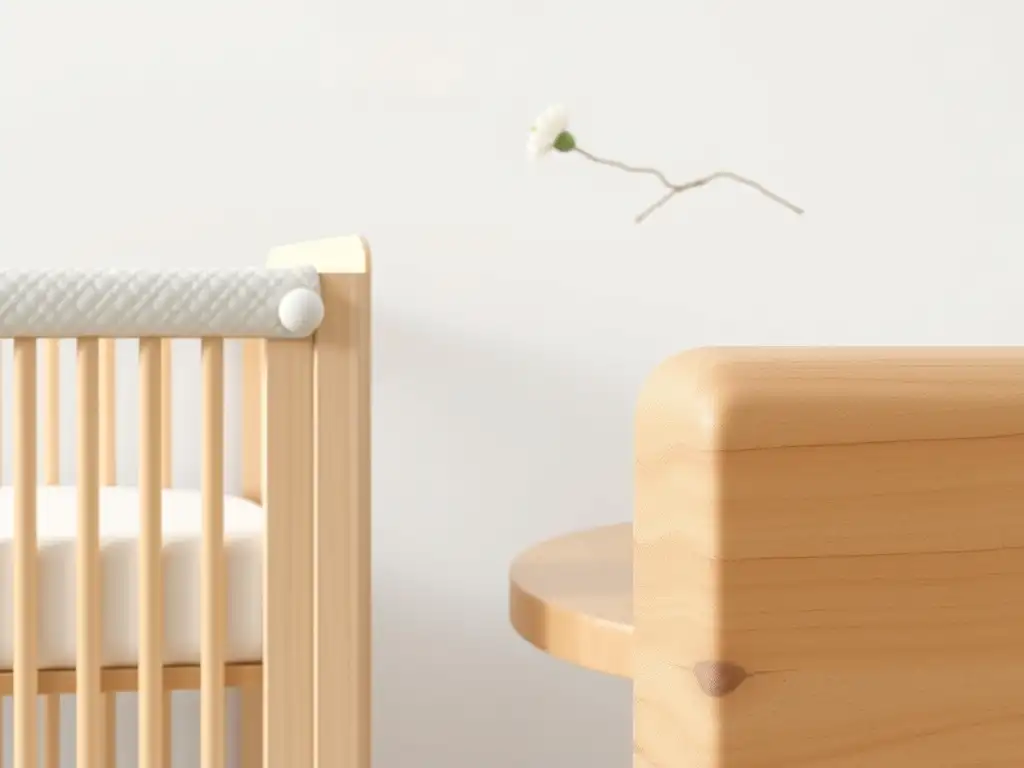
Choosing the right corner guards for your little one's safety is crucial, and understanding the materials is key. This section addresses common concerns regarding non-toxic baby corner guards, helping you make informed decisions for your baby's well-being. Remember, prioritizing non-toxic materials is a significant step in creating a safe and healthy environment for your child.
Are all foam corner guards non-toxic?
No, not all foam corner guards are created equal. While many are marketed as "safe," it's crucial to look beyond marketing claims. The term "non-toxic" itself can be ambiguous. Many foams contain chemicals like phthalates, formaldehyde, and volatile organic compounds (VOCs). These chemicals can off-gas, releasing harmful fumes into your baby's air, potentially leading to respiratory irritation or other health problems. 👶
To ensure you're selecting truly non-toxic options, look for products explicitly stating their compliance with rigorous safety standards. Certifications like GREENGUARD Gold ® indicate that the product has undergone independent testing and meets strict emission limits for VOCs and other harmful chemicals. Additionally, check the product's material composition carefully. Look for guards made from materials like:
- EVA foam: Ethylene-vinyl acetate foam is a popular choice known for its flexibility and durability, and many EVA foams are available in non-toxic formulations.
- Silicone: Silicone corner guards are another good option, as they are generally considered non-toxic and easy to clean.
- Natural rubber: While less common, some brands offer corner guards made from natural rubber, providing a non-toxic and sustainable alternative.
Always check the manufacturer's information for a complete list of ingredients and any relevant certifications to verify the product's safety. Don't hesitate to contact the manufacturer directly if you have any questions about the materials used.
How do I clean non-toxic baby corner guards?
Keeping your baby's corner guards clean is essential for maintaining hygiene and preventing the buildup of germs and bacteria. Cleaning methods vary slightly depending on the material.
- For EVA foam and silicone guards: These can usually be wiped down with a damp cloth and mild soap. Avoid harsh chemicals or abrasive cleaners, as these could damage the material or leave behind residues. A simple solution of warm water and a few drops of dish soap is usually sufficient. Rinse thoroughly and allow to air dry completely.
- For natural rubber guards: These may require more delicate cleaning. Again, a damp cloth and mild soap are recommended. Avoid submerging them in water for extended periods, as this could damage the material. Gently wipe down, rinse, and air dry completely.
Regular cleaning, ideally once a week or as needed, will help keep your baby's environment clean and safe. Remember to always inspect the guards for any signs of wear and tear and replace them if necessary. Regular cleaning is a crucial part of maintaining your baby's safety and health.
How long do non-toxic baby corner guards last?
The lifespan of non-toxic baby corner guards varies depending on several factors including the material, frequency of use, and how well they are maintained. However, you can generally expect them to last for several months to a year or even longer.
Several factors influence their longevity:
| Factor | Impact on Lifespan |
|---|---|
| Material Quality | Higher-quality materials tend to be more durable. |
| Frequency of Use | High-frequency use can lead to faster wear and tear. |
| Cleaning and Maintenance | Proper cleaning and care extend the lifespan significantly. |
| Exposure to Extreme Temperatures | Extreme temperatures can cause materials to degrade faster. |
Regularly inspect the corner guards for any signs of damage, such as tears, cracks, or significant wear. If you notice any damage, it's best to replace the guard immediately to ensure your baby's continued safety. Remember, replacing worn-out guards is a proactive step in ensuring your baby's safety, outweighing the cost of replacement. Prioritizing your baby's safety is paramount.
What are the best materials for non-toxic corner guards?
Choosing non-toxic materials for your baby's corner guards is paramount. You want something that protects your little one from sharp edges without introducing harmful chemicals into their environment. Several materials stand out as excellent choices for non-toxic baby corner guards.
One of the most popular and readily available options is silicone. Silicone corner guards are generally considered safe for babies because they're BPA-free, phthalate-free, and often made from food-grade silicone. This means they're designed to withstand contact with food, implying a higher level of safety for your baby. Look for guards specifically labeled as "food-grade silicone" for added assurance. They are also typically easy to clean, often wipe-clean, which is a significant advantage for parents dealing with messy situations. However, remember to always check the specific product's description for any potential allergens or warnings.
Another excellent choice is foam. However, not all foams are created equal. Avoid polyurethane foams, as some varieties can release volatile organic compounds (VOCs). Instead, opt for EVA foam (ethylene-vinyl acetate) corner guards. EVA foam is generally considered a safer alternative because it's less likely to contain harmful chemicals. It's also soft and flexible, providing good cushioning and protection. Moreover, EVA foam is often durable and can withstand repeated use and cleaning. It’s important to check the product description and certifications to make sure the foam used is indeed EVA and free of harmful additives.
Finally, natural rubber is another material often used in baby products and is a suitable choice for corner guards. Natural rubber is a sustainable and biodegradable material. However, some babies might have latex allergies, so careful consideration of this potential allergy is necessary before purchasing. Always check the product packaging for any allergy warnings. Natural rubber guards may not be as readily available as silicone or EVA foam options.
Choosing the right material is only part of the equation. Always inspect the corner guards carefully before installation. Look for any signs of damage or defects, and ensure that the adhesive used is also non-toxic and suitable for use around babies. Remember, a safe and healthy environment for your baby is a top priority.
Maintaining a Safe Home Environment for Your Baby: Beyond Corner Guards
This section focuses on broader aspects of baby-proofing beyond just corner guards, emphasizing a holistic approach to creating a safe and nurturing environment for your little one. While nontoxic corner guards are a crucial element of baby safety, they are just one piece of the puzzle. A truly safe home for a baby requires a multifaceted strategy addressing various potential hazards.
Proactive safety measures significantly reduce the risk of accidents and injuries, providing peace of mind for parents. Remember, the goal is to create a space where your baby can explore, learn, and grow without unnecessary risks. This involves careful consideration of all potential hazards, not just sharp corners.
Additional Baby-Proofing Essentials for Your Home
Beyond protecting your baby from sharp corners with nontoxic baby corner guards, consider these additional essential baby-proofing steps:
- Outlet Covers: Electrical outlets pose a significant hazard to curious babies. Invest in high-quality, durable outlet covers to prevent accidental electrocution. Choose covers that are difficult for little hands to remove.
- Cabinet and Drawer Locks: Keep cleaning supplies, medications, and other potentially harmful items securely locked away. Magnetic locks are generally easy to install and use, yet effective at keeping curious toddlers out.
- Furniture Anchoring: Prevent tip-overs by securing tall furniture like bookcases and dressers to the wall. Use appropriate anchoring straps designed for this purpose. A tipping dresser can cause severe injury or even death.
- Window Guards: If you have windows that open, install window guards to prevent falls. These guards should be securely installed and easily operable by adults but inaccessible to children.
- Stair Gates: Stair gates are essential for preventing falls down stairs. Choose gates that are securely mounted and appropriate for the width of your staircase. Consider using pressure-mounted gates for temporary use, but opt for hardware-mounted gates for more permanent and reliable protection.
- Toilet Lid Locks: Prevent accidental drowning by installing a toilet lid lock. These simple devices can prevent your baby from falling into the toilet.
- Cord Management: Keep electrical cords, blinds cords, and other cords out of reach. Use cord covers or secure cords to the wall to prevent strangulation hazards.
Creating a Safe Space for Crawling and Playing Babies
As your baby starts to crawl and explore, creating a safe play area becomes paramount. This space should be free from potential hazards and designed to encourage exploration while minimizing risks. Consider these points when designing your baby's play area:
- Soft Flooring: Use soft flooring materials such as rugs or mats to cushion falls. This will help to minimize the impact of bumps and bruises during your baby's active play.
- Safe Toys: Choose toys that are age-appropriate and free from small parts that could pose a choking hazard. Avoid toys with sharp edges or small pieces that could break off.
- Clear Space: Ensure the play area is free from clutter and potential tripping hazards. Remove any objects that could be easily knocked over or that your baby could climb on.
- Supervision: Always supervise your baby during playtime. Even with all the safety precautions in place, constant supervision is crucial to prevent accidents. This allows you to intervene quickly if necessary.
- Temperature Control: Maintain a comfortable room temperature to prevent overheating or chilling. Ensure the room is well-ventilated and free from drafts. Babies are particularly susceptible to temperature changes.
Remember, a safe home environment for your baby is an ongoing process. Regularly reassess your baby-proofing measures as your child grows and develops new skills. This proactive approach to safety will help you create a nurturing and secure environment for your little one to thrive. The use of nontoxic baby corner guards is only one part of this comprehensive strategy. 👶
Frequently Asked Questions
What materials are considered non-toxic for baby corner guards?
Several materials are considered safe, including foam made from EVA or polyurethane, silicone, and 100% cotton. Always check for certifications like OEKO-TEX Standard 100 to ensure the absence of harmful chemicals.
How do I install corner guards effectively?
Most corner guards are designed for easy peel-and-stick application. Clean the surface thoroughly before installation for optimal adhesion. Ensure the guards are firmly secured to prevent accidental detachment.
Are all "non-toxic" corner guards truly safe?
While many products claim to be non-toxic, it's crucial to verify the materials and certifications. Look for brands that clearly list ingredients and provide independent testing results.
What are the benefits of using non-toxic corner guards?
Protecting your baby from sharp edges and corners is paramount. Non-toxic guards offer this protection without exposing your baby to potentially harmful chemicals that could be ingested or absorbed through the skin.
How long do non-toxic corner guards typically last?
The lifespan varies depending on the material and usage. Durable, high-quality guards can last several years, but regular inspections for wear and tear are recommended to ensure continued safety.
Final Reflection: Protecting Our Little Ones, Naturally
The pervasive presence of toxins in everyday household items is a sobering reality, and choosing non-toxic baby corner guards is a crucial step in creating a truly safe haven for our infants. The seemingly small decision of selecting the right corner guards transcends mere practicality; it's a powerful statement about prioritizing our children's well-being above all else. This commitment to a healthier home environment is not just a trend, but a fundamental shift in parental responsibility.
The journey towards a toxin-free home is a continuous process, a testament to the enduring power of parental love and vigilance. It's a journey that requires research, awareness, and a willingness to challenge conventional norms. The impact of our choices extends far beyond the immediate environment; we are shaping a future where health and safety are paramount. The best inheritance a parent can give his children is a good example.
– Richard Proenneke. This quote resonates deeply, as our choices in creating a safe home directly influence the well-being and development of our children, shaping their future health and happiness.
Consider the implications of your choices. What kind of world are you building for your child, and for future generations? Take the time to research, to question, and to choose wisely. Don't just settle for the convenient; strive for the best, for the safest, for the most nurturing environment you can create. Your dedication to a non-toxic home is an investment in a healthier, happier, and more vibrant future for your little one. Let's build a world where safety and well-being are not just ideals, but realities for every child.
Unveil Your Baby's Safe Haven: Protect & Play!
Thank you for learning about creating a safer home for your little one. We hope you found our advice on choosing non-toxic corner guards helpful. Now let's put that knowledge into practice.
- Prioritize safety: Start by installing non-toxic corner guards made from silicone or soft foam. This crucial step will significantly protect your baby from injuries.
- Share your knowledge: Spread the word about babyproofing and safe materials by sharing this article on social media. Start a conversation with other parents about the best safety options.
- Learn more: Explore additional baby safety resources at BabyCareHub.org. You'll find a wealth of information there!
Ready to create a truly safe and playful space for your baby? What safety feature are you most excited to add today?