
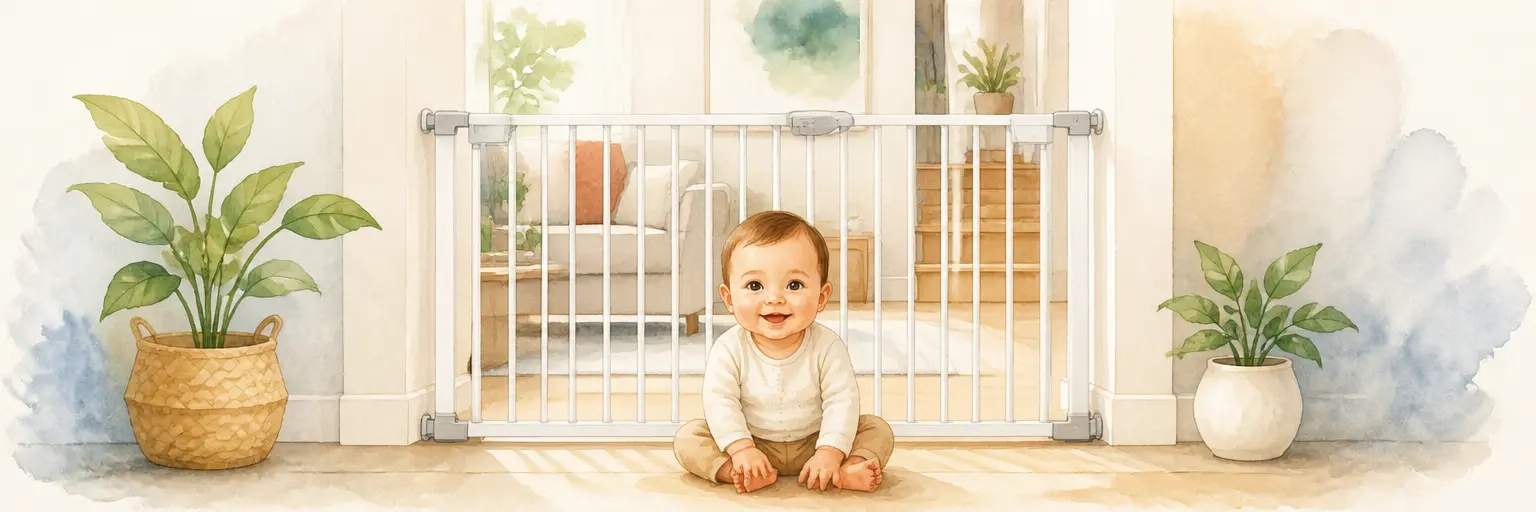
Baby Gates: The Unsung Heroes of Childproofing
Create a safer space for your little one with reliable baby gates designed to support secure movement throughout your home 🏡👶. Discover helpful guidance on choosing pressure-mounted or hardware-mounted gates, selecting the right height and width, and using safety features such as secure locks and sturdy construction. With BabyCareHub’s practical tips, first-time parents can confidently create child-friendly areas while reducing everyday household risks.
5 articles
Baby Gate Safety Checks: A Simple Routine to Follow
Baby Gate Maintenance: Keeping Your Gate Secure and Functional
Baby Gate Alternatives: Creative Solutions for Unique Home Layouts
Retractable Baby Gates: SpaceSaving Solutions for Modern Homes
🚪 Baby Gates for a Secure Home Environment
Welcome to BabyCareHub’s Baby Gates for a Secure Home Environment subcategory, where first-time parents can discover practical guidance for choosing, installing, and using baby gates at home. A well-selected child safety gate can help create safer boundaries around staircases, kitchens, nurseries, fireplaces, hallways, and other areas that may present risks to crawling babies and curious toddlers. Explore expert-informed tips on baby proofing your home, comparing gate styles, checking safety features, and building a more secure environment as your child grows.
🛡️ Choosing the Right Baby Gate for Your Home
Parents can learn how to compare pressure-mounted baby gates, hardware-mounted safety gates, retractable gates, walk-through gates, and extra-wide models. We explain which designs may work best for doorways, open-plan rooms, stair entrances, and irregular spaces, helping you select a child barrier that suits your home layout and everyday routine.
Our guidance also covers important considerations such as gate height, opening width, installation location, materials, locking mechanisms, and durability. Look for JPMA-certified or independently tested products whenever possible, and always follow the manufacturer’s instructions to support reliable childproofing.
🪜 Baby Gates for Stair Safety
Staircases require careful planning because falls can cause serious injuries. This section explains why hardware-mounted stair gates are commonly recommended for the top of stairs and how to assess banisters, landing areas, wall surfaces, and gate swing direction before installation.
Parents will also find advice on using safety gates at the bottom of stairs, keeping steps clear, and checking that the gate cannot be easily pushed, climbed, or opened by a young child. Proper placement and regular inspections are essential parts of effective staircase baby proofing.
🏠 Baby-Proofing Different Rooms
Every room has different hazards, and a baby gate can help limit access to unsafe areas. Discover practical ways to use child gates near kitchens, bathrooms, laundry rooms, home offices, fireplaces, pet areas, and storage spaces containing cleaning products or sharp objects.
BabyCareHub helps families create safer zones without making the home difficult to navigate. You can learn how to combine gates with cabinet locks, outlet covers, corner guards, furniture anchors, and other home safety products for babies and toddlers.
🔒 Safe Installation and Daily Use
A baby gate is only effective when it is installed correctly and used consistently. Read about measuring doorways, securing mounting hardware, avoiding unsafe gaps, testing the latch, and ensuring the gate remains firmly attached to the wall or frame.
We also highlight everyday safety habits, including closing the gate after passing through, keeping objects away from climbable areas, and checking for loose screws, damaged hinges, or worn locking parts. Routine inspections help maintain dependable protection as your child becomes stronger and more mobile.
👶 Baby Gates for Growing Children
Children develop quickly, so a gate that works for a crawling baby may not be suitable for an active toddler. This section explains how to reassess gate height, climbing risks, latch security, and room access as your child begins walking, running, and exploring independently.
Parents can also learn when a child may be ready for fewer barriers and how to transition gradually while maintaining supervision. A baby gate should support—not replace—active parental supervision and age-appropriate safety planning.
❓ Frequently Asked Questions About Baby Gates
1. Where should I install a baby gate?
Install a baby gate wherever your child may encounter a hazard, such as the top or bottom of stairs, kitchen entrances, fireplaces, bathrooms, or rooms containing pets and unsafe objects. The safest location depends on your home’s layout and the manufacturer’s instructions.
2. Are pressure-mounted baby gates safe for stairs?
Pressure-mounted gates are generally intended for openings where they can be securely braced, but they are not usually the preferred choice for the top of stairs. A hardware-mounted gate is typically more secure because it is attached directly to the wall or structural surface. Always follow product-specific guidance.
3. How tall should a baby gate be?
A baby gate should be tall enough to prevent climbing or leaning over. Many families choose a gate at least 22 inches high, although taller options may be more suitable for toddlers, active climbers, or homes with pets. Consider the child’s development and the manufacturer’s recommendations.
4. How often should I check a baby gate?
Inspect the gate regularly and after moving furniture, redecorating, or changing its position. Check mounting points, hinges, the latch, frame alignment, and any gaps. Replace a gate if it is cracked, unstable, missing parts, or no longer closes securely.
5. Can a baby gate replace supervision?
No. A child safety gate is an important tool for home baby proofing, but it does not replace attentive supervision. Babies and toddlers can climb, push, or find new ways around barriers, so caregivers should continue monitoring children and updating safety measures as they grow.