
Baby Gate Alternatives: Creative Solutions for Unique Home Layouts

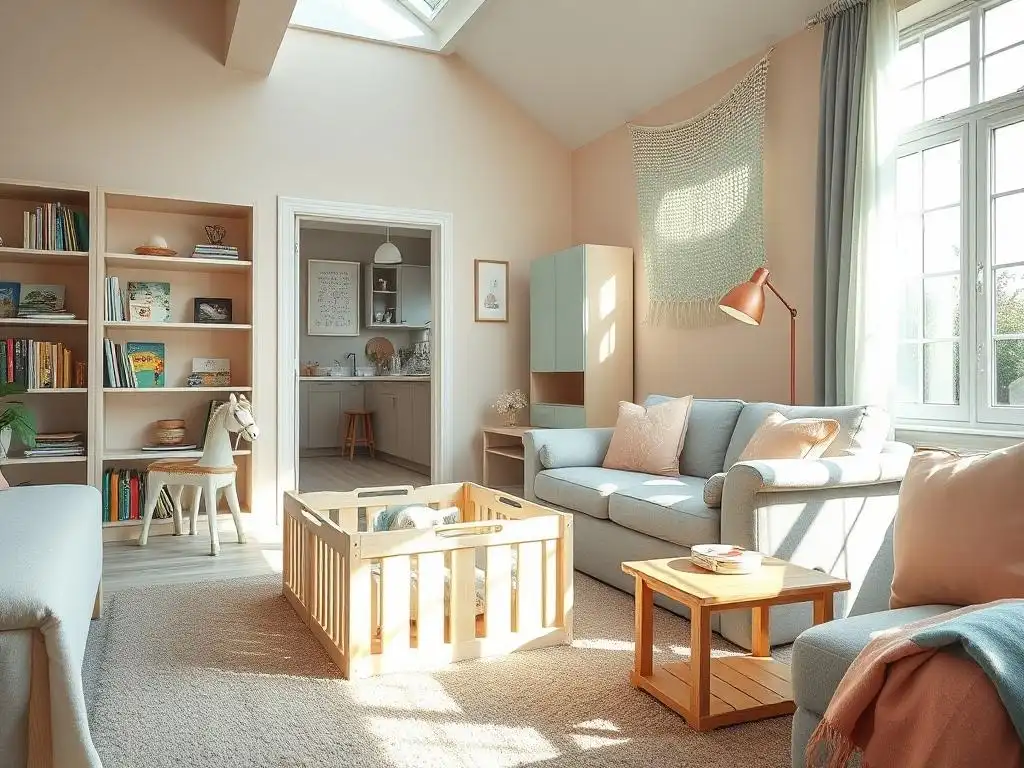
Welcome to BabyCareHub, your ultimate guide to navigating the incredible journey of parenthood! We understand that raising a little one can feel overwhelming, but we're here to simplify things. Are you searching for clever and safe solutions to childproof your home? Then discover our expert insights on safe baby gate alternatives, perfect for homes with unique layouts or those seeking stylish, practical options. Dive in and explore creative ideas to ensure your baby's safety, while maintaining the aesthetic of your home. Let's build a secure and happy environment for your precious bundle of joy!
- Why Consider Baby Gate Alternatives? Safety and Style for Your Home
- Innovative Baby Gate Alternatives for Different Home Layouts
- Creative Solutions Beyond Traditional Gates: Safe Baby Gate Alternatives
- DIY Baby Safety Solutions: Cost-Effective and Customizable Alternatives
- Choosing the Right Baby Gate Alternative: A Step-by-Step Guide
- Safe Baby Gate Alternatives: Frequently Asked Questions (FAQs)
- Frequently Asked Questions
- Final Reflection: Beyond the Gate: Cultivating Safety and Freedom in Your Home
- Unlock Your Home's Safety Potential!
Why Consider Baby Gate Alternatives? Safety and Style for Your Home
Navigating the world of babyproofing can feel overwhelming, especially when it comes to choosing the right safety measures for your unique home environment. While traditional baby gates offer a tried-and-true solution for containing little ones, they aren't always the perfect fit for every home. This article explores creative and safe baby gate alternatives, specifically designed to address the limitations of standard gates and enhance both safety and the aesthetic appeal of your home.
We'll delve into scenarios where traditional gates simply won't work, offering practical solutions that prioritize your baby's safety without compromising your home's style or space. Finding the right balance between security and a beautiful living space is crucial for new parents, and this guide aims to provide you with the tools and knowledge to achieve just that.
We'll cover various alternatives, from clever repurposing of existing furniture to innovative safety products designed for non-standard openings. Let's explore how to create a safe and stylish home for your precious little one, even if a traditional baby gate just won't cut it.
Traditional Baby Gates: Limitations and Challenges for Non-Standard Openings
Traditional baby gates, while effective in standard doorways and hallways, often fall short when faced with unique architectural challenges. Consider these common scenarios where a traditional gate simply won't work:
- Wide Openings: Stairwells or unusually wide doorways exceeding the maximum width of standard gates present a significant safety concern. Forcing a gate to fit might compromise its structural integrity, rendering it ineffective.
- Unusual Shapes: Archways, curved hallways, or openings with irregular shapes often pose insurmountable obstacles for standard baby gate installation.
- Sliding Doors: Securing a baby gate to a sliding glass door can be tricky and may not provide sufficient security. The mechanism might be easily bypassed by a determined toddler.
- French Doors: Fitting a traditional gate across a pair of French doors can be both difficult and potentially damage the doors.
These situations highlight the need for creative and adaptable solutions that go beyond the limitations of traditional baby gates. Finding a suitable alternative is paramount for maintaining a safe environment for your baby. The following sections will explore solutions tailored to these specific challenges.
Aesthetic Concerns: Integrating Baby Safety with Home Decor
Many parents find that traditional baby gates clash with their home's interior design. The bulky metal or plastic construction can detract from the overall aesthetic, creating a jarring visual disruption in an otherwise beautifully decorated space. This is especially true in homes with modern or minimalist decor. Fortunately, there are many alternatives that prioritize both safety and style. These include:
- Stylish Baby Gates: Some manufacturers offer baby gates designed with aesthetics in mind. These gates often feature sleek designs and high-quality materials that blend seamlessly with various interior styles.
- Repurposing Furniture: Strategically placing furniture, such as sofas or armchairs, can effectively block access to hazardous areas, creating a safe barrier without the need for a traditional gate.
- Decorative Room Dividers: Room dividers, often made of attractive materials like wood or fabric, can serve a dual purpose. They can define different areas of a room while simultaneously acting as a barrier to prevent your baby from accessing restricted zones.
Choosing a visually appealing solution can help maintain the harmony and style of your home while ensuring your baby's safety. This holistic approach to babyproofing minimizes the visual impact of safety measures while ensuring the safety of your child.
Space Saving Solutions: Alternatives for Small Apartments and Homes
In smaller living spaces, even a slim baby gate can feel bulky and intrusive. Opting for alternatives helps maintain a sense of openness and spaciousness while still prioritizing safety. Here are some space-saving options to consider:
- Pressure-mounted gates with slim designs: While pressure-mounted gates can still take up some space, many manufacturers now offer slimmer designs that are less visually imposing.
- Using furniture strategically: As mentioned before, strategically placing furniture can be a highly effective and space-saving method of babyproofing.
- Baby Playpens: A baby playpen can offer a safe and contained space for your baby to play, eliminating the need for gates in certain areas.
These space-saving alternatives help to ensure your baby's safety without sacrificing valuable space in your home. Careful consideration of these options can greatly enhance the functionality and aesthetics of your home while keeping your little one safe.
Innovative Baby Gate Alternatives for Different Home Layouts
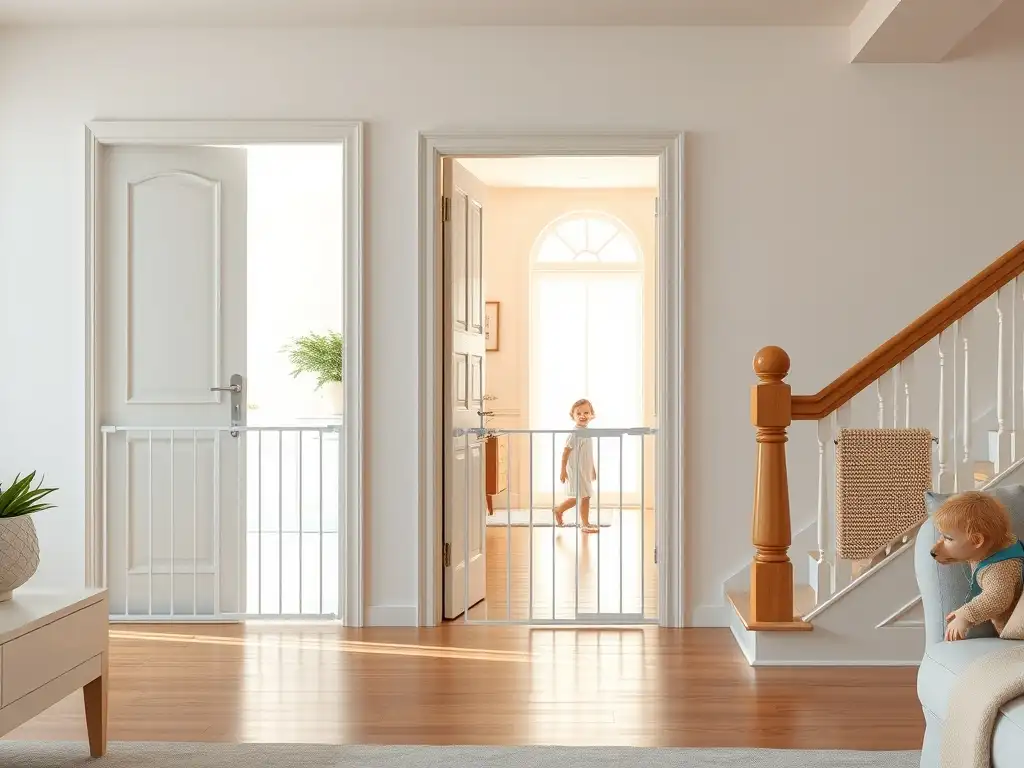
This section explores creative and safe alternatives to traditional baby gates, catering to various home layouts and parental preferences. Finding the right solution for your home is crucial for ensuring your baby's safety while maintaining a functional living space. We'll delve into several options, providing detailed information to help you make an informed decision. Remember, a safe environment is paramount for your little one's well-being. This guide focuses on practical "safe baby gate alternatives" to achieve this.
Pressure-Mounted Baby Gates: Quick & Easy Installation for Standard Doorways
Pressure-mounted baby gates offer a convenient and often temporary solution for securing standard doorways. These gates utilize pressure to stay in place, requiring no drilling or permanent modifications to your home. However, it's crucial to choose a gate that fits snugly and securely, with strong pressure mounting mechanisms. Regular checks are essential to ensure the gate remains firmly in place and hasn't loosened over time.
Consider these factors when selecting a pressure-mounted gate:
- Doorway Width: Carefully measure your doorway to ensure compatibility. Many gates have adjustable widths, but exceeding the maximum limit can compromise safety.
- Pressure Adjustment: Ensure the gate provides sufficient pressure to hold firmly against the door frame without damaging it. Too little pressure and the gate might become dislodged; too much, and you risk marking the frame.
- Material Quality: Opt for robust materials that can withstand the rigors of daily use and accidental impacts. Sturdy construction is vital for ensuring long-term safety and preventing accidental collapses.
- Ease of Opening and Closing: Choose a gate with a mechanism that is easy for you to operate but difficult for your little one to manipulate. Consider gates with one-handed operation features for convenience.
Example: A pressure-mounted gate installed in a standard kitchen doorway.
Imagine a busy kitchen with a toddler exploring. A pressure-mounted gate allows quick and easy access for parents while effectively preventing the child from entering the potentially hazardous kitchen area. Regular checks are crucial; a slight shift in the gate's positioning could compromise its effectiveness. Always ensure the gate is firmly mounted and the pressure is adequately adjusted.
Hardware-Mounted Baby Gates: Secure Solutions for Wider Openings & Extra Security
For wider openings, staircases, or situations demanding enhanced security, hardware-mounted baby gates are the preferred choice. These gates require installation using screws, offering a more permanent and robust solution. While installation is slightly more involved, the increased security and stability justify the effort. They often provide a more secure barrier than pressure-mounted alternatives, making them ideal for high-traffic areas or areas with potential hazards.
Here are key considerations for choosing a hardware-mounted gate:
- Wall Material: Ensure the gate is compatible with your wall material (e.g., drywall, brick, wood). Some gates are designed for specific materials.
- Installation Instructions: Follow the manufacturer's instructions meticulously. Incorrect installation can compromise the gate's safety and effectiveness.
- Gate Height: Choose a gate that is sufficiently tall to prevent your child from climbing over it. Consider your child's height and growth trajectory.
- Locking Mechanism: Check for a reliable locking mechanism that is difficult for a child to open accidentally. Self-closing and auto-locking features are beneficial.
| Feature | Hardware-Mounted Gate | Pressure-Mounted Gate |
|---|---|---|
| Installation | Requires drilling and screws | Pressure mounted, no drilling required |
| Security | Higher security, more robust | Lower security, can be dislodged more easily |
| Suitability | Wider openings, staircases, high-risk areas | Standard doorways, temporary solutions |
| Durability | Generally more durable | Can be less durable, depending on quality and use |
Retractable Baby Gates: Space-Saving Options for Busy Households
Retractable baby gates are a fantastic space-saving alternative, particularly useful in areas where a permanently mounted gate might obstruct the flow of traffic or appear visually intrusive. These gates retract neatly into a casing when not in use, maintaining a clean and uncluttered look. However, it's crucial to ensure the retractable mechanism is robust and functions reliably. Regular checks are necessary to ensure the gate retracts and extends smoothly. Improper functioning can lead to gaps, compromising safety.
Points to consider when choosing a retractable gate:
- Retraction Mechanism: The mechanism should be smooth, easy to operate, and reliable. Test it thoroughly before installation.
- Material Strength: The gate material should be strong and durable enough to withstand frequent use and potential impacts.
- Installation Simplicity: While generally easier to install than hardware-mounted gates, ensure you understand the installation process and have the necessary tools.
- Childproof Locking System: The locking mechanism should be childproof and easy for adults to operate with one hand.
Remember, regardless of your chosen "safe baby gate alternative," regular inspections are crucial. Always check for any signs of wear and tear, loose components, or malfunctioning mechanisms. Your baby's safety is paramount. 👶
Creative Solutions Beyond Traditional Gates: Safe Baby Gate Alternatives
This section explores innovative and safe alternatives to traditional baby gates, particularly beneficial for homes with unusual layouts or architectural features where standard gates might be impractical or aesthetically unappealing. We'll examine several approaches to childproofing your home effectively, focusing on solutions that prioritize both safety and style. Remember, the primary goal is to create a secure environment for your baby while maintaining the functionality and beauty of your home. Finding safe baby gate alternatives doesn't mean compromising on either.
Furniture Placement Strategies: Using existing furniture to create baby-safe zones
Strategic furniture placement can be a surprisingly effective way to create safe zones for your baby without resorting to gates. This approach is particularly useful in open-plan living areas or homes with unusual room shapes. Instead of physically blocking access, you cleverly use existing furniture to naturally delineate safe spaces.
For example, a large sofa placed strategically can act as a barrier, preventing your baby from accessing certain areas. Combine this with a coffee table (consider rounded edges for extra safety! ), and you have a natural playpen-like zone. Similarly, bookshelves, armchairs, or even strategically placed plants (non-toxic, of course!) can contribute to this natural barrier system. The key is to ensure the furniture is stable and won't easily topple over if your baby attempts to climb it. Regularly assess the stability of your furniture arrangement and adjust as needed, especially as your baby grows and becomes more mobile.
Remember to consider the overall flow of your home. While creating safe zones, ensure you haven't inadvertently created tripping hazards for yourself or others. This approach to safe baby gate alternatives requires careful planning and mindful arrangement, but it can be surprisingly effective and aesthetically pleasing.
Baby Playpens: Creating Dedicated Play Areas for Safe Exploration
Baby playpens offer a dedicated, contained space for your little one to play and explore safely. Unlike gates that restrict access to certain areas, playpens create a positive space – a designated area where your baby can freely move around without the risk of encountering hazards. Modern playpens come in various sizes, designs, and materials, offering flexibility to suit different spaces and aesthetics.
Choosing the right playpen is crucial. Look for features like sturdy construction, easy setup and takedown, and breathable mesh sides to ensure adequate ventilation and allow for easy supervision. Some playpens even incorporate features such as toy bars or storage compartments. Consider the size of your space and the amount of room your baby needs to move around comfortably. A larger playpen will allow for more exploration, but it might not be suitable for smaller rooms.
The advantage of a playpen as a safe baby gate alternative is that it's a contained, portable solution. You can easily move it around your home as needed, setting it up in different rooms depending on your daily routine. This flexibility makes it an ideal solution for those seeking a temporary or adaptable childproofing method. Furthermore, playpens can also serve as a safe space during travel or visits to relatives’ homes.
Room Divider Alternatives: Stylish and Safe Room Separation
If you're looking for a more permanent and stylish solution to separate rooms or areas, consider room dividers. Room dividers offer a visually appealing and functional alternative to traditional gates, especially in larger rooms or open-plan spaces. They come in a wide variety of styles and materials, from simple fabric screens to more substantial wooden or bamboo structures.
The beauty of this approach is that it combines safety with aesthetic appeal. You can choose a room divider that complements your home's décor, creating a stylish and functional separation between areas. However, ensure that the chosen room divider is sufficiently sturdy and tall to prevent your baby from climbing over it. Choose materials that are durable and easy to clean.
When selecting a room divider as a safe baby gate alternative, prioritize stability and height. Avoid flimsy options that your baby could easily push over. Regularly inspect the divider for any signs of damage or wear and tear, replacing it if necessary. Ultimately, the selection should balance safety, style, and practicality to create a secure and visually pleasing environment for your baby.
DIY Baby Safety Solutions: Cost-Effective and Customizable Alternatives
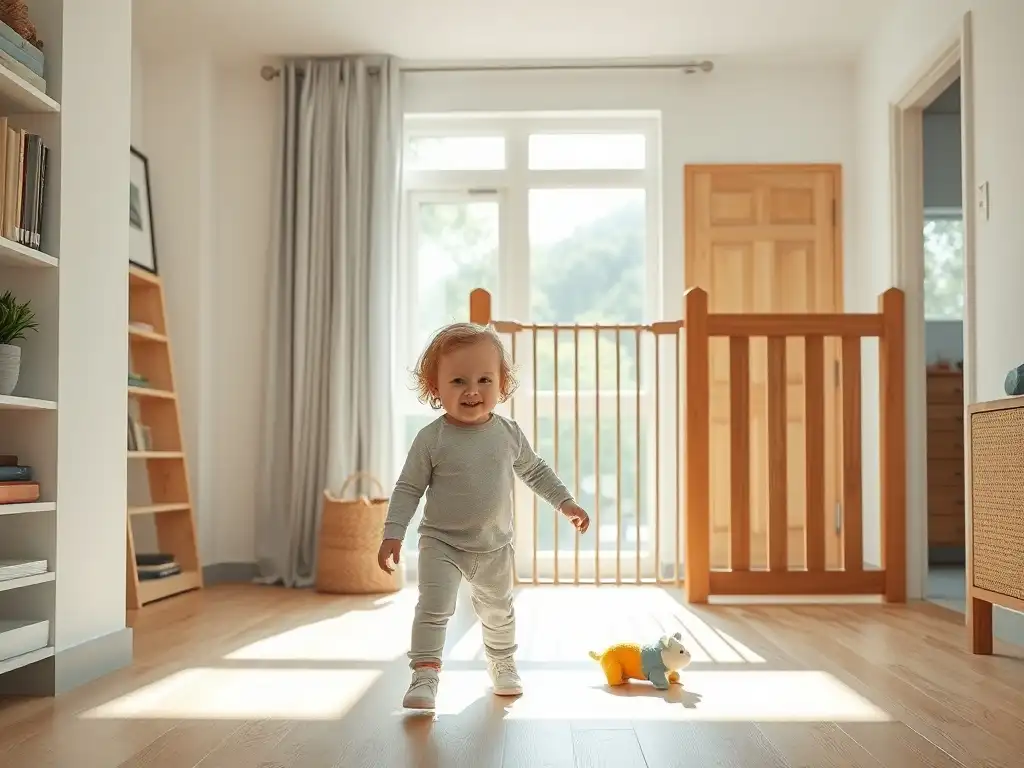
This section explores creative and budget-friendly alternatives to commercially available baby gates, focusing on DIY solutions tailored to unique home layouts. These options offer a level of customization unavailable with standard gates, allowing you to address specific safety concerns in your home. Remember, safety is paramount, so always prioritize sturdy construction and adherence to safety guidelines when implementing any DIY project. Finding safe baby gate alternatives doesn't have to break the bank!
Building a Custom Gate: Materials and Instructions (with safety considerations)
Constructing a custom baby gate allows for perfect integration with your home's architecture and aesthetic. This approach is ideal for unusual openings or spaces where standard gates don't fit. However, careful planning and execution are crucial to ensure the gate's durability and safety.
Here's a basic example using readily available materials:
Materials:
- Pressure-treated lumber (2x4s or similar, depending on the gate's dimensions)
- Strong hinges
- Heavy-duty latch (consider a double-locking mechanism for extra security)
- Wood screws (exterior-grade)
- Sandpaper
- Wood stain or paint (optional)
Instructions:
- Measure the opening where the gate will be installed. Accuracy is critical for a proper fit.
- Cut the lumber to the required dimensions, ensuring a snug fit. Add extra support where needed, especially for wider openings.
- Assemble the frame, using wood screws to join the pieces securely. Pre-drill holes to prevent wood splitting.
- Attach the hinges to the frame and the wall or door frame. Use strong, reliable hinges designed for heavy use.
- Install the latch mechanism, ensuring it's easy for adults to operate but impossible for a baby to manipulate. Consider adding a secondary latch for increased safety.
- Sand down any rough edges to prevent splinters.
- Apply wood stain or paint (optional) for a finished look.
Safety Considerations:
- Use pressure-treated lumber to resist rot and warping.
- Ensure all screws are firmly tightened to prevent loosening over time.
- Regularly inspect the gate for any signs of damage or wear and tear. Replace or repair any damaged components immediately.
- Test the gate's strength and stability before allowing your baby near it.
- Never leave a baby unattended near the gate.
- The gate should be tall enough to prevent climbing. A minimum height of 30 inches is often recommended. Consider the child’s height and climbing abilities.
This example provides a basic framework. More complex designs might incorporate additional features, such as decorative elements or adjustable height mechanisms. Always prioritize safety and consult with a qualified professional if you have any doubts about your DIY skills.
Repurposing Existing Items: Creative and Budget-Friendly Solutions
Instead of purchasing a new gate, consider repurposing existing items in your home. This is an excellent way to save money and reduce waste. Here are a few ideas:
- Bookshelves: A sturdy bookshelf can be strategically positioned to block off an area, providing a temporary barrier. Ensure the bookshelf is securely anchored to the wall to prevent tipping.
- Tall Furniture: A tall dresser or wardrobe can effectively block access to certain areas, especially if you have a small child who can't climb easily.
- Folding Screens: A sturdy folding screen can be used as a temporary barrier for doorways or hallways. Ensure it's stable and won't easily topple over.
Remember to always assess the stability and safety of any repurposed item before using it as a baby gate alternative. Prioritize items that are sturdy, heavy, and unlikely to tip over easily. Never rely on lightweight or unstable furniture to keep your baby safe. Always supervise your child closely when they are near repurposed items used as barriers.
Safety Considerations for DIY Projects: Ensuring Durability and Child Safety
When crafting your own safe baby gate alternatives, remember that a well-built, durable gate is essential. A poorly constructed gate can be more dangerous than no gate at all. Here are crucial safety considerations:
- Material Strength: Choose materials that are strong and resistant to damage. Avoid using materials that could easily break or splinter.
- Hardware Quality: Use high-quality hinges, latches, and screws designed for heavy use. Cheap hardware can fail, compromising the gate's safety.
- Regular Inspection: Regularly inspect the gate for any signs of wear and tear. Replace or repair any damaged components immediately.
- Child-proofing: Ensure the gate's design prevents a child from easily climbing over, under, or around it. Consider the child’s age and developmental stage.
- Gaps and Openings: Minimize gaps and openings to prevent a child from squeezing through. The spaces should be too small for a child's head or body to pass through.
- Sharp Edges: Sand down any sharp edges or corners to prevent injury.
- Pinch Points: Eliminate any pinch points where a child's fingers or limbs could get trapped.
- Testing: Thoroughly test the gate's stability and strength before allowing your baby near it.
Remember, these DIY solutions are suggestions and should be adapted to your specific needs and home environment. Prioritize safety above all else and consult with a qualified professional if you have any concerns about the safety of your DIY baby gate alternative. Always supervise your child closely. 👶
Choosing the Right Baby Gate Alternative: A Step-by-Step Guide
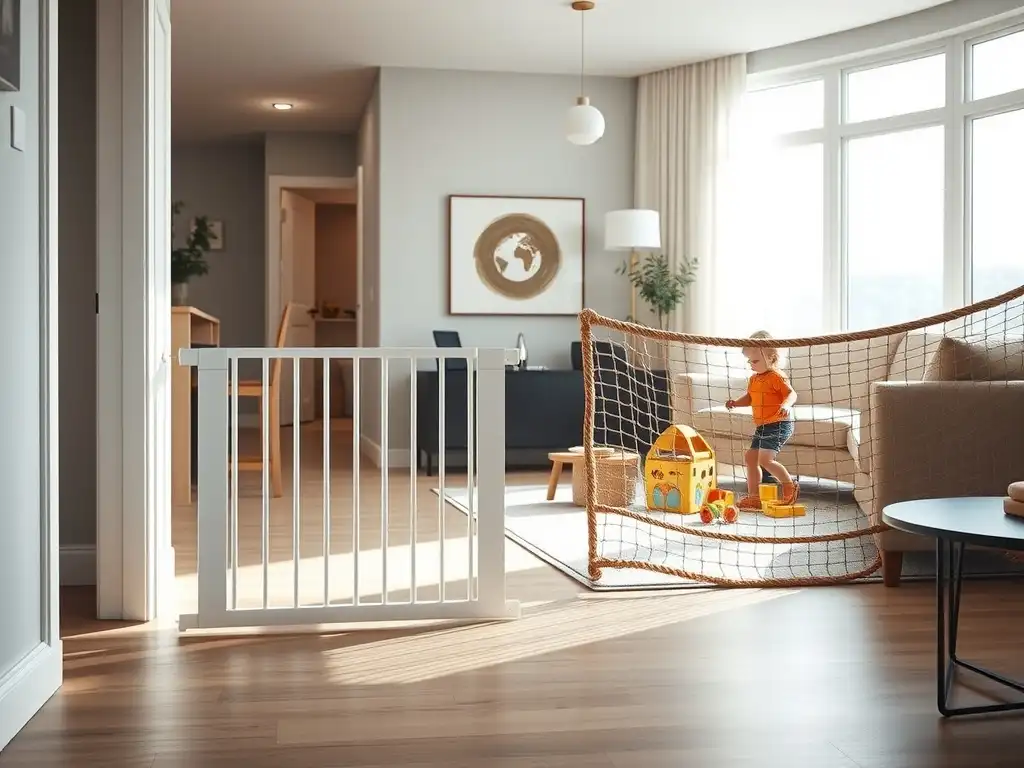
This section delves into the practical aspects of selecting the best baby gate alternative for your unique home situation. Choosing the right solution involves careful consideration of several factors beyond just safety. We’ll explore these crucial aspects to help you make an informed decision that prioritizes both your baby's safety and your family's comfort. Remember, the goal is to find a safe baby gate alternative that seamlessly integrates into your home environment.
Assessing Your Home's Layout and Needs: Identifying Problem Areas
Before diving into specific alternatives, a thorough assessment of your home is paramount. This involves identifying areas requiring childproofing and understanding the specific challenges each presents. Consider these points:
- Stairways: Are your stairs straight or winding? What's the width of the staircase? A standard gate might not fit a narrow or unusually shaped staircase. You might need a custom solution or a different approach entirely.
- Doorways: Do you have standard doorways, or are some wider or narrower than average? Standard gates often have size limitations.
- Hallways: How wide are your hallways? Are there any unusual architectural features, such as alcoves or built-in shelving, that might complicate gate installation?
- Openings to hazardous areas: Identify any areas that pose a particular risk, such as access to kitchens, laundry rooms, or garages. These might require more robust solutions than a simple gate.
- Pet access: Do you have pets? Will your chosen solution allow for easy pet access while still keeping your baby safe? Consider designs that accommodate both.
Let's look at a concrete example: A home with a curved staircase and narrow hallways would benefit from a different solution than a home with wide hallways and straight staircases. The former might necessitate a custom-built gate or a creative alternative like strategically placed furniture. The latter might allow for a simpler, more readily available solution.
Budget Considerations: Balancing Cost and Safety Features
The cost of baby gate alternatives can vary significantly. While safety should never be compromised, it's essential to find a solution that fits your budget. Consider these cost factors:
| Alternative Type | Approximate Cost Range | Pros | Cons |
|---|---|---|---|
| Pressure-mounted gates | $20 - $50 | Easy installation, readily available | Less secure than other options, may not fit all openings |
| Hardware-mounted gates | $30 - $100 | More secure than pressure-mounted gates | More difficult to install, may damage door frames |
| Retractable gates | $40 - $80 | Space-saving, convenient | Can be more expensive, may require more maintenance |
| Custom-built gates | $100+ | Bespoke design for unique spaces | High cost, longer installation time |
| Furniture and other barriers | Varies greatly depending on items used | Often already owned, cost-effective | May not provide the same level of security as dedicated gates |
Remember that the most expensive option isn't necessarily the best. A well-chosen, less expensive option that perfectly suits your needs is far superior to an expensive, unsuitable one. 👶
Installation and Maintenance: Ease of use and long-term practicality
The ease of installation and long-term maintenance are crucial factors to consider. Some alternatives require professional installation, while others are DIY-friendly. Think about:
- Ease of installation: How easy is it to install the chosen alternative? Do you need specific tools or skills? Consider your DIY capabilities.
- Maintenance requirements: Will the alternative require regular cleaning or maintenance? Some retractable gates, for example, may require periodic lubrication.
- Durability: How durable is the material? Will it withstand daily use and potential wear and tear? Choose a durable option to ensure long-term value.
- Adjustability: Will the chosen alternative need adjustments as your baby grows? Some gates offer adjustable height or width.
For example, a pressure-mounted gate might be easy to install, but it might not be as durable or secure as a hardware-mounted option. A retractable gate might be space-saving but may require more frequent maintenance. Prioritize a balance between ease of use and long-term practicality to ensure a safe and convenient solution for your family.
Safe Baby Gate Alternatives: Frequently Asked Questions (FAQs)
This section addresses common concerns regarding the safety and efficacy of baby gate alternatives, offering insights to help parents make informed decisions about protecting their little ones. Finding the right solution for your home and child is crucial, and understanding the nuances of various alternatives is key. Let's dive into some frequently asked questions.
Are baby gate alternatives as safe as traditional gates?
The safety of a baby gate alternative depends entirely on the specific product and its proper installation. While traditional pressure-mounted or hardware-mounted gates offer a standardized level of security, well-designed and correctly implemented alternatives can provide comparable safety. However, it's crucial to remember that no alternative offers the same universal solution as a properly installed gate. Each alternative must be carefully assessed for its suitability to your specific needs and environment.
For instance, a strategically placed piece of furniture might be effective in blocking off a doorway for a crawling infant, but it might not deter a more mobile toddler who could easily climb or move it. Similarly, a baby gate alternative like a sturdy bookshelf might be safe for a while, but its effectiveness diminishes as your child grows and develops. Regular checks and adjustments are essential to maintain safety.
Consider factors like your child's age, mobility, and problem-solving skills when assessing the effectiveness of any alternative. A thorough risk assessment is paramount. Choosing the right alternative requires careful consideration of your child's developmental stage and the specific hazards you need to mitigate.
Think of it like this: a traditional gate is a dedicated safety device designed to withstand significant pressure. Alternatives often repurpose existing furniture or utilize different mechanisms, and their safety relies heavily on proper placement, secure anchoring (if applicable), and the inherent sturdiness of the materials involved. Therefore, while equivalent safety is achievable, it requires more vigilance and careful consideration than a traditional gate.
What are the best baby gate alternatives for pets?
Finding a solution that keeps both baby and pets safe requires careful planning. Many traditional baby gates pose a significant challenge for pets, who may not understand the barrier and could potentially injure themselves trying to overcome it. Therefore, exploring alternatives becomes even more important.
Several options work well in conjunction with pet-friendly practices. For example, using a combination of strategically placed furniture (like sofas or armchairs) can create a barrier, but only if the furniture is heavy and stable enough to resist displacement by enthusiastic pets. However, this approach requires careful consideration of your pet's size, strength, and climbing abilities. A small dog might easily climb over a low sofa, while a larger dog might push it over.
Another approach involves using childproof door locks in combination with pet doors installed in other areas of the house. This method allows pets free access to certain areas while keeping your baby secure in others. Always prioritize the safety of your child and consider your pet's behavior and training when selecting an approach. Remember that regular supervision is vital regardless of the method employed. A well-trained pet is less likely to pose a problem, but unpredictable behavior should always be anticipated.
How do I choose the right alternative for my child's age and development?
The ideal baby gate alternative is heavily influenced by your child's developmental stage. A solution effective for a crawling six-month-old will likely be insufficient for a mobile one-year-old.
- Crawling infants (6-9 months): Strategic placement of furniture, or using a low, sturdy barrier (such as a playpen strategically placed to block a doorway) might suffice.
- Cruising and walking toddlers (9-18 months): More robust alternatives are needed. This could involve using heavier furniture, or a combination of furniture and other barriers.
- Active toddlers (18 months and older): At this age, most alternatives become less effective. A traditional baby gate is often the safest option, or creative solutions utilizing multiple barriers might be considered.
Remember to always supervise your child closely, regardless of the chosen method. Regularly reassess the effectiveness of your chosen alternative as your child grows and develops. What works today might not be sufficient tomorrow. Regular assessment and adaptation are key to ensuring your child's ongoing safety. The emphasis should always be on creating a safe environment that adapts to your child's evolving abilities. Prioritize solutions that are both safe and age-appropriate.
Where can I find more information on baby safety?
Finding reliable information on baby safety is crucial for new parents. Beyond this article on safe baby gate alternatives, numerous resources offer comprehensive guidance. The American Academy of Pediatrics (AAP) website is an excellent starting point, providing evidence-based recommendations on various aspects of child safety, from car seat installation to home safety checklists. Their website often features articles and publications specifically addressing common safety concerns, including those related to preventing falls and injuries.
Many reputable organizations dedicated to child safety offer similar resources. These organizations often publish detailed guides and fact sheets covering topics like safe sleep practices, preventing choking hazards, and creating a childproof home environment. These resources frequently include checklists and step-by-step instructions to help parents systematically assess and mitigate potential risks within their homes. Looking for organizations focused on child injury prevention in your specific region can provide even more localized and relevant information.
Furthermore, local health departments and hospitals often host workshops and seminars on baby safety. These events provide opportunities to interact with experts and ask specific questions about your home environment and your baby's unique needs. Many libraries also offer parenting classes and resources, often including materials on child safety. Checking your local library's website or contacting them directly can reveal valuable local resources.
Finally, remember to consult your pediatrician; they are invaluable resources for personalized advice and addressing any specific safety concerns you might have about your child. They can offer tailored recommendations based on your baby's age and development. Remember, a multi-faceted approach to seeking information, combining online resources with local support and professional advice, is the best way to ensure your baby's safety.
Frequently Asked Questions
What are some safe baby gate alternatives for unusual spaces?
Many safe alternatives exist depending on your needs. Consider using furniture strategically, such as a sofa or bookshelf, to block off areas. Pressure-mounted barriers can also be effective in certain situations.
Are baby gates always necessary?
No, baby gates aren't always necessary. A well-babyproofed home with child-resistant locks on cabinets and drawers can often eliminate the need for gates in some areas. Prioritize supervision as your primary safety measure.
How can I ensure a baby gate alternative is safe?
Ensure the chosen alternative is sturdy and cannot be easily moved or climbed by your baby. Regularly check its stability and make adjustments as needed. Prioritize solutions that prevent access to hazardous areas.
What if my baby is already climbing?
If your baby is already climbing, you may need a taller or more robust solution. Consider using multiple barriers in conjunction or opting for a pressure-mounted gate specifically designed for climbers. Close supervision remains crucial.
Where can I find more information about babyproofing?
BabyCareHub offers a wealth of information on babyproofing. We provide step-by-step guides and expert advice to help you create a safe environment for your little one. Check out our other articles for more details.
Final Reflection: Beyond the Gate: Cultivating Safety and Freedom in Your Home
The quest for childproofing doesn't end with a standard baby gate; it begins with a thoughtful understanding of your home's unique needs and your child's evolving development. Finding the right balance between safety and freedom is a constant journey, one that demands creativity and adaptability. This isn't just about preventing falls; it's about fostering a secure environment where your child can explore and grow.
The creative solutions explored in this article – from repurposed furniture to strategically placed rugs – highlight the importance of thinking outside the box when it comes to child safety. This isn't merely about practicality; it's about shaping a home that reflects your family's values and priorities. As the saying goes, The best things in life are not things.
This applies equally to childproofing; the most effective solutions often involve a shift in perspective, prioritizing ingenuity and adaptability over simply purchasing a pre-made product.
Consider the unique challenges and opportunities presented by your own home. What creative solutions can you implement to ensure your child's safety while simultaneously encouraging their independence and exploration? Don't be afraid to experiment, to adapt, and to find what works best for your family. The journey of childproofing is a testament to your love and commitment, and the solutions you find will be a reflection of your ingenuity and dedication to creating a safe and nurturing environment for your little one to thrive.
Unlock Your Home's Safety Potential!
Thank you for exploring creative baby-proofing solutions with us! We hope you found some helpful ideas for keeping your little one safe. Now, let's put those ideas into action:
- Prioritize your top safety concern: Identify the area of your home that needs the most immediate attention. Is it the staircase, a specific room, or a hazardous appliance? Develop a detailed safety plan for that area, incorporating the techniques discussed.
- Share your clever solutions: Do you have a unique baby-proofing technique that you'd like to share? Let's inspire other parents! Share your ideas in the comments below.
- Explore additional resources: For more targeted suggestions and product reviews, search online for baby-proofing solutions tailored to your home type and specific needs.
Ready to make your home a safer and more enjoyable space for your child? What's the first step you'll take to improve your home's safety?