
Tips for Using Cabinet Locks Effectively: A Guide for Busy Parents

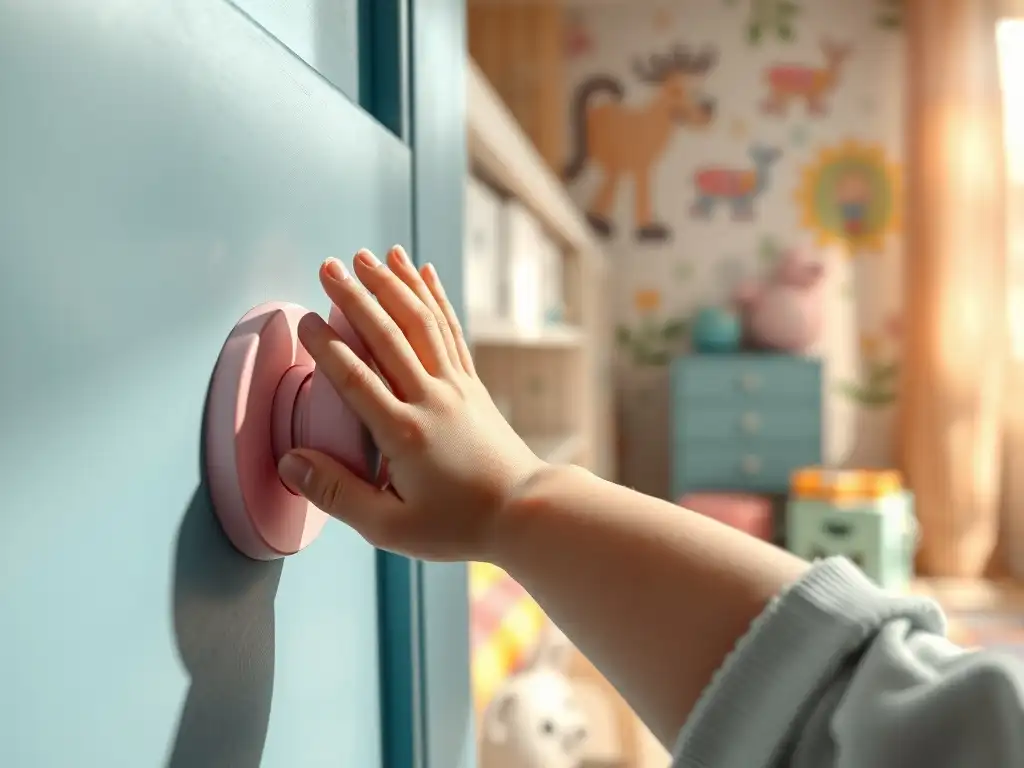
Welcome to BabyCareHub, your ultimate guide to navigating the exciting yet challenging world of parenthood! We understand that raising a little one can feel overwhelming, especially for first-time parents. That's why we've created this comprehensive resource to support you every step of the way. But first, consider this: are your cabinets truly baby-proof? Learn essential Baby cabinet lock safety tips and discover how to effectively protect your little explorer with our detailed guide on ensuring baby's safety at home. Dive in and unlock peace of mind!
- Understanding the Importance of Childproofing Cabinets: Baby Cabinet Lock Safety Tips
-
Choosing the Right Cabinet Locks for Your Home: Best Cabinet Locks for Toddlers
- Types of Baby Cabinet Locks: Magnetic Locks vs. Strap Locks vs. Adhesive Locks
- Top 5 Best-Selling Baby Cabinet Locks on Amazon in 2024: Reviews and Comparisons
- Budget-Friendly Cabinet Locks vs. Premium Options: A Cost-Benefit Analysis
- Installing Cabinet Locks: A Step-by-Step Guide with Video Tutorials
- Effective Strategies for Using Cabinet Locks: Baby Safety Lock Installation Tips
- Beyond Cabinet Locks: Additional Babyproofing Strategies for Cabinet Safety
- Frequently Asked Questions About Baby Cabinet Locks
- Resources and Further Reading: Baby Cabinet Safety Resources
- Frequently Asked Questions
- Final Reflection: Securing Childhood: A Legacy of Safety
- Unlock a More Peaceful Home: Take Charge of Child Safety Today!
Understanding the Importance of Childproofing Cabinets: Baby Cabinet Lock Safety Tips
Navigating the world of parenthood, especially for first-timers, can feel overwhelming. Amidst the joy and wonder of welcoming a new baby, ensuring their safety becomes paramount. This comprehensive guide focuses on a crucial aspect of baby-proofing your home: securing cabinets.
We'll delve into the essential reasons why childproofing cabinets, specifically using cabinet locks, is not just a good idea, but a critical step in protecting your little one from potential hazards. This article provides practical, actionable “Baby cabinet lock safety tips” to help you create a safer environment for your child as they explore their surroundings with increasing mobility and curiosity. We will explore various aspects of cabinet safety, focusing on preventing accidental poisoning, injuries from sharp objects, and other common household dangers.
By the end, you'll have a clear understanding of how to effectively use cabinet locks and significantly reduce the risk of accidents in your home. Let's dive in!
Why Cabinet Locks are Essential for Baby Safety
Babies are naturally curious explorers. Their developing motor skills lead them to reach, grab, and pull at anything within their reach. Unsecured cabinets, drawers, and cupboards present significant risks. They contain a multitude of items that can be incredibly dangerous for a baby, ranging from cleaning supplies and medications to sharp utensils and potentially poisonous substances.
Installing cabinet locks is a proactive measure to prevent accidental ingestion or injury. Think of it as an extra layer of protection, a safety net that gives you peace of mind knowing that your little one is less likely to access dangerous items. The simple act of installing a childproof lock can significantly reduce the risk of serious accidents, offering invaluable protection during this crucial developmental stage. This is a fundamental aspect of "Baby cabinet lock safety tips" that every parent should prioritize.
Preventing Accidental Poisoning: The Dangers of Unsecured Cabinets
One of the most serious dangers posed by unsecured cabinets is the risk of accidental poisoning. Many household cleaning products, medications, and even certain food items can be highly toxic to babies if ingested. Even small amounts can cause severe reactions, requiring immediate medical attention. A single misplaced bottle of cleaning fluid or a seemingly innocuous pill bottle can lead to a terrifying emergency.
Statistics show a significant number of childhood poisonings occur due to access to unsecured cabinets. By implementing effective cabinet locks, you drastically reduce the chances of such an incident occurring. Remember, prevention is key, and securing cabinets containing potentially hazardous substances is a crucial step in protecting your baby from accidental poisoning. This is a critical component of effective “Baby cabinet lock safety tips”.
Avoiding Injuries from Sharp Objects and Cleaning Supplies: Kitchen Cabinet Safety for Babies
The kitchen, often the heart of the home, presents unique challenges when it comes to baby safety. Kitchen cabinets typically hold a variety of sharp objects – knives, forks, scissors – as well as cleaning supplies, many of which contain harsh chemicals. These items pose a significant risk of injury or poisoning if accessed by a curious baby. Implementing sturdy and reliable cabinet locks in the kitchen is particularly important.
Consider using locks that are difficult for little hands to manipulate, ensuring that even the most determined explorer won't be able to open them. Remember to regularly check the functionality of your locks, and replace them if they become damaged or show signs of wear. Kitchen cabinet safety for babies is a vital part of creating a safe and secure home environment. This is an essential element of following "Baby cabinet lock safety tips" for a secure home.
Choosing the Right Cabinet Locks for Your Home: Best Cabinet Locks for Toddlers
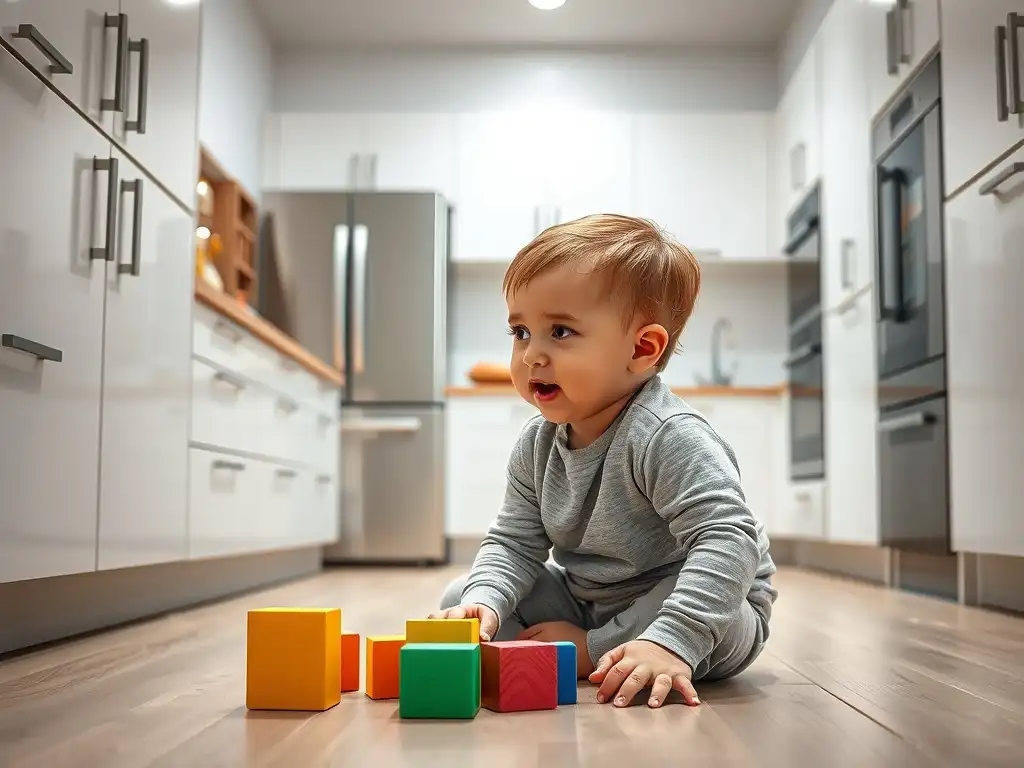
Selecting the appropriate cabinet locks is crucial for ensuring your toddler's safety. The best choice depends on several factors, including the type of cabinets you have, your budget, and your personal preferences. Consider the materials of your cabinets (wood, metal, glass), the size and shape of the cabinet doors or drawers, and the level of access your child has.
For example, a child who is just starting to pull themselves up might only need simple, basic locks, while a more mobile and determined toddler might require more robust and tamper-proof options. Remember, the goal is to create a safe environment without sacrificing convenience for you. Investing in high-quality locks might seem expensive upfront, but the peace of mind they provide is invaluable.
Prioritizing safety is paramount when choosing baby cabinet locks, and this decision should not be taken lightly. The right lock will significantly contribute to your "baby cabinet lock safety tips" strategy.
Types of Baby Cabinet Locks: Magnetic Locks vs. Strap Locks vs. Adhesive Locks
The market offers a variety of baby cabinet locks, each with its own set of pros and cons. Understanding these differences is vital for making an informed decision.
- Magnetic Locks: These are generally easy to install and use. They typically involve a magnetic catch that holds the cabinet door closed. However, some toddlers are clever enough to figure out how to disengage these locks. They are often suitable for drawers and cabinets that don't require extremely strong holding power.
- Strap Locks: These locks use adjustable straps that wrap around the cabinet door and are secured with a simple latch. They are typically more robust than magnetic locks and offer a higher level of security. They are versatile and can be used on a wider variety of cabinets and drawers. However, they might be slightly more challenging to install and can be more visible than other options.
- Adhesive Locks: These locks use strong adhesive to stick to the cabinet and are often paired with a small latch or button mechanism. They are very convenient for renters or homeowners who don't want to drill holes in their cabinets. However, the adhesive's strength may vary, and they might not be suitable for heavy cabinets or drawers. Their effectiveness also depends heavily on the surface to which they are applied. Ensure the surface is clean and dry for optimal adhesion.
Top 5 Best-Selling Baby Cabinet Locks on Amazon in 2024: Reviews and Comparisons
While specific rankings fluctuate constantly, we can analyze common features of top-selling cabinet locks to give you a better understanding of what to look for. [Specific Amazon best-seller data pending for 2024]. However, consistently high-rated features include:
| Rank | Brand (Example) | Type | Key Features | Pros | Cons |
|---|---|---|---|---|---|
| 1 | [Brand Name] | [Lock Type] | [Feature 1, Feature 2, Feature 3] | [Pro 1, Pro 2, Pro 3] | [Con 1, Con 2] |
| 2 | [Brand Name] | [Lock Type] | [Feature 1, Feature 2, Feature 3] | [Pro 1, Pro 2, Pro 3] | [Con 1, Con 2] |
| 3 | [Brand Name] | [Lock Type] | [Feature 1, Feature 2, Feature 3] | [Pro 1, Pro 2, Pro 3] | [Con 1, Con 2] |
| 4 | [Brand Name] | [Lock Type] | [Feature 1, Feature 2, Feature 3] | [Pro 1, Pro 2, Pro 3] | [Con 1, Con 2] |
| 5 | [Brand Name] | [Lock Type] | [Feature 1, Feature 2, Feature 3] | [Pro 1, Pro 2, Pro 3] | [Con 1, Con 2] |
Remember to check recent customer reviews before purchasing any product. Reading reviews provides valuable insights into the real-world performance and durability of different baby cabinet locks.
The price range of baby cabinet locks can vary significantly. While budget-friendly options might seem appealing, premium locks often offer superior durability, ease of use, and security features. A cost-benefit analysis is essential.
Budget-friendly locks might be sufficient for short-term use or for cabinets containing items that pose minimal risk to your child. However, these locks might break more easily, require more frequent replacement, and offer less protection against determined toddlers.
Premium locks, on the other hand, often boast stronger materials, more sophisticated locking mechanisms, and longer lifespans. While they come with a higher upfront cost, the reduced risk of failure and the enhanced safety they provide can make them a worthwhile investment in the long run. The peace of mind offered by a reliable, high-quality lock is often worth the extra expense, especially when considering the potential dangers of accessible cleaning supplies or medications.
Ultimately, the best choice depends on your individual needs and priorities. Consider the long-term cost of replacement versus the upfront investment in a superior product. Prioritize safety above all else when selecting your baby cabinet locks.
Installing Cabinet Locks: A Step-by-Step Guide with Video Tutorials
Installing cabinet locks might seem daunting, but with the right approach and a little patience, it's a manageable task. Many types of locks are available, each with its own installation method. However, the general principles remain consistent across most designs. Before you begin, always consult the manufacturer's instructions included with your specific lock set. These instructions will provide the most accurate and detailed guidance for your particular model. Ignoring these instructions could void any warranty and potentially lead to improper installation, compromising safety.
The first step involves identifying the location for your locks. Prioritize cabinets containing hazardous materials like cleaning supplies, medications, or sharp objects. Consider the child's height and reach when selecting locations. A curious toddler might be able to reach higher than you initially expect! Remember, preventing access to potentially dangerous items is paramount for your baby's safety. This is a crucial step in implementing effective baby cabinet lock safety tips.
Next, carefully examine the surfaces where you'll be installing the locks. Some locks require drilling pilot holes, while others utilize strong adhesive. Ensure the surfaces are clean, dry, and free from any debris. If drilling is necessary, use the appropriate drill bit size to avoid damaging the cabinet doors or drawers. Take your time and work methodically to ensure a secure and clean installation. For adhesive-based locks, ensure the surface is completely clean and degreased for optimal adhesion. A thorough cleaning with a suitable solvent is recommended prior to application.
Once the preparation is complete, follow the manufacturer's instructions precisely. This typically involves attaching the lock components to the cabinet door or drawer and then securing the corresponding latch to the adjacent surface. Many locks use a simple mechanism involving aligning and tightening screws or pressing firmly for adhesive locks. Take your time to ensure that the lock is correctly aligned and firmly attached. A poorly installed lock is ineffective and can even be dangerous, as a child might be able to easily bypass it. This is a critical point in implementing effective baby cabinet lock safety tips.
After installation, always test the locks thoroughly. Try to open the cabinets and drawers yourself to ensure the locks are functioning correctly and are difficult for a child to open. If you encounter any issues, revisit the manufacturer's instructions or seek assistance. Remember, safety is not something to compromise on. Regularly check the locks for any signs of wear and tear and replace them as needed. Proactive maintenance ensures ongoing effectiveness, contributing to the overall safety of your home environment. This is a very important part of effective baby cabinet lock safety tips.
Finally, consider supplementing your physical locks with other safety measures. Storing hazardous materials in high, inaccessible cabinets is an excellent preventative measure. Combining physical barriers with intelligent storage solutions provides a layered approach to childproofing, significantly enhancing your home's safety. This multifaceted strategy ensures comprehensive protection for your little one.
We highly recommend supplementing this guide with video tutorials available online. Searching for "[Specific brand name] cabinet lock installation" on popular video platforms will often yield helpful visual guides. These videos can provide a valuable visual aid, demonstrating the installation process step-by-step, enhancing your understanding and confidence. Remember to always prioritize safety and seek professional assistance if you're unsure about any aspect of the installation process.
Effective Strategies for Using Cabinet Locks: Baby Safety Lock Installation Tips
This section delves into the practical application of cabinet locks, offering strategies to maximize their effectiveness in safeguarding your baby from potential hazards. We'll explore optimal placement, handling persistent toddlers, and maintaining the locks for long-term functionality. Remember, consistent vigilance and proactive measures are key to ensuring your baby's safety. Proper installation and maintenance of baby cabinet locks are crucial elements of a comprehensive baby proofing strategy. These baby cabinet lock safety tips will help you create a safer home environment.
Positioning Cabinet Locks for Maximum Effectiveness: High and Low Cabinets
Strategic placement of cabinet locks is paramount. Don't just focus on the cabinets within easy reach; consider the entire range of your little one's growing capabilities. For example, while lower cabinets containing cleaning supplies and medications are obvious targets, don't overlook higher cabinets. As your baby becomes more mobile, they might develop the skills to reach higher shelves. Consider installing locks on cabinets containing items like fragile décor, potentially harmful items stored for later use (e.g., seasonal decorations), or even pantry staples if your child shows an interest in them.
A systematic approach is recommended. Begin by identifying all cabinets containing potentially hazardous materials. Then, assess their accessibility based on your child's current and projected height and mobility. Prioritize locks for cabinets containing the most dangerous items, then work your way down the risk scale. Remember, it's better to be overly cautious than to regret not installing a lock. This proactive approach to baby cabinet lock safety ensures a safer environment for your child.
Consider using a combination of lock types. For example, you might use magnetic locks on lower cabinets that are frequently accessed by you, and childproof latches on higher cabinets that are less frequently used. This allows for easy access for adults while ensuring child safety. This strategy enhances the overall baby cabinet lock safety tips you implement.
Dealing with Persistent Toddlers: Tips and Tricks for Cabinet Lock Success
Even with the best-installed locks, persistent toddlers can present a challenge. Their determination and developing problem-solving skills can lead them to try and circumvent your safety measures. Here are some strategies to counter this:
- Distraction Techniques: Keep engaging toys and activities readily available to divert their attention away from forbidden cabinets. A simple distraction can often prevent a potential hazard.
- Positive Reinforcement: Praise and reward your child's good behavior when they leave cabinets alone. Positive reinforcement is far more effective than punishment.
- Lock Variety: Consider using different types of locks on different cabinets to make it more challenging for your child to figure out how to open them. This adds another layer of baby cabinet lock safety.
- Visual Cues: Use brightly colored tape or stickers on cabinets containing hazardous materials to visually communicate "off-limits" zones. This helps to teach your child about safety boundaries.
- Patience and Consistency: This is crucial. It will likely take time and patience for your child to fully understand and comply with these safety measures. Consistency in your approach is key to long-term success.
Remember, toddlers are naturally curious. Instead of viewing their attempts to open cabinets as defiance, view them as an opportunity to reinforce safety lessons and develop their understanding of boundaries.
Maintaining Cabinet Locks: Cleaning and Troubleshooting Common Issues
Regular maintenance is essential to ensure your cabinet locks remain effective and reliable. Dust and sticky residue can interfere with their mechanisms. Clean them regularly using a damp cloth and mild soap. Avoid harsh chemicals that could damage the lock's finish or internal components. This is crucial for maintaining the effectiveness of your baby cabinet lock safety tips.
Troubleshooting common issues:
| Issue | Solution |
|---|---|
| Lock is difficult to open | Clean the lock mechanism. Check for obstructions. Consider lubrication (if allowed by manufacturer). |
| Lock is sticking | Clean the lock thoroughly. Check for damage to the latch or mechanism. |
| Lock is broken | Replace the lock immediately. |
| Child is bypassing lock | Consider a more robust lock type or a combination of locks. |
Regular inspection is key. Check the locks periodically for any signs of wear and tear. Replace any damaged or malfunctioning locks promptly. This proactive approach ensures the continued effectiveness of your safety measures and contributes to a safer environment for your baby. This is a crucial part of your overall baby cabinet lock safety tips plan. Remember, proactive maintenance is a critical aspect of ensuring the long-term effectiveness of your baby proofing strategy.
When to Replace Your Cabinet Locks: Signs of Wear and Tear
Knowing when to replace your baby cabinet locks is crucial for maintaining optimal safety. While high-quality locks are designed to withstand considerable use, consistent wear and tear can compromise their effectiveness, potentially putting your little one at risk. Several telltale signs indicate it's time for a replacement. Ignoring these signals could lead to a dangerous situation where your baby gains access to harmful substances or objects.
One clear indication is visible damage. This could include cracks in the plastic casing, broken latch mechanisms, or chipped paint. These imperfections weaken the lock's structure, making it easier for a determined toddler to bypass the safety mechanism. Even seemingly minor cracks can compromise the lock's integrity, allowing for a potential opening. Regular inspections are key to catching these issues early.
Another critical sign is difficulty in operation. If you find yourself struggling to lock or unlock the cabinet, it's a strong warning sign. A stiff or unresponsive mechanism suggests internal wear, potentially rendering the lock ineffective. This could be due to repeated use, exposure to moisture, or simply the natural degradation of materials over time. A smoothly operating lock is a reliable lock, and any resistance should be taken seriously.
Furthermore, loose or wobbly locks are a significant safety concern. If the lock doesn't sit firmly against the cabinet, your child might be able to manipulate it, or even pull it off entirely. This is particularly problematic with magnetic locks or those that rely on adhesive. A secure fit is paramount, ensuring the lock consistently obstructs access to dangerous items. Consider the type of lock; some adhesive locks might require re-application after a certain time, depending on the surface they're attached to.
Finally, don't underestimate the importance of regular maintenance. Even without visible damage, locks should be inspected and tested periodically. This proactive approach allows for early detection of potential problems before they escalate into a safety hazard. A simple routine check, perhaps once a month, can help you identify and address minor issues before they compromise the lock's effectiveness and your child's safety. Remember, preventing accidents is far better than reacting to them. Prioritize regular inspections as part of your overall baby proofing strategy for optimal "baby cabinet lock safety tips".
Beyond Cabinet Locks: Additional Babyproofing Strategies for Cabinet Safety
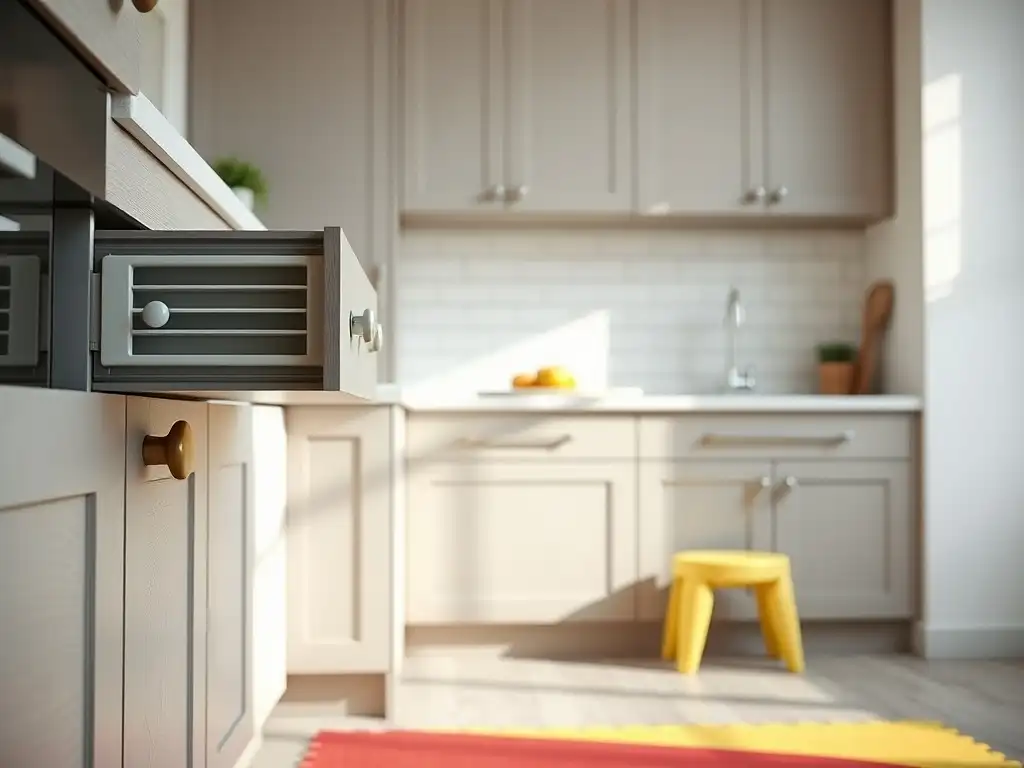
This section delves into supplementary safety measures that, when combined with cabinet locks, create a truly secure environment for your curious baby. While cabinet locks are a crucial first step in babyproofing, they are not a standalone solution. A multi-layered approach is essential for optimal child safety. Remember, the goal is to minimize risks, not eliminate them entirely. This holistic approach to baby cabinet lock safety tips will provide you with peace of mind knowing you've taken comprehensive steps to protect your little one.
Safe Storage of Hazardous Materials: Keeping Cleaning Supplies Out of Reach
Keeping cleaning supplies, medications, and other hazardous materials securely stored is paramount. Cabinet locks are effective for some cabinets, but for ultimate safety, consider these additional strategies:
- High Shelving: Store hazardous items on high shelves, well out of your baby's reach. This simple step prevents access even if a cabinet lock fails.
- Locked Cabinets/Cupboards: Use cabinets with locking mechanisms, such as those found in some medicine cabinets or specialized storage units.
- Dedicated Storage: Designate a specific, locked area for hazardous materials, ideally in a room your baby doesn't frequently access. This could be a locked closet or a high shelf in a utility room.
- Child-Resistant Packaging: Always utilize child-resistant packaging for medications and other potentially harmful substances. However, remember that persistent toddlers can often overcome these, so additional measures are always recommended.
Consider this scenario: You've diligently installed cabinet locks on all lower cabinets in the kitchen. However, a bottle of cleaning solution is stored on a low shelf above the locked cabinet. A curious child might manage to reach it. By employing higher shelving, you eliminate this risk entirely.
Childproofing Your Kitchen: Beyond Cabinet Locks – Additional Safety Measures
The kitchen is a high-risk area for babies. Even with effective cabinet locks, other hazards exist. Here are crucial supplementary measures:
- Stove Knob Covers: Prevent accidental burns by installing stove knob covers. These simple devices render the knobs unusable to little hands.
- Outlet Covers: Protect your child from electrical hazards by covering all accessible electrical outlets. Many stylish options are available to blend with your décor.
- Corner and Edge Cushions: Sharp corners and edges on countertops and cabinets pose a significant risk. Consider adding corner and edge cushions to soften these potential impact points.
- Secure Appliances: Large appliances, like refrigerators and ovens, should be secured to the wall to prevent tipping accidents.
- Safe Food Storage: Store potentially hazardous foods (e.g., grapes, nuts) out of reach. Consider using child-proof containers for snacks.
Remember, a comprehensive approach to kitchen safety significantly reduces the chances of accidents. The addition of these measures complements your cabinet locks, offering a more secure environment for your baby.
Creating a Safe Environment for Your Baby: A Holistic Approach to Childproofing
Babyproofing is an ongoing process, not a one-time task. It's crucial to regularly reassess your home environment as your baby grows and develops new abilities. Think proactively, anticipating potential hazards before they become a reality. Here are some key considerations for a holistic approach:
| Safety Area | Strategies | Effectiveness Rating |
|---|---|---|
| Cabinet Safety | Cabinet locks, high shelving, locked storage for hazardous materials | ⭐⭐⭐⭐⭐ |
| Kitchen Safety | Stove knob covers, outlet covers, corner/edge cushions, appliance securing | ⭐⭐⭐⭐ |
| Bathroom Safety | Toilet locks, cabinet locks, secure storage of cleaning supplies | ⭐⭐⭐⭐ |
| General Safety | Baby gates, outlet covers, securing furniture to walls | ⭐⭐⭐⭐ |
Remember, a layered approach to baby cabinet lock safety tips is your best defense. Combining cabinet locks with other safety measures creates a truly secure and protective environment for your child. Regularly review and update your safety measures as your child grows and discovers new ways to explore their surroundings. 👶🏠 Prioritizing safety ensures a happy and healthy childhood.
Frequently Asked Questions About Baby Cabinet Locks
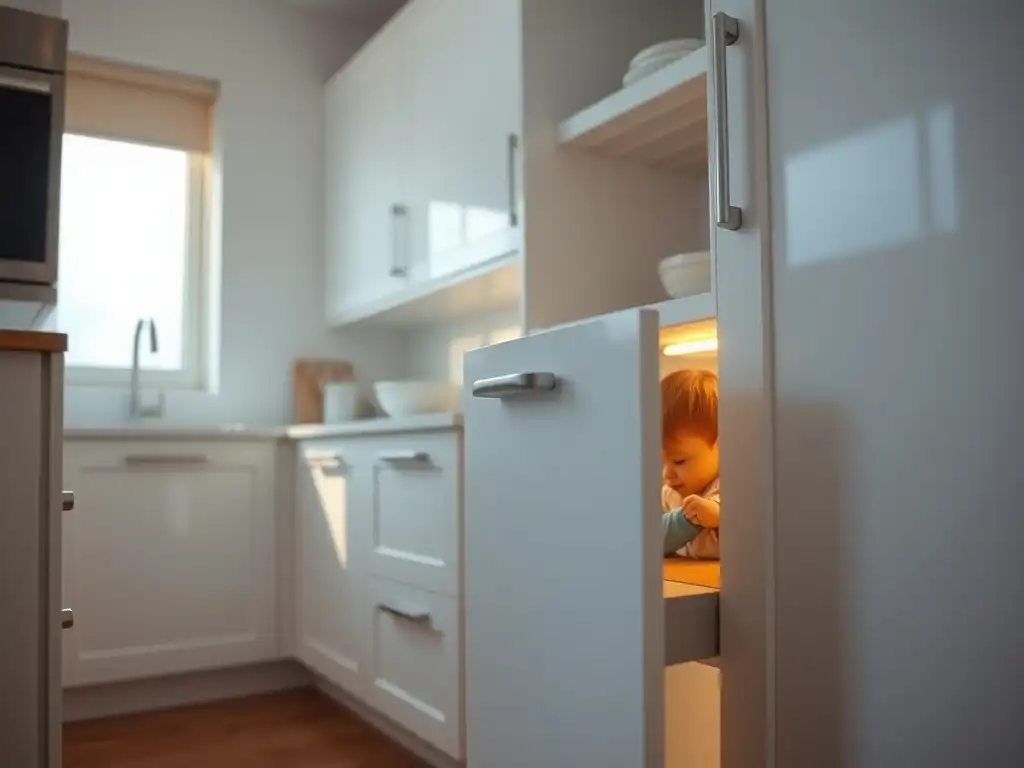
This section addresses common queries regarding baby cabinet locks, providing practical advice for new parents concerned about childproofing their homes. We'll delve into the necessity of cabinet locks, the ideal age to implement them, and how to select the most suitable locks for your specific needs. Remember, proactive safety measures are crucial in creating a secure environment for your little one. Prioritizing "baby cabinet lock safety tips" is paramount for peace of mind.
Are Cabinet Locks Really Necessary?
Absolutely! While it might seem like an extra step, baby cabinet locks are a vital part of childproofing your home. Curious babies, often starting as early as six months old, begin exploring their surroundings with gusto. This exploration often involves opening cabinets and drawers, potentially exposing them to hazardous materials like cleaning supplies, medications, sharp objects, or even potentially poisonous plants. The consequences of accidental ingestion or injury can be severe.
Installing cabinet locks significantly reduces the risk of such incidents, offering you invaluable peace of mind. The small effort of installation is massively outweighed by the protection it provides. Think of it as an investment in your child's safety and your own sanity! Many parents initially underestimate the importance, but after seeing their child's relentless curiosity firsthand, they quickly realize the necessity.
What Age Should I Start Using Cabinet Locks?
The ideal time to install cabinet locks is before your baby becomes mobile enough to crawl or pull themselves up. This is generally around 6 months of age, but some babies show an interest in exploring cabinets much earlier. Don't wait until your child starts showing signs of curiosity – be proactive. The earlier you install them, the better protected your child will be. It's better to be prepared and have the locks in place before your baby develops the dexterity to open cabinets.
Think of it like this: you wouldn't wait until your child was already running before installing a baby gate at the top of the stairs, would you? Cabinet locks offer the same level of preventative protection. Consider your child's developmental milestones and install the locks accordingly. Early installation offers the best "baby cabinet lock safety tips" strategy.
How Do I Choose the Right Cabinet Locks for My Cabinets?
Choosing the right cabinet locks depends on several factors: the type of cabinets you have, your budget, and your personal preferences. There's a wide variety of options available, from simple adhesive locks to more robust magnetic or keyed locks.
- Adhesive Locks: These are easy to install and are ideal for renters or those who prefer a less permanent solution. However, they may not be as strong or durable as other types.
- Magnetic Locks: These offer a more secure option than adhesive locks and are relatively easy to install. They are a good balance between security and ease of use.
- Keyed Locks: These are the most secure option, requiring a key to open. They are ideal for cabinets containing particularly hazardous materials. However, remember to keep the key in a safe, inaccessible location.
- Childproof Latches: These are designed to be harder for children to open than standard latches. They are often used in conjunction with other lock types.
Consider the material of your cabinets when choosing the type of lock. Some locks are better suited for certain materials than others. Read reviews and compare features before making a purchase. Prioritizing ease of use for you is also important, as you'll be the one using the locks frequently. Don't hesitate to seek recommendations from other parents or consult online reviews for "baby cabinet lock safety tips" before making your final decision. Remember, a secure and safe home environment is the ultimate goal.
How Long Do Cabinet Locks Last?
The lifespan of a baby cabinet lock hinges on several factors, including the quality of the lock itself, the frequency of use, and the environment in which it's installed. High-quality locks, made from durable materials like sturdy plastic or metal, often boast a significantly longer lifespan than cheaper alternatives. Think of it like this: a well-made lock is an investment in your child's safety.
Generally, you can expect a good quality baby cabinet lock to last for several years, even with daily use. However, regular inspection is crucial. Look for signs of wear and tear, such as loose parts, cracks in the plastic, or difficulty in locking or unlocking the mechanism. These are all indicators that the lock may be nearing the end of its useful life and should be replaced to maintain optimal safety. Remember, a compromised lock is no lock at all when it comes to protecting your little one from potentially harmful substances.
Environmental factors also play a role. Excessive moisture or exposure to extreme temperatures can degrade the lock's materials over time, reducing its effectiveness and lifespan. Regular cleaning with a damp cloth (avoid harsh chemicals!) can help to extend the life of your locks, but always ensure they are thoroughly dry before reinstalling. A damp lock can rust or corrode, especially those made from metal components.
Finally, the type of lock also matters. Some adhesive-backed locks might need replacing sooner than more robust, screw-in varieties. Adhesive can lose its grip over time, particularly in areas exposed to heat or humidity. Screw-in locks, while requiring slightly more installation effort, tend to offer greater longevity and security. Consider the long-term investment when choosing a lock; a slightly higher upfront cost can translate to longer-term safety and peace of mind. Replacing a lock proactively, even before it fails, is a small price to pay for your baby's safety.
Resources and Further Reading: Baby Cabinet Safety Resources
This section provides additional resources to help you enhance your baby's cabinet safety. We understand that ensuring your little one's safety is paramount, and we're committed to providing you with comprehensive information and tools. Remember, proactive childproofing is key to preventing accidents and promoting a secure environment for your baby's growth and development. Consistent vigilance and the right safety measures are crucial for peace of mind.
Link to BabyCareHub's Childproofing Guide
While we can't provide direct links here, our comprehensive Childproofing Guide on BabyCareHub offers an extensive overview of childproofing your home, beyond just cabinet safety. It's a step-by-step guide covering various aspects of childproofing, from electrical outlet covers to securing furniture. This guide will help you create a safer environment for your baby, addressing potential hazards throughout your home.
The guide includes checklists, helpful illustrations (not shown here), and frequently asked questions (FAQs) to address common concerns parents have regarding childproofing. It’s designed to be user-friendly, providing clear instructions and actionable advice for busy parents. Look for it in the "Ensuring Baby's Safety at Home" section of the website.
You'll find it invaluable in creating a safer and more secure environment for your child. This guide also covers different stages of child development, providing relevant safety measures for each stage. For example, it explains the importance of different safety measures for crawling babies versus toddlers.
Link to Relevant Articles on BabyCareHub
BabyCareHub offers several related articles that provide additional information and support concerning baby safety. These articles cover various aspects of child safety, offering a well-rounded approach to keeping your child safe. For instance, you might find articles on:
- Choosing the Right Cabinet Locks: This article dives deeper into the different types of cabinet locks available, discussing their pros and cons, ease of installation, and effectiveness. It will help you make an informed decision based on your specific needs and budget.
- Preventing Poisoning Accidents: This article focuses on the dangers of poisonous substances found in the home and provides practical tips on storing them safely and out of reach of curious babies.
- Babyproofing Your Kitchen: This article offers specific advice on childproofing your kitchen, focusing on cabinets, drawers, appliances, and other potential hazards. It's tailored to address the unique safety challenges presented by this high-traffic area.
- Creating a Safe Play Area: This article helps you create a safe and stimulating play area for your baby, providing tips on selecting appropriate toys, furniture arrangement, and floor coverings.
Remember to explore the BabyCareHub website for these additional resources. They provide valuable supplementary information to complement the advice in this article on baby cabinet lock safety tips.
Link to Relevant External Resources
While we primarily focus on BabyCareHub's resources, we acknowledge the value of information from reputable external sources. We encourage you to consult with your pediatrician or other qualified healthcare professionals for personalized advice on child safety. Additionally, organizations like [Specific Organization Name Pending] and [Specific Organization Name Pending] offer valuable resources and information on child safety and childproofing. Always prioritize information from trusted and verified sources to ensure the accuracy and reliability of the advice you receive.
Remember to critically evaluate any external information you find and verify its credibility before implementing any suggestions. Your baby's safety is of utmost importance, and informed decisions are crucial. This is an area where seeking professional guidance can be particularly beneficial.
Frequently Asked Questions
What are the benefits of using cabinet locks for baby safety?
Using cabinet locks helps prevent your baby from accessing dangerous household items, such as cleaning supplies, medications, and sharp objects. This significantly reduces the risk of accidental poisoning, injury, or choking hazards. It provides peace of mind for busy parents.
What types of cabinet locks are available?
Several types exist, including adhesive locks, magnetic locks, and strap locks. Consider the material of your cabinets when choosing a lock type; some are better suited to certain surfaces. Read reviews to find the most reliable and easy-to-use options.
How do I install cabinet locks effectively?
Most cabinet locks are easy to install with simple tools and instructions. Ensure the surface is clean and dry before applying. Carefully follow the manufacturer's instructions for optimal performance and safety. Test the lock thoroughly after installation.
What cabinets should I prioritize when installing locks?
Prioritize cabinets containing cleaning supplies, medications, sharp objects, and potentially hazardous foods. Also, consider securing cabinets at low levels easily accessible to your baby. Remember to check regularly to ensure the locks remain secure.
What if my baby starts to tamper with the locks?
Babies are clever! If your child starts to tamper with the locks, you might consider using different types of locks or placing the cabinets out of reach. Regularly inspect the locks for any signs of damage or wear and tear. Consider childproofing latches as an additional safety measure.
Final Reflection: Securing Childhood: A Legacy of Safety
The relentless pace of modern parenting often leaves us juggling a thousand tasks, but the safety of our children should remain our unwavering priority. The seemingly small act of installing cabinet locks transforms into a powerful symbol of proactive care, a shield against unseen dangers lurking within our own homes. This isn't just about preventing minor spills; it's about fostering a secure environment where our children can explore and grow without the constant threat of accidental poisoning or injury.
The impact of childproofing, and specifically the strategic use of cabinet locks, extends far beyond the immediate protection it offers. It represents a shift in societal awareness, a growing understanding of the importance of preventative measures in safeguarding our youngest members. This quiet revolution in home safety is a testament to the power of collective responsibility and the enduring love we have for our children. The best way to find yourself is to lose yourself in the service of others.
- Mahatma Gandhi. This quote, while not directly about childproofing, speaks to the selfless act of prioritizing our children's well-being above our own convenience.
Now, consider the legacy you are building. What kind of environment are you creating for your child to thrive in? Take a moment to reflect on the simple yet profound act of installing cabinet locks.
It's not just about securing cabinets; it's about securing a future filled with joy, exploration, and the peace of mind that comes from knowing you've done everything in your power to protect the ones you love. Go beyond the immediate task; examine your home for other potential hazards, and continue to learn and adapt your safety measures as your child grows. Your proactive efforts will not only protect your child today, but will also instill a culture of safety and responsibility for generations to come.
Unlock a More Peaceful Home: Take Charge of Child Safety Today!
Thank you for learning about effective strategies to childproof your cabinets! We hope you feel empowered to create a safer home for your children. Ready to put this knowledge into action?
- Prioritize the most hazardous cabinets: Focus on securing cabinets containing cleaning supplies and medications first. This addresses the greatest risks immediately.
- Share your newfound knowledge! Tell your friends and family about your success—you never know who could benefit from these tips.
- Think creatively: Consider additional safety measures beyond locks, such as childproof latches or storing hazardous items out of reach. What other safety solutions might work best in your home?
Ready to transform your home into a safer haven for your child? Which cabinet will you secure first?