
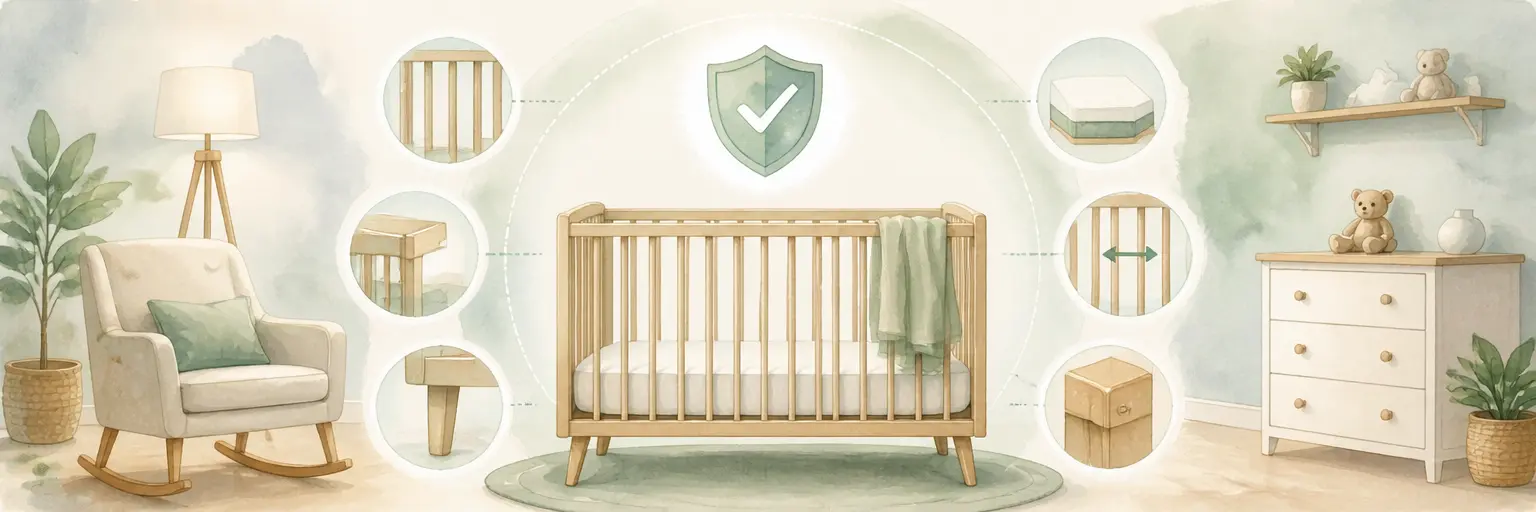
The Impact of Crib Design on Your Baby's Development
Choose a baby crib that combines trusted safety features, lasting comfort, and practical design for your nursery. 🛏️ Learn how to evaluate sturdy construction, secure railings, proper mattress fit, safe spacing, and current crib safety standards to create a cozy sleep space for your little one. 👶 With BabyCareHub’s expert guidance, first-time parents can confidently select a safe, functional, and nursery-friendly crib that supports healthy sleep and peace of mind.
5 articles
Crib Height Adjustment: Ensuring Safety as Your Baby Grows
Crib Safety and Night Lights: Creating a Calm and Safe Environment
Crib Safety and Bedtime Routines: Establishing a Safe Sleep Pattern
The Impact of Crib Design on Your Baby's Sleep Quality
🛏️ Selecting a Safe and Functional Baby Crib for Your Nursery
Choosing the right crib is one of the most important decisions when creating the perfect nursery. On BabyCareHub, this guide helps first-time parents compare safe baby cribs, understand current crib safety standards, and select a practical sleep space that supports newborn comfort, healthy sleep, and everyday convenience. Discover what to look for in crib construction, mattress fit, adjustable features, storage, convertibility, and long-term value before bringing your baby home.
🔒 Understanding Baby Crib Safety Standards
A safe crib should be sturdy, stable, and designed according to current safety regulations. Look for a crib with properly spaced slats, secure hardware, smooth surfaces, and a firm, well-fitting crib mattress. Never use a crib with missing parts, damaged rails, loose screws, or decorative cutouts that could create entrapment or injury risks.
Parents should also check product labels, manufacturer instructions, recall information, and certification details before purchasing. Avoid older secondhand cribs unless their safety history and construction can be verified. A modern, compliant crib can help create a safer sleep environment for your newborn or baby.
📏 Choosing the Correct Crib Size and Mattress Fit
Standard full-size cribs are a popular choice because they provide a spacious, dedicated sleep area throughout infancy and early toddlerhood. The crib mattress must fit tightly, with no noticeable gaps between the mattress and crib frame. A properly fitted mattress reduces the risk of a baby becoming trapped between the mattress and side rails.
When measuring a crib mattress, follow the crib manufacturer’s specifications rather than relying only on general measurements. Choose a firm mattress with a washable, waterproof cover, and avoid adding pillows, thick blankets, bumper pads, or sleep positioners inside the crib.
🌙 Selecting a Crib for Safe Infant Sleep
The safest crib setup is simple and uncluttered. Place your baby on their back for every sleep, using only a firm crib mattress covered with a fitted sheet designed for that mattress. Keep the sleep space free from loose bedding, toys, stuffed animals, and crib bumpers to support safer infant sleep practices.
Consider positioning the crib away from windows, cords, heaters, lamps, shelves, and furniture that a growing child could reach. A clear area around the crib makes nighttime care easier while reducing potential hazards in the nursery.
🔧 Adjustable Mattress Heights and Practical Features
Many functional baby cribs include adjustable mattress heights. The highest setting can make it easier to lift a newborn safely, while lower settings help prevent an older, more mobile baby from climbing or falling out. Always lower the mattress when your baby begins sitting, pulling up, or showing increased mobility.
Other useful features may include durable finishes, rounded edges, easy-clean surfaces, and tool-free or simplified assembly. Choose practical features that improve daily use without compromising safety. Convenience should support safe design, not replace it.
🔄 Convertible Cribs and Long-Term Nursery Value
A convertible crib can change into a toddler bed or another approved configuration as your child grows. This type of crib may offer excellent long-term value, especially for parents who want furniture that adapts to different stages of childhood. Confirm which conversion kits are included and which must be purchased separately.
Before choosing a convertible model, review the manufacturer’s instructions, weight limits, conversion requirements, and future replacement-part availability. A crib that grows with your child should remain stable and safe in every approved configuration.
🌿 Choosing Safe Crib Materials and Finishes
Parents often consider wood type, paint, stain, adhesives, and finish when selecting nursery furniture. Choose a crib made with durable materials and a smooth, non-toxic finish that does not peel, crack, or create sharp edges. Check that the finish is fully cured and suitable for children before using the crib.
Ventilation, low-odor materials, and easy-to-clean surfaces can make nursery maintenance simpler. Avoid cribs with exposed hardware, splintered wood, or strong chemical odors. Reliable product information and clear care instructions can help you make a more informed decision.
🧼 Cleaning, Maintenance, and Crib Inspection
A baby crib should be easy to clean because newborns and infants may experience spills, drooling, diaper leaks, and other messes. Wipe the frame with a child-safe cleaner according to the manufacturer’s recommendations, and wash crib sheets regularly using gentle, baby-friendly products.
Inspect the crib frequently for loose bolts, worn components, cracks, chipped paint, or movement in the frame. Tighten hardware as instructed, and stop using the crib if it becomes damaged. Regular maintenance helps preserve crib stability and nursery safety over time.
🛒 Comparing New, Used, and Travel Cribs
A new crib usually provides the clearest information about safety compliance, product history, instructions, and replacement parts. Used cribs can be affordable, but parents should verify the exact model, check for recalls, confirm that all parts are present, and ensure the crib meets current safety requirements.
Travel cribs and portable play yards can be useful for temporary sleep spaces, but they should be used only as directed. Follow the product manual, use the original mattress and fitted sheet, and never add an extra mattress or padding unless the manufacturer specifically approves it.
✅ Baby Crib Buying Checklist for First-Time Parents
Before buying a crib, compare safety, design, comfort, durability, and maintenance requirements. A helpful checklist can prevent rushed decisions and ensure the crib fits both your baby’s needs and your nursery layout.
- Safety: Confirm current safety compliance and check for recalls.
- Construction: Look for a stable frame, secure hardware, and smooth surfaces.
- Mattress: Choose a firm mattress with a precise fit.
- Design: Select a crib that fits comfortably in the nursery without nearby hazards.
- Features: Consider adjustable mattress heights and approved conversion options.
- Maintenance: Choose washable, durable, easy-to-clean materials.
- Instructions: Keep assembly guides and product information for future reference.
❓ Frequently Asked Questions About Selecting a Safe Baby Crib
What is the safest type of baby crib?
The safest baby crib is a sturdy crib that meets current safety standards, has properly spaced slats, secure hardware, and a firm mattress that fits tightly. A simple, uncluttered design is best for creating a safer infant sleep environment.
How should a crib mattress fit?
The crib mattress should fit snugly inside the crib frame with no meaningful gaps around the edges. Use only a mattress recommended for that specific crib model and cover it with a fitted sheet designed to fit securely.
Are crib bumpers, pillows, or blankets safe for newborns?
Loose bedding, pillows, stuffed toys, crib bumpers, and sleep positioners are not recommended for an infant’s crib. Keep the crib clear and follow safe sleep guidance by placing your baby on a firm mattress on their back.
Is a used crib safe to buy?
A used crib may be safe only when its model, age, safety history, instructions, and all original parts can be verified. Check for recalls and damage, and avoid cribs with missing hardware, broken components, drop sides, or unknown construction details.
When should I lower the crib mattress?
Lower the crib mattress as soon as your baby can sit, pull up, or reach the crib rails. The lowest position helps reduce the risk of climbing or falling. Always follow the manufacturer’s instructions for mattress height adjustments.