
Crib Safety and Bedtime Routines: Establishing a Safe Sleep Pattern

Welcome to BabyCareHub, your ultimate guide to navigating the incredible journey of parenthood! Are you ready to unlock the secrets to a peaceful night's sleep for both you and your little one? Our expert-crafted Safe Baby Sleep Routine Guide, featured in our "Creating the Perfect Nursery" section, will provide you with the step-by-step strategies you need to establish a safe and healthy sleep pattern for your baby. Discover how to create a crib haven that prioritizes safety while promoting restful sleep – learn more and start your journey to sweeter dreams today!
- Understanding Safe Sleep Practices for Your Baby: A Comprehensive Guide
- Establishing a Consistent Bedtime Routine for Your Baby
- Introducing Sleep Training Techniques: Gentle Methods for Better Sleep
- Monitoring Your Baby's Sleep: Signs of Sleep Problems and Solutions
- Products to Support Safe Baby Sleep
-
Frequently Asked Questions
- What is the safest sleeping position for my baby?
- What should I do to create a safe sleep environment for my baby?
- How can I establish a consistent bedtime routine for my baby?
- My baby wakes up frequently at night. What can I help them sleep longer stretches?
- Are there any items I should avoid placing in my baby's crib?
- Final Reflection: Weaving a Tapestry of Safety and Sleep
- Ready to Create a Peaceful & Safe Sleep Sanctuary?
Understanding Safe Sleep Practices for Your Baby: A Comprehensive Guide
Creating a safe and nurturing sleep environment for your newborn is paramount. This guide, designed to help first-time parents navigate the complexities of establishing a safe baby sleep routine, will delve into the crucial aspects of crib safety and bedtime routines. We'll explore the fundamental principles of safe sleep, guide you through selecting the right crib and mattress, and provide practical tips for establishing a consistent and secure bedtime routine that promotes healthy sleep for both you and your baby.
This comprehensive approach to safe baby sleep will empower you to confidently create a peaceful and secure sleep environment for your little one, contributing significantly to their healthy development and your peace of mind. Following these guidelines is a vital step in creating the perfect nursery and ensuring your baby's well-being. Remember, a safe sleep environment is the cornerstone of a happy and healthy baby.
The ABCs of Safe Sleep: Airway, Back, Crib
The American Academy of Pediatrics (AAP) recommends following the ABCs of safe sleep: Always place your baby on their Back to sleep, on a Crib-safe surface. This simple yet powerful acronym summarizes the core principles for minimizing the risk of Sudden Infant Death Syndrome (SIDS). Let's break down each element:
- Airway: Ensure your baby's airway remains clear. Avoid placing pillows, blankets, bumpers, stuffed animals, or any loose bedding in the crib. These items can obstruct your baby's breathing and increase the risk of suffocation. A firm mattress is crucial; a soft mattress can increase the risk of accidental smothering.
- Back: Always place your baby on their back to sleep, from birth until they can roll over from their back to their stomach and remain in that position unaided. This is the safest sleep position to reduce the risk of SIDS.
- Crib: Choose a crib that meets current safety standards. We will explore crib selection in detail in the following section. The crib should be free of any hazards and provide a stable and secure sleeping surface.
Choosing the Right Crib: Safety Features and Regulations
Selecting a safe crib is a crucial step in creating a secure sleep environment. Pay close attention to the following safety features and regulations:
- Crib slats: The spacing between crib slats should be no more than 2 3/8 inches apart to prevent your baby's head from becoming trapped.
- Stable construction: The crib should be sturdy and well-built, free from any sharp edges or protruding parts.
- Compliance with safety standards: Ensure the crib meets current safety standards set by organizations like the Consumer Product Safety Commission (CPSC). Look for certifications that indicate compliance.
- Proper assembly: Carefully follow the manufacturer's instructions when assembling the crib to guarantee its stability and safety.
Avoiding Drop-Side Cribs: Why They're Dangerous and What to Choose Instead
Drop-side cribs, once common, have been linked to numerous accidents and injuries. They are now banned in many countries due to the risk of the side detaching, causing your baby to fall or become trapped. Choose a crib with fixed sides for optimal safety. Consider cribs with adjustable mattress heights, which allow you to lower the mattress as your baby grows.
Crib Mattress Selection: Firmness, Size, and Fit for Safe Sleep
The crib mattress is just as important as the crib itself. A firm mattress is crucial to prevent your baby from sinking into it and increasing the risk of suffocation. The mattress should fit snugly within the crib frame, with no gaps between the mattress and the sides. This prevents your baby from becoming trapped. Choose a mattress that is specifically designed for cribs and meets current safety standards. Avoid using waterbeds, adult mattresses, or other unsuitable bedding. The correct size and firmness are paramount for safe sleep.
Reducing SIDS Risk: Creating a Safe Sleep Environment
Sudden Infant Death Syndrome (SIDS) is a devastating event, and creating a safe sleep environment is paramount in reducing the risk. A significant factor in preventing SIDS is placing your baby on their back for every sleep, from naps to nighttime sleep. This should be consistently practiced from birth. Never place your baby to sleep on their side or stomach. The "back to sleep" campaign has drastically reduced SIDS rates, and its continued emphasis is crucial.
Beyond sleeping position, the sleep surface itself plays a critical role. A firm, flat mattress is essential; avoid soft surfaces like waterbeds, sofas, or adult beds. The mattress should fit snugly within the crib, leaving no gaps where a baby could become trapped or suffocate. Cribs should meet current safety standards, ensuring there are no loose parts or hazards.
Regularly inspect the crib for any damage or wear and tear and replace it if necessary. Avoid using loose bedding, pillows, bumpers, blankets, or toys in the crib. These items pose a suffocation risk and should be kept out of the baby's sleeping area. A fitted sheet is all that’s needed.
Remember, a safe sleep environment is a consistent one. Every sleep, every nap, should adhere to these guidelines. Consistency is key to reducing the risk of SIDS. Educate caregivers and family members on these safe sleep practices to ensure everyone is on the same page. Understanding and implementing these measures significantly contributes to a safer sleep environment for your little one.
Room Temperature and Safe Sleep: Maintaining a Comfortable Environment
Maintaining the appropriate room temperature is crucial for your baby's safe and comfortable sleep. Overheating can increase the risk of SIDS, so it's vital to avoid overly warm conditions. The ideal room temperature for a baby's sleep is typically between 68°F and 72°F (20°C and 22°C). You can use a room thermometer to monitor the temperature and adjust accordingly. Dress your baby in lightweight pajamas appropriate for the room temperature; avoid excessive layers that can lead to overheating.
Avoid using heavy blankets or other bedding materials that can trap heat. Remember to check your baby's skin temperature periodically to ensure they are neither too hot nor too cold. If you notice they are sweating excessively, reduce the room temperature or adjust their clothing. If they feel cold to the touch, add a lightweight layer. Regular monitoring and adjustments will help maintain a comfortable and safe sleep environment.
Swaddling Safely: Techniques and Considerations for Safe Baby Sleep
Swaddling can be a helpful tool to promote safe sleep for some infants, mimicking the feeling of being held and providing a sense of security. However, it's crucial to follow safe swaddling practices to avoid risks. Ensure the swaddle is not too tight, allowing for some freedom of movement in the baby's hips and legs. The baby's arms should be tucked in, but not overly restrained, allowing for natural movement.
Avoid swaddling once your baby shows signs of rolling over, typically around 4 months of age. At this stage, the swaddle can increase the risk of suffocation. Choose a swaddle made from breathable material, such as cotton, and ensure it's properly fastened. Avoid loose blankets or items within the swaddle.
Always place your swaddled baby on their back for sleep. Proper swaddling techniques can soothe and comfort your baby, promoting better sleep, but safety should always be the top priority. If you are unsure about the correct technique, consult your pediatrician or a healthcare professional for guidance.
Pacifier Use and SIDS Reduction: A Safe Sleep Practice
Research suggests that pacifier use during sleep may reduce the risk of SIDS. Offering a pacifier at bedtime and during naps, once breastfeeding is well established, can be a safe sleep practice. However, it's important to remember that pacifiers should not be forced upon a baby who consistently refuses them.
If your baby is consistently rejecting the pacifier, don't persist; respecting their preferences is important. Always ensure the pacifier is appropriately sized and designed for infants, meeting safety standards. Never attach a pacifier to a string or ribbon around the baby's neck, as this poses a strangulation hazard.
Ensure the pacifier is clean and regularly checked for any damage or wear and tear. Remember that pacifier use is just one aspect of creating a safe sleep environment; it should be combined with other safe sleep practices such as placing your baby on their back to sleep, using a firm mattress, and avoiding loose bedding. Consult your pediatrician for personalized advice on pacifier use and safe sleep practices for your individual baby.
Establishing a Consistent Bedtime Routine for Your Baby
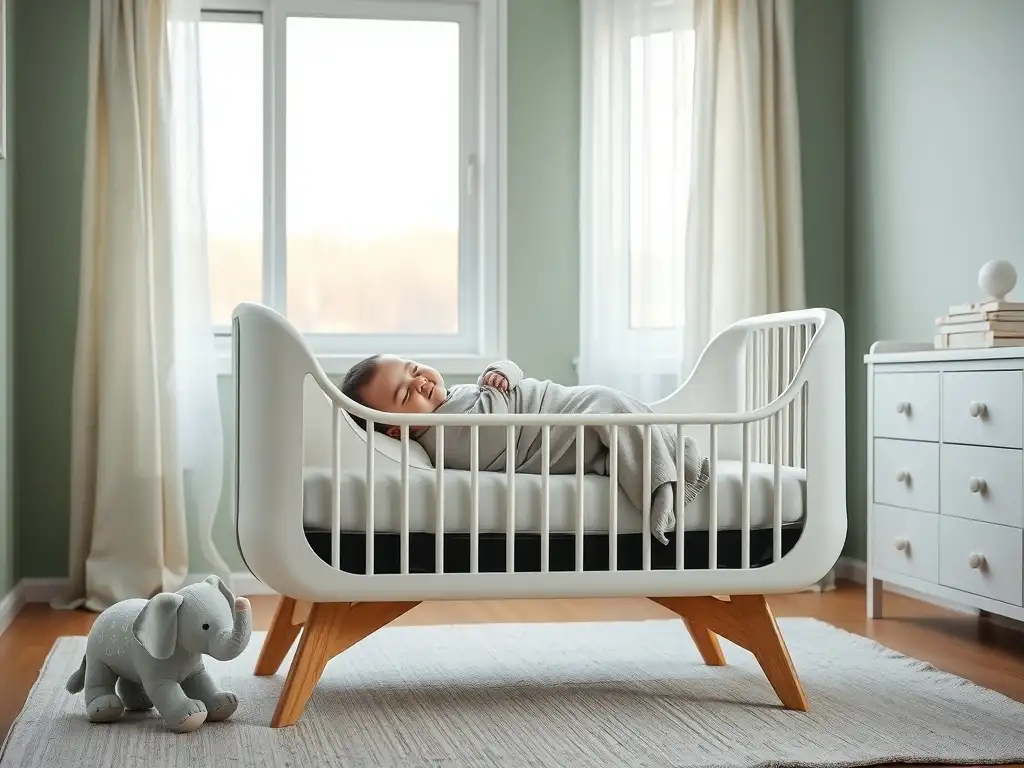
A consistent bedtime routine is crucial for establishing healthy sleep habits in your baby and contributes significantly to a safe baby sleep routine guide. This routine acts as a signal to your baby's body that it's time to wind down and prepare for sleep. The predictability reduces anxiety and promotes better sleep quality. A well-structured routine should be implemented consistently, even on weekends, to maintain its effectiveness. The key is to find a routine that works best for your family and your baby's temperament. Remember, consistency is key!
Developing a Predictable Sleep Schedule: Age-Appropriate Routines
The ideal sleep schedule will vary depending on your baby's age. Newborns (0-3 months) may need feeds throughout the night, while older infants (4-12 months) can often sleep for longer stretches. Here's a sample schedule, but remember to adjust based on your baby's individual cues:
| Age Range | Sample Bedtime Routine | Approximate Sleep Duration (Night) |
|---|---|---|
| 0-3 Months | Bath, massage, feeding, swaddling, putting down drowsy but awake | 6-8 hours with several feedings |
| 4-6 Months | Bath, massage, book, song, feeding, putting down drowsy but awake | 8-10 hours with one or two feedings |
| 7-12 Months | Bath, quiet playtime, book, song, feeding, putting down drowsy but awake | 10-12 hours with one feeding |
It's important to note that these are just examples. Some babies may naturally sleep longer or shorter than these averages. Observing your baby's sleep cues, such as rubbing their eyes or yawning, will help you determine the best time for bedtime. Tracking your baby's sleep patterns in a sleep diary can also be beneficial. Remember to consult your pediatrician if you have any concerns about your baby's sleep.
Creating a Calming Bedtime Environment: Sensory Input and Sleep
A calm and dark sleep environment is paramount for promoting restful sleep. Over-stimulation before bed can hinder your baby's ability to fall asleep and stay asleep. Consider these strategies to create a soothing bedtime atmosphere:
- Dim the lights: Reduce bright lights an hour or two before bedtime. Use dim lamps or nightlights instead.
- Minimize noise: Create a quiet environment. White noise machines can help block out distracting sounds.
- Comfortable temperature: Ensure the room is at a comfortable temperature, neither too hot nor too cold.
- Soothing scents: Lavender or chamomile essential oils (used cautiously and appropriately) can have a calming effect. However, always check for allergies first.
- Consistent routine: A predictable routine signals to your baby that it's time to sleep, reducing anxiety and promoting relaxation.
These environmental adjustments work synergistically to create a sanctuary conducive to sleep. Think of it as creating a "sleep nest" — a haven of calm that signals rest and relaxation. This consistent sensory input trains the baby's body to associate the environment with sleep.
Introducing Sleep Training Techniques: Gentle Methods for Better Sleep

Sleep training can be a challenging but rewarding journey. Remember that every baby is unique, and what works for one may not work for another. Always prioritize gentle and positive methods. Avoid any methods that are forceful or stressful for your baby.
Positive Reinforcement for Sleep: Rewarding Good Sleep Habits
Positive reinforcement focuses on rewarding desired behaviors rather than punishing undesired ones. This approach fosters a positive association with sleep and builds your baby's confidence in their ability to self-soothe. For example, you could offer praise and cuddles when your baby falls asleep independently or stays asleep for longer periods. A consistent routine and a calm, dark room also serve as positive reinforcement by creating a predictable and soothing environment associated with sleep. This approach avoids power struggles and builds a positive sleep association.
Addressing Night Wakings: Strategies for Soothing and Resetting
Night wakings are common, especially in younger babies. However, there are strategies to help soothe your baby and gently guide them back to sleep without creating dependency. Instead of immediately picking up your baby, try offering comfort from the crib side, such as patting or shushing. Gradually decrease your intervention, encouraging self-soothing. If your baby continues to cry inconsolably, you may need to offer a brief feeding or comfort before gently putting them back down.
Consistency is key; responding similarly each time will help your baby learn to self-soothe and fall back asleep independently. Remember, patience and a consistent approach are vital. A safe baby sleep routine guide emphasizes gentle and responsive parenting. 😴
Monitoring Your Baby's Sleep: Signs of Sleep Problems and Solutions
Establishing a safe and effective safe baby sleep routine guide is crucial for both baby and parent well-being. However, even with the best-laid plans, sleep disruptions can occur. Consistent monitoring for signs of sleep problems is vital for early intervention and maintaining your baby's healthy development. This section will equip you with the knowledge to recognize these signs and implement appropriate solutions.
Recognizing Signs of Sleep Deprivation in Infants
Sleep deprivation in infants manifests in various ways, often subtle but significant. Recognizing these signs early is key to addressing the underlying issue. These signs can include:
- Increased fussiness and irritability: A consistently grumpy or easily agitated baby might be signaling sleep deprivation. This can present as crying more frequently or intensely than usual, even after their needs (feeding, diaper change) have been met.
- Difficulty settling down: Prolonged periods of crying or struggling to fall asleep, even after bedtime routines, can indicate insufficient sleep. They might resist going down for naps or bedtime.
- Changes in feeding patterns: Sleep-deprived babies might overfeed or underfeed, depending on the individual. Changes in appetite or feeding frequency should be noted.
- Developmental regression: In some cases, sleep deprivation can lead to temporary regressions in developmental milestones already achieved. For instance, a baby who was previously sleeping through the night might suddenly start waking more frequently.
- Weakened immune system: Chronic sleep deprivation compromises the immune system, making babies more susceptible to illness. Frequent colds or other infections could be linked to inadequate sleep.
Remember, every baby is different, and the intensity and manifestation of sleep deprivation can vary. Keeping a sleep diary, noting feeding times, naps, and nighttime sleep patterns, can be invaluable in identifying patterns and trends.
Addressing Sleep Disruptions: Common Problems and Solutions
Many common sleep disruptions can be addressed with consistent, gentle strategies. Here are some frequent issues and potential solutions:
| Problem | Solution |
|---|---|
| Frequent night wakings | Establish a consistent bedtime routine, ensure a dark, quiet sleep environment, and address any underlying medical conditions or hunger. |
| Difficulty falling asleep | Create a calming bedtime routine (bath, book, song), maintain a consistent sleep schedule, and ensure the room is conducive to sleep. |
| Short naps | Offer naps at consistent times and create a sleep-promoting environment for naps. Consider adjusting the nap schedule to better suit your baby. |
| Early morning wakings | Gradually adjust bedtime later to allow for longer sleep stretches. Ensure the room is dark enough to prevent early awakenings. |
It's crucial to approach these issues with patience and understanding. Consistency is key; sudden changes in routine can exacerbate sleep problems.
Dealing with Night Terrors and Nightmares: Calming Techniques and Support
Night terrors and nightmares, while frightening for parents, are distinct sleep disturbances. Night terrors typically involve intense fear and distress, often without the child fully waking. Nightmares, on the other hand, involve frightening dreams from which the child usually wakes up.
- Night terrors: Avoid waking the child during a night terror; they usually don't remember it. Focus on ensuring their safety and providing a calming presence until it subsides.
- Nightmares: Comfort your child, reassure them, and help them process their fear. Talking about the dream can be helpful. A comforting stuffed animal or nightlight can provide a sense of security.
In both cases, maintaining a consistent and predictable sleep routine can help minimize the frequency of these events. A comfortable and safe sleep environment is also essential.
Consulting a Pediatrician or Sleep Specialist: When to Seek Professional Help
While many sleep problems can be addressed with home strategies, some require professional intervention. Consider consulting a pediatrician or sleep specialist if:
- Your baby's sleep problems persist despite implementing consistent strategies.
- You suspect an underlying medical condition contributing to sleep disruptions.
- Your baby exhibits excessive sleepiness or lethargy during the day.
- You are concerned about your baby's overall well-being due to sleep difficulties. This is especially important if you notice significant developmental delays or other concerning symptoms.
A professional can help identify any underlying issues and recommend appropriate interventions, ensuring your baby gets the restful sleep they need to thrive. Remember, seeking help is a sign of strength, not weakness, and prioritizing your baby's well-being is paramount.
Products to Support Safe Baby Sleep
This section focuses on equipping parents with the knowledge to select products that enhance their baby's safe sleep environment, contributing to a successful and secure bedtime routine. Choosing the right crib, mattress, and sleep aids can significantly impact your baby's sleep quality and safety. This guide will help you navigate the market and make informed decisions based on safety features and expert recommendations.
Recommended Cribs and Mattresses: Safety Features and Reviews
Selecting a safe crib is paramount for your baby's well-being. Look for cribs that meet current safety standards, which include features such as:
- Stable Construction: The crib should be sturdy and well-built, with no loose parts or sharp edges. Avoid cribs with drop-side rails, as these pose a significant risk of entrapment and injury.
- Proper Spacing: The slats should be spaced no more than 2 3/8 inches apart to prevent your baby's head from becoming trapped.
- Non-Toxic Materials: Ensure the crib is made from non-toxic materials and finishes, free from lead and other harmful chemicals. Look for certifications like GREENGUARD Gold.
- Firm Mattress: A firm mattress is crucial to prevent suffocation. The mattress should fit snugly within the crib frame, leaving no gaps. Avoid soft mattresses, waterbeds, or adult mattresses.
Review Example: The "DreamWeaver Crib" consistently receives high marks for its solid construction, easy assembly, and adherence to all safety standards. Many parents praise its adjustability and durability. However, [specific information pending] regarding long-term durability needs further investigation.
| Crib Feature | Importance | DreamWeaver Crib Rating | Other Crib Considerations |
|---|---|---|---|
| Slat Spacing | Prevents head entrapment | Excellent | Check manufacturer's specifications for exact spacing. |
| Mattress Fit | Prevents gaps and suffocation | Excellent | Ensure a snug fit; consider a mattress specifically designed for the crib. |
| Material Quality | Ensures non-toxicity and durability | Good | Look for certifications indicating low VOC emissions. |
| Assembly Difficulty | Impacts ease of setup | Good | Consider purchasing pre-assembled cribs if possible. |
| Overall Safety Rating | Summarizes all safety-related aspects | 4.5/5 | Consider independent safety certifications. |
Remember, always follow the manufacturer's instructions for assembly and use. Regular inspections for damage or wear are also essential.
Top-Rated White Noise Machines and Sleep Sound Machines
White noise machines can create a consistent, soothing sound environment that helps block out distracting noises and promote better sleep for your baby. However, it's crucial to choose a machine that is safe and appropriately designed for a baby's nursery. Look for machines with:
- Volume Control: The ability to adjust the volume is critical, allowing you to find a comfortable level for your baby without being excessively loud.
- Auto-Off Timer: An auto-off timer prevents the machine from running all night, saving energy and ensuring a quiet environment for later in the night.
- Durable Construction: The machine should be sturdy enough to withstand daily use and accidental bumps. Choose a machine that is easy to clean.
- Safe Materials: Ensure the materials used are non-toxic and safe for use around a baby.
Choosing the right white noise machine can significantly contribute to establishing a safe and effective sleep routine for your baby. Many parents find that consistent sounds help soothe their babies and promote longer sleep periods. However, it's important to remember that excessive sound can be harmful, so always keep the volume at a reasonable level. [Specific product recommendations and reviews pending].
Best Sleep Trackers for Babies: Monitoring Sleep Patterns
Baby sleep trackers offer a technological approach to monitoring your baby’s sleep patterns, providing valuable insights into their sleep cycles, duration, and overall sleep quality. While these devices can be helpful tools, it's important to remember that they shouldn't replace attentive parenting and observation. Some key features to consider include:
- Accurate Sleep Detection: The tracker should accurately identify sleep and wake periods, minimizing false readings.
- Data Visualization: Clear, easy-to-understand data visualization (charts and graphs) is important for interpreting the information gathered.
- User-Friendly Interface: The app or interface should be intuitive and easy to navigate, even when you're tired.
- Privacy and Data Security: Ensure the device and associated app prioritize data privacy and security.
While sleep trackers can offer valuable data, remember that they are tools to support your understanding of your baby's sleep, not replace your own careful observation and parental intuition. Always prioritize your baby's safety and well-being above the data provided by any device. [Specific product recommendations and reviews pending] Remember, a safe and consistent bedtime routine is key to establishing healthy sleep habits for your baby. 😴
Essential Baby Sleep Products: A Checklist for Parents
Creating a safe and comfortable sleep environment for your baby involves more than just selecting the right crib. Several essential products contribute to a successful and safe bedtime routine, promoting both your baby's and your own peace of mind. This checklist will guide you through the key items to consider. Remember, always prioritize safety and check product reviews before purchasing.
One of the most critical items is a firm mattress that fits snugly within the crib. Avoid soft mattresses or those with gaps between the mattress and the crib sides, as these pose suffocation risks. Look for mattresses specifically designed for cribs and certified to meet safety standards. Regularly inspect the mattress for any signs of wear and tear, and replace it as needed. A worn mattress can lose its firmness, increasing the risk of your baby sinking too deeply and potentially experiencing breathing difficulties.
Beyond the mattress, a fitted crib sheet is crucial. Ensure the sheet fits tightly, preventing it from bunching up and creating a suffocation hazard. Opt for sheets made from breathable, natural fabrics like cotton. Avoid using loose blankets, pillows, bumpers, or stuffed animals in the crib, as these items pose significant risks of Sudden Infant Death Syndrome (SIDS). A simple, well-fitting sheet provides a safe and comfortable sleeping surface.
For monitoring your baby's sleep and well-being, a baby monitor can provide reassurance. These devices allow you to keep an eye and ear on your baby, even from another room. Consider both audio and video monitors, offering different levels of monitoring capabilities. The choice depends on your personal preferences and the layout of your home. However, remember that a monitor is a supplementary tool, and consistent safe sleep practices remain paramount.
Finally, don't underestimate the value of a white noise machine. The consistent, gentle sounds can help soothe your baby to sleep and block out disruptive noises. White noise machines can create a calm and predictable sleep environment, promoting longer, more restful sleep periods for both baby and parents. Always follow the manufacturer's instructions for proper usage and volume levels.
Ensure the machine is placed safely away from the crib to avoid any potential hazards. Many parents find the calming effect invaluable in creating a positive association with sleep. The right combination of products, chosen carefully and used correctly, can significantly contribute to establishing a safe and effective baby sleep routine.
Frequently Asked Questions
What is the safest sleeping position for my baby?
Always place your baby on their back to sleep. This significantly reduces the risk of Sudden Infant Death Syndrome (SIDS). Avoid placing them on their side or stomach.
What should I do to create a safe sleep environment for my baby?
Ensure a firm, flat sleep surface free of loose bedding, pillows, bumpers, and toys. Maintain a comfortable room temperature and dress your baby appropriately.
How can I establish a consistent bedtime routine for my baby?
A predictable routine helps your baby wind down. This could include a warm bath, a massage, quiet playtime, and a bedtime story. Consistency is key!
My baby wakes up frequently at night. What can I help them sleep longer stretches?
While some nighttime wakings are normal, a consistent bedtime routine and a dark, quiet sleep space can promote longer sleep periods. Consult your pediatrician if you have concerns.
Are there any items I should avoid placing in my baby's crib?
Avoid using loose bedding, soft toys, bumpers, pillows, or blankets in the crib. These pose a suffocation risk. A fitted sheet is all that's needed.
Final Reflection: Weaving a Tapestry of Safety and Sleep
The quest for a safe and peaceful sleep environment for our little ones is a timeless pursuit, a fundamental pillar of healthy child development that resonates deeply in today's world. The constant barrage of information and conflicting advice can leave parents feeling overwhelmed, yet the simple truth remains: a secure and predictable bedtime routine is crucial for both baby's well-being and parental peace of mind. This is not merely about convenience; it's about fostering a foundation of safety and healthy sleep habits that will benefit your child for years to come.
The impact of establishing a safe sleep environment extends far beyond the crib, influencing the entire family dynamic and shaping a child's sense of security. It's about creating a haven of calm amidst the chaos of daily life, a sanctuary where anxieties melt away and the sweet embrace of sleep can truly take hold. As the renowned pediatrician Dr. Harvey Karp wisely stated, Sleep is not a luxury; it's a biological necessity.
This simple truth underscores the profound importance of prioritizing safe sleep practices and establishing consistent, comforting bedtime routines. The ripple effects of a well-structured routine are felt across the family, fostering a sense of predictability and reducing stress for everyone involved.
Now, consider your own family's bedtime routine. Is it a source of stress or serenity? Take a moment to reflect on the elements that contribute to a safe and peaceful sleep environment for your child. Are you consistently following safe sleep guidelines?
Are you nurturing a calm and predictable bedtime routine? By consciously implementing the strategies discussed in this guide, you are not simply creating a safe sleep space; you are investing in the long-term health and happiness of your child, building a foundation for a lifetime of restful nights and vibrant days. Embrace this journey of creating a safe and nurturing sleep environment – it's a gift you give both to your child and to yourselves.
Ready to Create a Peaceful & Safe Sleep Sanctuary?
Thank you for learning about creating a safer and more peaceful sleep environment for your baby. We hope you found the information on crib safety and bedtime routines helpful! Now, let's put that knowledge into action.
Here's how you can continue building a safer sleep environment for your baby:
- Prioritize Crib Safety: Take a few minutes to thoroughly check your crib for any potential hazards, referring to the safety guidelines discussed earlier. This small investment of time will provide immense peace of mind.
- Share your tips: Tell us about your favorite bedtime routine tips! Let's build a supportive community here in the comments. Sharing your experiences can help other parents.
- Experiment with Soothing Techniques: Try introducing a calming activity into your bedtime routine, such as a gentle massage or a special lullaby. What works best for your little one?
Ready to transform bedtime from a struggle into a soothing experience? What small change will you make tonight?