
The Impact of Crib Design on Your Baby's Development

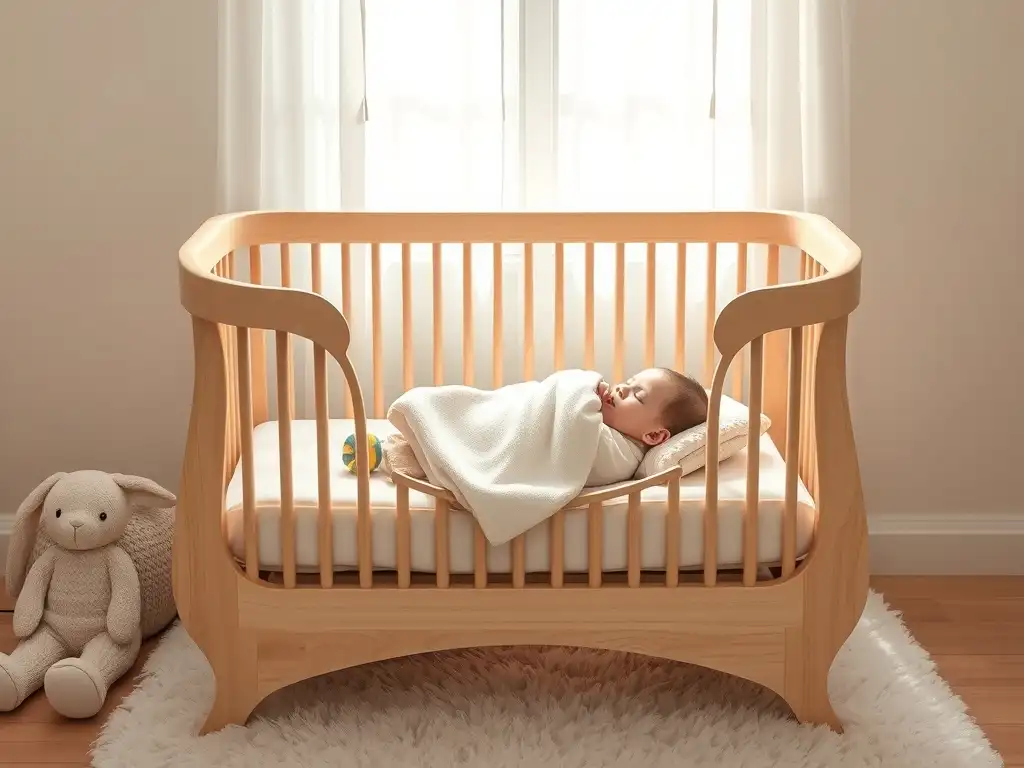
Welcome to BabyCareHub, your ultimate guide to navigating the incredible journey of parenthood! Are you ready to unlock the secrets to a happy, healthy baby? We delve into the fascinating world of baby development, exploring how even seemingly small details, like crib design, can significantly impact your little one's growth and well-being. Discover how choosing the best crib design can foster a secure and stimulating environment for your precious child. Dive in and learn more about creating the perfect nursery – your baby’s first home away from home.
- Understanding the Link Between Crib Design and Baby Development
- Choosing the Best Crib Design for Optimal Baby Development
- The Impact of Crib Placement on Baby's Development
- Debunking Myths About Crib Design and Baby Development
- Recommended Cribs for Optimal Baby Development: A Buying Guide
- Long-Term Considerations: Crib Transition and Toddler Beds
-
Frequently Asked Questions
- What is the relationship between crib design and baby development?
- How does crib size affect my baby's development?
- What crib features promote better sleep for my baby?
- Are there specific crib designs that are better for baby development?
- How can I ensure the crib I choose is safe for my baby's development?
- Final Reflection: Nurturing Growth: Crib Design and the Cradle of Development
- Unveil Your Baby's Potential: Design a Dream Crib
Understanding the Link Between Crib Design and Baby Development
Choosing the right crib for your newborn is a crucial step in creating a safe and nurturing environment. While safety is paramount, the design of the crib itself can significantly impact your baby's development in surprising ways. This isn't just about aesthetics; the size, materials, and ventilation of the crib all play a role in your little one's sleep, comfort, and overall well-being.
This article explores the often-overlooked connection between crib design and your baby's development, helping you make informed decisions as you prepare for your baby's arrival and choose the best crib design for optimal baby development. We'll delve into specific aspects of crib design, examining how seemingly minor details can contribute to a healthier and happier baby. Finding the perfect balance between safety and developmental support will ensure your baby thrives in their crib, a space designed for both security and growth.
How Crib Size Impacts Sleep and Movement
The dimensions of your baby's crib directly affect their sleep patterns and motor skill development. A crib that's too small can restrict movement, potentially hindering the development of gross motor skills like rolling, reaching, and eventually, crawling. Conversely, a crib that's excessively large might lead to feelings of insecurity and make it harder for your baby to self-soothe. Ideally, you should choose a crib that provides ample space for movement while still feeling snug and secure. This allows your baby to safely explore their environment within the confines of their crib, fostering independence and confidence. Consider the following:
- Standard Crib Size: Most standard cribs offer sufficient space for a baby to move around comfortably for the first few years.
- Convertible Cribs: These offer the flexibility to adapt as your child grows, converting into toddler beds and even full-size beds. This is a cost-effective option, but ensure the conversion process doesn't compromise safety features.
- Mini Cribs: While space-saving, mini cribs may become too small too quickly, limiting your baby's movement and potentially shortening their usable lifespan. Careful consideration of your space and your baby's growth trajectory is crucial.
It's vital to prioritize a crib size that promotes healthy development without compromising safety. Remember to always follow the manufacturer's guidelines regarding mattress firmness and fit.
The Role of Crib Materials in Baby's Sensory Development: Organic Cotton vs. Synthetic Fabrics
The materials used in your baby's crib significantly influence their sensory experiences. The tactile sensations of the crib's fabrics, as well as the visual and even olfactory aspects of the materials, contribute to their sensory development. Choosing natural, breathable materials like organic cotton offers several advantages over synthetic fabrics.
- Organic Cotton: This hypoallergenic and breathable material is gentle on your baby's sensitive skin, reducing the risk of allergic reactions and promoting comfort. The natural texture of organic cotton offers a soothing tactile experience, contributing positively to your baby's sensory development.
- Synthetic Fabrics: While often more affordable, synthetic fabrics may not be as breathable, potentially leading to overheating and discomfort. Some synthetics can also release volatile organic compounds (VOCs), which may be harmful to your baby's health.
The choice between organic cotton and synthetic fabrics is a matter of prioritizing your baby's health and well-being. The softer, more natural feel of organic cotton can create a calming and secure environment, contributing positively to your baby's sensory experiences. This is especially beneficial during the crucial early stages of development. Remember to always check for certifications and labels that guarantee the material's safety and quality.
Crib Ventilation and its Effect on Baby's Breathing and Sleep Quality
Proper ventilation in a baby's crib is essential for maintaining a safe and comfortable sleep environment. Adequate airflow reduces the risk of overheating and helps to regulate your baby's body temperature. This is crucial for preventing Sudden Infant Death Syndrome (SIDS). Consider these aspects of crib ventilation:
- Slat Spacing: Cribs should have slats that are appropriately spaced to prevent your baby's head or limbs from getting trapped. Check for compliance with safety standards.
- Breathability of Materials: As mentioned earlier, using breathable materials like organic cotton for the mattress and crib bedding ensures proper airflow.
- Air Circulation: Avoid overcrowding the crib with excessive bedding or stuffed animals, which can restrict air circulation and increase the risk of overheating.
Ensuring optimal ventilation in your baby's crib is a critical factor in promoting safe and healthy sleep. By selecting a well-ventilated crib and using breathable materials, you contribute significantly to your baby's overall well-being and reduce the risks associated with poor air quality during sleep. Remember, a well-ventilated crib is a crucial element in creating a safe and healthy sleeping environment for your baby.
Choosing the Best Crib Design for Optimal Baby Development
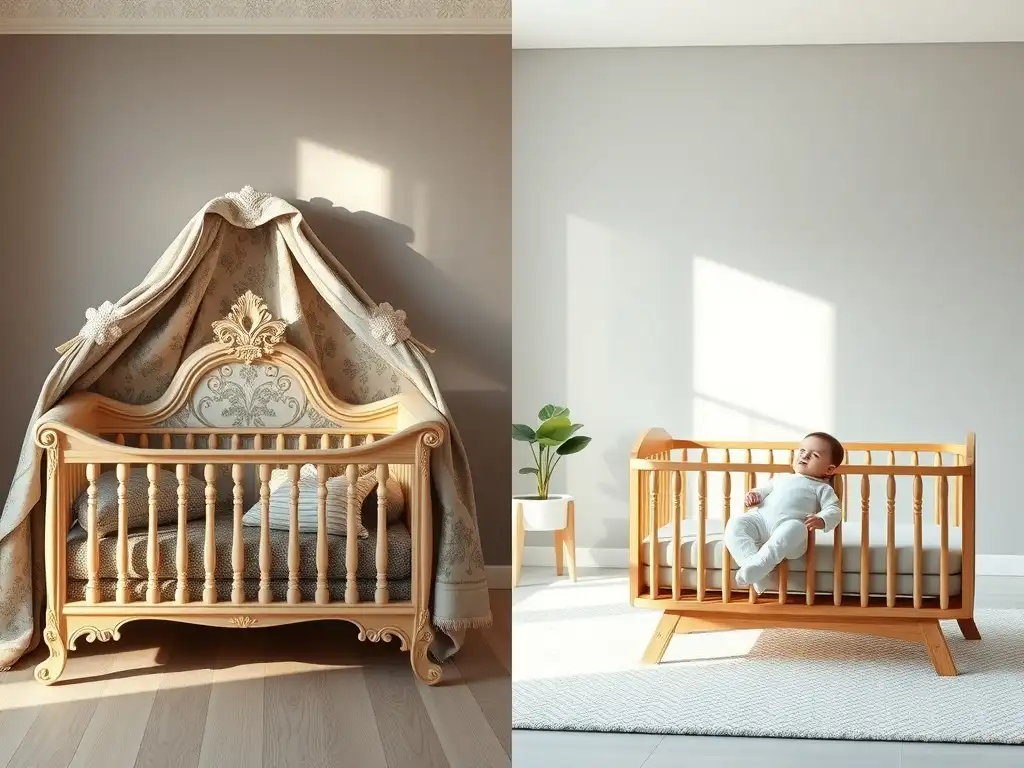
This section delves into the often-overlooked connection between crib design and a baby's development. While safety is paramount, the crib's design can subtly yet significantly influence your baby's sleep, sensory exploration, and motor skill development. Selecting a crib that fosters these aspects can contribute positively to your baby's overall well-being. Choosing the best crib design for your baby's development requires careful consideration of various factors, extending beyond mere aesthetics.
Best Crib Designs for Promoting Safe Sleep: Delta Children vs. Babyletto
Two popular brands frequently recommended for safe sleep are Delta Children and Babyletto. Both offer a range of cribs prioritizing safety features, but their design philosophies differ slightly. Let's compare:
Features to Look for in a Safe Sleep Crib: Adjustable Mattress Height, Non-toxic Finishes, Sturdy Construction
Safe sleep is paramount, and several features contribute to a crib's safety profile. Crucially, an adjustable mattress height allows you to lower the mattress as your baby grows, minimizing the risk of falls. Look for cribs with non-toxic finishes, ensuring no harmful chemicals are present. Finally, sturdy construction is vital; the crib should be robust and stable, able to withstand regular use and prevent accidental collapses.
| Feature | Delta Children | Babyletto |
|---|---|---|
| Mattress Height | Adjustable in multiple positions | Adjustable, often with multiple height options |
| Finishes | Typically non-toxic, check specific models | Consistently emphasizes non-toxic materials |
| Construction | Solid wood and composite options available | Primarily eco-friendly materials, like wood |
| Price Point | Generally more budget-friendly | Often positioned at a slightly higher price point |
Choosing between Delta Children and Babyletto depends on your budget and preferences. Both brands generally meet safety standards, but Babyletto often emphasizes eco-friendly materials, potentially attracting parents prioritizing sustainability.
Crib Designs that Encourage Sensory Exploration and Motor Skill Development
Beyond safety, consider how the crib's design can actively stimulate your baby's development. Thoughtful design elements can encourage sensory exploration and the development of crucial motor skills.
Mobile Selection: Stimulating vs. Soothing Designs for Different Developmental Stages
A crib mobile isn't just a decorative element; it's a powerful tool for sensory stimulation. The design should be tailored to your baby's developmental stage. In the early months, soothing mobiles with soft colors and slow movements are ideal. As your baby develops, consider stimulating mobiles with contrasting colors, patterns, and textures to enhance visual tracking and cognitive development.
- Early Months (0-3 Months): Simple, monochrome mobiles with slow, gentle movements.
- Middle Months (3-6 Months): Mobiles with contrasting colors and simple shapes to encourage visual tracking.
- Later Months (6-12 Months): More complex mobiles with interesting textures and patterns to stimulate cognitive development. Remember to remove the mobile once your baby can reach and pull themselves up.
The Importance of Visual Stimulation in Crib Design: Patterns, Colors, and Textures
Visual stimulation plays a crucial role in early brain development. The crib's surroundings, including the design of the crib itself, contribute to this. Consider incorporating elements like:
- Contrasting Colors: Black and white, or high-contrast color combinations, are particularly beneficial in the early months.
- Simple Patterns: Geometric shapes or simple patterns can be visually engaging without being overwhelming.
- Textured Elements: A textured crib bumper (if used safely and appropriately) or textured fabrics can add another layer of sensory input.
Remember, the ideal crib design balances safety and developmental stimulation. By carefully considering these factors, you can create a nursery environment that supports your baby's healthy growth and development, contributing to a positive start in life. 👶
Crib Designs that Support Baby's Physical Development: Spaciousness and Mobility
Choosing a crib that prioritizes your baby's physical development is crucial for their healthy growth. A key aspect to consider is the crib's spaciousness. A cramped crib can restrict your baby's movements, hindering their ability to develop crucial motor skills. Babies need ample space to stretch, roll, and eventually, pull themselves up. This unrestricted movement is essential for strengthening their muscles, improving coordination, and developing a sense of body awareness.
Consider cribs with generous interior dimensions, allowing for comfortable movement even as your baby grows. Avoid cribs that are too small, especially if you anticipate using it for an extended period. Remember, the goal is to provide a safe space that encourages exploration and physical growth. A good rule of thumb is to measure your baby's length and add several inches to ensure sufficient room.
Furthermore, the crib's design should also support your baby's increasing mobility. As your baby develops, they will begin to roll over, sit up, and eventually, crawl and stand within their crib. A crib with a solid, stable base is essential to prevent tipping or wobbling, ensuring your baby's safety during these developmental milestones.
The bars should be spaced appropriately to prevent entrapment, but also allow your baby to easily grasp them for support while learning to pull themselves up. Look for cribs with sturdy construction and high-quality materials to guarantee durability and safety during this active phase of development. Consider the height of the crib mattress – a lower mattress height makes it easier and safer for your little one to learn to pull themselves up and eventually climb out.
This transition to standing is a significant milestone, and the crib's design should facilitate this natural progression without compromising safety. Remember to always follow safe sleep guidelines and remove any unnecessary items that could be a hazard.
The Impact of Crib Placement on Baby's Development
The placement of your baby's crib significantly impacts their sleep quality, safety, and overall development. While crib design is crucial (as discussed elsewhere in this article), the location of the crib within the nursery plays a surprisingly large role in fostering a healthy sleep environment and stimulating early development. Careful consideration of these factors can contribute to a happier, healthier baby. This section focuses on optimizing crib placement for maximum benefit.
Optimal Crib Placement for Soothing Sleep and Reduced Night Wakings
Optimal crib placement prioritizes minimizing disturbances and maximizing comfort. Several factors contribute to achieving this:
- Minimize Noise and Light: Place the crib away from windows to reduce light exposure, especially during nighttime hours. Similarly, position it away from noisy areas like the television, laundry room, or frequently used hallways. A white noise machine can mitigate unavoidable noises, but strategic placement is the first line of defense. Consider using blackout curtains to further minimize light.
- Temperature Regulation: Avoid placing the crib near heating vents or air conditioning units. Extreme temperatures can disrupt sleep and make your baby uncomfortable. Aim for a consistent, comfortable room temperature of around 68-72°F (20-22°C).
- Air Circulation: Ensure adequate airflow around the crib to prevent overheating. Avoid placing it in a corner where air circulation might be restricted.
- Proximity to Parents (but not too close!): While it's crucial to follow safe sleep guidelines and not co-sleep, having the crib within easy reach for nighttime feedings and comfort can reduce parental stress and improve sleep for both you and your baby. However, maintain a safe distance to prevent accidental suffocation or entanglement.
- Visual Stimulation (But not Over-Stimulation): While minimizing distractions is key, a slightly stimulating environment can be beneficial. Consider placing a mobile with soft, contrasting colors above the crib, but avoid overly busy patterns that might overstimulate the baby. This helps stimulate visual development without interfering with sleep.
Creating a Safe and Stimulating Environment Around the Crib
The area surrounding the crib should be designed for both safety and gentle stimulation. This contributes to your baby's physical and cognitive development.
- Safe Space: Ensure the area around the crib is free from hazards such as loose cords, small objects that could be choking hazards, and furniture with sharp edges. The floor should be padded to cushion any falls. A baby-proofing checklist can be helpful here. Remember, safety is paramount!
- Visual and Tactile Stimulation: Consider adding soft, textured toys within reach of your baby, but always supervise. This encourages tactile exploration and sensory development. A playmat near the crib can provide a safe place for tummy time and exploration. Varying textures and colors can enhance their cognitive development.
- Sound Environment: While minimizing disruptive noises is crucial for sleep, incorporating calming sounds like nature sounds or lullabies can be soothing. Always use age-appropriate volume levels. Avoid loud or jarring sounds.
- Light Control: Soft, indirect lighting can be beneficial during the day, especially for nighttime feedings. Avoid harsh, direct lighting which can be over-stimulating.
By carefully considering the placement of the crib and designing a nurturing environment around it, you can create a space that supports your baby's healthy development and promotes restful sleep, contributing to a positive and harmonious family life. Remember to always prioritize safety and create a space that is both stimulating and calming for your little one. 😴👶
Debunking Myths About Crib Design and Baby Development
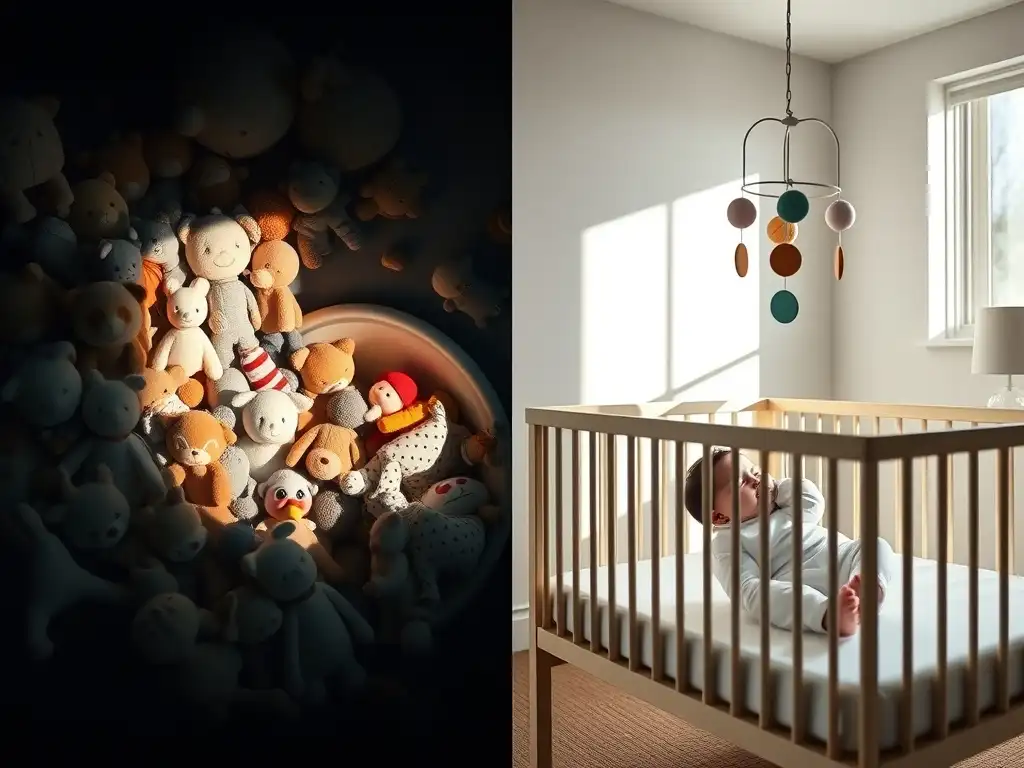
Choosing the right crib can feel overwhelming for new parents. The market is flooded with options, each promising to enhance your baby's development. However, separating fact from fiction is crucial. Let's address some common misconceptions surrounding crib design and its impact on your little one's growth.
Myth: A Fancy Crib Guarantees Better Sleep
Many parents believe that investing in an expensive, elaborate crib automatically translates to better sleep for their baby. This is simply untrue. While a comfortable and safe crib is essential, the price tag doesn't directly influence sleep quality. A baby's sleep patterns are primarily determined by biological factors, such as their developmental stage and temperament, rather than the aesthetics or features of their crib. Spending exorbitant amounts on unnecessary embellishments won't magically solve sleep problems.
Instead, focus on establishing a consistent bedtime routine, creating a conducive sleep environment (dark, quiet, and cool), and addressing any underlying medical issues that might be disrupting your baby's sleep. Prioritize a safe and functional crib over extravagant features. Remember, a simple, well-made crib can provide just as much comfort and support as a more expensive model. Consider investing in high-quality bedding and a comfortable mattress instead.
Myth: Babies Need a Lot of Space to Move Freely in Their Cribs
Another prevalent myth is that babies require ample space within their cribs to promote healthy motor development. While providing enough space for safe movement is important, excessive space can actually be detrimental. A large crib presents a higher risk of your baby rolling or climbing out, leading to potential injuries. The American Academy of Pediatrics (AAP) recommends that cribs adhere to specific safety standards, including the distance between slats and the overall size of the crib.
These standards are designed to balance safety and comfort, ensuring your baby has enough room to move but not so much that they're at risk. Babies develop their motor skills gradually; a snug yet safe crib doesn't hinder their progress. In fact, the structured environment of a properly sized crib can provide a sense of security and promote better sleep.
Reality: A Safe and Appropriately Sized Crib Fosters Healthy Development
The truth is that a safe and appropriately sized crib is the key to supporting your baby's healthy development. This means choosing a crib that meets all current safety standards, including those related to slat spacing, mattress firmness, and overall construction. Prioritize simplicity and functionality over unnecessary features. A well-made, sturdy crib provides a secure and predictable environment, which is crucial for a baby's emotional and physical well-being.
A safe crib allows your baby to feel secure and protected, which contributes to better sleep and overall development. Focus on creating a nurturing and safe sleep space, rather than chasing trends or expensive features that ultimately offer little to no benefit for your baby's development. Remember, a happy and well-rested baby is the ultimate goal, and a safe crib is a vital component in achieving that. 🧸
Recommended Cribs for Optimal Baby Development: A Buying Guide
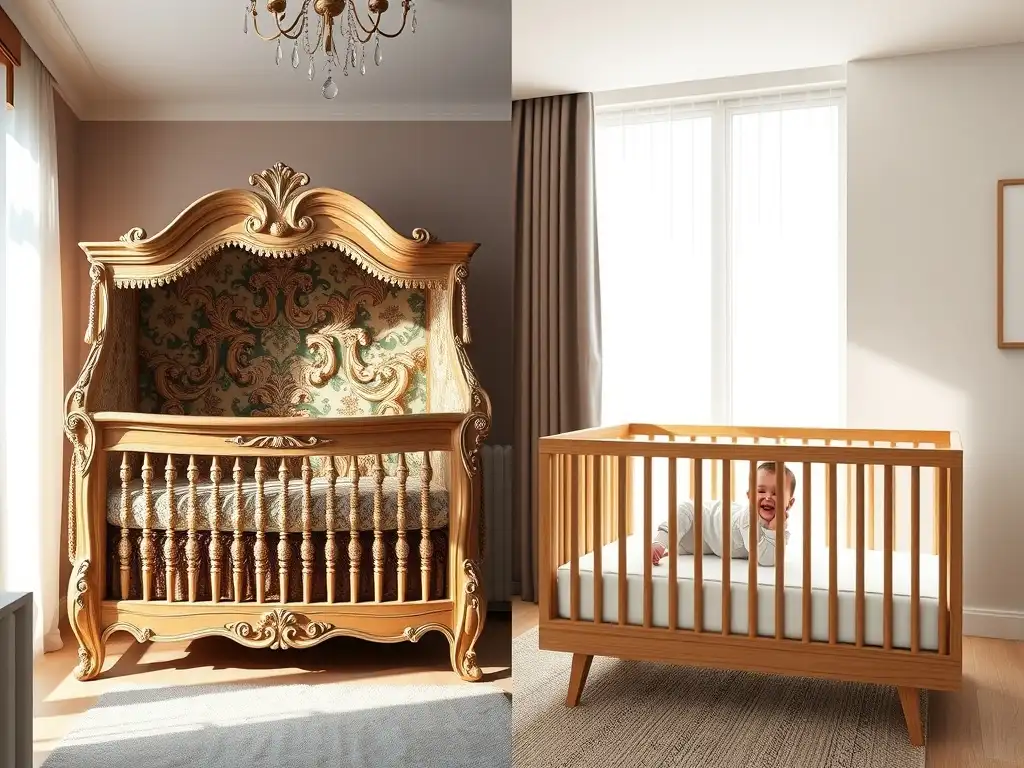
This section dives deep into the specifics of crib selection, focusing on how design elements directly impact your baby's development. Choosing the best crib design for your baby's development isn't just about aesthetics; it's about creating a safe, stimulating, and conducive environment for healthy growth. We'll explore key features to look for and analyze popular crib models to help you make an informed decision.
Remember, prioritizing safety and functionality is paramount when selecting a crib for your little one. This guide will help you navigate the world of cribs and choose the one that best suits your needs and your baby's developmental journey.
Top 5 Cribs for Promoting Safe Sleep and Sensory Development in 2024
Selecting the right crib is crucial for your baby's safe sleep and overall development. The market offers a plethora of options, each boasting unique features. Below, we highlight five leading cribs in 2024, focusing on their features that contribute to optimal baby development: safe sleep practices, sensory stimulation, and ease of use for parents. Remember to always check for current safety standards and certifications before purchasing any crib.
Graco Crib: Features, Benefits, and Price Comparison
The Graco crib line offers a range of models catering to different budgets and preferences. Many Graco cribs feature adjustable mattress heights, allowing you to easily lower the mattress as your baby grows, promoting safe sleep and reducing the risk of falls. Some models also include storage drawers, a practical feature for parents. The price point typically falls within the mid-range, making it an accessible option for many families.
Specific features vary by model, so thorough research is recommended. For example, the Graco Benton 4-in-1 Convertible Crib offers a conversion option to a toddler bed, extending its usability. Expect to find a price range of [specific price range pending] depending on the model and retailer.
DaVinci Crib: Features, Benefits, and Price Comparison
DaVinci cribs are often praised for their stylish designs and commitment to using non-toxic materials. Many parents appreciate the sleek aesthetics and the peace of mind that comes with knowing the crib is made with low-VOC (Volatile Organic Compound) finishes. DaVinci cribs frequently include features like sturdy construction, multiple height adjustments, and sometimes even built-in teething rails.
This combination of safety, style, and functionality makes them a popular choice. However, they often fall on the higher end of the price spectrum, with prices ranging from [specific price range pending] depending on the model and retailer. Look for models with solid wood construction for added durability.
Dream On Me Crib: Features, Benefits, and Price Comparison
Dream On Me cribs are known for their affordability and wide selection. They offer a good balance of basic functionality and value for money. While they may lack some of the bells and whistles found in higher-priced brands, Dream On Me cribs generally meet safety standards and provide a safe and reliable sleeping space for your baby. Their simple designs are easy to assemble and maintain. Expect to find a price range significantly lower than DaVinci or Graco, generally within [specific price range pending]. While budget-friendly, it's crucial to carefully check reviews for any recurring quality concerns.
Choosing the Right Crib Mattress: Firmness, Size, and Material
The crib mattress is just as important as the crib itself. A suitable mattress contributes significantly to your baby's safe sleep and overall well-being. The key considerations are firmness, size, and material.
The mattress must be firm. This is crucial to prevent suffocation and ensure a safe sleeping environment. A firm mattress provides proper support for your baby's developing spine and helps to minimize the risk of Sudden Infant Death Syndrome (SIDS). Avoid soft mattresses or those with excessive padding.
The mattress should be the correct size for your crib. A poorly fitting mattress can create gaps between the mattress and crib sides, posing a safety hazard. Always choose a mattress that fits snugly within the crib frame.
Finally, consider the material. Natural materials like organic cotton are popular choices due to their breathability and hypoallergenic properties. However, many synthetic materials are also safe and durable. Ensure the mattress cover is easily removable and washable for hygiene. Look for certifications and labels indicating adherence to safety standards for baby products. Remember, a well-chosen mattress is a critical investment in your baby's healthy development and safe sleep.
Long-Term Considerations: Crib Transition and Toddler Beds
Choosing a crib isn't just about the first few months. A well-considered crib selection impacts your child's development and sleep patterns for years to come. This section focuses on the crucial transition from crib to toddler bed and the factors to consider when making that significant change. Understanding these long-term aspects is vital for achieving the best crib design for baby development. The right crib can support healthy growth, while a poorly chosen one can lead to unnecessary challenges down the line.
Transitioning from Crib to Toddler Bed: Choosing the Right Time and Method
The transition from crib to toddler bed is a major milestone. Timing is key; rushing the process can lead to sleep regressions and anxiety. Most pediatricians recommend transitioning between 18 and 24 months, but there's no one-size-fits-all answer. Observe your child's cues. Are they climbing out of the crib? Do they seem ready for more independence? These are strong indicators of readiness.
The method you choose is equally important. A gradual approach is often best. Start by spending more time with your child in their room, reading stories or singing songs before bedtime. You might also consider lowering the mattress in the crib to minimize the risk of falls. Ultimately, the goal is to make the transition as smooth and positive as possible. Some parents find success with a "practice run" where the toddler bed is set up a few days before the actual switch to allow the child to explore and familiarize themselves with their new sleep space.
Creating a consistent and comforting bedtime routine is also crucial. Maintain familiar bedtime rituals to help ease the transition and provide a sense of security and stability during this change. Consider incorporating a favorite stuffed animal or blanket to create a soothing and familiar environment. This consistent routine will help reduce anxiety and promote better sleep.
Toddler Bed Selection: Safety Features and Developmental Considerations
Once the decision to transition is made, choosing the right toddler bed is paramount. Safety should be the top priority. Look for beds with low sides to prevent falls, and ensure the mattress fits snugly to avoid gaps. Avoid beds with decorative cutouts or sharp edges that could pose a hazard. The bed's construction should be robust and stable; it needs to withstand the enthusiastic explorations of a toddler.
Beyond safety, consider the bed's design in relation to your child's developmental needs. A toddler bed that encourages independence can positively impact their development. For example, a bed with a built-in storage solution can teach them responsibility in tidying up their toys. The bed's size and height should also be appropriate for your child's age and size, ensuring comfort and preventing falls. A bed that is too large might be overwhelming, while one that's too small can be uncomfortable and unsafe.
Remember, the best crib design for baby development considers the entire journey, from infancy to toddlerhood. Careful planning and consideration of these long-term aspects will contribute significantly to your child's healthy sleep patterns and overall development. By prioritizing safety and age-appropriate design, you can create a supportive and comforting sleep environment that fosters healthy growth. This holistic approach to crib selection is essential for ensuring a smooth and positive transition from crib to toddler bed and beyond.
Frequently Asked Questions
What is the relationship between crib design and baby development?
Crib design significantly impacts a baby's sleep quality and overall development. A safe and stimulating environment fosters better sleep patterns, leading to improved cognitive and physical development. Proper ventilation and sufficient space are also crucial.
How does crib size affect my baby's development?
A crib that's too small can restrict movement, hindering gross motor skill development. Conversely, a crib that's too large can be unsafe. Choosing the right size ensures your baby has enough room to move and explore safely, promoting healthy development.
What crib features promote better sleep for my baby?
Features like adjustable mattress heights, solid sides, and non-toxic materials contribute to safer and more restful sleep. A calming color scheme and soft lighting can also improve sleep quality, leading to better development.
Are there specific crib designs that are better for baby development?
While no single design is universally "best," cribs with open sides allow for better airflow and parental interaction. Cribs with adjustable base heights cater to your baby's growing needs, providing a safe and comfortable space throughout their infancy. Simplicity in design is often preferred.
How can I ensure the crib I choose is safe for my baby's development?
Always check for safety certifications and ensure the crib meets current safety standards. Look for cribs made from non-toxic materials, with no sharp edges or small parts. Regular inspections for damage are essential to ensure your baby's safety and healthy development.
Final Reflection: Nurturing Growth: Crib Design and the Cradle of Development
The design of a crib is far more than just aesthetics; it's a foundational element in shaping a baby's early development and overall well-being. A thoughtfully chosen crib can significantly impact sleep quality, sensory stimulation, and even a child's sense of security, contributing to a healthier and happier start in life. This understanding is crucial in today's world, where parents are increasingly seeking evidence-based approaches to childcare.
The impact of crib design extends beyond the immediate years of infancy. The environment we create for our children in those formative months lays the groundwork for their future development, influencing everything from their cognitive abilities to their emotional resilience. Give a child a good start, and they will grow into a good person.
This simple statement encapsulates the profound influence of early childhood experiences, and the crib, as a central element of that environment, plays a surprisingly significant role. The choices we make, from the materials used to the overall design, contribute to the tapestry of a child's early life.
Consider the implications of this information. What kind of environment are you creating for your child or the children in your life? Take a moment to reflect on the crib's role in your child's development. Is it fostering a sense of security and calm, or is it inadvertently creating obstacles? By understanding the principles discussed in this article, you can make informed decisions that will positively impact a child's journey from infancy to adulthood. Let's prioritize creating nurturing spaces that support the healthy development of our youngest members of society.
Unveil Your Baby's Potential: Design a Dream Crib
Thank you for exploring the connection between crib design and your baby's development! You've learned how to create a nurturing sleep environment, and now it's time to put your knowledge to work.
- Design your ideal crib: Sketch your vision, considering lighting, color, and safety features. Create a truly personalized space for your little one.
- Share your ideas: Join our BabyCareHub community forum and share your inspiration! We'd love to see your sketches and hear your thoughts.
- Explore sustainable materials: Research sustainable and ethically sourced materials to ensure both quality and a mindful approach to your crib's construction.
Ready to transform your baby's sleep space? What unique feature are you most excited to include in your crib design?