
Crib Height Adjustment: Ensuring Safety as Your Baby Grows

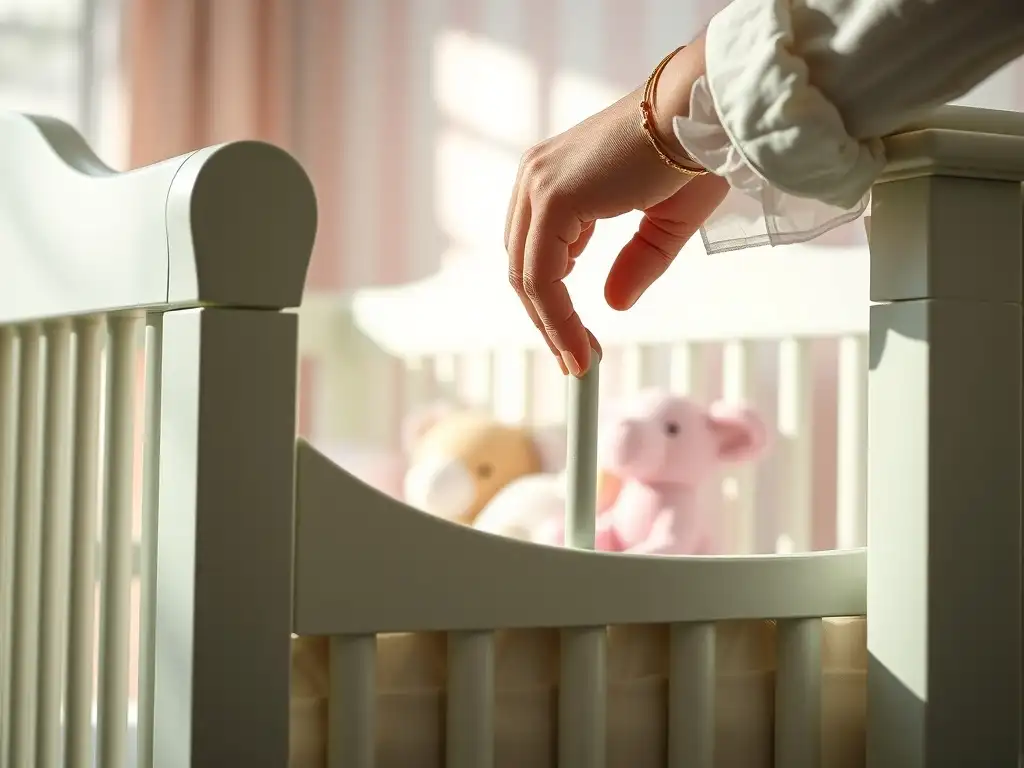
Welcome to BabyCareHub, your ultimate guide to navigating the exciting yet challenging journey of parenthood! We understand that raising a baby is a steep learning curve, and that's why we've created this comprehensive resource. Are you ready to learn the secrets to a peaceful night's sleep and a thriving little one? Then discover the crucial importance of safe crib height adjustment and how it contributes to your baby's well-being. Dive into our "Creating the Perfect Nursery" section and start building a secure and nurturing environment for your precious bundle of joy. Let's embark on this adventure together!
- Understanding the Importance of Adjustable Crib Height for Baby Safety
- How to Adjust Your Crib's Height: A Step-by-Step Guide
- Choosing a Crib with Safe and Easy Height Adjustment Features
- Maintaining Your Crib's Height Adjustment Mechanism: Long-Term Safety
- Beyond Crib Height: Other Essential Baby Safety Measures
- Resources and Further Reading on Baby Crib Safety
- Frequently Asked Questions
- Final Reflection: The Evolving Landscape of Crib Safety
- Unlock Your Baby's Safe Sleep Potential
Understanding the Importance of Adjustable Crib Height for Baby Safety
Choosing the right crib for your newborn is a crucial step in creating a safe and nurturing environment. Among the many features to consider, crib height adjustability often gets overlooked, yet it plays a significant role in your baby's safety and well-being.
This article delves into the importance of properly adjusting your baby's crib height, providing a step-by-step guide to ensure your little one remains safe and secure as they grow. We'll explore the developmental stages where crib height adjustment is particularly vital, highlight the potential dangers of incorrect adjustments, and offer practical advice to maintain a safe sleeping environment for your child.
Mastering safe crib height adjustment is a key element in preventing falls and injuries, contributing significantly to your peace of mind as a new parent. Understanding this simple yet crucial aspect of baby care will empower you to make informed decisions and create a safer nursery for your precious child.
Why Crib Height Matters: Preventing Falls and Injuries
The height of your baby's crib mattress is directly related to their risk of injury. A mattress that's too high increases the risk of falls, potentially leading to serious head injuries, broken bones, or other trauma. As your baby grows and becomes more mobile, they'll start to pull themselves up and potentially climb out of the crib. Lowering the mattress as they develop helps mitigate this risk. A lower mattress also makes it easier for you to reach your baby, making nighttime feedings and soothing easier and less strenuous. This reduces the risk of accidental drops while lifting your baby in and out of the crib. Remember, even a short fall can result in injury, so maintaining the correct crib height is paramount for your baby's safety. Think of it as a proactive measure, minimizing the possibility of accidents before they happen. The peace of mind this provides is invaluable.
Matching Crib Height to Baby's Developmental Stages: Newborn to Toddler
Adjusting your crib's height should be a continuous process, aligned with your baby's developmental milestones. For newborns, a higher mattress position is often recommended, making it easier for parents to lift and place the baby without excessive bending. However, as your baby starts to sit up (around 4-6 months), it's crucial to lower the mattress. This prevents them from potentially climbing out or falling over the side.
By the time your baby is able to pull themselves up (around 6-9 months), the mattress should be at its lowest setting. This significantly reduces the risk of serious injury from a fall. Always follow the manufacturer's instructions for adjusting the crib height and ensure that all locking mechanisms are securely engaged.
Regularly check the mattress height to ensure it remains at the appropriate level for your baby's age and developmental stage. This proactive approach to crib safety is essential throughout your baby’s first few years. A well-adjusted crib is a safe crib.
The Dangers of an Incorrectly Adjusted Crib: Case Studies and Statistics
While precise statistics on crib-related injuries specifically linked to incorrect mattress height are difficult to isolate, [specific information pending], anecdotal evidence and reports from pediatric emergency rooms consistently highlight the dangers of improperly adjusted cribs. Falls from cribs are a leading cause of injuries in infants and toddlers. A higher-than-recommended mattress height significantly increases the risk of falls, leading to head injuries, which can have long-term consequences. [Specific case study data pending – include details of potential injuries and outcomes].
The consequences can range from minor bruises and scrapes to severe head trauma, fractures, and even fatalities. Furthermore, [Specific statistics pending on crib related injuries]. The importance of correctly adjusting your baby's crib height cannot be overstated.
It is a simple yet effective step in creating a safe and secure sleeping environment. The potential consequences of neglecting this vital safety measure are simply too significant to ignore. Prioritizing safe crib height adjustment is an act of responsible parenting.
How to Adjust Your Crib's Height: A Step-by-Step Guide

This section provides a comprehensive guide on safely adjusting your baby's crib height. Proper crib height adjustment is crucial for ensuring your baby's safety and making it easier for you to care for them. Remember, always refer to your crib's specific instruction manual for detailed guidance as mechanisms vary significantly between brands and models. Failing to follow the manufacturer's instructions could void warranties and, more importantly, compromise your baby's safety.
Identifying Your Crib's Adjustment Mechanism: Different Brands and Models
Cribs utilize various mechanisms for height adjustment. Some employ simple pin-and-hole systems, others utilize more complex lever or crank systems. Understanding your crib's specific mechanism is the first step towards safe and effective adjustment. Let's explore some common types:
- Pin and Hole System: This is a common and relatively straightforward system. You'll typically find a series of holes at different heights on the crib's side rails. A pin or bolt is inserted into the desired hole, locking the rail at that height. These are generally easy to use but require a bit of physical effort.
- Lever System: These systems often use a lever or release mechanism on the side rail. You'll need to locate the lever and operate it to release the rail, allowing you to adjust its height. These systems usually offer smoother adjustment than pin-and-hole systems.
- Crank System: Some cribs use a crank-like mechanism to adjust the height. This often involves turning a crank to raise or lower the mattress support. These systems tend to be less common but can be very smooth and easy to use.
- No Adjustment: Some cribs are designed with a fixed mattress height. If your crib doesn't have an adjustable height, you may need to consider purchasing a different crib as your child grows. Always check this before purchasing.
Before attempting any adjustment, carefully inspect your crib for any damage or wear and tear. Look for loose screws, cracks in the wood, or any signs of instability. If you notice any issues, do not attempt to adjust the crib height; contact the manufacturer or a qualified professional for assistance. Remember, a safe crib is a priority.
Step-by-Step Instructions with Photos: Adjusting the Height
Unfortunately, providing detailed step-by-step instructions with photos is impossible in this text-based format. However, I can offer a general guide. Always consult your crib's manual for precise instructions and diagrams specific to your model.
General Steps:
- Locate the Adjustment Mechanism: Identify the specific mechanism on your crib's side rail (pin and hole, lever, crank, etc. ).
- Release the Mechanism: Carefully follow the instructions in your manual to release the locking mechanism. This may involve removing pins, lifting levers, or turning cranks.
- Adjust the Height: Carefully lift or lower the mattress support to the desired height. Ensure the mattress is firmly supported at the new height.
- Secure the Mechanism: Once the desired height is achieved, firmly re-engage the locking mechanism. Double-check that it's securely locked in place before placing your baby back in the crib.
- Test for Stability: Gently rock the crib to ensure it's stable and the mattress support is securely fixed at the new height.
Remember to always supervise your child while they are in the crib. Never leave your child unattended. Regularly check the crib for any signs of wear and tear.
Troubleshooting Common Crib Height Adjustment Problems: Stuck Mechanisms and Repairs
Sometimes, crib height adjustment mechanisms can become stuck or malfunction. Here are some common problems and troubleshooting tips:
| Problem | Possible Cause | Solution |
|---|---|---|
| Stuck Pin and Hole System | Dust, debris, or warped holes | Clean the holes and pin thoroughly. If the holes are warped, contact the manufacturer. |
| Stiff Lever System | Tight screws, worn parts | Lubricate the moving parts with a suitable lubricant (check your manual). If the problem persists, contact the manufacturer. |
| Malfunctioning Crank System | Broken or stripped gears, worn-out components | Attempt to carefully clean and lubricate. Severe damage may require professional repair or replacement of parts. |
| Crib Feels Unstable | Incorrectly adjusted height, loose screws | Double-check the adjustment and tighten all screws. If instability persists, contact a professional for assistance. |
If you encounter any significant problems adjusting your crib's height, or if you are unsure about any aspect of the process, it is crucial to contact the manufacturer directly or consult a qualified professional. Never attempt repairs that you are not comfortable with. Your baby's safety is paramount. 👶
When to Call a Professional: Recognizing When You Need Expert Assistance
Knowing when to seek professional help with your crib's height adjustment is crucial for ensuring your baby's safety. While many cribs offer straightforward adjustments, some situations require the expertise of a qualified professional. Attempting complex adjustments without the proper knowledge can lead to unintended consequences, potentially compromising the crib's structural integrity and endangering your child.
For instance, if your crib's adjustment mechanism is damaged or unusually difficult to operate, it's best to err on the side of caution and contact a professional. This might involve a furniture repair specialist or the manufacturer of the crib itself. Attempting to force a malfunctioning mechanism could cause further damage, leading to instability or even collapse. Remember, a broken or improperly adjusted crib poses a significant risk of injury to your baby.
Another scenario warranting professional intervention is when you encounter unfamiliar or complex adjustment systems. Not all cribs are created equal; some feature intricate mechanisms that require specialized knowledge to operate safely and correctly. If your crib's instructions are unclear or if you feel uncertain about any aspect of the adjustment process, don't hesitate to contact a professional. Your baby's safety is paramount, and seeking expert assistance is always preferable to risking an accident.
Finally, if you've already attempted to adjust the crib height and are still experiencing issues, such as instability or misalignment, calling a professional is strongly advised. This demonstrates a potential underlying problem that requires a trained eye to diagnose and resolve effectively. Ignoring these warning signs could lead to serious consequences. Remember, a stable and properly adjusted crib is a cornerstone of your baby's safe sleep environment.
Don't hesitate to seek help when needed; it's a sign of responsible parenting and a commitment to your child's well-being. Prioritizing safety ensures peace of mind and contributes to a positive and secure environment for your little one. A small investment in professional assistance is far less costly than the potential consequences of a poorly adjusted crib.
Choosing a Crib with Safe and Easy Height Adjustment Features
Selecting a crib with adjustable height is crucial for ensuring your baby's safety and your own comfort during those late-night feedings and diaper changes. A crib that allows for easy height adjustment minimizes the risk of back strain and accidental falls, contributing significantly to a safer and more convenient parenting experience. The ease of adjustment should be a primary consideration, as frequent adjustments are likely throughout your baby's first year.
Avoid cribs with complicated or flimsy mechanisms; a smooth, reliable system is key. This section will delve into the specifics of choosing a crib with these features in mind, focusing on safe crib height adjustment.
Key Features to Look for When Buying an Adjustable Crib: Safety Mechanisms and Durability
When searching for a crib with adjustable height, several key features should be prioritized to ensure both safety and longevity. The adjustment mechanism itself should be robust and easy to use, yet secure enough to prevent accidental changes. Look for:
- Solid Construction: The crib should be made from sturdy, high-quality materials like solid wood or heavy-duty engineered wood. Avoid cribs that feel flimsy or unstable.
- Smooth, Reliable Adjustment Mechanism: The height adjustment system should be simple to operate, with clearly marked height settings. Avoid cribs with complicated or hard-to-use mechanisms. A smooth, silent operation is a bonus, especially for nighttime adjustments.
- Secure Locking System: The crib should have a secure locking mechanism that prevents the mattress platform from accidentally sliding or collapsing. Test the locking mechanism thoroughly before purchasing.
- Non-toxic Materials and Finishes: Ensure that the crib is made from non-toxic materials and finished with child-safe paints or stains. Check for certifications such as GREENGUARD Gold.
- Durability: Consider the long-term durability of the crib. A well-built crib will last through multiple children, making it a worthwhile investment.
A well-designed crib with a safe height adjustment system should feel sturdy and secure. Pay attention to the details – the quality of the materials, the smoothness of the adjustment mechanism, and the security of the locking system – are all critical indicators of a safe and reliable crib. Remember, a safe crib is an investment in your baby's well-being and your peace of mind. Choosing a crib that prioritizes safe crib height adjustment is a crucial step in creating a secure sleeping environment for your little one.
Top-Rated Adjustable Cribs: Reviews and Comparisons
While specific product names and reviews are beyond the scope of this internal section, consider researching and comparing different crib models based on the criteria outlined above. Look for independent reviews and ratings from reputable sources to gather unbiased opinions on safety, durability, and ease of use. Factors like the number of adjustable height positions, the ease of mattress removal for cleaning, and the overall design should also be considered. Pay close attention to user comments focusing on the actual experience of adjusting the crib's height.
This will help you identify models with truly user-friendly and safe adjustment mechanisms. A common complaint is a difficult or unreliable locking mechanism, so read carefully for mentions of such issues. Prioritizing safe crib height adjustment in your research will help you choose a crib that meets your family's needs and ensures your baby’s safety.
Budget-Friendly Options: Affordable Cribs with Safe Height Adjustment Features
Finding an affordable crib that doesn't compromise on safety is possible. While premium brands often offer advanced features, several budget-friendly options provide safe and reliable height adjustment. However, remember that "budget-friendly" doesn't mean sacrificing safety. Always prioritize safety features over price.
Check for sales and discounts, explore used cribs in excellent condition (ensure they meet current safety standards), or consider purchasing a crib from a less well-known but reputable brand. Thoroughly examine the crib's construction, adjustment mechanism, and locking system before purchasing, regardless of price. Reading online reviews can be particularly helpful in identifying budget-friendly cribs with positive feedback regarding their safe crib height adjustment features and overall quality. Remember, a safe and functional crib doesn't need to break the bank, but diligent research is essential to ensure you find a model that meets your needs and keeps your baby safe.
Understanding Crib Mattress Firmness and its Relationship to Height Adjustment
Maintaining the correct crib mattress height is crucial for your baby's safety, and this is intrinsically linked to the firmness of the mattress itself. A too-soft mattress, regardless of the crib's height adjustment, can pose a suffocation risk. The mattress should fit snugly within the crib frame, leaving no gaps larger than two fingers' width between the mattress and any side of the crib. This is true at every height setting.
A firm mattress prevents your baby from sinking too deeply, reducing the risk of entrapment or suffocation. As your baby grows and you adjust the crib's height, always re-check the mattress fit. A loose-fitting mattress, even a firm one, at a lower height setting can create dangerous gaps where a baby could get trapped. This is particularly important as your child becomes more mobile and attempts to climb or pull themselves up.
Manufacturers often provide specific guidelines regarding mattress firmness and compatibility with their crib models. Always consult the crib's instruction manual to ensure the mattress you choose meets the manufacturer's recommendations for safe height adjustment. Don't hesitate to replace a mattress that has become noticeably softer or saggy over time, even if it still appears to fit snugly. A worn mattress compromises safety, irrespective of the crib height.
Regularly inspecting both the mattress and its fit within the crib is a vital part of maintaining a safe sleep environment for your growing child. Think of it as a regular part of your baby's safety routine, just like checking car seats or securing window blinds. Prioritizing a firm, well-fitting mattress is paramount to safe crib height adjustment and overall baby safety.
Maintaining Your Crib's Height Adjustment Mechanism: Long-Term Safety
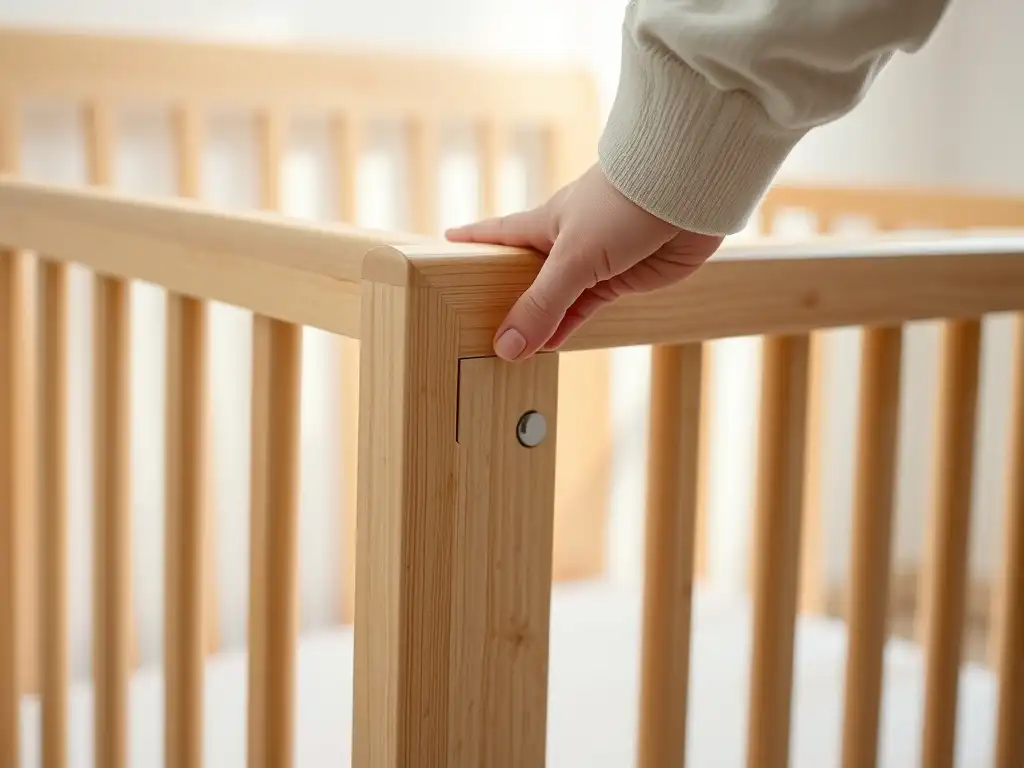
Ensuring your baby's crib remains at a safe height throughout their development requires more than just initial setup. The crib's height adjustment mechanism is a crucial safety feature, and its proper maintenance is paramount for your child's well-being. Neglecting this aspect can lead to malfunctions, potentially causing injury. This section details the long-term care needed to keep your crib's height adjustment operating smoothly and safely. Remember, a well-maintained crib is a safe crib. Prioritizing regular inspection and maintenance is a key element of safe crib height adjustment.
Regular Inspection and Maintenance: Preventing Wear and Tear
Regular inspection is the cornerstone of safe crib height adjustment. Aim for a monthly check-up. This involves visually inspecting all parts of the height adjustment mechanism – the rails, the posts, the screws, and any connecting hardware. Look for:
- Loose screws or bolts: Tighten any loose fasteners immediately. Use a screwdriver appropriate for the screw type to avoid damaging the crib.
- Cracks or damage: Inspect the wooden or metal components for any signs of cracks, splintering, or bending. Damaged parts should be addressed promptly, potentially requiring professional repair or replacement.
- Smooth operation: Raise and lower the crib mattress to check for smooth, effortless movement. Any sticking, binding, or resistance indicates potential problems.
- Rust or corrosion: For metal cribs, check for signs of rust or corrosion, which can weaken the structure and compromise the mechanism's integrity.
Example Inspection Checklist
Date: _____________
All screws and bolts tight: ☐ Yes ☐ No
No cracks or damage to components: ☐ Yes ☐ No
Height adjustment operates smoothly: ☐ Yes ☐ No
No rust or corrosion (if applicable): ☐ Yes ☐ No
Action Taken (if any):____________________________________
Proactive maintenance prevents small issues from escalating into significant safety hazards. Regular inspections allow for early detection and correction of potential problems, contributing to safe crib height adjustment practices.
Cleaning and Lubrication Tips for Smooth Adjustment
Regular cleaning and lubrication can significantly extend the lifespan of your crib's height adjustment mechanism and ensure its smooth operation. Dust and debris can accumulate in the moving parts, leading to friction and eventual malfunction. Avoid harsh chemicals; opt for gentle cleaning methods.
- Cleaning: Use a soft, damp cloth to wipe down all parts of the height adjustment mechanism. Avoid excessive moisture, which could damage the wood or metal. Allow the crib to air dry completely before raising or lowering the mattress.
- Lubrication: For smoother movement, sparingly apply a silicone-based lubricant to the moving parts of the adjustment mechanism. Avoid oil-based lubricants, as these can attract dust and grime. A small amount applied to the sliding tracks or hinges should suffice. Too much lubricant can attract dust and create a mess.
Remember, a clean and well-lubricated mechanism is less likely to malfunction, ensuring the safe and consistent operation essential for safe crib height adjustment.
Signs Your Crib's Height Adjustment Needs Attention: When to Replace or Repair
Even with regular maintenance, your crib's height adjustment mechanism might eventually require attention. Recognizing the signs that indicate a need for repair or replacement is crucial for your baby's safety. Don't hesitate to seek professional help if you're unsure how to proceed.
- Difficult adjustment: If you experience significant resistance or difficulty when raising or lowering the mattress, this signals a potential problem. Don't force the mechanism; this could cause further damage.
- Unusual noises: Grinding, squeaking, or clicking sounds during adjustment indicate wear and tear. These noises often precede more serious malfunctions.
- Visible damage: Cracks, breaks, or significant wear on any part of the mechanism necessitate immediate attention. Do not use a crib with damaged components.
- Loose or wobbly mattress: If the mattress feels loose or wobbly even after tightening all screws, there might be a problem with the support structure or the height adjustment mechanism itself.
Ignoring these warning signs can compromise your baby's safety. When in doubt, err on the side of caution and contact a qualified professional for repair or replacement. Remember, a safe crib is a priority. Prioritize safe crib height adjustment and always address any concerns promptly.
Beyond Crib Height: Other Essential Baby Safety Measures

Adjusting your crib's height is a crucial step in ensuring your baby's safety, but it's only one piece of the puzzle. A truly safe sleep environment requires a multifaceted approach, encompassing various aspects of your baby's sleeping arrangements and overall well-being. Neglecting other safety measures can compromise the effectiveness of even the most perfectly adjusted crib height. This section delves into additional critical considerations for creating a secure sleeping space for your little one. Remember, prioritizing safe sleep practices is paramount for your baby's health and development.
Safe Sleep Practices: Swaddling, Positioning, and SIDS Prevention
Safe sleep practices are fundamental to reducing the risk of Sudden Infant Death Syndrome (SIDS). While crib height adjustment contributes to safety, understanding and implementing proper sleep practices is equally, if not more, important.
Swaddling, for instance, can be beneficial for newborns, providing a sense of security and promoting sleep. However, it's crucial to follow guidelines: stop swaddling once your baby shows signs of rolling over (typically around 4 months). Improper swaddling can increase the risk of overheating and suffocation.
Positioning your baby on their back for every sleep is non-negotiable. Always place your baby to sleep on a firm, flat surface, such as a properly fitted crib mattress. Avoid placing your baby to sleep on soft surfaces like sofas, armchairs, or adult beds. Side sleeping or tummy sleeping significantly increases the risk of SIDS.
Furthermore, maintaining a cool room temperature is crucial. Overheating is a known risk factor for SIDS. Dress your baby in light clothing appropriate for the room temperature and avoid excessive blankets or bedding. A sleep sack is often a safer alternative to loose blankets.
Finally, sharing a bed with your baby is strongly discouraged. While co-sleeping may feel comforting, it increases the risk of accidental suffocation or injury. A separate crib in your room is the safest option during the early months. Remember, a safe sleep environment is a proactive measure in preventing SIDS.
Crib Safety Checklist: Ensuring a Secure Sleeping Environment
Beyond crib height and safe sleep practices, a comprehensive crib safety checklist is essential. Regularly inspecting your crib for potential hazards is a vital part of responsible parenting. Here's a checklist to guide you:
- Stable construction: Check for any loose screws, wobbly legs, or damaged parts. A sturdy crib is non-negotiable.
- Proper mattress fit: Ensure the mattress fits snugly within the crib frame, leaving no gaps larger than two fingers. Gaps can pose a strangulation risk.
- No loose bedding: Remove any pillows, blankets, bumpers, or toys from the crib. These items create suffocation hazards.
- Secure slats: Verify the spacing between crib slats is less than 2 3/8 inches to prevent your baby's head from getting stuck.
- No choking hazards: Keep anything that could pose a choking hazard out of the crib. This includes small toys, buttons, or loose threads.
- Wall anchors: Secure the crib to the wall using appropriate wall anchors to prevent tipping. This is especially important for heavier cribs.
- Regular inspections: Regularly inspect the crib for any signs of wear and tear or damage. Replace the crib if necessary.
| Item | Check | Action |
|---|---|---|
| Crib Stability | Check for loose parts, wobbly legs | Tighten screws, repair or replace if necessary |
| Mattress Fit | Check for gaps between mattress and frame | Ensure snug fit |
| Slat Spacing | Measure spacing between slats | Ensure spacing is less than 2 3/8 inches |
| Bedding | Check for loose items | Remove all unnecessary items |
| Wall Anchors | Check for proper anchoring | Secure crib to wall |
This checklist provides a structured approach to ensuring your baby's crib is a safe and secure sleeping environment. Remember, proactive safety measures significantly reduce the risk of accidents.
Choosing the Right Crib Mattress: Firmness, Size, and Safety Standards
The crib mattress is an often-overlooked aspect of crib safety. A poorly chosen mattress can compromise your baby's safety and sleep quality. Therefore, selecting the right mattress is crucial.
The mattress should be firm, flat, and fit snugly within the crib frame. A soft mattress increases the risk of suffocation. The size of the mattress must exactly match the dimensions of the crib. Avoid using a mattress that is too small or too large, as this can create gaps that pose safety hazards.
Look for mattresses that meet safety standards. These standards often include flammability requirements and specifications for materials used in construction. Check for certifications from reputable organizations to ensure the mattress meets the required safety standards. Always prioritize safety when choosing a crib mattress. A firm, well-fitting mattress is essential for your baby's safe sleep. Don't compromise on quality or safety.
Additional Baby Safety Products: Baby Monitors and Nightlights
Beyond crib height adjustments, several other products contribute significantly to a safe nursery environment. Baby monitors and nightlights, while not directly related to crib height, are crucial for parental peace of mind and baby's well-being. The use of these seemingly simple devices can significantly enhance the overall safety and security of your baby's sleep space.
Choosing the right baby monitor is paramount. Consider features such as range, video capabilities (allowing visual checks on your baby), sound quality, and night vision. A long-range monitor is essential, especially for larger homes or if you frequently move between rooms. Video monitors offer the added security of visually confirming your baby's position and breathing, particularly reassuring for new parents.
High-quality audio is crucial for picking up subtle sounds, allowing you to respond promptly to your baby's needs. Night vision is a must-have feature for nighttime checks without disturbing your baby's sleep. Many modern monitors also offer features like temperature sensing, two-way communication, and even lullabies.
Remember to always check reviews and choose a reputable brand to ensure reliability and safety. Failing batteries can render your monitor useless at the most critical moment, so consider models with long battery lives or the option to use a power adapter. Regularly testing the monitor's functionality is a key step in ensuring its effectiveness.
Nightlights play a crucial role in creating a soothing and safe environment for your baby. A dim nightlight can help ease nighttime transitions and reduce fear of the dark. However, it's important to choose a nightlight that provides soft, gentle illumination, rather than harsh, bright light. Consider nightlights with adjustable brightness settings to customize the light level to your baby's preferences.
Some nightlights offer additional features like soothing sounds or projections to create a calming atmosphere. Opt for nightlights that are made of durable, non-toxic materials and have a secure base to prevent accidental tipping. Safety is key, so always ensure the nightlight is placed out of reach of your baby's grasp to prevent burns or other injuries.
Furthermore, consider nightlights with automatic shut-off timers to conserve energy and prevent unnecessary light exposure. Remember that even a small light source can interrupt sleep patterns if too bright, so selecting the right nightlight is as important as choosing a safe crib. The goal is a comfortably dark room with just enough light to make nighttime checks less disruptive.
Resources and Further Reading on Baby Crib Safety
This section provides valuable resources to help you delve deeper into crib safety and ensure your baby's well-being. We understand that choosing the right crib and maintaining its safety is a crucial aspect of creating a secure environment for your little one. The information here complements the guidance on safe crib height adjustment and offers further avenues for research and learning. Remember, a well-informed parent is a better-equipped parent. Prioritizing baby safety is paramount!
Links to Relevant Safety Organizations
Finding reliable information on baby product safety is critical. Here are some reputable organizations that provide comprehensive guidelines and resources:
- The American Academy of Pediatrics (AAP): The AAP offers extensive information on safe sleep practices, including crib safety recommendations. They are a trusted source for evidence-based advice on child health and well-being. Their website offers detailed information on safe sleep environments and crib selection. They regularly update their guidelines to reflect the latest research.
- The Consumer Product Safety Commission (CPSC): The CPSC is a federal agency responsible for protecting the public from unreasonable risks of injury or death associated with consumer products. Their website provides valuable information on crib recalls, safety standards, and regulations. They offer detailed reports and databases to help you check the safety of your crib and other baby products.
- [Specific Organization Name Pending]: [Detailed description of the organization and their relevant resources pending. This section requires further research to identify another reputable organization focused on baby product safety.]
Recommended Books and Articles on Baby Safety
Beyond online resources, several books and articles offer in-depth information about creating a safe environment for your baby. These resources provide a broader perspective on baby safety, complementing the specific information about crib height adjustment.
- "The Happiest Baby on the Block" by Harvey Karp: While not solely focused on crib safety, this book addresses many aspects of baby care, including safe sleep practices, which indirectly relate to crib usage and safety. The emphasis on creating a calming environment for your baby contributes to a safer sleep experience.
- "Baby411: Clear Answers & Smart Advice for Your Baby's First Year" by Ari Brown: This comprehensive guide covers various aspects of baby care, including safety recommendations, providing a holistic view of your baby's well-being. It offers practical advice and addresses common parental concerns.
- [Specific Book Title Pending]: [Detailed description of the book and its relevance to crib safety and baby safety in general pending. This section requires further research to identify another relevant and reputable book.]
- [Specific Article Title and Source Pending]: [Detailed description of the article and its content pending. This section requires further research to identify a relevant and informative article on baby safety from a reputable source.]
Remember to always consult with your pediatrician or healthcare provider for personalized advice on your baby's safety and well-being. They can offer tailored recommendations based on your specific situation and address any concerns you may have. Safe crib height adjustment is just one piece of the puzzle in ensuring a safe and nurturing environment for your child. 👶
Frequently Asked Questions
What is the ideal crib height for my baby?
The ideal crib height is the one that minimizes the risk of injury from falls. This generally means setting the mattress at its highest position when your baby is very young and gradually lowering it as they grow and become more mobile.
How do I adjust the crib height safely?
Carefully follow the manufacturer's instructions included with your crib. Most cribs utilize a simple pin and slot system, requiring you to remove pins and reposition the mattress support. Always ensure the mattress is securely fastened at the new height.
When should I lower the crib mattress?
Lower the mattress when your baby begins to pull themselves up to a standing position or show signs of climbing. This usually happens around 6 months of age, but it's best to monitor your baby's development closely.
What are the risks of an incorrectly adjusted crib?
An improperly adjusted crib height increases the risk of your baby falling out and potentially suffering injuries. It's crucial to follow safety guidelines to ensure your baby's well-being.
My crib doesn't have adjustable height. Is it safe?
While adjustable height cribs are recommended, a non-adjustable crib can still be safe. Ensure the mattress fits snugly, leaving less than two fingers' width of space between the mattress and crib sides. Prioritize consistent and diligent supervision.
Final Reflection: The Evolving Landscape of Crib Safety
The seemingly simple act of adjusting a crib's height is, in reality, a crucial element of ensuring a safe and nurturing environment for our infants. A seemingly small detail, it directly impacts a baby's well-being and a parent's peace of mind, highlighting the constant need for vigilance in child safety. The consequences of neglecting proper crib height adjustment can be severe, underscoring the importance of understanding and implementing safe practices.
The journey of parenthood is filled with countless decisions, many of which revolve around ensuring the safety and well-being of our children. The evolution of crib design, incorporating features like adjustable mattress heights, reflects a growing societal awareness of the importance of proactive safety measures. This shift in design and parental understanding is a testament to the power of collective learning and the ongoing commitment to protecting our most vulnerable members. The best way to find yourself is to lose yourself in the service of others.
- Mahatma Gandhi. This quote speaks to the selfless dedication parents have towards their children, a dedication that extends to the careful consideration of even the smallest safety details, such as crib height.
Consider the impact of this knowledge on your own parenting journey. Take a moment to examine your child's crib, ensuring the mattress is at the lowest setting until your little one can pull themselves up. This seemingly small act is a powerful demonstration of your commitment to their safety and well-being.
Remember, proactive safety measures are not just about avoiding accidents; they are about creating a secure and nurturing environment where your child can thrive. Let the knowledge gained here empower you to continue learning and adapting your approach to child safety as your child grows and their needs evolve.
Unlock Your Baby's Safe Sleep Potential
Thank you for learning about crib height adjustment and its importance for your baby's safe sleep. You've gained valuable knowledge about creating a secure and comfortable sleep environment. Now, let's put that knowledge into practice.
- Adjust your crib mattress to the lowest safe setting. Lowering the mattress as your baby grows is crucial for preventing falls. This simple step significantly reduces the risk of injury.
- Share this vital safety tip with expectant parents and new parents in your network. Let's collaborate to create safer sleep spaces for all babies.
- Consider sharing your experience with crib height adjustment on BabyCareHub; your feedback will help other parents.
What small improvement will you make to your baby's crib or nursery this week to ensure a safer sleep environment?