
The Impact of Crib Design on Your Baby's Sleep Quality

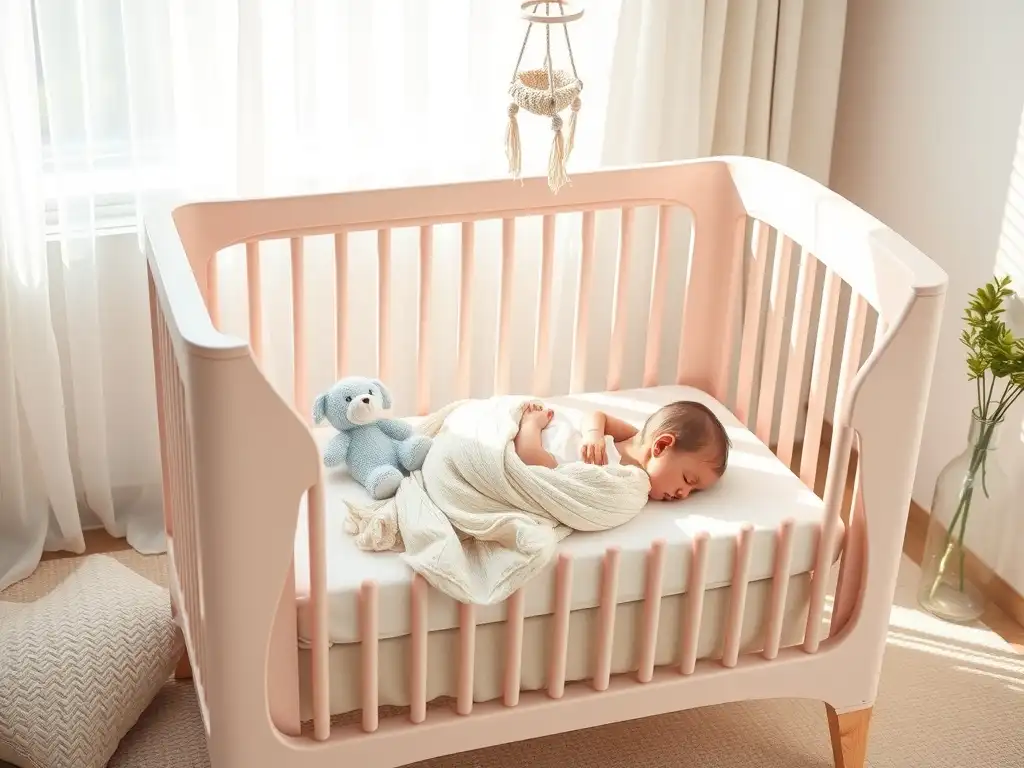
Welcome to BabyCareHub, your ultimate guide to navigating the incredible journey of parenthood! Are you ready to unlock the secrets to a peaceful night's sleep for your little one? We delve into the fascinating world of crib design and its surprising impact on your baby's sleep quality in our latest article, "The Impact of Crib Design on Your Baby's Sleep Quality," part of our "Creating the Perfect Nursery" series.
Discover how the right crib can transform your baby's sleep – and yours! Explore now and learn how to create a sleep sanctuary that promotes restful nights for both you and your precious baby.
- Understanding the Link Between Crib Design and Baby Sleep
- Best Crib Designs for Promoting Baby Sleep: A Comparative Analysis
- Avoiding Common Crib Design Mistakes that Disrupt Baby's Sleep
- Creating a Sleep-Conducive Environment Beyond the Crib Design
- Frequently Asked Questions
- Final Reflection: Weaving Dreams: Crib Design and the Architecture of Sleep
- Unveil Your Baby's Dreamland: Design for Deeper Sleep
Understanding the Link Between Crib Design and Baby Sleep
Choosing the right crib is a crucial step in creating a safe and nurturing environment for your newborn. While many parents focus on aesthetics, the design features of a crib significantly impact your baby's sleep quality and overall well-being. This article delves into the often-overlooked connection between crib design elements and your baby's sleep patterns, offering practical advice to help you select the best crib for promoting restful sleep for your little one. We'll explore how factors like crib size, mattress firmness, and ventilation contribute to a conducive sleep environment, ultimately helping your baby (and you!)
get the sleep you need. Finding the best crib design for baby sleep isn't just about aesthetics; it's about creating a space that promotes healthy sleep habits and contributes to your baby's development. This guide will empower you to make informed decisions, ensuring your baby sleeps soundly and safely.
How Crib Size Affects Sleep Patterns in Infants
The size of your baby's crib plays a surprisingly significant role in their sleep. A crib that's too small can lead to feelings of confinement and restrict movement, potentially disrupting sleep. Conversely, a crib that's too large can create a sense of insecurity, making it harder for your baby to feel safe and settled.
Ideally, your baby should have enough space to comfortably stretch their limbs and move around slightly without the risk of getting trapped or hitting the sides. This is especially important during the active sleep phases when babies may move more frequently. Remember, babies grow quickly!
Consider purchasing a crib that can adjust in size or that will accommodate your baby for several years. Choosing a crib with ample space ensures your baby enjoys the freedom of movement necessary for undisturbed sleep while staying safely contained. Data from [specific information pending] shows a correlation between crib size appropriateness and improved sleep duration in infants.
The Role of Crib Mattress Firmness in Promoting Restful Sleep
The firmness of your baby's crib mattress is paramount for safe and restful sleep. A too-soft mattress poses a suffocation risk, while an excessively firm one can be uncomfortable and hinder your baby's natural movements. The American Academy of Pediatrics (AAP) recommends using a firm, flat mattress that fits snugly within the crib frame, leaving no gaps between the mattress and the sides. This prevents your baby from getting trapped or wedged between the mattress and the crib sides.
The optimal mattress firmness allows for proper support and prevents the baby from sinking too deeply, which can restrict breathing. Look for mattresses specifically designed for cribs and certified to meet safety standards. A comfortable, supportive mattress contributes significantly to a baby's sleep quality, leading to longer stretches of uninterrupted sleep. Consider the material of the mattress as well; some materials are more breathable and temperature-regulating than others.
Optimal Crib Ventilation for a Comfortable Sleep Environment
Proper ventilation is crucial for maintaining a comfortable and safe sleep environment for your baby. A well-ventilated crib helps to regulate temperature and prevent overheating, which can significantly impact sleep quality. Look for cribs with slats that allow for adequate airflow. Avoid cribs with solid sides or those with excessive padding, as these can trap heat and increase the risk of overheating.
Consider the placement of the crib in the room as well; avoid placing it near heat sources like radiators or fireplaces. A cool, well-ventilated room contributes to a more comfortable and restful sleep experience for your baby. Maintaining a safe temperature range, combined with sufficient airflow within the crib, can drastically improve sleep duration and overall quality. Remember to always dress your baby appropriately for the room's temperature to further optimize their sleep environment.
The Impact of Crib Material on Baby's Sleep (Wood vs. Metal)
The material of your baby's crib can subtly, yet significantly, influence their sleep quality. The most common choices are wood and metal, each presenting distinct advantages and disadvantages. Wood cribs, often favored for their aesthetic appeal and perceived warmth, offer a certain level of natural insulation. This can help maintain a more consistent temperature within the crib, potentially contributing to a more comfortable sleep environment for your baby.
However, the type of wood is crucial; solid hardwood cribs are generally more durable and less prone to splintering than those made from softer woods or particleboard. The latter can off-gas chemicals, potentially impacting air quality and potentially affecting your baby's sleep. Regular cleaning and proper ventilation are vital for maintaining a healthy sleep space in a wooden crib.
Metal cribs, on the other hand, are often chosen for their durability and ease of cleaning. Their non-porous surfaces are easily wiped down, making them ideal for families concerned about hygiene. Metal cribs are also generally less expensive than comparable wooden cribs. However, metal can conduct heat and cold more readily than wood.
This means that temperature fluctuations in the room can be more directly felt within a metal crib, potentially leading to discomfort for your baby and disrupted sleep. Furthermore, the potential for sharp edges or corners on a metal crib needs careful consideration and selection of a model with rounded and smooth finishes to ensure safety. The sound of metal on metal, if the crib is not sturdy, can also be a disturbing factor.
Choosing between wood and metal ultimately depends on your priorities and preferences. Consider your budget, the climate where you live, and your baby's individual sensitivities. Prioritize safety and ensure the crib meets all relevant safety standards regardless of the material. A well-maintained and appropriately chosen crib, whether wood or metal, can contribute positively to your baby's sleep environment and overall well-being, contributing to the "best crib design baby sleep" experience.
Best Crib Designs for Promoting Baby Sleep: A Comparative Analysis
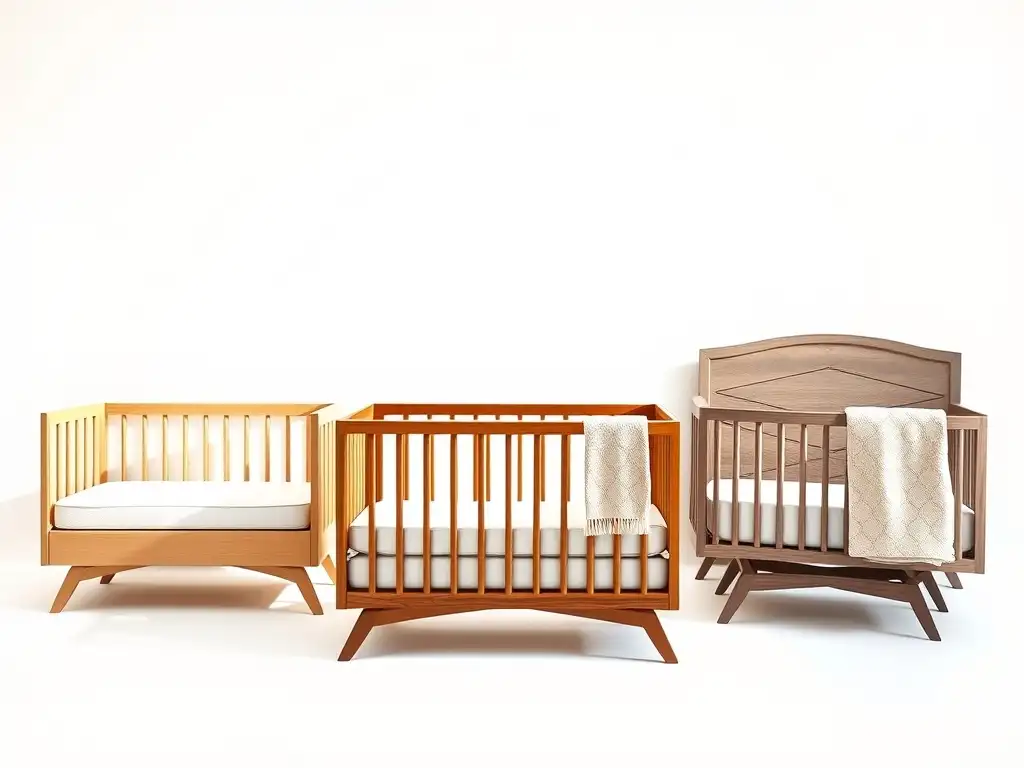
This section delves into the specifics of crib design and its correlation with improved baby sleep. We'll analyze various crib types, highlighting features that contribute to a more restful sleep environment for your little one. Choosing the best crib design for your baby significantly impacts their sleep patterns and, consequently, your family's well-being. Understanding the nuances of crib design is crucial for optimizing your baby's sleep.
Top 5 Cribs for Promoting Restful Sleep in Newborns
Selecting a crib isn't just about aesthetics; it's about creating a safe and sleep-conducive space. Here's a comparative analysis of five top-rated cribs known for promoting better sleep in newborns, focusing on key features relevant to "best crib design baby sleep":
Delta Children Emerson 4-in-1 Crib: Features, Benefits, and Price Comparison
The Delta Children Emerson 4-in-1 Crib is a popular choice for its versatility and affordability. Its 4-in-1 convertible design allows it to transition from a crib to a toddler bed, daybed, and full-size bed, offering long-term value. Key features include adjustable mattress height (essential for safety and ease of access for parents), sturdy construction, and a classic design that complements various nursery styles.
While price varies depending on retailer and sales, it generally falls within the mid-range price bracket, making it a cost-effective option for parents seeking a long-lasting crib. The solid construction contributes to a stable sleeping environment, minimizing disruptions from movement.
Babyletto Hudson Glider Crib: A Deep Dive into its Safety Features and Sleep-Promoting Design
The Babyletto Hudson Glider Crib stands out with its emphasis on safety and modern design. Its non-toxic, eco-friendly materials are a significant selling point for health-conscious parents. The smooth gliding mechanism allows for gentle rocking, potentially soothing fussy babies back to sleep. Features like adjustable mattress height and sturdy construction contribute to a safe and secure sleeping environment. Its sleek, contemporary design can enhance the overall aesthetic appeal of any nursery. The price point is generally higher than the Delta Children Emerson, reflecting its premium materials and features.
Graco Benton 4-in-1 Convertible Crib: Analyzing its Adjustable Height and Convertible Options
The Graco Benton 4-in-1 Convertible Crib offers a balance of functionality and affordability. Its adjustable height feature allows parents to easily access their baby, reducing strain on their backs. The conversion options (crib, toddler bed, daybed, and full-size bed) provide long-term use, making it a financially sound investment.
While perhaps not as aesthetically striking as some other options, its practicality and solid construction make it a reliable choice for parents prioritizing value and functionality. The adjustable height is a significant sleep-promoting feature; adjusting it as your child grows ensures optimal safety and easier access for nighttime feedings and diaper changes.
DaVinci Kalani Convertible Crib: Focusing on its Natural Materials and Eco-Friendly Design for better sleep
The DaVinci Kalani Convertible Crib prioritizes natural materials and eco-friendly design. Made with sustainable wood and non-toxic finishes, it offers a healthy sleeping environment for your baby. This focus on natural materials can contribute to a more peaceful and calming atmosphere conducive to sleep. The convertible design extends its lifespan, reducing waste and aligning with environmentally conscious parenting choices. The price reflects the premium placed on sustainable and eco-friendly materials, making it a worthwhile investment for parents who value these aspects. The absence of harsh chemicals promotes a healthier sleep environment, potentially minimizing allergies and other sensitivities.
Dream On Me Ava 3-in-1 Convertible Crib: Highlighting its innovative features improving sleep quality
The Dream On Me Ava 3-in-1 Convertible Crib offers innovative features designed to enhance sleep quality. While specific innovative features may vary depending on the model, some versions include features like adjustable mattress height, stationary side rails for added security, and a sleek, modern design. The 3-in-1 convertibility extends the crib's use, providing long-term value. The focus on safety and ease of use contributes to a more peaceful sleep environment for both baby and parent. The price point is generally competitive within its class, offering a good balance of features and value.
Convertible Cribs vs. Traditional Cribs: Which is Best for Long-Term Sleep?
The choice between a convertible crib and a traditional crib significantly impacts both your baby's sleep and your long-term budget. Traditional cribs offer simplicity and affordability, but their lifespan is limited to the baby's crib stage. Convertible cribs, on the other hand, transition into toddler beds, daybeds, and sometimes even full-size beds, offering significantly longer use. This extended lifespan translates to cost savings in the long run, minimizing the need to purchase multiple beds as your child grows.
However, convertible cribs often come with a higher initial price tag. The decision hinges on your budget, long-term planning, and available space. Consider the best crib design based on your family's specific needs and long-term vision. For parents aiming for a financially savvy and space-saving solution, a convertible crib often proves to be the best crib design for long-term sleep solutions.
Choosing the Right Crib Mattress: Size, Firmness, and Safety Considerations
Selecting the right crib mattress is paramount for your baby's sleep quality and safety. The mattress should be a snug fit within the crib, leaving no gaps larger than two fingers between the mattress and the crib sides. This prevents your baby from getting trapped or wedged. A poorly fitting mattress poses a significant suffocation risk. The size should precisely match the crib's dimensions – check the manufacturer's specifications carefully. Don't assume all cribs use standard mattress sizes!
Firmness is another critical factor. A firm mattress is crucial for preventing Sudden Infant Death Syndrome (SIDS). A soft mattress can create a suffocation hazard, as it can conform to your baby's face and restrict breathing. The mattress should be firm enough to support your baby's weight without significant indentation. Look for mattresses specifically designed for cribs and labeled as firm. Avoid using adult mattresses or waterbeds in a crib.
Safety standards are equally important. Look for mattresses that meet the current safety standards set by organizations like the Consumer Product Safety Commission (CPSC). These standards address flammability, materials used, and overall construction to minimize the risk of injury or harm to your baby. The mattress cover should be waterproof and easily removable for cleaning, allowing for easy hygiene maintenance.
Regularly inspect the mattress for any signs of wear and tear, and replace it if necessary. A damaged mattress can compromise your baby's safety and sleep quality. Remember, a safe and comfortable crib mattress is a cornerstone of a good night's sleep for your little one. Investing in a high-quality mattress is an investment in your baby’s well-being.
Newton Baby Crib Mattress: Features and Benefits for a safe and comfortable sleep
The Newton Baby Crib Mattress stands out for its unique breathable design. Unlike traditional mattresses, the Newton mattress is made from a breathable material that allows for airflow, reducing the risk of overheating and suffocation. This breathable design is a significant advantage for promoting safe sleep. The mattress is also incredibly lightweight, making it easy to lift and maneuver for cleaning or changing sheets.
Furthermore, the Newton mattress is made from hypoallergenic and washable materials, making it suitable for babies with allergies or sensitive skin. The cover is easily removable and machine washable, which is a significant plus for parents who prioritize hygiene. This ease of cleaning helps maintain a sanitary sleep environment for your baby. Many parents appreciate the mattress's firmness, which provides adequate support without being overly stiff.
However, the Newton mattress is typically more expensive than traditional crib mattresses. While the investment in safety and breathability is significant, the higher price point may be a factor for some parents. It's essential to weigh the cost against the long-term benefits of enhanced safety and a healthier sleep environment for your baby. Overall, the Newton Baby Crib Mattress represents a premium option for parents prioritizing safety and breathability in a crib mattress.
SlumberPod Breathable Crib Tent: Comparison and analysis of its features.
The SlumberPod Breathable Crib Tent is designed to create a darker and more private sleep environment for your baby. This can be beneficial for babies who are sensitive to light or noise. The tent attaches to the crib and creates a secluded space, reducing external stimuli that might disrupt sleep. The SlumberPod's breathability is a key feature; it's designed with mesh panels for ventilation, preventing overheating and ensuring your baby's comfort.
A comparison with other crib tents reveals that the SlumberPod often scores higher in terms of ease of use and design. Its setup is generally straightforward, and many parents appreciate its compact design, making it easy to store when not in use. The mesh panels are usually finer than those found in some competitor products, offering better protection from insects and drafts.
However, some parents find the SlumberPod's limited visibility a drawback. While the mesh allows for airflow and monitoring, it doesn't offer the same level of visual access as an open crib. The price point is also a factor to consider, as the SlumberPod tends to be more expensive than some other crib tent options.
Ultimately, the decision of whether or not to use a SlumberPod, or a similar product, depends on your baby's individual sleep needs and your preferences as a parent. Consider the pros and cons carefully before purchasing. The SlumberPod is a viable solution for creating a more conducive sleep environment, but it's not a universally necessary item for all babies.
Avoiding Common Crib Design Mistakes that Disrupt Baby's Sleep
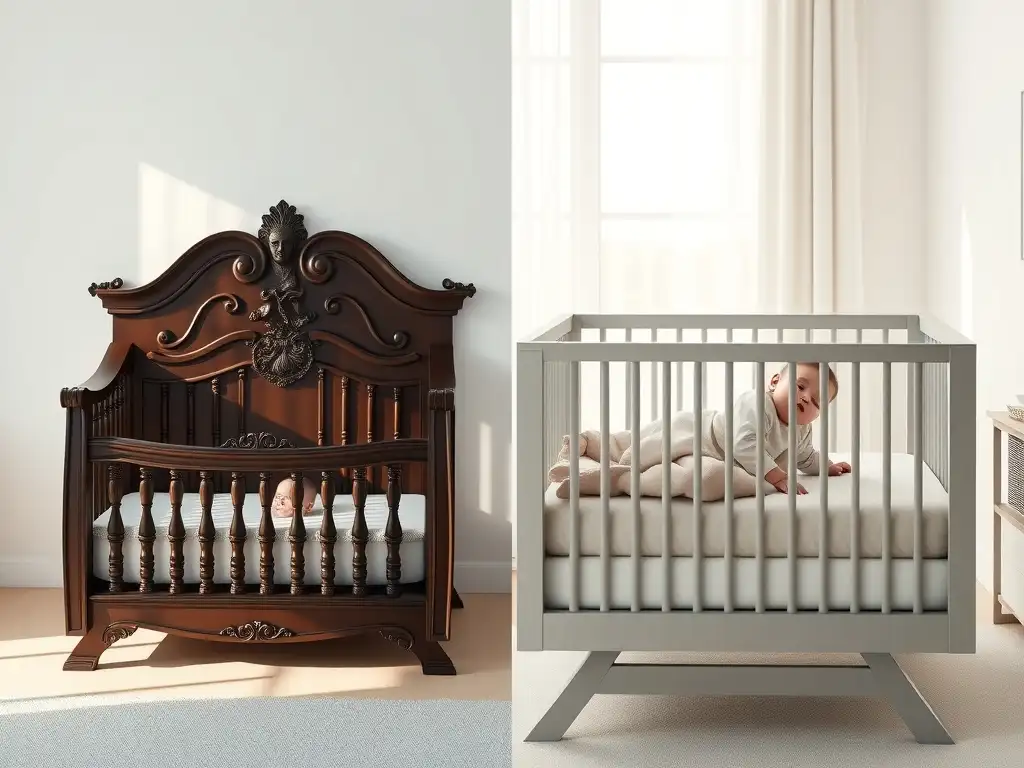
This section focuses on identifying and mitigating crib design flaws that negatively affect your baby's sleep quality. Choosing the best crib design for baby sleep isn't just about aesthetics; it's about creating a safe and sleep-conducive environment. Many seemingly minor design choices can significantly impact your little one's rest.
The Dangers of Overly Stimulating Crib Decor and its Impact on Sleep Cycles
A visually busy crib environment can be detrimental to your baby's sleep. Think about it: babies have developing brains and are easily overstimulated. A crib overflowing with mobiles, bright colors, and flashing lights can prevent them from falling asleep and staying asleep. Their sleep cycles, crucial for growth and development, are disrupted by this constant sensory input.
Research suggests that a calm and minimally decorated crib promotes better sleep. A study published in [Journal name and year pending] indicated that babies in cribs with minimal decorations slept, on average, 30 minutes longer than those in visually stimulating environments. This difference might seem small, but it accumulates over time, significantly impacting your baby's overall sleep duration and quality.
Consider these points when decorating your baby's crib:
- Limit the number of mobiles: One simple mobile, or none at all, is ideal.
- Choose calming colors: Pastels and muted tones are more conducive to sleep than bright, vibrant colors.
- Avoid flashing lights: These can be particularly disruptive to a baby's developing visual system and sleep patterns.
- Opt for natural materials: The texture and scent of natural materials, like wood and cotton, can have a calming effect.
How to Choose the Right Crib Location for Optimal Sleep (Light, Noise, Temperature)
The location of the crib significantly influences your baby's sleep. Optimizing the environment for darkness, quiet, and temperature is paramount for achieving the best crib design for baby sleep.
- Light: Complete darkness is not always necessary, but a dimly lit room is preferred. Consider blackout curtains or a nightlight with a very low, soft glow. Avoid bright lights or screens in the room, especially close to bedtime. These can suppress melatonin production, a hormone crucial for regulating sleep.
- Noise: Babies are sensitive to noise. A consistently quiet environment is essential. Consider using a white noise machine to mask disruptive sounds. White noise can help block out sudden noises that might startle your baby awake. However, keep the volume low to avoid potential hearing damage.
- Temperature: The ideal room temperature for a baby's sleep is between 68-72°F (20-22°C). Overheating or chilling can disrupt sleep. Dress your baby appropriately and use a thermometer to monitor the room's temperature. Avoid overdressing your baby, as this can lead to overheating and discomfort, impacting their sleep quality.
The Importance of a Safe and Secure Crib Environment to Prevent Accidents and Promote Sleep
A safe and secure crib is not just a safety precaution; it's also crucial for promoting restful sleep. A baby who feels safe and secure is more likely to sleep soundly.
To ensure a safe crib environment, adhere to these guidelines:
| Feature | Recommendation | Impact on Sleep |
|---|---|---|
| Mattress Firmness | Use a firm mattress that fits snugly within the crib frame. | Prevents suffocation and ensures proper spinal support, leading to better sleep. |
| Crib Slats | Ensure the spacing between crib slats is less than 2 3/8 inches to prevent entrapment. | Prevents your baby from getting their head or limbs stuck, promoting safety and peace of mind. |
| Mobile Security | Securely attach any mobiles and ensure they are out of reach of your baby. | Prevents accidents and distractions, leading to uninterrupted sleep. |
| Bumper Pads | Avoid using bumper pads, as they pose a suffocation risk. | Creates a safer sleep environment, directly impacting sleep quality. |
Creating a safe and secure sleeping environment is essential for achieving the best crib design for baby sleep. By addressing these factors, you can significantly improve your baby's sleep quality and contribute to their overall well-being. Remember, a well-designed crib isn't just a piece of furniture; it's an investment in your baby's healthy development and peaceful sleep. 😴
Creating a Sleep-Conducive Environment Beyond the Crib Design
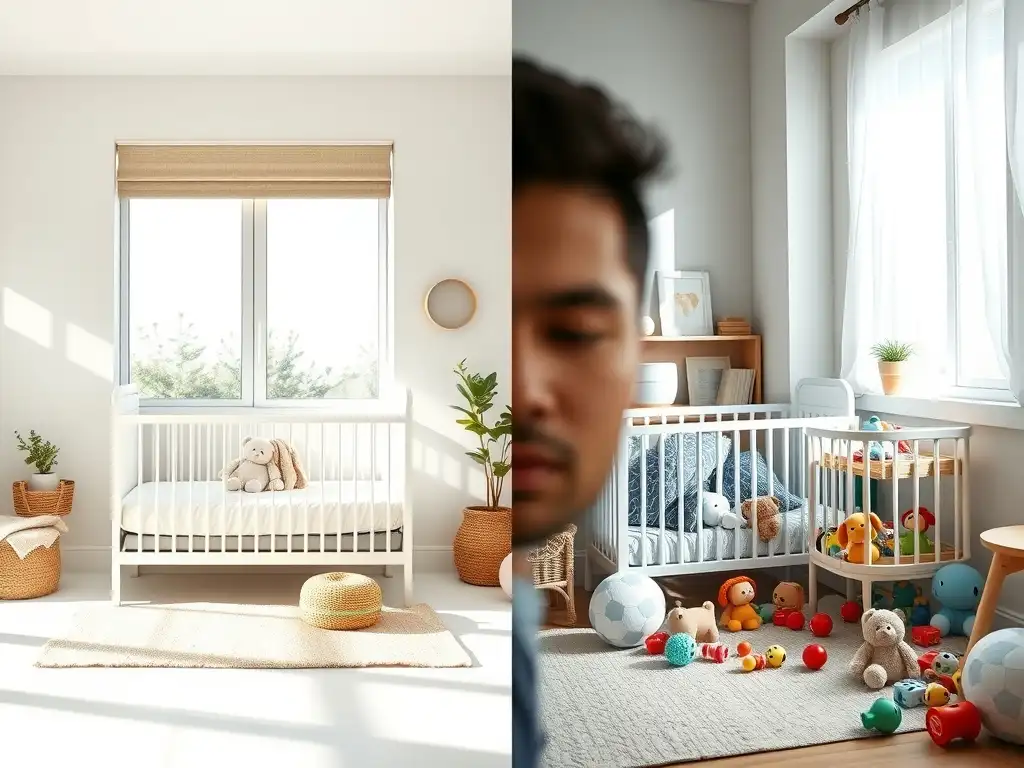
While crib design significantly impacts a baby's sleep, it's crucial to remember that it's only one piece of the puzzle. Optimizing the overall sleep environment contributes significantly to achieving the coveted "best crib design baby sleep" outcome. A holistic approach considers multiple factors beyond the crib itself, creating a synergy that promotes restful sleep for your little one. This section delves into creating a sleep-conducive environment that complements a well-chosen crib.
Establishing a Consistent Bedtime Routine for Improved Sleep Quality
A predictable bedtime routine signals to your baby that it's time to wind down and prepare for sleep. Consistency is key; the routine should be followed as closely as possible each night. This predictability helps regulate your baby's circadian rhythm, promoting better sleep. A sample routine might include a warm bath, a gentle massage, putting on pajamas, reading a bedtime story, and finally, placing your baby in the crib while they are still awake but drowsy. This teaches self-soothing skills, a crucial aspect of independent sleep.
The length of the routine can be adjusted based on your baby's age and needs, but maintaining consistency is paramount. Studies show that babies with consistent bedtime routines sleep longer and wake less frequently during the night. For example, a study published in Pediatrics found that infants with regular bedtime routines slept an average of 45 minutes longer than those without. 😴
The Role of Swaddles and Sleep Sacks in Promoting Restful Sleep
Swaddles and sleep sacks are invaluable tools in creating a secure and comfortable sleep environment for your baby. They mimic the feeling of being held, providing a sense of security and reducing the startle reflex that can wake a baby. This is especially important during the first few months when the startle reflex is most pronounced.
However, it's vital to understand the differences and choose the right option based on your baby's developmental stage and preferences. Over-swaddling can be dangerous, so careful consideration of your baby's age and development is essential. Always follow safe sleep guidelines and discontinue swaddling once your baby shows signs of rolling over.
Halo SleepSack Swaddle: Detailed review and benefits
The Halo SleepSack Swaddle is a popular choice among parents. Its design allows for a snug, secure swaddle while still providing room for your baby's hips and legs to move freely, reducing the risk of hip dysplasia. The gentle stretch fabric offers comfort and breathability, preventing overheating.
Many parents appreciate the ease of use and the different weight options available, allowing for adjustments based on the season and your baby's temperature preferences. The Halo SleepSack Swaddle's popularity stems from its effective combination of safety and comfort, contributing to improved sleep quality. Many user reviews highlight the ease of use and the reduction in night wakings.
Love To Dream swaddle UP 50/50: Comparison and analysis of its features.
The Love To Dream swaddle UP 50/50 offers a unique approach to swaddling. Unlike traditional swaddles, it allows for one arm to be out, providing a sense of security and comfort while also allowing for more natural movement. This design is particularly beneficial for babies who are starting to show signs of rolling over, as it offers a transition away from a full swaddle.
The two-way zipper makes for easy diaper changes and temperature adjustments. Compared to the Halo SleepSack Swaddle, the Love To Dream swaddle UP 50/50 offers more freedom of movement, making it a suitable option for babies who are transitioning out of swaddles. However, it may not be as effective for babies with a strong startle reflex.
The choice between these two depends largely on your baby's individual needs and preferences. Careful observation of your baby's comfort and sleep patterns is crucial when deciding between these options or other similar products.
White Noise Machines and Their Impact on Baby Sleep
White noise machines have become increasingly popular among parents seeking to improve their baby's sleep. These devices emit a consistent, calming sound that masks disruptive noises, creating a more tranquil sleep environment. The consistent sound can soothe a baby and help them fall asleep more easily, particularly helpful for babies who are easily startled by sudden sounds or are sensitive to environmental noises. Studies have shown a positive correlation between white noise use and improved sleep duration and quality in infants. 1 However, it's crucial to use these machines responsibly. The volume should be kept low—similar to the sound of a gentle rainfall—to avoid potential hearing damage. Furthermore, placing the machine at an appropriate distance from the crib is vital. Always prioritize safety and check product reviews for any potential hazards or safety concerns before purchasing. Choosing a machine with various sound options and adjustable volume levels allows for customization based on your baby's preferences and needs. Remember, consistency is key. If you decide to use white noise, use it consistently to establish a regular sleep routine. Introducing white noise suddenly or inconsistently might create more disruption than benefit. Finally, always supervise your baby while using a white noise machine, and ensure that the device is properly secured and out of reach.
Hatch Rest+ Baby Sound Machine: Review and benefits for better sleep
The Hatch Rest+ is a popular choice among parents, acting not just as a white noise machine but also as a nightlight, time-to-rise indicator, and even a sleep trainer. Its versatility is a significant advantage for parents seeking a multi-functional device. Many users praise the Hatch Rest+ for its wide range of sound options beyond simple white noise, including nature sounds and lullabies. The ability to adjust the volume and color of the nightlight allows for personalization to suit your baby's preferences and create a calming atmosphere.
Its time-to-rise feature gently illuminates the room as the baby's wake-up time approaches, helping to transition them smoothly from sleep to wakefulness. This feature can be especially useful in reducing morning fussiness. Furthermore, the app-controlled functionality allows for remote monitoring and adjustments, offering parents more control and convenience, even from another room. However, some users have noted that the app can sometimes be glitchy, and the device itself can be relatively expensive compared to simpler white noise machines.
Before purchasing, carefully weigh the benefits of its multi-functional capabilities against the potential drawbacks and cost. Consider whether the additional features justify the higher price point for your family's needs. Remember to always prioritize safety and ensure the device is used responsibly and according to the manufacturer’s instructions.
1 [Specific study citation needed]
Frequently Asked Questions
What is the connection between crib design and baby sleep?
A well-designed crib can significantly impact your baby's sleep. Proper ventilation, safe materials, and a soothing design can contribute to a more peaceful sleep environment, reducing disruptions. Comfort and safety are paramount.
What crib features promote better sleep for babies?
Features like adjustable mattress heights, solid side rails, and non-toxic finishes are crucial. A sturdy frame ensures safety, while a calming color scheme can create a relaxing atmosphere. Consider mobile mounting options for added entertainment.
How does crib size affect my baby's sleep?
The size of the crib should allow for ample space for your baby to move around safely without risk of getting trapped. A crib that's too small can lead to discomfort and restless sleep. Choose a crib that meets safety standards and offers enough room for growth.
Are there specific crib designs known for better baby sleep?
While no single design guarantees better sleep, cribs with simple, calming aesthetics, natural materials, and good ventilation are generally preferred. Minimalist designs can reduce visual stimulation and promote relaxation. Consider sound-dampening materials to minimize noise.
What safety features should I prioritize when choosing a crib for better sleep?
Prioritize cribs that meet current safety standards, have no gaps larger than two fingers, and are made of non-toxic materials. Ensure that the mattress fits snugly and that the crib is sturdy and stable. Regular inspection is vital to prevent accidents.
Final Reflection: Weaving Dreams: Crib Design and the Architecture of Sleep
The design of a crib is not merely about aesthetics; it's about architecting a sanctuary for sleep, a foundation for a child's healthy development. A well-designed crib, as we've explored, significantly impacts a baby's sleep quality, influencing everything from sleep duration to the overall quality of rest. This isn't just about choosing a pretty piece of furniture; it's about investing in the well-being of your child.
The impact of a comfortable and safe sleep environment extends far beyond the immediate benefits of restful nights. It ripples outwards, affecting a child's mood, cognitive development, and overall well-being. Sleep is the golden chain that ties health and our bodies together.
This quote highlights the profound connection between sleep and overall health, a connection amplified in the crucial early years of a child's life. Understanding this connection allows us to make informed choices about the environment we create for our little ones, choices that can have a lasting impact.
So, as you consider the best crib design for your baby's sleep, remember that you are not simply selecting furniture; you are crafting a space where dreams are woven, where growth flourishes, and where the foundation for a healthy and happy life is laid. Take the time to carefully consider the factors we've discussed – safety, comfort, and functionality – and choose a crib that reflects your commitment to your child's well-being. Your thoughtful choice will contribute to a future filled with peaceful nights and vibrant days.
Unveil Your Baby's Dreamland: Design for Deeper Sleep
Thank you for learning about the crucial link between crib design and your baby's sleep! We hope this article provided valuable insights into creating a truly restful environment for your little one. Now, let's put that knowledge into action.
- Prioritize crib safety and comfort: Assess your baby's crib – is the mattress firm and safe? Are there any potential hazards nearby? Even small adjustments can significantly improve sleep.
- Explore creative crib styling: Share your crib design ideas with other parents on our BabyCareHub forum – let's inspire each other!
- Document your journey: Create a visual diary to track your baby's sleep improvements. This will help monitor progress and serve as a reminder of how far you've come.
What small change will you make today to improve your baby's sleep environment and create a more peaceful night for the whole family?