
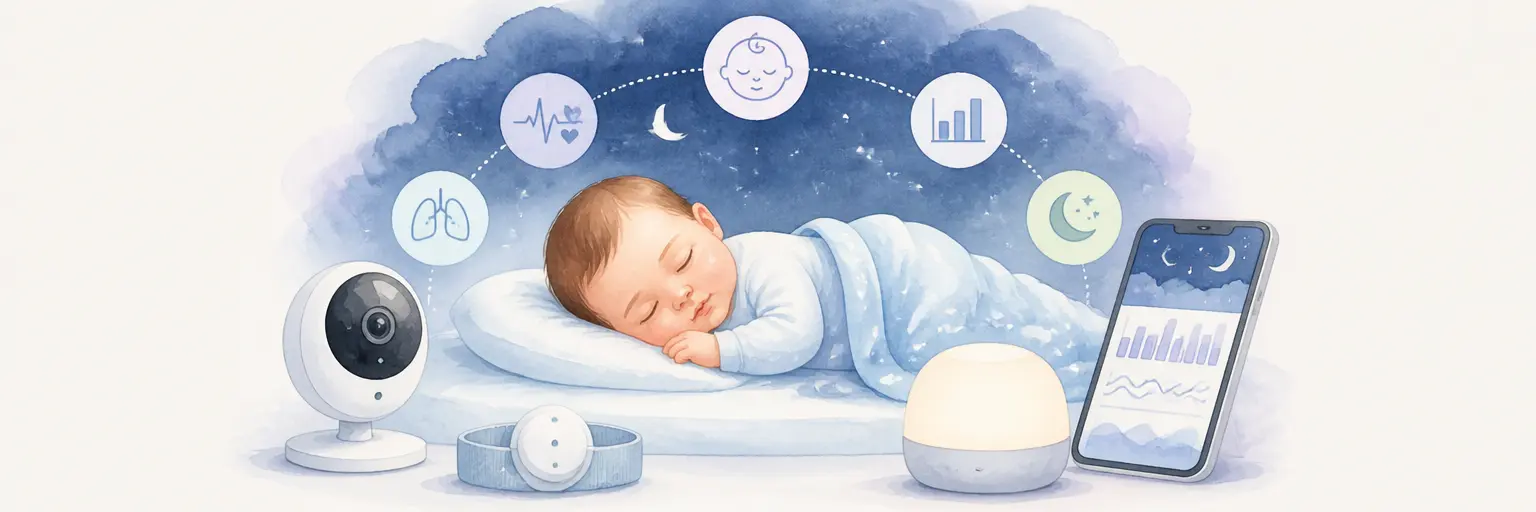
Using Baby Sleep Trackers to Identify Potential Sleep Issues
Explore baby sleep tracking apps and devices to better understand your little one’s sleep patterns, routines, and nighttime habits. 📱🌙 Discover parent-friendly reviews, practical usage tips, and guidance on choosing reliable baby monitors, wearable trackers, and sleep analytics tools. Find technology that supports safer sleep routines and informed decisions—without replacing professional medical advice.
6 articles
The Role of Baby Sleep Trackers in Establishing a Routine
Understanding Baby Sleep Cycles with the Help of Tracking Tech
Baby Sleep Tracking: Tips for Maximizing Data Insights
Integrating Baby Sleep Tracking into Your Daily Life
Sleep Logs Reimagined: How Tech Simplifies Tracking Baby's Rest
Baby Sleep Tracking Apps and Devices: Reviews and Usage 💤📱
Welcome to BabyCareHub’s guide to baby sleep tracking apps and devices, created for first-time parents who want clearer insight into their baby’s sleep patterns. This subcategory covers practical reviews, setup advice, safety considerations, and everyday usage tips for sleep monitors, wearable trackers, smart bassinets, and mobile apps. Discover how technology can help you record naps, nighttime waking, bedtime routines, and sleep duration while keeping responsive, safe, and developmentally appropriate care at the center of your parenting decisions.
📊 Baby Sleep Tracking Apps: Features and Reviews
Baby sleep tracking apps can help parents log naps, nighttime sleep, feedings, diaper changes, and wake windows in one convenient place. Our reviews examine important features such as automatic sleep detection, shared caregiver access, trend reports, reminders, data privacy, compatibility, and ease of use. You will learn which tools are helpful for newborn sleep tracking and which features may add unnecessary complexity.
Expect practical comparisons of free and premium baby sleep apps, including their usability during night feeds and their value for busy families. We also explain how to interpret sleep summaries without becoming overly dependent on app-generated schedules, since every baby has an individual temperament, routine, and developmental pattern.
👶 Wearable Baby Sleep Trackers and Smart Devices
Wearable sleep trackers and connected baby devices may measure movement, sleep periods, room conditions, or other activity data. This section explores how different products work, what information they provide, and how accurately parents can expect them to reflect a baby’s sleep. Reviews focus on comfort, fit, battery life, cleaning, connectivity, app quality, and everyday reliability.
You will also find guidance on choosing age-appropriate technology and avoiding products that create confusion or false reassurance. Sleep tracking data should support observation rather than replace it: parents should still check their baby regularly and follow safe sleep recommendations, including placing babies on their backs on a firm, flat, uncluttered sleep surface.
🎥 Baby Monitors with Sleep Tracking
Smart baby monitors can combine video, sound, motion alerts, temperature readings, and sleep summaries. Our content explains how to compare camera quality, night vision, two-way audio, alert sensitivity, secure connections, and subscription requirements. These reviews are designed to help families identify the difference between a useful baby monitoring system and a product with features that are difficult to understand or maintain.
Parents can expect setup instructions and tips for positioning a monitor safely. We discuss privacy-conscious use, strong passwords, software updates, and secure home networks, as well as ways to reduce unnecessary notifications during the night. The goal is to help you monitor your baby responsibly without placing devices, cords, or accessories within the sleep space.
🌙 Understanding Baby Sleep Data and Wake Windows
Tracking sleep can make it easier to notice patterns in naps, bedtime, early waking, and overnight interruptions. This section explains common terms such as total sleep, sleep onset, wake windows, nap duration, night waking, and sleep consistency. Clear examples help parents turn raw data into useful observations about their baby’s routine.
Because newborn and infant sleep changes rapidly, our guidance emphasizes flexibility. Data can support conversations with a pediatrician and help parents identify routine changes, but it should not be used to diagnose a medical condition or force a baby into an unsuitable schedule. Look for broad trends over time rather than reacting to a single difficult night.
🛡️ Safe Use, Privacy, and Health Considerations
Technology for baby care should always be used alongside established safe sleep practices. Our articles cover device placement, wearable fit, overheating concerns, cords, batteries, choking hazards, cleaning instructions, and manufacturer guidance. We highlight why consumer sleep monitors are not a substitute for supervision or medical-grade monitoring, and why parents should be cautious about claims related to oxygen, breathing, or medical emergencies.
Privacy is equally important when using connected baby products. Learn how to review permissions, limit data sharing, activate two-factor authentication, update firmware, and understand subscription policies. If a monitor produces repeated alerts or you have concerns about breathing, feeding, illness, or unusual sleepiness, contact a qualified healthcare professional rather than relying only on app data.
✅ Choosing the Best Baby Sleep Tracker for Your Family
The best baby sleep tracker depends on your goals, budget, parenting style, and comfort with technology. We compare simple manual logging apps, automated trackers, video monitors, and wearable devices using criteria such as accuracy, convenience, safety, privacy, cost, durability, and customer support. This makes it easier to choose a practical solution instead of purchasing every available feature.
Our buying guidance also considers families with multiple caregivers, twins, frequent travel, limited internet access, and different sleep spaces. Before buying, think about whether you need detailed reports, real-time alerts, remote access, or simply a quick way to remember naps and bedtime. A simple, reliable tool is often more useful than a complicated system that increases parental stress.
❓ Frequently Asked Questions About Baby Sleep Tracking Apps and Devices
Are baby sleep tracking apps accurate?
Accuracy varies by app and by the method used to collect information. Manual logs depend on caregiver input, while automated products may estimate sleep from movement, sound, or wearable sensors. Treat app results as general guidance and pattern tracking, not as a medical measurement or definitive record of when your baby is asleep.
Do baby sleep monitors prevent Sudden Infant Death Syndrome (SIDS)?
No. Consumer baby monitors and sleep tracking devices have not been proven to prevent SIDS or other sleep-related infant deaths. Use them for convenience and observation only, while following safe sleep guidance such as back sleeping, a firm flat surface, and keeping pillows, blankets, toys, and bumpers out of the sleep area.
When should parents start tracking a baby’s sleep?
Parents can begin tracking from the newborn stage if it helps them recognize feeding, nap, and nighttime patterns. However, detailed tracking is optional. During the early weeks, babies often have irregular sleep, so focus on meeting your baby’s needs and learning their cues rather than trying to create a strict schedule.
What features should I look for in a baby sleep tracking device?
Look for dependable performance, a comfortable and secure design, clear alerts, strong privacy controls, simple reporting, long battery life, and easy cleaning. Also check the recommended age range, return policy, subscription costs, and whether the product makes medical claims. Safety, usability, and trustworthy support should come before advanced features.
Can sleep tracking data help with a pediatrician visit?
Yes, a short record of sleep duration, waking patterns, naps, feeding, and unusual changes may help a pediatrician understand your concerns. Bring specific observations and explain how your baby behaves when awake. Do not delay medical advice because an app reports normal data, and seek professional guidance for breathing concerns, poor feeding, fever, extreme lethargy, or other worrying symptoms.