
Baby Sleep Tracking: Tips for Maximizing Data Insights


Welcome to BabyCareHub, your ultimate guide to navigating the incredible journey of parenthood! Are you ready to unlock the secrets to a happier, healthier baby? We understand the challenges of those first precious months, and that's why we've created this comprehensive resource. Discover how tracking baby sleep for insights can transform your understanding of your little one's needs and routines, leading to improved sleep for both of you. Dive in and explore our expert advice – your journey to confident parenting starts here!
- Understanding Your Baby's Sleep Patterns: Why Track Baby Sleep?
- Choosing the Right Baby Sleep Tracker: Apps vs. Devices
- Best Baby Sleep Tracking Apps: Features and Comparisons
- Top-Rated Baby Sleep Monitoring Devices: A Review
- Factors to Consider When Selecting a Sleep Tracker for Your Baby
- Effectively Using Baby Sleep Tracking Apps and Devices
- Analyzing Baby Sleep Data for Actionable Insights
- Optimizing Baby's Sleep Based on Tracking Data
- Beyond the Numbers: Interpreting Qualitative Sleep Data
- Privacy Considerations When Tracking Baby's Sleep
- Long-Term Benefits of Tracking Baby Sleep for Insights
- Frequently Asked Questions
- Final Reflection: Unlocking the Secrets of Sleep: Data-Driven Insights for Parents
- Unlock Your Baby's Sleep Secrets: Take Action Now!
Understanding Your Baby's Sleep Patterns: Why Track Baby Sleep?
Navigating the world of newborn sleep can feel like deciphering a complex code. Inconsistent sleep patterns, frequent night wakings, and the ever-present question of "is my baby getting enough sleep?" are common anxieties for first-time parents.
This is where baby sleep tracking comes in – offering a powerful tool to unlock valuable insights into your little one's sleep habits and ultimately, contribute to their healthy development and your own sanity! Tracking baby sleep isn't just about numbers; it's about gaining a deeper understanding of your baby's individual sleep needs, identifying potential problems early, and optimizing their sleep schedule for better rest for both baby and parent.
This article will delve into the benefits of tracking your baby's sleep, exploring how to maximize the data you collect to improve your baby's sleep and overall well-being. Learning to effectively track baby sleep for insights is a crucial step in the journey of parenthood.
The Importance of Accurate Sleep Data for Baby's Development
Accurate sleep data plays a pivotal role in a baby's healthy development. Sufficient sleep is crucial for physical growth, cognitive development, and immune function. Babies spend a significant portion of their day sleeping, and the quality and quantity of this sleep directly impact their overall well-being. By tracking sleep, parents can identify patterns and potential issues early on. For example, consistently short sleep cycles might indicate underlying health problems or unmet needs. Conversely, consistent, longer sleep periods can provide reassurance that your baby is thriving.
Tracking data allows you to pinpoint:
- Total sleep duration: Knowing how much your baby sleeps in a 24-hour period helps determine if they're meeting age-appropriate sleep recommendations.
- Sleep cycles: Observing the length and frequency of sleep cycles reveals whether they're consistent or disrupted. This can signal potential sleep disorders or indicate the need for adjustments to bedtime routines.
- Wake windows: Tracking wake windows helps you understand your baby's optimal time awake before needing a nap or bedtime. This information is invaluable in creating a personalized sleep schedule.
- Sleep quality: While some apps and devices don't directly measure sleep quality, the data can still help you correlate sleep disruptions with potential causes like hunger, discomfort, or environmental factors.
Identifying Sleep Problems Early Through Sleep Tracking
Early identification of sleep problems is key to effective intervention. Sleep tracking enables parents to notice subtle changes in their baby's sleep patterns that might otherwise go unnoticed. These changes could be indicative of various issues, including:
- Sleep regression: Sleep regressions are periods of disrupted sleep that often occur at developmental milestones. Tracking sleep helps parents recognize these regressions and adjust their strategies accordingly.
- Feeding difficulties: Poor sleep can be a symptom of underlying feeding issues, such as insufficient milk intake or difficulties latching. Tracking sleep alongside feeding patterns can highlight a correlation.
- Underlying medical conditions: In some cases, consistent sleep disturbances might indicate an underlying medical condition requiring professional medical attention. The data from sleep tracking can provide valuable information for doctors.
- Environmental factors: Tracking sleep can help identify external factors impacting sleep quality, such as noise levels, room temperature, or even the baby's sleeping position.
Using Sleep Data to Optimize Baby's Sleep Schedule
Analyzing sleep data empowers parents to create a personalized sleep schedule that aligns with their baby's individual needs. Instead of relying on generic sleep guidelines, parents can use the collected data to:
- Establish consistent bedtimes and wake times: Consistent routines are vital for establishing healthy sleep habits. Tracking sleep helps determine the optimal bedtime and wake times for your baby based on their sleep patterns.
- Adjust wake windows: Based on the observed wake windows, parents can optimize the time their baby spends awake between naps and bedtime, preventing overtiredness.
- Identify optimal nap times and durations: Sleep tracking provides insights into your baby's nap needs, allowing you to tailor nap times to maximize rest and reduce daytime fussiness.
- Refine bedtime routines: By tracking sleep, parents can assess the effectiveness of their bedtime routines and make adjustments to optimize their baby's sleep preparation. For example, they might discover that a longer or shorter wind-down routine is more beneficial.
Using technology to track baby sleep for insights is not about replacing the intuitive connection between parent and child; instead, it's about augmenting that connection with data-driven understanding. The information gained allows for more informed decision-making, promoting better sleep for your baby and a more restful experience for you.
Choosing the Right Baby Sleep Tracker: Apps vs. Devices
Choosing between a baby sleep tracking app and a dedicated monitoring device depends heavily on your individual needs and preferences. Both offer valuable insights into your baby's sleep patterns, but they differ significantly in functionality, cost, and convenience. Let's delve into the key distinctions to help you make an informed decision.
Apps, generally less expensive, rely on parental input. You manually log sleep times, feeding schedules, and diaper changes. While this might seem less convenient, it offers a high degree of customization and control. You can tailor the information tracked to your specific needs, adding notes about naps, nighttime wakings, and the effectiveness of different sleep strategies. This detailed, personalized data can be incredibly valuable for identifying patterns and addressing sleep challenges. However, the accuracy depends entirely on your diligence in recording data. Missing entries can skew the results, making it crucial for consistent use.
On the other hand, baby sleep monitoring devices, such as wearable sensors or smart cribs, automate the data collection process. These devices passively track sleep duration, movement, and even breathing patterns, offering a more objective and potentially more accurate representation of your baby's sleep. However, these devices often come with a higher price tag and require setup and maintenance.
The data they provide is typically more comprehensive but may lack the nuanced details that manual logging can capture. For example, an app might allow you to note whether your baby was fussy before falling asleep, a detail often missed by a device.
Best Baby Sleep Tracking Apps: Features and Comparisons
Several baby sleep tracking apps are available, each offering a unique set of features. Choosing the best one requires careful consideration of your needs and priorities. Key features to look for include:
- Sleep cycle tracking: Some apps can estimate sleep cycles based on movement data, helping you identify optimal times for waking your baby.
- Feeding and diaper change logging: Integrating these elements provides a more holistic picture of your baby's routine.
- Growth chart integration: Tracking sleep alongside weight and height can reveal correlations and inform decisions related to nutrition and sleep.
- Sleep pattern analysis: The best apps provide insightful reports and graphs to help you visualize your baby's sleep patterns and identify trends.
- Multiple baby profiles: Essential for parents with twins or closely spaced children.
- Sharing capabilities: Allows you and your partner to track progress and easily share insights.
Below is a comparison of some common features across three popular apps (fictional examples):
| Feature | SleepWise App | BabySnooze App | DreamCatcher App |
|---|---|---|---|
| Sleep Cycle Tracking | Yes | Yes | No |
| Feeding Logging | Yes | Yes | Yes |
| Diaper Change Log | Yes | Yes | Yes |
| Growth Chart Int. | No | Yes | Yes |
| Sleep Pattern Analysis | Yes | Yes | Yes |
| Multiple Baby Profiles | Yes | No | Yes |
| Sharing Capabilities | Yes | Yes | Yes |
Remember that the effectiveness of these apps relies heavily on accurate and consistent data entry. Consider your commitment to data input before selecting an app.
Top-Rated Baby Sleep Monitoring Devices: A Review
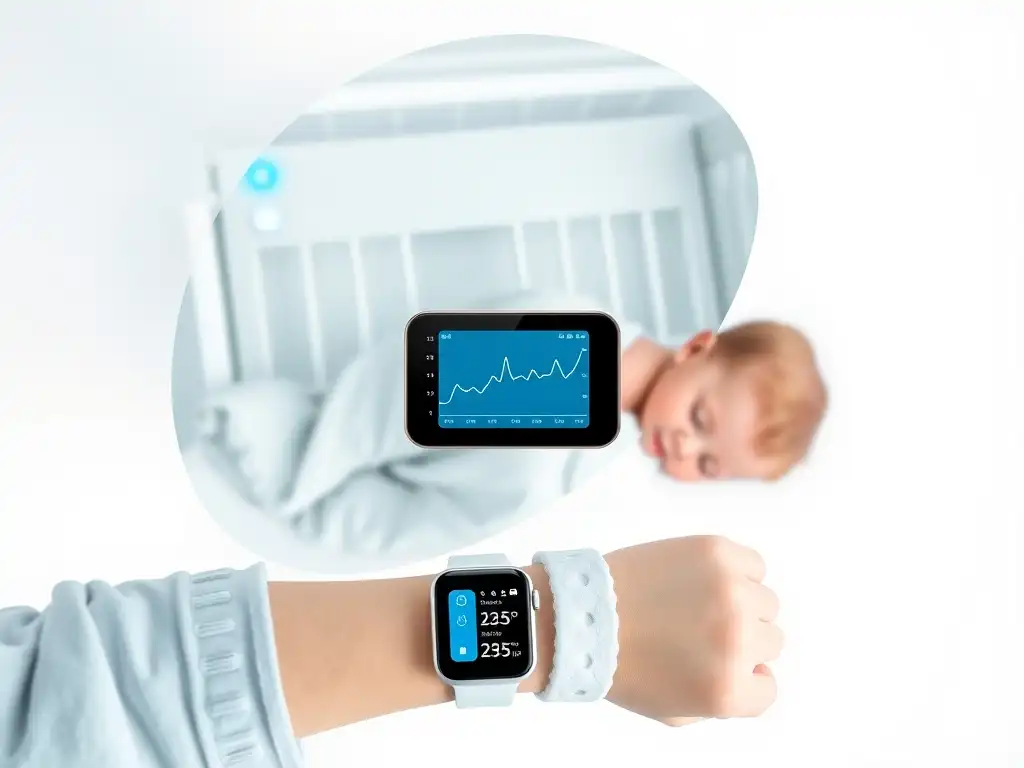
While apps rely on parental input, dedicated sleep monitoring devices offer a hands-off approach to tracking your baby's sleep. These devices vary widely in their capabilities and price points.
Some devices use sensors placed under the mattress to detect movement and breathing patterns. These provide objective data on sleep duration and movement, but the accuracy can be affected by the mattress type and baby's position. Other devices, such as wearable monitors, track movement and heart rate directly on the baby. This approach might offer more precise data but raises concerns regarding baby comfort and the potential for interference with sleep.
Smart cribs, integrating sensors into the crib itself, offer a more integrated solution, but they are often the most expensive option. Consider the pros and cons of each type before making a purchase. Always prioritize safety and ensure the device meets all safety standards.
A crucial aspect to consider is the data these devices provide. While some only track sleep duration and movement, others offer more advanced metrics like sleep cycles and breathing patterns. Consider whether these advanced features are necessary for your needs and budget. The data accuracy also varies considerably between devices. Always check reviews and compare specifications before purchasing.
Factors to Consider When Selecting a Sleep Tracker for Your Baby
Selecting the right baby sleep tracker requires careful consideration of several factors:
- Accuracy: How important is precise data to you? Apps require consistent manual input, while devices provide automated tracking, but accuracy can vary.
- Ease of use: How user-friendly is the interface? Will it be easy to use, even when tired?
- Features: What specific features are important to you? Consider sleep cycle tracking, feeding/diaper logging, growth chart integration, and reporting capabilities.
- Cost: Apps are generally less expensive than devices, but the cost of devices can vary widely.
- Privacy: Consider the data collected and how it is stored and used. Review privacy policies carefully.
- Safety: If using a device, ensure it meets all relevant safety standards and that it won't interfere with your baby's sleep or safety. For example, ensure any wearable sensors are securely attached and won't pose a choking hazard.
By carefully weighing these factors, you can choose a baby sleep tracker that effectively meets your needs and helps you gain valuable insights into your baby's sleep patterns. Remember that the goal is to use the data to support your baby's healthy sleep development, not to create unnecessary stress or anxiety. Enjoy the process of learning about your little one! 😴
Effectively Using Baby Sleep Tracking Apps and Devices
This section focuses on maximizing the benefits of baby sleep trackers, transforming raw data into actionable insights that can significantly improve your baby's sleep patterns and your overall parenting experience. We'll move beyond simply recording sleep and delve into effective data interpretation and utilization. Tracking your baby's sleep is a powerful tool, but only when used correctly. Let's explore how to truly harness its potential for improved sleep for both you and your little one.
Setting Up Your Chosen Sleep Tracker: A Step-by-Step Guide
Successfully tracking your baby's sleep begins with proper setup. Different trackers—from wearable monitors to smartphone apps—require slightly different approaches. However, several common steps ensure accurate data collection.
First, carefully read the instruction manual. This might seem obvious, but many parents skip this crucial step. Understanding the nuances of your chosen tracker is vital for accurate data. This includes understanding battery life, sensor placement (if applicable), and app connectivity.
Next, download and install any necessary apps. Ensure your smartphone or tablet meets the minimum system requirements. Many apps require location services and Bluetooth connectivity, so double-check your settings. The initial setup usually involves creating a profile for your baby, inputting their date of birth, and potentially other relevant information like weight and feeding schedule.
Then, calibrate your device (if needed). Some devices require calibration to ensure accurate readings. Follow the instructions carefully; this process might involve placing the device in a specific position or performing a test run.
Finally, test the device before relying on it fully. Place it near your baby (following safety guidelines) and observe its readings. Ensure it accurately reflects your baby's sleep and wake cycles. A short test period allows you to identify any potential glitches or calibration issues before committing to long-term use. This proactive approach avoids frustration and ensures you are gathering reliable data from the start.
Accurately Recording Baby's Sleep and Wake Times
The accuracy of your sleep tracking directly impacts the insights you gain. Inconsistent or inaccurate data can lead to misleading interpretations and ineffective sleep strategies. Here's how to maximize accuracy:
- Consistency is Key: Aim to start and stop the tracker at the same time each day, even on weekends. This creates a consistent baseline for comparing data.
- Accurate Timekeeping: Use a reliable clock or timer to ensure accurate recording of sleep and wake times. Avoid relying solely on your memory, which can be unreliable, especially when sleep-deprived.
- Addressing Interruptions: Note any interruptions during sleep, such as feedings, diaper changes, or periods of fussiness. Many trackers allow for these annotations, providing a more comprehensive picture of your baby's sleep. This detailed information can be crucial in identifying patterns.
- Understand Tracker Limitations: Recognize that even the most sophisticated trackers aren't perfect. They may not capture brief awakenings or subtle shifts in sleep stages. Use your own observations to supplement the data. 👶
- Data Verification: Regularly review the recorded data for any inconsistencies or anomalies. If you notice anything unusual, investigate the cause. It’s better to identify and correct errors early on.
Think of this as a partnership between technology and parental observation. Both are crucial for optimal results.
Interpreting Data from Your Baby Sleep Tracker
Once you have collected sufficient data (generally a few weeks), you can begin to analyze the patterns. Look for trends in sleep duration, wake windows, and sleep cycles. Remember, every baby is different; there's no one-size-fits-all answer.
Here's how to make sense of the data:
- Identify Sleep Patterns: Look for consistent patterns in your baby's sleep. Do they tend to have longer stretches of sleep at night? Are there particular times of day when they are more likely to wake up?
- Analyze Wake Windows: Pay attention to the time your baby stays awake between sleep cycles. This can help you determine the optimal length of wake windows for your baby.
- Recognize Sleep Cycles: Many trackers show sleep cycles. Understanding these cycles can help you time feedings or other activities to avoid disrupting deep sleep.
- Correlation, Not Causation: Remember, correlation doesn't equal causation. If you notice a correlation between a particular activity and sleep disruption, it doesn't automatically mean that activity is the cause. Further observation and investigation may be necessary.
- Consult Your Pediatrician: Use the data to inform discussions with your pediatrician. They can provide valuable insights and guidance based on your baby's individual needs and development.
By following these guidelines and carefully analyzing the data, you can use your baby sleep tracker to gain valuable insights into your baby's sleep patterns, leading to better sleep for both you and your little one. Remember, the goal is to use technology to support your parenting journey, not to replace your own intuition and judgment.
Analyzing Baby Sleep Data for Actionable Insights
This section dives deep into interpreting the data collected by baby sleep trackers, transforming raw numbers into actionable insights that can significantly improve your baby's sleep and, consequently, your family's well-being. We'll move beyond simply seeing how long your baby slept and explore how to understand why they slept (or didn't) for that duration. Effectively tracking baby sleep for insights requires understanding the nuances of sleep data.
Understanding Sleep Cycles and Their Significance for Babies
Understanding a baby's sleep cycles is paramount to interpreting sleep tracker data. Unlike adults, babies' sleep cycles are shorter, lasting approximately 50-60 minutes instead of the 90-120 minutes typical in adults. Each cycle consists of both light and deep sleep phases. A baby sleep tracker can help you identify these phases, although the precision varies depending on the device. For example, some trackers use movement sensors to infer sleep stages, while others might incorporate audio analysis.
Recognizing the light sleep phase is critical. This is when your baby is most easily roused, often leading to shorter sleep stretches. Frequent awakenings during light sleep are completely normal, especially in younger infants. Conversely, deep sleep is crucial for restorative rest and physical development. A good tracker can help visualize the proportion of time spent in each phase, offering clues about the overall quality of your baby's sleep.
Tracking these cycles over several days allows you to identify patterns. For instance, you might notice a consistent pattern of shorter sleep cycles in the early evening, suggesting a potential need for an earlier bedtime or a different wind-down routine. This is where the "track baby sleep for insights" strategy truly shines. You're not just recording sleep duration; you're observing the dynamics of your baby's sleep.
Identifying Sleep Patterns: Recognizing Trends and Anomalies
Consistent data collection is key to identifying meaningful trends and anomalies in your baby's sleep. A well-maintained sleep log, whether manual or generated by a sleep tracker, allows you to spot recurring patterns. Look for:
- Consistent early morning wakings: This could indicate an early riser, a too-late bedtime, or a need for a consistent morning routine.
- Frequent night wakings: This might point towards hunger, discomfort (e.g., gas, teething), or a need for comfort.
- Extended periods of sleeplessness: This could signify illness, developmental leaps, or environmental factors disrupting sleep.
- Shorter sleep cycles: As mentioned earlier, shorter cycles are normal in babies, but consistently short cycles may indicate underlying issues.
Example Data Table
| Day | Total Sleep (hours) | Number of Awakenings | Longest Sleep Stretch (hours) | Notes |
|---|---|---|---|---|
| Monday | 12 | 5 | 3 | Teething |
| Tuesday | 11 | 3 | 4 | |
| Wednesday | 13 | 2 | 5 |
Analyzing this kind of data over time helps you establish a baseline for your baby's sleep and identify deviations that might require attention. Remember, consistency is key. The more data you collect, the clearer the trends will become.
Using Sleep Data to Adjust Baby's Routine and Improve Sleep
Once you've identified patterns and anomalies in your baby's sleep data, you can use this information to make informed adjustments to their routine. For example:
- Adjusting bedtime: If your baby consistently wakes up early, consider moving bedtime slightly earlier.
- Modifying feeding schedule: If frequent night wakings are related to hunger, you may need to adjust feeding times or amounts.
- Addressing environmental factors: Noise, light, or temperature changes can significantly impact sleep. Data can help you identify these factors.
- Implementing sleep training techniques: Sleep trackers can help monitor the effectiveness of sleep training methods, allowing you to fine-tune your approach.
Remember that each baby is unique. What works for one baby might not work for another. Using sleep data to inform your decisions allows you to personalize your baby's sleep routine for optimal results. By tracking baby sleep for insights, you empower yourself to make data-driven decisions that promote healthier sleep habits and a more peaceful night for both you and your little one. 😴
Optimizing Baby's Sleep Based on Tracking Data
Tracking your baby's sleep isn't just about logging hours; it's about gaining valuable insights to improve their sleep quality and your family's well-being. By meticulously tracking sleep patterns using a reliable app or device, you can identify trends, pinpoint potential problems, and make informed decisions to foster better sleep habits. This section focuses on how to leverage this data for positive change.
Remember, consistency in data collection is key to accurate analysis. The more data you gather, the clearer the picture becomes. Don't be discouraged if you miss a few nights; just keep logging and you'll see a pattern emerge.
Addressing Sleep Problems Identified Through Tracking
Consistent sleep tracking often reveals recurring sleep issues. For example, you might notice your baby consistently wakes up at 3 AM, suggesting a possible hunger issue or a need for a later bedtime. Perhaps you see frequent short awakenings throughout the night, indicating potential discomfort from gas or a need for a diaper change. Analyzing this data allows you to proactively address these problems.
Let's say your tracking shows your baby consistently wakes up crying around 2:00 AM for several nights in a row. This could indicate several possibilities:
- Hunger: They might not be getting enough calories during nighttime feedings. Adjusting the feeding amount or frequency during the day or adding a late-night feed could help.
- Discomfort: Gas, teething pain, or a wet diaper could be the culprit. Try gentle tummy massage, teething remedies (as advised by your pediatrician), or more frequent diaper changes.
- Sleep Regression: Developmental leaps can disrupt sleep patterns. This is a temporary phase, and providing extra comfort and reassurance might be beneficial.
By pinpointing the recurring problem time, you can focus your efforts on addressing the root cause rather than simply reacting to each instance of crying. This proactive approach enhances both your baby's sleep and your own peace of mind. Remember to consult your pediatrician if you are concerned about any persistent sleep problems.
Creating a Consistent Sleep Schedule Based on Data Analysis
Once you have a solid understanding of your baby's sleep patterns, you can use this information to create a more consistent sleep schedule. This doesn't mean forcing your baby into a rigid timetable, but rather establishing a predictable routine that supports their natural sleep rhythms.
For example, if your tracking data reveals your baby consistently falls asleep between 7:00 PM and 7:30 PM after a bath and a bedtime story, then incorporate that routine into their daily schedule. Similarly, if they tend to wake up around 7:00 AM, use this information to plan your day accordingly.
| Time | Activity | Notes |
|---|---|---|
| 6:30 PM | Dinner | Ensure a light and easily digestible meal |
| 7:00 PM | Bath time, quiet playtime | Dim the lights to signal the transition to bedtime |
| 7:30 PM | Bedtime story, lullaby, cuddles | Create a calming and predictable bedtime routine |
| 7:45 PM | Sleep | Monitor for any signs of discomfort or distress during the first hour |
Consistent sleep schedules promote better sleep quality by regulating your baby's circadian rhythm. Remember, flexibility is key; some days might be slightly off schedule, and that’s perfectly fine. The goal is consistency, not rigidity.
Adjusting Feeding and Napping Schedules for Improved Sleep
Your baby's sleep is closely linked to their feeding and napping schedules. Data from your sleep tracker can highlight potential imbalances. For instance, if you notice your baby is consistently overtired during the day, resulting in poor nighttime sleep, you might need to adjust their nap schedule.
Similarly, if their nighttime sleep is consistently disrupted by hunger, adjusting the amount or timing of daytime feedings might be necessary. Analyze the data for patterns: Are there correlations between longer daytime naps and shorter nighttime sleep? Or is there a relationship between the timing of their last feeding and the frequency of nighttime wakings?
Remember to consult your pediatrician or a lactation consultant for personalized guidance, especially if you're dealing with feeding challenges or concerns about your baby's weight gain. They can help you develop a feeding and napping plan that supports both optimal growth and healthy sleep habits. Tracking your baby's sleep provides valuable data that, when analyzed correctly, can significantly improve your baby’s sleep patterns and contribute to a happier, healthier family. 😴
Beyond the Numbers: Interpreting Qualitative Sleep Data
Tracking your baby's sleep using apps and devices provides valuable quantitative data – hours slept, wake windows, sleep cycles. However, the true power of sleep tracking lies in understanding the qualitative aspects of your baby's sleep. Simply knowing your baby slept for eight hours doesn't tell the whole story. Was it eight hours of uninterrupted, peaceful sleep?
Or was it punctuated by frequent wakings, restlessness, and difficult settling? This section focuses on interpreting the nuances beyond the numbers to gain a more holistic understanding of your baby's sleep patterns and needs. Effectively tracking baby sleep for insights requires a nuanced approach.
Recognizing Signs of Sleep Regression and Growth Spurts
Sleep regressions are periods where your baby, after establishing a relatively predictable sleep pattern, suddenly experiences disrupted sleep. These are often tied to developmental leaps. While your sleep tracking app might show shorter sleep periods and more frequent wakings, looking beyond the raw data is crucial. Observe your baby's behavior during the day. Are they more clingy?
Fussier than usual? Showing increased interest in new skills? These qualitative observations help you connect the disrupted sleep with developmental milestones. For example, a growth spurt might manifest as increased nighttime feedings, even if the total sleep time appears reduced. Similarly, the introduction of crawling or sitting might disrupt established sleep routines.
Growth spurts, characterized by periods of rapid physical development, often coincide with increased hunger and fussiness, leading to more frequent night wakings. While your app may show shorter sleep cycles, observing your baby's increased appetite and developmental progress paints a clearer picture. Don't just focus on the decreased sleep duration; note the context.
Understanding these qualitative factors allows you to approach the situation with empathy and adjust your strategies accordingly, rather than simply focusing on the numerical decrease in sleep hours. Remember that these phases are temporary.
Understanding the Role of Environment in Baby's Sleep
The environment plays a crucial role in your baby's sleep, a factor often overlooked when solely relying on numerical sleep data. While your app can track sleep duration, it can't always account for external factors. Did your baby sleep better in a cooler room? Did the white noise machine make a difference? Was there a lot of household activity during the night? These environmental factors significantly impact sleep quality, regardless of the total sleep time shown on the app.
Consider creating a detailed sleep diary alongside your app data. Note down environmental factors each night: room temperature, noise levels, light exposure, and even your baby's clothing. This qualitative data will help you identify environmental triggers that positively or negatively affect your baby's sleep. For instance, a consistently warmer room might correlate with increased restlessness, whereas a consistent white noise level may correlate with longer sleep periods. Over time, this detailed record enables you to optimize your baby's sleep environment for better rest.
The Importance of Parental Intuition in Conjunction with Data
While technology offers incredible tools for tracking baby sleep for insights, never underestimate the power of your parental intuition. Your app can provide data, but you know your baby best. If the data suggests a perfectly normal sleep pattern, but you sense something is off – your baby seems unusually irritable, less interactive, or exhibiting other concerning behaviors – trust your gut. Don't dismiss your observations just because the numbers seem fine.
Your intuition, combined with the objective data from your sleep tracker, creates a powerful synergy. The app provides quantifiable information, while your intuition adds the crucial context and emotional understanding. A holistic approach, blending the data with your own observations and feelings, ensures you're making informed decisions that cater to your baby's unique needs and developmental stage. Remember, technology is a tool to assist you, not replace your judgment. Always prioritize your baby's well-being and seek professional advice if you have any concerns.
Privacy Considerations When Tracking Baby's Sleep
Tracking your baby's sleep can provide invaluable insights into their sleep patterns and overall well-being. However, it's crucial to be mindful of the privacy implications involved when using sleep trackers, apps, and devices. This section delves into the essential aspects of protecting your baby's data and making informed choices to ensure their digital privacy. The goal is to effectively track baby sleep for insights without compromising your little one's security.
Protecting Your Baby's Data: Security and Privacy Best Practices
Protecting your baby's data should be a top priority. Think of it as safeguarding any other sensitive information. Here are some crucial steps to take:
- Read Privacy Policies Carefully: Before downloading any app or using any device, meticulously review its privacy policy. Look for clear statements about data collection practices, data storage locations, data sharing with third parties, and data retention policies. Be wary of vague or overly broad statements. A truly transparent company will readily explain how they handle your data.
- Understand Data Collected: Many sleep trackers collect more than just sleep data. Some may gather information about your baby's room temperature, humidity, and even noise levels. Understand exactly what data is being collected and why. If the rationale isn't clear or seems excessive, reconsider your choice.
- Limit Data Sharing: Opt out of any data sharing options unless absolutely necessary. Many apps offer features that allow them to share anonymized data for research purposes. While this can contribute to improving the product, it's vital to understand the implications before agreeing. Remember, even anonymized data can potentially be linked back to your child.
- Strong Passwords and Two-Factor Authentication: Use strong, unique passwords for all your baby-related apps and devices. Enable two-factor authentication wherever possible to add an extra layer of security. This prevents unauthorized access even if someone gains access to your password.
- Regularly Review Permissions: Regularly review the permissions granted to your chosen app or device. Ensure that only the necessary permissions are enabled. If you notice any permissions that seem unnecessary or suspicious, revoke them immediately.
- Keep Software Updated: Keep the app and device software updated to the latest version. Updates often include security patches that address vulnerabilities and improve data protection.
Choosing Apps and Devices with Strong Privacy Policies
Selecting apps and devices with robust privacy policies is paramount. Here's a checklist to guide your decision-making:
| Feature | Description | Importance Level |
|---|---|---|
| Transparent Policy | Clearly explains data collection, storage, usage, and sharing practices. | High |
| Data Minimization | Collects only the necessary data to provide the core functionality. | High |
| Data Encryption | Employs strong encryption methods to protect data both in transit and at rest. | High |
| Security Audits | Undergoes regular independent security audits to identify and address vulnerabilities. | Medium |
| Data Deletion Options | Provides clear and easy-to-use options for deleting your data when you no longer need the app or device. | Medium |
| Compliance with Regulations | Adheres to relevant data privacy regulations, such as GDPR or CCPA. | High |
| Customer Support | Offers responsive and helpful customer support in case of privacy-related questions or concerns. | Medium |
| Third-Party Integrations | Clearly outlines any third-party integrations and how they handle your data. | Medium |
Remember, prioritizing your baby's data privacy is not just about following best practices; it's about making informed choices and selecting products that align with your values. By carefully considering these factors, you can effectively track baby sleep for insights while ensuring their digital safety and security. 👶 🛡️
Long-Term Benefits of Tracking Baby Sleep for Insights
Tracking your baby's sleep, far from being a fleeting trend, offers significant long-term advantages for both parent and child. By meticulously recording sleep patterns, you gather invaluable data that can inform crucial decisions impacting your child's overall well-being and development. This isn't just about knowing when your baby sleeps; it's about understanding why they sleep (or don't), and using that knowledge to foster healthy sleep habits that will benefit them for years to come.
The insights gained contribute to a more harmonious family life, reduced parental stress, and a healthier, happier child. Think of it as preventative medicine for sleep – proactively addressing potential issues before they escalate into significant problems. The consistent data collection allows for a longitudinal view of sleep development, providing a powerful tool for identifying patterns and trends that might otherwise go unnoticed.
Building a Solid Foundation for Healthy Sleep Habits
Consistent sleep tracking helps establish a predictable sleep schedule. This routine is crucial for infants and young children as it regulates their circadian rhythm – their internal biological clock. A well-established rhythm contributes to better sleep quality and duration. By analyzing sleep data, parents can pinpoint optimal nap times and bedtime routines, tailoring them to their individual baby's needs.
For example, consistent tracking might reveal a pattern where a 30-minute earlier bedtime leads to a significantly longer stretch of uninterrupted sleep. This data-driven approach allows for personalized sleep optimization, avoiding the trial-and-error method that can be both time-consuming and frustrating. The foundation of good sleep habits, built early on through informed choices based on tracked data, will positively impact their sleep health throughout childhood and beyond. This proactive approach promotes healthy sleep hygiene from the start, minimizing potential sleep-related issues later in life.
Predicting and Preventing Future Sleep Problems
One of the most significant long-term benefits of tracking baby sleep is the ability to proactively address potential sleep problems. By monitoring sleep patterns, parents can identify early warning signs of sleep disorders, such as sleep apnea or restless legs syndrome, which, if left untreated, can have lasting consequences. For example, consistently short sleep durations combined with frequent night wakings could indicate an underlying medical condition requiring professional attention.
Early identification, facilitated by consistent data collection, allows for timely intervention and potentially prevents more significant problems down the line. Regular analysis of the data can also reveal trends related to developmental milestones. For instance, a sudden shift in sleep patterns might coincide with a period of significant growth or teething, providing valuable context for understanding behavioral changes.
Understanding Your Baby's Individual Sleep Needs
Every baby is unique, and their sleep needs vary significantly. Sleep tracking allows parents to personalize their approach to sleep management, moving beyond generic advice and focusing on their child's specific requirements. The data reveals individual patterns: some babies thrive on longer stretches of nighttime sleep, while others prefer shorter periods with more frequent naps. Analyzing this data allows parents to tailor their sleep strategies accordingly, optimizing their baby's rest and minimizing parental stress.
This personalized approach fosters a deeper understanding of the baby's sleep cues and responses, leading to a more responsive and effective sleep training plan. By understanding their baby's unique sleep needs, parents can create a sleep environment that is conducive to healthy sleep and reduces the likelihood of sleep disruptions. This individualized approach, powered by consistent data analysis, is key to fostering healthy, long-term sleep habits.
Frequently Asked Questions
How can I effectively track my baby's sleep?
You can use a sleep tracker app, a baby monitor with sleep tracking, or a simple pen-and-paper log. Choose the method that best suits your lifestyle and preferences. Consistency is key!
What insights can sleep tracking provide about my baby's sleep patterns?
Tracking sleep reveals sleep duration, nap times, wake windows, and sleep cycles. This information helps identify patterns and potential sleep problems like insufficient sleep or inconsistent sleep schedules.
Are there any apps specifically designed for tracking baby sleep?
Yes, many apps are available, offering features like sleep logging, sleep analysis, and sleep reports. Research options and choose one with user-friendly features and data privacy protections.
How can I use sleep tracking data to improve my baby's sleep?
Analyze the tracked data to identify sleep patterns and potential issues. Use this information to adjust routines, create a consistent sleep schedule, and address any underlying problems contributing to poor sleep.
Is sleep tracking necessary for all babies?
While not strictly necessary, sleep tracking can be incredibly helpful for parents concerned about their baby's sleep. It provides valuable data to address sleep concerns and make informed decisions about their baby's sleep routine.
Final Reflection: Unlocking the Secrets of Sleep: Data-Driven Insights for Parents
The relentless pursuit of a good night's sleep for our little ones is a universal parental experience, and the ability to track baby sleep for insights is transforming how we approach this challenge. The data we collect, when analyzed effectively, moves beyond simple sleep monitoring; it becomes a powerful tool for understanding our babies' individual needs and fostering healthier sleep habits for the entire family.
The impact of sleep tracking extends far beyond the immediate benefits of improved rest. It's reshaping our understanding of infant development, highlighting the crucial link between sleep patterns, growth, and overall well-being. Sleep is the golden chain that binds health and our bodies together.
This quote, while not specifically about babies, speaks to the fundamental importance of sleep across all ages, and the data we gather allows us to actively participate in nurturing this vital aspect of our children's lives. The insights gained are not just for the parents; they empower pediatricians and healthcare professionals to provide more personalized and effective care.
Now, consider your own journey with your little one. What patterns have you observed? What insights have you gleaned from your sleep tracking efforts? I encourage you to reflect on the data you've collected, not just as numbers, but as a window into your baby's unique world. Use this knowledge to advocate for their needs, to adjust your routines, and to celebrate the small victories along the way. Remember, the goal isn't perfection, but understanding—and that understanding, powered by data, is the key to unlocking a more peaceful and fulfilling sleep experience for both you and your baby.
Unlock Your Baby's Sleep Secrets: Take Action Now!
Thank you for exploring the world of baby sleep tracking with us! We hope you've gained valuable insights into understanding your little one's sleep patterns. Now let's put that knowledge into practice.
- Choose a Consistent Sleep Tracking Method: Select either a sleep-tracking app or a sleep diary; consistency is crucial for accurate data analysis.
- Share Your Experience: Join our BabyCareHub community forum and share your experiences with baby sleep tracking. Let's learn from each other!
- Develop a Personalized Sleep Plan: Based on your collected data, consider creating a tailored sleep plan. Even small adjustments can significantly improve your baby's sleep.
Ready to transform your baby's sleep routine? What's your first step towards improving your data collection and analysis?