
Integrating Baby Sleep Tracking into Your Daily Life

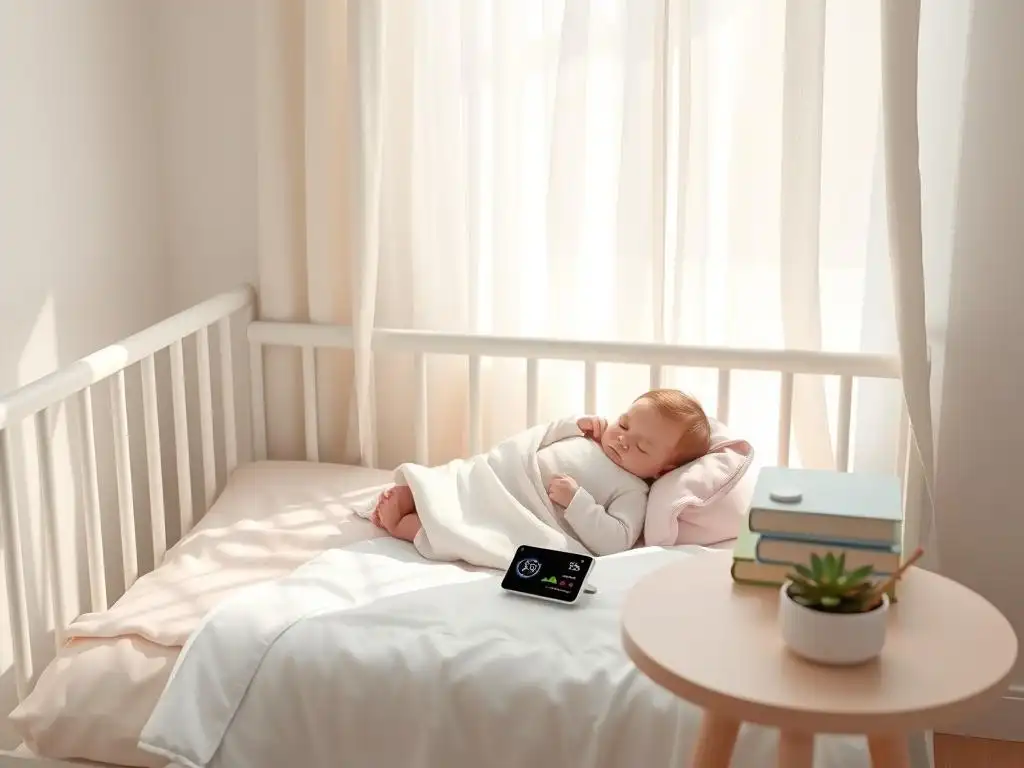
Welcome to BabyCareHub, your ultimate guide to navigating the wonderful, yet often overwhelming, world of parenthood. Are you ready to unlock the secrets to a more peaceful night's sleep for both you and your little one? We delve into the power of a Baby sleep tracker daily routine in our latest article, exploring how this simple tool can revolutionize your approach to baby care and dramatically improve your family's well-being. Discover how integrating technology can foster healthier sleep habits and create a smoother, more enjoyable journey through those precious early months. Let's get started!
- Understanding the Benefits of Baby Sleep Trackers in Your Daily Routine
- Choosing the Right Baby Sleep Tracker for Your Needs
- Integrating Baby Sleep Tracking into Your Daily Routine: A Step-by-Step Guide
- Optimizing Your Baby's Sleep Based on Tracker Data
- Maintaining a Healthy Balance: Sleep Tracking and Parental Well-being
- Long-Term Benefits of Consistent Baby Sleep Tracking
- Troubleshooting Common Issues with Baby Sleep Trackers
- Frequently Asked Questions
- Final Reflection: Weaving Sleep Tracking into the Fabric of Family Life
- Unlock Your Family's Restful Nights
Understanding the Benefits of Baby Sleep Trackers in Your Daily Routine
Integrating a baby sleep tracker into your daily routine can significantly improve your understanding of your baby's sleep patterns and contribute to a more restful and predictable sleep schedule for both you and your little one. This isn't just about knowing how long your baby sleeps; it's about gaining valuable insights into their sleep architecture, identifying potential sleep disruptions, and ultimately, optimizing their sleep health. This article will explore how daily use of a baby sleep tracker can provide crucial data to inform your parenting decisions and contribute to a happier, better-rested family.
We will delve into specific benefits, offering practical tips and strategies to effectively utilize these tools for a more harmonious daily routine. Remember, consistent tracking provides the most valuable data, helping you identify trends and patterns over time. This data-driven approach to baby sleep is far more effective than relying on gut feeling alone.
Improved Sleep Patterns Recognition for Your Baby
Understanding your baby's sleep patterns is paramount to establishing a healthy sleep routine. A baby sleep tracker offers a detailed record of sleep duration, wake times, and sleep cycles, revealing patterns that might otherwise go unnoticed. For example, you might discover your baby consistently wakes up around 2 AM, providing valuable insight into potential underlying causes, such as hunger or discomfort.
This allows for proactive interventions, such as adjusting feeding schedules or addressing any potential sleep regressions. Furthermore, identifying periods of lighter sleep can help you understand the optimal times for diaper changes or nighttime feedings, minimizing disruptions to your baby's deeper sleep stages.
The ability to pinpoint these patterns empowers you to create a tailored sleep plan that caters specifically to your baby's individual needs, leading to improved sleep quality and longer stretches of uninterrupted rest. Consistent tracking over several weeks will reveal clear trends and help you make informed decisions about your baby's sleep environment and routine.
Identifying Sleep Cycles and Optimal Wake Windows
Baby sleep trackers can provide detailed information about your baby’s sleep cycles, which typically consist of periods of light and deep sleep. Knowing when your baby is in a lighter sleep cycle can help you time diaper changes or feedings more effectively, minimizing the risk of fully waking them. This is crucial for preventing unnecessary crying and ensuring better sleep consolidation.
Additionally, these trackers can help identify optimal wake windows – the ideal amount of time your baby can stay awake before becoming overtired. Overtiredness can actually make it harder for a baby to fall asleep and stay asleep. By monitoring wake times and correlating them with sleep patterns, you can fine-tune your baby’s daily schedule, preventing overstimulation and promoting more efficient sleep.
This allows for a more predictable and less stressful routine, benefiting both you and your baby. The data provided by a sleep tracker can guide you toward creating a sleep schedule that aligns with your baby's natural sleep rhythms.
Tracking Feeding and Diaper Changes for Holistic Sleep Analysis
Effective sleep tracking isn't solely about sleep itself; it's about understanding the interplay of various factors impacting your baby's rest. Many baby sleep trackers allow you to log feeding times, amounts, and types, as well as diaper changes. This holistic approach allows you to correlate feeding patterns with sleep patterns, identifying potential connections between hunger and nighttime awakenings.
Similarly, tracking diaper changes can reveal any correlation between wet or soiled diapers and sleep disruptions. By integrating this information, you can gain a comprehensive understanding of your baby's needs and adjust your routine accordingly. For example, if you notice a consistent correlation between a late-night feeding and a subsequent period of restless sleep, you might consider adjusting the timing or amount of the last feeding.
This integrated approach provides a far more nuanced picture of your baby's sleep, enabling more effective interventions and a more tailored, data-driven approach to establishing a healthy sleep routine. Analyzing this data alongside sleep patterns reveals a complete picture, improving your ability to address any underlying sleep issues.
Early Detection of Potential Sleep Issues and Health Concerns
Integrating a baby sleep tracker into your daily routine offers a significant advantage: the early detection of potential sleep problems and underlying health concerns. Consistent sleep tracking provides a detailed picture of your baby's sleep patterns, revealing inconsistencies that might otherwise go unnoticed. For instance, a sudden decrease in total sleep time, frequent night wakings, or changes in sleep cycle length could indicate the onset of a sleep regression, teething pain, or even an underlying illness.
A parent might attribute these changes to a simple phase, but the data provided by a sleep tracker allows for a more objective assessment. This objective data is invaluable for parents, offering a clearer understanding of their baby's sleep needs and enabling them to make informed decisions about interventions.
Furthermore, subtle changes in sleep patterns can sometimes be early indicators of health issues. For example, prolonged periods of restlessness or unusually shallow sleep could signal a developing infection or other medical condition. While a sleep tracker cannot diagnose illness, the data it provides can alert parents to potential problems, prompting them to seek medical attention sooner rather than later. This early intervention can be crucial in managing health concerns and ensuring the best possible outcome for your baby.
The peace of mind offered by this early warning system is a considerable benefit of incorporating sleep tracking into your daily routine. Remember, however, that a sleep tracker is a tool to aid observation, not a replacement for professional medical advice. Always consult your pediatrician if you have any concerns about your baby's health. They can interpret the data in conjunction with a physical examination to make an accurate diagnosis.
Choosing the Right Baby Sleep Tracker for Your Needs
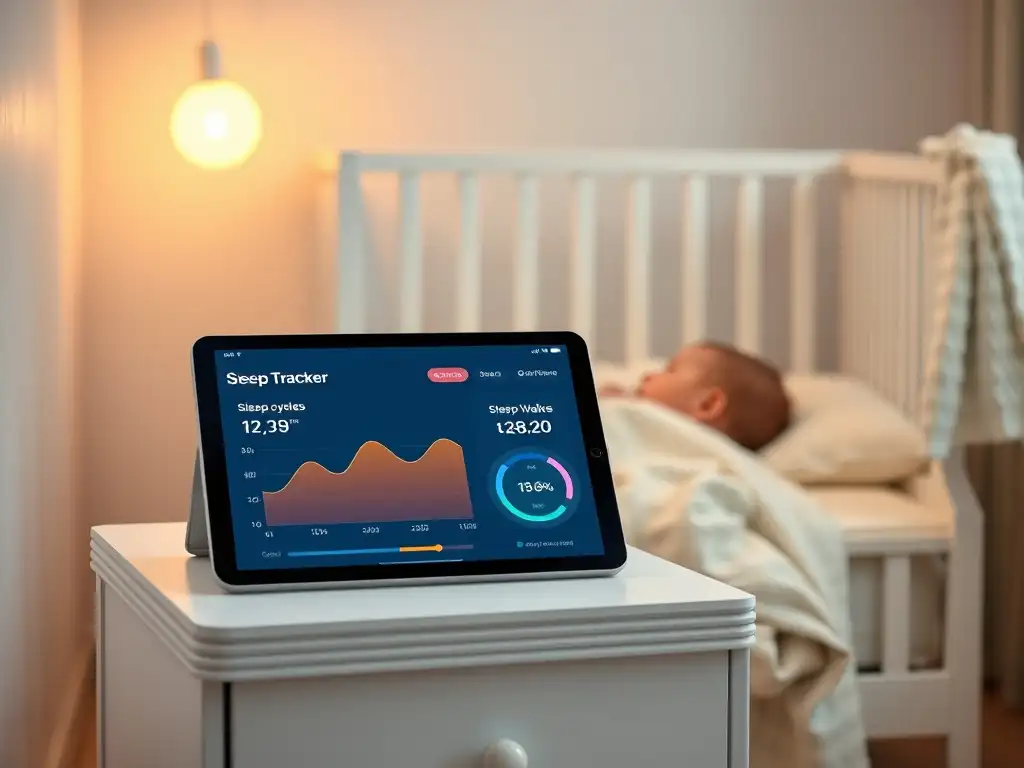
This section focuses on helping you select a baby sleep tracker that best fits your lifestyle and your baby's needs. The market offers a wide variety of options, from simple sleep diaries to sophisticated wearable devices and comprehensive apps. Making the right choice depends on several key factors, which we’ll explore in detail. Understanding these factors will empower you to effectively integrate baby sleep tracking into your daily routine and optimize your baby's rest. Choosing the right "baby sleep tracker daily routine" tool is crucial for effective sleep monitoring.
Selecting a Tracker Based on Your Baby's Age and Development Stage
The ideal baby sleep tracker will depend heavily on your baby's age and developmental stage. Newborns, for instance, have very different sleep patterns than toddlers. Consider these age-specific considerations:
- Newborns (0-3 months): For newborns, a simple sleep diary or a basic app focusing on tracking feedings and sleep durations might suffice. Wearable trackers may be less suitable at this age due to potential discomfort and the need for frequent adjustments. The emphasis should be on recording basic sleep-wake cycles to identify patterns, not necessarily on detailed sleep stage analysis. Accurate recording of feeding times is crucial at this stage, as it's closely linked to sleep patterns.
- Infants (4-12 months): As your baby grows, you might consider transitioning to an app with more advanced features, such as sleep phase tracking (light sleep, deep sleep, REM). Some wearable trackers might become more comfortable and practical at this age. However, always prioritize ease of use and ensure the device is safe and non-restrictive. The focus shifts from simply tracking duration to understanding the quality of sleep.
- Toddlers (12+ months): For toddlers, apps that allow for parental input and offer features like sleep training tools become increasingly valuable. Wearable trackers might still be an option, but consider your toddler's preference and ensure the device is durable and comfortable for them. Data analysis at this stage can help identify sleep disruptions related to teething, developmental leaps, or other factors.
Comparing Different Tracker Features: Apps vs. Wearable Devices
The choice between a sleep tracking app and a wearable device depends on your preferences and your baby's needs. Here's a comparison:
| Feature | Sleep Tracking App | Wearable Sleep Tracker |
|---|---|---|
| Cost | Generally less expensive | Typically more expensive |
| Ease of Use | Usually very user-friendly | Can vary, some devices are more intuitive than others |
| Data Accuracy | Relies on parental input; accuracy depends on diligence | Can provide more objective data, but accuracy varies |
| Portability | Highly portable; accessible from any device | Less portable; may require charging and proximity |
| Additional Features | Often integrates with other baby care apps | May offer additional features like heart rate monitoring |
The best choice often depends on the level of detail you require and your comfort level with technology. Apps offer convenience and affordability, while wearable devices aim for more objective data collection, though at a higher cost.
Factors to Consider: Accuracy, Ease of Use, Data Privacy
Selecting a "baby sleep tracker daily routine" system involves careful consideration of several crucial factors beyond the basic features.
- Accuracy: The accuracy of any sleep tracker, whether app-based or wearable, varies. App-based trackers rely on parental input, which can be subjective. Wearable trackers use sensors, but their accuracy can be affected by factors like movement and the baby's position. Look for trackers with proven accuracy ratings and reviews focusing on this aspect.
- Ease of Use: A sleep tracker should seamlessly integrate into your daily routine. The interface should be intuitive and easy to navigate, even when you're tired. Consider the complexity of setup, data entry, and report generation. A user-friendly design is crucial for long-term adherence.
- Data Privacy: Protecting your baby's data is paramount. Before choosing a tracker, carefully review the company's privacy policy. Understand how your data is collected, stored, and used. Opt for trackers that prioritize data security and comply with relevant data protection regulations. Look for apps with strong encryption and transparent data handling practices. This is a non-negotiable aspect of choosing a reliable “baby sleep tracker daily routine” solution. 😴
Integrating Baby Sleep Tracking into Your Daily Routine: A Step-by-Step Guide
This section focuses on seamlessly incorporating a baby sleep tracker into your daily life, maximizing its benefits for both you and your little one. We'll explore practical strategies to ensure consistent data collection and insightful interpretation of the results, ultimately improving your understanding of your baby's sleep patterns and contributing to a more restful night for everyone. This guide will help you build a successful baby sleep tracker daily routine.
Setting Up Your Chosen Baby Sleep Tracker: A Comprehensive Walkthrough
Successfully integrating a baby sleep tracker into your daily routine begins with proper setup. Different trackers (apps or devices) have varying setup procedures, but the core principles remain consistent. Let's outline a general approach applicable to most systems:
First, download or unpack your chosen tracker. This might involve downloading an app from your phone's app store or unboxing a wearable device. Follow the manufacturer's instructions meticulously – this is crucial for accurate data collection.
Next, create an account and personalize your profile. This usually involves providing basic information about your baby, such as their date of birth, weight, and gender. Accuracy here is paramount as it affects the tracker's ability to interpret the data effectively. Some trackers also allow you to input information about feeding schedules and other relevant details.
Then, familiarize yourself with the user interface (UI). Spend time navigating the app or device's menus to understand how to record sleep, view data, and access other features. Many trackers offer tutorials or help sections – don't hesitate to use them!
Finally, test the system before relying on it completely. Record a few short sleep periods to ensure everything is functioning correctly and you're comfortable using the tracker. This practice run minimizes frustration and ensures accurate data collection from the start. Consider practicing recording both naps and nighttime sleep.
Accurately Recording Sleep Data: Tips and Tricks for Consistency
Consistent and accurate data is the cornerstone of effective baby sleep tracking. Here are some practical tips to maintain a reliable record:
- Establish a routine: Begin and end sleep tracking at consistent times each day. This helps create a reliable dataset, allowing you to identify patterns more easily. For example, start tracking when your baby is put down for a nap and stop when they wake up, regardless of how long the sleep period lasted.
- Be precise with timing: Record the exact start and end times of each sleep period. Avoid approximations. Even small discrepancies can skew the overall data. Many apps offer easy-to-use timers or automated recording features.
- Note relevant information: Record additional details alongside sleep data, such as feeding times, diaper changes, and any unusual events that might affect sleep (e.g., illness, teething). This contextual information enriches the dataset and provides a more comprehensive picture of your baby's sleep patterns.
- Maintain consistency: Try to use the tracker consistently, even on days when your routine is disrupted. Missing data points can create gaps in your data, making it harder to identify meaningful trends. If you miss a recording, note it down as missing data so you can account for it later.
- Consider using multiple methods: If your tracker has limitations, consider supplementing it with a baby sleep diary. This provides a backup and allows for more detailed qualitative observations.
Interpreting Your Baby's Sleep Data: Understanding Patterns and Trends
Once you've accumulated sufficient data, the real benefits of baby sleep tracking begin to emerge. However, simply collecting data isn't enough; you need to interpret it effectively.
- Identify sleep patterns: Look for recurring patterns in your baby's sleep duration, sleep cycles, and wake times. This helps you understand their individual sleep needs and preferences. Are there specific times of day when they sleep longer or shorter?
- Recognize sleep cues: Use the data to identify early signs of sleepiness and tiredness. This knowledge can help you establish a consistent bedtime routine and prevent overtiredness. Does your baby show specific signs before needing a nap?
- Spot potential problems: Consistent use of a baby sleep tracker can help you identify potential sleep problems such as disrupted sleep cycles or insufficient sleep duration. This allows for early intervention and prevents issues from escalating. Are there any unusual patterns that warrant further investigation?
- Adjust your routine accordingly: Based on the insights gained, adapt your baby's sleep routine to optimize their sleep. This might involve adjusting bedtime, nap times, or incorporating strategies to improve sleep quality.
- Consult a healthcare professional: If you notice concerning patterns or suspect a sleep disorder, consult your pediatrician or a sleep specialist. They can provide expert guidance and address any underlying issues. Remember, the tracker is a tool; professional advice is crucial for interpreting complex situations. This information is for educational purposes and should not replace professional medical advice.
Utilizing the Data for Optimized Sleep Schedules and Routines
Tracking your baby's sleep isn't just about logging hours; it's about understanding patterns and using that knowledge to create a sleep schedule that works for both you and your little one. The data provided by your chosen baby sleep tracker—whether it's an app or a wearable device—offers invaluable insights into your baby's sleep cycles, wake windows, and overall sleep quality. This information is crucial for optimizing sleep schedules and establishing consistent routines.
For example, you might notice a pattern of shorter sleep cycles in the early evening, followed by longer stretches later at night. This could indicate that an earlier bedtime, or a slightly adjusted nap schedule, might be beneficial. Similarly, identifying periods of frequent night wakings can help you pinpoint potential causes, such as hunger, discomfort, or a need for a change in the sleep environment.
Analyzing the data alongside your baby's daily activities can reveal further correlations. Perhaps you notice that days with longer periods of playtime result in earlier bedtime fussiness. Understanding these connections allows you to proactively adjust your daily routine to promote better sleep. This could involve incorporating more calming activities before bedtime, ensuring sufficient daylight exposure during the day, or slightly adjusting nap times to align with your baby's natural sleep rhythms.
Remember, consistency is key. Once you've identified an optimal sleep schedule based on the data, stick to it as much as possible to establish a predictable routine. This predictability helps regulate your baby's internal clock, leading to improved sleep quality and fewer nighttime awakenings. While flexibility is important, particularly with younger babies, a consistent schedule provides a sense of security and predictability that can greatly benefit their sleep.
This consistent approach, informed by the data provided by your baby sleep tracker, is a cornerstone of successful sleep training. Don't be afraid to experiment and refine your approach over time, always guided by the valuable insights your tracker provides. The key is to observe, adapt, and consistently strive for a balanced routine that supports your baby's sleep needs and your family’s well-being. The data is a tool to empower you, not to stress you.
Optimizing Your Baby's Sleep Based on Tracker Data
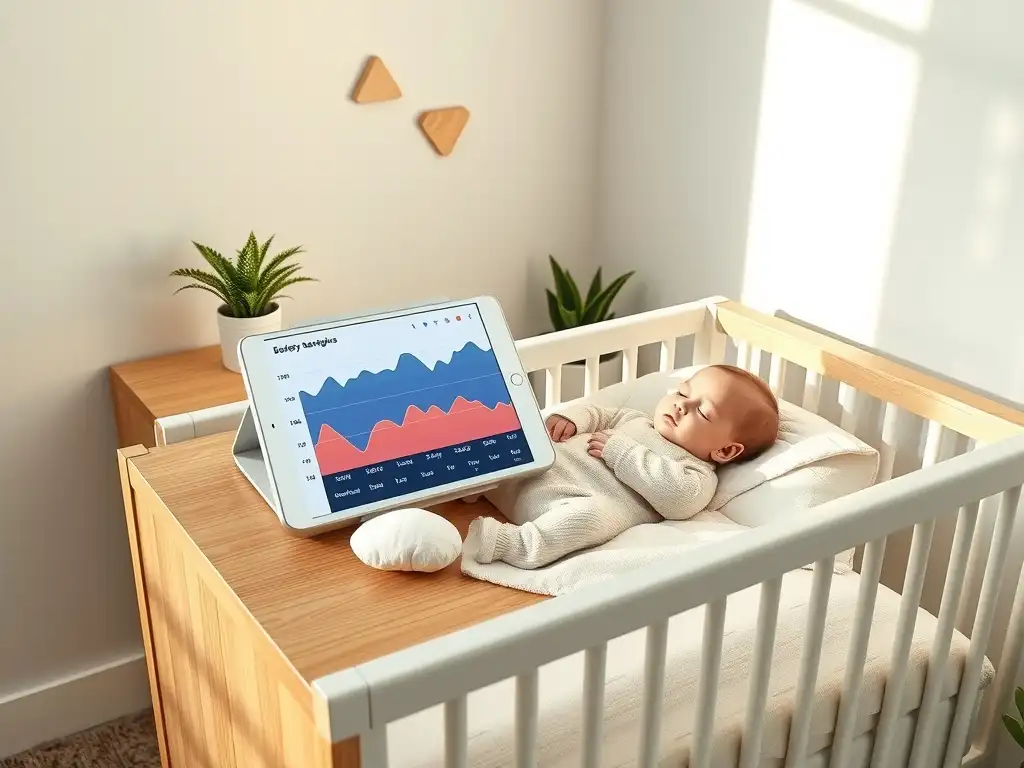
This section focuses on leveraging data from your baby sleep tracker to refine your little one's sleep schedule and improve overall sleep quality. Analyzing the information provided by your chosen tracker—whether it's a wearable sensor, a smart crib, or a dedicated sleep tracking app—allows for a more data-driven approach to optimizing your baby's rest. Remember, consistency is key, but adjustments based on real-time data can significantly enhance effectiveness.
Adjusting Bedtime and Wake-Up Times Based on Observed Sleep Patterns
Data from your baby sleep tracker can reveal valuable insights into your baby's natural sleep patterns. For example, you might notice a consistent trend of longer sleep cycles occurring after a particular bedtime or a predictable period of shorter sleep cycles in the early morning. This information allows for more precise adjustments to bedtime and wake-up times.
Let's say your tracker consistently shows your baby waking up naturally between 7:00 AM and 7:30 AM, even with varying bedtimes. This suggests a natural wake-up time around 7:00 AM. Conversely, if you observe consistently shorter sleep cycles before 7:00 AM, you might consider a slightly later bedtime. Avoid rigidly adhering to a schedule if the tracker data indicates a different ideal sleep pattern.
This personalized approach, guided by the data, is far more effective than relying on generalized sleep schedules found online. Remember to observe trends over several days or even weeks to establish reliable patterns, rather than reacting to single-day fluctuations. The key is to gently adjust the bedtime and wake-up time, making small changes (15-30 minutes) at a time to avoid disrupting your baby's sleep cycle too drastically.
Creating a Consistent and Calming Bedtime Routine
While the sleep tracker provides objective data on sleep duration and patterns, a consistent and calming bedtime routine plays a crucial role in preparing your baby for sleep. The data can help you determine the optimal length of this routine. For instance, if your tracker shows your baby consistently falling asleep more quickly on nights with shorter, more focused routines, you can adjust accordingly.
The ideal bedtime routine should be predictable and relaxing. Consider incorporating elements like a warm bath, a gentle massage, a bedtime story, or quiet playtime. The aim is to create a clear signal to your baby's body that it's time to wind down. Avoid stimulating activities like screen time immediately before bed.
| Routine Element | Duration (Example) | Notes |
|---|---|---|
| Warm Bath | 10-15 minutes | Adjust water temperature to avoid overheating. |
| Massage | 5-10 minutes | Use gentle, soothing strokes. |
| Bedtime Story | 5-10 minutes | Choose calming stories with predictable rhythms. |
| Quiet Playtime | 5 minutes | Avoid overly stimulating toys or games. |
| Nursing/Bottle Feeding | 10-15 minutes | Ensure your baby is comfortably full before bedtime. |
| Putting Baby to Bed | 5 minutes | Create a quiet, dark, and comfortable sleep environment. |
Experiment with different routine lengths and elements, observing your baby's response using the tracker. The goal is to find a routine that consistently leads to quicker and easier sleep onset, as reflected in your tracker data.
Identifying and Addressing Potential Sleep Disruptions: Night Wakings, Early Rising
Your baby sleep tracker can be invaluable in identifying patterns associated with night wakings and early rising. By pinpointing the times and frequency of these disruptions, you can better understand the underlying causes and implement effective solutions. Consistent data over time will reveal whether these are random events or part of a recurring pattern.
For example, frequent night wakings might indicate hunger, discomfort (e.g., a diaper change), or a need for reassurance. Early rising could be due to a too-early bedtime, insufficient daytime sleep, or a developmental leap. The tracker’s data can help you differentiate between these possibilities.
Let's say the tracker reveals a consistent early morning waking at 5:00 AM, despite a sufficient total sleep time. This might suggest an adjustment to the bedtime routine is needed, perhaps incorporating a later bedtime to ensure your baby sleeps through to a later natural wake-up time. Conversely, frequent night wakings at 2:00 AM might indicate a need for a middle-of-the-night feeding, or a reassessment of the sleep environment (temperature, noise level).
By closely analyzing the data, you can address the root cause of the disruption, rather than just reacting to the symptom. This allows for proactive adjustments, leading to improved sleep for both you and your baby. Remember to consult your pediatrician if you have persistent concerns about your baby's sleep.
Adapting Your Routine Based on Developmental Milestones and Growth Spurts
Your baby's sleep patterns aren't static; they evolve alongside their development. Growth spurts, for example, often disrupt established sleep schedules. A baby sleep tracker can be invaluable in identifying these periods of increased activity and feeding, allowing you to proactively adjust your routine rather than reacting to the disruption. During a growth spurt, you might notice significantly shorter sleep cycles, more frequent night wakings, and an increased demand for feeding. Your baby sleep tracker data will clearly show these changes, highlighting periods of extended wakefulness or shorter sleep intervals.
Understanding these shifts is crucial. Instead of rigidly adhering to a strict schedule, consider offering more frequent feedings during these periods. You might also find that incorporating extra cuddle time or skin-to-skin contact helps soothe your baby and promotes better sleep.
Remember that this is a temporary phase; consistent data from your sleep tracker will help you identify when the growth spurt subsides and you can gradually return to your previous routine. Don't be afraid to adjust your expectations; flexibility is key during these developmental leaps. The data provided by the tracker allows for a more informed and adaptable approach to sleep training, minimizing frustration for both you and your baby.
Furthermore, developmental milestones also impact sleep. For instance, the transition from newborn to toddler is marked by significant changes in sleep needs and patterns. As your baby learns new skills – crawling, walking, talking – their brain activity increases, potentially leading to more frequent night wakings or changes in sleep duration. By monitoring your baby's sleep with a tracker, you can identify these sleep pattern changes correlated with developmental leaps.
This allows you to anticipate potential sleep disruptions and proactively prepare, easing the transition for both you and your little one. This continuous monitoring and adaptation, facilitated by the baby sleep tracker, can make the entire process much smoother and less stressful. The tracker doesn't just record sleep; it provides valuable insights into your baby's development and its impact on their sleep.
Maintaining a Healthy Balance: Sleep Tracking and Parental Well-being
Integrating a baby sleep tracker into your daily routine can be incredibly helpful, offering valuable insights into your baby's sleep patterns. However, it's crucial to remember that these tools are designed to support, not replace, your parental intuition and judgment. Over-reliance on data can lead to unnecessary stress and anxiety, undermining the joy of this precious time. This section focuses on maintaining a healthy balance between utilizing technology and trusting your instincts as a parent.
Avoiding Over-Reliance on Data and Trusting Your Instincts
While baby sleep trackers provide quantifiable data – sleep duration, wake windows, number of night wakings – it's essential to avoid becoming overly fixated on these metrics. Every baby is unique, and their sleep patterns will naturally fluctuate. A single night of disrupted sleep doesn't necessarily indicate a problem; it's often a normal part of development. Instead of panicking over minor deviations from the "ideal" sleep schedule suggested by the tracker, focus on the bigger picture: is your baby generally healthy, gaining weight appropriately, and showing signs of contentment?
Remember, your instincts as a parent are invaluable. If your baby seems restless or unhappy, even if the tracker shows "sufficient" sleep, trust your gut feeling and address their needs. Don't hesitate to adjust your approach based on your observations, even if it means deviating from the data presented by the tracker. For example, if the tracker shows your baby slept for 7 hours, but you observed they were fussy and didn't settle easily, consider adjusting their bedtime routine or addressing potential discomfort. The tracker provides a snapshot; you provide the context.
Consider using a tracker to identify trends rather than obsessing over individual nights. Is there a consistent pattern of shorter sleep cycles during growth spurts? Does a change in bedtime routine correlate with changes in sleep duration? Using the data to observe long-term patterns allows for informed adjustments rather than reactive responses to nightly variations. This approach fosters a more balanced and less stressful experience for both parent and child.
Prioritizing Your Own Sleep and Mental Health
The well-being of parents is inextricably linked to the well-being of their baby. While sleep tracking can be beneficial, remember that it shouldn't come at the expense of your own physical and mental health. Sleep deprivation is a serious issue for new parents, and neglecting your own needs can negatively impact your ability to care for your baby.
Prioritizing your sleep is not selfish; it's essential. Consider these strategies to ensure you get adequate rest:
- Teamwork: Share nighttime responsibilities with your partner if possible. Taking turns attending to the baby allows for periods of uninterrupted sleep for each parent.
- Naptime Synchronization: Try to nap when your baby naps, even if it's just for a short period. These short rests can significantly improve your overall energy levels.
- Self-Care: Engage in activities that promote relaxation and stress reduction, such as gentle exercise, meditation, or spending time in nature. These activities can improve sleep quality and overall well-being.
- Realistic Expectations: Avoid setting unrealistic expectations for yourself and your baby's sleep. Some nights will be easier than others, and that's okay.
Remember, a well-rested parent is a better parent. Don't feel guilty about prioritizing your own sleep; it's a vital component of effective parenting. The data from the sleep tracker should inform, not dictate, your choices, always remembering your own needs are crucial for optimal parenting.
Seeking Professional Guidance When Needed: Pediatricians and Sleep Consultants
Despite the helpfulness of sleep trackers, there are instances where professional guidance is necessary. If you are consistently concerned about your baby's sleep patterns, despite utilizing a tracker and adjusting your approach based on its data and your observations, don't hesitate to seek professional help.
Your pediatrician is an excellent resource for addressing any concerns about your baby's overall health and development, including sleep. They can assess whether there are underlying medical conditions contributing to sleep problems. Furthermore, certified pediatric sleep consultants can provide personalized guidance and strategies to improve your baby's sleep, taking into account their individual needs and your family's circumstances. They can offer evidence-based techniques to address specific issues, such as frequent night wakings or difficulty falling asleep.
Remember, seeking professional help is a sign of responsible parenting, not a failure. It's about ensuring your baby receives the best possible care and support. Don't hesitate to reach out for assistance when needed; a professional can provide the personalized insights that go beyond the data a sleep tracker can offer.
Long-Term Benefits of Consistent Baby Sleep Tracking

This section explores the lasting positive effects of diligently tracking your baby's sleep patterns using a baby sleep tracker. While the immediate benefits are clear – understanding your baby's sleep cycles and adjusting routines accordingly – the long-term advantages extend far beyond the toddler years. Consistent sleep tracking offers a powerful tool for cultivating healthy sleep habits that will benefit your child for years to come. This proactive approach can significantly impact their physical and cognitive development, setting a strong foundation for a lifetime of restful nights.
Establishing Healthy Sleep Habits for Your Child's Future
Tracking your baby's sleep provides valuable data that helps you establish a consistent and predictable sleep routine. This routine, established early on, is crucial for developing healthy sleep habits. A regular bedtime, consistent sleep environment, and predictable sleep-wake cycles help regulate your baby's internal clock (circadian rhythm), promoting longer, more consolidated sleep periods. This, in turn, reduces the risk of sleep disorders later in life, such as insomnia or sleep apnea.
Studies show that children with established sleep routines are less likely to experience sleep problems as they grow older. The data collected from your baby sleep tracker becomes a powerful tool for identifying and addressing any emerging sleep issues before they escalate into significant problems. For example, consistent tracking might reveal a pattern of nighttime wakings related to hunger, prompting you to adjust feeding schedules or introduce solids earlier.
Enhanced Understanding of Your Baby's Individual Needs and Preferences
Every baby is unique, and what works for one might not work for another. A baby sleep tracker allows you to objectively observe your baby's sleep patterns, revealing individual preferences and needs. Are they a long-sleeper or a short-sleeper? Do they prefer shorter, more frequent naps or longer periods of sleep?
Do they respond better to a dark, quiet room or a slightly brighter, more stimulating environment? This detailed information empowers you to tailor your baby's sleep environment and routine to their specific preferences, fostering better sleep quality and reducing parental frustration. For example, a sleep tracker might reveal a sensitivity to light or noise, prompting you to implement noise-reducing measures or use blackout curtains. This personalized approach ensures that you are not only meeting your baby's needs but also optimizing their sleep potential.
Building Confidence in Your Parenting Journey Through Data-Driven Insights
The ambiguity surrounding infant sleep can often lead to parental anxiety and self-doubt. Using a baby sleep tracker provides concrete data that can alleviate these concerns. By objectively observing your baby's sleep patterns, you can gain a clearer understanding of what's working and what's not, reducing guesswork and boosting confidence in your parenting decisions.
This data-driven approach empowers you to make informed choices about your baby's sleep routine, fostering a sense of control and reducing the stress often associated with sleep challenges. Seeing tangible evidence of progress, even in small increments, is incredibly reassuring, helping you navigate the challenges of parenthood with greater confidence and peace of mind. This confidence translates into a more relaxed and positive parenting experience for both you and your baby.
The reassurance offered by consistent data helps to counter the common anxieties associated with infant sleep. Using a baby sleep tracker daily routine can become a powerful tool in building your confidence as a parent.
Troubleshooting Common Issues with Baby Sleep Trackers
This section addresses common problems encountered when using baby sleep trackers as part of your daily routine, focusing on practical solutions to improve data accuracy and usability. Successfully integrating a baby sleep tracker into your daily life requires understanding and addressing potential hurdles. Let's dive into some frequently encountered issues and how to resolve them.
Addressing Inaccurate Data Readings and Troubleshooting Technical Issues
Inaccurate data readings are a common frustration for parents using baby sleep trackers. Several factors can contribute to this, including sensor placement, environmental interference, and technical glitches.
First, ensure the sensor is correctly positioned. Incorrect placement, such as the sensor being too loose or too tight, or not making proper contact with the baby's body, can lead to inaccurate readings. Consult your tracker's manual for precise placement instructions. Different trackers have different requirements; some might need a snug fit, while others work best with a looser placement. Experiment with different positions to find what works best for your baby and your specific tracker.
Second, environmental factors can significantly impact data accuracy. Strong electromagnetic fields from nearby electronic devices (like cell phones or Wi-Fi routers) can interfere with the sensor's signals, leading to inaccurate sleep data. Try moving the tracker and the baby away from these devices. Similarly, strong vibrations or unusual movements in the crib (e.g., from a pet) can also affect readings.
Finally, technical issues with the tracker itself can be a source of inaccurate data. Ensure the tracker's battery is adequately charged and that the software is up-to-date. If the problem persists, contact the manufacturer's customer support for assistance. They may provide troubleshooting steps or arrange for repairs or replacements. Remember to regularly check for software updates, as these often include bug fixes and performance improvements.
Dealing with Data Overload and Finding Meaningful Insights
Baby sleep trackers provide a wealth of data, but this abundance can sometimes feel overwhelming. The key is to focus on the most relevant metrics and learn how to interpret the data meaningfully. Instead of trying to understand every single data point, prioritize key indicators such as total sleep time, sleep cycles, and wake-up times.
Consider using the tracker's built-in reporting features to visualize the data. Many trackers offer graphs and charts that summarize sleep patterns over time. This can reveal trends and patterns that might not be immediately apparent from raw data. For example, you might notice your baby sleeps longer after a later bedtime or that a particular feeding pattern is associated with improved sleep.
Don't be afraid to simplify. If the sheer volume of data feels overwhelming, focus on a few key metrics that are most relevant to your goals. Perhaps you're primarily interested in tracking total sleep duration. Or maybe you want to identify patterns related to nighttime wakings. By focusing your attention, you'll be able to extract more meaningful insights without feeling buried under information. Remember, the goal is to use the data to improve your baby's sleep, not to become a data analyst.
Maintaining Privacy and Security of Your Baby's Sleep Data
The privacy and security of your baby's sleep data are paramount. Before using any sleep tracker, carefully review the manufacturer's privacy policy. Understand how the data is collected, stored, and used. Look for trackers with robust security measures in place to protect your data from unauthorized access.
Consider the data's storage location. Is it stored locally on the device, or is it transmitted to a cloud server? Cloud storage offers convenience but introduces potential security risks. If you opt for a cloud-based tracker, ensure the provider has strong security protocols in place, including encryption and regular security audits. Think about what data the tracker collects, and if you are comfortable with this level of detail being collected and potentially shared. Some trackers collect more data than others.
Remember to regularly review the tracker's settings to ensure they align with your privacy preferences. Many trackers allow you to adjust data sharing options and control which data is accessible to third parties. Be proactive in protecting your baby's data; it's a valuable asset, and its security should be a top priority. Regularly update the app and device firmware to benefit from security patches and bug fixes.
Frequently Asked Questions
How can a sleep tracker improve my baby's daily routine?
A sleep tracker helps you identify patterns in your baby's sleep. This allows you to create a more consistent and predictable sleep schedule, leading to better sleep for both you and your baby. Understanding their sleep cues is key.
What kind of sleep tracker is best for newborns?
For newborns, a simple sleep diary or a basic app might be sufficient. More advanced trackers with features like noise monitoring might be useful later. Avoid overcomplicating things in the early weeks.
Is it necessary to track my baby's sleep every day?
While daily tracking is helpful for identifying trends, it's not strictly necessary. Focus on consistency; even a few days of tracking can reveal valuable information about your baby's sleep patterns. Consistency is key, not perfection.
How do I integrate sleep tracking into my already busy daily routine?
Start small! Choose one or two key aspects to track, like total sleep time and nap duration. Gradually add more details as you get comfortable. Keep it simple to avoid adding stress to your day.
My baby's sleep patterns seem erratic. Will a sleep tracker help?
Yes! A sleep tracker can help visualize your baby's sleep, even if it seems unpredictable. This can help you identify potential causes of sleep disruption and discuss concerns with your pediatrician. It provides valuable data for effective interventions.
Final Reflection: Weaving Sleep Tracking into the Fabric of Family Life
The seamless integration of baby sleep tracking into a daily routine isn't just about data; it's about understanding, adapting, and ultimately, thriving as a family. The seemingly small act of monitoring sleep patterns can unlock profound insights into your baby's development and your family's well-being, significantly impacting the quality of life for everyone involved.
The impact of consistent sleep tracking extends far beyond simply knowing how long your baby sleeps. It allows for a deeper understanding of your little one's individual needs and rhythms, fostering a more responsive and intuitive parenting style. The most important thing a father can do for his children is to love their mother.
This quote, while not directly about sleep tracking, highlights the interconnectedness of family well-being, a sentiment deeply resonated by the improved family dynamics that often result from better sleep management. Understanding sleep patterns can free up time and energy, strengthening the bonds within the family unit.
Now, consider how you can apply these insights to your own family's journey. Don't just view sleep tracking as a tool; see it as a pathway to deeper connection, improved communication, and a more harmonious family life. Embrace the data, but remember that the most valuable insights come from observing your baby's cues and adapting your routine accordingly. Take the time to reflect on your family's unique needs and create a sleep plan that works for everyone. The journey towards better sleep is a collaborative one, and the rewards are immeasurable.
Unlock Your Family's Restful Nights
Thank you for learning about incorporating baby sleep tracking into your daily routine! We hope you found helpful information to improve your and your baby's sleep. Now let's put that knowledge into practice!
Here's how to start enjoying more peaceful nights:
- Establish a consistent sleep schedule: This is key to better sleep for everyone. Begin by observing your baby's sleep patterns for a week, noting feeding and nap times, then create a personalized routine based on those observations.
- Create a relaxing bedtime ritual: A warm bath, gentle rocking, or a favorite lullaby—anything that helps your baby unwind—can be a powerful tool for peaceful nights.
- Share your sleep tracking tips and experiences (both successes and challenges!) with other parents in our community forum—your insights can help others!
Ready to transform your nights into a haven of peaceful slumber? What's the first step you'll take to establish a consistent sleep schedule for your little one?