
Using Baby Sleep Trackers to Identify Potential Sleep Issues


Welcome to BabyCareHub, your ultimate guide to navigating the exciting yet challenging world of parenthood! Are you struggling to decipher your little one's sleep patterns? We understand the frustration.
This website is designed to empower you with the knowledge and tools you need to thrive. Learn how to effectively use baby sleep trackers to identify potential sleep issues, and unlock the secrets to a more peaceful night's rest for both you and your baby. Discover practical advice and expert insights within our comprehensive range of articles, covering everything from feeding schedules to developmental milestones – your journey to confident parenting starts here.
- Understanding Your Baby's Sleep Patterns: The Role of Sleep Trackers
- Identifying Common Sleep Problems Using Baby Sleep Tracker Data
- Interpreting Sleep Tracker Data: Distinguishing Normal Variations from Concerns
- When to Seek Professional Help: Interpreting Data and Seeking Expert Advice
- Using Sleep Trackers to Optimize Your Baby's Sleep Environment
- Adjusting Routines Based on Sleep Tracker Insights: Feeding, Napping, and Bedtime
- Beyond Sleep Tracking: Holistic Approaches to Baby Sleep
- Baby Sleep Tracker Issues: Troubleshooting and Solutions
-
Frequently Asked Questions
- What are some common issues with baby sleep trackers?
- How can I ensure my baby sleep tracker is providing accurate data?
- My baby sleep tracker shows inconsistent sleep patterns. What does this mean?
- Should I rely solely on a baby sleep tracker to diagnose sleep issues?
- What should I do if my baby sleep tracker is malfunctioning?
- Final Reflection: The Silent Language of Sleep: Understanding Your Baby's Rest
- Unlock Your Baby's Sleep Potential: Take Action Now!
Understanding Your Baby's Sleep Patterns: The Role of Sleep Trackers
Navigating the world of newborn sleep can feel like deciphering a complex code. Inconsistent sleep schedules, frequent night wakings, and the ever-present question of "is my baby getting enough sleep?" are common anxieties for first-time parents.
This is where baby sleep trackers can be incredibly helpful. These devices and apps, ranging from simple sleep diaries to sophisticated wearable sensors, offer a window into your baby's sleep patterns, providing valuable data that can help you identify potential sleep issues and make informed decisions about your little one's rest. This article will explore how to effectively utilize baby sleep trackers to understand your baby's sleep, identify potential problems, and ultimately, foster healthier sleep habits for both you and your baby.
We'll delve into the benefits and drawbacks of tracking, guide you through choosing the right tracker, and provide a step-by-step setup process. Remember, the goal isn't to achieve perfect sleep, but to understand your baby's individual needs and create a supportive sleep environment.
Why Track Baby Sleep? Benefits and Considerations
Tracking your baby's sleep offers numerous benefits, providing insights that can significantly improve your baby's sleep and, consequently, your family's well-being. Understanding sleep patterns allows you to identify potential problems early. For example, noticing a sudden decrease in total sleep time or an increase in night wakings could indicate a developmental leap, illness, or a need for adjustments in their sleep routine.
Here's a breakdown of the key advantages:
- Early Identification of Sleep Problems: Consistent tracking helps you spot trends and deviations from normal sleep patterns, allowing for early intervention if issues arise. This is especially crucial for identifying potential problems like sleep apnea or other underlying medical conditions.
- Improved Sleep Hygiene: The data provided by sleep trackers can inform adjustments to your baby's sleep environment and routine. You might discover that a later bedtime or a change in their feeding schedule improves their sleep quality.
- Reduced Parental Anxiety: Knowing your baby's sleep patterns can alleviate anxiety and provide reassurance, especially during those challenging early months. Data can replace guesswork, giving you a clearer picture of your baby's sleep.
- Personalized Sleep Strategies: The insights gained from tracking can help you tailor your baby's sleep strategies to their individual needs. This personalized approach is more effective than relying on generic advice.
However, it's also crucial to consider potential drawbacks:
- Data Overload and Analysis Paralysis: Too much data can be overwhelming, leading to unnecessary worry. Focus on key metrics and avoid getting bogged down in the details.
- Potential for Inaccuracy: Some trackers may not be perfectly accurate, especially with active babies. Consider this limitation when interpreting the data.
- Over-Reliance on Technology: Remember that trackers are tools to support your parenting, not replace your intuition and understanding of your baby.
Ultimately, the decision of whether or not to track your baby's sleep is a personal one. Weigh the benefits and drawbacks carefully to determine if it's the right choice for your family. The key is to use the data to inform your decisions, not to dictate them.
Choosing the Right Baby Sleep Tracker: Features and Functionality
The market offers a wide array of baby sleep trackers, from simple apps to sophisticated wearable devices. Choosing the right one depends on your needs and preferences. Consider these key features:
- Tracking Methods: Some trackers use sound sensors, others use movement sensors, and some combine both. Consider which method is most accurate and convenient for your situation.
- Data Presentation: Look for a tracker that presents data in a clear, easy-to-understand format. Graphs, charts, and summaries can be helpful in identifying trends.
- Integration with Other Apps: Some trackers integrate with other baby care apps, providing a holistic view of your baby's health and development.
- Ease of Use: Choose a tracker that is easy to set up and use, even when you're tired and sleep-deprived.
- Privacy Concerns: Review the tracker's privacy policy to ensure that your baby's data is handled securely and responsibly.
Before making a purchase, read reviews from other parents to get a sense of the pros and cons of different trackers. Remember, the best tracker is the one that you find most useful and reliable.
Setting Up Your Chosen Sleep Tracker: A Step-by-Step Guide
Setting up your chosen baby sleep tracker should be a straightforward process. However, the specific steps will vary depending on the device or app you've selected. Generally, the process involves:
- Downloading the App (if applicable): Download the app associated with your chosen tracker to your smartphone or tablet.
- Creating an Account: Create an account and provide relevant information, such as your baby's birthdate and name.
- Connecting the Device (if applicable): Connect your wearable sensor or other device to your smartphone or tablet via Bluetooth or Wi-Fi.
- Placing the Sensor: Place the sensor strategically near your baby's crib or bassinet, following the manufacturer's instructions.
- Calibrating the Device: Some trackers may require calibration to ensure accurate readings. Follow the instructions carefully.
- Starting the Tracking: Begin tracking your baby's sleep. You may need to manually log sleep times initially, especially for apps that don't have automatic sleep detection.
- Reviewing the Data: Regularly review the collected data to identify trends and patterns in your baby's sleep.
Remember to consult the user manual for your specific tracker for detailed instructions. If you encounter any difficulties, don't hesitate to contact customer support for assistance. Consistent use and careful data review will help you effectively utilize your baby sleep tracker to better understand and improve your baby's sleep.
Identifying Common Sleep Problems Using Baby Sleep Tracker Data
This section focuses on leveraging data from baby sleep trackers to proactively identify potential sleep issues in your infant. Understanding the nuances of your baby's sleep patterns, as captured by these devices, can be crucial in addressing problems early and promoting healthy sleep habits. We'll explore how to interpret common indicators of sleep disturbances. Remember, while these trackers offer valuable insights, they shouldn't replace professional medical advice. Always consult your pediatrician if you have concerns about your baby's sleep.
Recognizing Short Sleep Cycles and Frequent Awakenings
Many baby sleep trackers provide detailed information on sleep cycle length and the frequency of awakenings. Ideally, newborns have shorter sleep cycles, often around 50-60 minutes, punctuated by brief periods of wakefulness. However, excessively short cycles (e.g., consistently under 40 minutes) coupled with numerous awakenings can signal underlying issues. This might manifest as a baby waking up every 30-45 minutes throughout the night, leading to disrupted sleep for both the baby and parents.
Analyzing data from your baby's sleep tracker, you can identify this pattern by looking for a high frequency of short sleep periods interspersed with frequent instances of movement or sound detected by the device. For example, a tracker might show multiple short sleep cycles lasting 30 minutes each, with each cycle followed by a period of restlessness lasting 5-10 minutes before the next sleep cycle begins. This could indicate a need for adjustments to the baby's sleep environment (e.g., temperature, noise levels), feeding schedule, or even underlying medical conditions requiring professional assessment. 📈
Let's illustrate with a hypothetical example:
| Time | Sleep Cycle Length (minutes) | Activity Level | Notes |
|---|---|---|---|
| 8:00 PM - 8:30 PM | 30 | High | Fussy, likely hungry |
| 8:30 PM - 9:00 PM | 30 | Low | Brief period of quiet sleep |
| 9:00 PM - 9:30 PM | 30 | Medium | Some movement, possibly discomfort |
| 9:30 PM - 10:00 PM | 30 | High | Waking, crying |
This pattern, repeated throughout the night, suggests a potential issue requiring further investigation.
Identifying Patterns of Poor Sleep Quality: Restless Sleep and Frequent Movement
Beyond the number of awakenings, the quality of sleep is equally important. Restless sleep, characterized by frequent movements, fidgeting, and changes in body position, can indicate discomfort, pain, or an underlying medical condition. Baby sleep trackers often incorporate sensors to detect movement, providing valuable data to assess sleep quality. Consistent restlessness throughout the night, even if the baby doesn't fully awaken, can point to problems that need attention. 😴
A baby experiencing poor sleep quality might show frequent shifts in position, detected as numerous changes in the tracker's readings. A consistently high level of movement throughout the night, even during periods ostensibly classified as "sleep" by the tracker, is a strong indicator of restless sleep. This could be due to several factors, including:
- Discomfort: Gas, colic, or an uncomfortable sleeping position.
- Environmental factors: Too much light, noise, or an unsuitable temperature in the room.
- Medical conditions: Reflux, ear infections, or other underlying health problems.
Analyzing trends in movement data over several nights can be highly informative. Look for consistent patterns of increased movement at specific times, perhaps correlating with feeding times or other daily events.
Detecting Potential Sleep Disorders: Apnea, Sleep Regression, and More
While baby sleep trackers cannot diagnose sleep disorders, they can provide valuable clues that warrant a consultation with a pediatrician. For instance, prolonged periods of apnea (cessation of breathing) or unusually long stretches of inactivity might suggest potential sleep apnea or other serious respiratory issues. Similarly, significant changes in sleep patterns, such as a sudden regression in sleep after a period of improved sleep, can hint at developmental leaps or other underlying issues.
Sleep regressions, often observed around 4 months, 8 months, and other developmental milestones, can be easily identified through significant shifts in sleep duration and quality as tracked by the device. A sudden increase in night wakings, shorter sleep cycles, and more restlessness could all point to this phenomenon. However, prolonged periods of unusual inactivity or pauses in breathing require immediate medical attention.
It's crucial to consult a pediatrician if you observe any such anomalies in your baby's sleep patterns as indicated by the tracker. 🚨 Remember, the tracker is a tool to help identify potential issues, not to diagnose them. Professional medical advice is always essential.
Interpreting Sleep Tracker Data: Distinguishing Normal Variations from Concerns
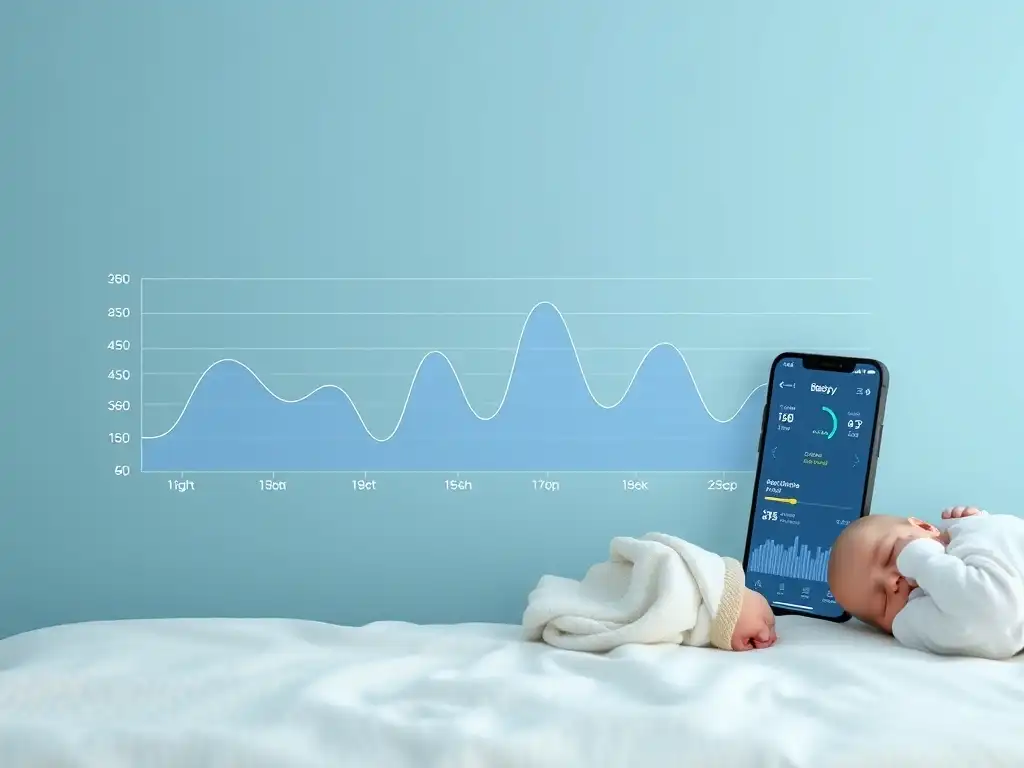
This section focuses on effectively interpreting data from baby sleep trackers to discern between typical sleep variations and potential underlying sleep issues. Accurate interpretation is key to using these tools effectively and avoiding unnecessary parental anxiety. Remember, sleep trackers are tools to assist, not replace, professional advice.
Understanding Age-Appropriate Sleep Needs and Variations
Newborns, infants, and toddlers have dramatically different sleep requirements and patterns. A sleep tracker showing a seemingly "poor" sleep pattern for a 3-month-old might be perfectly normal for their developmental stage. Understanding these age-related differences is crucial for accurate interpretation.
For example, a newborn (0-3 months) might only sleep for 2-3 hour stretches at a time, with frequent night wakings. This is typical due to their immature circadian rhythm and frequent need for feeding. A sleep tracker highlighting this frequent waking shouldn't automatically trigger alarm bells; it's developmentally appropriate. Conversely, a 12-month-old waking multiple times a night could indicate a problem, depending on their daytime sleep habits.
| Age Range | Typical Sleep Duration (hours/day) | Expected Wake-Ups (night) | Notes |
|---|---|---|---|
| Newborn (0-3 mo) | 14-17 | 4-6 | Frequent feedings are common; short sleep cycles are normal. |
| Infant (4-11 mo) | 12-15 | 1-3 | Longer sleep stretches are expected; some night wakings are still common. |
| Toddler (12-24 mo) | 11-14 | 0-1 | Consistent sleep patterns should be developing; night wakings are less frequent. |
Understanding these typical ranges helps in identifying significant deviations that warrant further investigation. A consistent pattern significantly outside these norms, tracked by your baby sleep tracker, might indicate a need for professional consultation.
Differentiating Between Developmental Sleep Regressions and Underlying Issues
Sleep regressions – periods of disrupted sleep – are normal parts of a baby's development. They often occur around developmental leaps, such as learning to crawl or walk. These regressions are temporary and usually resolve themselves. However, it's crucial to distinguish them from underlying sleep disorders.
A sleep tracker can help identify these regressions by showing a temporary shift in sleep patterns. For example, a sudden increase in night wakings accompanied by increased daytime fussiness could signal a sleep regression. However, prolonged disruption, alongside other symptoms like excessive daytime sleepiness or difficulty waking in the morning, might point toward a more serious issue requiring medical attention.
A key differentiator is the duration of the disrupted sleep. Developmental sleep regressions typically last a few weeks to a couple of months. If the disrupted sleep persists for significantly longer, professional evaluation is recommended. Documenting the patterns observed via your baby sleep tracker is crucial in presenting this information to a pediatrician.
Analyzing Trends: Identifying Consistent Patterns Over Time
The real power of a baby sleep tracker lies in its ability to track trends over time. Analyzing consistent patterns, rather than focusing on individual nights, provides a more accurate picture of your baby's sleep habits.
Look for consistent patterns:
- Consistent early wakings: This could suggest an early bedtime or an underlying issue.
- Frequent short sleep cycles: This might indicate a need for adjustments to the bedtime routine or addressing potential underlying medical conditions.
- Difficulty falling asleep: This might point to issues with the bedtime routine or environmental factors.
Use the data to identify trends. For example, if your baby sleep tracker consistently shows your baby waking at 5 AM every day for several weeks, it's a pattern that warrants attention. This isn't a single incident but a consistent trend.
Similarly, consistently short sleep cycles could be a sign of an underlying issue or a need for a different sleep approach. Remember to correlate the sleep tracker data with your observations of your baby's overall behavior and well-being. A holistic approach, combining tracker data with your own observations, leads to a more accurate assessment of potential baby sleep tracker issues.
When to Seek Professional Help: Interpreting Data and Seeking Expert Advice
This section focuses on interpreting data from baby sleep trackers and understanding when professional intervention is necessary. While sleep trackers can be valuable tools for monitoring sleep patterns, they shouldn't replace professional medical advice. Misinterpreting data can lead to unnecessary worry or, conversely, delay seeking crucial help. Therefore, understanding the limitations of trackers and knowing when to consult a pediatrician or sleep specialist is vital. This empowers parents to use the technology effectively and prioritize their baby's well-being.
Understanding When to Contact Your Pediatrician or Sleep Specialist
Several key indicators, revealed through consistent monitoring with a baby sleep tracker, may suggest the need for professional intervention. These are not isolated incidents but rather patterns observed over several days or weeks. For example, consistently short sleep cycles (less than 45 minutes) in a baby older than 6 months, despite consistent bedtime routines, could signal an underlying sleep disorder. Similarly, frequent night wakings accompanied by excessive crying or inconsolable distress, even after attempts at soothing, warrant a consultation.
Another important consideration is the baby's overall development and health. While sleep patterns vary, a significant and persistent deviation from age-appropriate sleep norms, combined with poor weight gain, developmental delays, or other health concerns, necessitates immediate medical attention. The tracker data can provide valuable context for the pediatrician or sleep specialist, illustrating the frequency and duration of these issues. Remember, the tracker is a tool to support professional diagnosis, not replace it.
Don't hesitate to seek help if you observe any concerning trends, even if you're unsure of the exact cause. Early intervention is key to addressing potential sleep problems effectively. Consider seeking a professional opinion if you notice any of the following persistent patterns:
- Consistent short sleep cycles: Less than 45 minutes consistently for babies older than 6 months.
- Frequent night wakings: More than 3-4 wakings per night, especially if accompanied by excessive crying.
- Difficulty falling asleep: Prolonged periods (over 30 minutes) of struggling to fall asleep.
- Excessive daytime sleepiness: Significant daytime sleepiness despite adequate nighttime sleep.
- Sudden changes in sleep patterns: A drastic shift in sleep habits without an apparent reason.
- Parental exhaustion impacting caregiving: Sleep deprivation affecting your ability to care for your baby effectively.
Presenting Data Effectively to Healthcare Professionals
When discussing your baby's sleep with a healthcare professional, presenting the data clearly and concisely is essential. Avoid simply stating, "My baby sleeps poorly." Instead, quantify the issues using the data from your sleep tracker. For example, you could say, "According to my baby sleep tracker, my baby averages only 4 hours of consolidated sleep per night, with 6-8 wakings, despite a consistent bedtime routine." This provides concrete evidence to support your concerns.
To prepare for your appointment, consider creating a summary of the tracker's key findings, ideally including:
| Data Point | Value Example | Notes |
|---|---|---|
| Total Sleep Time | 8 hours | Average nightly sleep duration |
| Number of Wakings | 6 | Number of times the baby woke during the night |
| Average Wake Time | 30 minutes | Average duration of each nighttime waking |
| Sleep Cycle Length | 40 minutes | Average length of each sleep cycle |
| Bedtime | 8:00 PM | Consistent bedtime |
| Wake-up Time | 6:00 AM | Consistent wake-up time |
| Daytime Naps | 2 x 1.5 hours | Number and duration of daytime naps |
Furthermore, providing a visual representation of the data, such as a printed graph or chart generated by the sleep tracker app, can significantly aid communication. This allows the healthcare professional to quickly grasp the patterns and identify potential issues. Remember to also discuss any other relevant information, such as your baby's feeding schedule, developmental milestones, and overall health. By presenting comprehensive and well-organized data, you facilitate a more efficient and effective consultation, leading to a better understanding of your baby's sleep needs and appropriate strategies to improve their rest. 😴
Using Sleep Trackers to Optimize Your Baby's Sleep Environment
This section focuses on leveraging data from baby sleep trackers to improve your baby's sleep environment. Understanding your baby's sleep patterns, as revealed by the tracker, is crucial for identifying potential environmental factors hindering restful sleep. The goal isn't just to track sleep, but to use that information to create a more conducive sleep space.
Optimizing the Sleep Environment Based on Tracker Data
Analyzing data from your baby's sleep tracker can reveal subtle clues about their sleep environment. For instance, consistently interrupted sleep during a specific time period might indicate a noisy environment. Let's explore some common environmental factors and how tracker data helps pinpoint problems:
- Noise Levels: Does your baby frequently wake during the evening hours, as shown by the tracker? This could be due to external noise – traffic, neighbors, or even household appliances. A sleep tracker can help you correlate wake-up times with potential noise sources. Consider using a white noise machine or earmuffs to mitigate disruptive sounds. Tracking this over several nights can give you a clear picture of the impact of noise on your baby's sleep.
- Temperature and Humidity: An excessively hot or cold room can significantly impact sleep quality. Consistent awakenings during specific temperature ranges (as indicated by a smart thermometer paired with your sleep tracker or noted in your tracker app) might suggest the room is too hot or cold. Aim for a comfortable temperature between 68-72°F (20-22°C) and monitor humidity levels to ensure a comfortable sleep environment.
- Light Exposure: Even small amounts of light can disrupt a baby's sleep cycle. If your tracker shows frequent awakenings at dawn, consider using blackout curtains or a nightlight with a very low, dim setting. Consistent data over time will show if this adjustment improves sleep quality.
- Air Quality: Poor air quality, such as dust mites or pet dander, can trigger allergies or respiratory issues, leading to restless sleep. Regularly cleaning the baby's room and using an air purifier can significantly improve air quality. Note any improvements in sleep duration and fewer awakenings after implementing these changes in your tracker data.
Using a sleep tracker to monitor these environmental factors allows for a data-driven approach to optimizing your baby's sleep environment, leading to longer, more restful sleep periods. Remember to record any environmental changes you make alongside the tracker data for effective analysis.
Adjusting Routines Based on Sleep Tracker Insights: Feeding, Napping, and Bedtime
Sleep trackers provide invaluable data that can inform adjustments to your baby's daily routine, leading to improved sleep patterns. The key is to understand how feeding, napping, and bedtime routines interact with sleep quality, as demonstrated by the tracker data.
Adjusting Routines Based on Sleep Tracker Insights: Feeding, Napping, and Bedtime
Analyzing sleep tracker data allows for a more nuanced understanding of your baby's sleep needs. For example:
- Feeding: Does your sleep tracker show frequent nighttime awakenings around the same time each night? This could indicate the baby is waking up hungry. Try adjusting feeding times or offering a larger volume during the last feeding of the day to see if this reduces nighttime awakenings. Track the changes in your baby's sleep patterns following the feeding adjustments.
- Napping: Inconsistencies in nap times and durations can also be identified. If your baby is consistently overtired before naps, resulting in shorter, less restful naps (as shown in your tracker data), try adjusting their nap schedule. You could experiment by pushing nap times slightly earlier or later to see if it aligns better with their natural sleep rhythm. Again, meticulous recording of changes and their impact on sleep is crucial.
- Bedtime Routine: If your sleep tracker highlights frequent awakenings after bedtime, assess your bedtime routine. A consistent and calming routine is essential. A chaotic or rushed bedtime can lead to difficulty falling asleep. Experiment with different routines, observing the changes in sleep patterns using your tracker as your guide. Look for patterns linking specific routine elements to improved or worsened sleep.
Remember, consistency is key. Make gradual changes to your baby's routine and carefully monitor the results using your sleep tracker. The data will guide you towards creating a schedule that promotes healthy sleep habits and addresses individual needs. The key to success is patience and a willingness to adapt based on the insights provided by your baby's sleep tracker. 😴
Beyond Sleep Tracking: Holistic Approaches to Baby Sleep
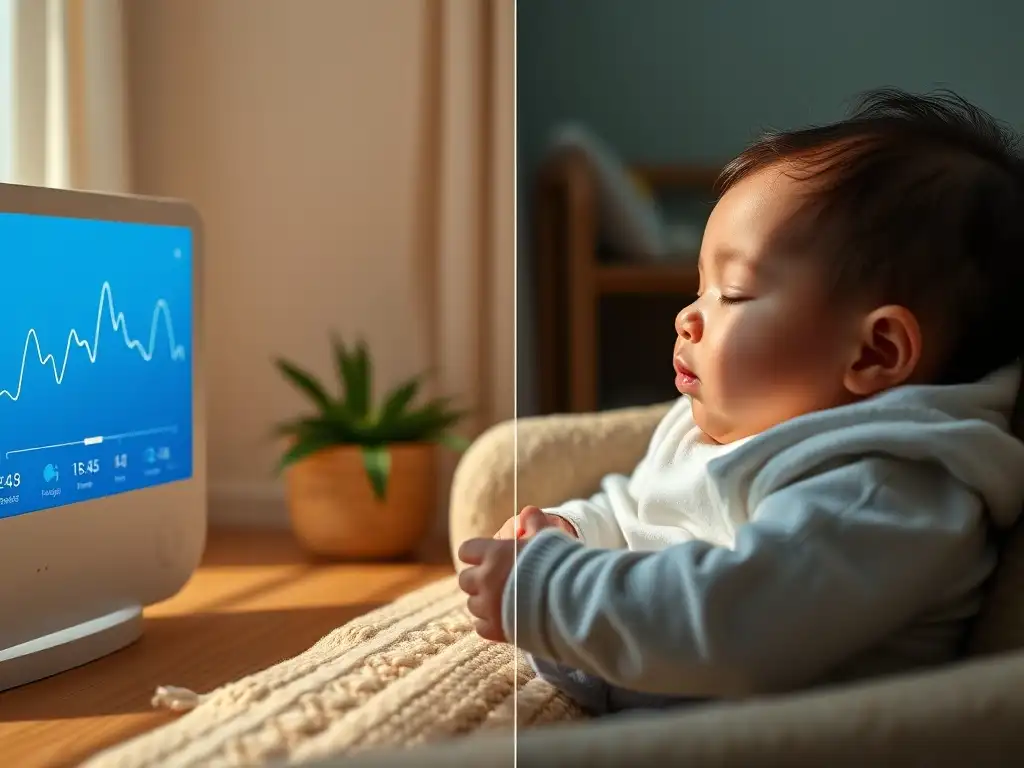
While baby sleep trackers offer valuable data, they shouldn't be the sole focus of your baby's sleep journey. Interpreting the data effectively and understanding its limitations is crucial. Relying solely on a tracker without considering other contributing factors can lead to misinterpretations and potentially ineffective solutions.
A holistic approach, combining data-driven insights with established best practices for infant sleep, provides a more comprehensive and effective strategy. This section focuses on complementary strategies that, when integrated with your sleep tracker data, can help you achieve better results and address potential sleep issues more effectively. Remember, a baby sleep tracker is a tool; your intuition and understanding of your baby's individual needs remain paramount.
The Importance of Consistent Bedtime Routines
A consistent bedtime routine is arguably one of the most impactful strategies for promoting healthy sleep habits in infants. Think of it as preparing your baby's body and mind for sleep, signaling the transition from active play to restful slumber. This routine should be predictable and calming, ideally starting 30-60 minutes before bedtime. The specific elements can be tailored to your baby's preferences, but consistency is key.
Consider incorporating elements like a warm bath, a gentle massage, putting on pajamas, reading a book, singing a lullaby, or quietly cuddling. The goal is to create a sequence of calming activities that your baby learns to associate with sleep. This predictability helps regulate their circadian rhythm—their internal biological clock—leading to improved sleep onset and duration.
Inconsistency in bedtime routines can lead to difficulties falling asleep and increased nighttime awakenings. Analyzing your sleep tracker data alongside your routine can reveal correlations. For example, if you notice a significant increase in nighttime wakings after a change in your routine (e.g., a trip, a change in caregiver), you can quickly adjust and re-establish consistency to mitigate the negative impact. This holistic approach, combining the objective data from the tracker with the subjective observation of routine adherence, provides a more complete picture.
Creating a Soothing Sleep Environment
The environment in which your baby sleeps plays a significant role in their sleep quality. A soothing sleep environment contributes to better sleep and reduces the likelihood of sleep disruptions. Several factors contribute to creating an optimal sleep environment:
- Darkness: A dark room is crucial. Minimize light sources, using blackout curtains if necessary. Darkness helps promote the production of melatonin, the hormone that regulates sleep. Many sleep trackers also measure light exposure, offering a quantitative assessment of this factor.
- Temperature: Maintain a comfortable room temperature (around 68-72°F or 20-22°C). Overheating or being too cold can disrupt sleep. A thermometer can provide objective data to complement your sleep tracker's insights.
- Sound: A quiet environment is ideal, but some babies find white noise soothing. Experiment with different white noise machines or apps to see what works best for your baby. The sleep tracker can help you identify if noise levels are correlating with sleep disruptions.
- Comfort: Ensure your baby is comfortable and secure in their sleep space. This includes using a firm mattress, proper bedding, and a safe sleep environment that adheres to all safety guidelines. Note that discomfort can manifest in ways not directly captured by a sleep tracker, highlighting the importance of observational data.
By carefully considering and optimizing these environmental factors, you can create a more conducive environment for sleep, which, when analyzed in conjunction with your sleep tracker's data, can provide a more nuanced understanding of your baby's sleep patterns and challenges. Remember, a holistic approach is crucial for effective sleep management.
Baby Sleep Tracker Issues: Troubleshooting and Solutions
This section focuses on common problems encountered when using baby sleep trackers and offers practical solutions to help you maximize the accuracy and usefulness of your chosen device. Remember, while these trackers are valuable tools, they shouldn't replace professional advice from your pediatrician. Always consult your doctor if you have concerns about your baby's sleep patterns. This guide aims to help you identify and resolve issues related to baby sleep tracker issues identify.
Troubleshooting Common Technical Issues with Sleep Trackers
Many technical glitches can interfere with accurate sleep tracking. Let's explore some frequent problems and their solutions:
- Battery Life Issues: Many parents report short battery life, especially with devices that use constant monitoring. Check your device's manual for optimal battery-saving settings. Consider using a high-quality power adapter and avoid leaving the tracker on standby for extended periods unnecessarily. Some trackers offer power-saving modes that reduce sensor frequency while still providing useful data. Experiment with these settings to find the right balance between accuracy and battery longevity.
- Connectivity Problems: Wireless connectivity issues are common. Ensure your tracker is within range of your Wi-Fi network and that your internet connection is stable. Restart both your tracker and your router to resolve temporary glitches. Check for any software updates that might address connectivity bugs. If problems persist, contact the manufacturer's customer support. They may be able to diagnose the problem remotely or provide a replacement device.
- Sensor Malfunction: Sometimes, the sensor itself might malfunction, leading to inaccurate readings. Check for any physical damage to the sensor. Clean the sensor according to the manufacturer's instructions. Try repositioning the sensor to ensure optimal contact with your baby. If the problem continues despite these steps, the sensor may need replacing – contact the manufacturer for warranty support.
- App Glitches: The accompanying app is crucial for data analysis. Ensure the app is updated to the latest version. Try uninstalling and reinstalling the app to resolve software bugs. Clear the app's cache and data. If the problem persists, contact the app developer for assistance. Consider switching to a different tracking method temporarily to confirm if the issue lies with the app or the tracker itself.
Addressing Inaccurate Data and Calibration Problems
Even with a functioning device, inaccurate data can occur. Let’s explore how to address this:
- False Awakenings: Sleep trackers may register short periods of wakefulness as full awakenings. This can be due to minor movements like shifting position, or even the baby's breathing. Some trackers allow you to adjust the sensitivity of the motion sensor. Lowering the sensitivity might reduce the number of false awakenings reported. However, be mindful that doing so could also mask genuine awakenings.
- Calibration Issues: Many trackers require calibration. Follow the manufacturer's instructions carefully to ensure accurate measurements. Proper placement of the tracker is also crucial. Incorrect placement can lead to significant inaccuracies in sleep duration and sleep stage detection. Refer to the device’s manual for precise placement guidelines. Consider using multiple trackers or cross-referencing data with other methods, such as a sleep diary, to validate the accuracy of your readings.
- Environmental Factors: External factors can influence data accuracy. Strong electromagnetic fields, for instance, can interfere with sensor readings. Try moving the tracker away from potential sources of interference. Similarly, excessive background noise might affect the tracker's ability to accurately detect sleep sounds. Minimize environmental noise as much as possible during your baby's sleep.
| Potential Issue | Solution | Additional Notes |
|---|---|---|
| Short Battery Life | Optimize battery settings, use a quality charger, utilize power-saving modes | Regularly check battery level to avoid unexpected shutdowns. |
| Connectivity Problems | Check Wi-Fi range, restart router & tracker, update software, contact support | Ensure a strong and stable internet connection for reliable data transmission. |
| Sensor Malfunction | Check for damage, clean the sensor, reposition, contact manufacturer for replacement | A faulty sensor can render the entire tracker useless. |
| App Glitches | Update app, uninstall/reinstall, clear cache & data, contact developer | Regularly updating the app is crucial for optimal performance and bug fixes. |
| False Awakenings | Adjust sensor sensitivity (carefully! ), cross-reference with sleep diary | Balance sensitivity adjustment with the need to detect true awakenings. |
| Calibration Issues | Follow manufacturer instructions precisely, ensure correct placement | Proper calibration is essential for accurate sleep data. |
| Environmental Factors | Move tracker away from interference sources, minimize background noise | External factors can significantly impact data accuracy. |
Remember, accurate data from a baby sleep tracker can be a valuable tool to understand your baby's sleep patterns and address potential sleep issues. By troubleshooting common issues and paying close attention to data accuracy, you can leverage this technology effectively to support your baby's healthy sleep development. However, always remember to consult with your pediatrician for any concerns regarding your baby's sleep or overall health.
Frequently Asked Questions
What are some common issues with baby sleep trackers?
Some common issues include inaccurate data due to movement or incorrect device placement, difficulty interpreting the data, and reliance on the device rather than observation of the baby's actual sleep patterns. It's crucial to use trackers as a supplement to your own observations.
How can I ensure my baby sleep tracker is providing accurate data?
Proper placement of the tracker is key. Ensure it's snug but not too tight and positioned correctly according to the manufacturer's instructions. Calibrate the device regularly and compare its readings with your own observations of your baby's sleep.
My baby sleep tracker shows inconsistent sleep patterns. What does this mean?
Inconsistent sleep patterns, as shown by a baby sleep tracker, might indicate underlying sleep problems like difficulty falling asleep, frequent waking, or short sleep cycles. Consult your pediatrician to rule out any medical concerns or discuss strategies for improving sleep.
Should I rely solely on a baby sleep tracker to diagnose sleep issues?
No, do not rely solely on a sleep tracker. Trackers are tools to assist, not replace, parental observation and professional advice. If you suspect sleep problems, consult your pediatrician or a sleep specialist for a proper diagnosis and personalized recommendations.
What should I do if my baby sleep tracker is malfunctioning?
First, check the battery level and device connections. Consult the manufacturer's instructions for troubleshooting tips. If the problem persists, contact the manufacturer's customer service for assistance or consider replacing the device.
Final Reflection: The Silent Language of Sleep: Understanding Your Baby's Rest
The data-driven approach to understanding infant sleep, facilitated by baby sleep trackers, is no longer a luxury but a vital tool in navigating the often-challenging world of newborn care. These devices offer a window into the subtle nuances of a baby's sleep patterns, allowing parents to identify potential issues early and seek appropriate support. This early intervention can significantly impact a family's overall well-being.
The impact of consistent, restful sleep on both baby and parent is immeasurable. It's a cornerstone of healthy development and familial harmony. Sleep is the golden chain that binds health and our bodies together.
This quote, while not specifically about infants, highlights the universal importance of sleep across all ages. The insights gained from sleep trackers, while technological, ultimately connect us to the fundamental human need for restorative rest, revealing patterns that might otherwise go unnoticed, leading to unnecessary stress and anxiety for parents. The ability to objectively track sleep patterns empowers parents to advocate for their child's needs and seek professional help when necessary.
Consider the information presented in this article. Reflect on your own experiences with sleep, both as a parent or caregiver, and as an individual. Are you noticing patterns in your child's sleep that could benefit from further investigation?
Don't hesitate to consult with your pediatrician or a sleep specialist. Remember, understanding your baby's sleep is not just about numbers on a screen; it's about fostering a healthy and happy environment for your little one to thrive. Take the time to learn the language of your baby's sleep, and unlock the potential for a more peaceful and fulfilling journey for both of you.
Unlock Your Baby's Sleep Potential: Take Action Now!
Thank you for learning about using baby sleep trackers to identify potential sleep problems. We hope you found the information helpful. Now, let's put this knowledge into practice to improve your little one's rest.
- Try a sleep tracker: Many trackers offer free trials—take advantage of this to see if it fits your family's routine. This is the best way to determine if sleep tracking is right for you.
- Share your experiences: Join the BabyCareHub community and share your successes and challenges with sleep tracking. Your insights could help other parents!
- Combine tracking with journaling: Keep a sleep diary alongside using a tracker to gain a comprehensive understanding of your baby's sleep patterns and what might be influencing them. This holistic approach will help you identify recurring patterns and potential triggers.
What's your first step to improving your baby's sleep based on what you've learned?