
Safe Sleep and Baby's Feeding: How They Are Connected
Create a safe sleep environment for your baby with trusted guidance on room setup, crib safety, sleep positioning, and soothing bedtime routines. 💤 Learn how to reduce sleep-related risks, choose essential nursery products, and build healthy sleep habits that support restful nights for both baby and parents. 👶 Explore practical, expert-informed baby sleep safety tips from BabyCareHub for confident, informed caregiving.
6 articles
Safe Sleep After Feeding: What Parents Need to Know
The Importance of No Loose Objects in Baby's Crib
Creating a Safe Sleep Haven: The Ultimate Guide for New Parents
Baby Monitors and Safe Sleep: Choosing the Right Technology
Is Your Baby's Sleep Space Safe? A Checklist for Parents
🛏️ Safe Sleep Environment for Babies
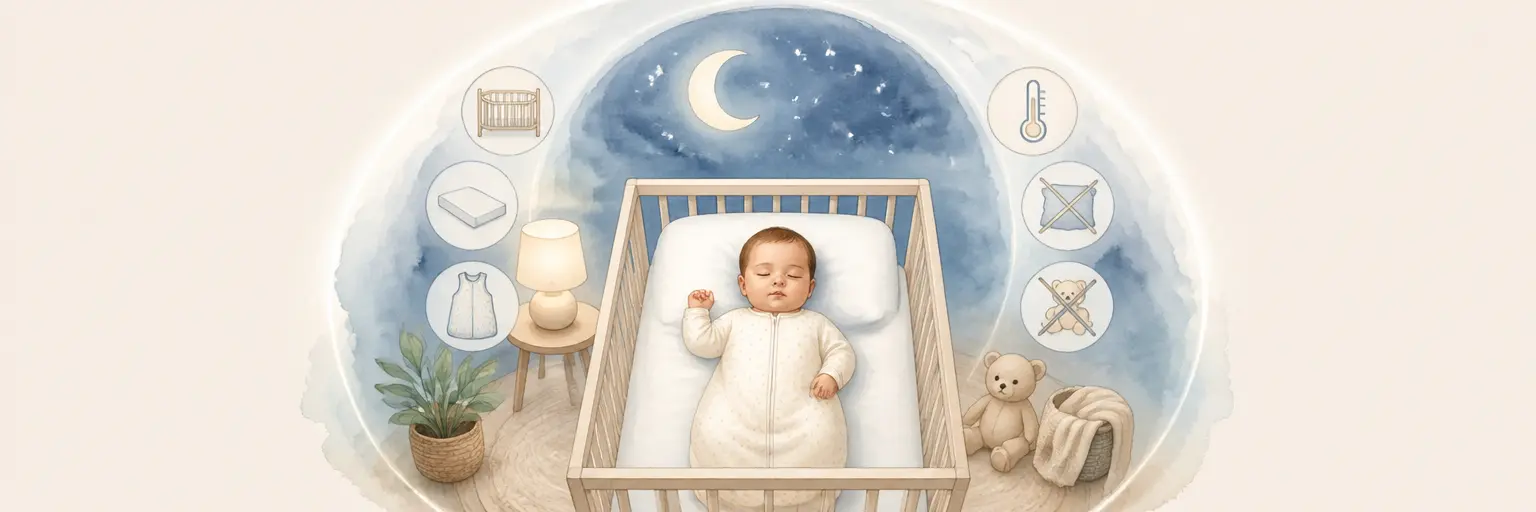
Creating a safe sleep environment for babies is one of the most important parts of healthy sleep training and daily baby care. On BabyCareHub, first-time parents can learn how to prepare a secure crib, bassinet, or bedside sleeper and build calming sleep routines that support safe, comfortable rest. This subcategory covers infant sleep safety, newborn sleep guidelines, safe nursery setup, crib safety, and Sudden Infant Death Syndrome (SIDS) risk reduction in a clear, practical way.
🌙 Safe Sleep Guidelines for Newborns and Babies
Discover evidence-informed guidance for placing your baby to sleep safely. Articles explain why babies should be placed on their backs for every sleep, including naps, and how a firm, flat sleep surface can help reduce preventable sleep-related risks.
Parents can also learn how to combine safe sleep practices with gentle sleep training and predictable bedtime routines. Expect practical advice about room-sharing, sleep positioning, supervision, and creating a peaceful environment without compromising infant safety.
🛒 Choosing a Safe Crib, Bassinet, or Bedside Sleeper
Choosing the right sleep space is essential for newborn and infant safety. Learn what to look for in a safe crib, bassinet, portable crib, or bedside sleeper, including a firm mattress, proper fit, secure construction, and compliance with current safety standards.
This section also helps parents identify unsuitable products and common hazards. You will find guidance on avoiding damaged equipment, loose mattress gaps, inclined sleepers, recalled products, and sleep spaces that are not designed for unsupervised infant sleep.
🧺 Safe Baby Bedding and Crib Accessories
Many parents wonder whether babies need pillows, blankets, bumpers, or stuffed animals. Learn why the safest crib is generally bare except for a fitted sheet placed over a firm, flat mattress, and how to select breathable, well-fitting bedding for different seasons.
Explore practical tips for dressing your baby for sleep, managing room temperature, and avoiding overheating. Content explains safer alternatives to loose blankets, including appropriately sized wearable blankets or sleep sacks, while emphasizing correct fit and age-appropriate use.
🌡️ Room Temperature, Clothing, and Overheating Prevention
A comfortable nursery does not need to be hot. Learn how to create a cool, comfortable baby sleep environment by choosing suitable clothing layers, monitoring signs of overheating, and keeping the crib away from direct heat sources, radiators, and strong sunlight.
Parents can expect clear explanations of common overheating concerns, including sweating, flushed skin, damp hair, and hot skin. These practical recommendations support safer newborn sleep while helping families establish consistent bedtime habits.
🚫 Common Infant Sleep Hazards to Avoid
Understand the risks associated with couches, armchairs, adult beds, car seats outside the vehicle, swings, loungers, and other products not intended for routine sleep. BabyCareHub highlights unsafe sleep situations so parents can make informed decisions during naps, nighttime care, and feeding.
You will also learn how to reduce hazards from smoke exposure, pets, cords, monitors, toys, and loose objects near the sleep area. These tips are designed to make the nursery safer while keeping essential baby-care items organized and accessible.
🧑🍼 Room-Sharing, Bed-Sharing, and Safer Nighttime Care
Room-sharing can make nighttime feeding and checking on your baby easier while keeping the infant’s sleep space nearby. Learn how to position a crib or bassinet safely in the parents’ room and how to return a sleeping baby to their own sleep surface after feeding or comforting.
This section explains why bed-sharing carries additional risks for infants, particularly when adults are tired, use alcohol or sedating medication, smoke, or sleep on soft surfaces. Parents receive supportive, nonjudgmental information for planning safer nighttime routines.
🔍 Baby Sleep Safety Checks and Daily Routines
A quick safety check can help parents maintain a secure sleep environment every day. Use practical checklists to inspect the mattress, fitted sheet, crib hardware, room temperature, nearby objects, and baby’s sleep clothing before bedtime and naps.
Learn how to include safety checks in a realistic sleep routine without creating unnecessary stress. These simple habits can support consistent infant sleep routines, safer naps, and greater confidence for first-time parents.
❓ Frequently Asked Questions About Safe Baby Sleep
What is the safest sleep position for a baby?
The safest position for a baby is on the back for every sleep, including nighttime sleep and naps. Once a baby can roll independently in both directions, continue placing the baby on the back initially, but it is generally not necessary to repeatedly reposition them if they move on their own. Always use a firm, flat, separate sleep surface.
What should be inside a baby’s crib?
A baby’s crib should contain a firm, flat mattress covered by a tightly fitted sheet. Keep pillows, quilts, loose blankets, crib bumpers, stuffed toys, wedges, and positioners out of the sleep space because they may increase suffocation, entrapment, or overheating risks.
Is it safe for a newborn to sleep in a car seat or swing?
Car seats are designed for travel, not routine sleep outside the vehicle, and swings, bouncers, and loungers are not recommended as regular sleep spaces. If your baby falls asleep in one of these products, move them to a firm, flat, approved crib, bassinet, or portable crib as soon as practical.
Should babies sleep in the same room as their parents?
Room-sharing, with the baby sleeping in a separate crib or bassinet near the parents’ bed, is widely recommended for early infancy. It allows parents to stay close for feeding and monitoring while avoiding the additional risks associated with sharing an adult bed.
How can I prevent my baby from overheating during sleep?
Dress your baby in light, comfortable layers and avoid hats indoors during sleep unless specifically advised by a healthcare professional. Keep the room comfortably cool, check for sweating or a hot chest, and use a properly fitted sleep sack instead of loose blankets when appropriate. Contact your pediatrician if you are concerned about your baby’s temperature or health.