
The Importance of No Loose Objects in Baby's Crib

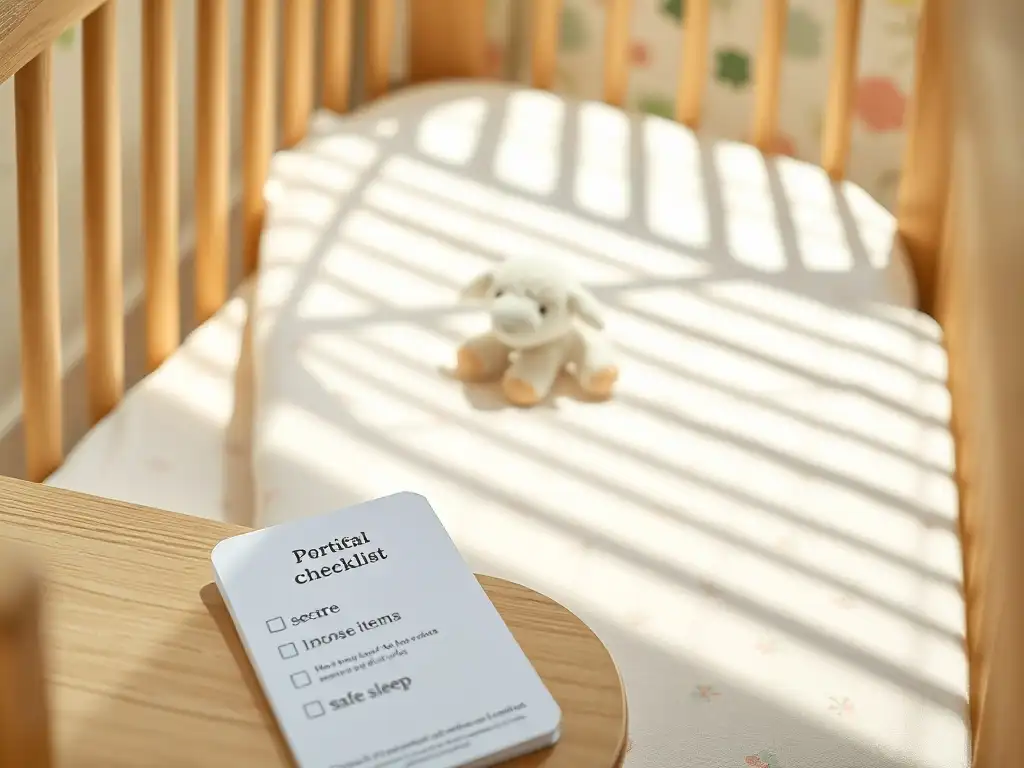
Welcome to BabyCareHub, your ultimate guide to navigating the exciting yet sometimes overwhelming world of parenthood. We understand the anxieties that come with caring for a newborn, which is why we've created a comprehensive resource packed with practical advice and expert insights. Are you ready to learn how to create a truly safe sleep environment for your little one? Then dive into our essential Safe Baby Crib Checklist and discover how even the smallest detail can make a big difference in your baby's sleep – and your peace of mind.
- Creating a Safe Sleep Environment for Your Baby: A Safe Baby Crib Checklist
- Safe Baby Crib Checklist: Essential Items to Remove
- Creating a Safe Baby Crib Environment: Beyond the Basics
- Maintaining a Safe Crib Environment: Ongoing Precautions
- Building a Safe Sleep Routine for Your Baby
- Resources for Safe Sleep Information: Safe Baby Crib Checklist
-
Frequently Asked Questions
- What is the most important safety rule for a baby's crib?
- Why are loose objects dangerous in a baby's crib?
- What are some examples of loose objects to avoid in a baby's crib?
- How can I ensure my baby's crib is safe according to BabyCareHub's guidelines?
- What should I do if I find a loose object in my baby's crib?
- Final Reflection: A Legacy of Safety: Protecting Our Little Ones
- Unlock Your Baby's Safe Sleep Sanctuary
Creating a Safe Sleep Environment for Your Baby: A Safe Baby Crib Checklist
Welcoming a new baby into your life is a joyous occasion, filled with love, excitement, and… a healthy dose of anxiety! Navigating the world of newborn care can feel overwhelming, especially when it comes to ensuring your little one's safety. Sleep is crucial for your baby's development and well-being, and creating a safe sleep environment is paramount.
This article focuses on a critical aspect of safe sleep: ensuring your baby's crib is free from loose objects. We'll explore the dangers of loose items in the crib, the connection to Sudden Infant Death Syndrome (SIDS), and provide a practical checklist to help you create a safe haven for your precious baby. This guide is designed to be a part of your comprehensive "safe baby crib checklist," equipping you with the knowledge and tools to promote healthy sleep habits and minimize risks.
We will cover everything from blankets and pillows to toys and bumpers, ensuring you have a complete understanding of what constitutes a safe sleeping space for your newborn. Let's delve into the details to ensure your baby sleeps soundly and safely.
Understanding the Risks of Loose Objects in the Crib
Loose objects in a baby's crib pose a significant threat to their safety. These seemingly harmless items – from soft toys and blankets to bumpers and pillows – can create a suffocation hazard. Babies, especially newborns, have underdeveloped reflexes and cannot move away from something covering their face or obstructing their breathing.
Even small objects like a loose sheet or a stuffed animal can accidentally cover a baby's nose and mouth, leading to difficulty breathing or, tragically, suffocation. The risk is amplified during sleep, when a baby's movements are less coordinated and their ability to react is diminished. Consider the following points when assessing your baby's crib for potential hazards:
- Soft bedding: Soft mattresses, fluffy blankets, pillows, and bumpers significantly increase the risk of suffocation. Babies can easily bury their faces in these soft surfaces, hindering their ability to breathe.
- Toys and stuffed animals: While adorable, toys and stuffed animals in the crib present a suffocation risk. Babies can inadvertently pull them over their faces, hindering breathing.
- Loose clothing: Overly loose clothing, such as baggy sleep sacks or swaddles, can also pose a suffocation risk, especially if they become tangled around the baby's face.
- Strings and cords: Any strings or cords from blinds, curtains, or even clothing can pose a strangulation hazard. Babies can become entangled, leading to serious consequences.
SIDS and Suffocation: The Dangers of Loose Items
The American Academy of Pediatrics (AAP) strongly recommends against placing any loose items in a baby's crib to reduce the risk of Sudden Infant Death Syndrome (SIDS). While the exact cause of SIDS remains unknown, research has consistently linked loose bedding and objects in the crib to an increased risk. Suffocation is a significant factor in SIDS cases, and removing loose items is a crucial step in creating a safer sleep environment. The AAP's guidelines emphasize a bare crib approach, which means providing a firm mattress, fitted sheet, and nothing else.
This simple yet effective approach significantly minimizes the risk of suffocation and promotes safe sleep. Remember, a safe sleep environment is the cornerstone of reducing SIDS risk. The statistics highlight the importance of adhering to these guidelines; [Specific data on SIDS correlation with loose crib items pending].
The Importance of a Clear and Safe Crib for Baby's Sleep
Creating a safe and secure sleep environment for your baby is not just a recommendation; it's a necessity. A clear crib, devoid of loose objects, significantly reduces the risk of accidents and promotes healthy sleep. A baby who sleeps soundly and safely is a happy and healthy baby.
By following the safe sleep recommendations and carefully checking your baby's crib for potential hazards, you are actively contributing to their well-being and development. Think of it as a crucial part of your daily routine – a simple check that can make all the difference. A safe crib provides peace of mind for both parents and baby, allowing everyone to enjoy restful and worry-free sleep.
Remember, a safe baby crib checklist should be a regular part of your parenting routine, helping you maintain a safe and secure sleep space for your little one. 😴 Prioritizing safety ensures your baby can enjoy the crucial, restorative sleep they need to thrive.
Safe Baby Crib Checklist: Essential Items to Remove
This section focuses on creating a safe sleep environment for your baby by identifying and removing potentially hazardous items from the crib. Following a safe baby crib checklist is crucial for minimizing the risk of Sudden Infant Death Syndrome (SIDS) and other sleep-related accidents. A safe crib is a bare crib. Let's delve into the specifics.
Removing Pillows, Blankets, and Toys from the Crib
Pillows, blankets, and toys are common culprits in creating unsafe sleeping conditions for infants. These soft items pose a significant suffocation risk. A baby's breathing can be easily compromised if their face becomes covered by a loose blanket or pillow. Even seemingly harmless stuffed toys can present a danger if they are large enough to obstruct airways or become lodged against the baby's face.
Remember, a baby's crib should be a safe, bare space. The only item that should be in the crib with your baby is a firm mattress that fits snugly. Avoid using crib bumpers, as these also pose a suffocation risk.
Consider this: According to the American Academy of Pediatrics (AAP), placing soft objects in a baby's crib increases the risk of SIDS by a significant margin. This is because these objects can restrict airflow and lead to overheating and rebreathing of exhaled carbon dioxide. The goal is to create an environment where your baby can breathe freely and comfortably throughout the night.
The safest approach is a firm mattress, a fitted sheet, and nothing else. This simple practice significantly reduces the risk of accidents and promotes safe sleep.
Avoiding Bumper Pads and Soft Bedding: Safe Sleep Practices
Bumper pads, despite their seemingly protective nature, are actually a significant safety hazard. These soft pads can become dislodged and create a suffocation risk for your baby. They can also present a strangulation hazard if the baby's head or limbs become trapped. Many parents mistakenly believe that bumpers protect their baby from injury, but the reality is that they significantly increase the risk of SIDS and other accidents.
Soft bedding, including fluffy blankets and loose-fitting sheets, also presents a similar risk. These items can easily shift during the night, covering the baby's face and leading to suffocation. Always use a firm mattress and a fitted sheet that is tightly secured. Avoid using any other bedding materials, including comforters, quilts, or sheepskins. Creating a simple, bare crib is the safest option for your little one. Prioritize safe sleep practices above all else.
Checking for Loose Threads and Potential Strangulation Hazards
Beyond soft objects, even seemingly insignificant details can pose a serious threat. Regularly inspect your baby's crib for any loose threads or strings that could become wrapped around your baby's neck or limbs, presenting a strangulation risk. This includes checking the mattress, the crib frame, and any attached toys or mobiles that might have become damaged or frayed. Even a small loose thread can be fatal.
Regular inspection is key to ensuring your baby's safety. The crib should be thoroughly checked at least once a week, and more frequently if you notice any wear or tear. If you find any loose threads, immediately cut them off or replace the damaged item. Prevention is always better than cure, especially when it comes to your baby's safety. A proactive approach to crib safety can significantly reduce risks and contribute to a peaceful and worry-free sleep experience for both you and your baby. This diligent approach is a vital part of your safe baby crib checklist.
Creating a Safe Baby Crib Environment: Beyond the Basics
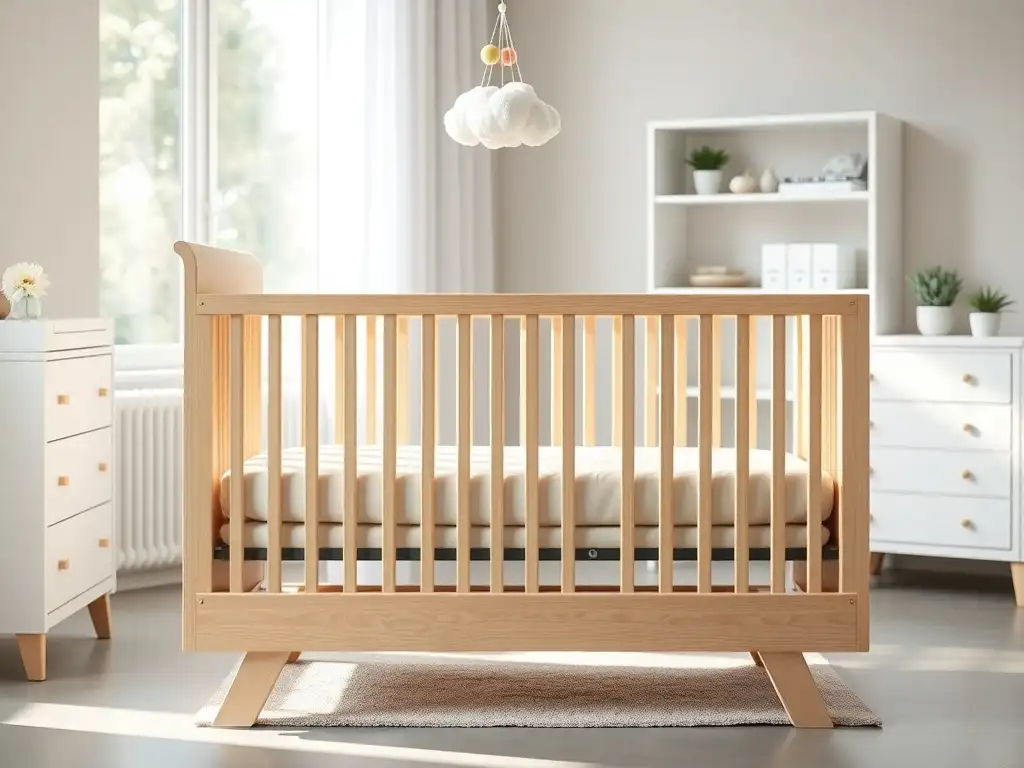
This section delves into the crucial details of creating a safe sleep environment for your baby, going beyond the basics of a "Safe baby crib checklist." We'll explore key aspects often overlooked, ensuring your little one sleeps soundly and securely. Remember, a safe crib is paramount for your baby's well-being and contributes significantly to a successful sleep training routine.
Proper Crib Assembly and Safety Checks
Before your baby even dreams of sleeping in their crib, proper assembly and thorough safety checks are non-negotiable. Incorrect assembly can lead to dangerous hazards, potentially causing injury or even death. Always follow the manufacturer's instructions meticulously. Don't skip steps or assume you understand the process without carefully reviewing the manual.
Many crib-related injuries are preventable through diligent assembly and regular inspections. Look for:
- Correctly tightened screws and bolts: Loose parts can become choking hazards or lead to structural instability. Use a screwdriver to ensure everything is firmly secured.
- No sharp edges or splinters: Carefully examine all parts for any potentially harmful protrusions. Sand down any rough edges to prevent scratches or injuries.
- Proper slat spacing: Slat spacing should adhere to safety standards to prevent your baby's head or limbs from getting trapped. Measure the gaps to ensure they are within the acceptable range. This is crucial for preventing strangulation.
- Stable construction: The crib should be sturdy and not wobble. Test the stability by gently rocking it. Any instability indicates a potential problem that needs immediate attention. Consider replacing the crib if you are unable to resolve the instability.
Regular inspections are also key. Check the crib frequently for any signs of wear and tear, loose parts, or damage. A damaged crib should be immediately replaced to prevent accidents. Think of it as preventative maintenance for your baby's safety.
Choosing the Right Crib Mattress: Firmness and Fit
The mattress is another critical component of a safe crib environment. A firm, properly fitting mattress is essential for preventing Sudden Infant Death Syndrome (SIDS) and ensuring your baby's comfort and safety. Avoid soft mattresses, waterbeds, or mattresses with gaps between the mattress and the crib frame.
Here's what to consider when selecting a mattress:
- Firmness: The mattress should be firm enough to support your baby's weight without sagging. When you press down on it, it should spring back quickly and evenly. Avoid overly soft mattresses, as they increase the risk of suffocation.
- Fit: The mattress should fit snugly within the crib frame, leaving no gaps larger than two fingers' width on any side. Gaps can create spaces where your baby's head or limbs could become trapped, posing a significant strangulation risk.
- Material: Opt for a mattress made from breathable materials to ensure proper ventilation and reduce the risk of overheating. Check for certifications and safety standards to ensure the mattress meets quality and safety requirements. Look for labels indicating compliance with relevant standards.
Regularly inspect the mattress for any signs of wear and tear, such as rips, tears, or significant sagging. Replace the mattress if necessary to maintain a safe sleep environment. Consider adding a waterproof mattress protector to shield the mattress from accidents, maintaining its hygiene and longevity.
Safe Sleep Positioning: Back Sleeping and Avoiding Overheating
Safe sleep practices are vital for reducing the risk of SIDS. The American Academy of Pediatrics (AAP) strongly recommends placing your baby on their back to sleep on a firm, flat surface. This is the safest sleep position for infants.
Here are some additional key considerations:
- Back Sleeping: Always place your baby on their back to sleep, from birth until they can roll over consistently from their back to their stomach and back again. This significantly reduces the risk of SIDS. Never put your baby to sleep on their stomach or side.
- Avoiding Overheating: Overheating is a significant risk factor for SIDS. Dress your baby in lightweight, breathable clothing appropriate for the room temperature. Avoid using heavy blankets or loose bedding. A sleep sack is a safer alternative to blankets.
- Room Temperature: Maintain a comfortable room temperature, generally around 68-72°F (20-22°C). Avoid overly warm or cold environments. A thermometer can help you monitor the room's temperature accurately.
- No Loose Objects: This is crucial. Ensure the crib is completely free from loose items like pillows, blankets, bumpers, toys, or stuffed animals. These items pose a suffocation risk. A bare crib is the safest crib.
Remember, creating a safe sleep environment is a continuous process. Regularly review and reinforce safe sleep practices to ensure your baby’s safety and well-being. A safe and comfortable sleep environment is crucial for your baby’s healthy development and peaceful sleep. This contributes greatly to your own peace of mind and enables you to address other aspects of your baby's care effectively.
Maintaining a Safe Crib Environment: Ongoing Precautions
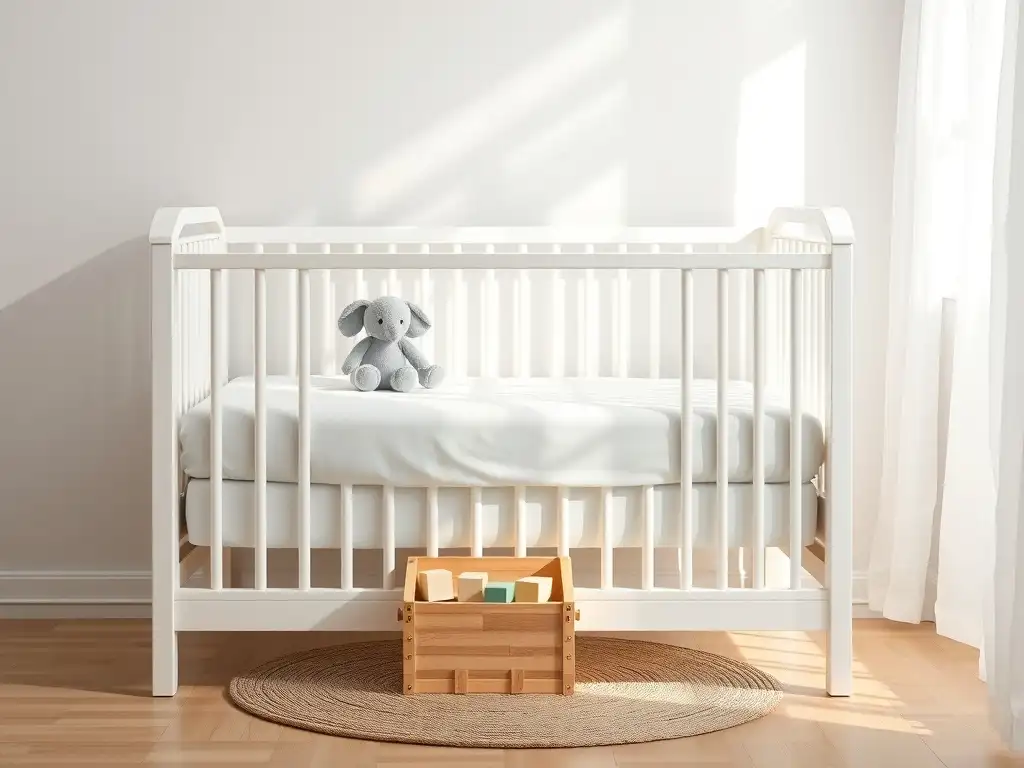
This section focuses on maintaining a consistently safe crib environment for your baby, extending beyond the initial setup. A safe sleep environment isn't a one-time achievement; it requires vigilance and proactive measures. Regularly reviewing and addressing potential hazards is crucial for your baby's well-being and contributes significantly to a comprehensive safe baby crib checklist. Remember, even small, seemingly insignificant items can pose a significant risk.
Regular inspections are paramount to identifying and eliminating potential hazards. Think of it as a proactive safety audit. Aim for daily checks, focusing on areas often overlooked. Here's a suggested checklist:
- Mattress Fit: Ensure the mattress fits snugly within the crib frame. Gaps between the mattress and the sides can trap a baby's limbs or head, posing a suffocation risk.
- Loose Threads or Fabric: Carefully examine the crib mattress and bedding for any loose threads or frayed fabric that could become entangled around your baby's fingers or toes.
- Hidden Objects: Check under the mattress, inside the crib, and around the crib for any small objects that may have accidentally fallen in. This could include small toys, buttons, or even crumbs.
- Structural Integrity: Regularly inspect the crib itself for any loose screws, wobbly legs, or damaged parts. A damaged crib presents a serious risk of collapse.
- Bedding Check: Ensure that blankets, pillows, bumpers (which are strongly discouraged), and stuffed animals are absent from the crib. These items pose a significant suffocation risk.
A simple visual inspection isn't always enough. Try running your hand along the crib slats and mattress to feel for anything unusual. Remember, preventing accidents is far easier than dealing with the consequences. A consistent, thorough approach is key to ticking off every item on your safe baby crib checklist.
Addressing potential hazards in the baby's room
Beyond the crib itself, the entire baby's room needs consistent attention to detail. Many seemingly harmless items can become hazards if they're within reach. Consider these points:
- Window Coverings: Ensure cords from blinds or curtains are inaccessible to your baby. These cords pose a strangulation risk. Consider cordless options for added safety.
- Furniture Placement: Keep heavy furniture away from the crib to prevent it from toppling over and injuring your baby. Secure tall furniture to the wall if necessary.
- Electrical Outlets: Cover unused electrical outlets with safety plugs. Babies are naturally curious and may try to insert objects into outlets.
- Toxic Substances: Store cleaning products, medications, and other potentially harmful substances out of reach and securely locked away.
- Room Temperature: Maintain a comfortable room temperature to prevent overheating, which is a significant risk factor for SIDS (Sudden Infant Death Syndrome). Avoid excessive layering of clothing or blankets.
Maintaining a safe room environment is an ongoing process. Regularly assess the room for any new or potential hazards that may have emerged. This proactive approach contributes significantly to a complete safe baby crib checklist, ensuring your baby's safety.
Educating Caregivers About Safe Sleep Practices
Sharing knowledge and best practices about safe sleep is crucial. Educate all caregivers—parents, grandparents, babysitters—about the importance of safe sleep environments. This includes:
- Always placing the baby on its back to sleep. This is the single most important step in reducing the risk of SIDS.
- Using a firm, flat mattress. Avoid soft surfaces that could increase the risk of suffocation.
- Keeping the crib bare. This means no blankets, pillows, bumpers, or stuffed animals inside the crib.
- Maintaining a comfortable room temperature. Avoid overheating.
- Regularly inspecting the crib and surrounding environment. This reinforces the importance of ongoing vigilance.
Consider creating a visual guide or checklist for caregivers to use as a reminder. This collaborative approach ensures everyone involved is informed and committed to creating and maintaining a safe sleep environment for your baby. A well-informed caregiver network is a vital part of your comprehensive safe baby crib checklist, adding a layer of protection for your little one. Remember, a safe sleep environment is a team effort! 😴
Building a Safe Sleep Routine for Your Baby
Establishing a consistent and safe sleep routine is crucial for your baby's well-being and development. A predictable bedtime routine helps regulate your baby's circadian rhythm, leading to improved sleep quality and reduced nighttime awakenings. This, in turn, contributes significantly to a safer sleep environment, as a well-rested baby is less likely to be fussy and more likely to settle easily. Remember, a safe sleep environment is paramount to reducing the risk of Sudden Infant Death Syndrome (SIDS). This section focuses on practical steps to build a safe and effective bedtime routine, contributing to your comprehensive safe baby crib checklist.
Establishing Consistent Bedtime Routines for Safe Sleep
Consistency is key when it comes to establishing a safe sleep routine. Aim for a predictable sequence of events leading up to bedtime. This could involve a warm bath, a gentle massage, putting on pajamas, reading a bedtime story, singing a lullaby, or a quiet cuddle session. The routine should be calming and relaxing, signaling to your baby that it's time to sleep. Avoid stimulating activities like energetic play right before bed.
A typical routine might look like this:
7:00 PM: Warm bath and gentle massage
7:30 PM: Pajamas and a bedtime story
7:45 PM: Quiet cuddle and lullaby
8:00 PM: Baby placed in crib, drowsy but awake
Remember to adjust the timings to suit your baby's individual needs and schedule. The key is consistency; repeating the same sequence every night helps your baby learn to associate these actions with sleep. This predictability is a critical component of a safe baby crib checklist.
Creating a Relaxing and Calming Bedtime Environment
The environment in which your baby sleeps plays a significant role in their sleep quality and safety. A dark, quiet, and comfortably cool room is ideal. Consider using blackout curtains or blinds to minimize light exposure, and a white noise machine or fan to mask distracting noises. The room temperature should be comfortable—neither too hot nor too cold. A room temperature between 68-72°F (20-22°C) is generally recommended.
Avoid overstimulation before bedtime. Keep the room free from clutter and ensure that the crib is the only furniture in the room, as per a safe baby crib checklist. A clutter-free space reduces the risk of accidental suffocation or entanglement. Soft, calming music or nature sounds can also help create a relaxing atmosphere. Remember, a safe and peaceful environment contributes to a safer sleep environment for your baby.
Monitoring Your Baby During Sleep: Safe Sleep Practices
While creating a safe sleep environment is crucial, it's equally important to monitor your baby during sleep. Regularly checking on your baby provides reassurance and allows you to identify any potential issues early on. However, it's essential to follow safe sleep practices while monitoring. Never co-sleep on a sofa or armchair, and avoid placing your baby to sleep on soft surfaces like pillows or blankets.
Consider using a baby monitor to keep a watchful eye on your little one without constantly entering the room. This allows for discreet monitoring, contributing to a safer sleep environment and a more comprehensive safe baby crib checklist. However, remember that baby monitors are supplementary tools; they don't replace the need for regular checks and a safe crib environment. Regular checks are an important element of your safe baby crib checklist. Always prioritize safe sleep practices, and remember that a well-rested baby is a safer baby. 😴
Resources for Safe Sleep Information: Safe Baby Crib Checklist
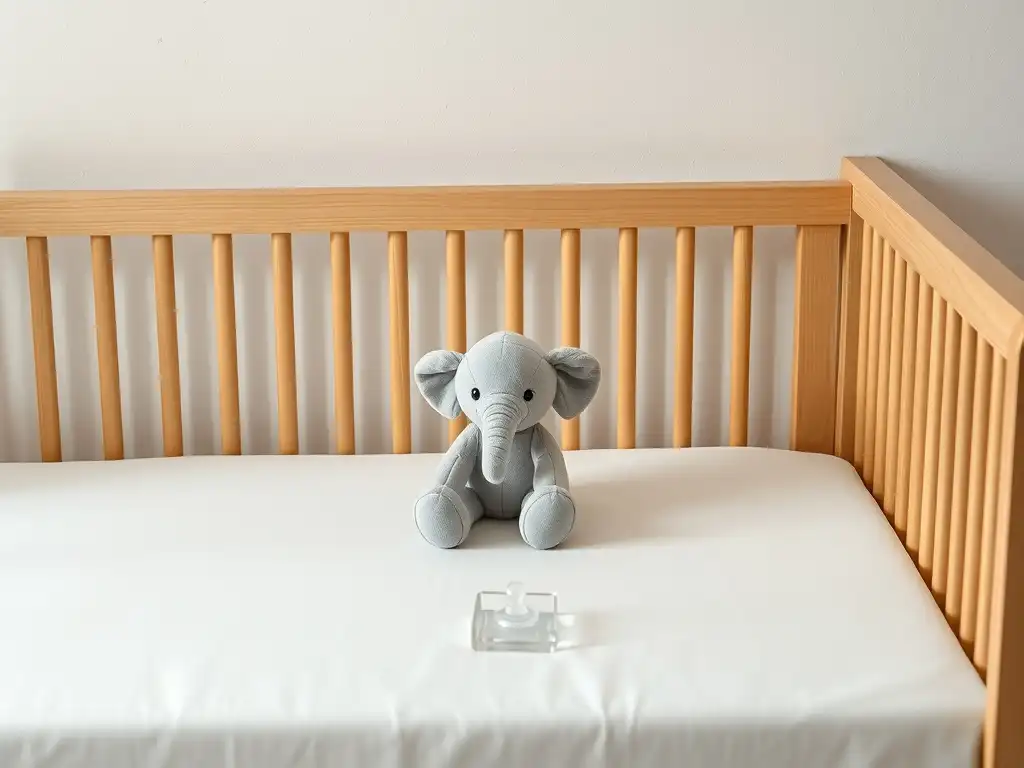
This section provides valuable resources to help you create a safe sleep environment for your baby, fulfilling your need for a comprehensive safe baby crib checklist. Remember, a safe sleep environment is crucial for reducing the risk of Sudden Infant Death Syndrome (SIDS) and other sleep-related infant deaths.
Organizations Dedicated to Safe Sleep Practices
Several organizations dedicate their efforts to promoting safe sleep practices and providing reliable information to parents. Consulting these resources can significantly enhance your understanding and ensure you're following the best practices. These organizations often offer updated guidelines and recommendations based on the latest research. Here's a list to get you started:
- The American Academy of Pediatrics (AAP): The AAP is a leading authority on child health and offers extensive resources on safe sleep, including detailed guidelines on creating a safe sleep environment for infants. They provide evidence-based recommendations regularly updated to reflect the most current scientific understanding. Their focus extends beyond just the crib, encompassing the entire sleep space.
- The National Institutes of Health (NIH): The NIH conducts and funds research on a wide range of health topics, including SIDS. Their website provides access to numerous studies and publications on infant sleep safety, offering in-depth insights into the factors contributing to safe sleep and risk reduction strategies. This resource is invaluable for parents seeking a deeper understanding of the scientific basis behind safe sleep recommendations.
- [Organization Name Pending]: [Specific information pending on a third reputable organization focused on safe sleep practices. This could be a local or international organization depending on the target audience of the website]. We are currently researching additional relevant organizations to add to this valuable list. Check back soon for updates!
Further Reading and Educational Materials on Safe Sleep for Babies
Beyond organizational resources, numerous books and articles offer valuable information on creating a safe sleep environment. These materials can provide additional context and practical tips to complement the guidelines provided by organizations like the AAP and NIH. Finding reliable and up-to-date information is key to ensuring your baby's safety.
Here are some areas to focus your research on when looking for further information:
- Books on safe sleep: Search for books specifically focused on safe sleep practices for infants. Look for those written by pediatricians or other qualified healthcare professionals. Pay attention to publication dates to ensure the information is current and aligned with the latest research and recommendations.
- Peer-reviewed articles: Academic journals often publish research on infant sleep and SIDS. While these articles might be more technical, they can provide a deeper understanding of the scientific basis behind safe sleep guidelines. Access to these often requires subscriptions or university library access.
- Governmental resources: Many government health agencies publish guidelines and educational materials on safe sleep. These resources are usually free and readily accessible online. They often provide practical advice and checklists to help parents create a safe sleep environment.
Remember, always prioritize information from credible sources. When in doubt, consult with your pediatrician or other healthcare provider for personalized advice tailored to your baby's specific needs. Creating a safe sleep environment is a crucial aspect of responsible parenting and contributes significantly to your baby's well-being and healthy development. This safe baby crib checklist, along with the resources listed above, should give you a solid foundation for ensuring your little one's safety.
Frequently Asked Questions
What is the most important safety rule for a baby's crib?
The most important rule is to ensure the crib is completely free of loose objects. This includes blankets, pillows, toys, bumpers, and even clothing. These items pose a suffocation hazard.
Why are loose objects dangerous in a baby's crib?
Loose items in the crib create a suffocation risk. Babies can become entangled or trapped, restricting their breathing. This is especially dangerous for newborns and infants.
What are some examples of loose objects to avoid in a baby's crib?
Avoid pillows, blankets, bumpers, stuffed animals, and toys. Even seemingly harmless items like clothing can pose a danger if loose enough to cover the baby's face. Only a fitted sheet should be used.
How can I ensure my baby's crib is safe according to BabyCareHub's guidelines?
Regularly check your baby's crib for any loose items. Follow the manufacturer's instructions for assembly and use. Refer to BabyCareHub's safe baby crib checklist for a comprehensive guide.
What should I do if I find a loose object in my baby's crib?
Immediately remove the loose object. Regularly inspect the crib for any potential hazards. Prioritize creating a safe sleep environment for your baby to reduce the risk of accidents.
Final Reflection: A Legacy of Safety: Protecting Our Little Ones
The absence of loose objects in a baby's crib isn't just a guideline; it's a fundamental pillar of safe sleep practices, directly impacting the well-being of millions of infants worldwide. A seemingly small detail, the removal of loose items, significantly reduces the risk of suffocation, strangulation, and Sudden Infant Death Syndrome (SIDS), making it a critical component of responsible parenting and childcare.
The impact of safe sleep practices extends far beyond the individual crib; it shapes our collective understanding of child safety and influences the design and marketing of baby products. We've seen a shift towards simpler, safer crib designs and a growing awareness among parents about the importance of creating a sleep environment free from hazards. This collective effort underscores the power of shared knowledge and the enduring legacy of prioritizing a child's safety. The best thing we can give our children is a safe and loving home, and that starts with the smallest details.
Consider your own home, your own child's crib. Take a moment to reassess the environment you've created. Are you confident that every item within reach is safe and secure? This isn't just about following a checklist; it's about cultivating a mindful approach to safety, ensuring that every decision you make contributes to the well-being and peaceful sleep of your little one. Let's continue to champion safe sleep practices, building a future where every crib is a sanctuary of safety and love.
Unlock Your Baby's Safe Sleep Sanctuary
Thank you for learning about creating a safe sleep environment for your baby! We hope you found the information on minimizing loose objects in the crib helpful and reassuring. Now, let's put that knowledge into practice.
Here are a few simple steps you can take today:
- Clear your baby's crib of all loose items immediately: This includes blankets, pillows, toys, and bumpers—anything that could pose a suffocation risk. This is the most crucial step to ensure a safe sleep space.
- Check your crib for hazards: Ensure the mattress is firm and the crib slats are properly spaced. A quick inspection can make a significant difference.
- Share this vital information with other caregivers: Spreading awareness about safe sleep practices could save a life.
Ready to create the safest and most peaceful sleep environment for your precious baby? What other steps are you taking tonight to improve their crib safety?