
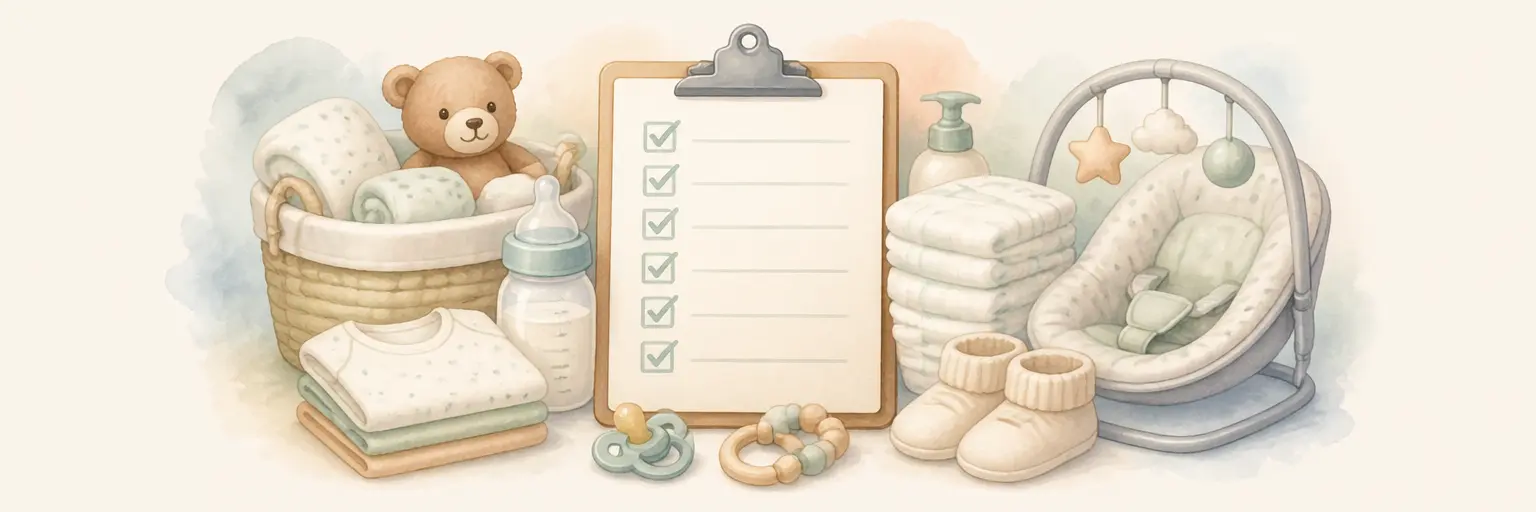
Baby Registry Checklist: BudgetFriendly Essentials for New Parents
Build your baby registry with confidence using this practical checklist of newborn essentials 👶✨ From feeding and diapering supplies to nursery gear, clothing, bath-time products, and everyday safety items, discover what you truly need for your baby’s first months. This helpful guide from BabyCareHub makes planning simple, budget-friendly, and stress-free for first-time parents.
6 articles
Baby Registry Checklist: A Comprehensive Guide to Getting Started
Travel Essentials Checklist: Baby Registry Items for OntheGo Families
Bathing Essentials Checklist: Baby Registry Items for a Clean Baby
Baby Registry Checklist: The Most Frequently Forgotten Items
Baby Registry Checklist: The Only List You Need for a StressFree Start
🍼 Essential Items for Your Baby Registry: A Helpful Checklist
Preparing for a new baby is exciting, but choosing what to add to your registry can feel overwhelming. This baby registry checklist from BabyCareHub helps first-time parents identify practical, safe, and genuinely useful newborn essentials without filling their home with unnecessary products. From feeding and diapering supplies to sleep gear, clothing, bathing products, and baby safety equipment, you will find clear guidance for building a thoughtful registry that suits your family, lifestyle, and budget.
🛒 Newborn Baby Registry Essentials
A well-planned registry should focus on everyday baby care rather than trendy products that may receive little use. Key newborn essentials often include diapers, wipes, burp cloths, swaddles, onesies, a safe sleep space, and basic health supplies. Adding these items first ensures you are prepared for the early weeks when your baby needs frequent feeding, changing, soothing, and rest.
Consider creating a balanced list with products in different price ranges so family members and friends can choose gifts comfortably. Look for durable, easy-to-clean, newborn-friendly items and check product safety guidance before purchasing. BabyCareHub encourages parents to prioritize function, comfort, and safety over quantity.
🛏️ Safe Sleep and Nursery Items
A safe sleep space is one of the most important parts of any baby registry. Recommended essentials may include a crib, bassinet, or bedside sleeper that meets current safety standards, along with a firm, well-fitting mattress and several fitted sheets. A wearable blanket can help keep your baby warm without loose bedding, pillows, or stuffed toys in the sleep area.
Nursery organization can also make newborn care easier. Add practical items such as a changing pad, storage baskets, a dim night-light, and a baby monitor if appropriate for your home. Never place loose blankets, bumpers, pillows, or soft toys in your baby’s sleep space, and always follow safe sleep recommendations from trusted health authorities.
🧷 Diapering and Changing Supplies
Diapering products are among the most frequently used newborn essentials. Your registry may include disposable or cloth diapers, fragrance-free wipes, diaper cream, changing pads, washable covers, and a convenient diaper bag. If you are unsure which diaper size or brand will work best, consider adding smaller quantities from several options rather than stocking up immediately.
A changing station does not need to be elaborate. A portable changing mat and organized basket can work well in smaller homes or multiple rooms. Include hand sanitizer for caregivers, washable cloths, and a secure place to keep supplies away from pets and older children. Always keep one hand on your baby during diaper changes and never leave them unattended on an elevated surface.
🍼 Feeding and Breastfeeding Essentials
Whether you plan to breastfeed, formula-feed, pump, or combine feeding methods, a flexible registry can support your changing needs. Useful items may include bottles, bottle brushes, burp cloths, bibs, formula supplies if needed, nursing bras, breast pads, and a comfortable feeding pillow. Breast pumps and accessories can also be considered based on your feeding plans and healthcare guidance.
Newborn feeding preferences and routines can change, so avoid buying excessive quantities before discovering what works for your baby. Choose bottles that are easy to clean and appropriate for your baby’s age. Feeding should be responsive and comfortable, and parents should seek support from a pediatrician, midwife, lactation consultant, or other qualified professional when questions arise.
👕 Baby Clothing and Laundry Basics
Newborn clothing should be soft, comfortable, and easy to put on and remove. Helpful registry items include short- and long-sleeved bodysuits, footed pajamas, socks, hats for outdoor use, lightweight layers, and weather-appropriate outerwear. Choose several sizes because babies grow quickly, and avoid relying only on newborn-size clothing.
Look for garments with simple fasteners and wide neck openings to make dressing easier during frequent changes. Add gentle, fragrance-free laundry detergent if your baby has sensitive skin. Avoid clothing with loose strings, small detachable parts, or uncomfortable embellishments, and remove hats when your baby is indoors or sleeping unless a healthcare professional advises otherwise.
🛁 Bathing, Grooming, and Baby Hygiene
Basic baby hygiene supplies can make bath time and grooming more convenient. Consider adding a baby bathtub or secure bathing support, soft washcloths, hooded towels, mild fragrance-free cleanser, a soft hairbrush, baby nail clippers or a file, and an organized storage container. You may also want a thermometer designed for checking bath water temperature.
Newborns usually do not need daily baths, and gentle cleaning is often sufficient for delicate skin. Prepare all supplies before beginning and keep your baby within arm’s reach at all times. Never leave a baby alone in water, even for a moment, and ask a healthcare professional about products for persistent dryness, rashes, or skin irritation.
🚗 Travel, Transportation, and On-the-Go Gear
Transportation items are essential for hospital discharge and everyday outings. A rear-facing infant car seat that is correctly installed is typically one of the most important purchases for new parents. Other useful registry choices may include a stroller, baby carrier, diaper bag, portable changing mat, and weather-appropriate cover that does not obstruct airflow.
Choose travel gear based on your home, transportation, and daily routine rather than appearance alone. Check weight limits, harness systems, installation instructions, and manufacturer guidance. Do not use a car seat as a routine sleep space outside the vehicle, and regularly inspect equipment for recalls, damage, or expired safety recommendations.
🩺 Baby Health and Safety Essentials
A small baby health kit can help parents manage common care tasks at home. Consider including a digital thermometer, nasal aspirator, saline drops recommended for infants, infant nail-care tools, a first-aid kit, and a list of emergency contacts. A humidifier may be useful in some homes, but it must be cleaned regularly to prevent mold and bacterial growth.
Medication should only be given to a baby according to professional medical advice and accurate dosing instructions. Keep all health products securely stored and out of reach. Babyproofing supplies such as outlet covers, cabinet locks, window guards, and furniture anchors may become more important as your baby grows, so they can be added gradually rather than purchased all at once.
📋 How to Build a Practical Baby Registry
Start by separating your registry into categories such as sleep, feeding, diapering, clothing, bathing, transportation, and safety. This makes it easier to identify genuine gaps and avoid duplicate purchases. Include everyday consumables alongside long-term items, but remember that diapers, wipes, and skincare products may need to be adjusted after you learn what suits your baby.
Before adding an item, ask whether it improves safety, saves time, supports feeding, or solves a specific daily challenge. Read reviews carefully, compare product sizes, and check return policies. A simple, flexible baby registry is often more useful than an oversized list filled with products that may not match your family’s needs.
❓ Frequently Asked Questions About Baby Registry Essentials
What are the most important items to add to a baby registry?
The most important baby registry items usually include a safe sleep space, fitted sheets, diapers, wipes, clothing, burp cloths, feeding supplies, a car seat, bathing essentials, and a basic health kit. Prioritize products that support daily newborn care, comfort, and safety.
How many newborn clothes and diapers should I register for?
Register for a modest supply of newborn clothing and include several outfits in the next size up because babies grow quickly. For diapers, begin with limited quantities from different brands or sizes until you know which fit and materials work best for your baby.
Do I need both a crib and a bassinet?
You may not need both. A bassinet can be convenient during the early months, particularly when room-sharing, while a crib can provide a longer-term sleep solution. Choose a product that meets current safety standards and always use a firm mattress with a fitted sheet.
What should I avoid putting on a baby registry?
Avoid unnecessary duplicates, unsafe sleep products, heavily scented skincare, clothing with loose parts, and equipment that lacks clear safety information. Products marketed as sleep positioners, crib bumpers, or inclined sleepers should be approached with particular caution because they may increase safety risks.
When should I create my baby registry?
Many parents begin creating a registry during the second trimester, giving them time to research products, compare prices, and organize purchases. There is no single correct timeline. Start when it feels comfortable and update the list as your needs, budget, and birth plans become clearer.