
Travel Essentials Checklist: Baby Registry Items for OntheGo Families

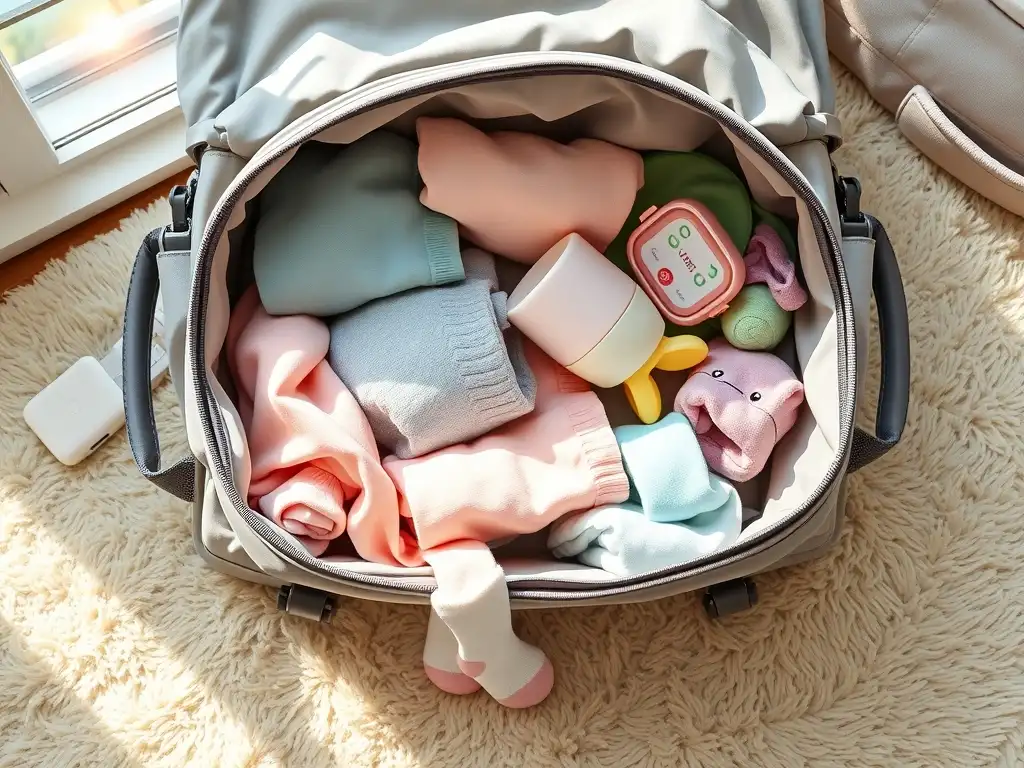
Embark on your parenting journey with confidence! BabyCareHub is your ultimate guide to navigating the incredible world of newborn and baby care. We understand the challenges and joys of parenthood, which is why we've created this comprehensive resource. But before you take that first adventure, are you prepared for the unexpected? Discover our essential Baby Travel Essentials Checklist, a must-have guide for on-the-go families found within our "Parenting Practicalities" section. Let's ensure every trip is smooth sailing!
- Packing for Baby's First Trip: A Comprehensive Checklist
- On-the-Go Feeding Essentials for Infants
- Maintaining Baby's Hygiene While Traveling: Diapering & Cleaning
- Ensuring Baby's Comfort & Safety During Travel
- Baby's First Flight: A Guide to Smooth Air Travel
- Creating a Comfortable Travel Environment for Your Baby
- Baby First Aid Kit for Travel: Emergency Preparedness
- Creating a Smooth Travel Experience: Tips & Tricks for Parents
-
Frequently Asked Questions
- What are the must-have items for a baby's first plane trip?
- How can I make car travel safer and more comfortable for my baby?
- What are some space-saving tips for packing a baby's travel essentials?
- What about medication and health documents when traveling with a baby?
- How can I keep my baby entertained during long journeys?
- Final Reflection: The Unfolding Journey of Parenthood on the Go
- Unpack Adventure: Your Baby's On-the-Go Essentials Await!
Packing for Baby's First Trip: A Comprehensive Checklist
Embarking on your first family adventure with a little one can feel daunting, but with meticulous planning, it can be a smooth and enjoyable experience. This comprehensive checklist focuses on the essential items needed for your baby's first trip, ensuring both your comfort and your baby's well-being. We'll cover everything from the ideal diaper bag and the most ergonomic baby carrier to lightweight strollers designed for travel. This guide will help you navigate the world of baby travel essentials, transforming potential anxieties into confident anticipation for creating lasting family memories.
We'll equip you with the knowledge to curate a "Baby travel essentials checklist" that's perfect for your family's needs, addressing common concerns and providing practical solutions for on-the-go parents. Remember, preparation is key to a stress-free journey! 👶✈️
Must-Have Baby Travel Gear: Diaper Bags & Carriers
Navigating airports, car rides, and exploring new destinations with a baby requires strategic packing and the right gear. A well-chosen diaper bag and a comfortable baby carrier are paramount. These items significantly impact your comfort and your baby's happiness throughout your travels. Let's delve into the specifics.
Choosing the Right Diaper Bag: Features & Comparisons
Selecting the right diaper bag is crucial. Consider these features:
- Size and Capacity: A bag large enough for all your essentials, but not overly bulky, is ideal. Think about how many diapers, wipes, changes of clothes, and other items you'll need for the duration of your trip.
- Organization: Multiple compartments and pockets for efficient organization of bottles, snacks, toys, and other baby items are essential. Consider dedicated insulated pockets for bottles.
- Material and Durability: Choose a durable, easy-to-clean material that can withstand the wear and tear of travel. Water-resistant or waterproof materials are a plus.
- Comfort and Style: Think about the bag's comfort features such as padded straps and multiple carrying options (shoulder strap, backpack straps). Choose a style that suits your personal preference.
Below is a basic comparison table to help you make an informed decision:
| Feature | Diaper Bag A | Diaper Bag B | Diaper Bag C |
|---|---|---|---|
| Capacity | Large | Medium | Small |
| Number of Pockets | 10+ | 6-8 | 4-6 |
| Material | Nylon | Canvas | Polyester |
| Weight | 2 lbs | 1.5 lbs | 1 lb |
Baby Carriers for Travel: Ergonomic Designs & Comfort
A comfortable and ergonomic baby carrier is a lifesaver when traveling. It allows for hands-free movement while keeping your baby close and secure. Look for features like:
- Ergonomic Design: Ensures proper support for your baby's hips and spine. Look for carriers that promote the "M" position.
- Adjustability: Allows for a customized fit for both you and your baby as they grow.
- Breathability: Choose a breathable material to keep both you and your baby comfortable, especially in warmer climates.
- Ease of Use: A carrier that's easy to put on and take off, even when you're tired or juggling other luggage.
Travel Strollers: Lightweight & Compact Options
Choosing the right travel stroller is equally important. Prioritize:
- Lightweight and Compact Fold: Easy to maneuver and store, especially in confined spaces like airplanes or trains.
- Maneuverability: Look for a stroller that's easy to steer and navigate on various terrains.
- Safety Features: A five-point harness and sturdy construction are essential for your baby's safety.
- Additional Features: Consider features like a sunshade, cup holder, and storage basket. These can add to your convenience during travel.
On-the-Go Feeding Essentials for Infants
Traveling with a baby requires meticulous planning, especially when it comes to feeding. This section focuses on must-have items for ensuring your little one is well-nourished, no matter where your adventures take you. Successfully navigating feeding on the go requires careful consideration of several key factors, from bottle selection to safe food storage. This checklist will help you pack efficiently and confidently.
Feeding Your Baby on the Road: Bottles, Formula & Food Storage
Feeding your baby while traveling presents unique challenges. Maintaining hygiene, keeping formula at the right temperature, and ensuring safe storage of breast milk or baby food are paramount. Let's delve into some practical solutions to overcome these hurdles. Remember, even the smallest detail can make a significant difference in your travel experience. Proper planning will reduce stress and allow you to focus on enjoying quality time with your baby.
Best Travel Bottles for Breast Milk & Formula
Choosing the right bottle for travel is crucial. Look for bottles that are leak-proof, durable, and easy to clean. Consider these factors:
- Material: Look for BPA-free plastic or high-quality silicone bottles.
- Size: Opt for smaller, travel-sized bottles to minimize bulk.
- Ease of Cleaning: Choose bottles with wide necks for easy cleaning and sterilization.
- Features: Some bottles offer anti-colic features or temperature-sensitive indicators, which can be beneficial.
Examples of popular travel bottles include those with a wide base for stability and a secure lid to prevent spills. Always check reviews and compare features before purchasing. Remember, a good travel bottle can significantly reduce the stress of feeding on the go.
Portable Food Warmers & Sterilizers
Maintaining proper hygiene and temperature control is vital for baby's health, especially when traveling. Portable food warmers and sterilizers are indispensable tools.
- Portable Food Warmers: These allow you to heat up baby food or formula quickly and conveniently without needing access to boiling water. Look for models that are compact, lightweight, and easy to use. Some models offer multiple heating settings for different food types.
- Portable Sterilizers: These are essential for sterilizing bottles, teats, and other feeding equipment. Some portable sterilizers use steam, while others use UV light. Choose a model that is compact, easy to use, and effective in killing harmful bacteria and viruses. Consider how much space you have available and the sterilization method that best suits your needs.
Storing Baby Food Safely During Travel: Containers & Coolers
Safe food storage is crucial to prevent spoilage and maintain hygiene.
- Insulated Bags & Coolers: An insulated bag or cooler is vital for keeping breast milk or formula cool, especially in warmer climates. Choose a cooler bag with sufficient insulation and ice packs to maintain the correct temperature for extended periods. Always check the temperature regularly using a thermometer.
- Reusable Food Containers: Opt for leak-proof, reusable containers made from BPA-free materials for storing baby food safely. Consider the size and shape of the containers to fit your cooler bag effectively. Proper labeling of food containers with date and contents is also essential.
Remember to pack extra supplies, just in case of spills or unexpected situations. Proper preparation is key to ensuring a smooth and enjoyable journey with your little one. By following these guidelines, you can confidently navigate feeding challenges on the go and focus on creating lasting memories with your family.
Maintaining Baby's Hygiene While Traveling: Diapering & Cleaning
Traveling with a baby requires meticulous planning, and maintaining your little one's hygiene is paramount. This section focuses on essential diapering and cleaning supplies to ensure a smooth and sanitary journey, no matter the destination. We'll cover choosing the right diapers, packing efficient changing solutions, and selecting travel-friendly hygiene products. This checklist will help you avoid unnecessary stress and keep your baby comfortable and clean throughout your trip. Remember, a well-prepared parent is a relaxed parent – and a relaxed parent means a happy baby!
Diapering Essentials for Travel: Diapers, Wipes & Changing Mats
Packing diapers might seem straightforward, but optimizing for travel requires careful consideration. The right choices can significantly reduce bulk and weight, making your journey more manageable. Let's break down the essentials:
Choosing the Right Diapers for Travel: Bulk Packs & Travel Sizes
The age and needs of your baby will influence your diaper choices. For newborns, a smaller quantity of newborn-sized diapers might suffice, as they'll quickly outgrow them. For older babies, consider purchasing bulk packs of your preferred brand to save money and space. However, if you're flying or have limited luggage space, travel-sized diaper packs are a fantastic alternative. They're compact, lightweight, and perfect for carrying in your diaper bag. Remember to factor in the length of your trip when deciding on the quantity. It's always better to overestimate slightly than to run short!
| Diaper Type | Pros | Cons | Ideal For |
|---|---|---|---|
| Bulk Packs | Cost-effective, readily available | Bulky, less convenient for short trips | Longer trips, stays with ample luggage space |
| Travel Packs | Compact, lightweight, convenient | More expensive per diaper | Short trips, flights, limited luggage space |
| Cloth Diapers (with wipes) | Eco-friendly, cost-effective (long-term) | Require washing, may not be ideal for all trips | Environmentally conscious parents, longer trips with laundry access |
Portable Changing Mats & Diaper Disposal Bags
A portable changing mat is indispensable for maintaining hygiene while changing your baby's diaper on-the-go. Look for lightweight, waterproof mats that are easy to clean and fold. Many are available with attached pockets for storing wipes and other essentials. Equally important are diaper disposal bags. These help contain soiled diapers and prevent unpleasant odors, especially during longer journeys. Consider using refillable bags to minimize waste and environmental impact. Remember, a clean and organized diaper-changing station will make the process smoother and less stressful.
Travel-Sized Baby Wipes & Hygiene Products
Travel-sized versions of your baby's regular wipes and hygiene products are a must. Opt for hypoallergenic and fragrance-free options to minimize the risk of skin irritation. Consider packing a small container of baby lotion or cream to prevent diaper rash, especially in drier climates. Remember to pack hand sanitizer for both you and those helping with baby care.
Keeping everything in a dedicated, waterproof bag will protect your other belongings and maintain hygiene. A well-stocked hygiene kit will ensure your baby remains comfortable and healthy, even when far from home. Don't forget to consider any specific skin needs your baby might have and pack accordingly. A little preparation goes a long way in ensuring a pleasant and hygienic travel experience for your little one.
Ensuring Baby's Comfort & Safety During Travel
Traveling with a baby requires meticulous planning to ensure both their comfort and safety. This section focuses on key elements for a smooth journey, addressing sleep solutions, car seat safety, and other crucial considerations. Optimizing your baby's well-being during travel is paramount, and a well-prepared checklist is your best ally. This checklist emphasizes the importance of prioritizing safety and comfort for your little one, minimizing disruption to their routine, and maximizing your peace of mind. Remember, a happy baby makes for a happy trip!
Baby Sleep Solutions for Travel: Sleep Sacks & Portable Cribs
Getting your baby to sleep soundly while traveling can be challenging, but with the right gear, it's achievable. Familiarizing your baby with sleep solutions before the trip is highly recommended to reduce anxiety. Consistent sleep routines are crucial for both baby and parent well-being, even while on the go.
Choosing the Right Travel Crib: Pack 'n Plays & Portable Options
Pack 'n Plays are a popular choice for their portability and ease of setup. They offer a safe and familiar sleeping space away from home. Consider the weight and dimensions carefully, especially if you'll be navigating public transport. Some models include a changing mat, which is a convenient extra.
Before purchasing, check reviews to ensure ease of assembly and sturdiness. Remember to always follow the manufacturer's instructions for setup and safety. Lightweight and compact options are ideal for frequent travelers or those with limited storage space. Features like mesh sides for breathability and a foldable design for easy storage are highly desirable.
Baby Sleep Sacks for Travel: Comfort & Safety
Sleep sacks provide a snug and secure feeling, mimicking the womb and promoting restful sleep. Opt for lightweight and breathable fabrics, especially during warmer months. Ensure the sleep sack is appropriately sized to prevent overheating and ensure your baby's safety. Look for sleep sacks with easy-to-use zippers or snaps for quick changes. Consider a travel-sized sleep sack that can easily be packed in a diaper bag. Choosing a sleep sack that is familiar to your baby can significantly reduce anxiety during travel.
Travel-Friendly Blankets & Swaddles
Soft, lightweight blankets and swaddles offer comfort and security. Choose breathable materials like cotton or muslin. Avoid loose blankets in cribs or car seats to prevent suffocation hazards. A multi-purpose blanket or swaddle can be used for warmth, nursing cover, or even a makeshift changing mat. Always supervise your baby when using blankets or swaddles, especially during sleep. Think about packing a familiar blanket from home to provide a sense of comfort and security.
Baby Car Seats & Safety Precautions for Road Trips
Car seat safety is non-negotiable. Choosing the right car seat and using it correctly is crucial for your baby's protection. Always prioritize safety when selecting and installing a car seat. Regularly check for recalls and ensure you are up-to-date on the latest car seat safety guidelines.
Choosing the Right Car Seat for Your Baby: Safety Features & Regulations
Selecting the appropriate car seat based on your baby's age and weight is vital. Always refer to the manufacturer's instructions and relevant safety regulations. Consider features like side-impact protection, adjustable harnesses, and easy installation mechanisms. Ensure the car seat is properly installed in your vehicle, following the manufacturer's instructions meticulously. Regularly inspect the car seat for any damage or wear and tear and replace it if necessary. Prioritize car seats with high safety ratings and positive customer reviews.
Essential Car Seat Accessories: Sunshades & Mirrors
Sunshades protect your baby from harmful UV rays. Rear-facing mirrors allow you to keep an eye on your baby while driving. Consider a window shade that provides optimal sun protection and privacy. Check for easy installation and adjustability. A sturdy mirror that is easy to adjust and provides a clear view of your baby is essential. Always ensure the mirror is securely attached to prevent it from falling and causing injury. These seemingly small accessories can significantly enhance safety and comfort during long car journeys.
Baby's First Flight: A Guide to Smooth Air Travel
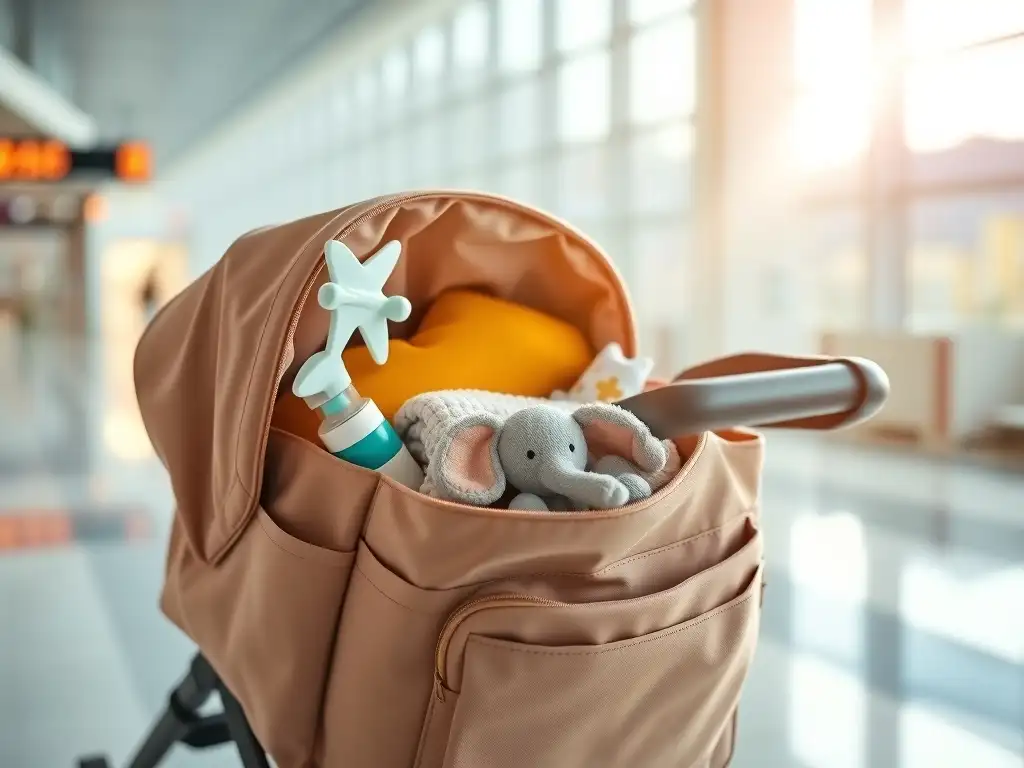
Flying with a baby for the first time can feel daunting, but with careful planning and preparation, it can be a relatively smooth experience. This section focuses on making your baby's first flight (and subsequent flights!) as comfortable and stress-free as possible. We'll cover everything from packing essentials to managing airport security and calming your little one during takeoff and landing. Remember, prioritizing your baby's comfort and safety is key.
Preparing for Air Travel with a Baby: Packing Tips & TSA Guidelines
Packing for a flight with a baby requires strategic thinking. You need to balance carrying only essential items with having everything your baby might need. Overpacking adds unnecessary weight and stress. Here's a breakdown:
- Diapering Essentials: Pack enough diapers for the entire journey, plus a few extra. Consider using travel-sized wipes and diaper rash cream to save space. Don't forget disposal bags!
- Clothing: Pack several changes of clothing for your baby, anticipating potential spills and messes. Layers are your friend, allowing you to adjust to changing cabin temperatures. Opt for soft, comfortable fabrics.
- Feeding Supplies: If breastfeeding, you'll need nursing covers or a private space. For formula-fed babies, pre-mix bottles or pack enough formula and water in sealed containers that meet TSA regulations. Consider bringing a small cooler bag with ice packs to keep things cool.
- Comfort Items: A favorite blanket, stuffed animal, or pacifier can provide significant comfort during the flight.
- Medications: Pack any prescribed medications your baby needs, along with a copy of the prescription. Always consult your pediatrician before traveling with medication.
- Entertainment: Books, rattles, and small, safe toys can help keep your baby occupied during the flight.
TSA Guidelines: Remember to declare any liquids, gels, or powders exceeding 3.4 ounces (100ml) to airport security. Breast milk and formula are generally permitted, but you may need to declare them and potentially have them screened. Having your baby's medical information readily available can expedite the security process.
Packing Light for Air Travel with a Baby: Essential Items & Space-Saving Tips
Packing light is crucial for ease of travel with a baby. Here are some space-saving tips:
- Reusable Diaper Bags: Invest in a reusable diaper bag that's lightweight yet spacious. These bags often include compartments for efficient organization.
- Travel-Sized Containers: Use travel-sized containers for toiletries and other essentials.
- Compression Bags: Compression bags can help reduce the volume of clothing and other soft items.
- Diaper Pails: Disposable diaper pails are handy for containing dirty diapers during your journey.
| Item | Quantity | Space-Saving Tip |
|---|---|---|
| Diapers | 1 per hour + extra | Use smaller diaper sizes if possible |
| Wipes | 1-2 travel packs | Use cloth wipes and a spray bottle with water |
| Outfits | 3-4 | Choose versatile clothing items |
| Formula/Breast Milk | Sufficient for flight + extra | Use pre-mixed bottles or concentrate |
| Pacifiers/Teethers | 2-3 | Use a pacifier case to keep them clean |
Navigating airports with a baby requires strategy. Here are some tips:
- Stroller Strategy: Many airlines allow you to check your stroller at the gate. Consider a lightweight, foldable stroller for ease of maneuverability. If using a carrier, ensure it's comfortable for both you and your baby.
- Security Checkpoints: Be prepared for potential delays at security checkpoints. Have your baby's documents ready and consider carrying your baby to expedite the process. If using a carrier, you'll likely be able to keep it on during screening. Remove any liquids or gels from your diaper bag and place them in a separate, clear plastic bag.
- Babywearing: Consider a baby carrier for easier navigation through crowded airports. This frees up your hands for managing luggage and other necessities.
Calming Your Baby During Takeoff & Landing: Strategies & Products
Changes in air pressure during takeoff and landing can be uncomfortable for babies. Here are some strategies to help soothe your little one:
- Feeding During Ascent/Descent: Feeding your baby during takeoff and landing can help equalize pressure in their ears.
- Pacifiers: Offering a pacifier can help soothe your baby.
- White Noise: A white noise machine or app can help block out disruptive sounds.
- Soothing Sounds: Playing calming music or nature sounds can also be helpful.
- Movement: Gentle rocking or swaying can provide comfort.
Remember to consult your pediatrician for additional advice and strategies tailored to your baby's individual needs. ✈️ Happy travels!
Creating a Comfortable Travel Environment for Your Baby
Traveling with a baby can be challenging, but with the right preparation, it can be a smooth and enjoyable experience. Creating a comfortable and familiar environment for your little one is key to minimizing stress for both you and your baby. This section focuses on establishing a soothing and safe atmosphere during travel, reducing the likelihood of fussiness and ensuring your baby's well-being. This is crucial for managing the unique demands of baby travel and creating a positive travel experience.
Must-Have Baby Travel Toys & Entertainment
Keeping your baby entertained during travel is paramount. Babies, especially infants, are easily stimulated and bored, leading to fussiness and discomfort. Packing the right toys and entertainment options can significantly impact the success of your journey. Remember to prioritize safety and choose items that are easy to clean and sanitize.
Consider your baby's age and developmental stage when selecting items, opting for age-appropriate toys that won't pose a choking hazard. A well-stocked travel entertainment kit can transform a potentially stressful trip into a pleasant experience. The goal is to provide engaging activities that will keep your baby occupied, reducing the chances of meltdowns and making travel more manageable for everyone involved.
Age-Appropriate Toys for Air & Car Travel
The type of toy suitable for a long car ride differs from what might be appropriate on an airplane. For example, a soft, crinkly book might be perfect for a car seat, providing tactile stimulation without the risk of small parts becoming a hazard. On a plane, however, you might prefer a lightweight, easily packable rattle or a small, soft toy that won't roll around easily. Consider the following:
- Infants (0-6 months): Soft, textured toys; rattles; high-contrast mobiles (if space allows); mirrors that attach to the car seat or stroller. Prioritize items that are easily grasped and provide sensory stimulation.
- Toddlers (6 months - 3 years): Stacking cups; small, sturdy cars or animals; interactive books with flaps and textures; quiet, engaging toys like puzzles with large pieces. Be mindful of choking hazards; always supervise your child while they are playing.
- Preschoolers (3+ years): Small, lightweight figurines; coloring books and crayons; storybooks; simple handheld games. At this age, children can engage in more complex play, but still require supervision.
Remember to pack a variety of toys to keep your little one engaged throughout the journey. Rotating toys can help maintain interest and prevent boredom.
Travel-Sized Entertainment: Books, Music & Videos
Beyond physical toys, consider other forms of entertainment. Books, music, and videos can provide hours of engagement, especially during longer journeys. Remember to download content beforehand, ensuring you have access offline.
- Books: Choose board books or soft books that are durable and easy to clean. Consider books with interactive elements or familiar characters.
- Music: Create a playlist of calming and familiar songs. Classical music or white noise can be particularly soothing for babies.
- Videos: Download age-appropriate videos or shows that your baby enjoys. However, limit screen time to prevent overstimulation. Remember that prolonged screen time can be detrimental to a child's development, so use this as a tool for brief periods of distraction rather than primary entertainment.
By carefully curating a selection of travel-sized entertainment options, you can significantly enhance your baby's comfort and enjoyment during travel. Remember to pack a variety of options to cater to different moods and attention spans. A well-prepared travel entertainment kit is an indispensable component of a successful trip with a baby.
Baby First Aid Kit for Travel: Emergency Preparedness
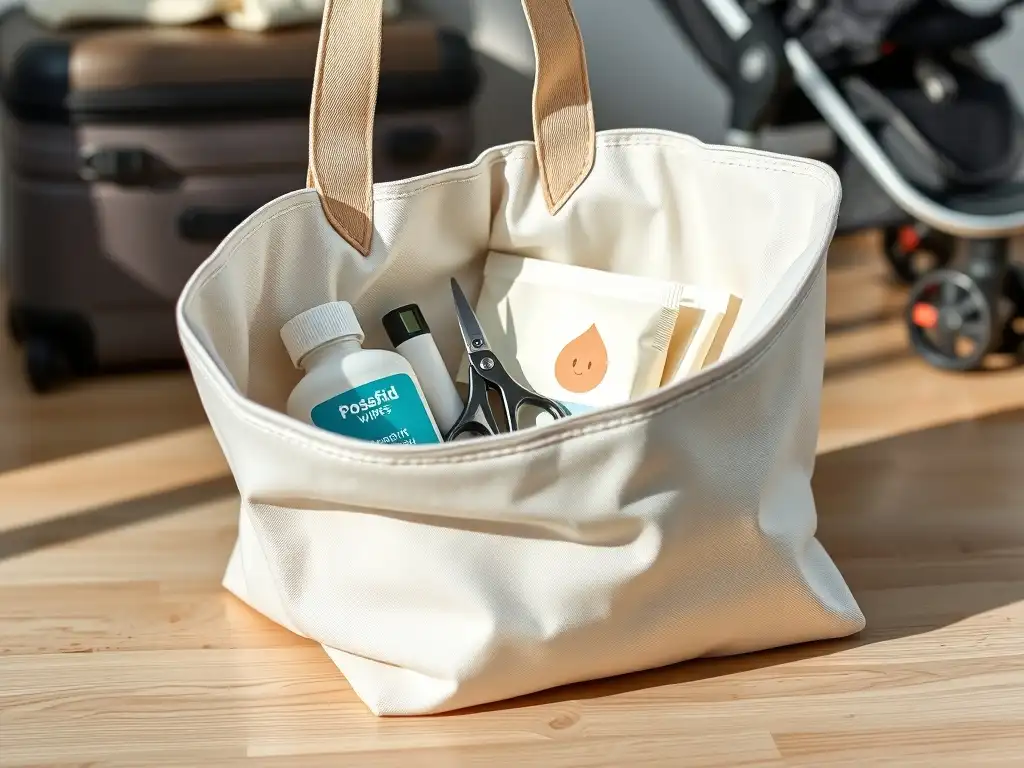
Traveling with a baby requires extra preparedness, and a well-stocked first-aid kit is paramount. This isn't just about minor scrapes; it's about being ready for common baby ailments that might arise during travel, ensuring your little one's comfort and safety, wherever your journey takes you. A comprehensive travel first-aid kit allows you to address minor emergencies efficiently, potentially preventing a stressful situation from escalating. Remember, even with the best planning, unexpected events can occur, and being prepared is key to managing them effectively. This section will guide you through creating a travel-ready first-aid kit tailored to your baby's needs.
Essential Items for Your Baby's Travel First-Aid Kit
Packing a baby first-aid kit for travel requires careful consideration of space and necessity. You want to be prepared for common issues without carrying unnecessary weight. This checklist focuses on the essentials, ensuring you have the right tools for dealing with minor injuries and illnesses while on the go. Remember to check expiration dates before each trip and replenish as needed. Consider a small, lightweight, waterproof bag for easy transport and protection from the elements.
- Thermometer: A digital thermometer is ideal for quickly and accurately checking your baby's temperature. Look for one that's easy to clean and designed for babies.
- Infant Acetaminophen (Paracetamol) and Ibuprofen: Always consult your pediatrician before administering any medication to your baby, and ensure you understand the appropriate dosage based on your child's weight and age. These are crucial for managing fever and pain.
- Nasal Aspirator: A bulb syringe or electric nasal aspirator can help clear your baby's stuffy nose, especially helpful during air travel or when they're experiencing a cold.
- Antiseptic Wipes: Alcohol-free antiseptic wipes are gentle on delicate baby skin and are essential for cleaning minor cuts and scrapes.
- Band-Aids (various sizes): Choose hypoallergenic bandages in various sizes to suit different wounds.
- Sterile Gauze Pads: Useful for cleaning larger wounds or applying ointments.
- Tweezers: For removing splinters or other small irritants from the skin.
- Baby-safe scissors: For cutting bandages or clothing if necessary.
- Hydrocortisone Cream (1%): This can help soothe minor rashes and skin irritations. Always consult your pediatrician before using this on your baby.
- Diaper Rash Cream: A must-have for preventing and treating diaper rash, especially during long journeys.
Over-the-Counter Medications for Common Baby Ailments
While this list provides essential items, it's crucial to remember that self-treating should be avoided. Always consult your pediatrician before administering any medication to your baby. The dosages listed on packaging are general guidelines and may not be suitable for your child. This section highlights common ailments and the types of over-the-counter medications that might be used, but only after consulting with your pediatrician.
| Ailment | Potential OTC Medication | Important Considerations |
|---|---|---|
| Fever | Infant Acetaminophen (Paracetamol) or Ibuprofen | Follow dosage instructions carefully; monitor temperature closely. Seek medical advice for high or persistent fevers. |
| Pain (earache, teething) | Infant Acetaminophen (Paracetamol) or Ibuprofen | Follow dosage instructions carefully. Persistent pain requires professional medical attention. |
| Congestion | Saline Nasal Spray or Drops | Use as directed; never administer medication directly into the ear. |
| Mild Rash | Hydrocortisone Cream (1%) | Use only as directed by your pediatrician; avoid prolonged use. |
| Diarrhea | Oral Rehydration Solution (ORS) | Follow instructions carefully; seek medical attention if dehydration is suspected. |
First Aid Supplies: Bandages, Antiseptic Wipes, etc.
Beyond medications, having the right first-aid supplies is crucial for addressing minor injuries efficiently and safely. The quality and type of supplies can make a significant difference in the healing process and overall comfort of your little one. Consider these details when assembling your first aid kit:
- Bandage Selection: Don't just grab any bandages. Choose hypoallergenic, breathable bandages in a variety of shapes and sizes – small ones for fingers, larger ones for knees and elbows. Consider fun character bandages to make the experience a little less scary for your baby.
- Antiseptic Wipe Type: Opt for alcohol-free antiseptic wipes specifically formulated for babies' sensitive skin. These are gentler and less likely to cause irritation.
- Gauze Pad Quality: Choose sterile gauze pads that are soft and absorbent. These are essential for cleaning wounds and applying ointments.
- Storage: A compact, waterproof, and easily accessible bag is crucial. Consider a clear bag to easily locate items. Organize the kit logically for quick access during an emergency. Proper storage will also help preserve the quality and effectiveness of your supplies.
Remember, this checklist is intended as a guideline. Always consult your pediatrician for personalized advice and to address any specific health concerns related to your baby's travel needs. Prioritizing your baby’s safety and well-being is essential, and a well-equipped first-aid kit is a critical part of that plan.
Creating a Smooth Travel Experience: Tips & Tricks for Parents
Traveling with a baby can seem daunting, but with careful planning and the right baby travel essentials checklist, it can be a wonderfully enriching experience for the whole family. This section focuses on strategies to minimize stress and maximize enjoyment during your trip, turning potential anxieties into positive memories. Remember, flexibility is key when traveling with an infant – be prepared to adjust your plans as needed.
Planning Your Trip: Accommodation, Transportation & Itinerary
Before you even start packing your baby travel essentials checklist, meticulous trip planning is crucial. This involves selecting the right accommodation, transportation, and crafting a flexible itinerary that caters to your baby's needs.
Choosing suitable accommodation is paramount. Consider factors beyond price and location. Look for places with amenities like cribs, high chairs, and baby-proofing features. A kitchenette can be a lifesaver, allowing you to prepare familiar meals for your little one, reducing potential digestive upset from unfamiliar foods. Some hotels offer babysitting services, a valuable resource for parents who need some downtime. Researching family-friendly hotels in advance can significantly reduce stress.
Transportation options should prioritize your baby's comfort and safety. If driving, ensure your car seat is properly installed and your baby is securely fastened. For longer journeys, plan frequent stops for diaper changes, feedings, and stretching. If flying, familiarize yourself with airline policies regarding car seats and strollers. Consider booking a direct flight to minimize disruptions to your baby's routine. Train travel can be a surprisingly comfortable option, offering more space than airplane seats. Always factor in extra travel time to account for unexpected delays.
Creating a flexible itinerary is essential. Don't overschedule your days. Allow ample time for naps, feeding, and diaper changes. Build in buffer periods to account for unexpected events, like a sudden crying spell or a missed train connection. Prioritize activities that are enjoyable for both you and your baby, avoiding overly stimulating or crowded environments.
Remember, the goal is to create a relaxing and enjoyable experience for everyone. A well-planned itinerary, designed with flexibility in mind, will help you achieve this goal. Consider incorporating downtime into your daily schedule, for both you and your baby. This could be as simple as reading a book together or enjoying some quiet time in a park.
Packing Smart: Optimizing Your Baby's Travel Bag
Efficient packing is crucial for stress-free travel. This involves a strategic approach to selecting only necessary items from your baby travel essentials checklist and organizing them efficiently. Avoid overpacking; this adds unnecessary weight and makes navigating airports or train stations more difficult.
A well-organized diaper bag is essential. Pack enough diapers for the entire trip, plus a few extra. Include wipes, diaper rash cream, and a changing mat. Consider using reusable, washable wipes to reduce waste. Pack a change of clothes for your baby, and one for yourself, in case of accidents.
For feeding, pack enough formula or breast milk (if applicable), bottles, and any necessary feeding supplies. If using formula, ensure you have enough for the whole trip, plus extra. For breastfed babies, you might consider a breast pump. Always check airline regulations for bringing liquids on board. Pack snacks and familiar foods for your baby to avoid dietary upsets.
Remember essential medications and first-aid supplies. Pack your baby's prescribed medications, if any, with copies of prescriptions. A small first-aid kit with bandages, antiseptic wipes, and pain relief medication (age-appropriate) is also recommended. Consult your pediatrician for recommendations on travel-specific medications.
Maintaining Baby's Routine: Minimizing Disruptions During Travel
Maintaining your baby's routine as much as possible is key to minimizing stress during travel. This includes maintaining regular feeding and sleeping schedules, as well as continuing familiar comfort routines. While some disruption is inevitable, minimizing changes will help your baby (and you!) to adapt more smoothly.
Consistent feeding and sleeping schedules should be prioritized. Try to stick to your baby's usual feeding schedule as much as possible. Bring familiar blankets, toys, and bedtime routines to help your baby sleep soundly in unfamiliar surroundings. White noise machines can help block out distracting sounds in hotels or airplanes.
Familiar comfort items can make a huge difference. A favorite stuffed animal or blanket can provide comfort and security in a new environment. Remember, these items are not just for the baby; they often bring comfort and a sense of normalcy to parents as well. Packing these items reduces anxieties for both the parent and the child.
Flexibility is key. While maintaining routine is important, be prepared to adapt. Your baby may be fussier than usual due to travel stress. Be patient and understanding, and prioritize your baby's needs. Remember to care for yourself as well; a well-rested parent is better equipped to handle travel challenges. Remember to pack essentials to maintain your routine as much as possible. This can reduce parental stress and make the overall experience smoother. 😴
Frequently Asked Questions
What are the must-have items for a baby's first plane trip?
For a smoother flight, pack a well-stocked diaper bag with diapers, wipes, a change of clothes, and familiar comfort items like a favorite toy or blanket. Don't forget baby food or formula if needed, and consider a pacifier for takeoff and landing.
How can I make car travel safer and more comfortable for my baby?
A properly installed car seat is paramount. Bring along familiar toys and a blanket for comfort, and plan for frequent stops to allow for feeding and diaper changes. Consider a travel pillow for added comfort.
What are some space-saving tips for packing a baby's travel essentials?
Utilize packing cubes to organize items and maximize space. Choose travel-sized toiletries and opt for reusable items like a sippy cup instead of disposable ones. Consider a diaper backpack to keep everything easily accessible.
What about medication and health documents when traveling with a baby?
Always carry a copy of your baby's medical records, including vaccination information. Pack any necessary medications in their original containers, and check with your pediatrician about any specific travel health recommendations.
How can I keep my baby entertained during long journeys?
Bring along a variety of age-appropriate toys, books, and activities. Download engaging apps on your tablet or phone. Consider a new toy or book to unveil during the journey to add excitement.
Final Reflection: The Unfolding Journey of Parenthood on the Go
The relentless pace of modern life doesn't pause for parenthood, and the need for efficient, well-planned travel with a baby is more relevant than ever. Navigating airports, car rides, and unfamiliar environments with a little one requires meticulous preparation, a fact underscored by the increasing popularity of baby travel essentials checklists. This isn't just about convenience; it's about ensuring the safety and well-being of your precious cargo during those precious family adventures.
The impact of readily available information on family travel is profound. It's shifted the paradigm from stressful, chaotic trips to more manageable, even enjoyable, experiences. The journey of a thousand miles begins with a single step,
and for parents, that step often involves a well-packed diaper bag. This simple truth, often overlooked, underpins the importance of thoughtful preparation and the power of a comprehensive checklist to alleviate anxiety and enhance the joy of family travel. The ability to confidently navigate the challenges of travel with a baby empowers parents to create lasting memories, fostering a stronger bond within the family unit.
Now, consider your own upcoming adventures. What adjustments can you make to your travel plans to ensure a smoother, more enjoyable experience for both you and your little one? Don't just pack a bag; pack a plan. Use this checklist as a springboard for your own personalized approach, adapting it to your family's unique needs and travel style. Embrace the journey, the unexpected moments, and the beautiful chaos of exploring the world with your child. The memories you create will be worth more than any perfectly planned itinerary.
Unpack Adventure: Your Baby's On-the-Go Essentials Await!
Thank you for joining us as we prepare for smooth travels with your little one! We hope you've discovered helpful must-have items and clever packing tips. Now, let's put this knowledge into action!
- Craft your personalized travel kit: Go beyond the basic checklist! Consider your baby's individual needs and preferences, adding those special touches that will make your journeys even smoother. This is your chance to create the perfect travel companion for your family.
- Share your essential travel items: Connect with other parents on BabyCareHub's community forums and share your travel tips and favorite baby products! Let's build a supportive network for families on the go!
- Download and print your checklist: Keep this handy guide readily available for effortless packing before each adventure.
Ready to create unforgettable family adventures? What's the first item you're adding to your baby's travel kit?