
The Walking Wonder: How to Support Your Baby's First Steps

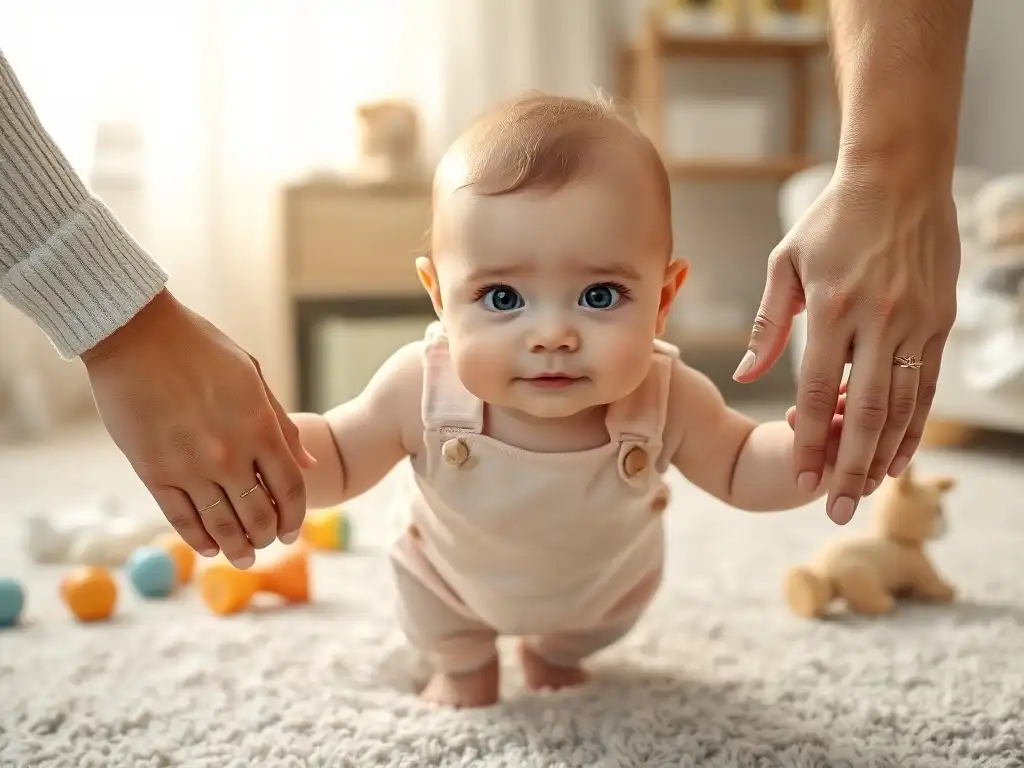
Welcome to BabyCareHub, your ultimate guide to navigating the incredible journey of parenthood! Are you ready to witness one of the most magical milestones? Our Baby first steps support guide offers expert advice and practical tips to help you cherish every wobble and cheer every successful stride your little one takes. Discover the secrets to fostering healthy development and ensuring your baby's safe exploration of this exciting new world. Let's embark on this adventure together!
- Baby First Steps Support Guide: Encouraging Early Mobility
- Essential Baby Gear for Supporting First Steps
- Activities to Encourage Baby's First Steps
- Signs Your Baby is Ready to Walk
- Addressing Concerns: When to Seek Professional Advice
- Baby First Steps Support Guide: Celebrating Milestones
- Frequently Asked Questions
- Final Reflection: Embracing the Miracle of First Steps
- Unlock Your Little One's Walking Potential!
Baby First Steps Support Guide: Encouraging Early Mobility
Taking those first steps is a monumental moment for both baby and parent! This comprehensive guide provides a step-by-step approach to supporting your little one as they embark on this exciting journey towards independent mobility. We'll explore how to recognize the signs your baby is ready to walk, the crucial developmental milestones leading up to this achievement, and how to create a safe and stimulating environment to encourage their progress.
This guide focuses on providing practical advice and reassurance, empowering you to help your baby reach this significant developmental milestone with confidence and joy. Remember, every baby develops at their own pace, so celebrate each achievement along the way! 🎉
Recognizing Your Baby's Readiness for Walking
Before your baby takes those first wobbly steps, they'll likely exhibit several key signs indicating their readiness. These are not hard and fast rules, and the timeline varies greatly between children, but observing these indicators can help you understand when your baby might be ready to start walking.
- Pulling to stand: Can your baby pull themselves up to a standing position using furniture or your hands? This demonstrates strength in their legs and core.
- Cruising: Does your baby "cruise" – walking while holding onto furniture or other supports? This is a crucial precursor to independent walking, building leg strength and balance.
- Standing independently (briefly): Even if only for a few seconds, the ability to stand without support shows significant progress and developing balance.
- Lowering themselves to the ground: Can your baby safely lower themselves from a standing position to a sitting or crawling position without falling? This indicates improved body awareness and control.
- Weight-bearing on legs: When held upright, does your baby bear weight on their legs, showing a willingness and ability to support their own weight?
- Taking steps while holding on: Does your baby attempt to take steps while holding onto furniture or your hands? This indicates a desire to walk and an understanding of the movement.
Remember, some babies skip crawling altogether and go straight to cruising or pulling to stand. There's no right or wrong way, as long as your baby is meeting other developmental milestones appropriately.
Developmental Milestones: Crawling, Cruising, and Standing Before Walking
The journey to walking is a series of interconnected developmental steps. Understanding these milestones can help you appreciate your baby's progress and provide appropriate support.
| Milestone | Typical Age Range (Months) | Description |
|---|---|---|
| Crawling | 6-10 | Moving on hands and knees |
| Pulling to Stand | 8-12 | Pulling themselves up to a standing position using furniture or other support |
| Cruising | 9-12 | Walking while holding onto furniture or other supports |
| Standing Independently | 10-14 | Briefly standing without support |
| First Steps | 9-15 | Taking independent steps |
It's important to note that these are average age ranges. Some babies may reach these milestones earlier or later, and that's perfectly normal. Focus on your baby's individual progress and celebrate each achievement.
Creating a Safe and Stimulating Environment for Walking
Providing a safe and encouraging environment is crucial for supporting your baby's first steps.
- Baby-proofing is essential: Remove any tripping hazards, such as loose rugs or electrical cords. Secure furniture to prevent tipping. Use safety gates to block access to stairs and other dangerous areas.
- Soft surfaces: Ensure that the floor is covered with soft surfaces, such as rugs or carpets, to cushion falls.
- Open space: Provide ample space for your baby to move around freely and explore. Avoid overcrowding the area with furniture or toys.
- Encouraging toys: Place attractive toys just out of reach to motivate your baby to take steps towards them. Consider using a toy walker or push-along toy to encourage movement.
- Support and encouragement: Offer physical and verbal support as your baby learns to walk. Praise their efforts and celebrate their successes. Remember to always supervise your baby closely while they are learning to walk. A supportive and encouraging environment will build their confidence and help them master this exciting new skill. Remember, patience and positive reinforcement are key! 👶💕
Essential Baby Gear for Supporting First Steps
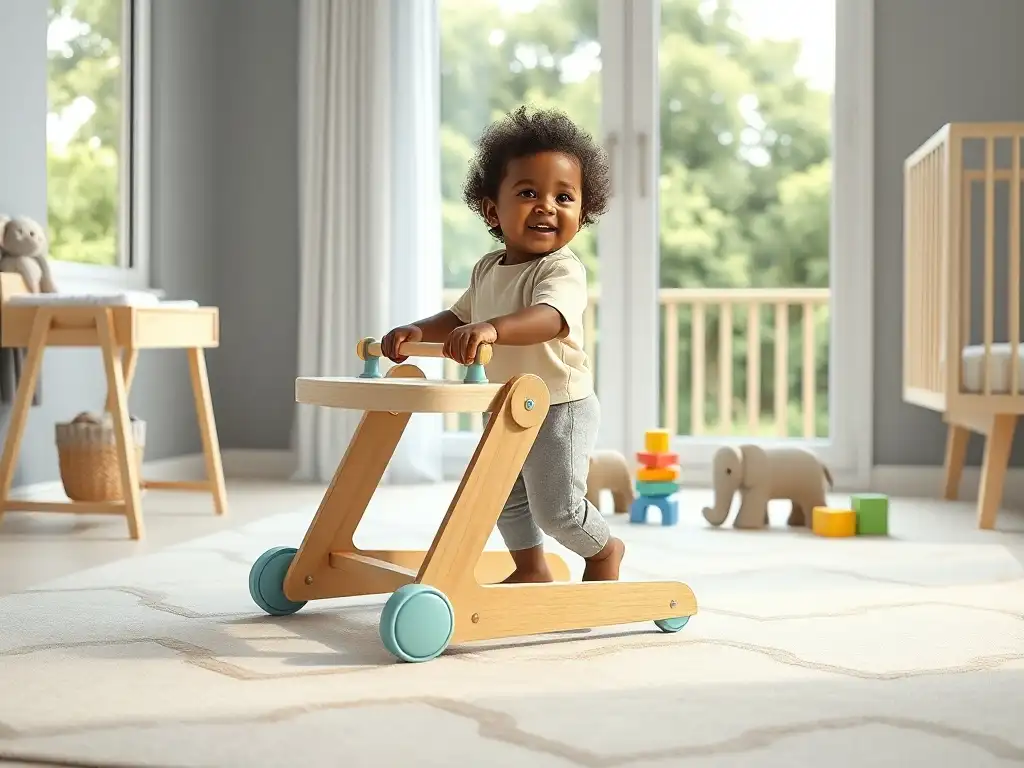
This section focuses on the crucial role of baby gear in fostering your little one's first steps. Selecting the right equipment can significantly impact their safety, confidence, and overall development. While not all items are strictly necessary, they can greatly enhance the process and provide valuable support. This guide focuses specifically on products that aid in the development of baby first steps, providing a comprehensive overview to assist parents in making informed decisions.
Choosing the Right Baby Walker (Pros and Cons)
Baby walkers remain a controversial topic. While some parents swear by their ability to encourage early walking, others highlight potential safety concerns. Let's analyze the pros and cons:
Pros:
- Increased Mobility: Walkers allow babies to move around independently, exploring their environment and developing leg strength. This increased mobility can be stimulating and contribute to a sense of accomplishment. Many babies show increased engagement and enthusiasm during walker time.
- Early Motor Skill Development: The repetitive movements involved in using a walker can strengthen leg muscles and improve coordination, potentially contributing to earlier attainment of walking milestones.
- Entertainment and Stimulation: Walkers often incorporate toys and activities, providing entertainment and sensory stimulation for the baby. This can be especially beneficial for babies who are easily bored or frustrated.
Cons:
- Safety Concerns: Walkers have been linked to injuries, including falls and head traumas. They can also hinder the natural development of balance and coordination, potentially delaying the acquisition of independent walking skills.
- Potential for Developmental Delays: Some studies suggest that excessive walker use might delay the development of crucial motor skills, like crawling, which are important precursors to walking.
- Limited Supervision Needed: While a walker can provide a temporary sense of independence, it is crucial to remember that constant supervision is still vital to prevent accidents. A walker isn't a substitute for parental attention.
Ultimately, the decision of whether or not to use a baby walker is a personal one. Carefully weigh the potential benefits against the inherent risks and consider your baby's individual temperament and developmental progress. Remember to prioritize safety above all else and choose a walker that meets stringent safety standards, if you choose to use one. Always keep a watchful eye on your baby while they are using a walker.
Soft Play Mats and Safe Floor Spaces: Preventing Injuries
Creating a safe and stimulating environment is paramount when encouraging your baby's first steps. Soft play mats are an excellent investment, offering several key advantages:
- Cushioning: These mats provide a soft landing in case of falls, reducing the risk of injuries. This is especially important during the early stages of walking when balance is still developing. The cushioning minimizes impact, protecting your baby's delicate head and bones.
- Stimulation: Many play mats feature vibrant colors, textures, and patterns, stimulating your baby's visual and tactile senses. This engagement can encourage them to explore and move around more actively.
- Comfort: The soft surface provides a comfortable space for your baby to play and crawl, even before they start walking. This can make playtime more enjoyable and encourage longer periods of active play.
Beyond the play mat, ensuring your floor space is clear of obstacles is critical. Remove any potential hazards, such as electrical cords, sharp objects, or small items that could be swallowed. A clutter-free space will boost your baby's confidence as they navigate their newfound mobility. Regularly check the floor for any potential dangers, adapting the environment as your child grows and explores more.
Baby-Proofing Your Home for Independent Exploration
As your baby takes their first steps, baby-proofing your home becomes even more crucial. This goes beyond simply removing hazards; it's about creating an environment that encourages exploration while mitigating risks. Consider these key areas:
- Stairways: Install sturdy gates at the top and bottom of all stairways to prevent falls. Ensure the gates are securely fastened and regularly checked for damage.
- Furniture: Secure any tall or unstable furniture to the wall to prevent tipping accidents. This is especially important for bookcases and dressers.
- Electrical Outlets: Cover all electrical outlets with safety plugs to prevent electrocution. Teach older siblings the importance of keeping fingers and objects away from outlets.
- Sharp Corners: Use corner guards to protect your baby from sharp edges on furniture. This simple measure can greatly reduce the risk of bumps and bruises.
- Toxic Substances: Store all cleaning supplies, medications, and other potentially harmful substances out of reach and in locked cabinets. Always supervise your baby around these areas.
Remember, baby-proofing is an ongoing process. As your baby grows and their mobility increases, you may need to re-evaluate and adapt your safety measures. This proactive approach to safety will allow your baby to explore and develop their motor skills with confidence, knowing that their environment is safe and supportive. This comprehensive approach is essential for supporting your baby’s first steps and fostering their overall development. 👶
Activities to Encourage Baby's First Steps
This section provides a practical guide on stimulating your baby's gross motor skills development, specifically focusing on activities that encourage those precious first steps. Remember, every baby develops at their own pace, so celebrate each milestone without comparing your little one to others. This "Baby first steps support guide" aims to help you nurture your baby's natural progression towards walking.
Interactive Play: Engaging Your Baby's Interest
Engaging your baby in interactive play is crucial for stimulating their desire to move and explore. Think of it as planting the seed for mobility! Instead of passively watching them, actively participate in play sessions designed to encourage movement. For example, place enticing toys just out of reach, prompting them to crawl, pull themselves up, or take those tentative steps.
Consider these interactive play ideas:
- Tunnel Play: Create a simple tunnel using blankets or pillows. Place a favorite toy at the other end, encouraging your baby to crawl through. This builds strength and coordination, essential precursors to walking.
- Object Manipulation: Provide a variety of textured toys, balls, and stacking cups. Encourage your baby to reach, grasp, and manipulate these objects, strengthening their arm and leg muscles. The act of reaching itself strengthens core muscles.
- Musical Movement: Play upbeat music and encourage your baby to move their body to the rhythm. This can be as simple as swaying, bouncing, or even attempting to dance. The rhythmic movements improve balance and coordination.
Remember to keep the play sessions short, fun, and engaging, adapting them to your baby's attention span and energy levels. Observe their cues; if they seem tired or frustrated, take a break. The goal is to foster a positive association with movement and exploration.
Tummy Time and Strengthening Exercises
Tummy time isn't just about head lifting; it's a cornerstone of building the strength required for crawling, pulling up, and eventually, walking. Regular tummy time strengthens core muscles, neck muscles, and upper body strength—all vital for maintaining balance and stability while walking.
Here's how to maximize the benefits of tummy time:
- Varied Positions: Don't just lay your baby on a flat surface. Try placing them on your lap, across your legs, or on a soft, padded surface with interesting toys strategically placed around them.
- Interactive Tummy Time: Engage your baby during tummy time with songs, rhymes, and playful interactions. This keeps them motivated and makes the exercise more enjoyable.
- Supported Tummy Time: If your baby struggles with extended tummy time, start with short sessions and gradually increase the duration. You can also offer support by placing a rolled-up towel under their chest or armpits.
- Age-Appropriate Exercises: As your baby gets stronger, you can introduce simple exercises like gently lifting their legs towards their chest while on their tummy. Always ensure gentle movements and support their head and neck.
Remember to always supervise your baby during tummy time and ensure a safe and comfortable environment.
Assisted Walking Practice: Gentle Guidance and Support
Once your baby shows an interest in standing and taking steps, you can provide gentle guidance and support. This isn't about forcing them to walk; it's about encouraging them to explore their newfound ability with confidence and security.
Here are some ways to assist your baby's first steps:
- Utilize Support: Use sturdy furniture, such as a low couch or coffee table, to allow your baby to pull themselves up to a standing position. Be close by to offer support and prevent falls.
- Walking Toys: Consider using a walker or push-along toy to provide additional support and motivation. Ensure the walker is stable and age-appropriate.
- Hand-Holding: Gently hold your baby's hands and help them take steps, offering support as needed. Gradually reduce your support as their balance and confidence improve.
- Safe Environment: Create a safe and supportive environment for your baby to practice walking. Remove any potential hazards, such as sharp objects or slippery surfaces.
Remember, patience and encouragement are key. Celebrate every small victory—every step, every attempt, every wobble—as a significant milestone in your baby's journey towards walking. This "Baby first steps support guide" is designed to help you navigate this exciting phase with confidence and joy. 👶
Signs Your Baby is Ready to Walk
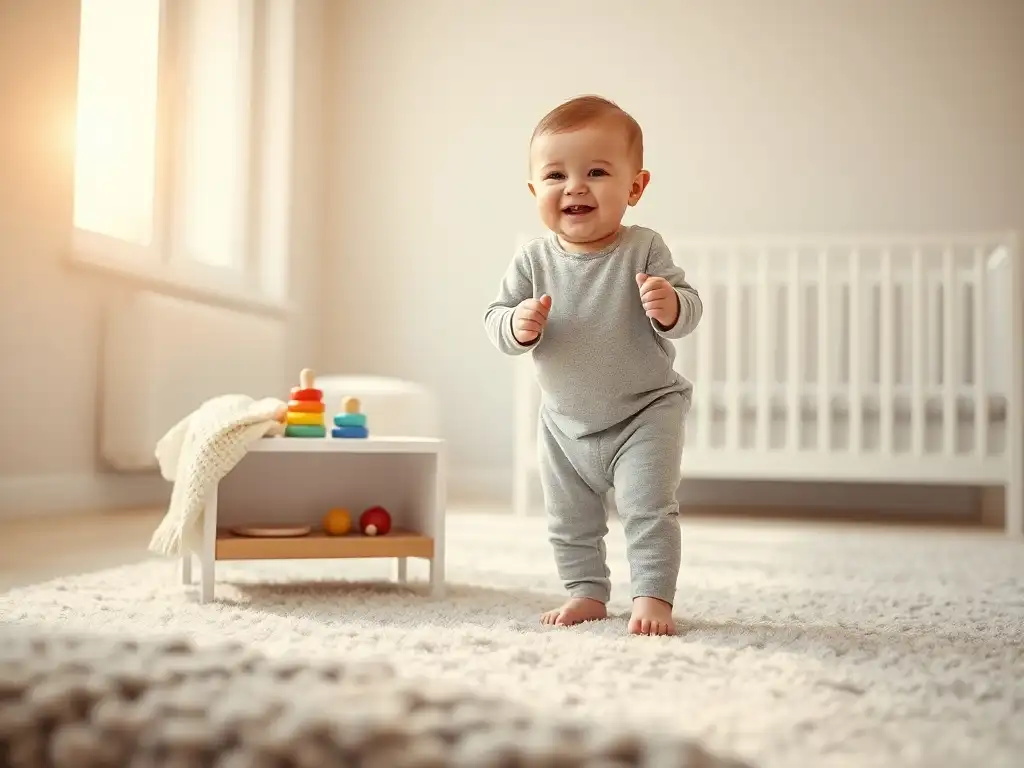
This section delves into the crucial indicators that signal your baby's imminent first steps. Recognizing these signs allows for timely and appropriate support, fostering confidence and minimizing frustration for both parent and child. This is a key part of your Baby first steps support guide.
Observing Key Physical and Behavioral Indicators
Before your little one takes those thrilling first steps, they'll likely exhibit several physical and behavioral cues. These aren't necessarily sequential; some babies might demonstrate certain signs earlier or later than others. Remember, every baby develops at their own pace.
Observing your baby's progress is key to providing the best support. Here's a checklist of common indicators:
- Strong leg muscles: Can your baby pull themselves up to a standing position, holding onto furniture? Can they stand for short periods without support? This demonstrates the leg strength needed for walking.
- Cruising: Does your baby regularly "cruise" – walking while holding onto furniture or other supports? This is a significant milestone, showing they're comfortable bearing weight and maintaining balance.
- Pulling to stand: Does your baby actively try to pull themselves up to a standing position from a sitting or crawling position? This indicates a desire to explore the world from a new perspective.
- Standing with minimal support: Can your baby stand briefly with just a fingertip or minimal support from you? This indicates increasing balance and coordination.
- Taking steps while holding on: Does your baby take a few steps while holding onto furniture or your hands? This is a clear indication that walking is imminent.
- Weight shifting: Notice if your baby shifts their weight from one leg to the other while standing or cruising. This is a crucial skill for balance and walking.
- Increased alertness and anticipation: Does your baby show increased excitement and anticipation when you hold their hands and help them walk? This enthusiasm is a positive sign of their readiness.
Remember to consult your pediatrician if you have any concerns about your baby's development. Early intervention can make a significant difference. This is a crucial part of any baby first steps support guide.
Understanding Individual Developmental Variations
It's crucial to remember that every baby develops at their own pace. While some babies might start walking around 9 months old, others might not take their first steps until closer to 15 months. There's a wide range of normalcy. Premature babies may also reach milestones later than their full-term peers.
Factors influencing the timing of walking include:
- Genetics: Family history can play a role in when a baby starts walking. If parents or siblings were late walkers, the baby might also be a later walker.
- Temperament: Some babies are more cautious and prefer to take their time mastering new skills. Others are bolder and more adventurous.
- Opportunities for practice: Babies who have ample opportunities to practice standing, cruising, and pulling themselves up will typically walk sooner.
- Health: Underlying health conditions can sometimes delay the onset of motor skills.
Don't compare your baby's development to others. Focus on your baby's individual progress and celebrate their achievements at their own pace. A supportive and encouraging environment is key. This is essential information for any baby first steps support guide. Remember, patience and encouragement are paramount. 🎉 Your baby will get there!
Addressing Concerns: When to Seek Professional Advice
Navigating your baby's development can be filled with joy and, at times, apprehension. While most babies begin walking between 9 and 15 months, variations exist, and understanding when to seek professional guidance is crucial. This section offers insights into recognizing potential developmental delays and the importance of timely intervention. This "Baby first steps support guide" aims to empower you with the knowledge to make informed decisions about your little one's progress.
Delayed Walking Milestones: Identifying Potential Issues
A delay in reaching developmental milestones, including walking, doesn't automatically signify a problem. However, certain signs warrant closer attention. These aren't exhaustive, but serve as indicators to discuss with your pediatrician. Consider seeking professional advice if your baby:
- Shows significant muscle weakness or floppiness (hypotonia) after 6 months. This can manifest as difficulty holding their head up, sitting, or reaching for objects.
- Displays persistent asymmetry – one side of their body is noticeably weaker or less developed than the other.
- Lacks interest in mobility or shows a significant aversion to weight-bearing activities like standing or crawling.
- Exhibits unusual postures or movements, for example, consistently preferring to sit in a W-sit position.
- Has a family history of developmental delays or neuromuscular disorders.
- Is significantly smaller or larger than average for their age. This can sometimes indicate underlying health conditions.
- Achieves other milestones significantly later than expected (e.g., rolling over, sitting up).
Remember, each baby develops at their own pace. However, a pattern of delays across multiple developmental areas, combined with the above indicators, should prompt a consultation with a healthcare professional. Early intervention is key to addressing potential underlying issues and maximizing your baby's developmental potential. This "Baby first steps support guide" is designed to help you understand the typical range of development, but professional assessment is invaluable for personalized guidance.
Consulting Your Pediatrician or Developmental Specialist
If you have concerns about your baby's walking progress or notice any of the signs mentioned above, scheduling an appointment with your pediatrician is the first step. Your pediatrician can conduct a thorough physical examination, assess your baby's overall development, and determine if further evaluation is necessary.
They may refer you to a developmental specialist, such as a pediatric physical therapist or occupational therapist. These specialists possess expertise in evaluating motor skills and can create a customized intervention plan if needed. This plan might involve exercises and therapies designed to improve muscle strength, balance, and coordination, ultimately supporting your baby's journey towards walking.
Early intervention is crucial because it allows for early identification and treatment of any underlying conditions that may be contributing to delays. The sooner issues are addressed, the better the chances of positive outcomes. Don't hesitate to voice your concerns; your pediatrician is there to support you and your baby throughout this exciting phase of development. Trust your instincts – if something feels off, seek professional guidance. This "Baby first steps support guide" provides information, but professional advice remains paramount.
Baby First Steps Support Guide: Celebrating Milestones
This section focuses on making your baby's first steps a truly memorable occasion. Capturing these precious moments not only provides lasting memories for you but also offers valuable developmental insights. Remember, every baby develops at their own pace, and celebrating each milestone – big or small – is crucial for their confidence and emotional growth.
Creating Memorable Moments of Their First Steps
The anticipation of your baby's first steps is incredibly exciting. However, it's important to remember that this milestone isn't a race. Some babies take their first steps around 9 months, while others might wait until closer to 15 months. The key is to create a supportive and encouraging environment.
Here's how you can make the moment even more special:
- Prepare your space: Clear a safe, open area free of obstacles like furniture or rugs that could cause a fall. A soft carpet or playmat can provide cushioning. Consider using baby-proof gates to limit access to certain areas, ensuring a safe space for exploration.
- Be present and encouraging: Cheer them on with enthusiastic words of encouragement, like "You got this!" or "Look at you go!". Your positive reinforcement will boost their confidence. A gentle clap or a loving smile can go a long way.
- Capture the moment: Have your camera ready to capture those precious first steps. Consider a video recording to capture the entire event, not just a single photo. These memories will be treasured for years to come.
- Celebrate the accomplishment: Once your baby takes those first few steps, celebrate their achievement! A small reward, like a favorite toy or a special snack (age-appropriate, of course), can reinforce the positive association with walking. 🎉
- Share the joy: Share the excitement with family and friends. This milestone is a significant achievement for your baby and your family. Consider creating a special photo album or digital scrapbook to commemorate this special moment.
Encouraging Continued Physical Activity and Exploration
Once your baby takes those first steps, it's crucial to continue encouraging physical activity and exploration. This helps to build their strength, balance, and coordination. Remember, consistent practice is key to mastering new skills.
Here are some ways to support their continued development:
- Create a stimulating environment: Provide a variety of age-appropriate toys and activities that encourage movement. This could include push-and-pull toys, soft balls, or even just a variety of textured surfaces to explore.
- Offer opportunities for supervised free play: Allow your baby ample time for free play in a safe and secure environment. This allows them to explore their surroundings and develop their motor skills at their own pace. Observe their interactions closely to identify any potential safety hazards and intervene as needed.
- Engage in interactive activities: Play games that encourage walking, such as "follow the leader" or simple obstacle courses (using pillows or soft toys). These activities not only promote physical development but also enhance bonding and cognitive skills.
- Consider early childhood development programs: These programs offer structured activities designed to support the physical, cognitive, and social-emotional development of young children. Many programs start as early as infancy and can provide valuable support for your baby's growth.
- Remember to prioritize safety: Always supervise your baby closely during playtime and ensure their environment is safe and secure. Baby-proofing your home is essential to prevent accidents and injuries. Remember that while encouraging independence is important, safety always comes first.
This guide provides a framework for supporting your baby's first steps. Remember, consistency, patience, and a loving environment are key to helping your little one reach this exciting milestone and beyond. Enjoy this special journey!
Frequently Asked Questions
When should I expect my baby to start walking?
Most babies take their first independent steps between 9 and 15 months old. However, this is just an average, and some babies walk earlier or later. Don't worry if your baby isn't walking yet within this range.
What are some signs my baby is ready to walk?
Look for signs like pulling to stand, cruising along furniture, standing independently for short periods, and taking weight on their legs. These show they are developing the necessary strength and balance.
How can I support my baby's development of walking?
Provide a safe and stimulating environment with plenty of space to move around. Encourage tummy time, crawling, and pulling up. Consider using a walker only if it's properly designed and supervised.
What kind of shoes are best for a baby learning to walk?
Soft-soled shoes or barefoot are ideal initially. Avoid restrictive shoes that hinder their natural movement and development of foot strength and flexibility. Supportive shoes are needed only once they are confidently walking.
My baby is 18 months old and still not walking. Should I be concerned?
While most babies walk by 15 months, some take longer. If you have concerns, consult your pediatrician. They can assess your baby's development and rule out any underlying issues.
Final Reflection: Embracing the Miracle of First Steps
The journey of a baby's first steps is far more than just a developmental milestone; it's a profound testament to the power of human potential and the unwavering bond between parent and child. This seemingly small act represents a giant leap forward, not only for the little one but for the entire family, marking a significant shift in independence and exploration. Understanding the nuances of supporting this crucial stage, as explored throughout this guide, is key to fostering a positive and empowering experience for everyone involved.
Witnessing my own child take those first tentative steps was an overwhelmingly emotional experience, a moment etched forever in my memory. The sheer joy, the vulnerability, the incredible sense of accomplishment – it's a feeling that transcends words. The greatest discovery of all time is that a person can change his future by merely changing his attitude.
– Oprah Winfrey. This quote resonates deeply, as the right support and encouragement can profoundly shape a child's confidence and approach to future challenges, starting with those initial steps.
Now, consider your own role in this incredible journey. What will you do to nurture the budding independence and confidence of your little one? Will you create a safe and stimulating environment, filled with opportunities for exploration and play?
Will you offer gentle encouragement and unwavering support, celebrating every small victory along the way? Remember, the path to those first steps is unique to each child, and your patience, love, and understanding are the most valuable tools you possess. Embrace this special time, cherish every moment, and revel in the wonder of witnessing your baby's world expand with each tiny step.
Unlock Your Little One's Walking Potential!
Thank you for learning about supporting your baby's exciting first steps! We hope you found the tips and advice helpful. Now let's put that knowledge into action!
- Create a personalized walking plan: Based on what you've learned, design a daily routine that includes activities like tummy time, supervised standing, and gentle encouragement to pull themselves up. This is key to helping your baby reach this milestone.
- Share your baby's milestone moments with our community! Post a photo or video of your little one's progress on our BabyCareHub social media pages. Let's celebrate these precious moments together!
- Learn more about baby development: Explore our extensive library of articles for expert advice and tips to support your baby's overall growth.
Ready to watch your baby confidently take those first steps? What are you most excited to try from today's guide?