
Tracking Baby's Progress: Identifying Cognitive Milestones and Seeking Support


Welcome to BabyCareHub, your ultimate guide to navigating the incredible journey of parenthood! Are you ready to unlock the secrets to understanding your little one's development? We're here to support you every step of the way, from feeding schedules to crucial developmental leaps. Discover our comprehensive resource on baby care, and begin tracking your baby's progress with our insightful Baby cognitive milestone tracker – a tool designed to help you celebrate each achievement and identify areas requiring extra attention. Dive in and explore the world of baby development with us!
- Understanding Your Baby's Cognitive Development: A Milestone Tracker
- Baby Cognitive Milestone Tracker: Practical Tools and Resources
- Early Signs of Potential Developmental Delays
- Seeking Support for Your Baby's Cognitive Development
- Creating a Stimulating Environment for Cognitive Growth
- Frequently Asked Questions
- Final Reflection: Nurturing the Blossoming Mind: A Journey of Growth and Support
- Unlock Your Baby's Potential: Next Steps to Growth & Development
Understanding Your Baby's Cognitive Development: A Milestone Tracker
Navigating the world of parenthood, especially for first-time parents, can feel overwhelming. Among the many joys and challenges, understanding your baby's cognitive development is paramount. This guide serves as your comprehensive "Baby cognitive milestone tracker," offering a detailed timeline of expected cognitive milestones during your baby's first year. We'll explore key developmental stages, providing you with the knowledge to recognize your little one's progress and identify potential areas needing further attention.
This isn't just about ticking boxes; it's about appreciating the unique journey of your baby's brain development and knowing when and how to seek support when needed. Early identification of any delays allows for timely intervention, maximizing your baby's potential for healthy cognitive growth. Remember, every baby develops at their own pace, but understanding typical milestones provides a valuable framework for monitoring their progress and celebrating their achievements. 🎉
Key Cognitive Milestones in the First Year: A Developmental Timeline
Tracking your baby's cognitive development can be both exciting and informative. This timeline breaks down the key milestones into four-month intervals, offering a clearer picture of what to expect. Remember, these are general guidelines; individual variations are completely normal. If you have any concerns, always consult your pediatrician.
0-3 Months: Early Sensory Development and Interaction
This initial phase focuses on sensory exploration. Your baby is absorbing information through their senses – sight, sound, touch, taste, and smell.
- Visual Tracking: They'll begin to follow moving objects with their eyes. Initially, this might be limited to short distances and slow movements, gradually improving in precision and range.
- Responding to Sounds: Expect reactions to loud noises and eventually the ability to locate the source of a sound. They may also start to turn their heads towards familiar voices.
- Reflexes: While not strictly cognitive, reflexes like grasping and sucking are crucial early indicators of neurological function. Observe the strength and consistency of these reflexes.
- Social Interaction: Your baby will show signs of enjoying social interaction, responding to your smiles, and engaging in brief periods of eye contact. This early bonding is crucial for their cognitive development.
This period is all about building the foundation for future learning. Enjoy these precious moments of connection and observe your baby's responses to different stimuli.
3-6 Months: Exploring Objects and Responding to Sounds
As your baby enters this phase, their cognitive abilities rapidly expand. They begin to actively engage with their environment.
- Reaching and Grasping: They'll demonstrate improved hand-eye coordination, reaching for and grasping objects with more precision. Expect to see them batting at dangling toys and bringing objects to their mouths for exploration.
- Object Exploration: Your baby will start to explore objects using all their senses, shaking rattles, and mouthing toys. This is crucial for sensory integration and cognitive development.
- Responding to Different Sounds: They become more attuned to different sounds and voices, demonstrating discrimination between various tones and pitches.
- Anticipation: You may notice the beginnings of anticipation, such as watching you prepare their bottle with visible excitement.
This is a period of rapid physical and cognitive growth. Provide your baby with a stimulating environment filled with a variety of textures, sounds, and objects for exploration.
6-9 Months: Object Permanence and Early Communication
This stage marks a significant leap in cognitive development. Your baby begins to understand that objects continue to exist even when they are out of sight (object permanence).
- Object Permanence: They'll start searching for hidden objects, showing a growing understanding that things don't disappear when covered up. This is a major cognitive milestone.
- Early Communication: Babble becomes more frequent and complex, with a wider range of sounds and intonations. They might begin to understand simple words and respond to their names.
- Imitation: They'll start imitating simple actions and sounds, demonstrating an increasing ability to learn through observation.
- Stranger Anxiety: This is a normal developmental stage, reflecting their growing awareness of their surroundings and the people in their lives.
Encourage interaction and communication through talking, singing, and playing games with your baby.
9-12 Months: Problem-Solving and Symbolic Thinking
By their first birthday, babies demonstrate remarkable cognitive abilities. They begin to solve simple problems and engage in symbolic thinking.
- Problem-Solving: They'll attempt to solve simple problems, such as figuring out how to reach a toy that's out of reach. This involves planning and coordination.
- Symbolic Thinking: They'll start to understand that symbols represent objects or actions, such as using a toy phone to mimic talking on the phone.
- Following Instructions: They'll begin to follow simple instructions, such as "Give me the ball" or "Wave bye-bye."
- Independent Play: They'll spend longer periods engaged in independent play, using their imagination and exploring their environment.
This stage is all about celebrating your baby's growing independence and cognitive abilities. Continue to provide a stimulating environment and engage in interactive play. Remember to consult your pediatrician if you have any concerns about your baby's development.
Baby Cognitive Milestone Tracker: Practical Tools and Resources
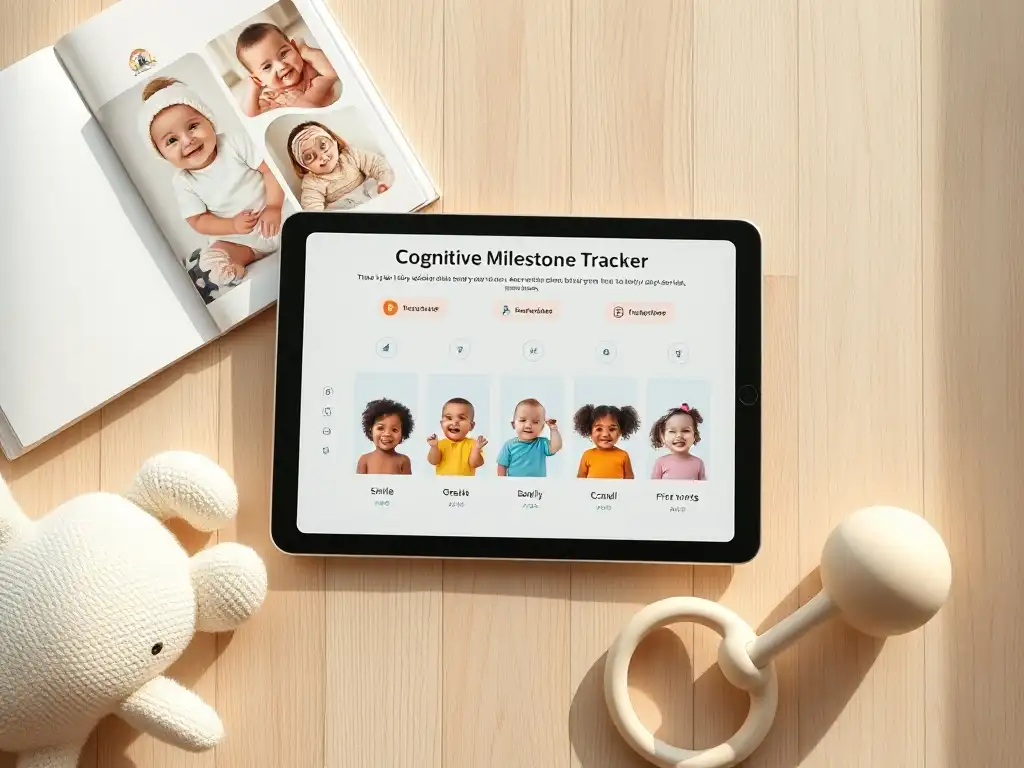
Tracking your baby's cognitive development can feel overwhelming, but utilizing the right tools can make it a rewarding and informative experience. This section explores practical resources to help you monitor your little one's progress and identify potential areas needing further attention. Remember, every baby develops at their own pace, and these tools are meant to be supportive, not stressful. Using a Baby cognitive milestone tracker effectively involves a combination of observation and reliable resources.
Using a Baby Development Chart to Track Progress
A simple, printable baby development chart can be an invaluable tool. These charts typically list expected milestones categorized by age, often broken down into monthly intervals. They cover various developmental areas, including cognitive skills like:
- Object permanence: Understanding that objects continue to exist even when out of sight. A chart might note the expected age for this milestone (around 8 months) and provide space to record when your baby demonstrates it.
- Cause and effect: Recognizing that actions have consequences. For example, shaking a rattle makes a noise.
- Problem-solving: Simple problem-solving skills, such as figuring out how to reach a toy.
- Language development: This includes babbling, understanding simple words, and eventually saying words themselves.
| Milestone | Expected Age Range | Notes | Observed Age |
|---|---|---|---|
| Smiles spontaneously | 2-3 months | Record frequency and context of smiles. | |
| Reaches for objects | 3-4 months | Note hand preference if any. | |
| Understands simple words | 6-8 months | Record words understood (e.g., "mama," "dada"). | |
| Plays peek-a-boo | 8-10 months | Note engagement level and understanding. | |
| Points to objects | 10-12 months | Note accuracy and intentionality. |
Remember to use the chart as a guide, not a rigid standard. Variations are normal, and consistent observation is more important than strict adherence to specific timelines. Documenting your observations, even with simple notes, allows you to see patterns and track your baby's progress over time. Consider adding notes about your baby's personality and temperament, as these can influence developmental displays.
Reliable Apps for Monitoring Cognitive Milestones
Several apps are designed to assist parents in tracking their baby's development. These apps often incorporate interactive features, allowing you to log milestones, record observations, and even receive personalized feedback. However, it is crucial to choose reputable apps from established sources. Look for apps that offer comprehensive tracking capabilities, clear explanations of milestones, and avoid those that make unsubstantiated claims or promote unnecessary anxieties. When selecting an app, consider features like:
- Detailed milestone tracking: The ability to log various milestones across different developmental areas.
- Photo and video uploads: To document your child's progress visually.
- Personalized reports: Summarizing your child's development for easy reference and sharing with healthcare providers.
- Privacy and data security: Ensuring your child's data is protected.
Choosing the right app can enhance your tracking experience and provide valuable insights into your baby's cognitive development. Remember to always treat app data as supplementary to your observations and discussions with your pediatrician.
When to Seek Professional Guidance: Recognizing Delays
While every baby develops at their own pace, it's essential to be aware of potential developmental delays. If you notice significant discrepancies between your baby's progress and the expected milestones outlined in charts or apps, it's crucial to consult a pediatrician or child development specialist. Early intervention is key, and seeking professional help is a sign of proactive parenting, not a cause for alarm. Some signs that warrant professional attention might include:
- Lack of response to sounds or voices.
- Significant delays in language development, such as not babbling by 6 months or not saying any words by 12 months.
- Inability to follow simple instructions.
- Absence of social engagement, such as limited eye contact or lack of interest in interaction.
- Persistent difficulty with problem-solving tasks appropriate for their age.
Remember, seeking professional help is a positive step. Early identification of potential delays can lead to timely interventions that can significantly support your baby's development and overall well-being. Don't hesitate to reach out if you have any concerns. A professional can offer valuable assessments, personalized advice, and support tailored to your baby's unique needs. Early intervention can make a significant difference.
Early Signs of Potential Developmental Delays

Identifying potential developmental delays early is crucial for providing timely interventions and support for your baby. While every child develops at their own pace, certain red flags can indicate a need for further assessment. This section focuses on recognizing these early signs, remembering that this information is for educational purposes and should not replace professional medical advice. A thorough evaluation by a pediatrician or developmental specialist is always recommended if you have concerns. Using a baby cognitive milestone tracker can help you monitor your child's progress and identify potential areas needing attention.
Understanding Variations in Development Rates
It's essential to remember that developmental milestones are guidelines, not rigid rules. Babies develop at different rates, influenced by genetics, environment, and individual temperament. For example, some babies may start babbling earlier than others, while some might walk before they crawl. However, significant delays or a lack of progress in multiple areas of development should prompt a consultation with a healthcare professional.
Consider this example: Two babies, both 9 months old, might show different levels of motor skill development. One might be crawling confidently, while the other is still working on rolling over. While both are within the normal range, persistent lack of progress in motor skills in the second baby could warrant further investigation. Consistent monitoring using a simple baby cognitive milestone tracker can help parents note these variations.
A significant concern arises when a baby consistently fails to achieve milestones within a broader timeframe. For instance, a lack of babbling or pointing by 12 months, or a failure to sit unsupported by 9 months, might indicate a potential delay. Remember, consulting a professional is key; they can differentiate between normal variations and genuine developmental concerns.
Communication Skills: When to Worry
Communication skills are a cornerstone of cognitive development. Early signs of potential delays in this area include:
- Lack of babbling or vocalizations by 6 months: While not all babies babble at this age, a complete absence of vocalizations could warrant attention.
- Limited response to sounds or names by 8-12 months: If your baby doesn't seem to notice or react to your voice or their name, it could be a sign of a hearing problem or a communication delay.
- Absence of pointing or gesturing by 12 months: Pointing and gesturing are important pre-linguistic communication skills.
- Difficulty understanding simple instructions by 18 months: If your baby doesn’t follow simple commands like “wave bye-bye” or “give me the ball,” this could be a cause for concern.
Using a baby cognitive milestone tracker focused on communication can help parents pinpoint potential delays early. Remember, early intervention is key when dealing with communication challenges. The earlier support is provided, the better the outcome. Many resources are available to assist parents in fostering communication skills, from interactive play to speech therapy.
Social-emotional development involves a baby's ability to form attachments, express emotions, and interact with others. Key indicators of potential delays include:
- Lack of eye contact or social smiles by 6 months: While some babies are naturally more reserved, a consistent lack of eye contact or smiling could be a red flag.
- Difficulty engaging in back-and-forth interactions by 9 months: Babies typically enjoy peek-a-boo and other interactive games at this age. Lack of engagement might signify a delay.
- Excessive clinginess or avoidance of social interaction: Extreme behaviors, either overly clingy or consistently avoiding interaction, warrant attention.
- Limited emotional expression or difficulty regulating emotions: If your baby seems unusually unresponsive to emotional cues or struggles to self-soothe, it's worth seeking professional advice.
A comprehensive baby cognitive milestone tracker should also include sections to monitor social-emotional development. Tracking these indicators can help parents identify potential areas needing extra attention and support. Remember, early intervention is crucial for addressing social-emotional challenges, potentially impacting a child's ability to form healthy relationships and navigate social situations later in life. Early identification through careful observation and the use of a baby cognitive milestone tracker is a vital step in supporting your child's overall development.
Seeking Support for Your Baby's Cognitive Development

Navigating your baby's cognitive development can be both exciting and challenging. While tracking milestones provides valuable insight, understanding when and how to seek additional support is crucial for ensuring your little one thrives. This section explores various avenues for obtaining expert guidance and building a supportive community to aid your baby's cognitive journey. Remember, seeking help is a sign of strength, not weakness, and early intervention can make a significant difference.
This information is intended for educational purposes and does not substitute professional medical advice. Always consult with your pediatrician or healthcare provider regarding your baby's development. We aim to empower you with knowledge to better understand and advocate for your child's needs. This guide will help you effectively utilize a baby cognitive milestone tracker and understand when professional help might be necessary.
Consulting Your Pediatrician: Regular Checkups and Concerns
Regular checkups with your pediatrician are fundamental to monitoring your baby's overall health and development, including cognitive progress. These visits provide opportunities to discuss any concerns you may have, no matter how small they seem. Your pediatrician can assess your baby's development against established norms, identify potential delays or concerns early on, and provide tailored advice and guidance.
During these checkups, be prepared to share detailed observations about your baby's behavior, such as:
- Language development: Is your baby babbling, responding to their name, or attempting to say words?
- Social interaction: Does your baby smile, make eye contact, and respond to your interactions?
- Problem-solving skills: Can your baby grasp objects, explore their environment, or solve simple problems?
- Motor skills: Are your baby's gross motor skills (crawling, sitting) and fine motor skills (grasping, reaching) developing appropriately?
It's also important to accurately record your observations using a baby cognitive milestone tracker to provide your pediatrician with a clear picture of your baby's progress. Don't hesitate to voice any anxieties; your pediatrician is there to support you and your baby. Early detection of potential developmental delays allows for timely intervention, maximizing the chances of positive outcomes. Remember, even small deviations from the norm can sometimes indicate a need for further evaluation.
Here's a sample table illustrating some common developmental concerns you might discuss:
| Concern | Description | Potential Actions |
|---|---|---|
| Limited eye contact | Baby rarely makes eye contact or seems disinterested in facial expressions. | Discuss with pediatrician; further assessment may be needed. |
| Delayed language development | Baby is not babbling or using gestures at the expected age. | Speech therapy referral may be recommended. |
| Difficulty with problem-solving | Baby struggles with simple tasks, like grasping objects or solving simple puzzles. | Occupational therapy evaluation could be beneficial. |
| Lack of social interaction | Baby shows little interest in interacting with others or avoids social situations. | Pediatrician can assess for social-emotional delays and recommend appropriate support. |
Early Intervention Programs: Accessing Support Services
Early intervention programs offer comprehensive support services for infants and toddlers who have or are at risk of developing developmental delays. These programs provide individualized services tailored to your baby's specific needs and goals. These services often include:
- Physical therapy: To improve motor skills and coordination.
- Occupational therapy: To enhance fine motor skills, sensory processing, and self-help skills.
- Speech therapy: To promote language development and communication skills.
- Developmental therapy: To address cognitive and social-emotional development.
Early intervention programs are typically offered through your local school district or healthcare system. Eligibility criteria vary, but generally involve a formal evaluation to determine your baby's developmental needs. Don't hesitate to reach out to your pediatrician or local early intervention services to inquire about eligibility and the application process. Early intervention is proven to be highly effective in improving outcomes for infants and toddlers with developmental delays. The sooner your baby receives appropriate support, the better their chances of catching up to their peers. Early intervention is a valuable resource that should not be overlooked.
Connecting with Other Parents: Sharing Experiences and Finding Community Support
Connecting with other parents facing similar challenges can provide invaluable emotional support and practical advice. Sharing experiences, exchanging tips, and simply knowing you're not alone can significantly reduce stress and improve your overall well-being. Consider joining online support groups, attending local parent groups, or connecting with families through your pediatrician's office or early intervention program.
Tips for finding a supportive community:
Look for online forums, Facebook groups, or local parent groups dedicated to infant development or specific developmental concerns. Attend parenting workshops and classes offered in your community. Connect with other parents through your child's daycare or preschool.
Remember, raising a baby is a journey, and seeking support is a sign of responsible parenting. Utilizing a baby cognitive milestone tracker in conjunction with professional guidance and peer support can empower you to effectively navigate your baby's cognitive development and ensure their optimal growth and well-being. Remember to celebrate every milestone, big or small! 🎉
Creating a Stimulating Environment for Cognitive Growth
A stimulating environment plays a crucial role in a baby's cognitive development. Think of it as providing the fertile ground for their brains to flourish. From birth, babies are actively absorbing information and learning about the world around them. Providing a rich and engaging environment significantly impacts their cognitive development, helping them reach their developmental milestones faster and more effectively.
This isn't about expensive toys or elaborate setups; it's about thoughtful choices that cater to your baby's ever-changing needs and abilities. The key is to create an environment that encourages exploration, interaction, and learning. This section will explore practical strategies to achieve just that, focusing on age-appropriate activities and maximizing engagement.
Age-Appropriate Toys and Activities for Cognitive Development
Choosing the right toys and activities for your baby is paramount. Remember, the goal isn't just entertainment; it's about stimulating cognitive growth. Here's a breakdown by age range, offering examples of effective tools for a baby cognitive milestone tracker:
| Age Range | Recommended Toys & Activities | Cognitive Benefits |
|---|---|---|
| 0-3 Months | High-contrast mobiles, soft textured toys, rattles, singing | Visual stimulation, auditory development, hand-eye coordination |
| 4-6 Months | Teethers, stacking cups, brightly colored blocks, soft books | Sensory exploration, problem-solving skills, fine motor skills |
| 7-9 Months | Shape sorters, simple puzzles, cause-and-effect toys, balls | Spatial reasoning, problem-solving, object permanence |
| 10-12 Months | Push-and-pull toys, building blocks, picture books, musical instruments | Gross motor skills, problem-solving, language development |
Remember to rotate toys regularly to maintain your baby's interest and prevent boredom. A cluttered environment can be overwhelming, so keep the play area organized and age-appropriate. Always supervise your baby during playtime to ensure safety.
Interactive Play and Engagement: Fostering Learning
Interactive play is not just about playing with your baby; it's about playing with your baby. Active engagement significantly boosts cognitive development. This involves responding to your baby's cues, mirroring their actions, and engaging in back-and-forth interactions. For example, if your baby babbles, respond with your own babbling or words. If they reach for a toy, hand it to them and encourage them to explore its texture and properties. This constant interaction helps them understand cause and effect, develop language skills, and build crucial social-emotional connections. Consider these tips:
- Face-to-face time: Make eye contact and smile frequently. This builds a strong bond and encourages communication.
- Imitation: Mimic your baby's sounds and actions. This helps them learn about themselves and the world.
- Turn-taking: Engage in simple games that involve taking turns, such as peek-a-boo or rolling a ball back and forth.
- Singing and talking: Sing songs, read rhymes, and talk to your baby frequently. This stimulates language development.
Consistent and engaging interaction is key to fostering cognitive growth. Even short bursts of focused interaction throughout the day can make a big difference. Remember, quality time is more valuable than quantity.
Reading to Your Baby: The Importance of Early Literacy
Reading to your baby, even from infancy, is a powerful tool for cognitive development. It's not just about teaching them to read; it's about fostering a love of books, expanding their vocabulary, and improving their language comprehension. Even newborns benefit from the soothing sounds of your voice and the rhythm of language. As they grow, they'll start to associate words with images, develop an understanding of storytelling, and build a foundation for future literacy skills. Here are some tips for successful reading sessions:
- Choose age-appropriate books: Start with board books with simple pictures and repetitive words for younger babies. Gradually introduce more complex books as they grow.
- Use expressive voices: Vary your tone, pitch, and pace to keep your baby engaged. Make the reading experience fun and interactive.
- Point to pictures and name objects: This helps your baby connect words with images and expand their vocabulary.
- Make it a routine: Establish a regular reading time, such as before bedtime. This creates a positive association with books and reading.
Reading to your baby is an investment in their future literacy skills and overall cognitive development. It's a simple yet powerful way to nurture their minds and foster a lifelong love of learning. It's a vital component in utilizing a baby cognitive milestone tracker effectively. 👶📚
Frequently Asked Questions
What is a baby cognitive milestone tracker?
A baby cognitive milestone tracker is a tool used to monitor your baby's developmental progress in areas like language, problem-solving, and social skills. It helps you identify potential delays and celebrate achievements. It can be a chart, app, or even a simple notebook.
Why is tracking my baby's cognitive milestones important?
Tracking helps you understand your baby's development and identify any potential areas needing attention early on. Early intervention is crucial for optimal development. It also allows you to celebrate your baby's unique progress.
What are some key cognitive milestones to watch for?
Key milestones include smiling, babbling, responding to their name, pointing, and understanding simple instructions. The timing varies, but consistent monitoring is vital. Consult your pediatrician for personalized guidance.
Where can I find a reliable baby cognitive milestone tracker?
Many free and paid apps, charts, and printable trackers are available online. BabyCareHub offers resources to help you track your baby's progress. Consult your pediatrician or child development specialist for personalized recommendations.
When should I seek professional help regarding my baby's cognitive development?
Seek professional help if you have concerns about your baby's development or if they are consistently behind on key milestones. Your pediatrician can assess your baby's progress and recommend appropriate support. Early intervention is key.
Final Reflection: Nurturing the Blossoming Mind: A Journey of Growth and Support
Tracking a baby's cognitive development isn't just about ticking boxes; it's about celebrating the unique journey of a tiny human blossoming into a brilliant mind. The information presented in this article, designed to help parents navigate the world of baby cognitive milestones, remains critically relevant in today's fast-paced world where access to accurate and supportive information is paramount for successful parenting. Understanding these milestones empowers parents to provide the best possible environment for their child's growth and development.
The impact of early childhood development on a child's future trajectory is undeniable. It shapes their potential, their confidence, and their overall well-being. Give a child a good start and you give him a good future.
This simple yet profound statement underscores the importance of attentive parenting and the role a cognitive milestone tracker can play in that process. By understanding typical developmental stages, parents can identify potential delays early on, seeking professional support when needed and fostering a nurturing environment that encourages exploration and learning. This proactive approach not only benefits the child but also empowers parents, reducing anxiety and fostering a deeper connection with their little one.
Now, consider your own journey as a parent or caregiver. Reflect on the unique milestones your child has reached, the challenges you've overcome, and the joys you've experienced. Remember that every child develops at their own pace. Use the knowledge gained from this article to continue fostering a supportive and stimulating environment for your child's cognitive growth. Embrace the journey, celebrate the small victories, and seek support when needed. Your active participation in your child's development is the most valuable gift you can give.
Unlock Your Baby's Potential: Next Steps to Growth & Development
Thank you for learning about your baby's cognitive milestones! We hope this article provided valuable insights into their development. Now, let's put that knowledge into practice.
Here's how you can continue this exciting journey:
- Track your baby's progress: Start a developmental journal to record your baby's achievements and growth. This allows you to celebrate milestones and easily identify areas needing extra attention. A free printable tracker is available on our website to help you get started.
- Connect with other parents: Join our online community forum to share experiences, ask questions, and learn from other parents. It's a fantastic source of support and encouragement!
- Explore additional resources: Delve deeper into specific developmental areas by visiting our dedicated resource page. We've compiled a wealth of information to support you on your parenting journey.
What specific milestone are you most excited to see your baby reach next?