
Temperament and Sibling Rivalry: How to Navigate Differences

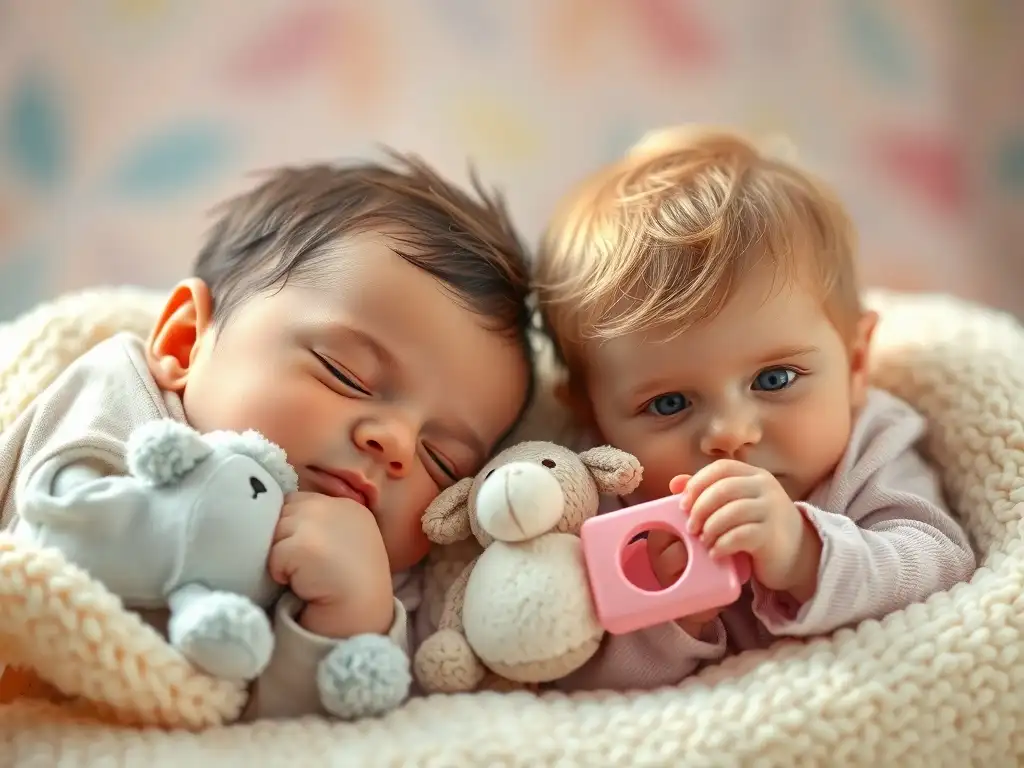
Welcome to BabyCareHub, your ultimate guide to navigating the incredible journey of parenthood! Are you ready to unlock the secrets to a harmonious home, even with a newborn and a toddler vying for attention? We understand the challenges of managing sibling rivalry, especially when temperaments clash. Discover practical strategies and expert advice within our "Developmental Milestones" section, starting with our in-depth article on "Temperament and Sibling Rivalry: How to Navigate Differences". Let us help you create a loving and supportive environment for your growing family. Explore now and find the answers you need!
- Understanding Your Newborn's Temperament and its Impact on Sibling Dynamics
- Sibling Rivalry: Common Manifestations with Different Temperaments
-
Strategies for Managing Sibling Rivalry with Diverse Temperaments
- Creating a Positive Sibling Relationship: Fostering Cooperation and Empathy
- Individualized Attention: Tailoring Your Approach to Each Child's Needs
- Promoting Independence and Self-Soothing: Reducing Competition for Resources
- Establishing Consistent Routines and Expectations: Reducing Uncertainty and Anxiety
- Utilizing Positive Reinforcement: Rewarding Cooperation and Positive Interactions
- Seeking Professional Support: When to Consult a Therapist or Child Psychologist
-
Preventing Future Conflicts: Long-Term Strategies for Harmony
- Building a Strong Sibling Bond: Activities to Encourage Connection and Understanding
- Teaching Conflict Resolution Skills: Empowering Children to Solve Disputes Independently
- Maintaining Fairness and Consistency: Avoiding Favoritism and Bias
- Open Communication: Fostering a Safe Space for Expression and Emotional Support
- Case Study: Navigating Sibling Rivalry with a High-Need and Easy-Going Baby
-
Frequently Asked Questions
- How does my newborn's temperament affect sibling rivalry?
- What are some common signs of sibling rivalry triggered by a newborn?
- How can I manage sibling rivalry when my newborn has a difficult temperament?
- Are there specific strategies for dealing with jealousy related to the newborn?
- What resources are available to help me navigate sibling rivalry related to my newborn's temperament?
- Final Reflection: Understanding Temperament's Role in Sibling Harmony
- Unlock Peaceful Sibling Dynamics Today!
Understanding Your Newborn's Temperament and its Impact on Sibling Dynamics
Welcoming a newborn into a family already blessed with a child is a joyous occasion, brimming with love and anticipation. However, the arrival of a new baby can also introduce a dynamic shift in family dynamics, particularly concerning sibling relationships. Understanding your newborn's temperament and how it interacts with your older child's personality is crucial for navigating the potential challenges of sibling rivalry.
This article will explore the connection between newborn temperament and sibling rivalry, offering practical tools and strategies to foster harmony and positive sibling relationships. We'll delve into identifying your newborn's unique personality traits, recognizing early signs of temperamental differences between siblings, and understanding how these differences contribute to – or mitigate – potential conflicts. Successfully navigating this transition requires patience, understanding, and a proactive approach to managing the unique needs and personalities of each child.
By understanding the nuances of temperament, parents can create a supportive environment where both children thrive, fostering a strong and loving sibling bond. This is especially important in the crucial period where the older sibling adjusts to their new role and the family adjusts to the demands of a larger household. Let's dive in!
Identifying Your Newborn's Temperament: Easy-to-Use Tools and Techniques
Identifying your newborn's temperament is the first step in understanding their needs and how they might interact with your other child. While every baby is unique, there are some common temperament traits that can help you categorize your little one. These traits often manifest early on, providing valuable insights into their personality. Several tools and techniques can assist you in this process.
One helpful approach is to observe your baby's reactions to different stimuli. For example, how does your baby respond to being held? Do they cuddle readily and enjoy physical closeness, or do they prefer more space and less physical contact? How do they react to new environments or unfamiliar people? Are they easily startled or do they approach new situations with curiosity? Keep a journal or use a simple chart to track their reactions in various situations. This consistent observation helps you identify patterns and understand their typical responses.
Another useful tool is the temperament questionnaire. While professional assessments are best left to pediatricians, several questionnaires available online offer a general understanding of your baby's temperament. These questionnaires typically ask about your baby's sleep patterns, feeding habits, activity levels, and mood. Remember, these questionnaires are guidelines; your observations and intuition are equally important. Remember to focus on consistent patterns of behavior rather than isolated incidents.
Remember, there is no "right" or "wrong" temperament. Each temperament presents its own unique challenges and rewards. Understanding your baby's temperament allows you to adapt your parenting style to their individual needs, fostering a stronger parent-child bond. This understanding is especially crucial when you have an older sibling who may have a very different temperament.
Recognizing Early Signs of Temperamental Differences Between Siblings
Recognizing early signs of temperamental differences between your children is key to proactively managing potential sibling rivalry. Even before your newborn arrives, consider your older child’s personality. Are they generally easy-going and adaptable, or more sensitive and prone to emotional outbursts? This provides a baseline for comparison once the newborn arrives.
Early signs of differences might include contrasting responses to routines. For example, your older child might thrive on structure and predictability, while your newborn might be more flexible and adapt more easily to changes. Observe how each child interacts with you and other caregivers. Does one child seek more attention than the other? Does one child express their needs verbally, while the other relies more on nonverbal cues?
Pay close attention to how each child reacts to changes in the family dynamic. Does your older child become clingier or more demanding of your attention after the baby arrives? Does your newborn become fussy or irritable when their sibling is nearby? These are all potential indicators of temperamental differences that could contribute to sibling rivalry. Documenting these observations can be invaluable in understanding the nuances of each child's personality.
How Different Temperaments Contribute to Sibling Rivalry: Newborn vs. Toddler
The interaction between a newborn’s temperament and that of an older toddler can significantly influence the likelihood and intensity of sibling rivalry. A high-needs baby, for example, who requires frequent feeding and soothing, can strain the resources and patience of parents, potentially leaving the older child feeling neglected or overlooked. This is especially true if the older child is already prone to seeking attention.
Conversely, a more easygoing newborn might not trigger the same level of competition. However, even with an easygoing newborn, the shift in family dynamics can still create challenges. The older child might resent the disruption to their routine or feel a loss of parental attention, regardless of the baby's temperament.
The key is to proactively address these potential issues. It’s vital to ensure that the older child still receives adequate attention and affection, even with a newborn demanding considerable parental time and energy. Strategies such as dedicated one-on-one time with the older child, maintaining familiar routines as much as possible, and involving the older child in age-appropriate baby care activities can help mitigate feelings of resentment and competition.
By understanding the interplay between the temperaments of both children, parents can develop strategies to foster a positive and supportive sibling relationship. Remember, patience, consistency, and a proactive approach are crucial in navigating these challenges successfully.
Sibling Rivalry: Common Manifestations with Different Temperaments
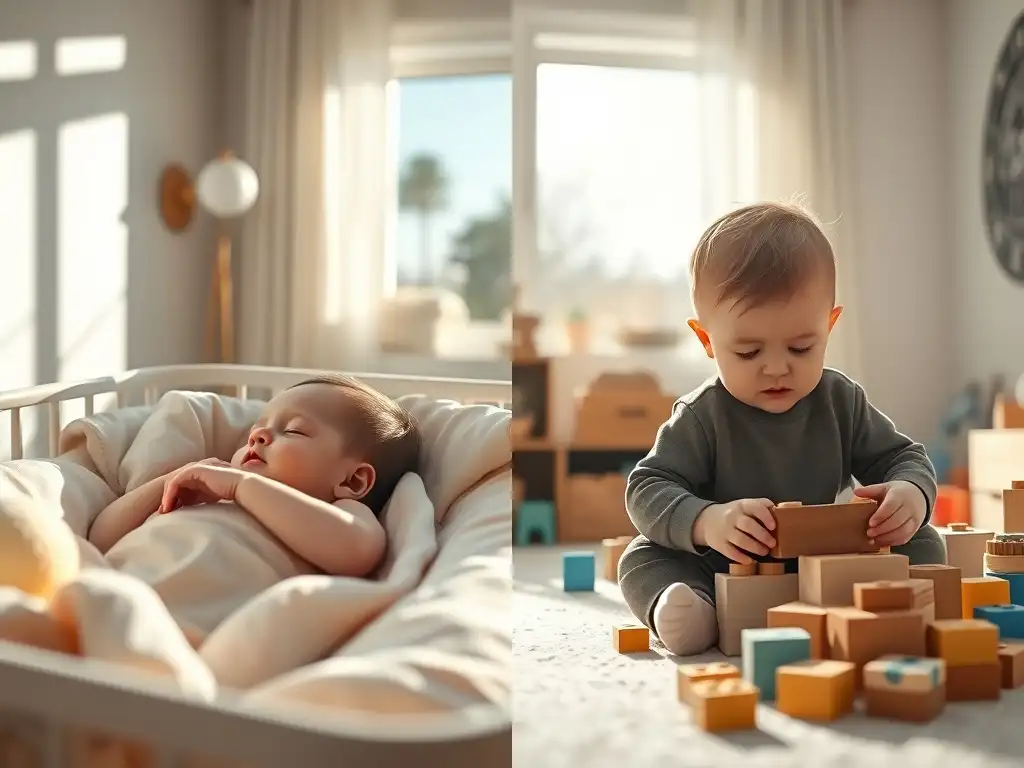
Sibling rivalry is a common occurrence, particularly when a newborn arrives. The dynamic shift in family structure and the inherent differences in temperament between siblings often contribute to friction. Understanding how temperament influences the expression of sibling rivalry is crucial for effective intervention. A newborn's temperament, whether easy, difficult, or slow-to-warm-up, will significantly shape how the older sibling reacts and interacts with the new addition.
For example, an older sibling with a highly sensitive temperament might express their anxieties through withdrawal or clinginess, while a more assertive sibling might exhibit more overt aggression or defiance. The key to managing this is recognizing these individual differences and adapting your parenting strategies accordingly. This section will explore common manifestations of sibling rivalry, categorized by temperament types, offering practical strategies to mitigate conflict and foster positive sibling relationships. The keyword "Sibling rivalry newborn temperament" is central to understanding these dynamics.
Competition for Parental Attention: Strategies for Fair Distribution
Competition for parental attention is a major source of sibling rivalry, especially when a new baby arrives. The newborn naturally demands significant parental time and care, leaving the older sibling feeling neglected or overlooked. This is particularly pronounced with children who crave attention and validation. The intensity of this competition varies greatly depending on the older child's temperament. A child with an easy temperament might adapt more readily, but a child with a difficult temperament may display more pronounced jealousy and acting out.
To address this, parents need to implement strategies for fair distribution of attention. This doesn't mean dividing time perfectly equally, but rather ensuring that the older child feels seen, heard, and valued. Specific strategies include:
- Scheduling dedicated one-on-one time: Setting aside even 15-20 minutes daily for focused attention on the older child, engaging in activities they enjoy, is invaluable. This dedicated time should be consistent and reliable, building a sense of security and predictability.
- Involving the older sibling in baby care: Age-appropriate tasks, such as helping with diaper changes (under supervision) or singing songs to the baby, can foster a sense of inclusion and responsibility. This helps to shift the older child's perception from "the baby is taking away my parents" to "I'm helping take care of the baby."
- Positive reinforcement: Praising the older child's positive behaviors and helpful actions towards the baby reinforces desired behaviors and strengthens the sibling bond. This can involve verbal praise, small rewards, or special privileges.
- Open communication: Talking openly with the older child about their feelings, validating their emotions (even negative ones), and acknowledging the changes in the family dynamic helps them process their experiences.
Resource Conflicts: Toys, Space, and Parental Time
Beyond parental attention, sibling rivalry manifests through competition over resources. This includes toys, personal space, and even parental time and affection. The intensity of these conflicts again depends heavily on the children's temperaments. A slow-to-warm-up child might passively withdraw from interactions, while a child with a difficult temperament might escalate conflicts more aggressively.
Effective management of resource conflicts requires proactive strategies:
- Designated spaces: Establishing personal spaces for each child, where they can retreat and feel secure, minimizes territorial disputes. This could be a specific corner in the room, a shelf for their toys, or even a special blanket.
- Rotating toys: Rotating toys can help reduce the feeling of scarcity and prevent over-attachment to specific items. This also keeps things fresh and exciting for both children.
- Teaching sharing and negotiation: These are essential life skills that should be taught early. Parents can model positive sharing behaviors and help siblings negotiate solutions to disagreements over resources. This might involve taking turns, compromising, or finding creative solutions.
- Fairness, not equality: It's crucial to understand that fairness doesn't always mean equality. Sometimes, adapting to individual needs is more important than strict equal distribution.
Aggression and Conflict Resolution: Age-Appropriate Techniques for Each Temperament
Aggression, both physical and verbal, is a common manifestation of sibling rivalry. The form and intensity of aggression are closely tied to the children's temperaments. A child with an easy temperament might display less aggression, while a child with a difficult temperament may exhibit more frequent and intense outbursts. Understanding this is key to choosing the right conflict resolution strategies.
Appropriate responses vary greatly depending on the age and temperament of the children involved. Some strategies include:
- Time-outs: For younger children, brief time-outs can help them calm down and process their emotions. The duration of the time-out should be age-appropriate.
- Role-playing: Role-playing scenarios can help children practice conflict resolution skills in a safe and controlled environment.
- Positive discipline: Focusing on positive reinforcement and teaching alternative behaviors is more effective than solely punishing aggressive behaviors.
- Seeking professional help: If sibling rivalry is severely impacting the family dynamic or if aggression is frequent and intense, seeking professional guidance from a child psychologist or family therapist is advisable. Early intervention can prevent long-term negative consequences. This is especially important when dealing with children exhibiting challenging temperaments. Remember, consistent and patient application of these strategies, tailored to each child's unique temperament, is key to fostering a positive sibling relationship.
Strategies for Managing Sibling Rivalry with Diverse Temperaments
Sibling rivalry is a common occurrence, particularly when one child is a newborn with potentially different needs and temperament than an older sibling. Navigating this dynamic requires understanding that each child is an individual, possessing unique characteristics and needs. Successfully managing sibling rivalry stemming from differing temperaments hinges on proactive strategies that acknowledge and address these individual differences.
The key is not to treat them identically, but to provide tailored support that fosters a positive and harmonious sibling relationship. This approach is especially crucial when dealing with the "sibling rivalry newborn temperament" dynamic, where the arrival of a new baby often disrupts the established family balance.
Creating a Positive Sibling Relationship: Fostering Cooperation and Empathy
Creating a positive sibling bond is paramount. This involves actively fostering cooperation and empathy between the children. For example, involving the older sibling in age-appropriate newborn care, such as helping to choose outfits or gently holding the baby (under supervision), can create a sense of connection and shared responsibility. Narrating the baby's actions and needs to the older sibling, explaining that the baby is learning and growing, can enhance understanding and empathy.
Implementing a reward system for positive interactions, such as praising acts of kindness or cooperation, can further reinforce desired behaviours. Remember, consistent positive reinforcement is key. Avoid comparing the children directly; focus instead on celebrating each child's unique strengths and accomplishments.
Consider incorporating sibling-focused activities, such as playtime or storytelling, to create positive shared experiences. This dedicated time can help build a sense of unity and reduce competition for parental attention. Positive reinforcement and clear communication are crucial elements in mitigating sibling rivalry related to newborn temperament differences.
Individualized Attention: Tailoring Your Approach to Each Child's Needs
Recognizing and responding to each child's individual temperament is crucial for effective sibling rivalry management. A high-needs baby might require more frequent feeding and soothing, potentially leading to less attention for the older sibling. Conversely, a more independent baby might allow for more focused attention on the older child. Understanding these nuances is key.
Schedule dedicated one-on-one time with each child, ensuring that the older child doesn't feel neglected or replaced. This special time allows for focused attention and strengthens the parent-child bond, helping to reduce feelings of jealousy or resentment. For instance, the older child might enjoy a special outing with a parent while the other parent cares for the baby.
This dedicated time should be consistent and predictable, providing a sense of security and reassurance for each child. This individualized attention directly addresses the challenges posed by differing temperaments, particularly in the context of "sibling rivalry newborn temperament." Remember to observe each child's cues and tailor your interactions to their specific needs and responses.
Promoting Independence and Self-Soothing: Reducing Competition for Resources
Promoting independence and self-soothing skills in both children can significantly reduce competition for parental attention and resources. For the older child, this might involve encouraging self-help skills such as dressing themselves or participating in age-appropriate chores. For the newborn, fostering healthy sleep habits and self-soothing techniques can reduce the frequency of nighttime awakenings, freeing up time and energy for interaction with the older sibling.
Teaching the older child age-appropriate self-soothing strategies, such as reading a book or playing quietly, also reduces their dependence on immediate parental attention, lessening the feeling of competition with the newborn. Creating a structured routine for both children can provide predictability and reduce anxiety, further promoting independence and reducing overall stress. This proactive approach not only minimizes competition for resources but also helps to build resilience and self-reliance in both children, addressing the complexities of "sibling rivalry newborn temperament" effectively.
Remember to celebrate each milestone achieved in the development of self-soothing and independence skills. This positive reinforcement encourages the continuation of these positive behaviors.
Establishing Consistent Routines and Expectations: Reducing Uncertainty and Anxiety
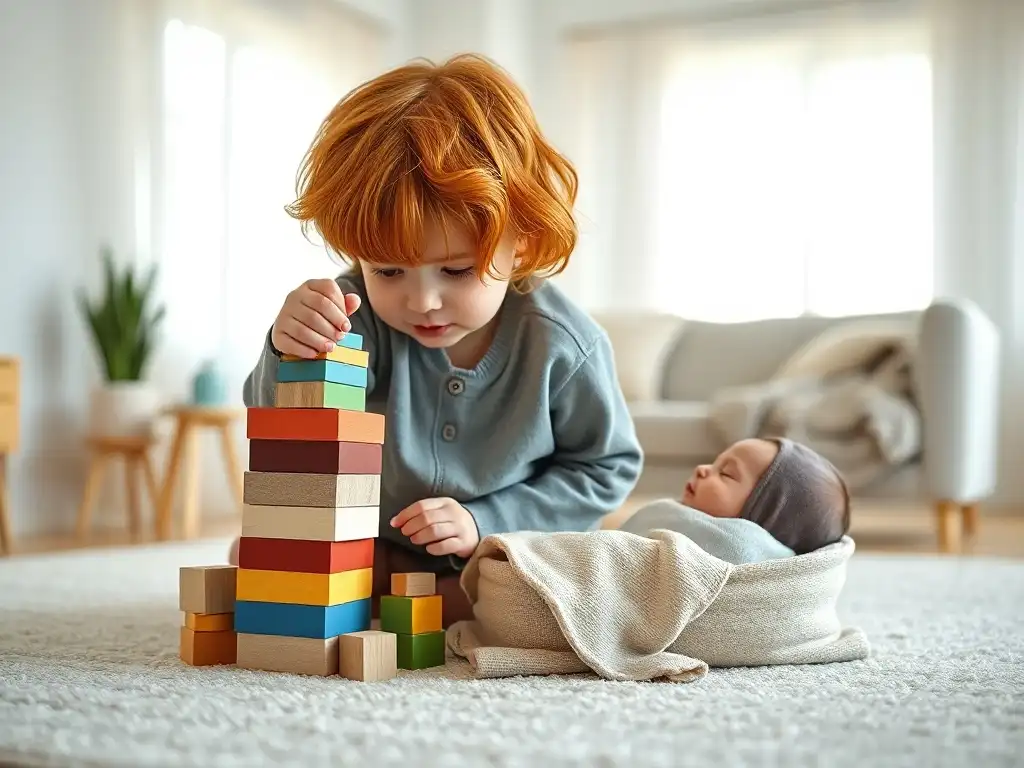
Predictable routines are crucial for managing sibling rivalry, especially when dealing with newborns and toddlers with differing temperaments. A consistent schedule minimizes uncertainty, a major trigger for anxiety and conflict in young children. For example, a clearly defined bedtime routine, including bath time, story time, and lullabies, can create a sense of security and reduce the likelihood of bedtime battles fueled by sibling jealousy. Similarly, establishing consistent mealtimes, playtime, and nap times helps children anticipate events, reducing frustration and competition for attention.
The key is to create a visual schedule, perhaps with pictures, that both children can understand, allowing them to participate in the routine's creation and execution. This shared ownership fosters a sense of cooperation rather than competition. Remember to be flexible; unforeseen circumstances will arise, but maintaining consistency as much as possible is vital. Incorporating individual time for each child within the overall routine is also key.
This dedicated one-on-one time prevents feelings of neglect and reinforces the idea that each child is loved and valued. This individual attention can significantly reduce sibling rivalry stemming from perceived unequal treatment. The routine should also incorporate transitional activities, providing a buffer between different activities to prevent sudden shifts that might trigger meltdowns. For instance, a five-minute warning before transitioning from playtime to cleanup time can be incredibly effective.
Utilizing Positive Reinforcement: Rewarding Cooperation and Positive Interactions
Positive reinforcement is a powerful tool for shaping behavior and reducing sibling rivalry. Instead of focusing solely on punishing negative interactions, actively reward positive behaviors. When siblings share toys, help each other, or display kindness, praise their actions enthusiastically. This positive reinforcement strengthens the desired behaviors and makes cooperation more likely. Specific praise is more effective than general statements. For instance, instead of saying "Good job, you two!
", try "I love how you're sharing your blocks so nicely; you're both being such good teammates!" Consider implementing a reward system, such as a sticker chart or a small reward after a certain number of positive interactions. This tangible reward adds motivation and provides a visual representation of progress. Remember to tailor the reward system to the children's ages and developmental stages. A small toy might be motivating for a toddler, whereas extra screen time might be preferable for an older child.
It's important to address sibling rivalry with empathy and understanding. Avoid comparing siblings directly, as this can fuel resentment and competition. Instead, focus on celebrating each child's individual strengths and achievements. This approach fosters a sense of self-worth and reduces the need to compete for parental attention. Positive reinforcement, coupled with a supportive and encouraging environment, can significantly improve sibling relationships and reduce conflict.
Seeking Professional Support: When to Consult a Therapist or Child Psychologist
While many sibling rivalry issues can be managed with consistent parenting strategies, some situations necessitate professional help. If sibling rivalry is intense, persistent, and negatively impacting the children's emotional well-being or development, seeking professional support is advisable. Signs that professional intervention might be necessary include frequent physical aggression, extreme verbal abuse, consistent attempts to sabotage the other sibling, significant emotional distress in one or both children, and a noticeable decline in school performance or social skills.
A therapist or child psychologist can provide tailored guidance, assess the underlying causes of the conflict, and equip parents with specialized strategies to address specific challenges. They can help parents identify communication patterns contributing to the rivalry, teach conflict-resolution skills to the children, and provide individual therapy to address any emotional issues that might be exacerbating the situation. Moreover, a professional can offer a neutral perspective and help parents navigate complex family dynamics.
Remember, seeking professional help is not a sign of failure but a proactive step towards creating a healthier and more harmonious family environment. Early intervention can prevent long-term negative consequences and promote positive sibling relationships, ultimately leading to improved overall family well-being. Don't hesitate to reach out for support when needed; the well-being of your children is paramount.
Preventing Future Conflicts: Long-Term Strategies for Harmony
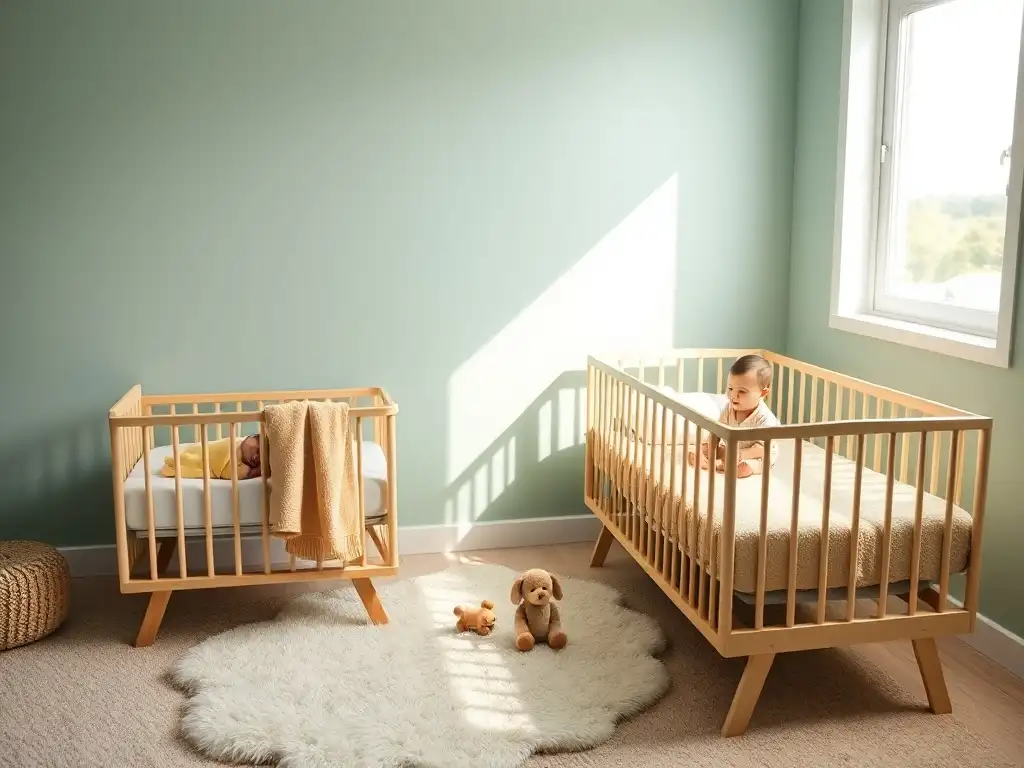
Understanding your newborn's temperament and anticipating potential sibling rivalry requires a proactive approach. Preventing conflicts isn't about eliminating differences; it's about building a foundation of mutual respect and understanding from the start. This involves consistent parenting strategies and a focus on fostering positive interactions between siblings. Ignoring early signs of jealousy or competition can escalate into larger problems later on. Therefore, early intervention is key. This section will explore strategies that can significantly reduce the likelihood of future conflicts, promoting a harmonious sibling relationship.
Building a Strong Sibling Bond: Activities to Encourage Connection and Understanding
One of the most effective ways to mitigate sibling rivalry is to actively cultivate a strong bond between siblings. This starts even before the newborn arrives. Older siblings can be involved in preparing for the baby's arrival – choosing a name, decorating the nursery, selecting clothes. This helps them feel included and less threatened by the new addition. After the baby arrives, dedicated one-on-one time with the older child(ren) is crucial. This might involve reading stories, playing games, or simply engaging in quiet activities together. Even 15-20 minutes of uninterrupted attention can make a significant difference.
Consider implementing structured activities designed to encourage connection. For example:
- Reading together: Choose books about siblings or family relationships.
- Building projects: Lego, blocks, or even a simple fort can foster collaboration and shared success.
- Creative activities: Drawing, painting, or making crafts side-by-side allows for shared experiences.
- Chores together: Age-appropriate chores can teach cooperation and shared responsibility.
Remember, the goal is to create positive associations between the siblings, emphasizing their shared experiences and reducing feelings of competition. The more positive interactions, the stronger the bond. Keep in mind that even newborns can participate in some of these activities through sensory stimulation and gentle interaction.
Teaching Conflict Resolution Skills: Empowering Children to Solve Disputes Independently
As children grow, they will inevitably experience disagreements. Equipping them with conflict resolution skills is vital for preventing escalated arguments and fostering independence. This doesn’t mean letting them fight it out; rather, it's about guiding them towards finding solutions themselves. Start young. Even toddlers can learn simple problem-solving strategies.
Here’s how you can teach conflict resolution:
- Identify the problem: Help children clearly articulate what the issue is. "It seems like you both want the same toy. Let's figure out how to share."
- Brainstorm solutions: Encourage children to suggest their own solutions. Sometimes, simply acknowledging their feelings can defuse the situation.
- Compromise and negotiation: Guide them towards finding a solution that works for everyone involved. This might involve taking turns, sharing, or finding an alternative.
- Practice empathy: Encourage children to understand each other's perspectives. "How do you think your brother feels when you take his toy without asking?"
- Positive reinforcement: Praise their efforts to resolve conflicts peacefully. This reinforces positive behavior and encourages future attempts at peaceful resolution.
The earlier you begin this process, the more naturally these skills will develop, decreasing the likelihood of future conflicts escalating into major sibling rivalry issues.
Maintaining Fairness and Consistency: Avoiding Favoritism and Bias
One of the biggest contributors to sibling rivalry is the perception (or reality) of unfairness. Children are acutely sensitive to perceived favoritism, even if unintentional. Maintaining fairness and consistency in your parenting is crucial for preventing resentment and jealousy. This means establishing clear rules and expectations for all children, regardless of age or temperament. While acknowledging individual differences is important, ensure that discipline and rewards are applied equitably.
Consider these strategies:
| Action | Fair Implementation | Unfair Implementation |
|---|---|---|
| Screen Time | Set age-appropriate limits for all children, with clear consequences for exceeding limits. | Allowing one child significantly more screen time than another, based on temperament. |
| Chores | Assign age-appropriate chores to each child, ensuring the workload is relatively balanced. | Giving more demanding chores to one child while the other has minimal responsibilities. |
| Special Attention | Dedicate individual time to each child regularly, ensuring each feels loved and valued. | Consistently favoring one child over another, showing more affection or attention. |
Remember, perceived fairness is just as important as actual fairness. Transparency in your decision-making processes can help children understand your reasoning, reducing feelings of being unfairly treated. Open communication and clear explanations are essential in preventing misconceptions and fostering a sense of equity. Addressing sibling rivalry proactively through consistent and fair parenting is a critical component of raising happy and well-adjusted children.
Open Communication: Fostering a Safe Space for Expression and Emotional Support
Open communication is the cornerstone of preventing sibling rivalry stemming from differing temperaments. Creating a safe space where each child feels comfortable expressing their feelings, both positive and negative, is crucial. This doesn't mean tolerating aggressive behavior, but rather providing a platform for healthy emotional expression. For example, if a more sensitive child feels overwhelmed by the boisterous energy of their newborn sibling, creating a quiet corner or designated "calm-down" space can be immensely beneficial. This allows them to retreat when feeling stressed, reducing the likelihood of outbursts fueled by frustration.
Regular family meetings, even with young children, can be incredibly effective. These aren't formal meetings, but rather casual check-ins where each child has a chance to share their thoughts and feelings about their sibling, their experiences, and their needs. This can be as simple as asking, "What was your favorite part of today?"
or "What was something that made you feel sad or angry today?". The key is to listen actively and validate their emotions, showing empathy and understanding. For example, acknowledging a child's frustration about sharing toys with their younger sibling, rather than dismissing their feelings, helps them feel heard and understood, reducing resentment.
Furthermore, actively teaching children empathy and perspective-taking is essential. Encourage them to consider their sibling's perspective. For instance, you might say, "Your baby sister is still learning to communicate her needs. Sometimes she cries because she's hungry or tired, not because she's trying to annoy you." Such explanations help older siblings understand their younger sibling's behavior, decreasing the likelihood of misinterpretations and subsequent conflict.
Role-playing scenarios where children can practice expressing their feelings constructively and responding empathetically to their sibling's emotions can also be very helpful. Remember, consistency and patience are key in establishing this open communication channel. The more you model healthy communication, the more likely your children will adopt these skills themselves. This proactive approach can significantly reduce future conflicts driven by temperament differences.
This case study explores the challenges and strategies employed by parents facing sibling rivalry between a high-need infant and an easy-going toddler. Understanding individual temperaments is crucial in mitigating conflict and fostering a positive sibling relationship. We'll analyze the specific challenges encountered and the effectiveness of various interventions, providing insights for parents navigating similar situations. The keywords "sibling rivalry newborn temperament" are central to this analysis.
Case Study Details: Describing Two Siblings with Contrasting Temperaments
The parents, Sarah and Mark, had a two-year-old daughter, Lily, described as an "easy" baby. Lily was generally adaptable, slept well, and easily soothed. Their newborn son, Ethan, presented a stark contrast, exhibiting characteristics of a "high-need" baby. He frequently cried, had irregular sleep patterns, and was difficult to console. This difference in temperament created a significant challenge for the parents, leading to increased sibling rivalry.
Lily, accustomed to receiving undivided attention, struggled to adjust to sharing her parents' time and affection. Ethan's constant crying often disrupted Lily's routine, leading to frustration and outbursts. Sarah noted, "It felt like we were constantly putting out fires – Lily's tantrums and Ethan's inconsolable cries." Mark added, "We felt torn between meeting the needs of both children, and it was incredibly stressful." This disparity in temperaments – one child easily adaptable and the other highly demanding – became a breeding ground for sibling rivalry, highlighted by the keyword phrase "sibling rivalry newborn temperament".
Challenges Faced by Parents
The parents faced several interconnected challenges:
- Unequal distribution of parental attention: Ethan's high needs demanded significant parental time and energy, leaving Lily feeling neglected and resentful. This led to increased competition for parental attention, a common manifestation of sibling rivalry.
- Disrupted routines: Ethan's unpredictable sleep schedule and frequent crying disrupted Lily's established routines, causing frustration and behavioral changes in her. This disruption further exacerbated the existing tensions between the siblings.
- Increased parental stress: The constant demands of caring for a high-need baby while managing a toddler's needs led to significant parental stress and exhaustion. This stress, in turn, negatively impacted their ability to effectively manage sibling rivalry.
- Lily's behavioral changes: Lily, initially a well-behaved child, began exhibiting increased defiance, tantrums, and regressive behaviors such as thumb-sucking and clinging to her parents. This was a direct consequence of the disruption to her routine and the perceived loss of parental attention.
The parents struggled to find a balance, often feeling overwhelmed by the competing demands of their two children with such vastly different temperaments, further emphasizing the complexity of "sibling rivalry newborn temperament."
Strategies Implemented and Their Effectiveness
To address the escalating sibling rivalry, Sarah and Mark implemented several strategies:
- Individualized attention: They dedicated specific time slots for individual attention with each child. For example, Lily had dedicated playtime with her mother while Ethan napped, and Mark spent time reading with Lily while Sarah attended to Ethan's needs.
- Positive reinforcement: They focused on rewarding positive interactions between Lily and Ethan, praising Lily for acts of kindness or patience towards her brother. This positive reinforcement helped to shape desired behaviors.
- Sibling bonding activities: They introduced age-appropriate activities that both children could enjoy together, such as singing songs, reading books, or playing simple games. These activities helped to foster a sense of connection and shared experience.
- Seeking professional support: They sought guidance from a child psychologist specializing in sibling dynamics and infant temperament. The psychologist provided valuable strategies for managing their children's differing needs and addressing the underlying causes of the rivalry.
The results were gradual but significant. By consistently implementing these strategies, Sarah and Mark observed a reduction in Lily's tantrums and Ethan's crying. Lily started showing more patience and even some affection towards Ethan. The parents also reported a significant decrease in their own stress levels. While challenges remained, the combination of individualized attention, positive reinforcement, planned sibling bonding, and professional support proved effective in mitigating the sibling rivalry fueled by the contrasting temperaments of their children, offering a valuable case study for navigating the complexities of "sibling rivalry newborn temperament".
Long-Term Outcomes and Lessons Learned
Observing the two children, now [age of older child] and [age of younger child], reveals fascinating insights into the long-term effects of navigating early sibling rivalry stemming from differing temperaments. While the initial period of adjustment was challenging, characterized by moments of intense sibling rivalry fueled by the high-need baby's demanding nature and the easy-going sibling's quiet frustration, the family successfully implemented strategies that fostered a positive sibling relationship.
The older child, initially exhibiting signs of resentment and jealousy, now demonstrates a remarkable capacity for empathy and patience with her younger sibling. She actively participates in caring for the baby, showcasing a level of maturity beyond her years. This suggests that addressing the initial conflict effectively built her emotional intelligence and fostered a sense of responsibility.
The family's proactive approach in creating individual time for each child, combined with fostering shared activities, appears to have significantly contributed to this positive outcome. Regular family meetings, where each child's feelings were validated and discussed, played a crucial role in preventing prolonged resentment.
The younger child, once the source of considerable sibling rivalry due to his high-need temperament, has also shown significant progress. While he still requires more attention and support than his sibling, the family has learned to manage his needs without compromising the needs of his older sister. The consistent implementation of routines and predictable schedules has helped to mitigate some of the challenges associated with his high-need temperament. This structured approach has ultimately created a more peaceful environment for both children, reducing the frequency and intensity of sibling rivalry.
Importantly, the parents report a stronger bond between themselves as a result of navigating this challenging period. They developed better communication skills and learned to effectively manage their own stress levels during times of conflict. This enhanced communication and improved stress management extends beyond their children's relationship, positively impacting their overall family dynamic.
The experience taught them the invaluable lesson of adapting their parenting styles to meet the unique needs of each child, fostering individual growth while simultaneously nurturing a strong sibling bond. Their success underscores the importance of patience, consistent effort, and a proactive approach in addressing sibling rivalry, particularly when temperamental differences are involved. The family's journey serves as a powerful testament to the resilience of family bonds and the transformative power of effective parenting strategies.
Frequently Asked Questions
How does my newborn's temperament affect sibling rivalry?
A newborn's temperament can significantly impact sibling rivalry. A fussy or high-needs baby requires more attention, potentially leaving older siblings feeling neglected and resentful. Conversely, a calm and easygoing baby may lead to less competition for parental attention.
What are some common signs of sibling rivalry triggered by a newborn?
Common signs include increased aggression or tantrums, clinginess towards parents, regression in potty training or other developmental milestones, and attempts to sabotage the baby. Early identification is key to effective intervention.
How can I manage sibling rivalry when my newborn has a difficult temperament?
Prioritize one-on-one time with each child, ensuring the older sibling feels loved and understood. Involve the older child in age-appropriate baby care, such as helping with diaper changes or reading stories. Celebrate the older child's independence and achievements.
Acknowledge the older child's feelings of jealousy; let them know it's normal to feel this way. Create special rituals or activities just for them. Highlight the positive aspects of having a sibling, focusing on the fun aspects of playing together.
BabyCareHub offers a range of articles and guides on sibling relationships. Consider seeking support from family, friends, or a therapist specializing in family dynamics. Remember that seeking professional help is not a sign of failure but a proactive step towards a harmonious family environment.
Final Reflection: Understanding Temperament's Role in Sibling Harmony
The arrival of a newborn often throws family dynamics into sharp relief, particularly highlighting the existing tensions and burgeoning rivalries between siblings. Understanding the role of individual temperaments in these interactions is not just helpful; it's crucial for fostering a supportive and loving family environment, especially during this period of significant change.
The impact of differing temperaments on sibling relationships is profound and long-lasting. It shapes not only the immediate interactions between children but also their individual development and emotional well-being. The family is the first and most important society.
This quote underscores the significance of nurturing healthy sibling relationships, as they form the foundation of social interaction and emotional learning throughout life. Navigating the challenges of sibling rivalry, especially when amplified by contrasting temperaments, requires patience, understanding, and a commitment to fostering individual growth within the family unit.
You, as a parent or caregiver, now hold the key to unlocking a more harmonious future for your family. Consider the unique temperament of each child, and actively seek strategies to address their individual needs while simultaneously promoting cooperation and empathy. Remember, understanding is the first step towards acceptance, and acceptance is the foundation for building strong, loving sibling bonds that will last a lifetime. Embrace the journey, celebrate the differences, and watch your family flourish.
Unlock Peaceful Sibling Dynamics Today!
Thank you for learning more about navigating sibling rivalry! We hope you gained valuable insights into understanding your children's unique personalities. Now, let's put that knowledge into action:
- Try one new strategy from this week's article. Even small changes can significantly improve your family dynamic. Choose the technique that best suits your family's current situation.
- Share your successes (or challenges!) in the comments below. Connecting with other parents offers invaluable support and fresh perspectives.
- Explore our other resources on sibling relationships. [Insert relevant internal link here]
What small step will you take today to foster a more harmonious sibling relationship?