
Sound and Sensation: How Babies Process Auditory Input

Welcome to BabyCareHub, your ultimate guide to navigating the incredible journey of parenthood. Are you curious about the fascinating world of your little one's development? We delve into the intricate baby hearing development stages, revealing the surprising milestones your baby reaches as they learn to perceive and understand the sounds around them. Discover how your baby's auditory world unfolds, and unlock the secrets to nurturing their early hearing abilities in our in-depth article, " Sound and Sensation: How Babies Process Auditory Input". Let's explore this captivating aspect of your baby's growth together!
- Baby Hearing Development Stages: From the Womb to World
- Baby's Response to Sound: Understanding Auditory Stimulation
- Milestones in Baby Hearing Development: A Month-by-Month Guide
- Supporting Your Baby's Auditory Development: Tips for Parents
- Baby Hearing Development Stages and Early Intervention
- Frequently Asked Questions
- Final Reflection: The Symphony of a Baby's World
- Unlock Your Baby's World: Engage with Sound and Sensation
Baby Hearing Development Stages: From the Womb to World
Understanding how your baby processes sound is crucial for their overall development. This comprehensive guide explores the fascinating journey of auditory development, from the quiet environment of the womb to the bustling world outside. We'll delve into the key stages of baby hearing development, highlighting what your little one can hear at each stage, and how you can support their auditory growth.
This information is vital for first-time parents seeking to nurture their baby's sensory development and ensure they reach their full potential. Learning about the stages of baby hearing development will equip you with the knowledge to recognize potential issues early and provide the best possible environment for your child's hearing development. This article focuses on the key milestones in the development of your baby's hearing, using the term "baby hearing development stages" throughout to ensure optimal search engine optimization.
Prenatal Auditory Development: Hearing in the Uterus
Even before birth, your baby's ears are developing and functioning. Around 18 weeks of gestation, the inner ear is fully formed, and the baby can begin to perceive sounds. While the sounds are muffled and distorted due to the amniotic fluid, your baby is exposed to a surprisingly rich auditory environment. They can hear your heartbeat, your voice, and even the sounds of your digestion!
This prenatal auditory experience plays a crucial role in their later development. Studies have shown a correlation between prenatal auditory stimulation and improved language acquisition after birth. Think of it as their first introduction to language and sound patterns.
The sounds they hear in utero become familiar and comforting, helping them to transition more smoothly into the world. This early exposure lays the foundation for future auditory processing and language development. The muffled sounds of the womb are a crucial part of the baby hearing development stages.
Newborn Hearing Abilities: What Can Your Baby Hear?
Once born, your baby's world explodes with a whole new range of sounds. While their hearing isn't fully mature, newborns are surprisingly adept at perceiving sounds. They are especially sensitive to high-pitched sounds, such as voices, and can distinguish between different tones and rhythms. Newborns show a preference for their mother's voice, demonstrating an innate ability to recognize familiar sounds from their time in the womb. They may also respond to loud noises with a startle reflex.
This early sensitivity to sound is a critical part of the baby hearing development stages. It's essential to create a stimulating yet not overwhelming auditory environment for your newborn, avoiding excessively loud noises. Remember, the delicate nature of their hearing requires a gradual introduction to the world of sound. Early detection of any hearing problems is crucial during these initial stages, so regular check-ups with your pediatrician are recommended.
Early Infant Hearing: Recognizing Sounds and Voices
During the first few months of life, your baby's hearing continues to develop rapidly. They become increasingly proficient at localizing sounds, meaning they can identify where a sound is coming from. They also start to distinguish between different voices and sounds, showing a preference for human speech over other noises. Around 3-4 months, many babies begin to respond to their names and other familiar words.
This stage is marked by an increased awareness of their auditory environment and a growing ability to process complex sound patterns. Interactive play with sounds and voices plays a crucial role in this stage of development. Singing, talking, and reading aloud to your baby are all excellent ways to stimulate their auditory development.
This continued stimulation is key to supporting healthy progress through the baby hearing development stages. Remember, consistent interaction with sounds and voices helps build neural pathways, strengthening their auditory processing capabilities. 🎉 Observing your baby's responses to sound will give you valuable insights into their auditory development.
Baby's Response to Sound: Understanding Auditory Stimulation
New parents often marvel at their newborn's reactions to sound. This section delves into how babies process auditory input, focusing on the developmental stages of baby hearing. Understanding this process empowers parents to provide optimal auditory stimulation, crucial for healthy brain development and language acquisition. The journey of "baby hearing development stages" is fascinating and vital for a child's future.
Auditory Processing in Early Infancy: How Sounds are Interpreted
From the moment they're born, babies begin processing sounds. However, their auditory system isn't fully mature. In the first few months, a baby's response to sound is primarily reflexive. They might startle at loud noises (the Moro reflex) or turn their heads towards a familiar voice. This isn't conscious listening; it's a neurological response.
Gradually, as their brains develop, babies begin to differentiate between sounds. They start recognizing patterns and associating sounds with specific events or people. By around 4 months, many babies can distinguish between different vowel sounds and show a preference for human speech. This is a significant milestone in the "baby hearing development stages."
The process of auditory interpretation involves several stages: sound detection, sound localization, and sound discrimination. Sound detection is simply the ability to hear a sound. Localization involves pinpointing the source of the sound, a skill that develops rapidly in the first year. Discrimination is the ability to distinguish between different sounds—a crucial step in language development. These abilities develop at different rates in different babies, however, falling within a normal range of development.
Here's a table summarizing key auditory milestones in early infancy:
| Age Range | Auditory Milestone | Example |
|---|---|---|
| Birth - 3 months | Startle response to loud noises; preference for human voices | Moro reflex; quieting when hearing a soothing voice |
| 3 - 6 months | Recognizes familiar voices; turns head towards sounds | Smiles at parent's voice; follows a rattle's sound |
| 6 - 12 months | Responds to own name; understands simple words | Turns when called; looks at objects named |
Stimulating Your Baby's Hearing: Activities and Games
Stimulating your baby's hearing isn't about blasting them with loud noises; it's about providing a rich auditory environment that encourages their brain development. Simple, everyday activities can significantly impact their auditory journey.
- Talking: Frequent, clear conversation is paramount. Describe your actions as you perform them, narrate stories, and sing songs. This exposure to language is vital for building vocabulary and comprehension.
- Singing: Singing lullabies and nursery rhymes provides rhythmic and melodic stimulation, enhancing language development and emotional bonding.
- Reading: Reading aloud, even to very young babies, exposes them to different sounds and tones of voice, helping them develop phonological awareness.
- Playing sounds: Use age-appropriate toys that make different sounds—rattles, musical mobiles, or textured balls. This helps your baby explore different sound textures and learn to associate sounds with objects.
- Environmental sounds: Expose your baby to a variety of everyday sounds—the rustling of leaves, the ticking of a clock, or the chirping of birds. This broadens their auditory experience and improves sound discrimination.
Remember, consistency is key. Regular exposure to a variety of sounds is more beneficial than sporadic bursts of auditory stimulation.
Recognizing Early Signs of Hearing Problems
While most babies develop normal hearing, it's crucial to be aware of potential problems. Early detection is vital for intervention, ensuring optimal language and cognitive development. The following signs might indicate a hearing impairment:
- Lack of response to loud noises: If your baby doesn't react to loud sounds (like a clap or a dropped object), it might suggest a hearing problem.
- Failure to turn towards sounds: Babies typically turn their heads towards the source of a sound by around 4 months. A lack of this response could warrant a hearing check.
- Delayed speech development: If your baby isn't babbling or using simple words by the expected age, it could be a sign of a hearing impairment.
- Difficulty following instructions: Inability to respond to simple commands may indicate a hearing difficulty.
If you have concerns about your baby's hearing, consult your pediatrician or a qualified audiologist immediately. Early intervention is crucial in addressing any hearing issues and supporting your baby's development. Remember, proactive monitoring is essential in navigating the "baby hearing development stages". Early intervention can make a significant difference in a child's life.
Milestones in Baby Hearing Development: A Month-by-Month Guide
This section details the key milestones in baby hearing development stages, offering a month-by-month guide to understanding your little one's auditory progress. Remember, every baby develops at their own pace, so these are guidelines, not strict rules. Variations within the typical range are perfectly normal. Consult your pediatrician if you have any concerns about your baby's hearing.
0-3 Months: Basic Sound Detection and Response
During the first three months of life, your baby's auditory system is rapidly developing. While they might not yet understand language, they are actively processing sounds. This stage focuses on basic sound detection and reflexive responses.
Newborns demonstrate a startle response (Moro reflex) to loud noises. They'll also turn their heads slightly towards sounds, particularly those associated with familiar voices. This is a primitive form of sound localization, still quite imprecise. By the end of this period, many babies show a preference for human voices over other sounds and may quieten or become more alert when spoken to. Their ability to distinguish between different tones and pitches is also developing during these early weeks.
Observing these subtle reactions is crucial for early detection of potential hearing problems. If your baby doesn't show any response to loud noises or doesn't seem to be interested in sounds, it's essential to consult a healthcare professional for a hearing assessment. Early intervention is key for optimal baby hearing development.
4-6 Months: Sound Localization and Babbling
Between four and six months, significant advancements occur in your baby's auditory processing. They become increasingly adept at localizing sounds, accurately turning their heads towards the source. This improved directional hearing is a major step in their auditory development journey. This is also the stage where babbling begins. Initially, it's just random sounds, but it gradually evolves into more complex vocalizations, often involving repetitive syllables.
This babbling is not just playful; it’s a crucial practice for speech development, strengthening the muscles used for talking and experimenting with sounds. The sounds they make will increasingly resemble the language they hear around them. This period shows strong links between hearing and language acquisition. Pay close attention to the sounds your baby makes; it's fascinating to observe their progress in vocalization and sound production. The development of baby hearing directly impacts their language development.
7-12 Months: Word Recognition and Understanding
By seven to twelve months, your baby's auditory skills have significantly matured. They can now recognize familiar words and even understand simple instructions. This is a remarkable leap forward in their comprehension. They begin to associate sounds with objects and people, understanding that "mama" or "dada" refers to their caregivers. Their babbling becomes more sophisticated, often mirroring the rhythm and intonation of adult speech.
Around this time, they also start to respond to their name. This demonstrates not only improved hearing acuity but also the development of cognitive abilities to link sounds with meaning. This period is a critical window for language acquisition, and providing your baby with a stimulating auditory environment, filled with songs, stories, and conversations, greatly benefits their development. The refinement of their baby hearing development is essential for language acquisition, paving the way for future communication skills. It’s a significant milestone in their overall development.
| Age Range | Key Milestones | Observations |
|---|---|---|
| 0-3 Months | Startle reflex, head turning towards sounds | Observe responses to loud noises and familiar voices. |
| 4-6 Months | Precise sound localization, babbling begins | Note head turning accuracy and the complexity of their vocalizations. |
| 7-12 Months | Word recognition, response to name, simple commands | Observe their understanding of words and their ability to follow simple instructions. |
Remember, consistent interaction, engaging sounds, and a responsive environment are crucial for healthy baby hearing development stages. Early identification of any hearing difficulties is essential for timely intervention and support.
12-18 Months: Language Acquisition and Comprehension
Between 12 and 18 months, a baby's auditory processing skills significantly contribute to their burgeoning language abilities. This is a period of rapid development where they move beyond simply recognizing sounds to actively understanding and responding to words and simple phrases. Their ability to discriminate between different sounds, honed in the previous months, now allows them to start associating sounds with meaning. This is crucial for language acquisition, a key milestone in their overall development.
The improved auditory processing allows babies to begin associating words with objects, actions, and people. You might notice your baby pointing to a familiar toy when you say its name, or turning their head towards you when you call them. This demonstrates a growing understanding of spoken language and the connection between sound and meaning. At this stage, babies may also start imitating simple sounds and words, mimicking the speech patterns they hear around them. This active participation in language development is a critical step towards fluent communication.
This period also sees an increase in their receptive language skills – their ability to understand what is being said to them. While their expressive language (their ability to speak) may still be limited to a few words or sounds, their comprehension of language is rapidly expanding. They might understand simple instructions, like "Give me the ball" or "Wave bye-bye," demonstrating a clear connection between auditory input and action.
This is a clear indicator of their developing cognitive abilities and a testament to their impressive auditory processing skills. The development of these skills at this age is a strong predictor of future language development and overall cognitive abilities. Parents can actively support this development through frequent interaction, reading aloud, singing songs, and engaging in playful conversations.
Remember, every baby develops at their own pace. While this is a general guideline for typical development, variations are perfectly normal. If you have any concerns about your baby's hearing development or language acquisition, it's always best to consult with your pediatrician or a qualified healthcare professional. Early intervention is crucial in addressing any potential delays and ensuring your baby receives the support they need to thrive. Regular check-ups with your pediatrician are also essential in monitoring your baby's overall development and addressing any concerns you might have. 👶
Supporting Your Baby's Auditory Development: Tips for Parents
This section provides practical advice for parents to nurture their baby's hearing development. Remember, early intervention is key for optimal auditory development. By actively engaging with your baby through sound and creating a stimulating auditory environment, you'll be supporting their journey towards healthy hearing and language acquisition. This is crucial for overall cognitive development and future communication skills.
Creating a Stimulating Auditory Environment
Creating an enriching soundscape for your baby is surprisingly simple and incredibly beneficial. Think of it as providing a "sensory buffet" for their developing ears. Avoid overwhelming them with excessively loud noises, but don't shy away from a variety of sounds at appropriate volumes.
Here are some practical tips:
- Talk, sing, and read aloud frequently: The human voice is the most important sound for a baby. Narrate your daily activities, sing lullabies, and read books aloud, even before they understand the words. This establishes a strong foundation for language development. Babies begin to recognize patterns and intonations in speech very early on.
- Introduce a variety of sounds: Play soft instrumental music, nature sounds (birds chirping, rain), or even recordings of everyday noises like a washing machine or a ticking clock (at a safe, low volume). This helps your baby differentiate between different sounds and develop auditory discrimination skills. Variety is key!
- Minimize exposure to loud noises: Loud noises can be harmful to your baby's delicate hearing. Protect their ears from excessively loud environments, such as concerts or construction sites. Use ear protection if necessary. This is especially important during the first few months of life when their hearing is still developing.
- Engage in playful sound games: Make silly sounds, whisper, or use different vocal tones to keep your baby engaged and entertained. This interactive approach stimulates their auditory processing and enhances their listening skills. Try making animal sounds and see if they react!
Engaging with Your Baby Through Sound
Active engagement with your baby through sound is paramount for their auditory development. It's not just about passively exposing them to sounds; it's about creating interactive experiences that encourage listening, responding, and ultimately, communication.
Here are some suggestions for playful auditory interactions:
- Rattle games: Rattles are classic for a reason! The sound and the visual stimulation they offer are perfect for engaging a baby's attention. Shake them at varying distances to encourage them to locate the sound's source. This helps develop their spatial awareness related to sound.
- Musical toys: Musical toys offer a range of sounds and rhythms, stimulating auditory processing. Choose toys with different sounds and textures, ensuring they are safe and age-appropriate.
- Singing and rhyming games: Singing songs and reciting rhymes is a fun and engaging way to stimulate your baby's auditory processing. The repetition and rhythm help them learn and retain information. Nursery rhymes are particularly effective for this.
- Sound identification games: As your baby grows, you can start introducing simple sound identification games. Make different sounds (e.g., clapping, knocking) and see if they can turn their head towards the sound. This helps them develop sound localization skills. This is a great way to track their progress in "baby hearing development stages".
When to Seek Professional Help for Hearing Concerns
While most babies develop normal hearing, it's vital to be aware of potential concerns and seek professional help when necessary. Early detection and intervention are critical for addressing any hearing impairments.
Here are some signs that might indicate a potential hearing problem:
| Sign | Description |
|---|---|
| Lack of response to sounds | Baby doesn't react to loud noises or familiar voices. |
| Delayed speech development | Baby is significantly behind in reaching typical speech milestones for their age. |
| Failure to turn to sounds | Baby doesn't consistently turn their head towards the source of a sound. |
| Frequent ear infections | Recurrent ear infections can affect hearing. |
| Family history of hearing loss | A family history of hearing loss increases the risk of your baby having hearing problems. |
If you notice any of these signs, consult your pediatrician or a qualified audiologist immediately. Early intervention can significantly improve a child's hearing and language development. Don't hesitate to seek professional guidance; your baby's hearing health is paramount. Remember, early intervention is key in navigating the various "baby hearing development stages".
Baby Hearing Development Stages and Early Intervention
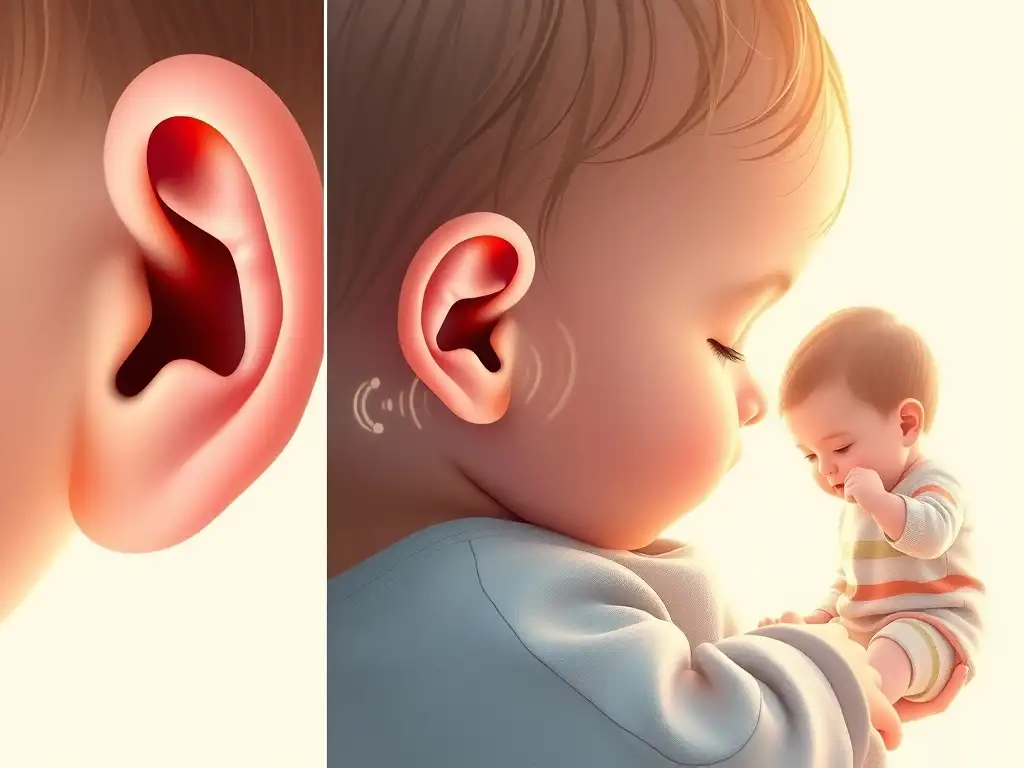
Understanding the developmental stages of a baby's hearing is crucial for parents and caregivers. Early detection of any hearing problems is key to ensuring optimal language and cognitive development. This section outlines the key stages and highlights the importance of early intervention for potential hearing impairments.
We'll explore how to identify potential issues and emphasize the significance of prompt diagnosis and treatment. Remember, a child's auditory development significantly impacts their overall development, shaping their communication skills and social interactions. This journey of auditory development is a fascinating one, filled with milestones that mark a child's progress towards a world of sound.
Identifying Potential Hearing Impairments
Identifying potential hearing impairments in infants requires vigilance and awareness. While some signs are subtle, others are more obvious. It's essential to remember that every baby develops at their own pace, but consistent deviations from expected milestones should be investigated.
Several warning signs could indicate a potential hearing problem. These include:
- Lack of response to loud noises: A baby who doesn't startle or react to sudden loud sounds (like a clap) by 4 months of age might have a hearing issue.
- Absence of babbling by 7-8 months: Most babies begin to babble around this age. The absence of babbling could suggest a hearing impairment, hindering their ability to experiment with sounds.
- Failure to turn their head towards sounds: By 6 months, babies should consistently turn their heads towards the source of a sound. Difficulty doing so warrants attention.
- Delayed speech development: Significant delays in speech development are a clear indicator that something might be amiss.
- Inability to follow simple verbal commands: If your baby isn't responding to simple commands like "Come here" or "Give me that" by the appropriate age, it could indicate a hearing problem.
It's crucial to remember that these are just potential indicators. A comprehensive hearing evaluation by an audiologist is essential for a definitive diagnosis. Early identification is crucial for timely intervention, maximizing the chances of successful outcomes. Regular developmental check-ups with your pediatrician are vital in monitoring your baby's progress and addressing any concerns promptly. Don't hesitate to seek professional advice if you have any doubts or concerns about your baby's hearing. Early intervention can make a world of difference.
The Importance of Early Diagnosis and Treatment
Early diagnosis of hearing loss is paramount for a child's development. The brain develops most rapidly during the first few years of life, and early intervention ensures that the child’s brain receives the necessary auditory input for optimal language and cognitive development. Delaying treatment can have significant long-term consequences on speech, language, and social-emotional development.
The benefits of early intervention are substantial:
- Improved language development: Early intervention significantly improves language acquisition, leading to better communication skills.
- Enhanced cognitive development: Auditory stimulation is crucial for cognitive development. Early intervention helps prevent cognitive delays.
- Better social-emotional development: Children with hearing impairments who receive early intervention often exhibit better social-emotional development, leading to improved social interactions.
- Increased academic success: Early intervention significantly improves a child's chances of academic success.
Treatment options vary depending on the type and severity of hearing loss. They may include hearing aids, cochlear implants, and speech therapy. The sooner intervention begins, the more effective the treatment will be, leading to better outcomes. The support of healthcare professionals, including audiologists, speech-language pathologists, and educators, is crucial for a child's successful journey through treatment and development. Remember, early intervention is not just about fixing a problem; it's about empowering your child to reach their full potential. Early detection and treatment are essential steps in ensuring your child thrives and achieves their developmental milestones. 👶
Frequently Asked Questions
When do babies start hearing?
Babies can hear in the womb, even before birth! They begin to respond to sounds around 24 weeks gestation. After birth, their hearing continues to develop rapidly.
What are the early signs of hearing problems in babies?
Lack of response to loud noises, failure to turn their heads towards sounds, and delayed speech development are potential signs. Seek professional help if you have concerns.
How can I stimulate my baby's hearing development?
Talk, sing, and read to your baby frequently. Play age-appropriate music and provide opportunities for them to listen to different sounds in a safe environment. Regular checkups are crucial.
At what age should I be concerned about my baby's hearing?
If your baby doesn't respond to sounds by four months old, it's important to consult a pediatrician or audiologist. Early intervention is key for optimal hearing development.
What are the different stages of baby hearing development?
Development occurs in stages, starting with recognizing familiar voices and sounds, progressing to understanding words and language. By around 12 months, most babies understand simple instructions. Regular developmental milestones should be monitored.
Final Reflection: The Symphony of a Baby's World
Understanding how babies process auditory input is not merely an academic pursuit; it's crucial for fostering healthy development and ensuring a child's successful journey through life. The intricate dance between sound and sensation in a newborn's world lays the foundation for language acquisition, social interaction, and cognitive growth. Ignoring this crucial developmental period can have lasting consequences, impacting a child's ability to thrive.
The profound impact of early auditory experiences continues to resonate throughout a child's life, shaping their perception of the world and their ability to connect with others. This understanding has profoundly shifted my own perspective on parenting and early childhood education. The human brain is a magnificent instrument. But if you don't use it, you lose it.
– This quote, while not directly about auditory development, perfectly encapsulates the urgency of nurturing a child's sensory development from the earliest stages. We must actively create rich auditory environments for our children, providing them with the stimulation they need to flourish.
Consider the soundscape you create for your child. Are you providing a nurturing environment rich with language, music, and engaging sounds? Or is it filled with overwhelming noise and limited auditory stimulation? Take a moment to reflect on your child's auditory environment and actively cultivate a world where sound nurtures their development. By understanding the stages of baby hearing development, you are empowered to actively participate in shaping a brighter future for your child, one sound at a time.
Unlock Your Baby's World: Engage with Sound and Sensation
Thank you for exploring the fascinating world of your baby's auditory development! We hope you've gained valuable insights into how your little one perceives sound and sensation. Now let's put that knowledge into practice.
Here's how you can continue to nurture your baby's sensory growth:
- Create a Sensory-Rich Environment: Dedicate time each day for focused sensory play, incorporating sounds, textures, and movements. Think soft music, rustling leaves, or gentle swaying. This will significantly enrich your baby's auditory experience.
- Connect with Other Parents: Share your experiences and discoveries with other parents in our online forum (a link will be provided). This supportive community offers a wonderful opportunity for learning and sharing.
- Track Your Baby's Progress: Keep a simple journal to record your baby's responses to different sounds and textures. This personal record will help you understand their development and adapt your approach accordingly.
Ready to create a world of sound and sensory wonder for your baby? What exciting new sound or texture will you introduce today?