
Shaping Behavior Through Understanding Your Baby's Temperament


Welcome to BabyCareHub, your ultimate guide to navigating the incredible journey of parenthood! Are you ready to unlock the secrets to a happier, healthier baby? We understand that understanding your little one's unique personality is key, and that's why we've created a comprehensive Baby Temperament Behavior Guide. Discover how your baby's temperament influences their behavior and learn practical strategies for nurturing their development. Dive in and uncover the tools you need to thrive in this exciting new chapter!
-
Understanding Your Baby's Unique Temperament: A Baby Temperament Behavior Guide
- Identifying Your Baby's Temperamental Traits: Easy-to-Use Observation Techniques
- Recognizing the Nine Temperament Dimensions in Infants: Activity Level, Rhythmicity, Approach/Withdrawal, Adaptability, Intensity of Reaction, Threshold of Responsiveness, Quality of Mood, Distractibility, Attention Span/Persistence
- Differentiating Temperament from Personality: Key Differences and Implications for Parenting
- Matching Parenting Styles to Your Baby's Temperament: A Personalized Approach
- Addressing Common Behavioral Challenges Based on Temperament
- Seeking Professional Guidance: When to Consult a Pediatrician or Child Development Specialist
- Long-Term Implications of Understanding Baby Temperament: Fostering Healthy Development
- Frequently Asked Questions
- Final Reflection: Nurturing Growth Through Temperament Understanding
- Unlock Your Baby's Potential: Nurture Their Unique Needs
Understanding Your Baby's Unique Temperament: A Baby Temperament Behavior Guide
Navigating the world of parenthood, especially for first-time parents, can feel like charting uncharted waters. One of the most significant, yet often overlooked, aspects of this journey is understanding your baby's individual temperament. This isn't about judging your child as "good" or "bad," but rather about recognizing their inherent behavioral predispositions – their unique way of interacting with the world.
This comprehensive guide, your “Baby Temperament Behavior Guide,” will equip you with the knowledge and tools to identify your baby's temperament, understand its implications, and adapt your parenting style accordingly. Learning to recognize and respond to your baby's unique temperament is crucial for fostering a secure attachment, promoting healthy development, and building a strong parent-child bond. This understanding will empower you to anticipate challenges, celebrate successes, and ultimately, raise a happy, well-adjusted child.
We'll explore practical observation techniques, delve into the nine key dimensions of infant temperament, and clarify the crucial differences between temperament and personality. This knowledge is key to creating a nurturing environment tailored specifically to your little one's needs.
Identifying Your Baby's Temperamental Traits: Easy-to-Use Observation Techniques
Understanding your baby's temperament begins with careful observation. While there's no single test, consistent observation over time will reveal patterns in their behavior. Think of it like learning a new language – you need time and practice to become fluent. Here are some practical techniques to help you:
- Keep a journal: Note down your baby's reactions to different situations – feeding times, diaper changes, playtime, and interactions with others. Record things like their activity level (restless or calm? ), their mood (happy, fussy, irritable? ), and how they respond to new experiences (eager or hesitant?). Even seemingly small details can provide valuable insights. 👶
- Structured observations: Dedicate specific time slots (e.g., 15 minutes) to observe your baby in various settings. Pay attention to their reactions to stimuli such as sounds, lights, and touch. Note the intensity and duration of their responses.
- Look for patterns: Over several weeks, analyze the data you've collected. Are there recurring patterns in their behavior? Do they consistently react in a certain way to specific situations? This will help you identify their core temperamental traits.
- Involve your partner: If you have a partner, work together to observe your baby. Different perspectives can provide a more complete picture.
Recognizing the Nine Temperament Dimensions in Infants: Activity Level, Rhythmicity, Approach/Withdrawal, Adaptability, Intensity of Reaction, Threshold of Responsiveness, Quality of Mood, Distractibility, Attention Span/Persistence
Researchers have identified nine key dimensions that contribute to a baby's overall temperament. Understanding these dimensions will help you create a parenting strategy that's perfectly in tune with your child's unique needs.
| Dimension | Description | Example |
|---|---|---|
| Activity Level | The amount of movement and energy a baby displays. | A high-activity baby might constantly kick and move, while a low-activity baby is more relaxed. |
| Rhythmicity | Regularity of biological functions like eating, sleeping, and bowel movements. | A rhythmic baby has predictable routines, while an arrhythmic baby is less predictable. |
| Approach/Withdrawal | Response to new people, objects, or situations. | An approaching baby is curious and eager, while a withdrawing baby is cautious and hesitant. |
| Adaptability | How easily a baby adjusts to changes in routine or environment. | An adaptable baby transitions smoothly, while a less adaptable baby struggles with change. |
| Intensity of Reaction | The strength of emotional responses (positive or negative). | A high-intensity baby reacts strongly to both positive and negative stimuli. |
| Threshold of Responsiveness | The level of stimulation needed to evoke a reaction. | A low threshold baby reacts easily, while a high threshold baby requires more stimulation. |
| Quality of Mood | The overall positivity or negativity of a baby's disposition. | A positive baby is generally cheerful, while a negative baby is often fussy or irritable. |
| Distractibility | How easily a baby's attention is diverted from a stimulus. | A distractible baby is easily redirected, while a less distractible baby is focused. |
| Attention Span/Persistence | The length of time a baby focuses on a task or activity. | A persistent baby stays engaged for longer periods, while a less persistent baby loses interest quickly. |
Remember, these dimensions exist on a spectrum, and your baby will likely fall somewhere along each one. There is no "right" or "wrong" temperament.
Differentiating Temperament from Personality: Key Differences and Implications for Parenting
While temperament and personality are related, they are distinct concepts. Temperament refers to innate behavioral tendencies present from birth or early infancy, while personality develops over time through interactions with the environment and experiences. Understanding this difference is crucial for effective parenting.
- Temperament is inborn: It's largely biologically based and relatively stable throughout early childhood.
- Personality is learned: It’s shaped by experiences, relationships, and cultural influences.
For example, a baby with an intensely reactive temperament might be more prone to tantrums, but through consistent, sensitive parenting, they can learn to regulate their emotions and develop a more adaptable personality. Recognizing the difference allows you to adapt your strategies; you can't change your baby's temperament, but you can create an environment that supports their healthy development and fosters positive personality traits. This involves understanding their needs and responding to them in a way that is both sensitive and consistent.
Matching Parenting Styles to Your Baby's Temperament: A Personalized Approach
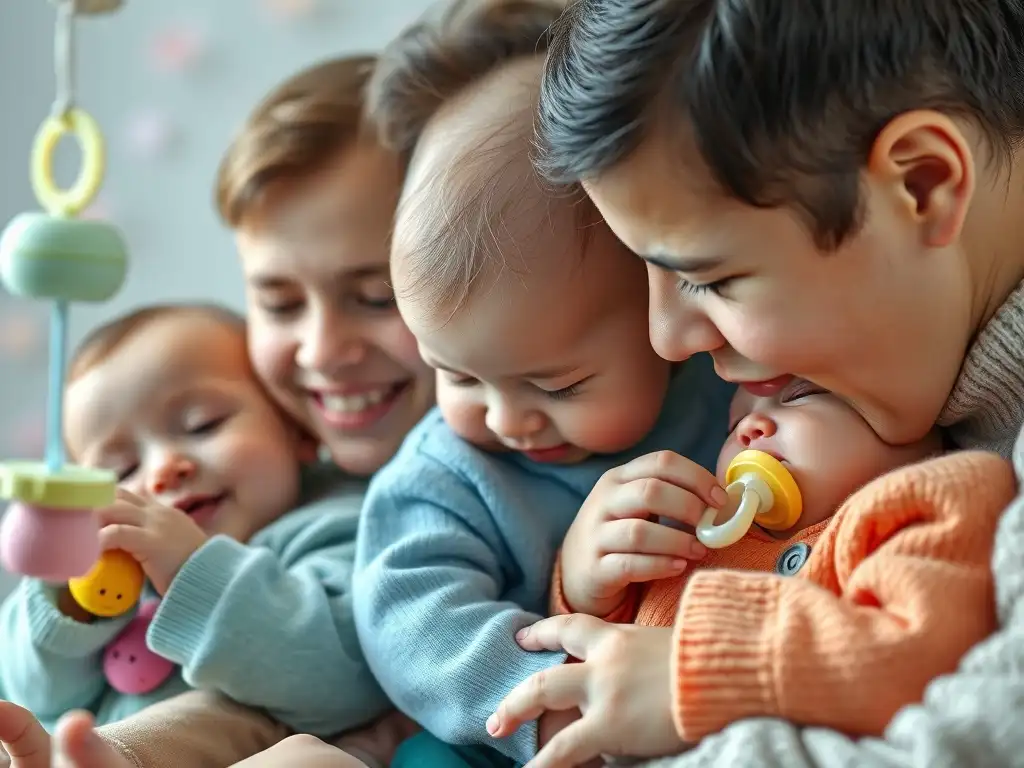
Understanding your baby's temperament is the cornerstone of effective parenting. A "baby temperament behavior guide" isn't about forcing your child into a mold, but about adapting your approach to their unique personality. This involves recognizing that there's no one-size-fits-all parenting style. What works wonders for one baby might be completely ineffective for another.
This personalized approach is crucial for fostering a secure attachment and promoting healthy development. Recognizing individual differences early on allows you to cultivate a nurturing environment tailored to your baby's needs. This proactive approach can significantly reduce stress for both parent and child, leading to a more harmonious and fulfilling family life. Remember, a flexible and adaptable parenting style is key to navigating the challenges and joys of raising a child.
Adapting Routines for Different Temperaments: Creating Schedules that Work
Babies, much like adults, thrive on routine. However, the type of routine that works best varies significantly depending on temperament. For example, a highly sensitive baby might benefit from a very structured, predictable schedule with ample downtime and minimal surprises. Introducing new activities gradually and allowing for plenty of quiet time is crucial for these little ones. On the other hand, a more outgoing, easily adaptable baby might tolerate a more flexible schedule with more spontaneous activities. This doesn't mean chaos, but rather a willingness to adjust the plan based on the baby's cues.
Consider this: A slow-to-warm-up baby might need extra time to adjust to new situations or people. Therefore, a gradual introduction to new routines, perhaps extending the transition period, is essential. Conversely, a child with a more flexible temperament may readily embrace change and adjust to new routines more easily. Observing your baby's responses to different schedules provides valuable insights into their individual needs.
Keep a detailed record of your baby's reactions – noting sleep patterns, feeding times, and overall mood – to identify the schedule that best supports their temperament. Remember, consistency is key, but flexibility is equally important for successful routine implementation. The goal is to find a balance that promotes both structure and adaptability.
Responding to Cues: Recognizing and Addressing Your Baby's Emotional Needs
A crucial aspect of a personalized parenting approach involves learning to interpret and respond to your baby's emotional cues. This is a fundamental element of a comprehensive "baby temperament behavior guide." Understanding your baby's communication style, whether it's through crying, fussing, or subtle changes in body language, is vital. A highly expressive baby might readily communicate their needs, while a more reserved baby may require more attentive observation.
For instance, a baby showing signs of overstimulation (fussiness, rubbing eyes, turning away) might need a quieter environment and some downtime. Conversely, a baby who seems under-stimulated might benefit from interactive play or a change of scenery. Recognizing these subtle cues allows you to provide timely and appropriate responses, preventing potential meltdowns and fostering a sense of security. Remember, each baby communicates differently.
Some babies express their displeasure loudly and clearly, while others may express their discomfort through subtle cues. Learning to differentiate between hunger, tiredness, discomfort, and other needs based on your baby's unique signals is a skill that develops over time. Consistent observation and attentiveness are key to accurately interpreting these cues and providing the appropriate response.
Communication Strategies for Different Temperament Types: Effective Interaction Techniques
Effective communication is paramount in shaping positive behavior and building a strong parent-child bond. However, the best communication strategies vary significantly depending on your baby's temperament. A quiet, observant baby might respond better to calm, soothing interactions and gentle touch. Avoid overwhelming them with excessive stimulation or loud noises. Conversely, a more outgoing and active baby might thrive on playful interactions, songs, and games.
Consider the following: For a shy or slow-to-warm-up baby, introducing new people or situations gradually is crucial. Allowing them time to adjust and observe before engaging directly can reduce anxiety. On the other hand, an easy-going baby might readily embrace new experiences and interactions. For these babies, a more interactive and stimulating environment may be beneficial.
Remember that the goal is to match your communication style to your baby's individual needs, creating a nurturing environment that fosters their unique personality. Consistent and responsive communication, tailored to their temperament, strengthens the bond and contributes to their overall well-being. Observation and adaptation are key to developing effective communication strategies specific to your baby's temperament.
Addressing Common Behavioral Challenges Based on Temperament

Understanding your baby's temperament is key to navigating the inevitable behavioral challenges that arise during infancy. A "baby temperament behavior guide" should offer practical strategies tailored to individual needs. This section focuses on common difficulties and provides solutions informed by temperament theory. Remember, consistency and patience are crucial regardless of your baby's temperament. Each baby is unique, and what works for one might not work for another.
Dealing with Fussy Babies: Calming Techniques for High-Reactive Infants
High-reactive infants, often characterized by intense reactions to stimuli, are prone to fussiness. Their heightened sensitivity requires a gentler, more predictable approach. Instead of overwhelming them with stimulation, focus on creating a calm and soothing environment.
Consider these strategies:
- Swaddling: The gentle pressure of a swaddle can mimic the feeling of being held and reduce sensory overload. This is particularly effective for babies who dislike being unconstrained.
- White Noise: A consistent, low-level sound like white noise or a fan can mask disruptive noises and create a more peaceful atmosphere, reducing overstimulation.
- Rhythmic Movement: Gentle rocking, swaying, or even a car ride can soothe a fussy baby by providing predictable, rhythmic sensory input. The repetitive motion can be incredibly calming.
- Skin-to-Skin Contact: The warmth and closeness of skin-to-skin contact releases oxytocin, a hormone that promotes bonding and relaxation. This is a powerful calming technique for many babies.
- Pacifiers: For some high-reactive infants, a pacifier can provide a source of comfort and self-soothing. However, be mindful of potential long-term effects and consult with your pediatrician.
Remember, patience is paramount. A fussy baby is not necessarily a “bad” baby; they are simply reacting to their environment in a way that reflects their unique temperament. Experiment with different calming techniques to discover what works best for your little one. Keep a journal to track what seems to soothe your baby most effectively.
Managing Difficult Sleep Patterns: Strategies for Restful Sleep Based on Temperament
Sleep problems are common in infancy, but the ideal approach varies significantly depending on your baby's temperament. A slow-to-warm-up baby might require more time and patience to settle down for sleep, while a highly active baby may need extra strategies to wind down.
Here's a breakdown of effective strategies categorized by temperament:
| Temperament Type | Sleep Challenges | Recommended Strategies |
|---|---|---|
| Easy/Flexible | Occasional difficulty settling down | Consistent bedtime routine, dark room, white noise |
| Slow-to-Warm-Up | Difficulty falling asleep, frequent awakenings | Gradual introduction to sleep cues, calm and predictable environment, longer wind-down time |
| High-Reactive/Difficult | Frequent awakenings, short sleep cycles | Swaddling, white noise, rhythmic movement, consistent sleep schedule |
Implementing a consistent bedtime routine is crucial for all temperament types. This predictability helps your baby anticipate sleep and reduces anxiety. The routine should include calming activities like a warm bath, a gentle massage, and quiet time. A dark and quiet room is also essential for promoting restful sleep.
Handling Tantrums and Emotional Outbursts: Age-Appropriate Responses
Tantrums and emotional outbursts are a normal part of development, but managing them effectively requires understanding your baby's temperament. A slow-to-warm-up baby might have a delayed reaction to frustration, while a highly reactive baby might have more intense and frequent tantrums.
Here’s how to respond effectively:
- Remain Calm: Your calm demeanor helps regulate your baby's emotions. Getting upset only escalates the situation.
- Validate Feelings: Acknowledge your baby's feelings, even if you don't understand the cause of the outburst. Saying something like, "I see you're upset," can be very helpful.
- Offer Comfort: Provide physical comfort, such as a hug or cuddle.
- Redirect Attention: If possible, gently redirect your baby's attention to a different activity or toy.
- Set Clear Limits (Age-Appropriately): While you should be empathetic, it is important to set boundaries. This helps your baby learn self-regulation.
- Time-Outs (Older Infants): For older infants (around 9 months and older), brief time-outs in a safe space can be effective.
Remember, tantrums are a developmental milestone. Your consistent and patient response teaches your baby how to regulate their emotions and cope with frustration. Understanding your baby’s temperament helps you anticipate and respond appropriately to their emotional needs, ultimately fostering healthy emotional development.
Seeking Professional Guidance: When to Consult a Pediatrician or Child Development Specialist

Understanding your baby's temperament is crucial for effective parenting, but knowing when to seek professional help is equally important. While a baby's temperament is largely innate, significant deviations from typical behavior or persistent challenges can indicate underlying issues requiring expert intervention. This section provides guidance on identifying situations warranting a consultation with a pediatrician or child development specialist. This is vital for ensuring your baby's healthy development and your peace of mind. A proactive approach can make a significant difference in addressing potential problems early.
Understanding Developmental Milestones and Temperament: Recognizing Potential Delays
Developmental milestones provide a framework for assessing a baby's progress across various domains, including physical, cognitive, social-emotional, and language development. A delay in reaching these milestones, coupled with persistent challenging behaviors linked to temperament, might signal a need for professional evaluation. For example, a consistently irritable baby who shows significant delays in motor skill development (like rolling over or sitting up) warrants a consultation. Similarly, a baby exhibiting extreme difficulty in self-soothing or engaging with caregivers, combined with delayed language acquisition, should prompt a visit to a pediatrician or child development specialist.
Early intervention is key. The earlier potential developmental delays are identified, the sooner appropriate support can be provided, maximizing the chances of positive outcomes. Remember, every child develops at their own pace, but significant and persistent deviations from expected norms should be investigated. Don't hesitate to voice your concerns to your healthcare provider; they are your allies in navigating this journey.
A helpful tool is to track your baby's developmental milestones using a chart provided by your pediatrician or readily available online. Comparing your baby's progress to these norms can help identify potential areas of concern. However, remember that these charts are guidelines, not strict rules. Consult your pediatrician to interpret any concerns based on your baby's individual circumstances.
Seeking Support and Resources: Connecting with Other Parents and Experts
Navigating the challenges of parenting, especially when dealing with a baby's temperament, can be overwhelming. Remember, you are not alone. Connecting with other parents and professionals can provide invaluable support, shared experiences, and practical advice. Numerous resources are available to help you on this journey.
Support groups, either online or in-person, offer a safe space to share experiences and learn from other parents facing similar situations. These groups can provide emotional support, practical tips, and a sense of community. Additionally, child development specialists, psychologists, and therapists offer professional guidance and interventions tailored to your baby's specific needs and your family's dynamics. These experts can provide evidence-based strategies to manage challenging behaviors and foster a positive parent-child relationship.
Remember, seeking support is a sign of strength, not weakness. Utilizing available resources can significantly enhance your parenting experience and contribute to your baby's overall well-being. Don't hesitate to reach out for help; it’s a crucial part of responsible and effective parenting, especially when dealing with diverse baby temperaments. The journey of raising a child is a marathon, not a sprint, and seeking support is a smart strategy for success.
Long-Term Implications of Understanding Baby Temperament: Fostering Healthy Development
Understanding your baby's temperament early on has profound long-term implications for their development and overall well-being. It's not just about managing challenging behaviors in the short-term; it's about cultivating a nurturing environment that supports their unique personality and fosters healthy emotional, social, and cognitive growth. A parent who understands their child's temperament is better equipped to provide the right kind of support and stimulation, leading to increased resilience and better adjustment as they grow.
Building a Strong Parent-Child Bond: The Importance of Understanding and Acceptance
A strong parent-child bond is crucial for a child's healthy development. When parents understand their baby's temperament, they can respond more effectively to their cues, leading to increased feelings of security and trust. For example, a highly sensitive baby might need more gentle handling and a slower pace of interaction, while a more outgoing baby might thrive on more stimulating activities and social interaction.
This understanding fosters a sense of acceptance and validation, strengthening the emotional connection between parent and child. This positive relationship serves as a foundation for healthy emotional regulation, self-esteem, and social skills throughout childhood and beyond. Studies show that children with secure attachments, often fostered by responsive parenting tailored to their temperament, exhibit better academic performance, stronger social relationships, and improved mental health outcomes.
Ignoring a child's temperament, on the other hand, can lead to frustration for both parent and child, potentially damaging the parent-child bond and hindering the child's emotional development. Early intervention and a focus on understanding your baby's unique needs are key to building a strong and positive relationship.
Supporting Your Child's Emotional Well-being: Laying the Foundation for Healthy Development
Recognizing and responding appropriately to your baby's temperament is directly linked to their emotional well-being. A child's temperament significantly influences their ability to regulate their emotions, cope with stress, and build resilience. For instance, a child with an easily frustrated temperament might benefit from proactive strategies to help them manage their feelings, such as providing a calm and predictable environment, teaching them coping mechanisms, and offering plenty of opportunities for self-soothing.
Conversely, a more laid-back child might require different approaches to encourage engagement and exploration. This tailored approach ensures that the child develops healthy emotional coping mechanisms. Understanding your baby's temperament allows you to anticipate potential challenges and proactively implement strategies to mitigate them, fostering a sense of security and competence.
This proactive approach helps lay a strong foundation for healthy emotional development, reducing the risk of future emotional difficulties and promoting overall well-being. The ability to self-regulate emotions, developed early on through understanding and responsive parenting, is a crucial life skill that contributes to success in all areas of life. By acknowledging and adapting to your baby's unique temperament, you're investing in their long-term emotional health and happiness.
Frequently Asked Questions
How can I identify my baby's temperament?
Observe your baby's typical reactions to different situations. Are they generally calm and adaptable, or more sensitive and intense? Consider their activity levels, mood, and attention span.
What if my baby has a difficult temperament?
Patience and consistency are key. Establish a predictable routine, provide a calm and nurturing environment, and seek support from your pediatrician or a parenting expert if needed. Positive reinforcement works wonders.
My baby is very fussy. Is this a temperament issue?
Fussiness can be related to temperament, but it could also indicate underlying issues like hunger, discomfort, or illness. Rule out medical concerns before attributing fussiness solely to temperament.
How can I adjust my parenting style to my baby's temperament?
Adapt your approach to meet your baby's individual needs. A highly sensitive baby might benefit from a calmer environment, while a more active baby might need more opportunities for physical stimulation.
Does my baby's temperament change over time?
While your baby's innate temperament is relatively stable, their behavior will change as they develop and learn to self-regulate. Your parenting and environment also play a significant role in shaping their behavior.
Final Reflection: Nurturing Growth Through Temperament Understanding
Understanding your baby's temperament isn't just about managing difficult behaviors; it's about fostering a deep and loving connection that fuels their healthy development. This knowledge empowers parents to navigate the challenges of infancy with greater empathy and effectiveness, leading to stronger parent-child bonds and a more harmonious family life. The impact of this understanding extends far beyond the toddler years, shaping the trajectory of a child's emotional intelligence and overall well-being.
The journey of understanding a baby's unique temperament is a deeply personal one, filled with moments of both frustration and profound joy. It's a constant learning process, requiring patience, self-reflection, and a willingness to adapt your parenting style. As the saying goes, Children are not things to be molded, but people to be unfolded.
This quote perfectly encapsulates the shift in perspective this article advocates for – moving away from a rigid approach to child-rearing and embracing the beauty of individual differences. By recognizing and respecting these differences, we create an environment where children can thrive, blossom, and reach their full potential.
Now, consider your own baby or child. What are their unique temperamental traits? How can you adapt your parenting strategies to better support their individual needs and blossoming personality? Take the time to reflect on the information presented in this article and actively apply these principles to your daily interactions. Remember, this journey is not about perfection, but about progress – a continuous process of learning, adapting, and growing together with your little one. Embrace the challenge, celebrate the victories, and enjoy the incredible journey of parenthood.
Unlock Your Baby's Potential: Nurture Their Unique Needs
Thank you for exploring the fascinating world of infant temperaments! You've gained valuable insights into understanding your baby better. Now, let's put this knowledge into practice.
- Create a personalized care plan: Develop a daily routine tailored to your baby's individual needs. Consider their sleep patterns, feeding schedule, and preferred playtime activities. This is a crucial step in providing optimal care.
- Share your experiences: Connect with other parents in our online community forum to discuss your baby's personality and development. Sharing your experiences helps others and can lead to the discovery of new parenting strategies.
- Embrace new approaches: Try a different approach to a challenging situation, applying the insights you've learned. Even small adjustments can significantly improve your interactions with your baby.
What small step will you take today to strengthen your bond with your baby, based on their unique temperament?