
Sensory Play Ideas: Engaging Your Baby's Senses for Growth

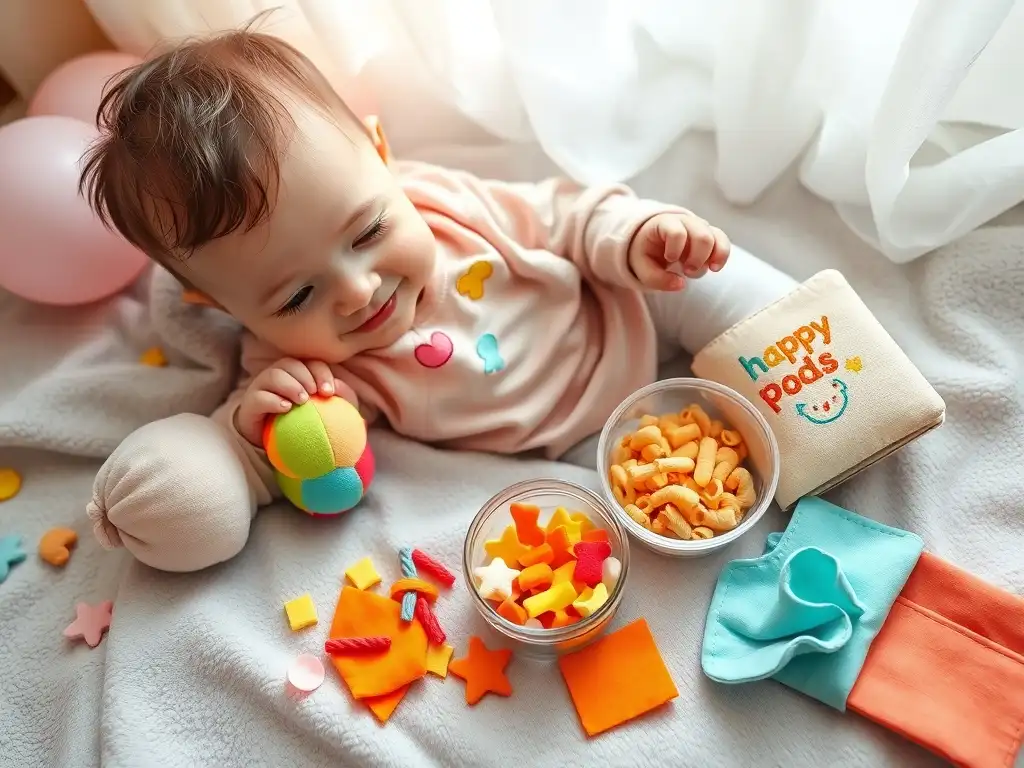
Welcome to BabyCareHub, your ultimate guide to navigating the incredible journey of parenthood! Are you ready to unlock your baby's potential through the power of play? We delve into the fascinating world of baby sensory play, offering creative and engaging ideas to stimulate your little one's development. Discover how simple activities can foster crucial cognitive, physical, and emotional growth. Dive in and explore our Baby sensory play ideas – it's more enriching than you might imagine!
- Understanding the Importance of Sensory Play for Baby Development
- Baby Sensory Play Ideas: Engaging Sight, Sound, Touch, Taste, and Smell
- Creating a Safe and Stimulating Sensory Play Environment
- Integrating Sensory Play into Your Daily Routine
- Monitoring Your Baby's Responses During Sensory Play
- Further Resources and Additional Sensory Play Ideas
-
Frequently Asked Questions
- What is sensory play, and why is it important for my baby?
- How can I incorporate sensory play into my busy schedule?
- What are some safe sensory play ideas for a newborn?
- At what age can my baby start participating in more complex sensory play?
- Where can I find more baby sensory play ideas and inspiration?
- Final Reflection: Cultivating Wonder: The Enduring Power of Sensory Play
- Unleash Your Baby's Potential: Sensory Play Adventures Await!
Understanding the Importance of Sensory Play for Baby Development
Sensory play is crucial for a baby's development, acting as a cornerstone for learning and growth. This engaging form of playtime allows infants to explore the world around them through their five senses: sight, sound, smell, taste, and touch. By actively participating in sensory experiences, babies develop crucial cognitive, physical, and social skills that lay the groundwork for future learning and development.
This article will delve into the significance of sensory play, providing you with a range of age-appropriate activities to stimulate your baby's senses and foster their overall well-being. We'll explore the specific benefits and how to tailor activities to different developmental stages, ensuring a safe and enriching playtime experience.
Remember, sensory play isn't just about fun; it's a vital component of your baby's journey towards healthy development, contributing significantly to their overall cognitive, physical, and social abilities. Let's explore how you can harness the power of sensory play to nurture your little one's potential.
Sensory Development in Infants: A Foundation for Learning
A baby's sensory development begins in the womb and continues rapidly during their first year. Infants learn about the world primarily through their senses. Their brains are wired to absorb and process sensory information, forming neural connections that are fundamental to learning, problem-solving, and communication. For example, a baby who explores different textures through touch develops a better understanding of object properties and spatial relationships. Similarly, exposure to various sounds helps them to discriminate speech and understand language.
The more varied and stimulating the sensory experiences, the stronger and more complex these neural pathways become. This early sensory stimulation is not simply about entertainment; it's about building a strong foundation for cognitive, physical, and social-emotional growth. Think of it as laying the bricks for a robust and capable future. The richer the sensory environment, the more solid the foundation.
This process is incredibly dynamic. Consider the following:
- Vision: Initially blurry, a baby's vision sharpens rapidly, allowing them to distinguish colors, shapes, and patterns. Sensory play with brightly colored toys and contrasting textures helps this development.
- Hearing: Babies respond to sounds from birth. Singing, talking, and playing music introduce them to language and rhythm.
- Touch: Touch is a primary sense for infants. Different textures, temperatures, and weights stimulate their tactile exploration.
- Smell: Babies can differentiate smells from a young age. Exposure to various pleasant aromas can be calming and stimulating.
- Taste: Taste buds are functional at birth. Introducing different flavors (always safe and age-appropriate) broadens their palate and sensory experiences.
The integration of these sensory inputs is crucial. For instance, a baby might learn to associate the soft texture of a blanket (touch) with the feeling of comfort and security (emotional).
Sensory play offers a multitude of benefits for your baby's development. It's not simply about amusement; it's a powerful tool for enhancing various aspects of their growth:
- Cognitive Development: Sensory play stimulates brain development, improving problem-solving skills, creativity, and critical thinking. Exploring different textures, sounds, and visuals enhances their ability to process information and make connections. For example, a baby stacking blocks is not just playing; they are learning about spatial reasoning, cause-and-effect, and problem-solving.
- Physical Development: Sensory activities promote fine motor skills (e.g., grasping, pinching, manipulating objects) and gross motor skills (e.g., crawling, reaching, rolling). These activities help improve hand-eye coordination, balance, and body awareness. Think about the physical effort involved in reaching for a rattle or scooping up playdough – these seemingly simple actions are building blocks for future physical prowess.
- Social-Emotional Development: Sensory play provides opportunities for interaction and bonding with caregivers. Shared experiences during playtime foster a sense of security, trust, and attachment. It also helps babies learn to express their emotions and preferences. The shared smiles and giggles during playtime are not just moments of joy, but also crucial building blocks for healthy emotional development. Moreover, group sensory play, when appropriate, can foster early social skills and interaction with peers.
The cumulative effect of these benefits is significant. Sensory play contributes to a well-rounded development, paving the way for a child's future academic success, social competence, and overall well-being. It's an investment in their future, one playful experience at a time.
Age-Appropriate Sensory Activities: Tailoring Play to Your Baby's Developmental Stage
The type of sensory play you offer should be tailored to your baby's age and developmental stage. What captivates a 3-month-old will differ significantly from what engages a 9-month-old. Here's a general guideline:
| Age Range | Suggested Sensory Activities | Considerations |
|---|---|---|
| 0-3 Months | High-contrast visuals, soft textures, soothing sounds (lullabies, nature sounds), gentle touch | Keep sessions short, focus on one sense at a time, ensure safety and supervision. |
| 4-6 Months | Rattle toys, textured balls, mirrors, simple songs, peek-a-boo, different tastes (purees) | Introduce more complex sounds and textures, monitor reactions to new stimuli. |
| 7-9 Months | Stacking cups, soft blocks, finger paints (non-toxic), water play (supervised), simple musical instruments | Encourage exploration, allow for self-directed play, ensure items are appropriately sized and safe. |
| 10-12 Months | Playdough, sensory bins (rice, beans), cause-and-effect toys, shape sorters, bath toys | Supervise closely, introduce more challenging activities, encourage problem-solving. |
Remember to always supervise your baby during sensory play and ensure that all materials are safe and age-appropriate. Adjust the complexity and duration of activities based on your baby's individual preferences and abilities. The key is to make it fun, engaging, and tailored to their developmental stage. Observe your baby's reactions and adjust accordingly; their engagement is the best indicator of success. Embrace the joy of discovery and watch your little one blossom through the power of sensory play!
Baby Sensory Play Ideas: Engaging Sight, Sound, Touch, Taste, and Smell

This section delves into specific, practical baby sensory play ideas, categorized by the five senses. We'll explore activities designed to stimulate your baby's development and foster crucial neural connections. Remember, always supervise your baby during playtime and adapt activities to their age and developmental stage. Safety is paramount! These activities focus on the crucial developmental period of early infancy, contributing to healthy sensory processing and overall development. We'll be exploring a range of "baby sensory play ideas" suitable for different stages.
Visual Stimulation Activities for Babies: Exploring Colors and Shapes
Visual stimulation is crucial in a baby's early development. Bright colors, contrasting patterns, and moving objects capture their attention, stimulating their visual cortex and promoting healthy eye development.
Here are some engaging visual stimulation activities:
- High-contrast mobiles: Hang a mobile with black and white, or brightly colored patterns above your baby's crib. The contrasting colors help stimulate their vision, particularly in the early weeks. Consider mobiles with different textures as well, introducing tactile elements.
- Color sorting toys: (For slightly older babies, around 6 months) Introduce toys with different bright colors and simple shapes. While they may not actively sort, they will visually explore the various colors and shapes.
- Mirrors: Babies are fascinated by their own reflections! Place a shatterproof mirror safely within their reach. This activity not only stimulates their vision but also helps with self-recognition.
- Sensory bottles: Fill clear plastic bottles with colored water, glitter, or small, safe objects. The movement of the objects inside is visually captivating and soothing. Remember to secure the lids tightly to prevent spills and ensure the contents are non-toxic and baby-safe.
Consider varying the types of visual stimulation offered. For instance, moving objects like a slowly spinning top or a light mobile will engage them differently than static objects. The key is to provide a diverse range of visual experiences. Remember to always supervise your baby closely during these activities.
Auditory Stimulation Activities: Soundscapes for Little Ones
Auditory stimulation is equally vital for a baby's brain development. Different sounds, musical instruments, and even everyday noises contribute to their auditory processing capabilities.
Here are some auditory stimulation activities:
- Singing and talking: Babies respond to the sound of your voice. Sing lullabies, talk to them, and read aloud. The rhythm, intonation, and varied sounds stimulate their auditory processing.
- Musical instruments: Introduce age-appropriate musical instruments like rattles, shakers, or soft xylophones. The sounds they produce are engaging and encourage exploration.
- Nature sounds: Play recordings of calming nature sounds, such as rain, ocean waves, or birdsong. These sounds can be soothing and help create a relaxing atmosphere during playtime.
- Sound toys: Explore toys that make different sounds, like squeaky toys or toys with buttons that produce various noises. This helps babies associate actions with sounds.
The variety of sounds is crucial. Introducing both high and low pitched sounds, rhythmic sounds and irregular sounds all contribute to a fuller sensory experience. Always monitor the volume, ensuring it's not too loud and potentially damaging to your baby's hearing.
Tactile Exploration: Textures and Materials for Sensory Play
Tactile exploration is fundamental to a baby's sensory development. Different textures stimulate their touch receptors, contributing to their understanding of the world around them.
Here are some tactile exploration activities:
- Fabric bins: Fill different containers with various fabrics like silk, cotton, fleece, and corduroy. Let your baby explore the different textures.
- Textured toys: Choose toys with a variety of textures—smooth, rough, bumpy, soft, hard. This allows them to explore a range of tactile sensations.
- Finger painting (with baby-safe paints): Introduce finger paints for older babies (always under close supervision). The tactile experience of the paint is engaging and allows for creative expression.
- Water play: Fill a basin with lukewarm water and let your baby splash and play. The sensation of water on their skin is incredibly stimulating.
Remember to introduce textures gradually and always prioritize safety. Avoid small objects that could be choking hazards. The aim is to create a safe, engaging environment where your baby can freely explore and learn through touch. The tactile exploration will boost their fine motor skills as well as sensory development. Always supervise water play closely.
Taste and Smell Exploration: Safe Sensory Experiences
Introducing your baby to a variety of tastes and smells is a crucial part of their sensory development. However, safety is paramount, especially during the first year. Remember that babies are naturally curious explorers, and their sense of taste and smell are still developing. Therefore, introducing new sensations should be gradual and carefully monitored.
One safe and enjoyable way to stimulate your baby's sense of taste is through pureed fruits and vegetables. Start with single-ingredient purees like sweet potato, avocado, or banana. Observe your baby for any allergic reactions, such as rashes or digestive upset. Introduce new tastes one at a time, waiting a few days before introducing another to identify potential allergies. Remember to always supervise your baby during feeding and ensure they are sitting upright to prevent choking. The textures of these purees also contribute to tactile sensory experiences.
For smell exploration, consider using natural and safe scents. Avoid strong or artificial fragrances which could irritate your baby's sensitive nose. Instead, you can offer them brief sniffs of freshly cut fruits like apples or oranges, or even a few petals of a fragrant flower like rose (always ensuring there are no potential allergens or choking hazards present).
You can also use unscented baby wipes to gently wipe a safe object, like a soft toy, with a drop of essential oil (diluted appropriately for babies, if using at all, and always check for allergies first). Allow your baby to explore the scent by bringing the object close to their nose. Observe their reaction; if they seem distressed, remove the object immediately.
Remember that the goal is to introduce pleasant and safe sensory experiences. Avoid anything potentially harmful, such as strong spices, overly acidic foods, or anything that could be a choking hazard. Always prioritize safety, and consult your pediatrician if you have any concerns about introducing new tastes or smells to your baby. The focus should always be on creating positive and enjoyable sensory experiences that support your baby’s development.
A positive and playful introduction to tastes and smells helps foster a healthy relationship with food and exploration. Observe your baby's reactions – their expressions and body language will tell you if they are enjoying the experience or if it's too much for them. Always err on the side of caution and stop if your baby seems uncomfortable.
Creating a Safe and Stimulating Sensory Play Environment
Creating a safe and stimulating environment for sensory play is paramount for your baby's well-being and enjoyment. The goal is to provide a space where exploration is encouraged, but risks are minimized. This involves a multi-pronged approach encompassing baby-proofing, selecting appropriate materials, and maintaining impeccable hygiene. Remember, a happy and secure baby is a baby ready to engage fully in sensory exploration!
Baby-Proofing for Sensory Play: Ensuring Safety First
Before diving into the fun of sensory play, it's crucial to thoroughly baby-proof the area. This goes beyond the typical baby-proofing measures; you need to consider the specific materials and activities involved in sensory play.
- Remove small objects: Anything small enough to be swallowed poses a choking hazard. This includes small toys, beads, buttons, and even some food items used in sensory bins. Be especially vigilant with items that might detach from larger toys.
- Secure electrical outlets and cords: Babies are naturally curious and might try to pull on cords or touch outlets, leading to potential shock or injury. Use safety covers for outlets and ensure cords are tucked away securely.
- Pad sharp corners and edges: While you're unlikely to use sharp objects in sensory play, any furniture or surfaces in the play area should have their sharp edges and corners padded or covered.
- Supervise closely: Even with careful preparation, constant supervision is essential. Never leave your baby unattended during sensory play, even for a moment. Their exploration might lead them to unexpected places or actions.
- Choose a safe location: Select a play area that is free from potential hazards like stairs, fireplaces, or heavy objects that could fall. A carpeted area is ideal, minimizing the risk of injury from falls.
Remember, proactive baby-proofing is key to preventing accidents and ensuring a safe and enjoyable sensory play experience for your little one. Think about the "what if" scenarios: What could happen if your baby pulls this item? What if they put this in their mouth? Addressing these questions proactively will make the play session much safer.
Choosing Age-Appropriate Sensory Toys and Materials
Selecting age-appropriate sensory toys and materials is crucial for maximizing engagement and minimizing risks. Babies at different developmental stages have different needs and capabilities.
- 0-3 months: Focus on high-contrast visuals, soft textures, and gentle sounds. Think simple rattles, soft textured blankets, and mobiles with black and white patterns. Avoid small parts and anything that could easily break or pose a choking hazard.
- 4-6 months: Introduce toys with varying textures, such as crinkly fabrics, soft silicone teethers, and smooth wooden blocks. Start with simple cause-and-effect toys, such as stacking cups or toys that make sounds when shaken.
- 7-12 months: Now you can introduce more complex toys with varied textures, colors, and sounds. Think bath toys, stacking rings, and simple shape sorters. Always supervise closely and ensure toys are made of non-toxic materials.
Always check product labels to ensure that toys are age-appropriate and made from non-toxic materials. Avoid toys with small parts that could become choking hazards. Remember, the goal is to engage your baby's senses safely and playfully. Always prioritize safety over complexity. A simple, safe toy is far more valuable than a complex, potentially dangerous one.
Hygiene and Cleanliness: Maintaining a Safe Play Area
Maintaining a clean and hygienic play area is crucial for preventing the spread of germs and ensuring your baby's health.
- Regular cleaning: After each sensory play session, clean up the play area thoroughly. Wipe down surfaces with a mild disinfectant, wash any washable toys, and dispose of any non-reusable materials.
- Handwashing: Always wash your hands thoroughly before and after handling sensory play materials and toys. Encourage your baby to wash their hands as well, once they are old enough to understand and participate.
- Material selection: Choose materials that are easy to clean and disinfect. Avoid materials that are difficult to clean or that could harbor bacteria. Consider using waterproof mats or trays beneath sensory bins.
- Food safety: If using food items in sensory play, ensure they are fresh and safe for consumption. Avoid using anything that could spoil quickly or cause allergic reactions.
Maintaining a clean and hygienic play area is not just about avoiding illness; it’s about creating a comfortable and inviting space for your baby to explore and learn. A clean environment contributes to a positive and safe sensory play experience. A little extra attention to hygiene goes a long way in ensuring your baby's safety and health.
Integrating Sensory Play into Your Daily Routine
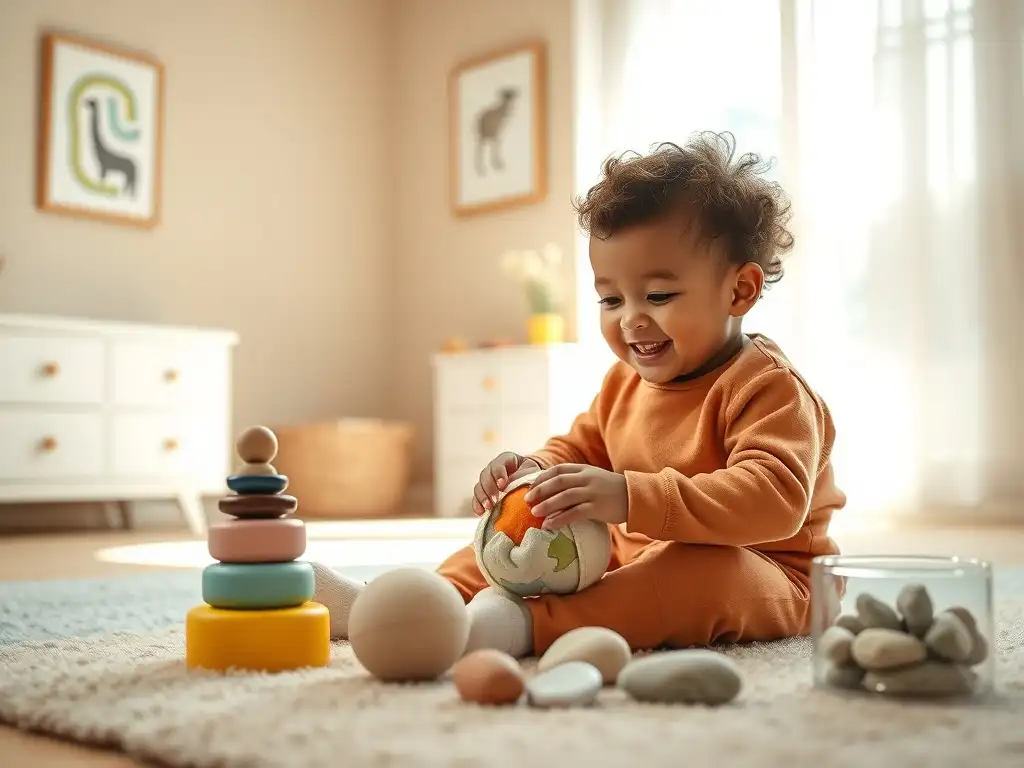
Integrating sensory play into your baby's daily routine doesn't require elaborate setups or expensive toys. The key is to be mindful of opportunities to engage your little one's senses throughout the day, turning ordinary moments into enriching sensory experiences. Remember, consistency is key; even short bursts of sensory stimulation throughout the day can have a significant cumulative effect on your baby's development.
Think of it as weaving sensory exploration into the fabric of your daily life, rather than scheduling dedicated playtime blocks. This approach makes sensory play more manageable and less stressful for both you and your baby. The aim is to create a stimulating and nurturing environment that promotes learning and growth.
Incorporating Sensory Activities into Feeding Time
Feeding time, often a repetitive activity, can be transformed into a sensory-rich experience. Instead of simply presenting the bottle or breast, consider these enhancements:
- Visual stimulation: Use colorful bibs or placemats. Hang a mobile above the feeding area featuring contrasting colors and patterns. This helps your baby focus and track objects.
- Tactile exploration: Offer different textured teethers or soft toys to your baby during and after feeding. The varied textures stimulate their tactile receptors, promoting fine motor skill development. A soft, plush toy contrasts nicely with a hard, smooth teether.
- Auditory engagement: Sing songs, softly hum tunes, or play calming instrumental music during feeding. This creates a positive association with mealtimes and soothes your baby. Consider classical music or nature sounds for their calming effect. Avoid jarring or overly loud noises.
- Taste and smell exploration (for older babies): Once your baby starts solids, introduce a variety of flavors and aromas, always considering any potential allergies. The diversity of tastes and smells broadens their sensory experiences and encourages healthy eating habits. Remember to introduce new foods one at a time and monitor for any allergic reactions.
Sensory Play During Bath Time
Bath time is a naturally sensory experience, ripe for enhancement. Water temperature, texture, and the addition of simple elements can transform a routine chore into a sensory adventure:
- Temperature play: Experiment with slightly warmer or cooler water (always ensuring safety and within comfortable limits). The contrast in temperature provides a subtle sensory experience. Always test the water temperature before placing your baby in the bath.
- Texture exploration: Introduce soft sponges, washcloths with different textures (fluffy, ribbed, etc. ), or floating toys. The varying textures stimulate your baby's tactile senses. Avoid toys with small parts that could pose a choking hazard.
- Sound and light: Sing songs, use floating bath toys that make sounds, or even create a soft, dim light environment to enhance the sensory experience. The combination of visual and auditory stimulation creates a multi-sensory bath time experience. Keep the lighting soft to avoid overwhelming your baby.
- Floating objects: Introduce floating toys that are safe for bath time use, and encourage your baby to reach and splash, promoting their motor skills. Observe your baby carefully and ensure they are always supervised during bath time.
Making Sensory Play a Part of Your Baby's Wake Time
Wake time presents numerous opportunities for sensory play, catering to different developmental stages:
- Tummy time: Place your baby on their tummy on a soft surface with interesting objects nearby. This encourages head lifting and strengthens neck muscles, while also providing visual and tactile stimulation. Remember to always supervise your baby during tummy time.
- Visual exploration: Hang mobiles with different textures and colors, or use brightly colored rattles and toys. This stimulates their visual development and helps them track objects. Choose mobiles with contrasting colors and patterns for optimal visual stimulation.
- Tactile exploration: Offer a variety of textured toys, such as soft cloths, crinkly paper, or wooden blocks. This helps develop their sense of touch and fine motor skills. Supervise your baby closely to ensure they don't put small objects in their mouth.
- Auditory stimulation: Play soft music, sing songs, or read books aloud. This stimulates their auditory development and fosters language acquisition. Choose music with a slow tempo and calming melodies.
- Smell exploration: Introduce safe, baby-friendly essential oils (diluted properly) or natural scents like lavender or chamomile to create a calming atmosphere. Always test a small amount on your skin before applying it to your baby. Never use essential oils without consulting your pediatrician.
Remember to always supervise your baby during sensory play and choose age-appropriate materials. The goal is to create a fun and engaging experience that promotes healthy development. Enjoy this journey of discovery with your little one!
Monitoring Your Baby's Responses During Sensory Play
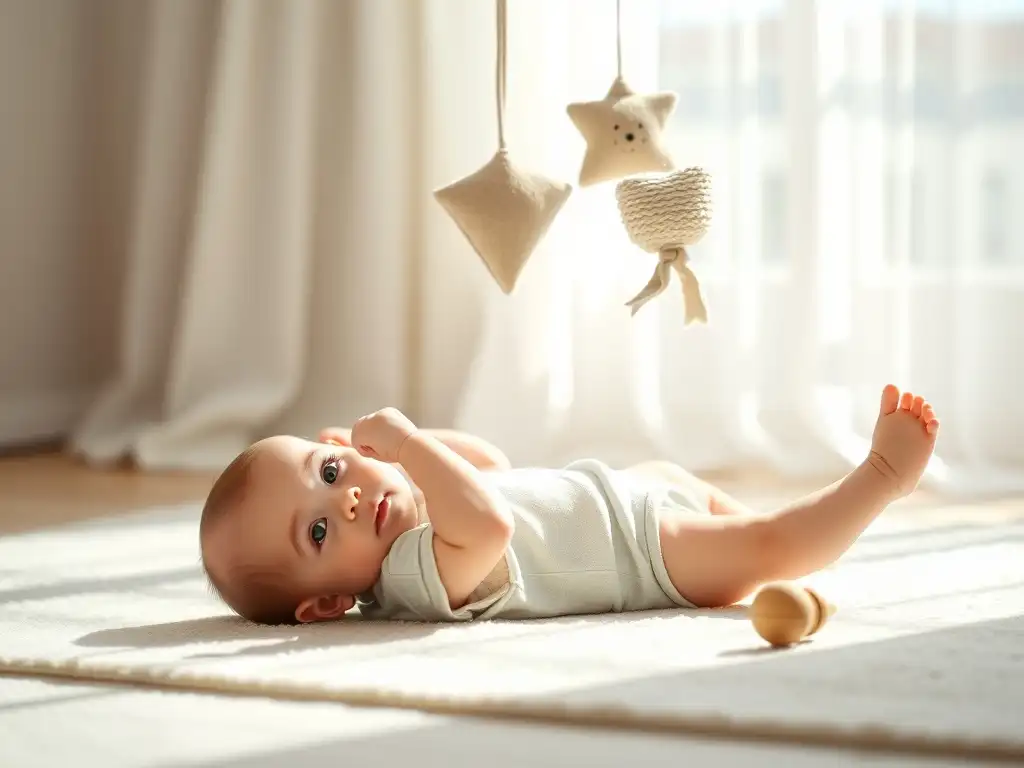
Engaging your baby in sensory play is a fantastic way to foster their development, but it's crucial to pay close attention to their reactions. A keen eye for your little one's cues will ensure the experience is enjoyable and beneficial, rather than overwhelming or stressful. Remember, the goal is to create positive associations with exploration and learning. This section focuses on how to effectively monitor your baby's responses during sensory playtime, helping you adapt activities for optimal engagement and well-being. This is vital for maximizing the developmental benefits of baby sensory play ideas.
Observing Your Baby's Engagement and Preferences
Observing your baby's engagement is paramount. Are they actively participating? Do they seem interested and curious? Look for signs of enjoyment, such as:
- Smiling or giggling: This is a clear indication that they are enjoying the activity.
- Reaching, grasping, and exploring: Active manipulation of the sensory materials shows engagement and a desire to learn.
- Focused attention: Even if your baby isn't overtly expressive, sustained attention to the activity suggests engagement.
- Vocalizations: Cooing, babbling, or other vocalizations can signal contentment and interest.
Conversely, disinterest might be shown through:
- Turning away: If your baby consistently turns away from the activity, it might be too stimulating or uninteresting.
- Fussiness or crying: These are clear signs that something isn't right.
- Lack of interaction: Passive observation without active participation could indicate boredom or discomfort.
Keeping a simple log of your baby's reactions to different sensory activities can be incredibly insightful. Note down the activity, the duration, and your baby's responses. This will help you identify their preferences and tailor future play sessions accordingly, optimizing your baby sensory play ideas. For example, you might discover your baby loves water play but dislikes textured fabrics.
Recognizing Signs of Over-Stimulation or Discomfort
While sensory play is beneficial, it's essential to recognize signs of overstimulation or discomfort. These signs can vary from baby to baby but might include:
- Increased fussiness or crying: This is a clear sign that the activity is too much for your baby.
- Overwhelmed expression: Your baby might look stressed, their eyes might dart around, or they might appear generally agitated.
- Rubbing their eyes or ears: This can indicate sensory overload.
- Withdrawal or avoidance: Your baby might try to crawl away or turn their face away from the activity.
- Changes in breathing or heart rate: In extreme cases, you might observe changes in your baby's breathing pattern or heart rate. If you notice anything concerning, stop the activity immediately.
Remember, every baby is unique. Some babies might tolerate more stimulation than others. The key is to be attentive and responsive to your baby's individual needs. If you notice any of these signs, it's crucial to reduce the intensity of the sensory input, shorten the play session, or try a different activity altogether. Prioritizing your baby's comfort and well-being is paramount.
Adapting Sensory Activities Based on Your Baby's Reactions
Adapting sensory activities based on your baby's reactions is key to making playtime a positive and enriching experience. Here are some strategies:
| Baby's Reaction | Adaptation Strategy | Example |
|---|---|---|
| Overwhelmed/Fussiness | Reduce intensity, shorten duration, simplify the activity. | Instead of multiple textures, use just one. Reduce the number of toys. |
| Disinterest | Change the activity, introduce a new element, or try a different sensory modality. | If they don't like water, try finger paints. If they dislike sounds, try textures. |
| Intense Engagement | Continue the activity, but monitor for signs of overstimulation. | If they love it, keep going, but watch for signs of fatigue. |
By carefully observing your baby's cues and adapting your approach accordingly, you can ensure that sensory play is a fun, engaging, and developmentally beneficial experience. Remember, the goal is to nurture your baby's natural curiosity and foster a love of learning. This attentive approach will significantly enhance the effectiveness of your baby sensory play ideas. Consistent monitoring and adaptation will ensure that your baby sensory play remains a positive and enriching experience.
Further Resources and Additional Sensory Play Ideas
This section expands on the previously discussed sensory play activities, offering more ideas and resources to enrich your baby's sensory experiences. Remember, safety is paramount – always supervise your baby during playtime and ensure the environment is safe and free from hazards. The goal is to foster healthy development and create positive associations with exploration and learning. Finding the right balance of stimulation and rest is key to your baby's well-being. Remember to observe your baby's cues; if they seem overwhelmed or tired, it's time for a break.
Recommended Articles on Baby Sensory Play
This list provides links to articles (which would be included in the final published version) that delve deeper into specific aspects of baby sensory play. These articles offer detailed explanations, variations, and additional safety tips. We've selected resources known for their accuracy and commitment to evidence-based parenting advice.
- Textured Play for Tactile Development: This article explores various textures babies can interact with, from soft fabrics to rough surfaces, highlighting the importance of tactile stimulation for brain development. It includes specific examples and DIY project ideas.
- Sound Exploration and Auditory Stimulation: This resource focuses on engaging your baby's auditory senses using various sounds, music, and instruments, explaining how sound contributes to language development and cognitive skills.
- Visual Stimulation and Color Recognition: This article delves into the importance of visual stimulation for babies, exploring different colors, patterns, and shapes and how they impact visual acuity and brain development. It also discusses the use of black and white high contrast images.
- Baby Sensory Play for Different Developmental Stages: This article provides tailored sensory play ideas categorized by developmental milestones, ensuring that activities are age-appropriate and challenging enough to promote growth without being overwhelming. It considers the nuances of sensory development across different age ranges.
- Creating a Sensory-Rich Environment at Home: This guide offers practical advice on how to transform your home into a sensory haven for your baby, focusing on cost-effective strategies and readily available materials.
Reputable External Resources on Child Development
While external links are not included here, this section would list reputable organizations and websites offering comprehensive information on child development and sensory play. These resources would provide additional support and information for parents seeking further guidance. Examples would include organizations focused on early childhood education, child development research institutions, and reputable parenting websites. The inclusion of these resources would further solidify the article's credibility and provide parents with a wide array of information.
This section aims to provide parents with access to a wider network of support and information beyond the scope of this single article. We would prioritize organizations with a strong track record of providing evidence-based information. The ultimate goal is to empower parents with the knowledge and resources they need to nurture their baby's healthy development. We would include details about the organizations' credentials and mission statements to ensure transparency and build trust.
Frequently Asked Questions
What is sensory play, and why is it important for my baby?
Sensory play involves activities that stimulate your baby's five senses: sight, sound, touch, smell, and taste. It's crucial for brain development, cognitive skills, and overall well-being, fostering learning and exploration.
How can I incorporate sensory play into my busy schedule?
Even short, simple activities count! Five minutes of tummy time with textured blankets or shaking a rattle can be incredibly beneficial. Integrate play into your daily routine, like during diaper changes or bath time.
What are some safe sensory play ideas for a newborn?
For newborns, focus on high-contrast visuals, soft textures like fleece or silk, and gentle sounds like lullabies. Avoid small objects that could be choking hazards and always supervise your baby closely.
At what age can my baby start participating in more complex sensory play?
As your baby grows and develops, you can introduce more complex activities. Around 4-6 months, you can start incorporating things like finger paints (non-toxic!), water play, and simple toys with varying textures.
Where can I find more baby sensory play ideas and inspiration?
BabyCareHub is a great resource! We offer a wide range of step-by-step guides and ideas for sensory play tailored to different age groups. Explore our website for more creative and engaging activities.
Final Reflection: Cultivating Wonder: The Enduring Power of Sensory Play
The exploration of sensory play isn't just a fleeting trend; it's a fundamental cornerstone of healthy child development, profoundly shaping a child's cognitive, emotional, and social growth. The benefits extend far beyond simple entertainment, impacting everything from language acquisition to problem-solving skills, laying the foundation for a lifetime of learning and discovery. This impact is undeniable and continues to resonate within the ever-evolving landscape of early childhood education.
The joy witnessed in a baby's face as they explore the textures of a homemade sensory bin, the focused concentration as they grasp and manipulate objects, the sheer delight in the discovery of new sensations – these are moments that stay with you. These experiences are not merely fleeting; they are building blocks for future learning and development. Play is the highest form of research.
- Albert Einstein. This quote perfectly encapsulates the inherent value of sensory play, highlighting its crucial role in a child's intellectual and emotional growth. It's a process of active learning, of understanding the world through direct experience, and of fostering a lifelong love of exploration.
Now, consider the power you hold. You have the ability to create these enriching experiences for the little ones in your life. Don't underestimate the impact of a simple sensory bin, a textured blanket, or a playful bath time. Embrace the opportunity to nurture your child's development through the magic of sensory play. Make it a part of your daily routine, a source of joy and connection, and watch as your child blossoms into a confident, curious, and capable individual. The journey of sensory exploration is a journey of wonder, and it's a journey you can embark on together.
Unleash Your Baby's Potential: Sensory Play Adventures Await!
Thank you for exploring the wonderful world of sensory play with us! We hope you've gained valuable insights into how these experiences can enrich your baby's development. Now let's put these ideas into practice!
- Create a Sensory Bin Today: Start by choosing a theme—perhaps a beach scene with sand and shells, or a colorful pasta garden—and gather safe, stimulating materials to create a sensory bin for your little one. This is a perfect way to begin engaging your baby's senses immediately.
- Share Your Sensory Successes: Show us your creative sensory setups! Share a photo on social media using #BabyCareHubSensory to inspire other parents and let's build a supportive community together.
- Dive Deeper into Sensory Play: Visit our website at BabyCareHub.org for even more detailed guides, age-appropriate activities, and expert tips to continue your baby's sensory journey.
Ready to transform playtime into a learning adventure? What exciting sensory experience will you create for your baby today?