
Sensory Play: The Best Sensory Play Ideas for Each Season


Welcome to BabyCareHub, your ultimate guide to navigating the incredible journey of parenthood! Are you ready to unlock the world of wonder for your little one? We've got you covered, from mastering those first few weeks to fostering healthy development. Discover the magic of seasonal baby sensory play, a fun and enriching activity that stimulates your baby's senses and promotes crucial developmental milestones. Dive in and explore our expert advice – your baby's adventure starts here!
- Spring Sensory Play for Babies: Blooming Fun
- Summer Sensory Play for Babies: Sun-Kissed Adventures
- Autumn Sensory Play for Babies: Harvest Hues
- Winter Sensory Play for Babies: Cozy and Warm
- Adapting Sensory Play for Your Baby's Age and Development
- Safety First: Tips for Safe Sensory Play
- Seasonal Sensory Play: A Year-Round Guide for Baby Development
- Frequently Asked Questions
- Final Reflection: Cultivating Wonder: The Enduring Power of Sensory Play
- Unleash Your Little One's Imagination: Sensory Play Adventures Await!
Spring Sensory Play for Babies: Blooming Fun
Spring is in the air, and what better way to celebrate the season's renewal than with engaging sensory play activities for your little one? This article provides a curated collection of seasonal sensory play ideas perfect for stimulating your baby's developing senses – sight, smell, touch, taste (with caution! ), and sound – all within the vibrant context of spring.
We'll explore age-appropriate activities that nurture their cognitive, physical, and emotional growth, making playtime both educational and enjoyable. From soft, spring-themed textures to the delightful scents of blooming flowers, we've got you covered with creative and safe sensory experiences designed to captivate your baby's attention and foster their development. This guide focuses on the unique opportunities spring offers for sensory enrichment, ensuring your baby experiences the joy of the season in a stimulating and developmentally beneficial way.
Remember to always supervise your baby during sensory play and adjust activities based on their age and developmental stage. Let's dive into the blossoming world of spring sensory play!
Spring-themed Sensory Bins: Flower Power and Grassy Textures
Sensory bins are a fantastic way to introduce a variety of textures and colors to your baby. For a spring-themed sensory bin, consider these options:
- Flower Power: Fill a bin with dried flower petals (ensure they are non-toxic and baby-safe! ), soft fabric scraps in pastel colors, and smooth, rounded stones. You can add small, lightweight plastic flowers for added visual stimulation. The varying textures – soft petals, smooth stones, rough fabric – will engage your baby's sense of touch.
- Grassy Textures: Use uncooked rice or dried beans dyed green (using non-toxic food coloring) to simulate grass. Add small, plastic toy animals like ladybugs or bunnies for added play value. This provides a different tactile experience compared to the flower bin, stimulating exploration and curiosity.
- Safety First: Always supervise your baby during sensory bin play and ensure all items are non-toxic and large enough to prevent choking hazards. Consider using a shallow bin to minimize the risk of spills.
Exploring Spring Scents: Floral and Herbal Sensory Experiences
Spring brings a delightful array of floral and herbal scents. Introduce your baby to these aromas safely and gradually.
- Floral Scents: Place a few fresh, fragrant flowers (like lavender or roses – choose non-toxic varieties) near your baby's play area. Ensure they are out of reach to prevent ingestion. The subtle fragrances will subtly stimulate their sense of smell. It's important to note that some babies may be sensitive to strong smells, so introduce them gradually and monitor their reaction.
- Herbal Infusions: Prepare a very weak chamomile or lavender tea (cooled completely). Use it to dampen a soft cloth and gently wipe your baby's skin (avoiding their face). These calming scents can have a soothing effect. Always test a small area first to check for any allergic reactions.
- Scent Exploration: Never directly apply essential oils to your baby's skin. Essential oils are not safe for infants and can cause irritation or allergic reactions.
Soft Sensory Play: Bunny Soft Toys and Fluffy Materials
Soft textures are incredibly soothing and stimulating for babies. Spring provides the perfect opportunity to introduce soft, spring-themed toys and materials.
- Bunny Soft Toys: Introduce soft, plush bunny toys of varying textures – fluffy fur, smooth cotton, corduroy. The different textures will encourage tactile exploration. These soft toys also offer opportunities for cuddling and comfort, promoting emotional well-being.
- Fluffy Materials: Use soft blankets, scarves, or even cotton balls in your baby's play area. The soft textures will provide a calming and engaging sensory experience. Observe your baby's interactions with these materials and notice which textures they seem to prefer.
- Sensory Bags: Create simple sensory bags by placing various soft materials (pieces of felt, fleece, silk) inside a sealed plastic bag. This allows your baby to explore different textures without the risk of swallowing small pieces. Always supervise closely.
Remember to always prioritize safety and adapt these activities to your baby's individual needs and preferences. Enjoy the blooming fun of spring sensory play!
Summer Sensory Play for Babies: Sun-Kissed Adventures
Summer offers a plethora of opportunities for enriching sensory play experiences for your little one. The warm weather and abundance of natural elements provide a perfect backdrop for exploring textures, sounds, and sights. Remember, safety is paramount, so always supervise your baby closely during any sensory activity. This section focuses on safe and stimulating seasonal baby sensory play, maximizing the summer fun while prioritizing your baby's well-being. We'll explore several ideas, categorized for easy implementation and tailored to different developmental stages. The key is to keep it simple, engaging, and age-appropriate.
Water Play Extravaganza: Safe and Engaging Water Sensory Activities
Water play is a fantastic summer sensory experience for babies. The coolness of the water offers a soothing contrast to the summer heat, while the tactile experience engages multiple senses. Always ensure the water is lukewarm and shallow, and never leave your baby unattended, even for a moment.
Here are some ideas for safe and engaging water play:
- Floating Fun: Fill a large container (a plastic tub works well) with lukewarm water and add floating toys – rubber ducks, boats, or even plastic cups. Observe your baby's fascination as they bat at the floating objects. This activity develops hand-eye coordination and encourages reaching and grasping.
- Sensory Bags: Fill freezer bags with water, add a few drops of food coloring (for visual stimulation), and seal them tightly. These bags provide a safe and mess-free way for your baby to explore the sensation of water without the risk of spills. You can even add small, smooth objects inside for added tactile exploration.
- Sponge Play: Soak sponges in lukewarm water and let your baby squeeze them, exploring the texture and the sensation of water dripping. This simple activity is perfect for developing fine motor skills and hand strength.
Beach-Themed Sensory Bins: Sand, Shells, and Ocean Sounds
If you're lucky enough to be near a beach, a beach-themed sensory bin is a fantastic summer sensory play activity. Remember to always supervise your baby closely and ensure the sand is clean and free of debris. If you can't access a beach, you can easily create a similar experience at home using play sand.
To create a beach-themed sensory bin:
- Fill a large container (a plastic storage bin or even a large bowl) with play sand.
- Add various beach-themed items like small, smooth shells, plastic sea creatures, and small beach toys.
- Consider adding ocean sounds in the background for an enhanced sensory experience. You can find free ocean sounds online.
- Let your baby explore the sand, shells, and toys, encouraging them to touch, grasp, and explore the different textures and sounds.
This activity helps develop tactile exploration skills, strengthens fine motor skills, and sparks imagination. Remember to carefully monitor your baby to prevent them from putting sand in their mouth.
Sun-Safe Sensory Exploration: Exploring Textures in the Shade
While summer offers plenty of sunshine, it's crucial to protect your baby's delicate skin from harmful UV rays. Therefore, many sensory play activities should be conducted in the shade.
Here are some shade-friendly sensory play ideas:
- Fabric Textures: Gather various fabrics with different textures—silk, cotton, velvet, wool—and let your baby explore them. This activity enhances tactile awareness and helps them differentiate between various textures.
- Nature Walk Sensory Bag: Collect different natural items like leaves, small smooth stones, and pine cones (ensure they are clean and free of sharp edges). Place these items in a clear, resealable bag and let your baby explore the different textures and shapes. This activity connects your baby with nature while stimulating their senses.
- Cool-Down Sensory Bin: On a particularly hot day, fill a container with cool, smooth objects like polished stones, chilled metal spoons (ensure they are not too cold! ), and smooth wooden blocks. The coolness offers a sensory contrast to the warm weather and encourages exploration.
Remember to always prioritize safety and supervise your baby during all sensory play activities. Adjust the complexity of the activity to your baby's age and developmental stage. The goal is to provide enriching and enjoyable experiences that promote their sensory development and overall well-being. Enjoy the sun-kissed sensory adventures this summer!
Autumn Sensory Play for Babies: Harvest Hues

Autumn offers a wealth of sensory experiences perfect for enriching your baby's development. The vibrant colors, crisp air, and unique textures of the season provide ample opportunities for engaging sensory play that promotes cognitive, physical, and emotional growth. This section focuses on harnessing the autumnal bounty to create stimulating and safe sensory activities for your little one.
We'll explore age-appropriate activities that maximize the benefits of seasonal sensory play, catering to your baby's developmental stage and ensuring a fun and enriching experience. Remember to always supervise your baby during sensory play and choose materials appropriate for their age and abilities.
Leaf Pile Adventures: Exploring Textures and Colors of Autumn Leaves
Autumn leaves are a fantastic, readily available resource for sensory play. The varied textures – from the smooth, crinkled surface of a dried leaf to the slightly damp, pliable feel of a fresh one – offer a rich tactile experience. The vibrant hues of red, orange, and yellow stimulate visual development.
Here's how to create a leaf pile adventure:
- Gather leaves: Collect a variety of leaves in different shapes, sizes, and colors. Ensure they are clean and free of insects or debris.
- Create a pile: Make a sizable pile of leaves on a soft surface like a blanket or carpet. This allows your baby to safely explore the leaves without risk of injury.
- Supervised exploration: Let your baby explore the leaf pile. They can crawl, reach, and touch the leaves, experiencing their different textures and colors. You can gently move the leaves around, creating a rustling sound.
- Leaf rubbing: For older babies who are starting to grasp objects, you can introduce leaf rubbing. Place a leaf under a piece of paper and gently rub the side of a crayon over the paper to create a leaf print. This introduces a new element of creativity.
Remember to monitor your baby closely to prevent them from putting leaves in their mouth. Choose leaves that are free from pesticides or other harmful substances. This activity is best suited for babies who are mobile and can explore the leaf pile independently, always under close supervision.
Pumpkin Sensory Exploration: Pumpkin Guts and Seeds Sensory Bin
Pumpkins are a quintessential autumn symbol, offering a fantastic opportunity for sensory exploration. The pumpkin's smooth exterior, the soft, stringy interior, and the hard, intriguing seeds provide a variety of textures and sensations.
Creating a pumpkin sensory bin is a simple yet effective way to engage your baby's senses:
- Prepare the pumpkin: Cut a pumpkin in half and scoop out the seeds and pulp. Ensure there are no sharp edges and that the pumpkin is thoroughly cleaned.
- Sensory bin creation: Place the pumpkin guts and seeds in a large, shallow container. You can add other safe items, such as dried beans or small, soft toys.
- Supervised play: Let your baby explore the bin. They can touch, feel, and even taste (under your careful supervision) the different textures.
- Seed sorting (for older babies): For babies who are developing fine motor skills, you can introduce a simple seed-sorting activity. Provide two bowls and let your baby sort the pumpkin seeds into them.
This activity introduces a range of textures and promotes fine motor skill development. Always supervise your baby closely to prevent them from ingesting any materials. This activity is suitable for babies who are starting to explore objects with their hands and mouths.
Autumnal Scents and Sounds: Exploring Spices and Nature Sounds
Autumn also offers a fantastic opportunity to explore scents and sounds. The warm, inviting aromas of spices like cinnamon and nutmeg, combined with the rustling of leaves and the chirping of crickets, create a rich sensory experience.
Here are some ways to incorporate autumnal scents and sounds into your baby's sensory play:
- Spice exploration (with caution): Introduce subtle autumnal scents safely. A small amount of cinnamon or nutmeg on a clean cloth can be offered for your baby to sniff (but never ingest). Always consult your pediatrician before introducing spices to your baby's sensory play.
- Nature sounds: Play recordings of autumnal sounds like rustling leaves, chirping crickets, or falling rain. The gentle sounds can soothe and relax your baby.
- Sensory bottles: Create sensory bottles filled with water, leaves, and small, safe objects. The combination of visual stimulation and sound as the baby shakes the bottle can be very engaging.
Remember to keep the volume of any sounds at a safe level for your baby's hearing. Always supervise your baby during any sensory activity and ensure that all materials are safe and age-appropriate. This activity is best suited for all ages, adapting the complexity of the sounds and scents to your baby's developmental stage. The focus should be on gentle stimulation and a calm, relaxing experience.
Winter Sensory Play for Babies: Cozy and Warm
Winter offers unique opportunities for enriching sensory experiences for your little one, even if venturing outdoors is limited due to cold weather or inclement conditions. Focusing on textures, sounds, and even smells, we can create engaging activities that stimulate your baby's developing senses while keeping them warm and safe. Remember, safety is paramount, and always supervise your baby during any sensory play activity.
This section will explore several ideas for winter-themed sensory play, focusing on the benefits of seasonal sensory stimulation for your baby's development. The key is to create a cozy and stimulating environment, perfect for those chilly winter days. This approach to seasonal baby sensory play offers a wonderful way to nurture your child's growth.
Snow Sensory Play (if applicable): Safe Snow Exploration for Babies
If you live in an area with safe, clean snow, a brief outdoor adventure can be a fantastic sensory experience. However, safety is crucial. Never leave your baby unattended, and ensure the snow is free from pollutants, chemicals, and potential hazards like hidden ice patches. Dress your baby warmly in layers, including a waterproof snowsuit, hat, mittens, and booties. Limit exposure to short periods to avoid hypothermia.
A great approach is to let your baby experience the snow's texture. Let them touch and feel the cold, soft snow under supervision. You can gently place your baby on a blanket on the snow (making sure the ground is even and free of hazards) and let them explore the different sensations. The contrast in temperature can be quite stimulating, but always monitor their reaction and ensure they don't become too cold. Remember to take frequent breaks indoors to warm up. This type of seasonal baby sensory play offers a unique tactile experience.
Indoor Snow Sensory Bin: Creating a Winter Wonderland Indoors
If outdoor snow play isn't feasible, create a safe and engaging indoor sensory bin mimicking a winter wonderland. Use materials that provide a similar tactile experience to snow. For example:
- Crushed white paper: This provides a soft, snowy texture without the mess or cold of real snow.
- Cotton balls: These offer a softer, fluffier alternative.
- Cooked and cooled white pasta: This adds a different texture and can be combined with other elements.
- White pom-poms: These add a bit of bounce and visual interest.
You can add small, safe winter-themed toys to the bin, such as plastic snowmen, miniature penguins, or small toy cars. Remember to supervise your baby carefully to prevent choking hazards. This controlled environment allows for seasonal baby sensory play that's both engaging and safe. The variety of textures will stimulate your baby's tactile senses.
Cozy Textures: Exploring Soft and Warm Fabrics and Materials
Winter is the perfect time to explore a variety of soft and warm textures. Gather different fabrics like fleece, velvet, corduroy, and faux fur. Let your baby touch, feel, and even rub their face against these materials. This tactile exploration will enhance their sensory perception and understanding of different textures.
You can create a "texture box" by placing these fabrics inside a sturdy container. This allows for a more contained and controlled sensory experience. Alternatively, you could incorporate these fabrics into a blanket or a soft toy that your baby can cuddle and explore. This kind of seasonal baby sensory play is focused on comfort and tactile exploration, nurturing a sense of security and well-being.
The diversity of textures helps babies develop their sense of touch and discrimination. Consider adding different weights of fabrics to further enhance the sensory experience. A heavier, plush fabric will offer a different sensation compared to a lighter, airier one. Observe your baby's reactions to each material – you might be surprised at their preferences!
Adapting Sensory Play for Your Baby's Age and Development
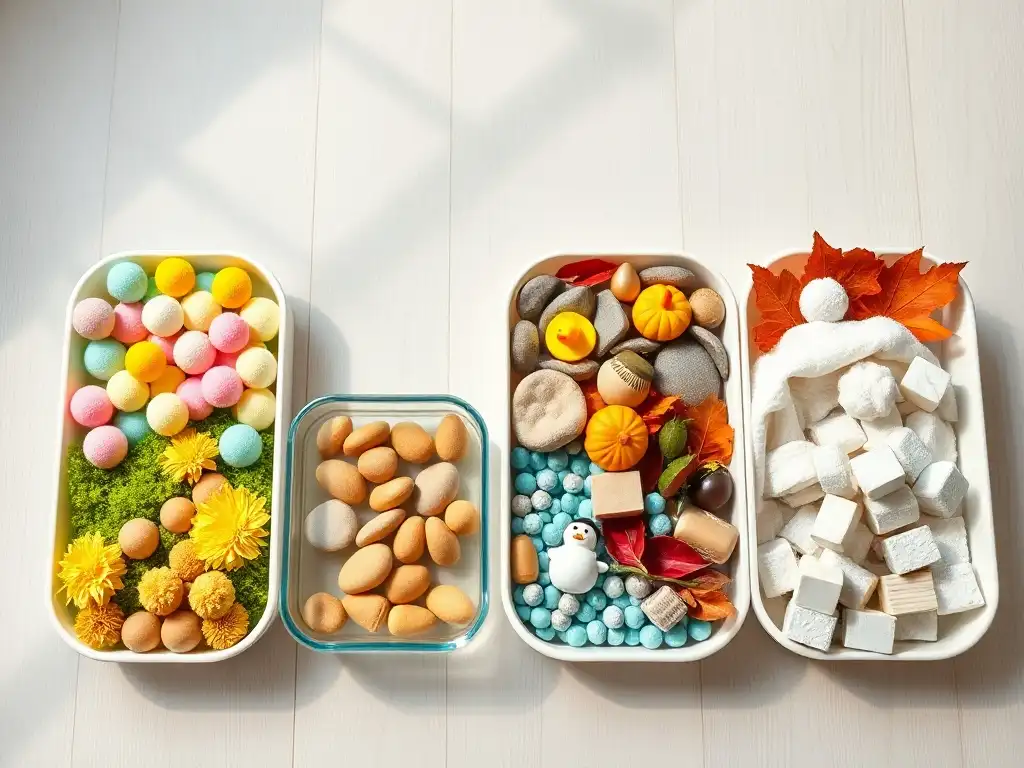
Sensory play offers incredible benefits for your baby's development, boosting their cognitive skills, fine motor abilities, and overall understanding of the world. However, the type of sensory play needs to adapt as your little one grows. What's engaging for a newborn is vastly different from what captivates a toddler. This section outlines age-appropriate sensory play ideas, ensuring safety and maximizing the developmental impact for each stage. Remember, always supervise your baby during sensory play.
Sensory Play for Newborns: Simple and Safe Sensory Stimulation
Newborns have limited motor skills and are primarily focused on basic sensory input. Sensory play at this stage emphasizes gentle stimulation and safe exploration. Avoid small objects that could pose a choking hazard. Focus instead on textures, sounds, and sights that are calming and engaging.
Here are some ideas for newborn sensory play:
- Tummy Time with Textures: Place your baby on their tummy on a soft blanket with different textured fabrics like a plush towel, a silk scarf, or a soft fleece blanket. This encourages head lifting and strengthens neck muscles while providing varied tactile experiences. Observe your baby's reactions; some babies might enjoy the softness of fleece while others prefer the smooth feel of silk.
- Sound Exploration: Use soft, calming music or nature sounds. Rattles with gentle sounds are also a good option, but ensure they are large and cannot be easily broken apart. Observe how your baby responds to different sounds; some may show a preference for high-pitched sounds, while others might be soothed by low, calming tones.
- Black and White Contrast: Newborns have limited color vision, so high-contrast black and white visuals can be highly stimulating. Use black and white cards with simple patterns or hang a black and white mobile above their crib. This simple technique can help stimulate their visual development.
- Skin-to-Skin Contact: The warmth and closeness of skin-to-skin contact provide a profound sensory experience, promoting bonding and calming your baby. This simple act is a powerful form of sensory play, beneficial for both parent and child.
Sensory Play for Infants: Introducing More Complex Sensory Experiences
As infants grow, their motor skills develop, and they become more curious and interactive. Sensory play at this stage can incorporate more complex elements, including a wider variety of textures, sounds, and visual stimuli. However, safety remains paramount. Choose toys that are age-appropriate and free from small parts.
Here are some ideas for infant sensory play:
- Water Play: Fill a shallow container with lukewarm water and let your baby splash and play. This introduces the sensation of water temperature and texture. Supervise closely to prevent accidental drowning.
- Finger Painting (with edible paints): Use non-toxic, edible finger paints to allow your baby to explore colors and textures. This activity fosters creativity and fine motor skill development. Remember to clean up thoroughly afterwards!
- Sensory Bags: Fill clear zip-top bags with different materials like rice, beans, or water beads (ensure the bags are securely sealed to prevent spills and choking hazards). These bags provide visual and tactile stimulation. Observe how your baby interacts with the different textures and materials. Do they prefer the smooth beads or the rough texture of rice?
- Toy Exploration: Offer a variety of age-appropriate toys with different textures, sounds, and shapes. This helps stimulate their cognitive development and understanding of cause and effect. Introduce toys one at a time to allow for focused engagement and observe your baby's preferences.
Sensory Play for Toddlers: Encouraging Exploration and Creativity
Toddlers are full of energy and possess more refined motor skills. Sensory play at this stage should focus on encouraging exploration, creativity, and problem-solving skills.
Here are some ideas for toddler sensory play:
- Play Dough: Play dough allows for endless creative possibilities. Use cookie cutters, rolling pins, and other tools to enhance the experience. This develops fine motor skills, hand-eye coordination, and imagination.
- Sand and Water Table: A sand and water table provides a rich sensory experience, combining tactile exploration with imaginative play. Add scoops, cups, and molds to encourage creative building and pouring activities.
- Nature Walks: Explore nature together, collecting leaves, rocks, and flowers. This introduces a wide range of textures, smells, and sights. Discuss the different items you find, fostering language development and appreciation for the natural world.
- Homemade Sensory Bottles: Create sensory bottles filled with different liquids, glitter, and small, safe objects. These bottles provide visual and auditory stimulation, captivating toddlers for extended periods. Ensure the bottles are securely sealed to prevent spills and potential hazards. Experiment with different combinations of materials to create unique sensory experiences tailored to your toddler's interests. Observe which combinations seem to hold their attention the longest, providing insight into their developing sensory preferences.
Remember, adapting sensory play to your baby's age and developmental stage is key to maximizing its benefits. Always prioritize safety and supervise your child closely during all sensory play activities. Enjoy the process of exploring the world through your baby's senses!
Safety First: Tips for Safe Sensory Play

Safe sensory play is paramount for your baby's well-being. This section focuses on crucial safety measures to ensure enjoyable and risk-free sensory experiences. Remember, even seemingly harmless activities require careful planning and supervision. Prioritizing safety allows your little one to explore the world around them with confidence and minimizes potential hazards. This is key for effective and enjoyable seasonal baby sensory play.
Choosing Safe Sensory Materials: Avoiding Choking Hazards and Allergens
Selecting appropriate materials is the cornerstone of safe sensory play. Always prioritize items that are non-toxic, durable, and age-appropriate. Avoid anything small enough to be a choking hazard. For babies under one year old, this means avoiding anything smaller than 1 1/4 inches in diameter. This includes small toys, beads, buttons, or even pieces of food.
Consider your baby's potential allergies when choosing materials. Common allergens like nuts, dairy, and certain fruits should be excluded from sensory bins or activities. Opt for hypoallergenic materials whenever possible, especially if your baby has known sensitivities. Here's a helpful table summarizing safe and unsafe materials:
| Material | Safe? | Considerations |
|---|---|---|
| Soft Fabric Scraps | Yes | Wash thoroughly before use; supervise closely. |
| Wooden Blocks | Yes | Choose smooth, rounded edges; avoid splintering. |
| Uncooked Rice | Yes | Supervise closely to prevent choking; consider using a large container. |
| Small Toys | No | Choking hazard for babies under 1 year old. |
| Nuts | No | Severe allergen risk. |
| Raw Flour | No | Choking hazard; potential allergen. |
Remember to always thoroughly wash and dry any reusable materials before each sensory play session. This helps to maintain hygiene and prevent the spread of germs. Regular cleaning is crucial, especially considering the nature of seasonal baby sensory play and the potential for spills and messes.
Supervising Your Baby During Sensory Play: Ensuring Safety and Engagement
Never leave your baby unsupervised during sensory play, no matter how seemingly simple the activity. Even for a moment, your baby could put something in their mouth or get into a dangerous situation. Active supervision allows you to intervene immediately if necessary and ensures a safe and engaging experience.
Constant monitoring allows you to adapt the activity to your baby's interest and developmental stage. You can observe their reactions, adjust the complexity of the activity, and ensure they are interacting safely and positively with the sensory materials. This also helps you identify any potential hazards promptly.
Remember, the goal is to create a positive and enriching experience, and your active presence ensures that this goal is met while keeping your baby safe. Close supervision is a critical component of responsible seasonal baby sensory play.
Cleaning Up After Sensory Play: Maintaining a Safe and Hygienic Environment
After the sensory play session, thorough cleaning is essential to maintain a safe and hygienic environment. Dispose of any single-use materials properly. Reusable materials should be thoroughly washed and dried before being stored away. This prevents the build-up of bacteria and ensures that the materials are ready for the next sensory play session.
Pay close attention to any spills or messes that may have occurred during the play. Clean up any leftover materials immediately to prevent accidents and maintain a clean play area. Regular cleaning is crucial for maintaining a safe and healthy environment, especially when considering the wide range of materials used in seasonal baby sensory play. A clean environment is an essential part of creating a secure and enjoyable experience for your little one.
Seasonal Sensory Play: A Year-Round Guide for Baby Development
This section delves into the specifics of incorporating seasonal elements into your baby's sensory play, maximizing engagement and developmental benefits throughout the year. We'll explore how to leverage seasonal changes to create enriching and stimulating experiences tailored to your little one's age and abilities. Remember, the goal is to provide a variety of textures, sounds, smells, and sights that encourage exploration and learning. This approach fosters a strong foundation for cognitive, physical, and emotional growth, contributing significantly to overall development.
The Importance of Sensory Play in Early Development: Benefits and Advantages
Sensory play is crucial for a baby's development, offering a multitude of benefits that extend far beyond simple entertainment. It's a fundamental building block for cognitive, physical, and social-emotional growth. For instance, exploring different textures helps refine fine motor skills – crucial for future tasks like writing and using utensils. The sounds and sights encountered during sensory play stimulate the brain, enhancing cognitive development and problem-solving abilities. Moreover, sensory experiences help babies regulate their emotions, improving self-soothing skills and reducing stress.
Consider these key advantages:
- Cognitive Development: Sensory play enhances problem-solving skills, improves memory, and boosts concentration. Babies learn to associate actions with consequences, understanding cause and effect.
- Fine Motor Skill Development: Manipulating objects of varying textures and sizes strengthens small muscles in the hands and fingers, preparing them for future tasks.
- Gross Motor Skill Development: Some sensory activities, like crawling through tunnels or reaching for hanging toys, encourage the development of larger muscle groups, improving coordination and balance.
- Language Development: Naming objects and describing their properties during play introduces new vocabulary and strengthens language comprehension.
- Social-Emotional Development: Sensory play provides opportunities for self-expression, emotional regulation, and social interaction (when done with caregivers or other children).
Studies show that babies engaged in regular sensory play often demonstrate improved attention spans, better communication skills, and enhanced creativity compared to those with limited sensory experiences. The positive impact is undeniable, making it a vital component of early childhood development. Remember to always supervise your baby during sensory play and choose age-appropriate materials to ensure safety.
Building Sensory Play Skills: Progressive Sensory Activities Throughout the Year
The key to effective seasonal sensory play is progression. As your baby grows, their sensory capabilities and interests evolve. Therefore, the activities you design should reflect this growth. Start with simple, single-sensory experiences and gradually introduce more complex, multi-sensory activities as your baby develops.
Here's a glimpse into a potential progression:
- 0-3 Months: Focus on simple sights and sounds. Use high-contrast mobiles, soft textured blankets, and gentle music.
- 3-6 Months: Introduce textures – soft fabrics, crinkly toys, and smooth wooden blocks. Start incorporating simple sounds like rattles and shakers.
- 6-9 Months: Introduce more complex textures and sounds. Offer water play (under supervision! ), finger paints (non-toxic! ), and toys that make different noises.
- 9-12 Months: Encourage exploration of different materials, such as sand, water beads (non-toxic! ), and playdough (non-toxic!). Introduce cause-and-effect toys.
For example, during the spring, you might start with a simple sensory bin filled with soft, pastel-colored pom-poms. As your baby gets older, you can add other elements like small plastic flowers, smooth stones, and a small container for pouring. By the time autumn arrives, you could create a more complex sensory bin with leaves, acorns (ensure they are thoroughly cleaned! ), and small pumpkins. The possibilities are endless! Always remember to prioritize safety and choose age-appropriate materials.
Creating a Sensory-Rich Environment at Home: Simple Tips and Tricks
Transforming your home into a sensory haven doesn't require expensive toys or elaborate setups. Simple adjustments can make a world of difference. Consider these easy-to-implement tips:
- Texture Variety: Incorporate a range of textures throughout your baby's play area. Use soft blankets, rough textured mats, smooth wooden toys, and crinkly fabrics.
- Sound Exploration: Play different types of music, use rattles and shakers, and explore natural sounds like rain or birdsong.
- Visual Stimulation: Use colorful toys, mobiles, and wall hangings. Introduce mirrors to help your baby explore their own reflection.
- Smell Exploration: Use essential oils (diluted and appropriate for babies) in a diffuser, or introduce safe, natural smells like lavender or chamomile.
- Taste Exploration: Offer your baby safe, age-appropriate foods with varying textures and flavors.
Remember, consistency is key. Regular sensory play sessions, even short ones, are far more beneficial than infrequent, longer sessions. Make it a part of your daily routine, incorporating seasonal elements to keep things fresh and exciting. Observe your baby's reactions and preferences, adjusting the activities to suit their individual needs and interests. This personalized approach ensures a positive and rewarding sensory experience for your child, fostering their growth and development in a fun and engaging way.
Frequently Asked Questions
What is seasonal sensory play?
Seasonal sensory play involves creating sensory experiences for babies and toddlers using materials and themes relevant to each season. This helps stimulate their senses and cognitive development, while also connecting them to the world around them. It's a fun and engaging way to learn!
Why is seasonal sensory play beneficial for my baby?
Seasonal sensory play stimulates multiple senses, such as touch, sight, smell, and hearing. It encourages exploration, improves fine and gross motor skills, and fosters cognitive development through hands-on learning. It also helps build a connection with nature.
What are some examples of sensory play for spring?
Spring sensory activities could include exploring soft grass, feeling the texture of blooming flowers, and playing with water in a sensory bin. You could also incorporate the sounds of birds chirping.
How can I adapt sensory play for different developmental stages?
Adapt activities to your baby's age and abilities. For infants, focus on simple textures and sounds, while toddlers can engage in more complex activities involving problem-solving and fine motor skills. Always supervise closely.
Where can I find more seasonal sensory play ideas?
Visit websites like BabyCareHub for a comprehensive resource of step-by-step guides on various seasonal sensory activities, tailored for different age groups. You can also find inspiration on Pinterest and other parenting blogs.
Final Reflection: Cultivating Wonder: The Enduring Power of Sensory Play
The exploration of seasonal sensory play isn't just a fleeting trend; it's a fundamental approach to nurturing a child's development and fostering a deep connection with the natural world. The vibrant textures, captivating scents, and exciting sounds of each season offer unparalleled opportunities for learning and growth, shaping young minds in profound ways. This journey through the sensory experiences of spring, summer, autumn, and winter highlights the richness and diversity available to us, all readily accessible and adaptable to any environment.
The impact of sensory play extends far beyond the immediate engagement; it lays the foundation for a lifelong appreciation of the world around us. It cultivates curiosity, encourages exploration, and strengthens cognitive development. As Maria Montessori wisely observed, Play is the work of the child.
This simple statement encapsulates the profound importance of sensory play, transforming seemingly simple activities into powerful learning experiences that shape a child's understanding of themselves and their place in the world. The memories created through these shared sensory experiences will undoubtedly shape their future interactions with nature and their understanding of the changing seasons.
Consider the potential within your reach. Think about how you can incorporate the spirit of seasonal sensory play into your own life, whether you're a parent, caregiver, or educator. Don't just read about it—experience it. Embrace the simple joys of nature, engage your senses, and watch as the wonder unfolds. Let the changing seasons become a canvas for learning, growth, and the creation of cherished memories that will last a lifetime. The power to nurture a child's development, and your own sense of wonder, lies within your hands.
Unleash Your Little One's Imagination: Sensory Play Adventures Await!
Thanks for exploring the world of sensory play with us! We hope you've found exciting new ways to engage your child's senses and encourage their development. Ready to put these ideas into action?
- Craft a seasonal sensory bin: This is the core of sensory play! Choose a seasonal theme and gather the necessary materials. Let your child's creativity shine!
- Share your sensory play creations: Snap a photo of your child enjoying their sensory bin and share it on social media! We'd love to see it.
- Explore more articles on child development: Discover more tips and tricks for nurturing your child's growth on our website.
What exciting sensory activity are you and your child most looking forward to trying? Share your plans in the comments below!