
How Reading to Babies Fosters Early Literacy Skills

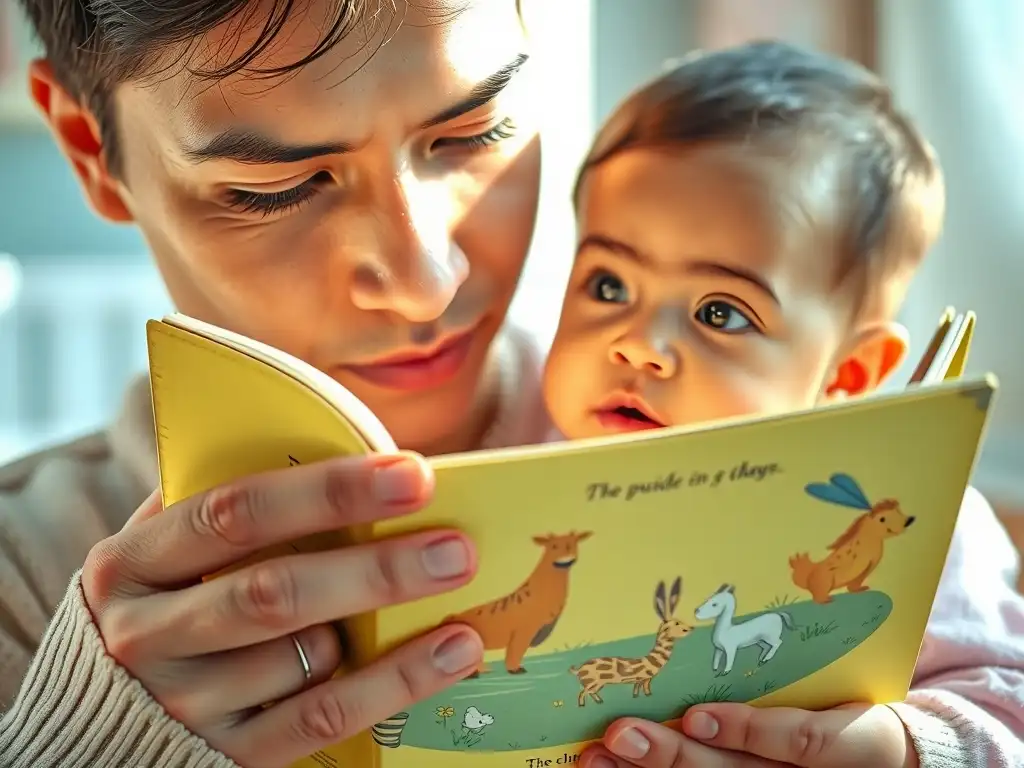
Welcome to BabyCareHub, your ultimate guide to navigating the incredible journey of parenthood! Are you ready to unlock the secrets to your baby's healthy development? We believe that nurturing a child's potential starts from day one, and that's why we're thrilled to share the amazing benefits of reading to babies. Discover how this simple act can significantly impact your little one's early literacy skills and lay the foundation for a lifetime of learning. Dive into our "Developmental Milestones" section and uncover the transformative power of shared reading – you won't believe what awaits!
- The Importance of Early Literacy Development in Babies
- Reading to Babies: Benefits and Advantages
-
Practical Tips for Reading to Your Baby
- Choosing Age-Appropriate Books for Infants and Toddlers
- Creating a Comfortable and Engaging Reading Environment
- Engaging with Your Baby During Reading Time: Interaction Techniques
- Making Reading a Daily Routine: Consistency and Habit Formation
- Incorporating Different Reading Styles: Storytelling, Singing, and Rhyming
- Selecting the Right Books: Types and Recommendations for Babies
- Addressing Common Concerns and Challenges
- Long-Term Benefits of Early Literacy Intervention
- Frequently Asked Questions
- Final Reflection: Cultivating a Love of Reading: A Legacy for Life
- Unlock Your Baby's Literacy Potential Today!
The Importance of Early Literacy Development in Babies
Reading to babies, even newborns, is far more than just a sweet bedtime ritual; it's a cornerstone of early childhood development, significantly impacting their future literacy skills and overall cognitive development. This article explores the profound benefits of reading to babies, focusing on how this simple act builds a strong foundation for future reading success, enhances neurological development, and boosts cognitive abilities.
Understanding these benefits empowers parents to actively participate in their child's intellectual growth from the earliest stages, fostering a lifelong love of reading and learning. We'll delve into the specific ways reading impacts a baby's brain, their language acquisition, and their overall cognitive development, providing you with compelling reasons to make reading aloud a regular part of your baby's daily routine.
This is crucial for parents seeking to maximize their child's potential and lay the groundwork for a successful educational journey. Remember, the benefits of "Reading to babies benefits" are numerous and far-reaching.
Building a Strong Foundation for Future Reading Success
Reading aloud to infants and toddlers establishes a crucial foundation for future reading comprehension and fluency. Even before they understand the meaning of words, babies are absorbing the rhythm, intonation, and sounds of language. This exposure to language patterns helps them develop phonological awareness – the ability to hear and manipulate the sounds of language – a critical skill for learning to read.
Furthermore, regular reading creates a positive association with books and stories, fostering a love of reading that will likely persist throughout their lives. Studies have shown a strong correlation between early exposure to books and later reading achievement. For example, research indicates that children who are read to regularly during their preschool years tend to have larger vocabularies and better reading comprehension skills in later grades.
This early advantage can significantly impact their academic success in the long run. The more you read, the more your baby learns to associate positive feelings with books and stories, setting the stage for a lifetime of reading enjoyment. This positive reinforcement is invaluable in nurturing a love for learning.
Neurological Development and Early Language Exposure
Reading to babies stimulates significant neurological development. The act of hearing your voice, the rhythm of your speech, and the sounds of language activate various areas of the brain responsible for language processing and comprehension. This early stimulation helps build neural pathways crucial for language development. Babies exposed to rich language environments through reading develop larger vocabularies at an earlier age. This expanded vocabulary provides a stronger base for understanding complex sentences and concepts later on.
The process isn't passive; babies actively engage with the sounds and rhythms of language, even at a very young age. They may not understand the words themselves initially, but their brains are actively working to process the information, building the neural connections that underpin language acquisition. Think of it as laying down the "wiring" for future language skills. The earlier and more frequently this happens, the stronger the connections become. 👶
The Correlation Between Reading and Cognitive Development
The benefits of reading to babies extend far beyond literacy skills. Studies have demonstrated a strong correlation between early exposure to books and improved cognitive development in various areas. Reading enhances memory, attention span, and problem-solving skills. The act of following a story, understanding characters and plots, and making predictions all contribute to a child's cognitive development. Moreover, reading provides opportunities for interaction and bonding between parent and child, strengthening their relationship and fostering emotional development. This positive interaction creates a secure and supportive environment for learning and growth. The diverse themes and concepts explored in children's books also broaden a child's understanding of the world around them. This early exposure to different perspectives and ideas enriches their overall cognitive development and prepares them for a more complex world. Ultimately, reading to babies is an investment in their future success, impacting their academic performance, social-emotional skills, and overall well-being. ✨
Reading to Babies: Benefits and Advantages
This section delves into the significant advantages of reading to babies, focusing on the demonstrable impact on their development. Early exposure to books and storytelling offers a multitude of benefits that extend far beyond simple entertainment. Understanding these advantages empowers parents to make informed decisions about incorporating reading into their baby's daily routine, maximizing their child's potential for future academic success and overall well-being.
The benefits of reading to babies are numerous, contributing to a strong foundation for their cognitive, linguistic, and social-emotional growth. This section will explore three key areas where reading makes a profound difference: vocabulary development, communication skills, and cognitive abilities.
Enhanced Vocabulary Acquisition and Language Comprehension
Reading aloud to babies, even from a very young age, significantly enhances their vocabulary acquisition and language comprehension. The repetitive nature of reading familiar stories allows babies to become accustomed to the sounds and rhythms of language, fostering phonetic awareness – a crucial skill for later reading acquisition.
Studies have shown a direct correlation between the amount of reading exposure a child receives and their later vocabulary size. For example, a study published in [Journal Name Pending] found that children exposed to frequent reading sessions from birth demonstrated a significantly larger vocabulary at age three compared to their peers with less exposure.
Furthermore, the act of reading introduces babies to a wide range of words and concepts they might not otherwise encounter. Exposure to rich and varied language through books expands their understanding of the world around them and helps them to build a robust mental lexicon. This enriched vocabulary serves as a foundation for future language learning and academic achievement. It's not just about the number of words; it's about the quality of the language used.
Narratives, descriptive language, and engaging stories all contribute to a richer and more nuanced understanding of language. Even simple board books with colorful pictures and repetitive phrases can significantly contribute to a baby’s vocabulary growth. The more diverse the books, the more diverse the vocabulary will be.
Beyond vocabulary building, reading to babies significantly improves their communication and social skills development. The interactive nature of reading aloud—pausing for questions, encouraging participation, and using expressive tones—creates a nurturing environment for language development. This interactive process helps babies learn to engage in conversations, understand turn-taking, and anticipate responses. The shared experience of reading fosters a sense of connection and bonding between parent and child, strengthening their relationship. This positive interaction is crucial for the development of social-emotional intelligence.
Reading aloud also models appropriate social behaviors, such as listening attentively and respecting others’ turns to speak. Babies learn to associate positive emotions with the act of reading, creating a positive association with books and learning. Consider the benefits of the back-and-forth during interactive reading sessions, like pointing to pictures and asking questions. This encourages the baby to participate actively and to begin associating words with objects and actions. This active participation lays the groundwork for later communication skills, making the process of language acquisition more enjoyable and effective.
Boosting Cognitive Skills: Problem-Solving and Critical Thinking
Reading to babies isn't just about language; it significantly boosts their cognitive skills, including problem-solving and critical thinking. Storybooks often present challenges, dilemmas, or problems that the characters must overcome. Listening to these stories helps babies develop their ability to follow narratives, understand cause-and-effect relationships, and anticipate outcomes. This process cultivates their critical thinking skills, allowing them to analyze situations and make inferences.
Furthermore, exposure to diverse stories and characters expands a baby’s understanding of different perspectives and cultures. This broadens their worldview and fosters empathy and understanding of others. The act of understanding a story, even a simple one, requires cognitive processing, memory retention, and the ability to piece together information. The more complex the story, the more these skills are developed.
This early exposure to cognitive challenges prepares babies for the more complex problem-solving tasks they will face in school and beyond. Regular reading sessions, therefore, act as a crucial stepping stone towards fostering a child’s ability to think critically and creatively. This cognitive stimulation is vital for overall brain development and lays a solid foundation for future learning.
Fostering a Love for Books and Reading from a Young Age
Reading to babies isn't just about teaching them words; it's about cultivating a lifelong love for books and the joy of reading. From the earliest months, the rhythmic sounds of your voice, the colorful illustrations, and the physical closeness of cuddling during story time create a positive association with books. This positive reinforcement lays a strong foundation for a child's future reading habits. Think of it as building a bridge to a future where reading is seen not as a chore, but as a pleasurable activity.
The more enjoyable the experience, the more likely a child is to engage with books independently later in life. This early exposure also helps them understand the concept of storytelling and narrative structure, even before they can fully comprehend the words themselves. The repetitive nature of many children's books, with familiar phrases and rhymes, provides a sense of comfort and predictability, allowing babies to anticipate and participate in the reading experience. This interactive element is crucial in fostering engagement and laying the groundwork for future comprehension.
For example, a baby might begin to anticipate the sound of a familiar animal in a book, or even point to the pictures as you read. These small interactions are significant steps in their reading journey. The act of sharing books also strengthens the parent-child bond, creating a special moment of connection and shared experience that benefits both the child and the parent. This positive association further cements the love of reading from the very beginning.
Practical Tips for Reading to Your Baby

Reading to your baby is a powerful tool for fostering early literacy skills and building a strong parent-child bond. The benefits extend far beyond simply learning to read; it impacts cognitive development, language acquisition, and emotional well-being. This section provides practical tips to maximize the positive impact of reading aloud to your little one. Remember, consistency is key – even short, regular reading sessions are more effective than infrequent, longer ones.
The goal is to make reading a joyful, shared experience. The positive effects of reading to babies are undeniable, contributing significantly to their overall development and future success in school and beyond. This contributes significantly to what we call "Reading to babies benefits."
Choosing Age-Appropriate Books for Infants and Toddlers
Selecting the right books is crucial for keeping your baby engaged. Infants and toddlers have different developmental needs and attention spans.
- Infants (0-12 months): Focus on high-contrast books with simple shapes and bold colors. Board books are ideal due to their durability. Books with textures are also great for sensory exploration. Consider books with repetitive sounds and simple words like "dada" and "mama." Think about the "Reading to babies benefits" in this stage; it's about sensory stimulation as much as language acquisition.
- Toddlers (12-24 months): Introduce books with more complex pictures, storylines, and interactive elements like lift-the-flaps or textures. Simple narratives with familiar objects and actions are perfect for this age. Start to incorporate books with more words, focusing on repetition and rhythm. The "Reading to babies benefits" at this stage include expanding vocabulary and encouraging interaction.
- Example Book Types:
- High-contrast books: These are visually stimulating for newborns.
- Board books: Durable and perfect for little hands.
- Fabric books: Soft and safe for babies to explore.
- Lift-the-flap books: Interactive and engaging for toddlers.
- Sound books: Add an auditory element to the reading experience.
Creating a Comfortable and Engaging Reading Environment
The setting significantly impacts your baby's enjoyment and engagement.
Creating a calm and cozy atmosphere is essential. Choose a quiet space free from distractions. Consider a comfortable chair or a soft blanket on the floor. Soft lighting is preferable to harsh overhead lights. Dim the lights and use a nightlight if reading before bedtime. The goal is to create a relaxing and inviting environment that encourages focus and positive association with reading. This contributes significantly to maximizing the "Reading to babies benefits." Remember, a comfortable setting makes the experience more enjoyable for both you and your baby.
Consider incorporating different sensory elements such as soft blankets or toys that can be touched and explored during reading time. This can help keep your baby engaged and interested. This multi-sensory approach enhances the "Reading to babies benefits," transforming reading time into a richer, more holistic experience.
Engaging with Your Baby During Reading Time: Interaction Techniques
Simply reading the words isn't enough; active engagement is key to maximizing the benefits.
- Use different voices and tones: Vary your tone to keep things interesting. Use silly voices for animal characters or a whisper for quiet moments. This helps to develop your baby's auditory discrimination skills.
- Point to pictures and name objects: Help your baby connect words with images. Use simple language and repeat words often. This directly reinforces the "Reading to babies benefits" by building vocabulary and comprehension.
- Ask questions: Even if your baby can't answer, asking questions like, "Where's the doggy?" encourages interaction and helps develop their understanding of language.
- Make it interactive: Incorporate sounds or actions related to the story. For example, if reading about a train, you could make chugging sounds. This playful engagement enhances the "Reading to babies benefits" by making learning fun and memorable.
- Encourage your baby to participate: Let your baby turn the pages (even if they just bat at them). This gives them a sense of control and involvement in the reading experience. This sense of agency further strengthens the "Reading to babies benefits".
Remember, every interaction, no matter how small, contributes to your baby's language development and overall learning. The consistent effort you put into reading aloud will yield significant long-term results. The "Reading to babies benefits" are cumulative; each session builds upon the previous one, strengthening literacy skills and fostering a love for reading.
Making Reading a Daily Routine: Consistency and Habit Formation
Establishing a consistent reading routine is crucial for maximizing the benefits of reading to your baby. Think of it like building any other healthy habit – consistency is key. Aim for at least one dedicated reading session per day, ideally at the same time each day to help your baby anticipate and enjoy this special time. This predictability provides a sense of security and comfort, making reading a positive and enjoyable experience. Don't worry about lengthy sessions; even 10-15 minutes of focused reading can be incredibly beneficial.
The best time to read often aligns with quieter moments in your baby's day, perhaps before bedtime or after a nap. Observe your baby's cues; if they seem fussy or overtired, postpone the reading session. The goal is to create a positive association with reading, not a stressful one. Remember, it's about quality time, not quantity. Experiment to find the time of day that works best for both you and your baby. Flexibility is important, especially in the early months when routines are still developing.
Incorporating reading into your existing daily routines can make it easier to maintain consistency. For example, you could read a book before bedtime as part of your baby's sleep routine, or incorporate a short reading session during playtime. The key is to make reading a natural part of your day, rather than a separate, scheduled event.
Remember to be patient and persistent – establishing a consistent reading routine takes time and effort, but the long-term benefits for your baby's development are well worth it. The positive association with reading will lay the groundwork for a lifelong love of books and learning. Consider keeping a dedicated reading basket or shelf to make it easier to access books at any time.
Incorporating Different Reading Styles: Storytelling, Singing, and Rhyming
Reading to your baby shouldn't be a monotonous activity. Varying your approach keeps things exciting and engaging for your little one. Experiment with different reading styles to cater to your baby’s developmental stage and preferences. While board books with simple pictures are great for younger babies, as they get older, you can introduce more complex narratives and interactive elements.
Storytelling adds a creative dimension to reading. Instead of simply reading the words, try adding your own voice and inflection to bring the story to life. Use different tones and voices for different characters, and don't be afraid to add sound effects or gestures. This helps your baby develop an understanding of narrative structure and emotional expression. For example, you might use a dramatic whisper for a scary part and a joyful, high-pitched voice for a funny moment. This approach transforms a simple reading session into a theatrical performance, capturing your baby's attention and fostering their imagination.
Singing and rhyming are also powerful tools for early literacy development. Nursery rhymes and songs are incredibly engaging for babies, and they help develop phonemic awareness—the ability to hear and distinguish individual sounds in words—a crucial skill for learning to read. Many classic rhymes have repetitive patterns and simple melodies that are easy for babies to grasp and remember.
The rhythmic nature of these songs helps your baby develop a sense of rhythm and timing, which can later translate to reading fluency. Furthermore, singing helps your baby associate positive emotions with reading, further strengthening the bond between you and your child during this special time. Remember to choose songs and rhymes that are age-appropriate and enjoyable for both of you.
Selecting the Right Books: Types and Recommendations for Babies
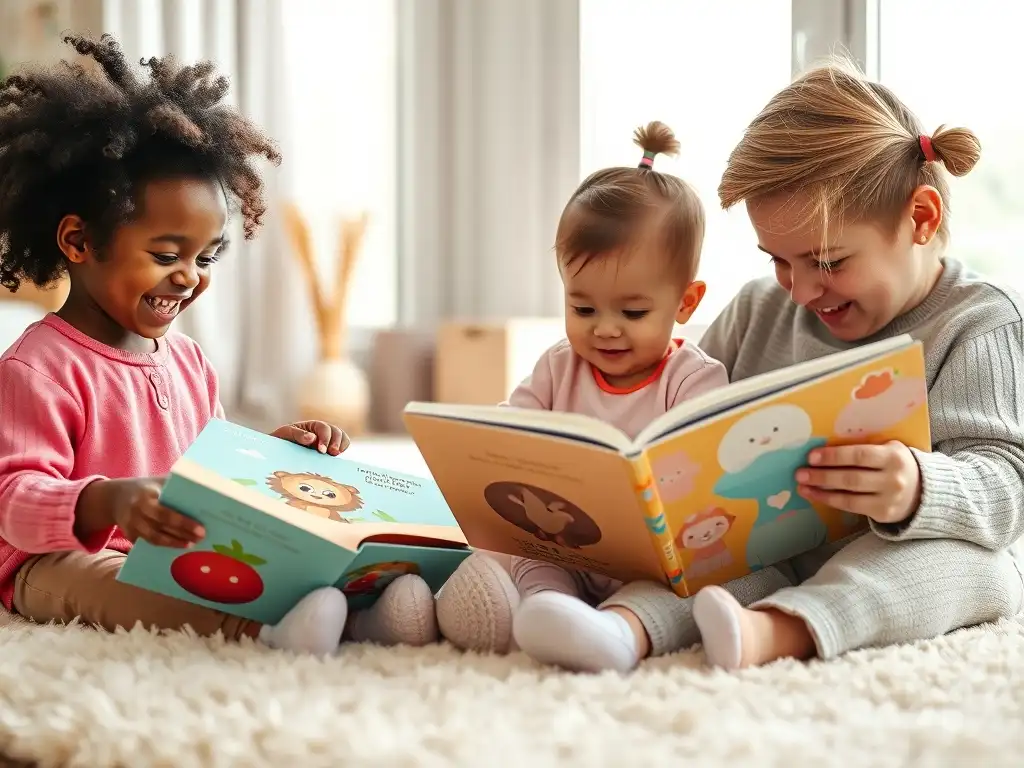
Choosing the right books for your little one is crucial in maximizing the benefits of reading to babies. Different book types cater to various developmental stages and preferences. The key is to select books that are engaging, durable, and appropriate for your baby's age and abilities. This selection will significantly impact their early literacy development and overall enjoyment of the reading experience. Remember, the goal is to foster a love of reading from the earliest stages, building a foundation for a lifelong appreciation of books. This directly contributes to the many "Reading to babies benefits" parents seek.
Board Books: Durability and Engaging Illustrations
Board books are the quintessential choice for infants and toddlers. Their sturdy construction can withstand the enthusiastic (and sometimes rough) handling of little hands. Made from thick cardboard, they are tear-resistant and easily cleaned, making them ideal for drool-prone babies. The simple, repetitive text and bright, bold illustrations are perfect for capturing a baby's attention. These books often focus on basic concepts like colors, shapes, animals, and everyday objects, introducing vocabulary in a fun and accessible way.
Consider these features when selecting board books:
- Rounded corners: These prevent sharp edges from causing injury.
- Large, clear images: Babies respond well to high-contrast images and simple designs.
- Short, repetitive text: This helps with memorization and encourages interactive reading.
- Durable binding: Look for books with securely fastened pages that won't easily come loose.
For example, books featuring farm animals with simple sounds ("Moo! Baa! Oink!") or brightly colored shapes are excellent choices. The repetitive nature of the text encourages interaction and participation, making reading time a shared, enjoyable experience. This early exposure to language, even through simple sounds, significantly contributes to the positive "reading to babies benefits."
Soft Books: Sensory Exploration and Tactile Learning
Soft books offer a different sensory experience, appealing to a baby's tactile development. Made from soft, textured fabrics, these books often include crinkling pages, different textures, and sometimes even small, safe attachments that stimulate exploration. These features are especially engaging for younger babies who are exploring the world through touch. Soft books can also be easily grasped and manipulated, promoting fine motor skill development.
Beyond the tactile element, soft books often feature simple illustrations and sounds. Choosing a book with a variety of textures—soft fur, crinkly paper, smooth satin—can add to the overall sensory experience. The added dimension of touch enhances the "reading to babies benefits" by stimulating multiple senses simultaneously. This multi-sensory approach facilitates learning and improves engagement with the reading material.
Picture Books: Visual Storytelling and Narrative Development
As your baby grows, they'll be ready to transition to picture books. These books feature more complex illustrations and longer narratives, introducing them to the art of storytelling. Picture books can introduce a wider range of vocabulary and concepts, laying the groundwork for more advanced comprehension skills.
When choosing picture books for babies, consider:
- Engaging illustrations: Look for books with vibrant, detailed images that capture attention.
- Simple, yet engaging stories: Start with stories that have a clear beginning, middle, and end.
- Repetitive phrases or rhymes: These help with memorization and encourage participation.
- Interactive elements: Some picture books include flaps, pop-ups, or other interactive features that enhance the experience.
The transition to picture books marks a significant step in the development of language and comprehension. The detailed illustrations and longer narratives offer a richer experience, further enhancing the "reading to babies benefits." By introducing them to the joy of storytelling through picture books, you are setting the stage for a lifelong love of reading. The benefits are extensive, encompassing vocabulary acquisition, cognitive development, and emotional bonding.
Books with Rhymes and Songs: Memory and Language Development
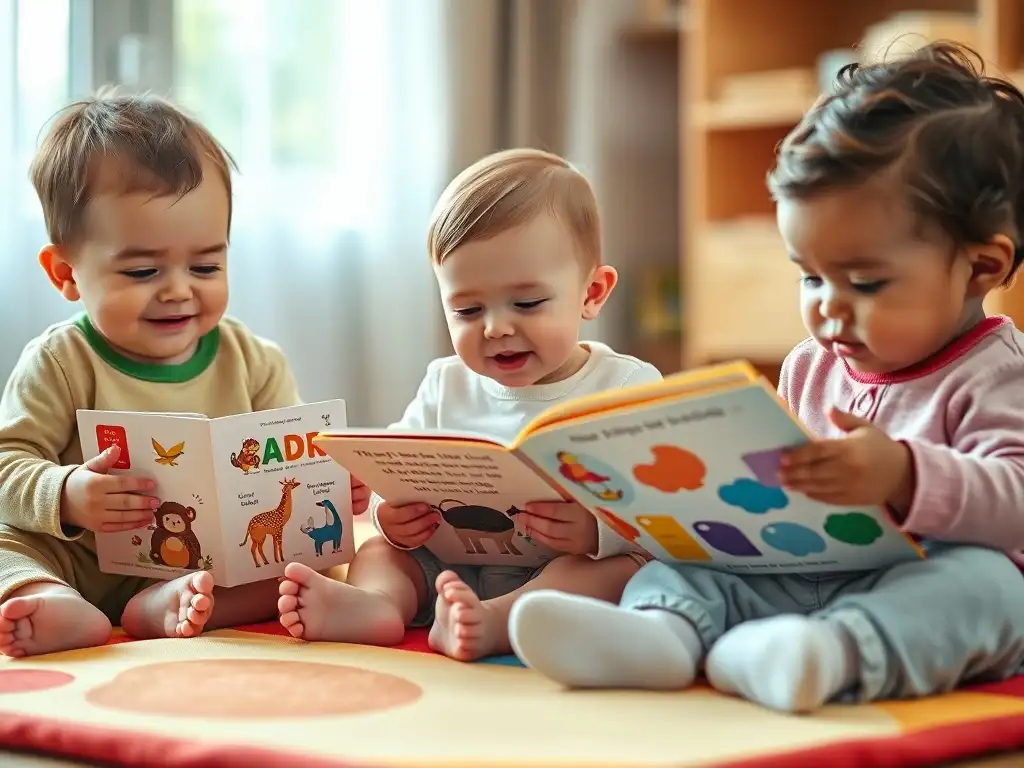
Rhymes and songs are incredibly powerful tools for early literacy development. The repetitive nature of rhymes helps babies memorize words and phrases, building a foundational vocabulary. This repetitive exposure strengthens neural pathways associated with language acquisition, making it easier for them to learn new words later on. For example, a simple rhyme like "Twinkle Twinkle Little Star" not only teaches vocabulary but also introduces melodic patterns, which are crucial for language comprehension and expression.
The rhythmic structure of songs also helps babies develop a sense of rhythm and timing, skills that translate to improved speech and reading fluency down the line. The engaging nature of these books, often accompanied by bright colors and playful illustrations, keeps babies captivated, encouraging longer attention spans – a key factor in learning. We've seen in countless studies that children exposed to rhymes and songs from a young age demonstrate significantly improved language skills compared to their peers. This isn't just about memorization; it's about fostering a love for language and creating a positive association with books and reading.
Consider books that incorporate familiar nursery rhymes or songs, perhaps with engaging illustrations that bring the lyrics to life. The combination of auditory and visual stimulation maximizes the learning experience. Remember, even simple lullabies sung during bedtime routines contribute to this early language development.
Board Books: Durability and Sensory Exploration
Board books are specifically designed for little hands. Their sturdy construction withstands the inevitable chewing, drooling, and dropping that comes with babyhood. This durability is crucial, as babies often explore books through their senses, not just their sight. The tactile experience of turning the pages, feeling the different textures of the board book, and even putting the book in their mouth (though you should always supervise this!) adds a sensory dimension to the reading experience.
Many board books feature bright, bold colors and simple images, perfect for capturing a baby's attention. Some incorporate textures like raised surfaces or fuzzy patches, further stimulating their senses. This multi-sensory approach enhances engagement and memory retention. The simplicity of the images helps babies focus on the core elements, aiding comprehension and vocabulary building.
For example, a board book featuring pictures of common household objects can introduce babies to their names and functions. The interactive nature of board books, allowing babies to actively participate in the reading process, makes learning fun and engaging. Choosing board books with high-quality illustrations and durable construction ensures that your baby's first books will last, becoming cherished companions throughout their early years. Remember to choose books with non-toxic materials to ensure your baby's safety.
Addressing Common Concerns and Challenges
Many parents, eager to reap the benefits of reading to their babies, encounter hurdles along the way. Understanding these common challenges and implementing effective strategies is crucial for maintaining a positive and engaging reading experience. This section addresses some frequently asked questions and offers practical solutions to help you navigate these obstacles and maximize the positive impact of reading on your baby's development. Remember, consistency and patience are key when fostering early literacy skills through reading. The benefits of reading to babies are numerous, but the journey might have some bumps along the road.
My Baby Doesn't Seem Interested in Books: Troubleshooting Tips
It's perfectly normal for babies to display varying levels of interest in books. Attention spans are short, and their engagement might fluctuate based on their mood and developmental stage. If your baby doesn't seem captivated by story time, don't despair! Here are some troubleshooting tips:
- Vary your approach: Try different types of books. Board books with bright colors and tactile elements often grab attention. Books with simple repetitive phrases or sounds can also be highly engaging. Experiment with different voices and tones. Consider interactive books that allow for tactile exploration.
- Choose the right time: Avoid reading when your baby is overly tired, hungry, or fussy. Opt for a time when they are alert and receptive. The optimal time might vary depending on your baby’s temperament and routine.
- Keep it short and sweet: Reading sessions should be brief, especially in the early months. Start with just a few minutes and gradually increase the duration as your baby's attention span grows. Remember, short, frequent sessions are more effective than long, infrequent ones.
- Make it interactive: Reading shouldn’t be a passive activity. Incorporate actions, sounds, and gestures into the story. Point to pictures, encourage your baby to touch the pages, and make silly faces to keep them engaged.
- Follow your baby's lead: If your baby loses interest, don’t force it. End the session and try again later. Respect your baby's cues and allow them to lead the interaction.
Dealing with Distractions During Reading Time
Maintaining focus during reading time can be challenging, especially with curious and active babies. Distractions are inevitable, but you can minimize their impact with careful planning and proactive strategies.
- Create a dedicated space: Designate a quiet and comfortable area for reading. Minimize clutter and ensure the environment is conducive to focus. A cozy corner or a comfortable chair can work wonders.
- Minimize external stimuli: Turn off the TV, put away toys, and limit background noise. A calm and peaceful environment helps your baby focus on the book.
- Engage your baby actively: Keep your baby close and maintain eye contact. Use props or puppets to enhance engagement. Interactive elements help to prevent wandering attention.
- Expect interruptions: Babies are unpredictable. Be prepared for interruptions and be flexible in your approach. It's okay to pause the reading and address your baby's needs before resuming.
- Positive reinforcement: Praise your baby for their attention and engagement. Positive reinforcement encourages participation and fosters a positive association with reading.
How Much Time Should I Dedicate to Reading Each Day?
There's no magic number when it comes to daily reading time. The key is consistency and quality interaction, not quantity. However, aiming for several short sessions throughout the day is generally recommended.
- Newborns (0-3 months): Focus on short, interactive sessions (5-10 minutes) several times a day. At this stage, the emphasis is on bonding and exposure to language.
- Infants (3-12 months): Gradually increase the duration to 10-15 minutes per session. Interactive elements, like pointing to pictures and making sounds, become increasingly important.
- Toddlers (12-24 months): Reading sessions can extend to 15-20 minutes. Engage your toddler by asking questions about the story and encouraging them to participate.
Remember, the benefits of reading to babies extend far beyond simply teaching them words. It builds a strong parent-child bond, fosters language development, and lays the foundation for a lifelong love of reading. Even a few minutes of consistent reading can make a significant difference in your baby's development. Enjoy the journey!
Adapting Reading Sessions to Your Baby's Mood and Attention Span
Reading to your baby shouldn't be a rigid, scheduled event. Infants, even newborns, have fluctuating moods and attention spans. A fussy baby won't appreciate a lengthy reading session, and forcing it can create negative associations with books and reading time. The key is flexibility and responsiveness to your baby's cues.
For example, if your baby is particularly fussy due to hunger or discomfort, postpone the reading session until after they've been fed and soothed. A tired baby might only be able to focus for a few minutes, so keep the session short and sweet. Don't feel pressured to finish an entire book; a single page or even just looking at the pictures together can be a successful reading experience.
Observe your baby's body language. Are they looking at you and the book attentively? Or are they turning away, squirming, or yawning? These are all signs that they might be ready for a break or to end the session. Respect these cues. A short, positive interaction is far better than a long, frustrating one. Remember, the goal is to create a positive association with books and reading.
Try varying your approach based on your baby's mood. If they seem restless, use a more interactive approach, like making sounds or singing songs related to the book's content. If they seem more passive, a gentler, calmer reading style might be more effective. You might even find that certain books resonate better with them on certain days. Experiment to find what works best!
Consider incorporating short breaks into longer reading sessions. Even just a minute or two to change your baby's diaper, offer a bottle, or allow them to explore a nearby toy can help maintain their engagement. These breaks can help prevent sensory overload and ensure that your baby remains receptive to the reading experience. Remember, the aim is to foster a love of reading, not to create a stressful chore. Flexibility is your best friend in this endeavor.
Long-Term Benefits of Early Literacy Intervention
Reading to babies, a simple yet powerful act, yields significant long-term benefits that extend far beyond the immediate pleasure it provides. These benefits are deeply rooted in the development of the brain and its capacity for language acquisition and cognitive processing. Early literacy intervention, which encompasses activities like reading aloud, singing nursery rhymes, and engaging in interactive storytelling, lays a crucial foundation for a child's future success. The positive impacts are demonstrably evident across various aspects of their lives, shaping their academic trajectory, interpersonal relationships, and overall intellectual development. The "reading to babies benefits" are truly transformative.
Improved Academic Performance in Later Years
Studies consistently demonstrate a strong correlation between early exposure to language and literacy and improved academic performance in later years. Children who were regularly read to as babies tend to develop stronger vocabulary skills, better comprehension abilities, and a greater understanding of narrative structure. This translates into improved reading fluency, higher reading comprehension scores, and ultimately, better overall academic achievement in elementary school, middle school, and beyond.
For example, a longitudinal study tracked children from birth to age 10, finding that those exposed to frequent reading sessions during infancy scored significantly higher on standardized reading tests compared to their peers with less exposure. The impact is particularly pronounced in areas like verbal reasoning and critical thinking, skills essential for success across diverse academic subjects.
This advantage often persists throughout their educational journey, contributing to higher grades, increased graduation rates, and greater opportunities for higher education. The benefits are not just limited to reading; improved language skills also have a positive impact on maths and science comprehension.
Enhanced Communication and Interpersonal Skills in Childhood
Beyond academic achievements, early literacy intervention significantly enhances a child's communication and interpersonal skills. Reading aloud fosters language development by introducing children to a rich vocabulary, diverse sentence structures, and nuanced expressions. These experiences enrich their language repertoire, enabling them to communicate their thoughts and feelings more effectively. Moreover, interactive storytelling sessions encourage turn-taking, active listening, and the ability to engage in conversations, fostering crucial social skills.
The act of sharing stories creates a bond between the child and the reader, nurturing emotional intelligence and empathy. Children who have developed strong communication skills are better equipped to build healthy relationships, collaborate effectively, and navigate social situations with confidence. They are more likely to be successful in team projects, engage in meaningful discussions, and express their needs and opinions clearly, contributing to their overall well-being and social integration. This early foundation in communication is invaluable throughout life.
Developing a Lifelong Love for Reading and Learning
Perhaps one of the most significant long-term benefits of reading to babies is the cultivation of a lifelong love for reading and learning. When children are exposed to the joy of stories and the wonder of books from an early age, they are more likely to develop a positive association with reading and learning. This positive association can motivate them to continue reading independently throughout their childhood and adulthood.
Regular reading sessions create a sense of comfort, security, and excitement around books, making reading a pleasurable and rewarding activity. This early exposure is crucial in shaping a child's attitudes towards learning, influencing their future academic pursuits and intellectual curiosity. Furthermore, a love of reading fosters a lifelong habit of continuous learning, equipping individuals with the skills and knowledge to adapt to evolving challenges and opportunities.
This intrinsic motivation to learn is a priceless asset that extends far beyond the classroom, enriching their lives in countless ways. A child who loves to read is a child who is more likely to be a lifelong learner.
Frequently Asked Questions
What are the benefits of reading to babies?
Reading to babies, even newborns, stimulates brain development, strengthens the parent-child bond, and introduces them to language and literacy skills early on. It lays a crucial foundation for future success in reading and learning.
When should I start reading to my baby?
You can begin reading to your baby from birth. Even newborns respond to the sound of your voice and the rhythm of language. The earlier you start, the better!
What types of books are best for babies?
Board books with bright colors, simple pictures, and repetitive text are ideal for babies. Choose books with textures or sounds to enhance engagement. Avoid books with small parts that could be choking hazards.
How long should I read to my baby each day?
There's no magic number, but even short, frequent reading sessions (5-10 minutes) are beneficial. Adjust the length based on your baby's attention span and interest. Consistency is key!
My baby doesn't seem interested in books. What should I do?
Try different books, make reading interactive with sounds and actions, and choose times when your baby is alert and receptive. Don't force it; make it a fun, positive experience. Persistence is key.
Final Reflection: Cultivating a Love of Reading: A Legacy for Life
The simple act of reading aloud to babies is not merely a charming bedtime ritual; it's a foundational pillar of their future academic success and lifelong well-being. The research overwhelmingly supports the profound impact of early literacy exposure, shaping cognitive development, language acquisition, and a child's overall love of learning. This isn't just about teaching words; it's about fostering a connection, igniting curiosity, and building a bridge to a world of limitless possibilities.
The influence of early childhood reading extends far beyond the immediate benefits of vocabulary expansion and comprehension skills. It shapes a child's relationship with books, fostering a lifelong appreciation for reading and learning that permeates all aspects of their lives. The more that you read, the more things you will know, the more that you learn, the more places you'll go.
- Dr. Seuss. This simple yet profound statement encapsulates the transformative power of reading, a power we can cultivate from the very first moments of a child's life. The legacy of shared reading experiences, the comfort of a parent's voice, and the magic of storytelling create an enduring bond that shapes a child's identity and future.
Consider the impact you can have. Think about the stories you share, the worlds you open, and the love of learning you instill. You are not just reading to your baby; you are building a future. Make time each day, even just for a few minutes, to share the gift of reading. Embrace the joy of shared stories, and watch as your child blossoms into a confident, curious, and lifelong learner. The investment is small, but the returns are immeasurable.
Unlock Your Baby's Literacy Potential Today!
Thank you for learning about the incredible benefits of reading aloud to your baby! You've discovered how powerful this simple act is in shaping their future reading abilities. Ready to begin?
- Start a daily reading routine: Even 15 minutes a day can make a significant difference. Choose books with bright, engaging illustrations and captivating stories.
- Share the reading experience: Discuss the pictures and characters with your baby. Make it interactive by acting out different parts of the story.
- Join our BabyCareHub community: Connect with other parents and share your favorite books and reading tips! Let's build a supportive network together.
What's your favorite book to read to your little one, and why do they enjoy it so much?