
The Power of Sound: How Hearing Shapes Baby's Development

Welcome to BabyCareHub, your ultimate guide to navigating the incredible journey of parenthood! Are you ready to unlock the secrets to your little one's growth? We delve into every aspect of baby care, from feeding schedules to safety precautions. But today, we're focusing on something truly fascinating: baby hearing development stages. Discover how the world of sound shapes your baby's brain and development in our in-depth article, "The Power of Sound: How Hearing Shapes Baby's Development." Prepare to be amazed by the power of auditory stimulation and its impact on your child's future!
- Baby Hearing Development Stages: From Womb to World
- Stimulating Baby's Hearing Development: Activities and Strategies
- Recognizing Potential Hearing Problems in Babies: Early Detection
- Supporting Your Baby's Auditory Development: Long-Term Strategies
- Frequently Asked Questions
- Final Reflection: The Unfolding Symphony of a Child's Hearing
- Unlock Your Baby's Auditory Potential!
Baby Hearing Development Stages: From Womb to World
Understanding how your baby's hearing develops is crucial for their overall growth and well-being. This comprehensive guide will explore the fascinating journey of auditory development, from the sounds of the womb to the complex world of sounds your baby will encounter after birth. We'll delve into the key stages of baby hearing development, providing you with valuable insights into what you can expect at each milestone.
This knowledge will empower you to actively participate in fostering your little one's auditory skills and ensuring optimal language acquisition and cognitive development. Mastering the nuances of baby hearing development stages is a key component of providing the best possible start for your child, setting the foundation for future learning and communication.
This guide will help you understand the importance of early intervention and how to recognize potential hearing issues. Learning about the "baby hearing development stages" will help you appreciate the remarkable journey your baby embarks on, and equip you with the knowledge to support their progress every step of the way.
Prenatal Hearing Development: The Sounds of the Uterus
Even before birth, your baby's ears are developing and responding to sounds. Around 18 weeks of gestation, the inner ear is fully formed, and the baby can begin to perceive sounds from the outside world, albeit muffled and filtered through the amniotic fluid. These sounds—your heartbeat, your voice, your digestive system, even the sounds of your daily life—are crucial for early brain development. The fetus can detect rhythmic patterns and distinguish between different sound intensities. Exposure to these sounds during pregnancy helps establish neural pathways and lays the groundwork for future auditory processing.
Think of it like this: the womb is a sensory-rich environment. The constant rhythm of your heartbeat provides a soothing and comforting background noise. Your voice, full of love and affection, becomes a familiar and comforting sound. This early exposure to sound is essential for the development of language skills and emotional bonding.
Studies have shown that babies exposed to a wider variety of sounds in utero tend to have better speech recognition skills later in life. This prenatal auditory experience is the very foundation of your baby's future understanding of the world around them. The sounds of the uterus are their first language lesson!
Newborn Hearing Abilities: What Can Your Baby Hear?
Once your baby arrives, their hearing continues to develop rapidly. Newborns are remarkably sensitive to sounds, particularly high-pitched sounds like their mother's voice. They are capable of distinguishing between different sounds and locating the source of a sound. While their hearing isn't fully mature at birth, they can already recognize familiar voices and respond to changes in tone and intensity. They are particularly attuned to the human voice, showing a preference for speech over other sounds.
This innate ability to recognize and respond to sounds is critical for their social and emotional development. Newborns demonstrate a preference for their mother's voice, suggesting that they can distinguish it from other voices based on prenatal exposure and postnatal interaction. Their ability to locate the source of a sound helps them connect with their caregivers and build crucial bonds. Regular interaction with caregivers through talking, singing, and playing sounds helps stimulate their auditory system and supports their neurological development.
The early weeks and months are a crucial period for auditory development, laying the groundwork for language acquisition and cognitive growth. It's during this period that the brain is highly plastic and receptive to new auditory experiences. Therefore, providing a rich and stimulating auditory environment is vital for their healthy development. 👶
Early Childhood Hearing Milestones: Key Developmental Stages (0-12 Months)
The first year of life is a period of explosive auditory development for your baby. Understanding the key milestones during this crucial time is vital for early intervention if any concerns arise. While every baby develops at their own pace, recognizing general developmental patterns can help parents and caregivers track their little one's progress. These milestones are not rigid benchmarks, but rather a helpful guide.
The journey begins even before birth. In the womb, babies start to respond to sounds around 24 weeks gestation. By the time they are born, they exhibit a preference for their mother's voice and the sounds of their native language. This prenatal exposure lays a critical foundation for future language acquisition. After birth, the rate of auditory development accelerates dramatically.
From birth to three months, your baby will likely startle at loud noises, turn their head towards sounds, and show a preference for human voices over other sounds. They'll begin to distinguish between different sounds and tones. By four to six months, they'll be able to locate sounds more accurately and show increased interest in musical toys and rhythmic sounds.
Between seven and twelve months, babies typically respond to their name, understand simple words like "mama" and "dada," and start babbling, experimenting with different sounds and combinations. This stage is characterized by active listening and vocal experimentation, laying the groundwork for future language development. Remember to provide a rich auditory environment filled with diverse sounds and interactions to support this crucial growth.
Recognizing Sounds and Voices: A Parent's Guide
Helping your baby recognize sounds and voices is a fun and engaging process that strengthens your bond and fosters their auditory development. Start by speaking to your baby frequently, using a variety of tones and inflections. Sing songs, read books aloud, and describe the world around them. This constant auditory stimulation helps them learn to associate sounds with meanings and objects.
Pay attention to your baby's reactions to different sounds. Do they turn their head towards your voice? Do they quiet down when you sing a lullaby? These responses are indicators of their developing auditory skills. Introduce a variety of sounds – rustling leaves, running water, musical instruments – while describing what they are hearing.
Use simple words and repetitive phrases, allowing your baby to associate sounds with objects and actions. For example, while shaking a rattle, say, "Look, it's a rattle! It makes a rattling sound!" This simple act helps your baby connect the sound with the visual and tactile experience. Remember, consistency and repetition are key to successful auditory learning.
Remember to create a quiet environment for your baby to sleep and rest, as too much noise can be overstimulating and hinder their ability to process auditory information.
Responding to Sounds: Early Signs of Auditory Processing
Observing how your baby responds to different sounds is crucial for assessing their auditory processing abilities. Auditory processing involves the brain's ability to interpret and understand sounds. Early signs of potential auditory processing difficulties can include lack of response to sounds, difficulty locating sound sources, or inconsistent reactions to auditory stimuli.
For example, a baby who doesn't turn their head towards sounds, even when they are relatively close, might warrant further observation. Similarly, a baby who consistently fails to respond to their name, even after repeated attempts, could be exhibiting a sign requiring professional assessment. However, remember that variations in development exist.
It's important to consult with your pediatrician or a qualified audiologist if you have any concerns about your baby's hearing or auditory processing. Early detection and intervention are key to addressing any challenges and ensuring your baby's optimal development. They can perform hearing tests to rule out any hearing loss and assess your baby's auditory processing abilities. Early intervention often involves strategies to enhance auditory skills and support your baby's development.
Baby's Speech Perception Development: Understanding Language
A baby's ability to understand language is intricately linked to their speech perception development. This refers to their capacity to discriminate and categorize speech sounds, forming the foundation for language comprehension and production. This process starts surprisingly early, even before birth, with the fetus becoming attuned to the sounds and rhythms of the mother's voice and the native language.
After birth, babies demonstrate remarkable progress in differentiating between various sounds. Around 6 months of age, they begin to distinguish between different phonemes (the basic units of sound in a language). This ability is crucial for segmenting speech streams into meaningful units, ultimately supporting word recognition and sentence comprehension. Their babbling also becomes more sophisticated, reflecting their increasing understanding of speech patterns and sounds. Through interactive play, reading aloud, and engaging conversations, parents can significantly contribute to their baby's speech perception development.
The development of speech perception is a gradual process, with significant progress observed throughout the first year and beyond. Providing a rich auditory environment, engaging in frequent verbal interactions, and seeking professional guidance when needed are essential steps in supporting your baby's journey towards language mastery. Early intervention can be crucial for addressing any potential delays or difficulties in speech perception, ultimately ensuring optimal language development.
Stimulating Baby's Hearing Development: Activities and Strategies
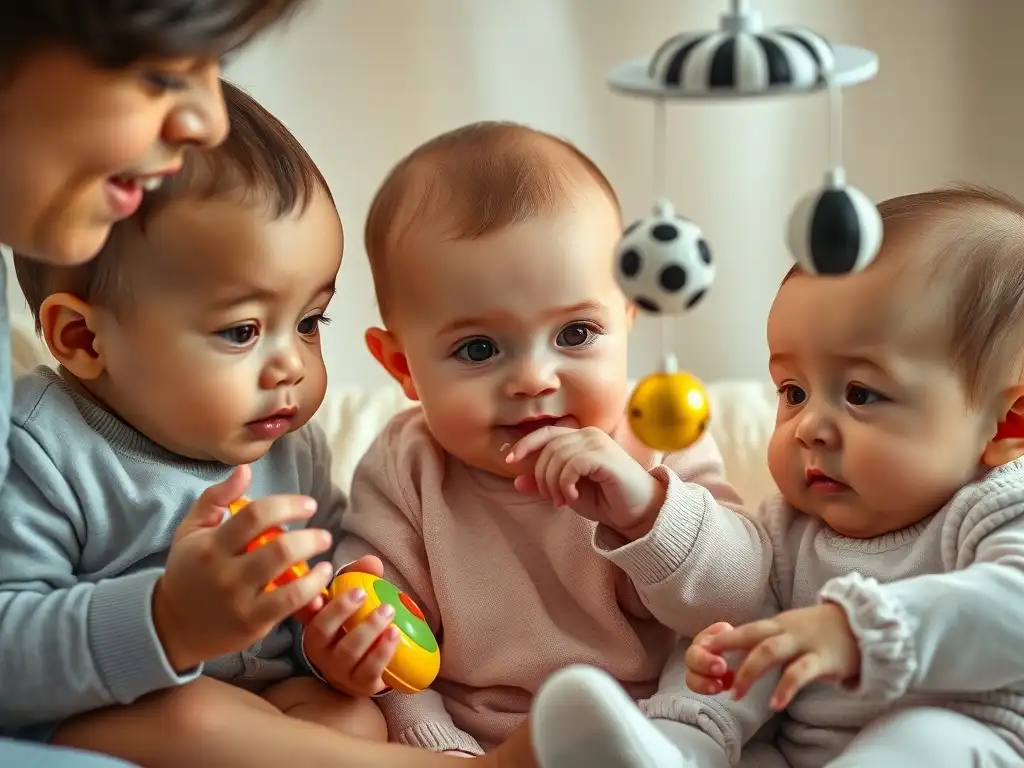
Understanding the crucial role of auditory stimulation in your baby's development is the first step. However, knowing how to effectively stimulate their hearing is equally important. This section outlines various activities and strategies to foster healthy baby hearing development stages. Remember, consistency and engagement are key.
Engaging with Your Baby Through Sound: Interactive Play
Interactive play is more than just toys; it's about creating a rich auditory environment. From the moment your baby is born, their ears are actively absorbing sounds. You can leverage this by incorporating sound-based activities into your daily routine.
Consider these simple yet effective techniques:
- Sound Scavenger Hunts: Make sounds around the room – crinkling paper, shaking a rattle, softly tapping a spoon – and encourage your baby to locate the source. This helps develop their sound localization skills. This is particularly beneficial during the early baby hearing development stages.
- Musical Exploration: Introduce your baby to a variety of musical genres, from classical to folk. Sing songs, play soft instrumental music, and even dance together. The rhythmic nature of music is incredibly stimulating for auditory development.
- Environmental Sound Exploration: Take your baby on walks and point out the different sounds around you – birds chirping, cars driving, leaves rustling. Describe these sounds, enriching their auditory vocabulary. This passively reinforces baby hearing development stages.
- Vocal Imitation: Babies love to mimic sounds. Make silly faces and sounds, and watch as they attempt to copy you. This playful interaction enhances their ability to distinguish and reproduce sounds.
Remember to always supervise your baby during playtime and choose age-appropriate activities and toys. Even seemingly simple interactions significantly contribute to their overall auditory development. The earlier you begin engaging in these activities, the better the developmental outcomes.
Choosing Age-Appropriate Auditory Stimulation Toys
Selecting the right toys is crucial for effective auditory stimulation. Remember, it's not about the quantity but the quality and appropriateness of the toys you choose. Different toys cater to different baby hearing development stages.
Here’s a guideline:
| Age Range | Recommended Toy Types | Considerations |
|---|---|---|
| 0-3 Months | Soft rattles, textured balls with bells, musical mobiles | Ensure toys are safe, durable, and easily cleaned. Avoid small parts. |
| 3-6 Months | Stacking cups with different sounds, musical instruments (e.g., xylophone), books with textured pages and sounds | Focus on toys that encourage exploration and manipulation. |
| 6-12 Months | Shape sorters with sounds, cause-and-effect toys, simple musical instruments | Prioritize toys that encourage problem-solving and fine motor skill development. |
Always prioritize safety and supervise your baby while they are playing with auditory stimulation toys. Avoid toys with loud, jarring sounds which could be harmful to their developing hearing.
The Importance of Talking, Singing, and Reading to Your Baby
Beyond structured playtime, everyday interactions are paramount. Talking, singing, and reading aloud to your baby are not just bonding experiences; they are fundamental to their auditory and language development. These simple activities significantly impact baby hearing development stages.
Consider these points:
- Consistent Communication: Talk to your baby throughout the day, even if they don't understand everything you're saying. Describe your actions, name objects, and engage in simple conversations. This builds their vocabulary and auditory comprehension.
- Singing Songs: Singing lullabies and nursery rhymes exposes your baby to different rhythms, melodies, and vocal tones, stimulating their auditory processing. The repetition helps with memorization and language acquisition.
- Reading Aloud: Reading aloud, even from birth, is beneficial. The rhythm and intonation of your voice, coupled with the visual stimulation of the book, create a rich sensory experience that supports auditory development.
This consistent auditory input from a young age lays a strong foundation for future language development and overall cognitive growth. Remember, even seemingly simple interactions can have a profound impact on your baby's auditory development journey. The benefits extend far beyond just hearing; these actions foster a strong parent-child bond and create positive associations with learning and communication. 👶
Creating a Sound-Rich Environment for Optimal Development
Creating a stimulating auditory environment for your baby is crucial for their hearing development. This doesn't mean blasting loud noises; rather, it involves exposing your little one to a diverse range of sounds at appropriate volumes. Think of it as a carefully curated soundscape designed to nurture their growing auditory system. The goal is to provide consistent, age-appropriate auditory stimulation, helping your baby learn to distinguish, interpret, and respond to different sounds.
One effective technique is to incorporate everyday sounds into your baby's routine. The gentle clinking of utensils during meal preparation, the rhythmic ticking of a clock, the soft rustling of pages as you read a book—these seemingly mundane sounds offer valuable auditory experiences. These sounds help your baby associate certain actions with specific sounds, laying the foundation for language comprehension and cognitive development. Remember to speak clearly and frequently to your baby, narrating your actions as you go. This constant verbal interaction is invaluable for language acquisition and overall auditory development.
Moreover, consider introducing your baby to a variety of musical instruments. Rattles, shakers, and xylophones offer tactile and auditory stimulation, encouraging exploration and engagement. Singing lullabies and nursery rhymes not only soothes your baby but also introduces them to the rhythm and melody of language. This exposure to music helps develop their sense of rhythm and timing, skills that are crucial for language processing and speech development. Remember to maintain a safe distance from your baby when playing musical instruments to prevent accidental injury.
Beyond everyday sounds and musical instruments, you can also utilize specially designed auditory toys. These toys often feature different textures, sounds, and colors, engaging multiple senses simultaneously. However, it's crucial to select toys that are age-appropriate and safe, avoiding small parts that could pose a choking hazard. Always supervise your baby while they are playing with auditory toys. Regularly check the toys for any damage and replace them if necessary. The variety of sounds offered by these toys can help stimulate auditory processing and pattern recognition, essential aspects of language development.
Finally, remember that consistency is key. Regular exposure to a diverse range of sounds, combined with loving interaction and responsive communication, will significantly contribute to your baby's healthy auditory development. This nurturing environment will not only enhance their hearing but also foster their overall cognitive, emotional, and social growth. A sound-rich environment is not just about hearing; it's about nurturing a child's entire developmental journey. 👶🎶
Recognizing Potential Hearing Problems in Babies: Early Detection
Early detection of hearing loss in babies is crucial for their optimal development. A baby's ability to hear impacts their language acquisition, social-emotional growth, and overall cognitive development. Therefore, understanding the signs of potential hearing problems and knowing when to seek professional help is paramount for every parent. This section focuses on identifying potential issues and understanding the critical timeframe for intervention. The earlier a hearing impairment is diagnosed, the more effective the intervention strategies can be. Delays in diagnosis can significantly impact a child's ability to catch up to their hearing peers.
Signs of Hearing Loss in Infants and Toddlers
Identifying hearing loss in young children can be challenging, as they cannot verbally express their difficulties. However, there are several key indicators parents should be aware of:
- Lack of response to sound: Babies with hearing loss may not startle at loud noises, turn their heads towards sounds, or respond to their name being called. This is often one of the first noticeable signs. For example, a typical 6-month-old will readily turn their head to the sound of a rattle; a child with hearing loss may not.
- Delayed speech development: A significant delay in babbling, vocalizing, or speaking by the expected age ranges is a major red flag. While developmental timelines vary, consistent delays warrant attention. For instance, most babies start babbling around 6 months; a delay past 9 months could indicate a problem.
- Difficulty following instructions: If your baby or toddler doesn't seem to understand simple commands or instructions, even after repeated attempts, it could be a sign of impaired hearing. This is especially true for age-appropriate instructions.
- Facial expressions: Babies may exhibit unusual facial expressions when presented with sounds, indicating they are straining to hear. They might furrow their brows or make unusual mouth movements.
- Increased reliance on visual cues: Babies with hearing loss may rely more heavily on visual cues to understand what is happening around them. They may watch your mouth intently instead of focusing on sounds.
- Playing less with sounds: A baby who normally enjoys playing with noise-making toys may lose interest or show limited engagement with these toys.
The table below summarizes typical milestones and potential red flags for hearing development in babies:
| Age Range | Typical Milestone | Potential Red Flag |
|---|---|---|
| 0-3 Months | Startles at loud noises, turns head to sounds | No response to loud sounds, no head turning |
| 4-6 Months | Babbles, responds to own name | Little to no babbling, no response to name |
| 7-12 Months | Understands simple words, points to objects | No understanding of simple words, no pointing to objects |
| 12-18 Months | Says first words | Significant delay in speech development |
| 18-24 Months | Uses simple phrases | Difficulty understanding simple instructions |
Remember, this list is not exhaustive, and the presence of one or two signs doesn't automatically mean your baby has a hearing problem. However, any concerns should be addressed promptly by a healthcare professional. Early intervention is key. 👶
When to Seek Professional Help for Your Baby's Hearing
It's crucial to seek professional help if you notice any concerning signs related to your baby's hearing. Don't hesitate to contact your pediatrician or a qualified audiologist. Early intervention is crucial for maximizing a child's developmental potential. Even subtle delays in response to sound should be investigated.
Some specific scenarios that warrant immediate attention include:
- Family history of hearing loss: If there's a history of hearing loss in the family, your baby should be screened early and often.
- Complications during pregnancy or birth: Conditions such as premature birth, low birth weight, or infections during pregnancy can increase the risk of hearing loss.
- Prolonged exposure to loud noises: While less common, prolonged exposure to loud noises can damage a baby's hearing.
- Persistent fluid in the ears: This can temporarily impair hearing and should be monitored closely.
Don't delay seeking professional help. The sooner a hearing problem is identified, the sooner treatment can begin, leading to better outcomes. Early intervention programs are designed to support children with hearing loss and help them reach their full potential.
Early Intervention Strategies for Hearing Impairments
Early intervention for hearing impairments is vital for language development and overall well-being. If a hearing loss is diagnosed, various strategies can be implemented to support the child's development. These strategies often involve a multidisciplinary team, including audiologists, speech-language pathologists, educators, and other specialists.
Some common early intervention strategies include:
- Hearing aids: These devices amplify sounds to help the child hear better. Proper fitting and adjustments are crucial for effective use.
- Cochlear implants: For severe to profound hearing loss, a cochlear implant can provide electrical stimulation directly to the auditory nerve, bypassing damaged parts of the ear.
- Speech therapy: This helps children develop speech and language skills, addressing any delays or difficulties caused by hearing loss.
- Auditory-verbal therapy: This approach focuses on maximizing the use of residual hearing through intensive auditory training and speech development.
- Sign language: Learning sign language can provide another way for the child to communicate and access information.
- Educational support: Specialized educational programs and support services are available to help children with hearing loss succeed in school.
The effectiveness of early intervention is well-documented. Studies consistently show that children who receive early intervention services achieve better outcomes in language development, academic achievement, and social-emotional well-being compared to those who don't. It's a crucial investment in a child's future. Remember, early detection and intervention are key to maximizing the potential of every child, regardless of their hearing abilities.
Supporting Your Baby's Auditory Development: Long-Term Strategies
This section focuses on the ongoing strategies parents can employ to nurture their baby's hearing development beyond the initial stages. Remember, consistent auditory stimulation is crucial for optimal language acquisition and cognitive development. We'll explore how to maintain this stimulation and address potential concerns.
Continued Auditory Stimulation Beyond Infancy
Even after your baby begins babbling and saying their first words, continued auditory stimulation remains vital. Think of it as a continuous process, not a one-time event. The soundscape around your child should be rich and varied. This isn't about bombarding them with noise, but rather providing a diverse range of auditory experiences.
Here are some practical ways to continue enriching your child's auditory environment:
- Reading aloud: Regularly reading to your child, even after they can understand words, exposes them to different vocal tones, rhythms, and vocabulary. Choose books with engaging stories and expressive illustrations.
- Singing songs and nursery rhymes: Singing is a fantastic way to enhance language development. The repetitive nature of songs helps children learn sounds and rhythms, while the melodic quality makes it enjoyable. Consider trying different genres of music.
- Playing auditory games: Simple games like "Where's the sound?" (hiding a toy that makes a noise) or mimicking animal sounds can be fun and educational. These activities actively engage your child's listening skills.
- Exposure to diverse sounds: Introduce your child to various sounds from nature, music, and everyday life. This helps them differentiate sounds and build a broader auditory understanding. A walk in the park, listening to rain, or hearing the sounds of a busy street (from a safe distance) can all contribute.
- Conversations: Engage in frequent conversations with your child, using clear and simple language. Ask questions, respond to their babbles, and encourage them to communicate. This fosters language development and strengthens the parent-child bond.
Remember, consistency is key. Even short, regular sessions of auditory stimulation are more effective than infrequent, longer ones. The goal is to make sound a natural and enjoyable part of your child's daily life.
Monitoring Your Child's Hearing and Speech Development
Regular monitoring is crucial to ensure your child's hearing and speech development is progressing as expected. While early intervention programs are invaluable, ongoing vigilance remains essential. Here's how to effectively monitor your child's progress:
- Regular check-ups: Schedule routine check-ups with your pediatrician. They can assess your child's hearing and speech development during these visits. Don't hesitate to raise any concerns you may have.
- Developmental milestones: Familiarize yourself with typical developmental milestones for hearing and speech. This will help you identify any potential delays or concerns early on. Many online resources and books provide detailed information on these milestones.
- Observing your child's responses: Pay attention to how your child responds to sounds. Do they turn their head towards sounds? Do they seem to understand simple instructions? Do they babble and attempt to communicate? Any significant deviations from expected behavior warrant a consultation with a healthcare professional.
- Early intervention services: If you have any concerns about your child's hearing or speech development, don't hesitate to seek professional help. Early intervention services can make a significant difference in a child's progress.
Early identification of potential issues is key to implementing effective interventions. Don't underestimate the importance of proactive monitoring.
The Role of Pediatric Audiology in Early Childhood
Pediatric audiology plays a critical role in ensuring your child's hearing health and development. These specialists are trained to diagnose and manage hearing problems in children. They use advanced techniques to evaluate hearing ability and provide appropriate interventions.
Here's how pediatric audiology contributes to your child's well-being:
- Hearing screenings: Pediatric audiologists conduct comprehensive hearing screenings to identify any hearing loss or impairment. These screenings are crucial for early detection and intervention.
- Hearing aid fitting and management: If your child is diagnosed with hearing loss, a pediatric audiologist can fit and manage hearing aids, ensuring optimal functionality and comfort.
- Hearing rehabilitation: Audiologists provide hearing rehabilitation services, including speech therapy and auditory training, to help children maximize their hearing potential.
- Educational support: They collaborate with educators and other professionals to develop individualized educational plans for children with hearing impairments.
- Counseling and support: They offer counseling and support to families coping with a child's hearing loss, providing guidance and resources to navigate the challenges.
A pediatric audiologist is a valuable member of your child's healthcare team, offering specialized expertise and support throughout their development. Don't hesitate to seek their services if you have any concerns about your child's hearing. Early intervention is crucial for optimal outcomes in baby hearing development stages.
Frequently Asked Questions
When do babies start hearing?
Babies begin hearing in the womb, around 20 weeks gestation. They can recognize familiar sounds, like their mother's voice, even before birth. This prenatal hearing is crucial for early development.
What are the key stages of baby hearing development?
Hearing development happens in stages. From recognizing sounds in utero to responding to voices and locating sound sources, their auditory skills rapidly improve in the first year. Beyond this, speech and language development are closely tied to hearing.
How can I tell if my baby has a hearing problem?
If your baby doesn't respond to loud noises, doesn't turn their head towards sounds, or doesn't babble by 6 months, consult a doctor. Early detection of hearing problems is crucial for intervention.
What are some ways to stimulate my baby's hearing development?
Talking, singing, and reading to your baby frequently are excellent ways to stimulate hearing development. Playing age-appropriate music and providing interactive sound experiences also helps.
My baby seems to have trouble hearing. What should I do?
Seek professional advice immediately from your pediatrician or an audiologist. Early intervention is key for managing hearing loss and supporting your baby's development. They can perform hearing tests to determine the cause and recommend solutions.
Final Reflection: The Unfolding Symphony of a Child's Hearing
The soundscape of a baby's world is not merely background noise; it's the very foundation upon which language, cognition, and emotional development are built. Understanding the crucial role of auditory experiences in a child's formative years is not just academically interesting—it's essential for ensuring every child reaches their full potential. The implications of early hearing intervention and a rich auditory environment are profound and far-reaching.
The impact of sound on a child's development is a journey that continues long after infancy. It shapes their ability to connect with others, to learn and grow, and to navigate the complexities of the world around them. It's a journey I've personally witnessed in my own family, observing the wonder and delight on my niece's face as she responds to the nuances of speech and music. The human voice is the most beautiful instrument of all,
a sentiment that resonates deeply when considering the power of auditory stimulation in a child's life. The subtle shifts in tone, the rhythm of conversation, the melody of a lullaby – these are the building blocks of a child's cognitive and emotional architecture.
Now, consider your own role in this unfolding symphony. Are you actively creating an environment rich in sounds and language for the children in your life? Are you mindful of potential hearing challenges and seeking early intervention if needed? Take a moment to reflect on the sounds surrounding your children – are they nurturing, stimulating, and supportive of their development? By actively engaging with the auditory world of the children around you, you are not just shaping their hearing, but their entire future.
Unlock Your Baby's Auditory Potential!
Thank you for exploring the fascinating world of baby hearing development with us! You've gained valuable insights into how sound shapes their early growth, and now it's time to put that knowledge into action. Let's nurture your little one's auditory journey:
- Create a stimulating soundscape: Introduce a variety of sounds – from the gentle rustling of leaves to lively music, and of course, the soothing tones of your voice – to enrich your baby's auditory experiences. This is a crucial step in their development.
- Schedule a hearing screening with your pediatrician: Ensure your baby's hearing is developing normally. Early detection of any potential issues is vital.
- Share your knowledge: Discuss the importance of early auditory stimulation with other parents and help spread awareness.
Ready to start enriching your baby's world of sound? What wonderful sounds will you introduce to your little one today?