
Playtime and Painting: Safe and Fun Ways to Explore Color

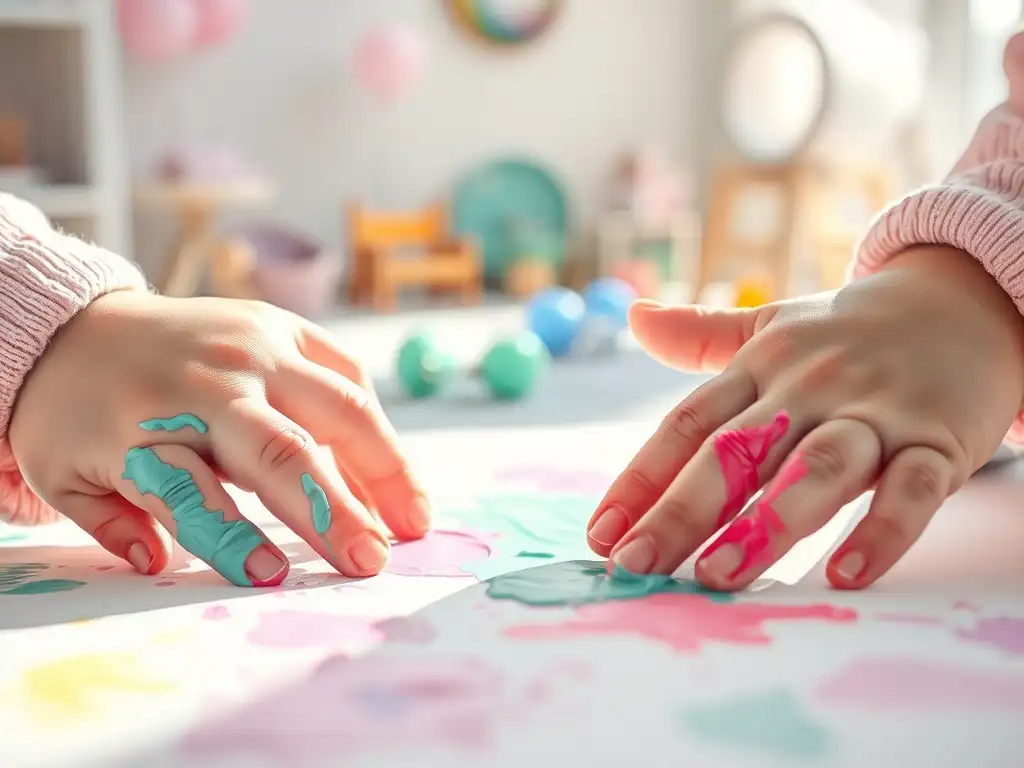
Welcome to BabyCareHub, your ultimate guide to navigating the exciting yet sometimes overwhelming world of parenthood! Are you ready to unlock the joy of creative exploration with your little one? We know how crucial it is to choose safe and stimulating activities for your baby's development.
That's why we've created this comprehensive resource, starting with our latest article on Baby Safe Finger Paints, a perfect introduction to the wonders of color and self-expression. Discover how playtime can foster crucial developmental milestones and learn how to make this experience both fun and secure for your precious child. Let's embark on this colorful journey together!
- Introducing Baby Safe Finger Paints: A Developmental Milestone
- Safe Finger Painting Techniques for Babies: A Step-by-Step Guide
-
Creative Finger Painting Ideas for Babies and Toddlers
- Simple and Engaging Finger Painting Projects
- Exploring Different Painting Surfaces and Textures
- Combining Finger Painting with Other Sensory Activities
- Encouraging Creativity and Self-Expression Through Art
- Age-Appropriate Finger Painting Activities
- Choosing Safe and Non-Toxic Baby-Safe Finger Paints
- Extending the Fun: Beyond Finger Paints
- Addressing Common Concerns about Baby Safe Finger Paints
- Frequently Asked Questions
- Final Reflection: The Enduring Power of Playful Exploration
- Unleash Your Little Artist's Inner Rainbow!
Introducing Baby Safe Finger Paints: A Developmental Milestone
Playing with color is more than just fun; it's a crucial part of a baby's development. This article dives into the world of baby-safe finger paints, exploring how this simple activity contributes significantly to your little one's cognitive, sensory, and motor skill development. We’ll provide you with a comprehensive guide to selecting the safest and most engaging finger paints, ensuring playtime is both enjoyable and beneficial for your child.
From understanding the importance of sensory play to choosing non-toxic options, we'll equip you with the knowledge to make informed choices and create enriching experiences for your baby. This guide focuses on making playtime not only fun but also a valuable tool in your baby’s developmental journey. Remember, choosing the right finger paints is a vital step in ensuring a safe and stimulating playtime experience.
The Importance of Sensory Play for Early Development
Sensory play is paramount for a baby's healthy development. It's how they learn to understand and interact with the world around them. Through touch, sight, smell, and even taste (with appropriate supervision and non-toxic materials! ), babies build crucial neural connections. Finger painting directly supports this development by stimulating multiple senses simultaneously. The tactile experience of the paint on their fingers, the vibrant colors they see, and even the subtle smells of the paint contribute to a rich sensory experience. This sensory input strengthens their cognitive development, improves hand-eye coordination, and enhances fine motor skills. Studies have shown that children engaged in sensory play often exhibit improved problem-solving skills and enhanced creativity later in life. 👶🎨 The benefits extend beyond the immediate playtime; it's an investment in your child's future learning and development. Furthermore, sensory play can be a fantastic way to soothe fussy babies and provide a calming activity.
Benefits of Finger Painting for Babies and Toddlers
Finger painting offers a multitude of benefits for babies and toddlers:
- Fine Motor Skill Development: The act of gripping the paintbrush or using their fingers to spread the paint strengthens small muscles in their hands and fingers, crucial for later writing and manipulating objects.
- Creativity and Self-Expression: Finger painting allows babies to express themselves creatively without the pressure of perfect results. It’s a free-form activity that fosters imagination and self-discovery.
- Cognitive Development: Exploring different colors, textures, and mixing paints helps babies understand concepts like color mixing, cause and effect, and problem-solving.
- Social-Emotional Development: Finger painting can be a shared activity, creating bonding opportunities between parent and child, and encouraging social interaction amongst peers (if done in a group setting).
- Sensory Exploration: As mentioned earlier, the tactile experience of the paint itself is a significant sensory input, crucial for brain development.
Think of it as a playful, messy, and incredibly effective learning experience! The joy on a baby's face as they explore the vibrant colors is a testament to the positive impact of this simple activity. Even the simple act of washing their hands afterwards contributes to their understanding of hygiene and routine.
Choosing Non-Toxic and Baby-Safe Finger Paints: Key Considerations
Safety is paramount when selecting finger paints for your baby. Look for paints that are specifically labeled as non-toxic and baby-safe. Here's a checklist to guide your purchase:
| Feature | Description | Importance |
|---|---|---|
| Non-Toxic | Free from harmful chemicals and heavy metals. | Prevents ingestion risks and potential health issues. |
| Washable | Easy to clean from skin and clothing. | Reduces stress and mess during and after playtime. |
| Ingredients | Check the ingredient list for any potential allergens or irritants. | Crucial for babies with sensitive skin or allergies. |
| Age Appropriateness | Verify that the paint is suitable for the baby's age range. | Some paints might contain smaller parts not suitable for babies who might put them in their mouths. |
| Certifications | Look for certifications from reputable organizations confirming safety and quality. | Provides an independent assurance of the product's safety. |
Remember, a little research goes a long way in ensuring your baby has a safe and enriching playtime experience with finger paints. Choosing the right product is the first step towards unlocking the immense developmental benefits of this fun and engaging activity. Always supervise your baby during playtime to prevent any accidents.
Safe Finger Painting Techniques for Babies: A Step-by-Step Guide
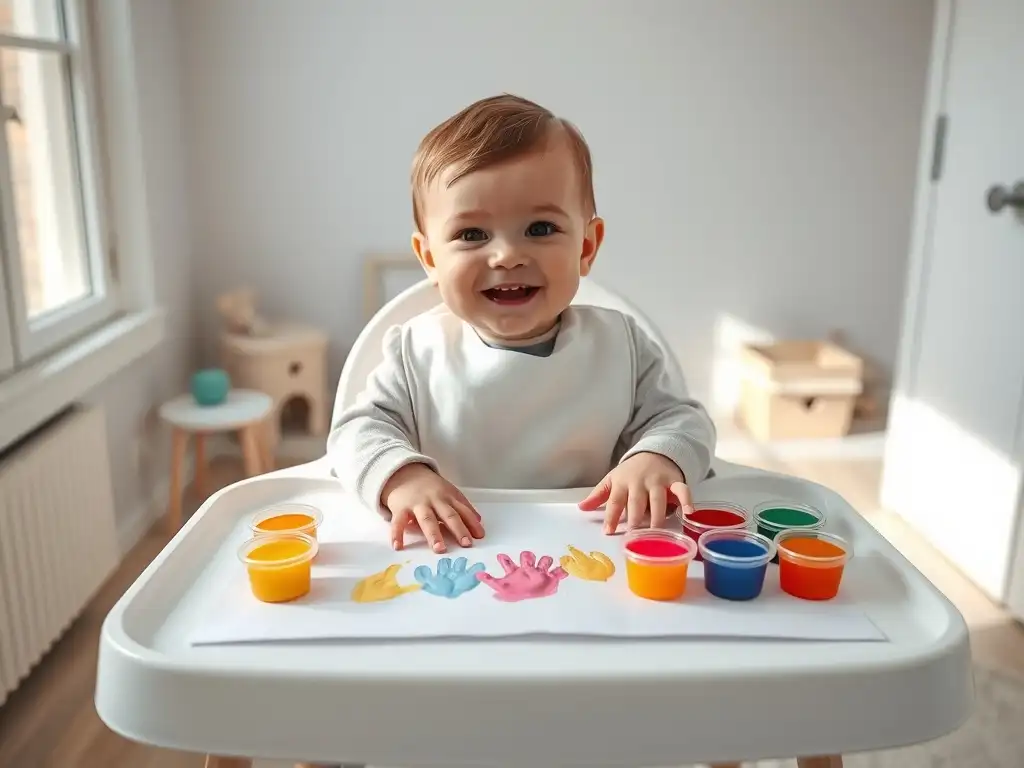
This section details safe and effective finger painting techniques specifically designed for babies. Remember, always supervise your baby during playtime, even with seemingly harmless activities like finger painting. The focus here is on using baby safe finger paints, ensuring a fun and educational experience while prioritizing safety.
Setting Up the Perfect Finger Painting Station: Safety First!
Creating a safe finger painting environment is paramount. Before you even think about the paints, consider these crucial safety aspects:
- Surface Protection: Cover your work surface with a large, waterproof sheet or tablecloth. Newspaper can work in a pinch, but a dedicated waterproof surface is easier to clean. Consider using a plastic drop cloth for extra protection against spills and messes.
- Baby-Safe Paints: Only use paints explicitly labeled as non-toxic and baby-safe. Avoid paints containing harmful chemicals, preservatives, or artificial fragrances. Look for paints designed specifically for babies, emphasizing their water-based, washable nature.
- Clothing Protection: Dress your baby in old clothes or a smock to prevent paint stains. Consider using a waterproof bib for extra protection.
- Easy Cleanup: Have plenty of baby wipes, paper towels, and a bowl of warm soapy water readily available. Quick cleanup minimizes the risk of stains and keeps the painting session enjoyable. Pre-wet wipes make cleanup even easier!
- Supervision: Never leave your baby unattended during finger painting. Even for a moment. Babies are naturally curious and might ingest paint or other materials if left unsupervised.
- Ventilation: Ensure adequate ventilation in the room to minimize any potential exposure to paint fumes, even if the paints are non-toxic. Opening a window can significantly improve air quality.
Age-Appropriate Finger Painting Activities for Babies
The type of finger painting activity should be tailored to your baby's developmental stage. Here's a breakdown:
- 4-6 Months: At this age, focus on simple sensory exploration. Let your baby touch and feel the paint, exploring different textures. Don't worry about creating a masterpiece; the experience itself is the goal. Simple dabbing motions are ideal.
- 7-12 Months: Babies at this age may start showing more interest in exploring colors and making marks. Introduce larger brushes or sponges alongside finger painting to broaden their experience. Observe how they interact with the tools and adjust your approach accordingly.
- 12-18 Months: Babies in this age range may start to grasp the concept of making marks and experimenting with different techniques. You can start introducing simple shapes and patterns. Encourage their creativity and self-expression.
| Age Range | Activity Suggestions | Key Considerations |
|---|---|---|
| 4-6 Months | Sensory exploration, tactile play | Supervise closely, focus on exploration, not artistry |
| 7-12 Months | Larger brushes/sponges, simple color mixing | Encourage experimentation, simple shapes, easy cleanup |
| 12-18 Months | Simple patterns, shape introduction, color recognition | Support creativity, provide positive reinforcement |
Introducing Colors and Textures: A Sensory Exploration
Finger painting offers a fantastic opportunity for sensory exploration. The vibrant colors and varied textures stimulate a baby's senses, fostering cognitive development. Consider these enriching elements:
- Color Variety: Introduce a range of primary colors (red, blue, yellow) initially, gradually adding secondary colors. Observe your baby's reactions to different hues; some colors may elicit stronger responses than others.
- Texture Variation: Experiment with different paint consistencies. Some baby-safe paints offer thicker, more textured options. This can add another layer of sensory input. You could also add different textures to the painting surface, like textured paper or fabric scraps.
- Temperature Play: Let your baby explore the temperature of the paint (it should be room temperature). This adds another sensory dimension to the experience.
- Sound Integration: Incorporate sounds during finger painting. Play soft music or nature sounds to create a calming and stimulating atmosphere. The combination of visual and auditory stimulation can enhance the experience.
Remember, the key is to make the finger painting experience fun, safe, and developmentally appropriate for your baby. Observe your baby's reactions and adjust your approach accordingly. The ultimate goal is to foster creativity and a love of learning through playful exploration with baby safe finger paints.
Cleaning Up After Finger Painting: Easy and Effective Methods
Cleaning up after a finger painting session with your little one might seem daunting, but with the right approach, it can be quick and easy. The key is preparation and having the right tools readily available. Before you even begin painting, lay down a large, waterproof surface, such as a plastic tablecloth or a shower curtain, to protect your floor or table. This will significantly reduce the mess and cleanup time. Consider using a highchair or other contained area to minimize the spread of paint.
Next, gather your cleaning supplies beforehand. You'll need warm water, mild soap (avoid harsh chemicals! ), several soft cloths or paper towels, and possibly a baby wipe container for quick spot cleaning. Having these items within easy reach will streamline the process and prevent paint from drying before you can tackle it. For particularly stubborn stains, a solution of baking soda and water can work wonders. Simply make a paste, apply it to the stain, let it sit for a few minutes, and then gently scrub it away.
Remember that speed is key when cleaning up finger paints. The longer the paint sits, the more difficult it will be to remove. Start by wiping your baby's hands and arms gently with a damp cloth. Then, move on to cleaning the painting surface. For washable paints, a simple wipe-down should suffice. However, always check the paint's instructions for specific cleaning recommendations.
Finally, consider the cleanup of your baby's clothes. If the paint has gotten on their clothing, treat the stain immediately using the methods mentioned above. Pre-treating the stain will increase your chances of getting the paint out completely. If you're using baby safe finger paints, the cleaning process should be relatively straightforward.
However, always check the product's label for specific cleaning instructions, as some paints might require different methods. Remember, patience and a proactive approach will make cleaning up after a fun finger painting session a breeze! Always supervise your baby during the entire process, ensuring their safety and enjoyment.
Creative Finger Painting Ideas for Babies and Toddlers
This section explores creative and safe finger painting projects ideal for babies and toddlers, focusing on maximizing engagement and minimizing mess. Remember, the key to successful finger painting with little ones is keeping it simple, fun, and mess-manageable! We'll focus on using baby safe finger paints, ensuring a worry-free playtime experience for parents and a stimulating experience for children.
Simple and Engaging Finger Painting Projects
Even the youngest babies can enjoy the sensory experience of finger painting. Start with incredibly simple projects to gauge their interest and comfort level.
- Rainbow Tracks: Use a large piece of paper or a waterproof table protector. Squeeze small dollops of different colored baby safe finger paints onto the surface. Let your baby explore the colors by making handprints or simply smearing them around. This helps develop fine motor skills and color recognition. Remember to supervise closely, ensuring they don't ingest the paint.
- Bubble Painting: Mix a small amount of baby safe finger paints with a little water to create a thinner consistency. Blow bubbles into the mixture using a straw. Gently press a piece of paper onto the bubbly mixture to create unique patterns. This is a great way to introduce texture and unpredictable results, fostering creativity.
- Stamping Fun: Cut out simple shapes from sponges or potatoes. Dip them in the baby safe finger paints and let your little one stamp them onto paper. This project improves hand-eye coordination and introduces the concept of shapes. You can even use their own hands and feet to create unique prints!
Exploring Different Painting Surfaces and Textures
Moving beyond paper, exploring different textures can significantly enhance the sensory experience of finger painting. This also helps develop tactile awareness and exploration.
To ensure safety, always supervise your child closely and choose non-toxic and washable paints designed specifically for babies.
- Finger Painting on Fabric: Using old t-shirts or fabric scraps allows for a different tactile experience. Remember to use fabric-safe paints! The resulting artwork can then become a personalized keepsake or a fun addition to a play blanket.
- Painting on Smooth Surfaces: A large, smooth waterproof surface like a tray or a cookie sheet provides a different feel compared to paper. This can be particularly engaging for babies who enjoy exploring different textures.
- Textured Surfaces: Use textured surfaces like sandpaper (very gently! ), bubble wrap, or even a piece of bark (carefully cleaned and supervised) to create interesting patterns and textures in the paint. This adds a new dimension to the artistic process, allowing for unexpected and exciting results.
Combining Finger Painting with Other Sensory Activities
Integrating finger painting with other sensory activities can create a richer and more engaging experience for your baby or toddler. This approach enhances learning through multiple sensory pathways.
- Finger Painting and Water Play: Combine finger painting with water play by letting your child use water to wash the paint off their hands. This activity builds upon the sensory experience of finger painting and introduces the concept of cleaning up.
- Finger Painting and Music: Play some soothing music or sing songs while your child is finger painting. This can calm and focus them, allowing for a more relaxed and creative experience. Music also enhances their emotional development.
Remember to always prioritize safety when engaging in sensory play with your little one. Choose non-toxic, washable materials, supervise closely, and ensure that all materials are age-appropriate. Using baby safe finger paints is crucial for ensuring a fun and healthy playtime experience. Enjoy the colorful journey of discovery!
Encouraging Creativity and Self-Expression Through Art
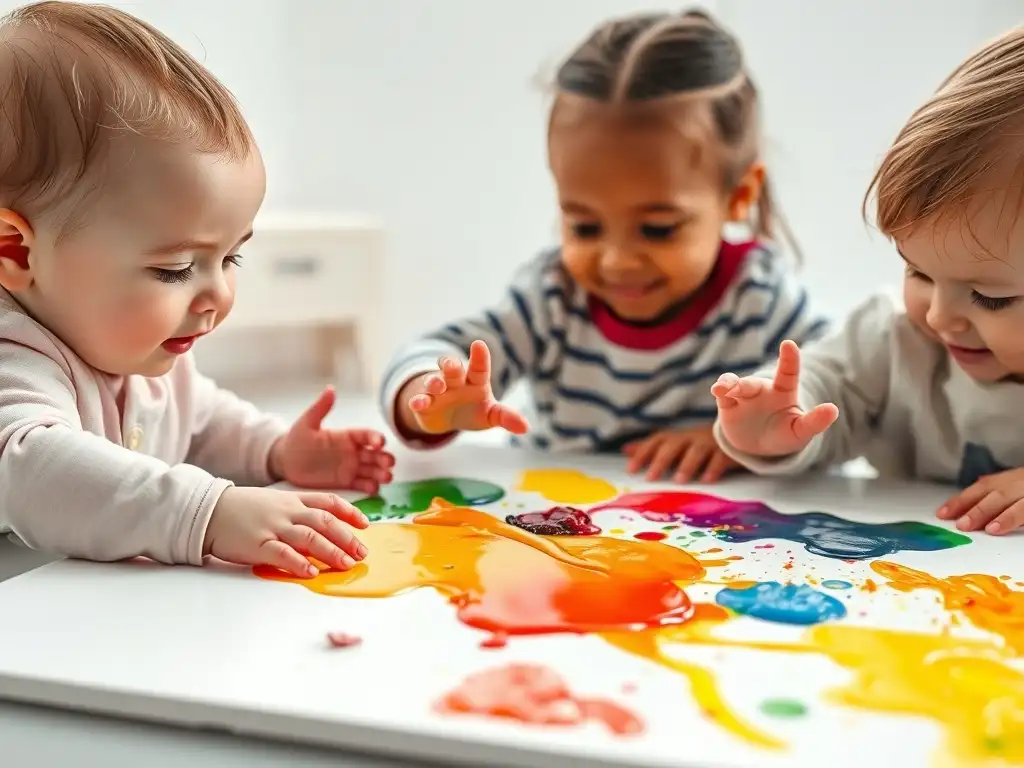
Finger painting offers a fantastic avenue for babies and toddlers to explore their creativity and express themselves. The tactile experience of the paint, the vibrant colors, and the freedom of expression all contribute to a powerful sensory and emotional experience. For babies, the simple act of smearing paint across the paper can be incredibly stimulating, developing their fine motor skills and hand-eye coordination. As they grow, they'll begin to experiment with different techniques, layering colors, and creating more defined shapes.
This process isn't just about making pretty pictures; it's about fostering a sense of accomplishment and self-efficacy. Watching their creations come to life boosts their confidence and encourages further exploration. Remember, there's no right or wrong way to finger paint; the focus should be on the process of creation and the joy it brings. The messy, unpredictable nature of finger painting is precisely what makes it so valuable for young children's development.
It allows them to freely explore their imagination without the constraints of perfectionism often associated with more structured art forms. This freedom of expression is crucial for their emotional and cognitive growth. Providing a safe and supportive environment is key to nurturing their artistic potential and fostering a lifelong love of creativity. Positive reinforcement and encouragement, even for the simplest of creations, go a long way in building their self-esteem and confidence in their abilities.
Age-Appropriate Finger Painting Activities
The age of your child significantly impacts the type of finger painting activities you can undertake. For infants, who may not yet have developed the coordination for purposeful painting, the focus should be on sensory exploration. Simple activities such as offering them a small amount of non-toxic paint on a large sheet of paper allow them to explore the texture and colors. Their movements will be mostly exploratory, but this is essential for developing their motor skills. As they get older (around 6-12 months), they might start making more deliberate strokes, and you can introduce slightly more structured activities, like painting on larger surfaces or using different tools.
Toddlers (12-24 months) are ready for more complex projects. You could introduce simple stencils, use different painting tools beyond just fingers (like sponges or brushes), or incorporate other textures into their artwork. Always supervise your child closely and ensure the paints are baby-safe and non-toxic. Remember to adjust the activity based on your child's individual developmental stage and interests.
If they show disinterest in a particular activity, don't force it; instead, try a different approach or try again later. Adaptability is key to successful and enjoyable playtime. Observe your child’s reactions and adapt your approach accordingly. Their engagement and enjoyment are paramount.
Choosing Safe and Non-Toxic Baby-Safe Finger Paints
Selecting safe and non-toxic finger paints is paramount. Look for paints specifically labeled as non-toxic and suitable for babies and toddlers. These paints should be free from harmful chemicals, such as lead and phthalates, which can be detrimental to a child's health. Always check the ingredients list carefully before purchasing.
You might consider homemade finger paints using natural ingredients like yogurt, flour, and food coloring, offering an even safer alternative. However, be mindful of potential allergies and always test a small amount on your child's skin before a full-fledged painting session. Remember that even non-toxic paints can cause irritation if ingested, so always supervise your child while they're painting and ensure they don't put the paint in their mouth.
Prioritize brands with a strong reputation for safety and quality. Read online reviews and seek recommendations from other parents to find reliable and trustworthy options for baby-safe finger paints. Investing in quality paints not only ensures your child's safety but also provides richer colors and a smoother painting experience.
Extending the Fun: Beyond Finger Paints
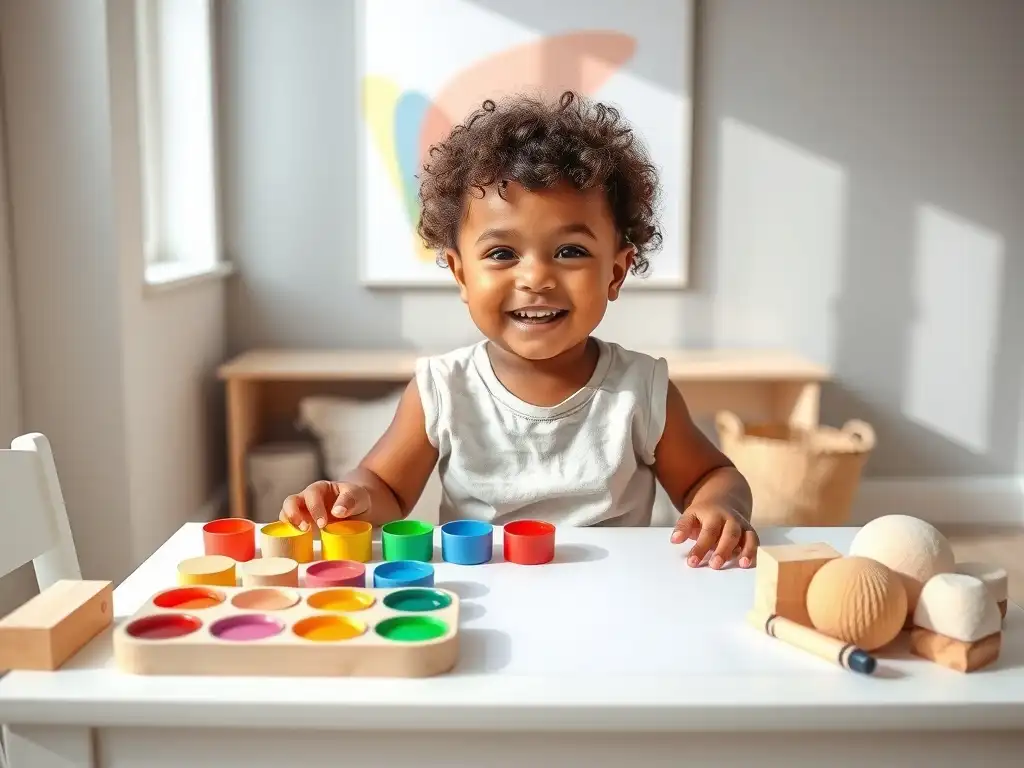
This section explores ways to expand your baby's colorful playtime beyond commercially available baby safe finger paints. We'll delve into safe alternatives and other sensory activities that complement finger painting, fostering your little one's development. Remember, always supervise your baby during playtime and ensure the environment is safe and stimulating.
Homemade Edible Finger Paints: A Safe and Natural Alternative
Commercially produced baby safe finger paints offer convenience, but creating your own edible finger paints at home provides an extra layer of control over ingredients and allows for personalized creativity. These paints are ideal for babies who are exploring putting things in their mouths, as they pose minimal risk if ingested. However, it's crucial to remember that even edible paints should not be consumed in large quantities.
Here's a simple recipe for homemade edible finger paints:
- Ingredients:
- 1/2 cup plain yogurt (full-fat is best for texture)
- 1/4 cup pureed fruit or vegetable (e.g., blueberries for blue, carrots for orange, spinach for green)
- Optional: A few drops of vanilla extract for scent
- Instructions:
- Blend all ingredients until smooth.
- Divide the mixture into separate containers and add more pureed fruit or vegetable to achieve desired colors. You can also use food coloring specifically designed for food, but natural alternatives are always preferable.
- Let your baby explore!
Remember to offer a variety of colors and textures to stimulate your baby's senses. The yogurt base provides a smooth, easily spreadable consistency. You can adjust the consistency by adding a little more yogurt for a runnier paint or a little less for a thicker one. Always supervise your child while they are playing with edible finger paints.
Other Sensory Play Ideas for Babies: Exploring Textures and Colors
Finger painting is a fantastic starting point for sensory play, but the possibilities are endless! Expanding beyond paints encourages a wider range of developmental skills. Consider these alternatives:
- Texture Exploration: Provide your baby with a variety of textured materials to explore, such as:
- Soft fabrics (silk, cotton, fleece)
- Rough surfaces (sandpaper, textured cloths)
- Smooth objects (polished stones, wooden blocks)
- Water play (a shallow container with water and floating toys)
- Color Exploration: Introduce colors beyond finger paints through:
- Colorful toys and blocks
- Colorful stacking cups
- Color-sorting activities (with supervision, of course)
- Nature walks to observe different colored flowers and leaves
Remember to introduce new textures and colors gradually and always prioritize safety. Keep small objects out of reach to prevent choking hazards. The goal is to create a stimulating and engaging environment that encourages your baby's exploration and learning.
Connecting Finger Painting to Other Developmental Activities
Finger painting isn't just about making pretty pictures; it's a valuable tool for promoting various developmental milestones. Here's how to integrate finger painting into a broader developmental plan:
- Fine Motor Skills: Finger painting strengthens hand muscles and improves hand-eye coordination. Encourage your baby to grasp the paintbrush or use their fingers to make different strokes.
- Cognitive Development: Introduce different colors and shapes to expand your baby's understanding of the world. Name the colors as you paint and describe the shapes they are creating.
- Social-Emotional Development: Finger painting can be a wonderful social activity. Engage with your baby during playtime, making it a bonding experience. Positive reinforcement and encouragement can boost their confidence and self-esteem.
- Language Development: Use descriptive language while painting. Describe the colors, textures, and actions involved. This helps your baby associate words with actions and objects.
By connecting finger painting to other activities and focusing on the developmental benefits, you can maximize the learning potential of this simple yet powerful activity. Remember to make it fun and engaging for your baby! 🎉
Addressing Common Concerns about Baby Safe Finger Paints
Choosing the right finger paints for your little one can feel overwhelming. Many parents worry about the safety of commercially available options, leading to questions about ingredients and potential hazards. This section addresses some of the most common concerns surrounding baby safe finger paints, offering practical advice and reassurance. The key is to prioritize non-toxic formulations, carefully checking ingredient lists for any potential allergens or irritants. Remember, even "baby safe" products should be used under adult supervision.
Are Homemade Finger Paints Really Safer?
Many parents opt for homemade finger paints, believing they offer greater control over ingredients and eliminate potential exposure to questionable chemicals. While this approach offers a level of control, it's crucial to understand that homemade finger paints aren't inherently safer. The safety depends entirely on the ingredients used. Some commonly suggested recipes utilize ingredients like yogurt or flour, which, while seemingly harmless, can harbor bacteria if not properly prepared and stored. Improperly mixed paints can also lead to mold growth, posing a significant health risk to babies.
For instance, a recipe using flour and water might seem simple, but failure to properly sterilize the equipment and ingredients can lead to the introduction of E. coli or other harmful bacteria. Similarly, using yogurt might introduce unwanted microorganisms if not kept refrigerated appropriately. Therefore, while the intention behind homemade finger paints is often admirable, the execution requires meticulous attention to hygiene and food safety practices.
Consider the time commitment and the necessity for strict hygiene protocols before embarking on this route. Many commercially available baby safe finger paints are rigorously tested and formulated to meet stringent safety standards, providing a convenient and reliable alternative.
Dealing with Messes and Spills: Stain Removal Tips
Finger painting is inherently messy! Expect spills, smudges, and colorful surprises. However, with a little preparation and the right techniques, you can minimize the chaos and effectively clean up after your little artist. The key is to act quickly. Fresh paint is much easier to remove than dried paint.
Here's a table summarizing effective stain removal techniques for different surfaces:
| Surface | Stain Removal Method | Important Notes |
|---|---|---|
| Clothing | Blot (don't rub!) with cold water; pre-treat with stain remover; launder as usual. | Test stain remover on an inconspicuous area first. |
| Carpet | Blot with cold water; use a carpet cleaner; allow to dry completely. | Avoid scrubbing, which can spread the stain. |
| Wood | Wipe immediately with a damp cloth; use mild soap if necessary. | Avoid harsh chemicals which can damage the wood finish. |
| Walls | Depending on the paint, a damp sponge might suffice; for stubborn stains, use a mild detergent solution. | Test any cleaning solution in an inconspicuous area first. |
Remember, prevention is key. Use a drop cloth or old sheet to protect your surfaces. Keep a bowl of soapy water nearby for immediate cleanup of spills. A quick response significantly increases your chances of successful stain removal. While some stains might prove persistent, acting promptly improves your chances of saving your clothes and furniture! 🧼
When to Seek Professional Advice Regarding Allergies or Reactions
While many baby safe finger paints are formulated with non-toxic ingredients, individual sensitivities can still occur. If your baby exhibits any unusual reactions after using finger paints—such as a rash, hives, swelling, or difficulty breathing—seek immediate medical attention. These symptoms could indicate an allergic reaction or other adverse response.
It's crucial to carefully monitor your baby during and after playtime. Note any unusual changes in behavior or skin condition. Keep a record of the specific finger paint brand and ingredients used. This information is vital when consulting a doctor or allergist. While rare, adverse reactions can occur, and prompt medical attention is paramount to ensure your baby's well-being. Prioritizing your child's health and safety should always be the top priority. Don't hesitate to contact a medical professional if you have any concerns. Early intervention is key in managing potential allergic reactions.
Frequently Asked Questions
What types of paint are safe for babies to use?
For babies, non-toxic finger paints specifically designed for infants and toddlers are the safest option. Look for paints labeled as "non-toxic," "child-safe," or "baby-safe." Always supervise your child while they are painting.
Are homemade finger paints a good alternative?
Homemade finger paints can be a safer alternative, allowing you to control the ingredients. However, ensure you use food-grade ingredients and avoid anything potentially allergenic. Research reliable recipes before making your own.
At what age can babies start playing with finger paints?
Most experts recommend introducing finger paints around six months of age, when babies begin to explore their environment more actively with their hands. Always supervise closely and ensure your baby doesn't ingest the paint.
How can I make playtime with finger paints more engaging for my baby?
Combine painting with songs, rhymes, or simple stories to enhance the experience. Use different textures like paper, cardboard, or even fabric to stimulate your baby’s senses. Keep the sessions short and fun.
What should I do if my baby ingests some finger paint?
If your baby ingests a small amount of non-toxic finger paint, they are likely to be fine. However, monitor them closely for any adverse reactions. Contact your pediatrician if you have any concerns or if a significant amount was ingested.
Final Reflection: The Enduring Power of Playful Exploration
The vibrant world of color, once a simple joy of childhood, now holds a deeper significance in understanding early childhood development. Safe and engaging activities like finger painting are not mere diversions; they are crucial tools for fostering creativity, cognitive growth, and emotional expression in young children. This exploration extends far beyond the simple act of smearing paint; it's about nurturing a lifelong love of learning and self-expression.
The impact of early sensory experiences, particularly those involving color and tactile exploration, is profound and long-lasting. These formative years shape a child's perception of the world, influencing their artistic sensibilities, problem-solving skills, and even their emotional resilience. As the renowned educator Maria Montessori once said, Play is the work of the child.
This simple statement encapsulates the profound importance of play in a child's development, highlighting how seemingly simple activities like finger painting are essential building blocks for a rich and fulfilling life.
Now, consider your own experiences with color and creativity. What memories do you hold dear? How did those early explorations shape your own artistic sensibilities or your approach to problem-solving? I invite you to reflect on the power of playful learning and to actively incorporate safe and engaging activities, like finger painting with baby-safe paints, into the lives of the young children you know. Let's nurture the next generation of creative thinkers, problem-solvers, and joyful explorers, one colorful masterpiece at a time.
Unleash Your Little Artist's Inner Rainbow!
Thank you for exploring the world of color with us! We hope you've discovered safe and engaging ways to nurture your child's creativity. Ready to continue your artistic journey?
- Dive into a colorful art project today! Gather your supplies and let your child's imagination soar. Experiment with a new technique or revisit a favorite—the possibilities are endless!
- Share your masterpieces! Post a picture of your child's artwork on social media and tag us—we'd love to see the vibrant results!
- Expand your artistic horizons by incorporating diverse textures into your next painting session. Consider using sand, leaves, or fabric scraps to add interesting elements to your creations.
What exciting color combinations will your little one create next?