
Playtime for Different Temperaments: Tailoring Activities to Your Baby


Welcome to BabyCareHub, your ultimate guide to navigating the incredible journey of parenthood! Are you ready to unlock the secrets to happy, healthy development? We understand that each baby is unique, and that's why we've created this comprehensive resource. Discover how to tailor baby playtime temperament activities to your little one's personality, fostering a stimulating and joyful environment. Dive in and explore the world of developmental milestones – you'll find the answers you need, right here.
- Understanding Your Baby's Temperament and Playtime Needs
- Playtime Activities for Easy Babies: Enriching Calm Personalities
- Playtime Activities for Difficult Babies: Calming and Engaging Strategies
- Playtime Activities for Slow-to-Warm-Up Babies: Fostering Confidence and Exploration
- Adapting Playtime Based on Developmental Milestones
- Playtime and Motor Skill Development: Encouraging Movement
- Playtime and Cognitive Development: Stimulating the Mind
- Creating a Safe and Stimulating Play Environment for Your Baby
- Troubleshooting Common Playtime Challenges
- The Long-Term Benefits of Temperament-Based Playtime
- Frequently Asked Questions
- Final Reflection: The Power of Play: Shaping Your Baby's World
- Unleash Your Baby's Playful Potential!
Understanding Your Baby's Temperament and Playtime Needs
Navigating the world of parenthood, especially for first-time parents, can feel like a constant learning curve. One crucial aspect often overlooked is understanding your baby's unique temperament and how it influences their playtime preferences and overall development. This article delves into the fascinating world of baby temperaments and provides practical, evidence-based strategies for tailoring playtime activities to best suit your little one's individual needs.
We'll explore how recognizing your baby's temperament can enhance their engagement during playtime, fostering a positive and enriching experience for both parent and child. Learning to interpret your baby's cues is key to creating a stimulating and enjoyable playtime environment that promotes healthy development and strengthens your bond.
Remember, there's no one-size-fits-all approach to playtime; understanding your baby's temperament is the first step towards creating a truly personalized and effective playtime experience, maximizing their developmental potential and building a strong parent-child connection. This approach ensures that playtime is not just fun but also contributes meaningfully to your baby's growth and well-being.
Identifying Your Baby's Temperament: Easy-to-Use Guides
Understanding your baby's temperament is the cornerstone of successful and engaging playtime. Babies, even from a young age, exhibit distinct personality traits that influence their responses to various stimuli. Some babies are naturally more active and energetic, while others are calmer and more passive. Recognizing these differences is crucial for choosing age-appropriate activities that resonate with your baby's personality. There are several helpful resources available to help you identify your baby's temperament. These include questionnaires and checklists that assess various behavioral traits such as activity level, adaptability, intensity of reaction, and mood.
While there isn't a single definitive test, observing your baby's reactions in different situations can provide valuable insights. For example, how does your baby react to new people or environments? Do they readily engage with new toys, or do they prefer familiar ones? Do they become easily overwhelmed or frustrated, or do they generally maintain a calm demeanor?
By carefully observing these patterns, you can gain a clearer picture of your baby's temperament. Remember, each baby is unique, and their temperament is a spectrum, not a rigid category. Using these observation tools alongside the available guides helps create a more accurate profile of your baby's personality.
Matching Playtime to Temperament: Active vs. Passive Play Styles
Once you've identified your baby's temperament, you can begin tailoring playtime activities to better suit their preferences. Active babies thrive on stimulating, interactive play. Think about activities like:
- Tummy time with colorful toys: Encourages strength building and exploration.
- Interactive songs and rhymes: Promotes engagement and language development.
- Babywearing during walks: Provides sensory stimulation and exploration of the environment.
For more passive babies, gentler, less stimulating activities are often more effective:
- Quiet playtime with soft toys: Promotes relaxation and sensory exploration.
- Reading books with soft voices: Encourages bonding and language development.
- Gentle rocking or cuddling: Provides comfort and security.
Remember to observe your baby's cues. If they seem overwhelmed or fussy, it's time to change the activity or take a break. The goal is to create a positive and enjoyable experience that promotes your baby's development without causing stress or anxiety. It's also important to note that even active babies need quiet time, and passive babies benefit from occasional bursts of more stimulating activities. Finding the right balance is key to fostering healthy development and building a strong bond with your child.
The Importance of Observing Your Baby's Cues During Play
Observing your baby's cues is paramount to successful playtime. A baby's nonverbal communication, such as their facial expressions, body language, and vocalizations, provides valuable insights into their engagement and enjoyment level. Learning to interpret these cues is crucial for adjusting the activity to suit their needs. For instance, a baby who is showing signs of distress (crying, turning away, arching their back) may be indicating that they need a break or a change of activity.
Conversely, a baby who is actively engaging with the toy, smiling, and babbling, is likely enjoying the playtime experience. This constant observation and adjustment are key elements in creating a positive and developmentally beneficial playtime environment. It's a delicate balance—challenging your baby just enough to encourage growth, while respecting their need for rest and comfort. Remember, playtime should be a joyful experience for both you and your baby.
Playtime Activities for Easy Babies: Enriching Calm Personalities

Easy babies, often characterized by their adaptable nature and predictable routines, thrive in calm and structured environments. Playtime for these little ones should focus on gentle stimulation and nurturing their inherent calmness. Remember, while these are general guidelines, every baby is unique, and you should always adjust activities based on your baby's individual cues.
Observing your baby's reactions during playtime is key to understanding their preferences and tailoring activities accordingly. This approach ensures that playtime remains a positive and enriching experience, fostering their natural development and building a strong parent-child bond. The keyword "Baby playtime temperament activities" is central to this approach.
Gentle Sensory Play: Textures, Sounds, and Sights for Easy Babies
Gentle sensory play is ideal for easy babies. Start with simple activities that engage their senses without overwhelming them. Think soft textures like fleece blankets or silk scarves, offering varied tactile experiences. Introduce calming sounds like nature sounds or soft lullabies. Visual stimulation can be provided through mobiles with slow-moving elements or brightly colored, but not overly stimulating, toys. Remember to keep sessions short, around 10-15 minutes, to prevent sensory overload. Observe your baby's reactions; if they seem restless or disengaged, shorten the session or try a different activity.
For example, you could create a "sensory bin" with a few soft toys and different textured fabrics. Let your baby explore the textures, listening to soothing classical music playing softly in the background. Another option is to lie your baby on their back and gently wave a colorful ribbon above them, allowing them to track the movement with their eyes. This type of play encourages visual tracking and hand-eye coordination development, crucial aspects of early childhood development. Always supervise your baby closely during playtime, ensuring their safety and comfort.
Quiet Playtime Ideas: Books, Soft Toys, and Lullabies
Easy babies often appreciate quiet, one-on-one interaction. Reading board books with simple illustrations and repetitive phrases can be a wonderful bonding experience. Soft, cuddly toys offer comfort and a sense of security. Singing lullabies or playing calming instrumental music can further enhance their relaxation and create a peaceful atmosphere. This type of quiet playtime promotes language development, emotional bonding, and a sense of calm. Remember to choose toys that are age-appropriate and safe, free from small parts that could pose a choking hazard.
The benefits extend beyond immediate enjoyment. Regularly engaging in these quiet playtime activities helps develop crucial skills. For instance, reading aloud fosters language acquisition and early literacy skills. The soft textures of toys provide tactile stimulation, contributing to sensory development. The rhythmic nature of lullabies and music promotes relaxation and emotional regulation. These are all essential elements of a well-rounded development plan for your easy baby.
Structured Play for Easy Babies: Introducing Simple Routines
Easy babies often respond well to structure and routine. Introducing simple playtime routines can provide a sense of predictability and comfort. This could involve a specific time of day dedicated to playtime, with a consistent sequence of activities. For example, you could start with a short sensory play session, followed by reading a book, and ending with a cuddle session. This predictability helps your baby anticipate playtime and reduces anxiety. Establishing a routine helps your baby feel secure and safe, knowing what to expect, which is particularly beneficial for their emotional development.
Creating a schedule doesn't need to be rigid. Flexibility is key! If your baby shows signs of tiredness or disinterest, adjust the schedule accordingly. The goal is to create a positive and enjoyable experience, not to force engagement. Consistency, however, is important; it provides a sense of security and predictability, essential components for an easy baby's overall well-being. Observe your baby's cues, and adjust the routine as needed to ensure it remains enjoyable and beneficial. Remember, this is about nurturing their natural temperament and fostering a positive association with playtime.
Playtime Activities for Difficult Babies: Calming and Engaging Strategies
Babies, much like adults, possess diverse temperaments. Some thrive on bustling activity, while others prefer calmer, more predictable interactions. Understanding your baby's temperament is crucial for creating positive playtime experiences. This section focuses on strategies for engaging babies with "difficult" temperaments – those who may be easily overstimulated, fussy, or resistant to new experiences.
Successfully navigating playtime with these little ones requires a thoughtful approach centered around minimizing stress and maximizing comfort. Remember, the goal is not to force engagement but to offer opportunities for positive interaction within their comfort zone. This fosters a secure attachment and promotes healthy development, ultimately contributing to a more positive and responsive child. The key is to tailor your approach to your baby's specific needs and reactions, adjusting strategies as needed.
Reducing Sensory Overload: Creating a Soothing Play Environment
Sensory overload is a significant challenge for many babies with difficult temperaments. Their nervous systems may be more sensitive to light, sound, touch, and even smells. Creating a calming environment is paramount before even beginning playtime. This involves minimizing external stimuli and focusing on creating a space that promotes relaxation.
Consider these practical steps:
- Dim the lights: Bright lights can be overwhelming. Opt for soft, indirect lighting or even a dimly lit room.
- Minimize noise: Turn off the TV, reduce background music, and avoid loud conversations during playtime. White noise machines can be beneficial for some babies by masking disruptive sounds.
- Temperature control: Ensure the room is at a comfortable temperature, avoiding extremes of hot or cold.
- Declutter the space: A visually cluttered environment can be overstimulating. Keep the play area simple and organized, focusing on a few carefully selected toys.
- Soft textures: Use soft blankets, plush toys, and comfortable surfaces to create a tactilely soothing environment.
Remember, a calm and predictable environment is the foundation for successful playtime with a sensitive baby. Even a few minutes spent creating this space before playtime can make a world of difference. Observe your baby's reactions; if they seem overwhelmed, adjust the environment accordingly, perhaps removing a toy or dimming the lights further.
Short Bursts of Play: Avoiding Over-Stimulation
For babies with difficult temperaments, extended playtime sessions can be counterproductive. Instead of aiming for long play sessions, opt for shorter, more frequent interactions. Think of these as "mini-playtime" sessions lasting only 5-10 minutes at a time. This approach prevents sensory overload and allows the baby to engage without becoming overwhelmed or frustrated. These shorter sessions can be spread throughout the day, fitting them into your baby's natural rhythm and energy levels.
Consider these strategies:
- Observe your baby's cues: Pay close attention to your baby's body language. Signs of overstimulation include fussiness, crying, turning away, or rubbing their eyes. If you see any of these signs, immediately end the playtime session.
- One toy at a time: Avoid presenting multiple toys simultaneously. Focus on one toy or activity at a time, allowing your baby to fully engage with it before introducing something new.
- Variety of activities: Offer a variety of calming activities such as tummy time on a soft surface, gentle rocking, or singing lullabies, interspersed with brief periods of more interactive play. This provides a balanced approach, catering to different needs.
- Frequent breaks: Incorporate breaks between activities to allow your baby to rest and recharge. This could involve cuddling, breastfeeding, or simply quiet time.
Interactive Play with Predictable Outcomes: Building Confidence
Babies with difficult temperaments often thrive on predictability and routine. Interactive play with clear, predictable outcomes helps build their confidence and reduces anxiety. These activities provide a sense of control and accomplishment, fostering positive associations with playtime.
Here are some examples of suitable activities:
- Simple cause-and-effect toys: Toys that produce predictable results when manipulated, such as stacking cups, push-and-pull toys, or simple shape sorters. The clear connection between action and outcome provides a sense of mastery and encourages further engagement.
- Finger plays and rhymes: These predictable and repetitive activities provide comfort and a sense of security. The rhythmic nature of rhymes and the tactile stimulation of finger plays can be particularly soothing.
- Reading books with repetitive phrases: Books with simple storylines and repetitive phrases provide a comforting predictability for the baby. The familiar words and actions help the baby feel safe and secure.
- Quiet playtime with soft toys: Allow your baby to engage with soft, cuddly toys in a quiet and calm environment. This allows for self-directed play and exploration at their own pace.
Remember to celebrate your baby's achievements, even the small ones. Positive reinforcement strengthens their confidence and encourages further participation in playtime. The focus should always be on creating a positive and enjoyable experience, tailored to meet your baby's individual needs and temperament. Patience and understanding are key elements in successfully navigating playtime with a baby who has a more challenging temperament.
Playtime Activities for Slow-to-Warm-Up Babies: Fostering Confidence and Exploration
Slow-to-warm-up babies, often characterized by their cautious and subdued nature, require a gentle and patient approach to playtime. These little ones benefit from predictable routines and a sense of security before engaging in new experiences. The key is to foster confidence and encourage exploration at their own pace, avoiding overwhelming stimulation. Remember, the goal is not to force interaction but to create a positive association with playtime. Understanding their temperament is crucial for choosing appropriate "Baby playtime temperament activities".
Gradual Introduction to New Activities: Building Trust and Security
Introducing new toys or activities to a slow-to-warm-up baby should be a gradual process. Instead of presenting a plethora of stimulating items at once, start with one or two familiar objects and slowly introduce new elements. For example, if your baby enjoys a soft, cuddly blanket, try placing a new, similarly textured toy nearby. Observe their reaction; if they seem apprehensive, don't push it.
Allow them to explore at their own pace, providing plenty of time and space to adjust. Consistency is key; repeating familiar activities builds trust and security, making them more receptive to new experiences. This approach reduces anxiety and helps them develop a positive association with playtime, positively impacting their overall development.
Creating a predictable routine around playtime can also be beneficial. For instance, dedicate a specific time and place for playtime each day. This consistency provides a sense of security and helps your baby anticipate and prepare for the activity. Consider using a soft, calming background music to further reduce anxiety and enhance their comfort level.
Repetitive Play: Creating a Sense of Comfort and Familiarity
Repetitive play is incredibly valuable for slow-to-warm-up babies. Repeating the same activity multiple times allows them to master the skill and build confidence. Simple actions, such as shaking a rattle or stacking soft blocks, can provide a sense of accomplishment and encourage further exploration. This repetitive engagement builds familiarity and reduces the anxiety associated with novelty. The predictability of the activity offers comfort and security, enabling them to relax and enjoy the playtime experience.
Consider using toys with predictable outcomes. For example, a toy that makes the same sound every time it's pressed or a shape sorter with easily identifiable shapes. This predictability helps them understand cause-and-effect relationships and builds a sense of control over their environment. This sense of control is particularly important for slow-to-warm-up babies who might feel overwhelmed by unpredictable situations.
Positive Reinforcement: Celebrating Small Victories
Positive reinforcement is crucial for nurturing a slow-to-warm-up baby's confidence. Even the smallest achievements should be celebrated with enthusiasm and affection. A simple smile, a gentle touch, or verbal praise can go a long way in encouraging further exploration. Avoid pressure or criticism; instead, focus on celebrating their efforts and progress, regardless of the outcome. This positive approach builds their self-esteem and encourages them to engage more readily in future playtime activities.
For example, if your baby finally reaches for a toy after some hesitation, celebrate this small victory with enthusiastic praise. Use positive language such as, "You did it! You reached for the toy! That's amazing!". This positive reinforcement creates a positive feedback loop, encouraging them to try new things and overcome their inherent cautiousness. Remember, patience and positive encouragement are key to unlocking your baby's playful potential and fostering a love of learning. Tailoring "Baby playtime temperament activities" to your baby's unique personality will lead to more fulfilling playtime experiences for both you and your little one. 🧸
Adapting Playtime Based on Developmental Milestones
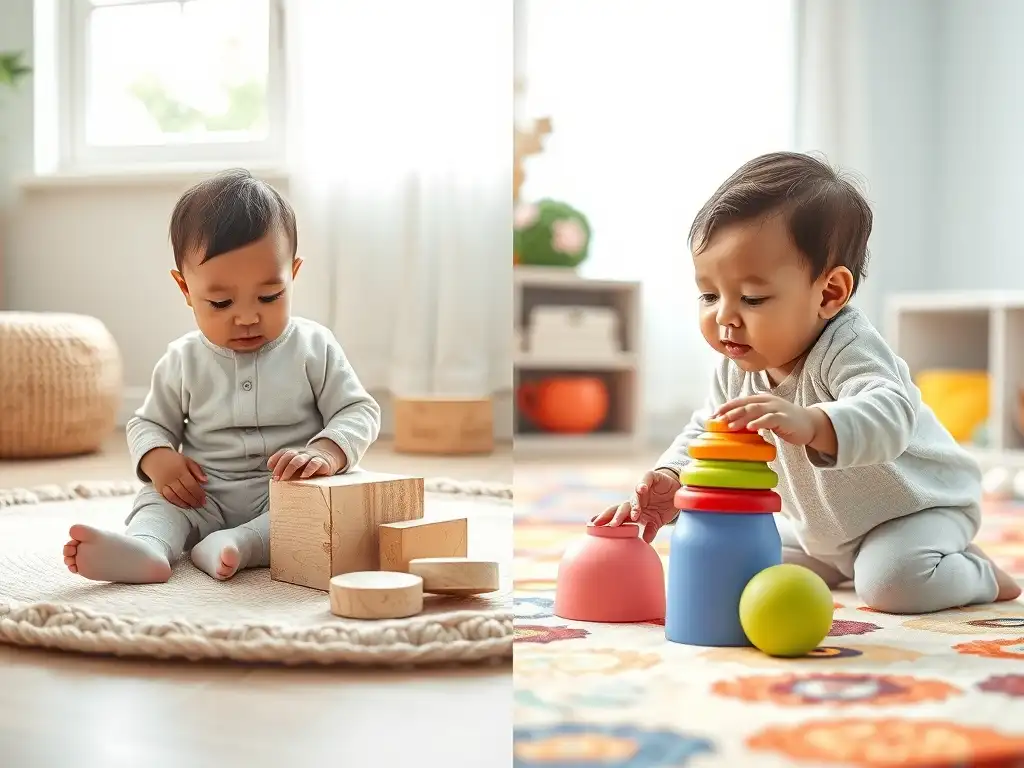
This section focuses on tailoring playtime activities to your baby's developmental stage, a crucial aspect of "Baby playtime temperament activities." Understanding your baby's developmental milestones helps you choose age-appropriate toys and activities that are both stimulating and safe. Remember, every baby develops at their own pace, so don't compare your little one to others. Focus on their individual progress and celebrate their achievements!
Age-Appropriate Activities: Matching Play to Your Baby's Stage
Matching playtime activities to your baby's developmental stage is key to maximizing engagement and learning. Here's a breakdown by age range:
- 0-3 Months: At this age, your baby's playtime focuses on sensory stimulation. Think high-contrast black and white mobiles, soft textured toys, and gentle singing or talking. Simple activities like tummy time (supervised, of course!) help develop neck and head control. Remember to keep sessions short, around 10-15 minutes at a time, as their attention spans are still developing.
- 4-6 Months: Babies in this age range begin to grasp objects and explore their surroundings with their hands and mouths. Introduce toys with different textures and shapes – rattles, teethers, soft blocks. Interactive games like peek-a-boo are excellent for developing object permanence and social interaction. Remember to always supervise playtime closely.
- 7-12 Months: Now your baby is more mobile, crawling, or even pulling themselves up! Playtime expands to include activities that encourage movement and exploration. Toys that roll, stack, or nest are great options. Simple puzzles with large pieces can also be introduced. This is a fantastic time to start incorporating music and dancing into playtime!
| Age Range | Key Developmental Milestones | Suitable Playtime Activities |
|---|---|---|
| 0-3 Months | Sensory development, head control | High-contrast mobiles, soft toys, tummy time, gentle singing |
| 4-6 Months | Grasping objects, exploring with hands and mouth | Rattles, teethers, soft blocks, peek-a-boo |
| 7-12 Months | Crawling, pulling to stand, exploring environment | Rolling toys, stacking toys, simple puzzles, music and movement |
Remember to always prioritize safety during playtime. Choose age-appropriate toys that are free from small parts that could be choking hazards. Never leave your baby unattended during playtime.
Playtime and Motor Skill Development: Encouraging Movement
Motor skill development is crucial for a baby's overall growth and independence. Playtime provides a fantastic opportunity to encourage these skills. Think of playtime as a fun, engaging way to practice essential movements and coordination.
Playtime and Motor Skill Development: Encouraging Movement
This phase is all about encouraging gross motor skills (large muscle movements) and fine motor skills (small muscle movements). For gross motor skills, activities like tummy time, crawling, and pulling themselves up to stand are critical. Create a safe and stimulating environment where your baby can freely explore and move. A playmat with different textures and toys can encourage crawling and exploration.
For fine motor skills, focus on activities that involve hand-eye coordination, such as grasping, reaching, and manipulating objects. Rattles, stacking cups, and soft blocks are perfect examples. Remember to provide varied opportunities for movement and manipulation to promote balanced development.
- Gross Motor Skills: Consider using a play gym with hanging toys that encourage reaching and stretching, or a ball pit for rolling and crawling. Remember to always supervise your baby during these activities.
- Fine Motor Skills: Activities like finger painting (with non-toxic paints! ), playing with textured toys, and stacking blocks help develop fine motor control and hand-eye coordination.
The development of motor skills is a gradual process, and each baby progresses at their own pace. Patience and consistent engagement are key to supporting their development. Celebrate every small milestone – the first roll, the first crawl, the first grasp – as these achievements are significant steps in their journey of growth.
Playtime and Cognitive Development: Stimulating the Mind
Cognitive development encompasses a wide range of skills, including problem-solving, memory, and language acquisition. Playtime offers a wonderful opportunity to stimulate your baby's cognitive abilities in a fun and engaging way.
Playtime and Cognitive Development: Stimulating the Mind
Cognitive development is significantly influenced by interactive playtime. Activities like peek-a-boo not only entertain but also help develop object permanence – the understanding that objects continue to exist even when they are out of sight. Similarly, simple cause-and-effect toys, like toys that make sounds when pressed, help babies understand the relationship between actions and consequences. Reading to your baby, even from a very young age, is incredibly beneficial for language development and cognitive growth.
- Object Permanence: Peek-a-boo, hiding toys under a blanket, and similar games help reinforce the understanding that objects still exist even when hidden.
- Cause and Effect: Toys that make noise when shaken or pressed teach babies about cause and effect relationships. This understanding is a building block for problem-solving skills.
- Language Development: Reading to your baby, singing songs, and talking to them frequently stimulates language acquisition and cognitive growth.
Remember that consistency is key. Regular playtime focused on these cognitive skills can significantly contribute to your baby's overall development. The more you interact and engage with your baby during playtime, the stronger their cognitive development will be. These activities are all part of fostering a healthy and stimulating environment for your baby's cognitive growth, enriching their "Baby playtime temperament activities."
Creating a Safe and Stimulating Play Environment for Your Baby
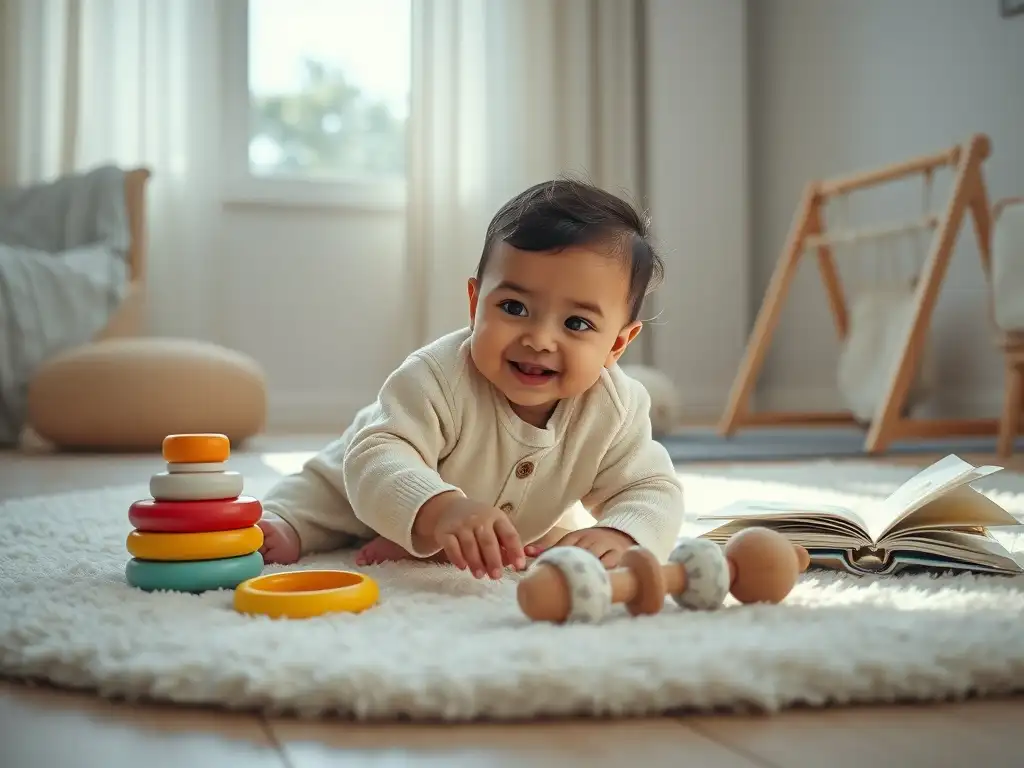
Creating a safe and stimulating play environment is crucial for your baby's development and enjoyment during playtime. This involves more than just providing toys; it's about crafting a space that caters to their evolving needs and abilities while prioritizing safety. Remember, the goal is to encourage exploration and learning within a secure and predictable environment, fostering a positive association with playtime. This is essential for building a foundation for healthy cognitive and emotional development. The right environment can significantly impact your baby’s ability to engage with activities designed for their temperament.
Baby-Proofing Your Play Area: Essential Safety Tips
Before even thinking about toys, baby-proofing your designated play area is paramount. This isn't about creating a sterile environment, but rather minimizing risks. Consider these essential steps:
- Floor Safety: Choose soft flooring like carpet or mats to cushion falls. Avoid hard surfaces like tile or hardwood. Babies often tumble during playtime, and a soft landing can prevent injuries.
- Furniture Anchoring: Secure tall furniture, bookshelves, and dressers to the wall to prevent tipping accidents. Babies are surprisingly strong and can pull themselves up on furniture, potentially causing it to topple.
- Electrical Outlets and Cords: Cover all electrical outlets and safely manage cords to prevent electrocution or strangulation hazards. Consider using outlet covers and cord protectors designed specifically for babies. These are readily available and inexpensive safety measures.
- Small Object Removal: Remove small objects that could be choking hazards. This includes buttons, coins, small toys, and anything that could easily fit into a baby's mouth. Remember that babies explore their world through their mouths!
- Window Safety: Install window guards or safety latches to prevent falls from windows. Even lower windows pose a significant risk, especially as babies become more mobile.
Choosing Age-Appropriate Toys: Safety and Development Considerations
Selecting toys that are both safe and developmentally appropriate is crucial for maximizing the benefits of playtime. Consider your baby's age and developmental stage when choosing toys. Remember that toys should stimulate their senses and encourage exploration.
- 0-3 Months: Focus on high-contrast toys, soft rattles, and mobiles. Babies at this age are primarily focused on visual stimulation and developing their grasping reflexes. Simple toys are best.
- 3-6 Months: Introduce toys with different textures, sounds, and shapes. Think teethers, soft blocks, and rattles with varying sounds. This age group is starting to explore their world more actively through touch and sound.
- 6-12 Months: Now you can introduce toys that encourage grasping, stacking, and cause-and-effect activities. Simple puzzles, stacking cups, and push-and-pull toys are excellent choices. This stage is all about developing fine motor skills and problem-solving abilities.
Always check toys for small parts that could pose a choking hazard and ensure they are made from non-toxic materials. Look for toys with clear age recommendations and adhere to them strictly. Remember that even seemingly safe toys can become dangerous if misused or broken.
The Role of Supervision During Baby Playtime: Constant Vigilance
Even in a meticulously baby-proofed environment, constant supervision is essential during playtime. Never leave your baby unattended, even for a moment. Babies are unpredictable, and accidents can happen quickly. Your constant presence allows you to intervene if needed and ensures your baby's safety.
Active supervision means more than just being in the same room. It involves actively engaging with your baby, interacting with their play, and monitoring their actions closely. Observe their responses to different toys and activities, noting any signs of distress or frustration. This close observation is key to understanding your baby's temperament and adjusting playtime accordingly. Active participation also helps you identify potential hazards before they become a problem. Remember, your attention is the best safety measure during baby playtime. 👶 Enjoy the precious moments of shared play!
Troubleshooting Common Playtime Challenges
Playing with your baby is a wonderful way to bond and foster their development, but it's not always smooth sailing. Even the most well-intentioned playtime sessions can sometimes lead to tears, frustration, and meltdowns. Understanding the common challenges and developing strategies to address them is key to making playtime a positive and enriching experience for both you and your little one.
Successfully navigating these challenges contributes significantly to your baby's overall development and emotional well-being, reinforcing the crucial link between playtime and healthy development. This section focuses on practical solutions to common playtime hurdles, ensuring that playtime remains a joyful experience.
Dealing with Tantrums and Frustration During Play
Tantrums and frustration are normal parts of a baby's development, especially during playtime. Babies are still learning to regulate their emotions and communicate their needs. A frustrated cry might simply mean they're struggling with a toy that's too difficult, or they're overwhelmed by the activity. Understanding the root cause is the first step to effective management.
- Identify the trigger: Is your baby frustrated because a toy is too complex? Are they tired or hungry? Perhaps the environment is too stimulating. Observing your baby's cues is crucial. Note their body language: clenched fists, furrowed brows, and strained cries all signal distress.
- Offer comfort and reassurance: A gentle hug, soothing words, and a change of pace can often calm a frustrated baby. Sometimes, simply shifting to a quieter activity or taking a short break can help.
- Adjust the activity: If the toy is too challenging, try something simpler. If the activity is too stimulating, reduce the sensory input. Remember, the goal is engagement, not forcing participation.
- Positive reinforcement: Celebrate even small successes. Acknowledge your baby's efforts and praise their attempts, regardless of the outcome. This positive reinforcement fosters a sense of accomplishment and encourages future engagement.
- Patience is key: Babies don't always respond immediately to attempts to soothe them. Remain calm and patient, providing consistent comfort and understanding. Remember that tantrums are a normal part of development and will eventually subside as your baby learns to regulate their emotions.
Managing Overstimulation and Meltdowns
Overstimulation can quickly lead to meltdowns, especially in young babies. Their nervous systems are still developing, and too much sensory input can be overwhelming. Knowing the signs of overstimulation is essential for preventing meltdowns and maintaining a positive playtime experience.
- Recognize the signs: Overstimulation manifests differently in each baby, but common signs include fussiness, irritability, rubbing their eyes, yawning excessively, and turning away from stimulation. A sudden shift in mood from happy engagement to intense distress is another clear indicator.
- Provide a calming environment: Reduce noise and visual clutter. Dim the lights if necessary. A quiet, dimly lit space can help your baby regulate their nervous system.
- Offer sensory breaks: Give your baby opportunities for quiet time. This might involve cuddling, skin-to-skin contact, or simply allowing them to rest in a quiet space.
- Limit playtime duration: Keep playtime sessions short, especially for younger babies. Gradually increase the duration as your baby’s tolerance grows. It's better to end playtime before your baby becomes overstimulated than to push them to the point of a meltdown.
- Observe individual needs: What might be stimulating for one baby might be calming for another. Pay attention to your baby's unique responses and adjust playtime accordingly.
Keeping Playtime Fun and Engaging: Tips for Success
Maintaining a positive and engaging playtime experience requires a proactive approach. Remember, the goal is to foster bonding, encourage development, and create positive associations with playtime.
- Variety is key: Offer a diverse range of activities to keep your baby interested and engaged. Incorporate different textures, sounds, and visual stimuli.
- Follow your baby's lead: Observe your baby's interests and preferences. If they seem disinterested in a particular activity, move on to something else. Forced play is rarely successful.
- Create a safe and stimulating environment: Ensure the play area is safe and free of hazards. Provide age-appropriate toys that encourage exploration and development.
- Incorporate different play styles: Experiment with various play styles, such as interactive games, sensory activities, and imaginative play.
- Be present and engaged: Put away distractions and fully focus on interacting with your baby during playtime. Your undivided attention is invaluable. Your active participation creates a strong bond and enhances the learning experience. Remember, baby playtime temperament activities are most effective when approached with sensitivity and understanding.
Remember, every baby is unique. What works for one might not work for another. Be patient, adaptable, and always prioritize your baby's comfort and well-being. By understanding and addressing common challenges, you can ensure that playtime remains a joyful and rewarding experience for both you and your little one. This positive reinforcement will contribute significantly to their overall development and emotional health.
The Long-Term Benefits of Temperament-Based Playtime
Understanding your baby's temperament and adapting playtime accordingly isn't just about making the experience more enjoyable in the moment; it yields significant long-term developmental benefits. By recognizing and responding to your baby's individual needs and preferences, you are actively shaping their future emotional, social, and cognitive skills. This approach fosters a positive learning environment and contributes to their overall well-being. Ignoring these nuances, on the other hand, can lead to frustration for both parent and child, potentially hindering development.
Building a Strong Parent-Child Bond Through Play
Playtime offers unparalleled opportunities to nurture the parent-child bond. When parents engage in activities that resonate with their baby's temperament, they demonstrate understanding and empathy, creating a secure and loving environment. This connection is crucial for a child's emotional development, fostering a sense of security and trust. For example, a slow-to-warm-up baby might benefit from quieter, less stimulating activities, allowing them to adjust at their own pace.
This patient approach strengthens the bond as the baby feels understood and respected. Conversely, a highly active baby thrives on energetic play, providing an outlet for their energy and fostering a shared sense of fun and excitement, strengthening the connection through shared joy. The key is responsiveness – adapting your approach to match your baby's cues. This consistent responsiveness translates into a stronger, more secure attachment.
Tailoring playtime to your baby's temperament significantly impacts their social-emotional development. For instance, a shy baby might benefit from gentle, one-on-one interaction with familiar caregivers, building confidence and self-esteem. Introducing new social situations gradually and at a pace comfortable for the child is crucial. Conversely, an outgoing baby might benefit from more interactive activities involving other children or adults, fostering social skills and emotional regulation.
Remember, observing your baby's reactions is key; prolonged exposure to overwhelming stimulation can be detrimental, potentially leading to anxiety or frustration. The goal is to create a positive and supportive environment that encourages healthy emotional expression and resilience. This approach helps them develop crucial skills in managing their emotions and interacting effectively with others, setting the stage for positive social relationships later in life.
Laying the Foundation for Future Learning and Success
The benefits of temperament-based playtime extend far beyond the immediate interaction. It lays a crucial foundation for future learning and success. Children who experience consistent, responsive interactions during playtime develop crucial cognitive skills like attention span, problem-solving abilities, and self-regulation. These skills are essential for academic success and navigating future challenges. For example, a baby who enjoys exploring their environment through sensory play is developing crucial fine motor skills, spatial reasoning, and problem-solving skills – all vital for later academic success.
Furthermore, the positive emotional experiences associated with appropriate playtime create a sense of confidence and self-efficacy, which are powerful predictors of future academic achievement and overall life success. It's about creating a positive learning environment where the child feels empowered and capable. This approach fosters a lifelong love of learning and resilience in the face of challenges. This early foundation is invaluable for future academic and personal success.
Frequently Asked Questions
How can I tell my baby's temperament?
Observe your baby's typical reactions to new situations, people, and objects. Are they easily soothed or quick to become upset? Do they approach new things readily or hesitate? Consider their activity level and attention span.
What kind of playtime is best for a shy baby?
For shy babies, start with quiet, predictable activities in a familiar environment. Offer one toy at a time, allowing for plenty of exploration at their own pace. Avoid overwhelming them with too much stimulation.
My baby is very active and energetic. What activities are suitable?
Active babies thrive on physical play! Try tummy time, rolling games, singing songs with actions, or gentle bouncing. Structured activities might not hold their attention for long, so keep it varied and short bursts of energy.
How long should playtime sessions last for newborns and young babies?
Playtime for newborns and young babies should be short and sweet, focusing on interaction and engagement. Start with 5-10 minute sessions and gradually increase the duration as your baby's attention span develops. Observe for signs of fatigue.
Are there any playtime activities to help soothe a fussy baby?
Gentle rhythmic movements like rocking or swaying, soft singing, and skin-to-skin contact can be very soothing. A calm and quiet environment is also key. Focus on calming sensory input, avoiding overly stimulating activities.
Final Reflection: The Power of Play: Shaping Your Baby's World
Understanding your baby's temperament is not just about knowing their personality; it's about unlocking their potential. The right kind of playtime, tailored to their individual needs, can profoundly impact their development, fostering confidence, resilience, and a lifelong love of learning. This understanding is crucial in today's fast-paced world, where nurturing a child's unique strengths is more important than ever.
The journey of observing my own child's responses to different play activities has been incredibly insightful. It's highlighted the importance of patience, adaptability, and a willingness to adjust my approach based on their cues. This process has reinforced the idea that there's no one-size-fits-all approach to parenting, and that celebrating individuality is key. The most important thing is to enjoy your child, to love them, and to let them know that you love them.
- Anne Geddes. This simple quote encapsulates the essence of mindful parenting and the power of attuned play.
Now, consider your own little one. What are their unique preferences? What sparks their curiosity and brings them joy? Take the time to observe, experiment, and adapt your playtime strategies. Remember, the goal isn't to force a specific outcome, but to create a nurturing environment where your baby can thrive, explore, and discover the wonder of the world around them. Embrace the journey, celebrate their individuality, and watch them flourish.
Unleash Your Baby's Playful Potential!
Thank you for exploring the wonderful world of play and your baby's unique personality! We hope you've gained valuable insights into creating enriching playtime experiences tailored to their individual needs.
Now, let's put your newfound knowledge into action:
- Craft a personalized playtime plan: Create a weekly schedule incorporating activities perfectly suited to your baby's temperament. Vary the intensity and type of activities to keep things engaging and stimulating.
- Try something new this week: Choose an activity from the article you haven't yet tried and observe your baby's response. Even small changes can make a big difference in their engagement and enjoyment.
- Share your experiences! Tell us about your baby's favorite playtime activities and how you've adapted them to their personality – let's inspire each other!
What new playtime activity are you most excited to try with your little one this week?