
Object Permanence: How to Support Your Baby's Cognitive Growth


Welcome to BabyCareHub, your ultimate guide to navigating the incredible journey of parenthood! Are you ready to unlock the secrets to your baby's blossoming mind? We delve into the fascinating world of cognitive development, exploring the crucial milestone of baby object permanence development. Discover how understanding this developmental leap can help you support your little one's growth and nurture their intellectual curiosity. Let's embark on this enriching adventure together – read on to learn more!
- Understanding Baby Object Permanence Development
- Signs Your Baby is Developing Object Permanence
- Activities to Foster Object Permanence in Your Baby
- Supporting Your Baby's Cognitive Growth Through Play
- Addressing Potential Delays in Object Permanence Development
- Frequently Asked Questions
- Final Reflection: Nurturing the Seeds of Understanding
- Unlock Your Baby's Brilliant Mind: Take Action Today!
Understanding Baby Object Permanence Development
Object permanence, a cornerstone of cognitive development, marks a significant leap in your baby's understanding of the world. This crucial developmental milestone signifies that your little one understands that objects continue to exist even when they are out of sight. It's more than just a cute trick; it's a fundamental building block for future learning, problem-solving, and even emotional development.
This article will delve into the intricacies of object permanence in babies, providing you with a comprehensive understanding of its stages, timeline, and how you can actively support your baby's cognitive growth in this area. We'll explore the fascinating journey from a baby who believes objects vanish when hidden to a toddler who actively seeks out hidden treasures, highlighting the key developmental leaps along the way and offering practical tips for parents.
Understanding object permanence development is key to fostering a strong foundation for your child's future intellectual capabilities. This is a vital topic for parents striving to understand their baby's cognitive development and provide optimal support during this critical period.
What is Object Permanence in Infants?
Object permanence refers to a baby's understanding that objects continue to exist even when they are no longer visible. Before this understanding develops, infants operate under the assumption that “out of sight, out of mind.” If you hide a toy under a blanket, a baby who hasn't yet developed object permanence will act as if the toy has ceased to exist. They won't search for it.
However, as object permanence develops, the baby begins to search for the hidden object, demonstrating their growing awareness that it still exists, even though they can't see it. This is a major cognitive advancement, demonstrating a shift from immediate sensory experience to mental representation.
It's a key indicator of the development of symbolic thought – the ability to understand that things can be represented by something else (like a word or image). The development of object permanence is not a sudden switch but a gradual process, unfolding over several months.
Stages of Object Permanence Development in Babies
The development of object permanence isn't a single event but rather a series of progressive stages. While variations exist, these stages generally follow a predictable pattern:
- Stage 1 (Birth to 4 months): Babies show little to no awareness of objects when they are out of sight. If an object disappears, they don't react.
- Stage 2 (4 to 8 months): Babies begin to show some interest in objects that have disappeared. They may look briefly in the last place they saw the object but will not actively search for it if it's completely hidden. This is often referred to as "partial object permanence."
- Stage 3 (8 to 12 months): Babies actively search for hidden objects, but their search is often limited by the "A-not-B error." This means if an object is hidden in location A several times and then moved to location B, the baby will still search for it in location A.
- Stage 4 (12 months and beyond): Babies successfully search for hidden objects, even after multiple changes in location. They demonstrate a full understanding of object permanence.
This progression highlights the gradual strengthening of the baby's mental representation of objects and their ability to track their existence beyond immediate sensory perception. Each stage represents a significant cognitive leap.
When Does Object Permanence Develop? The Timeline of Cognitive Development
While the stages outlined above provide a general guideline, the exact timing of object permanence development varies from child to child. Several factors, including genetics, environment, and overall development, influence this process. However, most babies begin to demonstrate some understanding of object permanence around 8 months of age, with a more complete understanding developing by 12 to 18 months. It's crucial to remember that this is a developmental process; there is a wide range of normal variation.
If you have concerns about your baby's development, consulting with a pediatrician or child development specialist is always recommended. Early intervention can be beneficial if any delays are detected. Remember, consistent interaction, engaging play, and a nurturing environment are vital in supporting your baby's cognitive growth and the development of object permanence. 👶
Signs Your Baby is Developing Object Permanence
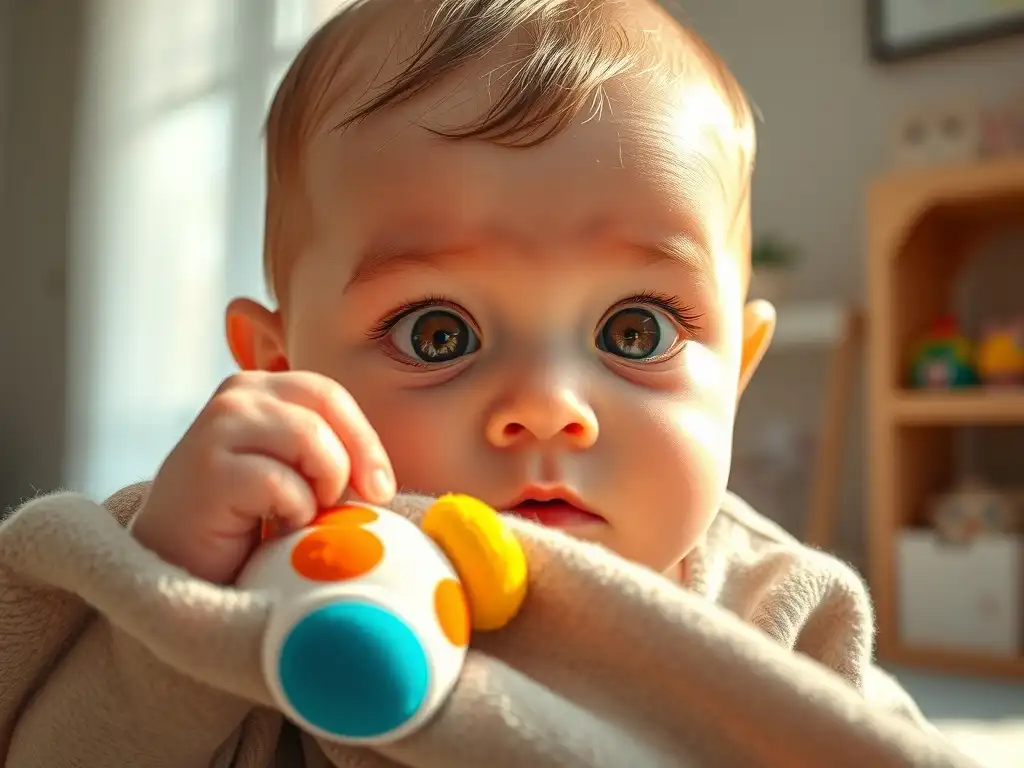
This section delves into the observable signs indicating your baby's burgeoning understanding of object permanence – a crucial cognitive leap in their development. Recognizing these milestones allows you to actively support your little one's cognitive growth and nurture their intellectual curiosity. Remember, the timeline for these developments varies between babies, so don't worry if your child isn't hitting every marker at the exact same age as others. Focus on consistent engagement and positive reinforcement.
Reaching for hidden objects is a cornerstone of object permanence development. It demonstrates that your baby understands an object continues to exist even when it's out of sight. This doesn't happen overnight. Initially, if you hide a toy under a blanket, a younger baby might lose interest entirely. However, as object permanence develops, you'll observe a fascinating shift.
Around 8 months old, many babies will begin to actively search for partially hidden objects. For example, if you only partially cover a toy, they will readily uncover it. This signifies a growing awareness that the object persists despite being partially obscured. By around 12 months, many babies will successfully search for objects completely hidden under a blanket or in a container. This is a significant milestone, showing a robust understanding that the object continues to exist even when completely unseen.
Consider this example: You show your baby their favorite rattle, then hide it under a pillow. At first, they might look briefly, then lose interest. Later, they might actively lift the pillow to retrieve the rattle. This progression highlights the development of object permanence. The more consistently you engage in these "peek-a-boo" style games and hide-and-seek activities with your baby, the more you're reinforcing this crucial cognitive skill. Remember to use a variety of hiding spots and objects to maintain engagement and prevent boredom.
Showing Interest in Disappearing Objects
Another key sign of developing object permanence is your baby's reaction to objects that disappear from view. This goes beyond simply reaching for a hidden toy. It involves a more nuanced understanding of the object's continued existence. Initially, babies might show little reaction to a disappearing object. However, as their cognitive abilities mature, they will begin to show increased interest and even distress when a familiar object vanishes.
For instance, if you roll a ball out of sight, a younger baby may not react. An older baby, however, might actively look for the ball, showing frustration or even crying if they can't find it. This emotional response indicates not only awareness of the object's disappearance but also an understanding of its continued existence, even though it's no longer visible.
The intensity of their reaction can vary greatly, reflecting individual differences in temperament and developmental pace. Some babies might express their concern quietly, while others might become quite upset. The important thing is the demonstration of interest in the object's whereabouts.
Anticipatory Behaviors: A Sign of Understanding
The development of anticipatory behaviors strongly suggests a solid grasp of object permanence. This refers to actions your baby takes in anticipation of an event related to an object. It showcases a deeper level of understanding than simply searching for a hidden item.
For example, if you regularly use a specific toy to initiate a game, your baby might begin to anticipate the game's start by reaching for the toy before you even pick it up. This demonstrates a clear understanding that the toy is linked to a particular activity, and that the toy’s presence will lead to a specific and expected outcome. Similarly, if you consistently place a toy in a certain location, your baby might start to go directly to that location to retrieve it, demonstrating a predictable pattern of behavior based on their knowledge of the object's location.
This proactive searching demonstrates a sophisticated understanding of object permanence, going beyond a simple reaction to a hidden object. These anticipatory actions signify a significant developmental leap in their cognitive abilities. It's a beautiful illustration of how their understanding of the world is becoming increasingly complex and sophisticated.
Around 8-10 months, you'll likely observe a fascinating shift in your baby's understanding of objects. Instead of simply losing interest when an object disappears completely from view, they'll start searching for items that are only partially concealed. This is a significant leap in their cognitive development, showcasing their growing grasp of object permanence.
For example, if you partially cover a toy with a blanket, your baby will likely try to uncover it, reaching for the blanket or pulling it away to retrieve the toy. This behavior signifies that they understand the toy still exists even though it's not fully visible.
The level of persistence and the strategies employed (simply reaching or actively manipulating the blanket) can vary from baby to baby, but the fundamental act of searching itself demonstrates a developing understanding of object permanence. Remember, each baby develops at their own pace, so don't be discouraged if your little one doesn't reach this milestone precisely at the average age.
This stage often involves a lot of playful experimentation. You might observe your baby enthusiastically lifting blankets and pillows, seemingly just for the fun of uncovering hidden treasures. This isn’t just random play; it's a crucial step in solidifying their understanding of object permanence. They’re actively testing their newfound knowledge, reinforcing the connection between the hidden object and its continued existence. Encourage this exploration by providing a variety of objects and hiding places, ensuring safety, of course.
Observe how they approach the challenge – do they immediately grab at the blanket or do they pause, seeming to consider their next move? These little observations can provide valuable insights into your baby's cognitive development. It's a delightful stage to witness, filled with adorable moments of discovery and growing independence. The more opportunities you provide for this type of play, the more robust their understanding of object permanence will become.
Activities to Foster Object Permanence in Your Baby
This section details practical activities you can implement at home to help your baby develop object permanence. Remember, consistency and patience are key. Each activity builds upon the previous one, gradually increasing the complexity and challenging your baby's understanding of hidden objects. These exercises are crucial for your baby's cognitive development and understanding of the world around them. The development of object permanence is a significant milestone in a baby's cognitive growth, laying the foundation for future learning and problem-solving skills.
Simple Peek-a-Boo: A Classic Game
Peek-a-boo is more than just a fun game; it's a powerful tool for fostering object permanence. By covering and uncovering your face, you're teaching your baby that you still exist even when you're out of sight. Start with simple variations:
- Stage 1 (2-4 months): Use your hands to cover and uncover your face, making exaggerated expressions. Your baby will initially focus on the appearance and disappearance of your face. This early stage lays the groundwork for understanding that things can disappear and reappear.
- Stage 2 (4-6 months): Use a soft cloth or blanket to cover and uncover your face. This introduces a different object into the game, further enhancing the concept of hiding and reappearing. Notice your baby's reactions – do they anticipate your reappearance?
- Stage 3 (6-9 months): Incorporate sounds and words like "peek-a-boo!" to enrich the experience and associate the action with language. This helps connect the visual disappearance and reappearance with auditory cues.
Remember to keep the game playful and engaging. Your baby's reaction will indicate their level of understanding and readiness for the next stage. The joy and interaction are as important as the developmental benefits. 👶
Hide-and-Seek with Toys: Increasing Complexity
Once your baby shows signs of understanding peek-a-boo, you can introduce hide-and-seek with their favorite toys. This activity helps them grasp the concept of object permanence beyond their caregiver.
- Stage 1 (6-9 months): Start by partially covering a toy with a blanket or soft cloth. Make sure a part of the toy is still visible. Encourage your baby to find the hidden toy, offering verbal cues like "Where's the teddy bear?" Their initial attempts might be clumsy, but celebrate every effort!
- Stage 2 (9-12 months): Gradually increase the difficulty by completely hiding the toy under a blanket or in a container. Make sure the hiding place is easy to access initially. Observe your baby's reaction— do they search for the toy? Do they look for it in the same place repeatedly, or do they explore?
- Stage 3 (12-18 months): Introduce multiple hiding places. This will challenge your baby to search in different locations, demonstrating a more sophisticated understanding of object permanence. Use a variety of toys to maintain interest and keep the game engaging.
This progression helps your baby understand that objects continue to exist even when they are no longer visible. This is a crucial step in their cognitive development and a key indicator of healthy baby object permanence development.
Rolling Toys: Encouraging Visual Tracking
Rolling toys offer a dynamic way to support object permanence development. As the toy moves, it disappears and reappears from your baby's viewpoint, reinforcing the concept that objects persist even when out of sight.
- Choose age-appropriate toys: For younger babies (4-6 months), brightly colored balls or rattles are ideal. Older babies (6-12 months) might enjoy larger, more engaging toys like soft blocks or stacking cups.
- Controlled rolling: Initially, roll the toy slowly across a short distance, ensuring your baby can easily follow its movement. This helps them develop visual tracking skills, a critical component of understanding object permanence.
- Increasing distance and complexity: As your baby's skills improve, gradually increase the distance and complexity of the rolling motion. You can roll the toy behind furniture or introduce obstacles to make the game more challenging.
This activity not only strengthens object permanence but also enhances hand-eye coordination and visual tracking abilities. The simple act of watching a toy roll and reappear reinforces the understanding that objects don’t cease to exist simply because they're temporarily out of view. This playful learning method is crucial for your baby's overall cognitive development and contributes significantly to their overall baby object permanence development.
Using Toys with Different Textures and Sounds
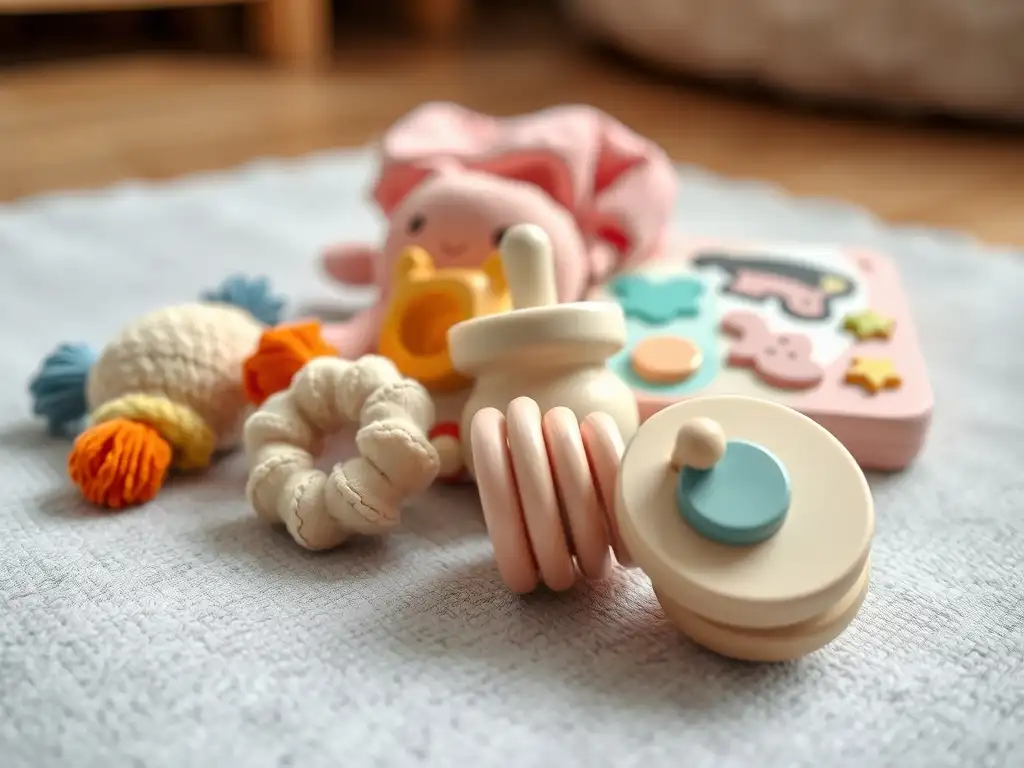
Introducing a variety of toys with diverse textures and sounds is crucial for stimulating your baby's sensory exploration and fostering object permanence. The varied sensory input helps them understand that objects continue to exist even when out of sight. For example, a soft, plush toy offers a completely different tactile experience compared to a hard, plastic rattle. This difference encourages your baby to actively investigate each toy, strengthening their understanding of object properties and their persistence.
Think about incorporating toys made of different materials like wood, silicone, and cloth. Consider the sounds too! A squeaky toy provides auditory feedback, reinforcing the object's presence even when it's partially hidden. The combination of sight, touch, and sound creates a richer learning experience, effectively driving home the concept of object permanence.
Remember to always supervise your baby during playtime to ensure their safety. Rotate toys regularly to maintain your baby’s interest and prevent boredom. This constant novelty keeps their attention engaged and encourages further exploration.
Engaging in Cause-and-Effect Play
Cause-and-effect play is a powerful tool in promoting object permanence. This type of play focuses on the relationship between actions and their consequences. Simple activities, like dropping a toy and watching it fall, help babies understand that the toy still exists even after it disappears from view. The act of retrieving the toy further reinforces this understanding.
You can also use toys that involve simple mechanisms, such as stacking blocks or a toy that plays music when a button is pressed. These activities teach your baby that their actions have a direct impact on the environment and the objects within it. The anticipation of the effect (the sound, the movement) helps them mentally track the object, even during the brief period it's hidden or out of sight. For instance, hiding a toy under a blanket and then revealing it with a flourish creates a playful learning experience that strengthens the connection between action (lifting the blanket) and outcome (seeing the toy).
Remember to keep the activities age-appropriate and always supervise your little one. The key is to make it fun and engaging, turning learning into a joyful experience. Observe your baby's reactions; their engagement will indicate their understanding and enjoyment of the activity.
Supporting Your Baby's Cognitive Growth Through Play
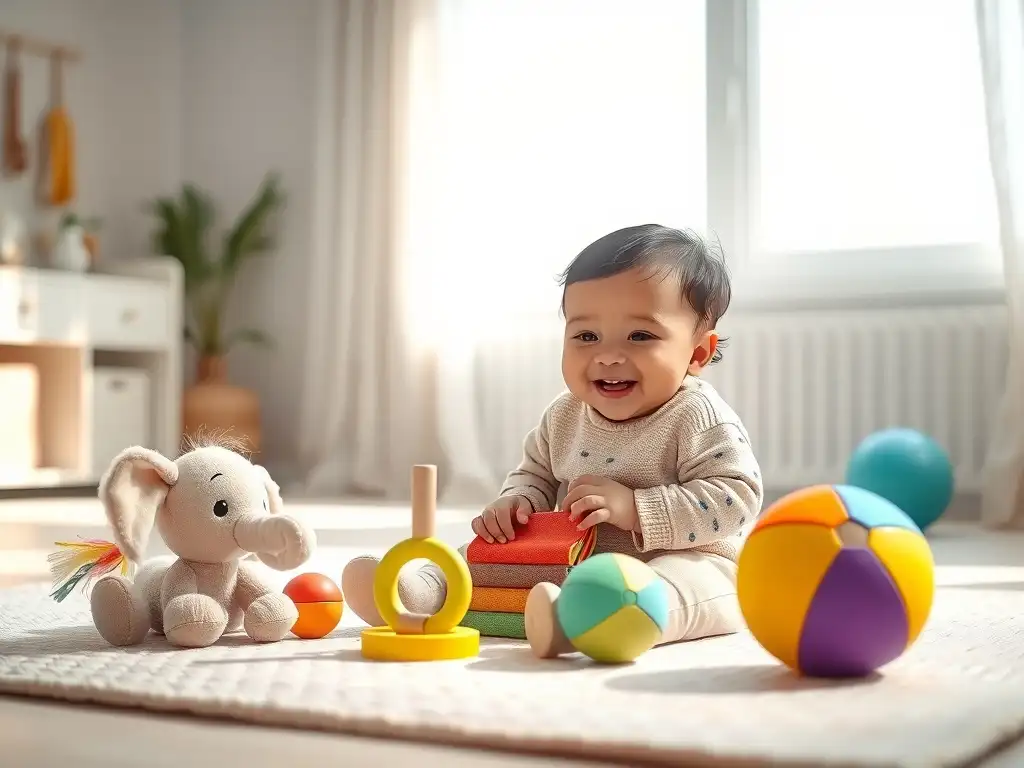
Understanding and supporting your baby's object permanence development is crucial for their cognitive growth. This developmental milestone, the understanding that objects continue to exist even when out of sight, is a cornerstone of future learning and problem-solving skills. Interactive play offers a fantastic avenue to nurture this crucial skill. Through engaging activities, you can help your little one grasp this concept, fostering their intellectual development in a fun and stimulating way. The earlier you start, the better! Remember, every playful interaction contributes to their cognitive development journey.
The Importance of Interactive Play
Interactive play is not just about fun; it's a powerful tool for enhancing your baby's cognitive abilities, particularly their understanding of object permanence. When you engage with your baby during playtime, you're actively participating in their learning process. This active participation, rather than passive observation, significantly boosts their development.
Consider these examples: Playing peek-a-boo is more than just a giggle-inducing game; it's a direct lesson in object permanence. As you cover your face, your baby learns that you haven't disappeared, only that you're temporarily hidden. The joy of your reappearance reinforces this understanding. Similarly, hiding a toy under a blanket and encouraging your baby to find it strengthens their ability to mentally track objects, even when they are not directly visible. This active searching strengthens the neural pathways associated with object permanence. The more you engage in such games, the more robust this understanding becomes.
Furthermore, remember that consistent engagement is key. Short, frequent play sessions are often more effective than one long session. Babies have short attention spans, and frequent, shorter interactions help maintain their focus and enthusiasm, maximizing the learning opportunity. The cumulative effect of these small interactions significantly contributes to their overall cognitive development. It’s all about building those crucial neural connections!
Choosing Age-Appropriate Toys for Object Permanence Development
Selecting the right toys is paramount in supporting your baby's object permanence development. Toys designed to encourage searching and retrieval are particularly effective. Consider these age-appropriate options:
| Age Range | Recommended Toy Types | Example |
|---|---|---|
| 4-6 Months | Soft toys with contrasting colors, textured balls | Rattle with bright colors and patterns |
| 6-9 Months | Toys with simple hiding mechanisms (e.g., containers) | Toy that hides inside a box |
| 9-12 Months | Stacking cups, simple puzzles, toys that disappear and reappear | Shape sorter, pop-up toys |
| 12-18 Months | Toys that require more complex manipulation and problem-solving | Simple building blocks, push-and-pull toys |
Remember to always supervise your baby during playtime and choose toys that are safe and age-appropriate. Avoid toys with small parts that could pose a choking hazard. The focus should be on encouraging exploration and discovery in a safe and stimulating environment.
Creating a Stimulating Environment for Your Baby
A stimulating environment plays a vital role in supporting your baby's object permanence development. It's not just about the toys; it's about the overall sensory experience. Consider these tips for creating a stimulating and enriching space for your little one:
- Visual Stimulation: Use bright colors, patterns, and mobiles to capture your baby's attention and encourage visual tracking. Rotating toys regularly keeps things fresh and engaging.
- Auditory Stimulation: Play soft music, sing songs, and talk to your baby frequently. This helps them associate sounds with objects and people.
- Tactile Stimulation: Offer a variety of textures for your baby to explore—soft blankets, crinkly toys, and smooth surfaces. This enhances their sensory experience and helps them understand the world through touch.
- Safe Exploration: Create a safe space for your baby to explore and discover independently. This allows them to develop their own sense of agency and learn about object permanence through self-directed play. Remember baby-proofing is essential!
By creating a rich and interactive environment, you're not just providing entertainment; you're actively nurturing your baby's cognitive development. This holistic approach, combining engaging play, age-appropriate toys, and a stimulating environment, is the key to supporting your baby's object permanence development and fostering their overall cognitive growth. Remember, every step you take contributes to their future success. 🎉
The Role of Parent-Child Interaction in Cognitive Development
Parent-child interaction is absolutely crucial in fostering a baby's understanding of object permanence. It's not just about passively observing your baby; active engagement significantly accelerates their cognitive development. Think of it as a dynamic dance where your baby's actions elicit responses from you, and your responses, in turn, shape their understanding of the world. This reciprocal relationship is the engine driving their cognitive growth.
For instance, the simple act of playing peek-a-boo isn't just a fun game; it's a powerful teaching tool. When you cover your face and then reappear, you're demonstrating that you still exist even when out of sight. This repeated experience helps your baby grasp the concept that objects continue to exist independently of their perception. The more enthusiastic and responsive you are during this interaction, the more effectively your baby learns. Your facial expressions, vocalizations, and physical engagement all contribute to making the learning experience richer and more memorable.
Furthermore, engaging in other interactive games like hide-and-seek with toys reinforces this understanding. As your baby searches for a hidden toy, they are actively applying their developing understanding of object permanence. The joy they experience upon finding the toy strengthens the neural pathways associated with this cognitive skill. Remember to vary the hiding places and the types of toys to keep the game engaging and challenging, constantly pushing their cognitive boundaries.
This consistent interaction and reinforcement are key to building a strong foundation for future cognitive development. Don't underestimate the power of even seemingly simple interactions; they are building blocks in the complex architecture of your baby's mind. The more you engage with your baby in this playful manner, the more you’re supporting their understanding of object permanence and overall cognitive growth. This playful approach makes learning fun and effective for your little one.
Addressing Potential Delays in Object Permanence Development
Understanding the typical timeline for object permanence development is crucial, but it's equally important to recognize when a delay might warrant professional attention. While every child develops at their own pace, significant deviations from the expected milestones can indicate underlying developmental concerns. This section focuses on identifying potential delays and understanding the next steps to support your child's cognitive growth. Remember, early intervention is key when addressing developmental challenges related to baby object permanence development.
Recognizing Signs of Potential Delays
Identifying potential delays in object permanence requires careful observation and a nuanced understanding of your baby's individual progress. While some babies might reach milestones slightly later than others, persistent failure to demonstrate age-appropriate understanding of object permanence warrants further investigation. Here are some key signs to watch out for:
- Beyond 8 months: Lack of any search behavior for hidden objects, even after repeatedly witnessing their hiding. This signifies a significant lack of understanding that objects continue to exist even when out of sight.
- Beyond 12 months: Difficulty finding objects hidden in multiple locations or under increasingly complex coverings. For example, if a toy is hidden under a blanket, then moved to a different location under a pillow, the baby consistently fails to locate it.
- Persistent lack of anticipation: A baby who doesn't show any anticipation or expectation of seeing a familiar toy reappear after it’s been hidden. This implies a lack of mental representation of the object.
- Limited engagement with games of peek-a-boo: While peek-a-boo is a fun game for babies, it also serves as a crucial developmental tool. A baby who shows little to no interest or understanding of the game, even after repeated attempts, might be experiencing a delay.
It's vital to remember that these are potential indicators, and a single missed milestone shouldn't cause immediate alarm. However, a consistent pattern of these behaviors beyond the typical age range should prompt a discussion with a healthcare professional. Detailed observation and accurate record-keeping of your baby's development can be incredibly beneficial in this process.
When to Consult a Pediatrician or Developmental Specialist
If you have concerns about your baby's object permanence development, don't hesitate to seek professional guidance. Early intervention is often the most effective approach to addressing developmental delays. Here's when consulting a pediatrician or developmental specialist is strongly recommended:
- Persistent lack of progress: If your baby consistently fails to show signs of object permanence development beyond the typical age ranges mentioned above, even after repeated attempts at engaging them in relevant activities.
- Other developmental concerns: Delays in object permanence might be accompanied by other developmental concerns, such as speech delays, motor skill challenges, or social interaction difficulties. These should be addressed holistically.
- Family history: A family history of developmental delays can increase the risk of similar challenges in your child. Open communication with your pediatrician is crucial in such cases.
- Parental intuition: Trust your instincts. If you have a strong feeling that something isn't quite right, don't dismiss it. Seeking professional evaluation is always better than waiting and hoping for improvement.
A pediatrician or developmental specialist can conduct comprehensive assessments to determine if any intervention is necessary. They can also provide valuable support and guidance, helping you understand your baby's developmental trajectory and offering strategies to support their growth.
Early Intervention Strategies for Supporting Your Child
Early intervention is crucial for maximizing a child's developmental potential. If a delay in object permanence is identified, several strategies can be implemented to support your child's cognitive development. These strategies focus on engaging the baby in activities that encourage the understanding of object permanence:
- Interactive Hide-and-Seek: Play variations of peek-a-boo and hide-and-seek, gradually increasing the complexity. Start with simple hiding and revealing, then progress to hiding objects under blankets or in containers.
- Cause-and-Effect Toys: Toys that involve actions and reactions (e.g., stacking blocks, dropping toys into containers) help babies understand that their actions have consequences and that objects continue to exist even when hidden within the toy's mechanism.
- Sensory Play: Engage your baby in sensory play using different textures, sounds, and sights. This helps them develop a stronger understanding of the world around them, building a foundation for object permanence.
- Consistent Routines: Predictable routines provide a sense of security and help babies understand cause and effect, which is important for grasping object permanence.
- One-on-One Interaction: Dedicated one-on-one time allows for focused interaction and helps you tailor activities to your baby’s individual needs and developmental level.
Remember, patience and consistency are key. Celebrate even the smallest successes and continue to provide a stimulating and supportive environment for your child's growth. The journey of baby object permanence development is unique to each child, and your active involvement is crucial in supporting their cognitive journey. Early intervention, combined with consistent effort, can significantly impact your baby's developmental trajectory.
Frequently Asked Questions
What is object permanence?
Object permanence is the understanding that objects continue to exist even when they cannot be seen. It's a crucial milestone in a baby's cognitive development. Developing this understanding is a gradual process.
When do babies typically develop object permanence?
Babies usually start to show signs of understanding object permanence around 8 months old, although this can vary. By 12 months, most babies have a much stronger grasp of this concept. Individual development varies greatly.
How can I help my baby develop object permanence?
Playing peek-a-boo is a great way to start! Also, showing your baby hidden toys and encouraging them to find them helps. Providing opportunities for exploration and interaction with objects is key.
What are the signs that my baby is developing object permanence?
Look for behaviors like searching for a hidden toy or showing surprise or interest when an object reappears after being hidden. They might also actively look for you when you leave the room.
What should I do if my baby seems behind in developing object permanence?
While development varies, if you have concerns, consult your pediatrician. They can assess your baby's development and offer guidance or refer you to specialists if needed. Early intervention can be beneficial.
Final Reflection: Nurturing the Seeds of Understanding
The understanding of object permanence is not merely a developmental milestone; it's the cornerstone of a child's burgeoning cognitive world. Mastering this concept lays the foundation for future learning, problem-solving, and even emotional development, impacting how a child interacts with the world and builds relationships. This understanding is crucial for parents and caregivers to grasp, as it directly influences how we interact with and support our little ones.
Witnessing a baby's gradual grasp of object permanence is a truly remarkable experience. It's a testament to the incredible power of the developing brain and the profound impact of nurturing interactions. The greatest discovery of all time is that a person can change his future by merely changing his attitude.
– Oprah Winfrey. This quote, while not directly about object permanence, speaks to the transformative power of understanding and supporting a child's development, allowing them to shape their own future. The journey of helping a child understand that objects continue to exist even when out of sight is a journey of empowerment, both for the child and the caregiver.
Now, consider how you can actively foster this crucial developmental leap in your own child's life. Engage in playful peek-a-boo, encourage exploration with toys, and provide a stimulating environment rich in sensory experiences. Remember, every interaction, every game, every moment of shared attention contributes to building this fundamental understanding. You are not just teaching your child about objects; you are nurturing the very essence of their cognitive growth, shaping their future capacity for learning and understanding. Embrace this journey, and witness the wonder of their developing minds unfold.
Unlock Your Baby's Brilliant Mind: Take Action Today!
You've learned about the fascinating concept of object permanence and how it supports your baby's cognitive development. Ready to put this knowledge into action?
- Play hide-and-seek: This classic game is a fun and effective way to strengthen your baby's understanding of object permanence. Hide a favorite toy under a blanket and encourage your baby to find it.
- Track your baby's progress: A journal or a phone app can help you record important milestones. Note when your baby first demonstrates understanding of object permanence—and celebrate those "aha!" moments.
- Share your experiences: Connect with other parents online and share your tips and tricks for fostering cognitive development. Let's build a supportive community together!
What playful activity will you try today to help your baby understand object permanence?