
The Object Permanence Puzzle: How Babies Learn That Things Still Exist

Welcome to BabyCareHub, your ultimate guide to navigating the incredible journey of parenthood! Are you ready to unlock the secrets of your little one's developing mind? We delve into the fascinating world of baby object permanence development, exploring how those seemingly small hands and curious eyes learn that objects continue to exist even when out of sight. This is just the beginning; discover expert advice and practical tips to confidently support your baby's growth and development – from feeding schedules to sleep training and beyond. Let's unravel the Object Permanence Puzzle together!
- Understanding Baby Object Permanence Development
- Signs Your Baby is Developing Object Permanence
- Activities to Encourage Object Permanence Development in Babies
- Supporting Your Baby's Cognitive Development Beyond Object Permanence
- When to Consult a Pediatrician Regarding Object Permanence Development
- Frequently Asked Questions
- Final Reflection: The Enduring Mystery of Object Permanence
- Unlock Your Baby's World: Nurture Their Understanding of Object Permanence
Understanding Baby Object Permanence Development
The journey of parenthood is filled with awe-inspiring moments, and witnessing your baby's cognitive development is undoubtedly one of the most remarkable. Amongst the many developmental leaps your little one will take, understanding object permanence stands out as a crucial milestone. This article delves into the fascinating world of object permanence, explaining what it is, how it develops in babies, and why it's so vital for their overall cognitive growth.
We'll explore the different stages of this development, providing parents with a clearer understanding of what to expect and when to expect it. Understanding your baby's object permanence development will not only help you appreciate their cognitive progress but also equip you to better engage with and stimulate their learning.
This is a key aspect of the broader developmental milestones your baby will achieve, helping them navigate the world around them with increasing confidence and understanding. Let's unravel the "object permanence puzzle" together!
What is Object Permanence?
Object permanence is the understanding that objects continue to exist even when they cannot be seen, heard, or touched. It's a fundamental cognitive skill that develops gradually during infancy. Before a baby develops object permanence, if you hide a toy under a blanket, they believe the toy has ceased to exist. However, as they develop this crucial skill, they begin to understand that the toy is still there, even though it's hidden from view.
This seemingly simple concept is a giant leap forward in a baby's cognitive abilities, paving the way for more complex understanding and problem-solving skills. Think of it as the foundation upon which many other cognitive skills are built. 👶 It's a fascinating process to observe and understand!
The Stages of Object Permanence Development in Babies
Jean Piaget, a renowned developmental psychologist, identified several stages in the development of object permanence. While individual timelines vary, these stages provide a useful framework for understanding this developmental process.
- Stage 1 (0-4 months): Babies at this stage show no understanding of object permanence. If an object is hidden, they don't search for it. They may even appear to lose interest completely.
- Stage 2 (4-8 months): Babies begin to show partial understanding. They may follow an object with their eyes as it's moved, but if it's completely hidden, they don't search for it. They might look briefly where it disappeared but will quickly lose interest.
- Stage 3 (8-12 months): Babies develop a more complete understanding. They will actively search for a hidden object, but they often make the "A-not-B error." This means if an object is hidden in location A repeatedly and then moved to location B, the baby will still search for it in location A.
- Stage 4 (12-18 months): The A-not-B error typically disappears. Babies can now successfully find an object even if it's been hidden in multiple locations. Their search behavior becomes more systematic and less reliant on immediate visual cues.
- Stage 5 (18-24 months): Babies demonstrate a full understanding of object permanence, even with invisible displacements. This means they can find an object even if it's been moved while hidden from view (e.g., moved from one container to another). This marks a significant milestone in their cognitive development.
Why is Object Permanence Important for Baby Development?
The development of object permanence is a significant indicator of a baby's cognitive development and has far-reaching implications for their future learning and growth. It's not just about finding hidden toys; it's about developing crucial mental skills.
- Symbolic Thought: Object permanence lays the groundwork for symbolic thought – the ability to understand that one thing can represent another. This is crucial for language development and imaginative play.
- Problem-Solving Skills: Understanding that objects exist independently allows babies to solve simple problems. For example, if a toy is blocked by a pillow, they can learn to move the pillow to retrieve the toy.
- Memory Development: Successfully remembering where a hidden object is strengthens memory skills and contributes to their overall cognitive development.
- Emotional Development: The understanding that caregivers continue to exist even when out of sight contributes to feelings of security and trust. This is particularly important for healthy attachment and emotional regulation.
The development of object permanence is a gradual process, and every baby progresses at their own pace. While these stages provide a guideline, remember to celebrate each milestone your little one achieves in their unique journey of discovery. 🎉
Signs Your Baby is Developing Object Permanence
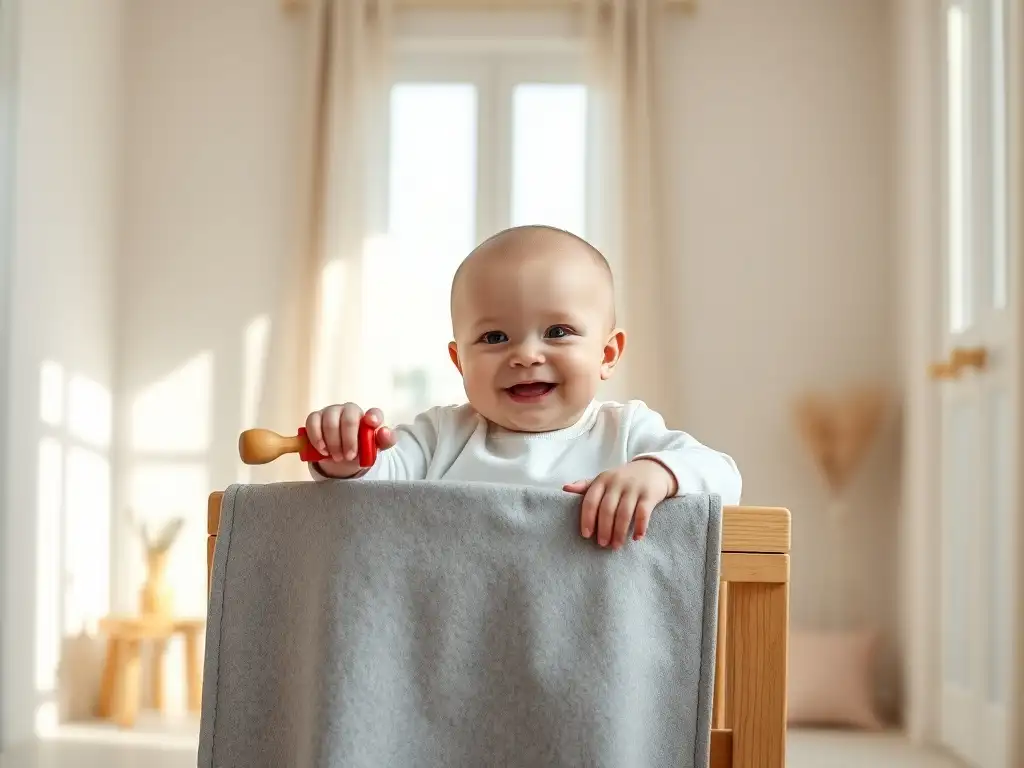
Understanding object permanence – the understanding that objects continue to exist even when they cannot be seen, heard, or touched – is a crucial developmental leap for your baby. This milestone, typically emerging between 4 and 7 months, significantly impacts their cognitive development and lays the foundation for future learning. Mastering object permanence is a gradual process, with babies showing different levels of understanding at various stages. This section will explore key signs indicating your baby's journey towards grasping this fundamental concept, focusing on "baby object permanence development."
One of the earliest and most noticeable signs of developing object permanence is your baby's ability to reach for an object that has been hidden from view. This doesn't mean they instantly understand the object's continued existence; rather, it suggests they're beginning to associate the object's disappearance with its potential location.
For example, if you place a toy under a blanket, a baby demonstrating early object permanence might initially stare at the blanket, perhaps showing some surprise or confusion. However, a significant step forward is when they actively reach for the blanket, attempting to retrieve the hidden toy. This action showcases a developing understanding that the toy still exists, even though it's out of sight. The success or failure of retrieving the toy is less important than the attempt itself, highlighting the growing awareness of the object's persistence.
The age at which babies achieve this varies significantly. Some babies might show this behavior as early as 4 months, while others might not display it until closer to 8 months. This variation is perfectly normal, and there’s no need for concern if your baby is slightly behind the average development timeline for "baby object permanence development."
As object permanence develops, babies progress from simply reaching for a completely hidden object to searching for objects that are only partially concealed. This signifies a more sophisticated understanding of the object's continued existence.
Instead of a completely covered toy, imagine partially hiding a toy under a blanket, leaving a portion visible. Babies who are developing object permanence will show a greater understanding of where the object is located. They may actively move the blanket to fully uncover the toy, demonstrating a more advanced level of spatial reasoning and object permanence.
This improved search strategy reflects a growing understanding that the unseen portion of the object still exists and is locatable. The ability to locate partially hidden objects represents a significant step towards a fully formed understanding of object permanence and further strengthens their "baby object permanence development."
Anticipating the Reappearance of Objects
The final stage in the development of object permanence involves the ability to anticipate the reappearance of an object. This is a more complex cognitive skill that reflects a true understanding of the object's continued existence, independent of the baby's direct perception.
Imagine a game where you repeatedly hide and reveal a toy. Initially, the baby might show surprise each time the toy reappears. However, as their understanding of object permanence solidifies, they will begin to anticipate the toy's reappearance, perhaps even exhibiting excitement or reaching for the likely location before you even reveal it.
This anticipatory behavior is a strong indication that your baby has fully grasped the concept of object permanence. This advanced stage of "baby object permanence development" paves the way for more complex cognitive abilities, such as symbolic thought and problem-solving. 🎉 This milestone is a significant achievement in your baby's cognitive journey!
Activities to Encourage Object Permanence Development in Babies
This section focuses on practical activities you can implement at home to foster your baby's understanding of object permanence. Remember, the development of object permanence is a gradual process, varying from baby to baby. Be patient and celebrate each milestone! Consistent engagement with these activities will significantly contribute to your baby's cognitive development and understanding of the world around them. This is crucial for their overall healthy development. The activities below are designed to be fun and engaging for both you and your little one, making learning a joyful experience. Remember to always supervise your baby during playtime.
Peek-a-Boo: The Classic Game
Peek-a-boo is more than just a fun game; it's a powerful tool for teaching object permanence. By covering and uncovering your face (or a toy), you're demonstrating that things continue to exist even when they're out of sight. This seemingly simple game strengthens their understanding of the concept.
The best part? It's incredibly easy to implement! Simply cover your face with your hands and say, "Peek-a-boo!" then remove your hands with a smile. Your baby's delighted reaction reinforces the learning process. As your baby develops, you can increase the complexity. Try covering the toy for longer periods or using a blanket. Observe their reactions; a longer search for the hidden object indicates a developing understanding of object permanence. Remember to keep the game light and fun, avoiding frustration. 🥳
You can also adapt this game by using simple toys. Cover the toy with a soft cloth, then dramatically reveal it, saying "Where's the [toy's name]? There it is!". This helps associate the action with the object.
Simple Hiding Games with Toys
Once your baby starts showing signs of understanding peek-a-boo, you can progress to more complex hiding games. Start with simple hiding places, like under a blanket or behind a pillow. Choose a favorite toy and, in front of your baby, place it under the blanket. Say something like, "Where's the teddy bear?" and wait for their reaction. If they reach for it, they are beginning to grasp the concept.
It's important to start with one hiding spot and gradually increase the complexity. You could hide the toy in different locations – behind a chair, inside a box, or under a cushion. This variation helps them understand that objects can exist in multiple locations, even when not directly visible. The key is to make it a fun and interactive experience. 🎉
Remember to always maintain a positive and encouraging tone. Even if your baby doesn't immediately find the hidden object, praise their effort and continue playing. The goal is to nurture their curiosity and build confidence in their abilities. This positive reinforcement is crucial for their emotional and cognitive development.
Using Containers to Hide and Retrieve Objects
Introducing containers adds another layer of complexity to the object permanence game. Start with transparent containers, like clear plastic cups or bowls, so your baby can see the toy being placed inside. Then, slowly cover the toy with an opaque container.
This helps your baby understand that even though they can't see the toy, it still exists inside the container. Gradually increase the difficulty by using more complex containers or nesting multiple containers. You can also encourage your baby to actively participate by asking them to help you find the hidden toy. This encourages problem-solving skills and enhances their understanding of cause-and-effect. 🧸
Observe how your baby interacts with the containers. Do they try to reach for the toy even when it's hidden? Do they understand that they need to remove the container to retrieve the toy? These observations offer valuable insights into their developing understanding of object permanence. Remember to vary the toys and containers to keep the game stimulating and engaging. This consistent engagement is key to successful "baby object permanence development".
Engaging with Cause-and-Effect Toys
Cause-and-effect toys are fantastic tools for fostering object permanence in babies. These toys teach infants that their actions have consequences, a crucial step in understanding that objects exist independently. The simple act of shaking a rattle and hearing a sound, or pressing a button and seeing a light illuminate, reinforces the concept that the object (rattle or button) continues to exist even when it's not directly in their line of sight.
This repeated interaction strengthens the neural pathways associated with object permanence. For example, a toy that plays music when a lever is pulled provides a clear cause-and-effect relationship. The baby learns that pulling the lever (action) results in music (consequence), solidifying the understanding that the toy, even when inactive, persists.
It's important to choose age-appropriate toys. For younger infants (4-6 months), simpler toys with clear cause-and-effect relationships are ideal. These might include stacking cups, simple shape sorters, or toys with buttons that produce sounds or lights.
As the baby grows, the complexity of the toys can increase. By 8-12 months, babies might enjoy toys with multiple actions and consequences, such as pull-along toys or those that involve multiple steps to achieve a result, like a stacking tower with different colored rings. The key is to ensure that the toys are engaging and challenging enough to maintain the baby's interest, but not so complex as to be frustrating.
Remember to always supervise your baby while they play with these toys to ensure their safety. The goal is to make learning fun and exciting, encouraging further exploration and understanding of the world around them. This positive reinforcement is key to successful object permanence development.
Supporting Your Baby's Cognitive Development Beyond Object Permanence
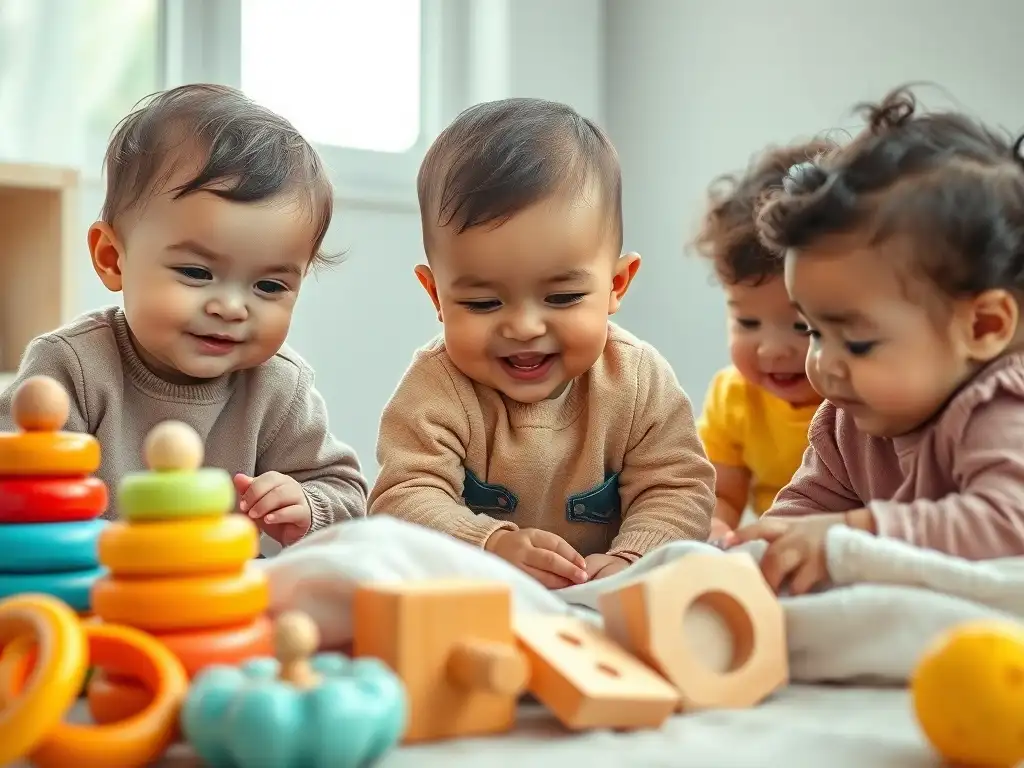
This section explores how to nurture your baby's cognitive growth, building upon the foundational understanding of object permanence. Mastering object permanence is a significant leap in cognitive development, but it's just the beginning of a fascinating journey. Understanding how to further stimulate your baby's burgeoning mind is crucial for their overall intellectual development.
We will delve into practical strategies to encourage exploration, provide a stimulating environment, and engage in interactive play, all vital components in fostering a strong cognitive foundation for your little one. Remember, consistent engagement and a nurturing environment are key to supporting your baby's "Baby object permanence development."
Encouraging Exploration and Play
Encouraging exploration and play is paramount in fostering cognitive development beyond object permanence. Babies learn through active engagement with their surroundings. Providing opportunities for safe exploration allows them to build upon their understanding of the world and how objects interact. This doesn't require elaborate toys; everyday objects can be incredibly stimulating.
Think about it: a simple wooden spoon can become a fascinating instrument for banging, exploring textures, and even pretending to eat. A soft, crinkly fabric square can be a source of sensory stimulation and exploration. The key is to supervise closely, ensuring safety while allowing your baby the freedom to discover.
Consider these age-appropriate play ideas:
- 3-6 months: Offer brightly colored rattles, soft toys with varying textures, and teethers. These help develop hand-eye coordination and sensory awareness.
- 6-9 months: Introduce stacking cups, simple shape sorters, and peek-a-boo games (which reinforce object permanence!). This encourages problem-solving skills.
- 9-12 months: Provide age-appropriate push-and-pull toys, building blocks, and balls. These promote gross motor skills and spatial reasoning.
Remember to always supervise your baby during playtime and choose toys appropriate for their age and developmental stage to avoid choking hazards. The goal is to provide a safe and stimulating environment where your baby can learn and grow. This active engagement significantly contributes to healthy "Baby object permanence development."
Providing a Stimulating Environment
A stimulating environment plays a crucial role in a baby's cognitive development. It's not about overwhelming your baby with toys, but rather about creating a space that encourages exploration and learning through various sensory experiences. This includes visual, auditory, tactile, and even olfactory stimulation.
Here are some practical ways to create a stimulating environment:
- Visual Stimulation: Hang mobiles with contrasting colors and patterns above the crib. Rotate toys and books regularly to prevent boredom. Use colorful wall hangings or posters with simple images.
- Auditory Stimulation: Sing songs, read stories aloud, and play soft classical music. Engage in conversations with your baby, even if they don't understand every word. This helps develop their language skills and auditory processing.
- Tactile Stimulation: Provide a variety of textures for your baby to touch and explore, such as soft blankets, rough textured toys, and smooth surfaces. This enhances their sensory perception and understanding of different materials.
- Olfactory Stimulation: Expose your baby to pleasant and safe scents (always supervise and ensure safety). This helps develop their sense of smell and may even have a calming effect.
Remember that a stimulating environment is a safe environment. Remove any hazards and ensure that all toys are age-appropriate. The goal is to create a space where your baby feels secure and encouraged to explore and learn. This enriched environment directly impacts their “Baby object permanence development” and broader cognitive skills.
Reading to Your Baby and Engaging in Interactive Play
Reading to your baby, even from a very young age, is incredibly beneficial for their cognitive development. It's not just about the words; it's about the interaction, the sounds, and the shared experience. Interactive play further strengthens this cognitive development.
Here's how to maximize the benefits:
| Age Range | Activity | Benefits |
|---|---|---|
| 0-3 Months | Soft books with contrasting colors and textures | Develops visual acuity and tactile awareness; encourages bonding. |
| 3-6 Months | Board books with simple pictures and sounds | Enhances language development and object recognition; reinforces object permanence. |
| 6-12 Months | Picture books with simple stories and repetitive phrases | Improves vocabulary and comprehension; fosters listening skills and attention span. |
Interactive play goes hand-in-hand with reading. After reading a book, engage in related play. For example, after reading a book about animals, use stuffed animals for pretend play. This strengthens the connection between language and actions, furthering cognitive development. Furthermore, these activities are directly linked to healthy "Baby object permanence development" and beyond. The consistent engagement and stimulation provided are crucial for building a strong cognitive foundation. Remember, the key is to make it fun and engaging for both you and your baby!
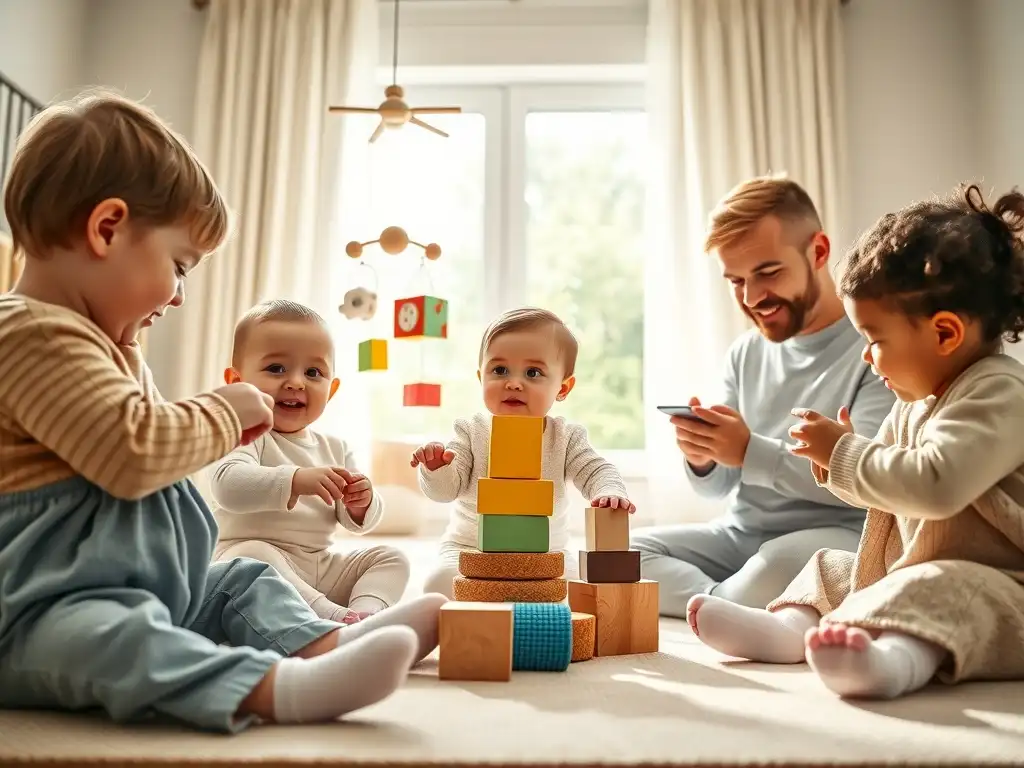
Social interaction plays a crucial role in a baby's cognitive development, and this is especially true regarding object permanence. The back-and-forth exchange between caregiver and child, filled with shared attention and emotional connection, significantly enhances learning. When a caregiver engages with a baby during playtime, pointing out hidden objects and reacting with excitement when the baby rediscovers them, they are actively reinforcing the concept of object permanence. This isn't merely about the object itself; it's about the shared experience and the emotional bond created through this interaction.
The baby learns not only that the object continues to exist but also that their caregiver is a reliable and responsive partner in exploration and learning. This shared experience strengthens the baby's understanding of the world and fosters a secure attachment, which further supports cognitive development. Studies have shown a strong correlation between secure attachment and advanced cognitive skills, including the earlier development of object permanence. For example, a baby who feels safe and understood is more likely to engage in playful exploration, leading to more opportunities for discovering and understanding the concept of object permanence.
The emotional security provided by the caregiver allows the baby to focus their attention on the task at hand, improving their learning capacity. Conversely, babies who lack consistent, responsive caregiving may experience delays in their cognitive development, including object permanence. The quality of social interaction, therefore, is not just a peripheral factor but a fundamental element driving cognitive growth.
Encouraging Exploration and Curiosity
Encouraging exploration and curiosity is key to supporting object permanence development. Providing a safe and stimulating environment rich in varied textures, shapes, and sounds is crucial. Think of baby-safe containers, nesting toys, and peek-a-boo games – all designed to engage the baby's senses and encourage them to explore. The act of searching for a hidden object isn't just about finding the object itself; it’s a process of problem-solving and developing critical thinking skills.
Every time a baby successfully locates a hidden toy, they are reinforcing their understanding that objects continue to exist even when out of sight. The more opportunities for this type of exploration, the more solidified their understanding becomes. Remember that babies learn through repetition and practice. Therefore, consistent engagement with activities designed to challenge their understanding of object permanence is essential for accelerating their development.
Creating a play environment that encourages active participation, rather than passive observation, is vital. Babies need to actively manipulate objects, explore their properties, and experience the consequences of their actions to fully grasp the concept. For instance, allowing a baby to repeatedly hide and find their favorite toy under a blanket reinforces the understanding that the toy doesn’t disappear but simply changes location. This active participation fosters a deeper and more enduring understanding than passive observation alone.
The Importance of Play in Cognitive Development
Play is undeniably the cornerstone of a baby's cognitive development, and object permanence is no exception. Playful interactions, whether simple or complex, provide countless opportunities for babies to practice and refine their understanding of object permanence. Think of classic games like peek-a-boo, where the baby learns that the parent's face reappears even after being hidden. This seemingly simple game is a powerful tool for reinforcing the concept that objects continue to exist, even when not immediately visible. More advanced games involving hiding toys under blankets or in containers provide further opportunities for practice and challenge.
The level of challenge should be appropriately adjusted to the baby's developmental stage. Starting with simple hiding games and gradually increasing the complexity as the baby progresses is key. Remember to celebrate the baby's successes and offer gentle encouragement during challenges. Avoid frustration or pressure, as this can have a negative impact on the learning process.
The goal is to create a positive and engaging experience that fosters a love of learning and exploration. For instance, integrating object permanence activities into everyday routines can make learning more natural and enjoyable. Hiding a bottle during feeding time or a toy during bath time can turn mundane activities into engaging learning experiences. The key is to make learning fun and interactive, thus maximizing the baby's engagement and retention.
When to Consult a Pediatrician Regarding Object Permanence Development
Understanding your baby's development is crucial for first-time parents. While object permanence typically emerges gradually between 4 and 7 months, significant delays can warrant a conversation with your pediatrician. This section focuses on identifying potential red flags and understanding when professional assessment is necessary for baby object permanence development.
Delayed Development and Potential Concerns
Delayed development in object permanence isn't always a cause for immediate alarm. However, certain indicators could suggest underlying developmental issues requiring further investigation. These include:
- No apparent search for hidden objects by 9 months: If your baby consistently shows no interest in finding a toy that's been hidden, even after repeatedly demonstrating it to them, it's a point to discuss with your doctor. This isn't just about the act of searching; it's about the understanding that the object continues to exist even when out of sight.
- Persistent lack of object permanence by 12 months: By their first birthday, most babies demonstrate a clear understanding of object permanence. If your child hasn't reached this milestone, a pediatrician can perform a thorough assessment.
- General developmental delays: Delayed object permanence might accompany other developmental delays, such as difficulties with language acquisition, motor skills, or social interaction. These combined indicators necessitate professional evaluation.
- Lack of engagement with toys or objects: A baby who consistently shows disinterest in playing with toys or exploring their environment might have underlying developmental concerns that affect their understanding of object permanence. This lack of engagement should not be overlooked.
It's important to note that each baby develops at their own pace. However, a significant departure from the typical developmental trajectory warrants attention. Early intervention can be beneficial, ensuring your child receives the support they need to thrive. Don't hesitate to reach out to your pediatrician if you have any concerns. Remember, early identification and intervention can make a significant difference.
Understanding Individual Variations in Development
While developmental milestones provide helpful guidelines, it's crucial to remember that baby object permanence development varies significantly between children. Premature babies, for instance, may reach these milestones later than their full-term counterparts. Genetic factors, as well as the quality of early interactions and stimulation, also play a role.
Consider these examples:
| Baby | Age at which object permanence emerged | Other factors |
|---|---|---|
| Baby A | 5 months | Full-term birth, highly stimulating environment |
| Baby B | 7 months | Premature birth, less stimulating environment |
| Baby C | 6 months | Full-term birth, average environment |
These variations highlight the importance of individual assessment rather than strict adherence to average timelines. While a delay might be concerning, it's not necessarily indicative of a problem. A comprehensive evaluation by a pediatrician considers the entire developmental picture, including the child's overall progress and unique circumstances.
Seeking Professional Guidance and Support
If you have concerns about your baby's object permanence development, don't hesitate to consult your pediatrician. They can conduct a thorough assessment, considering your baby's individual circumstances and developmental trajectory. They might recommend further evaluation by a developmental specialist if needed. Early intervention services can provide valuable support and guidance, helping your child reach their full potential.
Remember, your pediatrician is your partner in your baby's care. Open communication and proactive monitoring are key elements in ensuring your child's healthy development. Early intervention is often more effective, and seeking help promptly can alleviate anxiety and provide the necessary support for your child's optimal growth and development. Your pediatrician can offer valuable resources and connect you with relevant specialists if needed. Trust your instincts—if something feels off, it's always best to seek professional advice.
Frequently Asked Questions
What is object permanence?
Object permanence is the understanding that objects continue to exist even when they cannot be seen, heard, or touched. It's a crucial developmental milestone for babies, typically developing between 4 and 7 months old. This understanding is fundamental to a baby's cognitive development.
When do babies typically develop object permanence?
Most babies begin to show signs of understanding object permanence around 4 to 7 months old. However, this can vary, and some babies may show signs earlier or later. Full understanding usually develops gradually over several months.
How can I help my baby develop object permanence?
Engage in peek-a-boo games, hide toys partially under blankets, and slowly reveal them. Playing games involving disappearing and reappearing objects helps reinforce the concept. Using toys that make sounds even when hidden also helps.
What are the signs that my baby is developing object permanence?
Look for signs like searching for a toy that's been hidden under a blanket, looking for you when you leave the room, and showing increased interest in hidden objects. These are all positive indicators of developing object permanence.
What if my baby isn't showing signs of object permanence at the expected age?
While most babies develop object permanence within the typical timeframe, there's a range of normal development. If you have concerns, consult your pediatrician. They can assess your baby's development and offer guidance or refer you to specialists if needed.
Final Reflection: The Enduring Mystery of Object Permanence
Understanding object permanence isn't just a developmental milestone; it's the cornerstone of how we build our understanding of the world. The seemingly simple act of a baby grasping that a hidden toy still exists is a profound leap in cognitive development, shaping their future interactions and relationships. This understanding, once achieved, fundamentally alters their experience of reality.
The journey of a child mastering object permanence is a microcosm of our own lifelong pursuit of understanding. It highlights the power of curiosity and the persistent drive to make sense of our surroundings. The child's world is not merely a world of things, but a world of relationships.
This quote perfectly encapsulates the significance of object permanence, as it's not just about recognizing objects, but about understanding their connection to the child's experience and their place within a larger, consistent reality.
Consider the implications of this developmental leap. How does this early understanding shape your own perception of the world? How does the knowledge that things continue to exist, even when unseen, impact your daily life, your relationships, and your beliefs? I encourage you to reflect on this fundamental cognitive achievement and consider its lasting influence on your own journey of understanding. Take a moment to appreciate the wonder of this seemingly small, yet incredibly significant, developmental milestone.
Unlock Your Baby's World: Nurture Their Understanding of Object Permanence
Thanks for exploring the fascinating world of object permanence with us! You've gained valuable insights into this crucial developmental milestone. Now, let's put that knowledge into practice:
- Play Peek-a-Boo and Hide-and-Seek: These aren't just fun games; they're powerful tools to directly support your baby's understanding of object permanence. Start by hiding a favorite toy under a blanket and encouraging your baby to find it. Gradually increase the difficulty of the game as your baby develops.
- Create a Sensory Discovery Box: Fill a box with interesting textured objects, partially concealing them under cloths or other materials for your little one to discover. This adds a fun, tactile element to the learning process, making it more engaging and enjoyable.
- Connect with Other Parents: Share your experiences, successes, and challenges with object permanence activities on our BabyCareHub community forums. Let's learn from each other!
What creative ways have you found to help your baby grasp this important concept? We'd love to hear your ideas!