
Newborn Vision: What Babies Can See Right After Birth

Welcome to BabyCareHub, your ultimate guide to navigating the exciting yet challenging journey of parenthood. Are you curious about the incredible world your newborn baby is experiencing? We delve into the fascinating topic of newborn baby vision development, exploring what your little one can actually see right from the start. Discover the surprising truth behind their visual capabilities and learn how their sight develops in those precious first months. Prepare to be amazed by the rapid progress and gain valuable insights into this crucial developmental milestone. Let's unlock the mysteries of your baby's vision together!
- Understanding Newborn Baby Vision Development: The First Few Months
- Stimulating Your Newborn's Vision Development: Activities and Exercises
- Common Newborn Vision Issues: Recognizing Potential Problems
- Supporting Healthy Newborn Vision Development: Tips for Parents
- Frequently Asked Questions
- Final Reflection: The Wonder and Mystery of Newborn Sight
- Unlock Your Baby's World: A Journey into Infant Vision
Understanding Newborn Baby Vision Development: The First Few Months
Navigating the world as a new parent is an exciting yet challenging journey. Among the many wonders of early parenthood, understanding your baby's development is paramount. This article focuses on a crucial aspect of your newborn's development: their vision.
We'll delve into the fascinating world of newborn vision, exploring what your little one can actually see at birth and how their visual abilities progress during those precious first few months. Understanding your baby's visual capabilities will help you better engage with them, stimulating their development and building a strong parent-child bond. This guide will provide you with the knowledge to appreciate the unique visual journey your baby embarks on, addressing common questions and concerns surrounding newborn baby vision development.
We'll cover crucial aspects like visual acuity, color perception, and the development of focusing and tracking skills, providing you with valuable insights into this important developmental milestone. Learning about your baby's visual world will empower you to support their healthy growth and development.
Visual Acuity at Birth: How Sharp is Newborn Vision?
Newborn vision isn't as sharp as an adult's. At birth, a baby's visual acuity is estimated to be around 20/400. This means that what an adult can see from 400 feet away, your baby needs to be only 20 feet away to see with the same clarity. Think of it like looking at a blurry photograph – details are fuzzy and not entirely clear. However, this doesn't mean your baby can't see!
They can perceive light and dark, and can begin to distinguish shapes and contrasts. Their vision improves rapidly during the first few months of life. For example, by three months of age, a baby's visual acuity usually improves to around 20/100. This significant improvement allows them to perceive more detail and recognize familiar faces more easily. This rapid development underscores the importance of providing a visually stimulating environment for your newborn.
Color Perception in Newborns: What Colors Can They See?
While a newborn's vision is blurry initially, their ability to perceive color is present from birth, although not fully developed. Newborns can distinguish between some colors, particularly bright ones, but their color perception is not as refined as an adult's. They are most sensitive to high-contrast colors and patterns, such as black and white, or red and yellow. This is why many baby toys and educational materials utilize these contrasting colors.
Over time, their ability to discriminate between a wider range of colors will improve. By around two months old, their color perception becomes more sophisticated, and they start to differentiate a broader spectrum of hues. The development of color vision is closely tied to the maturation of the visual cortex in the brain.
Focusing and Tracking: How Newborns Follow Objects and Faces
Initially, newborns may struggle to focus on objects, especially those that are far away. Their eye muscles are still developing, and coordination between the eyes is not yet fully established. However, they are naturally drawn to high-contrast patterns and movement. You'll likely notice your baby following a moving object, such as a brightly colored toy or your face, with their eyes.
This ability to track moving objects is a crucial aspect of their visual development. This tracking ability improves considerably during the first few months. By around two to three months, newborns become much better at focusing and tracking objects, and their ability to coordinate their eye movements increases significantly. This improved coordination is essential for developing depth perception and hand-eye coordination.
Engaging your baby with interactive play, such as gently moving toys in front of them, can help stimulate this development. Remember that every baby develops at their own pace, so don't worry if your baby's progress doesn't perfectly match the average milestones. Enjoy this incredible journey of watching your little one's world come into focus! 🎉
Depth Perception in Infants: Developing 3D Vision
Newborn baby vision development is a fascinating journey, and understanding depth perception is a crucial part of this process. While newborns can see, their ability to perceive depth – to understand the three-dimensional world around them – is initially limited. This crucial skill doesn't emerge fully formed at birth; instead, it develops gradually over the first few months of life. This development is vital for a baby's ability to navigate their environment safely and effectively, from reaching for objects to crawling and eventually walking.
The development of depth perception relies on several visual cues. One key cue is binocular disparity, which refers to the slightly different images each eye receives. Because our eyes are positioned a few centimeters apart, each eye sees the world from a slightly different angle. The brain processes these two slightly different images to create a three-dimensional perception. Newborns have limited binocular vision at birth, but this improves rapidly in the first few months. By around three months of age, most infants have developed sufficient binocular vision to use binocular disparity effectively for depth perception.
Another important cue is motion parallax. This refers to the apparent change in the position of objects as we move. As a baby moves their head or body, closer objects appear to move more rapidly across their visual field than farther objects. This difference in apparent speed helps the baby's brain to judge distance and perceive depth. Babies begin to use motion parallax to perceive depth very early on, often within the first few weeks of life. Observing a mobile hanging above their crib, for example, will provide them with crucial information about relative distances.
Finally, pictorial cues play a significant role in the development of depth perception. These are cues that artists use to create the illusion of depth in two-dimensional images, such as relative size, linear perspective, and shading. Babies begin to understand and use these pictorial cues later in their development, typically around 6-7 months of age. For instance, understanding that a smaller object is further away than a larger, similar object of the same type is a key aspect of this development.
The development of depth perception is a complex process involving the maturation of the visual cortex and the integration of various visual cues. While some aspects of depth perception are present at birth, others develop gradually over the first year of life. This developmental process is essential for a baby’s motor skills development and overall safety, allowing them to interact with their world more confidently and independently.
Understanding this process helps parents appreciate the remarkable visual development their newborn undergoes in those early months. A delay in depth perception development could indicate a potential underlying issue, so monitoring your baby's progress and consulting with a pediatrician if you have any concerns is always advisable.
Stimulating Your Newborn's Vision Development: Activities and Exercises
Newborn baby vision development is a fascinating journey, and as a parent, you can actively participate in nurturing your little one's visual abilities. While their sight isn't fully developed at birth, there are many ways to stimulate and enhance their visual perception from day one. Remember, consistent engagement is key; short, frequent sessions are more effective than long, infrequent ones. These activities are designed to be enjoyable for both you and your baby, creating positive bonding experiences while supporting healthy visual development. The focus should always be on creating a safe and stimulating environment.
Engaging Visual Stimulation for Newborns: Black and White Patterns
Newborns have a limited ability to perceive colors at birth, but they are highly responsive to high contrast. Black and white patterns, along with stark reds, are among the first visual stimuli your baby will readily perceive and process. This is because their retinal cells responsible for color vision are still developing. Presenting these patterns helps stimulate their visual cortex and enhances the development of their visual acuity.
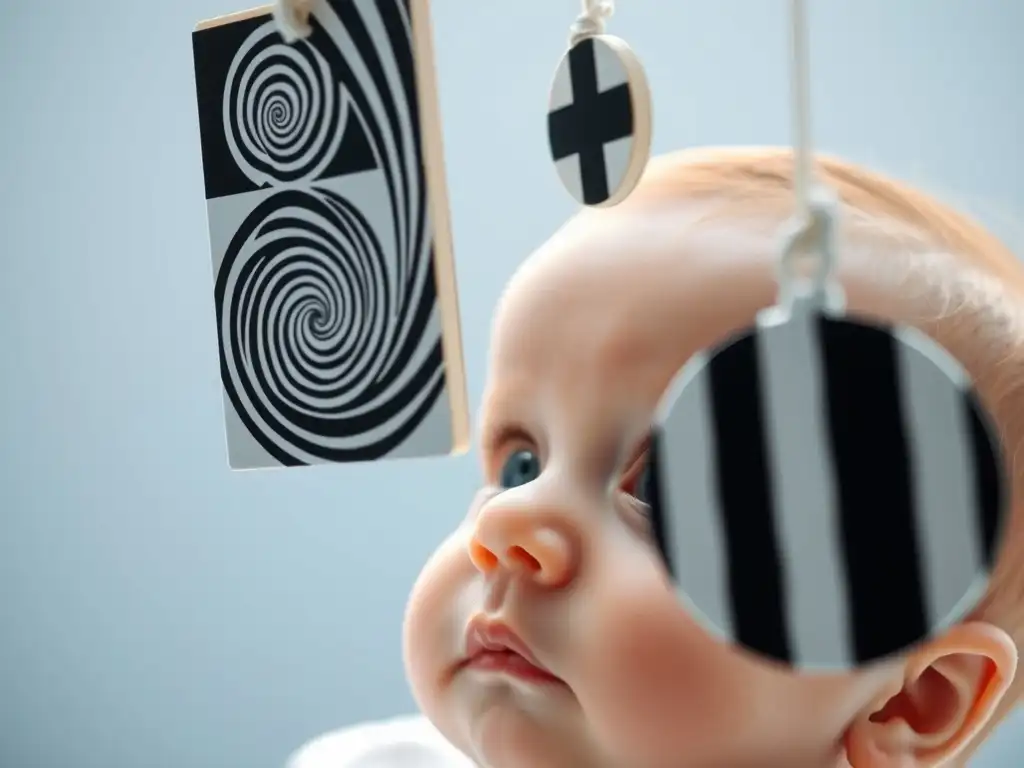
Consider placing black and white patterned mobiles above the crib, or using black and white flashcards at a close distance (around 8-12 inches). Remember to keep these activities short, around 5-10 minutes at a time, to avoid overstimulation. You can also create your own simple black and white patterns using construction paper or fabric scraps. The key is to offer a variety of patterns to keep your baby engaged and to avoid monotony.
Observe your baby's reactions closely – they might show increased focus or even follow the moving patterns with their eyes. This is a great indication that the activity is beneficial and engaging. Keep a log of your observations to track your baby’s progress. Examples of effective black and white patterns include checkerboards, stripes, and simple geometric shapes.
Pro Tip: Rotate the patterns and toys regularly to keep your baby engaged and prevent habituation.
High-Contrast Toys and Mobiles: Enhancing Visual Focus
High-contrast toys and mobiles are excellent tools for enhancing visual focus in newborns. These toys typically feature a combination of black, white, and maybe a bold red or primary color, presented in clear, well-defined shapes and patterns. These visual stimuli help your baby's eyes learn to track and focus on objects, strengthening their eye muscles and improving their ability to perceive depth and distance.
Some examples of high-contrast toys include:
- Simple black and white rattles
- High-contrast picture books
- Mobiles with bold patterns and contrasting colors
- Soft toys with distinct shapes and patterns
Remember to place these toys within your baby's reach and at a distance that allows them to focus comfortably. Again, keep the interaction short and sweet, and always supervise your baby while they are playing. The goal is to encourage them to engage with the toys, not to overwhelm them. Observe their responses; if they seem disinterested or restless, take a break and try again later. Tracking your baby's response to different types of high-contrast toys can help you understand their preferences and adjust your stimulation accordingly.
Face-to-Face Interaction: Crucial for Visual Development
Face-to-face interaction is arguably the most important visual stimulation for newborns. Your face, with its complex features and ever-changing expressions, is a powerful visual stimulus that helps your baby develop their visual skills. Close proximity and direct eye contact are crucial. During this interaction, your baby is not only learning to focus their vision but also building a strong bond with you.
Make time for regular face-to-face interactions throughout the day. Talk to your baby, sing to them, make silly faces, and observe their responses. You'll notice that they will often focus intently on your face, following your movements and expressions. This interaction is invaluable for their visual and social-emotional development. This is a fantastic opportunity to practice babywearing as well, providing close contact and a wide range of visual stimuli. The gentle swaying motion of your body can also be soothing and help them fall asleep.
Important Note: Always ensure a safe environment for face-to-face interactions and avoid placing yourself too close to your baby's face to prevent startling them. Remember to adjust the distance based on your baby's comfort level. Observe their cues and respond accordingly. If your baby appears overwhelmed, take a break and try again later.
Remember, patience and consistency are key to stimulating your newborn's vision development. Enjoy this special time with your baby as you help them explore the visual world around them! 🎉
Tracking Toys and Objects: Exercises to Improve Eye Tracking
Newborn baby vision development is a fascinating journey, and you can actively participate in it! One of the most effective ways to stimulate your baby's visual development is through tracking exercises using toys and objects. These exercises help strengthen the eye muscles and improve their ability to focus and follow moving targets. Remember, consistency is key; even short, frequent sessions throughout the day can yield significant results.
The key here is to choose toys and objects that are high contrast and visually stimulating. Think black and white patterns, bold colors (red and yellow are particularly effective), and simple shapes. Avoid overly complex or busy designs that can overwhelm your little one's developing visual system. Consider using toys with different textures as well; this adds another sensory dimension to the experience, enriching the overall development process.
Start with slow movements. Gently move a toy or object in a horizontal arc across your baby's field of vision, pausing momentarily at either end. As your baby gets older and their tracking improves, you can gradually increase the speed and complexity of the movements. You can also try moving the object vertically or in a circular motion. Observe your baby's response; if they seem overwhelmed or frustrated, slow down the pace and try again later.
Remember to keep the object within a comfortable distance from your baby's face, ideally about 8-12 inches. This distance ensures that your baby can easily focus on the object without straining their eyes. You can also use different types of toys, such as rattles, soft toys with contrasting colors, or even just your own hands, making the interaction more engaging and fun. Remember to always supervise your baby during these activities, ensuring their safety and comfort.
A simple, yet effective, exercise is to hold a brightly colored toy a few inches above your baby's face and slowly move it from side to side. Notice how their eyes follow the movement. This helps them develop the ability to track moving objects, a crucial skill for their overall visual development. You can also introduce different types of movements like up and down, or even in circles. Remember to keep the sessions short and sweet, perhaps 5-10 minutes at a time, several times a day.
This consistent stimulation is vital for optimal newborn baby vision development. Don't be discouraged if your baby doesn't track perfectly at first; it's a gradual process. Celebrate every small milestone! 👶
Common Newborn Vision Issues: Recognizing Potential Problems
Newborn baby vision development is a fascinating journey, but it's crucial for parents to be aware of potential problems that might arise. While many newborns exhibit similar visual characteristics, some variations can signal underlying issues requiring professional attention. Early detection is key to successful intervention and ensuring optimal visual development for your little one.
This section focuses on recognizing potential problems related to newborn vision, offering insights into common issues and their early signs. Remember, this information is for educational purposes only and does not replace professional medical advice. Always consult your pediatrician or ophthalmologist with any concerns about your baby's vision.
Newborn Vision Problems: Identifying Potential Concerns
Many parents wonder what's "normal" regarding their newborn's vision. While blurry vision is typical initially, certain signs could indicate a more significant issue. These include:
- Persistent eye turning or wandering: While occasional drifting is normal, consistent inward (esotropia) or outward (exotropia) turning of one or both eyes warrants immediate attention. This could be a sign of strabismus.
- Excessive tearing or discharge: Excessive watery eyes or thick, yellow discharge, especially if accompanied by redness or swelling, might signify an infection or other eye problem.
- Sensitivity to light (photophobia): Unusual sensitivity to bright lights, leading to squinting or crying, could indicate an underlying condition.
- Lack of eye contact: While newborns aren't always focused, a consistent lack of attempting eye contact, especially after a few months, may be a red flag.
- Unequal pupil size (anisocoria): Noticeable differences in the size of your baby's pupils can be a sign of a neurological problem and should be checked immediately by a medical professional.
- Abnormal eye movements (nystagmus): Rapid, involuntary eye movements, often accompanied by difficulty focusing, can indicate a serious vision problem.
It's important to note that some of these symptoms might appear intermittently. Don't hesitate to seek professional help if you have any concerns, even if the symptoms are fleeting or subtle. Early intervention is vital for the best possible outcome in addressing newborn vision problems. Regular check-ups with your pediatrician and scheduled eye exams are crucial for monitoring your baby's visual development and addressing any concerns promptly.
Lazy Eye (Amblyopia) in Infants: Early Detection and Treatment
Amblyopia, often called "lazy eye," occurs when one eye doesn't develop normal vision despite having no apparent structural problems. It's usually caused by an imbalance in the signals sent from each eye to the brain. Early detection is paramount because the condition is most treatable in early childhood. Signs of amblyopia in infants might be subtle and include:
- One eye turning inward or outward: This can be a key indicator of the underlying muscle imbalance that contributes to amblyopia.
- Squinting or covering one eye frequently: Your baby might instinctively try to compensate for blurry vision in one eye.
- Poor depth perception: This might manifest as difficulty grasping objects or judging distances.
- One eye appearing to not focus properly: You might notice a difference in how sharply each eye appears to see.
Treatment for amblyopia often involves patching the stronger eye to force the weaker eye to work harder, thereby improving its vision. Eyeglasses or other vision correction methods may also be used, depending on the underlying cause. The earlier treatment begins, the more effective it tends to be. Regular monitoring and adherence to the prescribed treatment plan are essential for successful management.
Crossed Eyes (Strabismus) in Babies: What Parents Should Know
Strabismus, commonly known as crossed eyes, occurs when the eyes don't align properly. One eye may turn inward (esotropia), outward (exotropia), upward, or downward. This misalignment can lead to double vision or suppression (the brain ignoring the image from one eye), potentially affecting visual development. Early detection and intervention are crucial for preventing long-term vision problems.
Identifying strabismus in babies can be challenging, as newborns' eye alignment isn't always perfect. However, persistent misalignment, especially after several months of age, should be evaluated by an ophthalmologist. Other indicators include:
- Consistent turning of one or both eyes: This is the most noticeable sign.
- Difficulty following moving objects: Your baby might struggle to track your face or a toy.
- Head tilting or turning: Your baby might tilt their head to try and improve their vision.
- Covering one eye frequently: This is a subconscious attempt to eliminate double vision.
Treatment for strabismus varies depending on the severity and cause. Options include glasses, eye muscle surgery, or vision therapy. Early intervention often leads to better outcomes. Regular monitoring and adherence to the recommended treatment plan are essential for managing strabismus and ensuring healthy visual development. Remember, early detection and prompt medical attention are crucial for optimal visual outcomes in babies with strabismus. Don't hesitate to consult your pediatrician or ophthalmologist if you have any concerns.
When to Consult a Pediatrician or Ophthalmologist: Seeking Professional Help
Early detection is crucial in addressing potential vision problems in newborns. While many vision issues resolve naturally, some require professional intervention to prevent long-term complications. Knowing when to seek professional help is paramount for ensuring your baby's optimal visual development. Delaying treatment can sometimes lead to irreversible vision impairment, highlighting the importance of prompt action.
Several signs should prompt a consultation with your pediatrician or an ophthalmologist specializing in pediatric eye care. These professionals are equipped to diagnose and manage a wide range of newborn vision issues. Don't hesitate to contact them if you notice anything unusual or concerning about your baby's vision.
For instance, if your baby consistently shows signs of strabismus (crossed eyes) or shows a significant asymmetry in eye alignment, a consultation is necessary. Strabismus, if left untreated, can lead to amblyopia ("lazy eye"), a condition where the brain favors one eye over the other, potentially resulting in vision loss in the weaker eye. Early detection and intervention through patching or other corrective measures are often highly effective in preventing amblyopia.
Another critical sign is the presence of nystagmus, which is involuntary, rapid eye movements. While nystagmus can have various causes, it's essential to have it evaluated by a specialist to determine the underlying reason and potential treatment options. Similarly, if your baby seems unusually sensitive to light or demonstrates an aversion to bright illumination, it warrants professional attention. This could indicate underlying eye conditions requiring diagnosis and management.
Furthermore, if your baby's eyes appear cloudy, unusually watery, or show any signs of redness or discharge that persists beyond a few days, immediate consultation is recommended. These symptoms could suggest infections or other serious eye conditions that necessitate prompt treatment. Remember, even seemingly minor irregularities can sometimes signify underlying issues that require expert assessment.
Trust your parental instincts; if you have concerns, don't hesitate to seek professional guidance. Early intervention often makes a significant difference in the outcome of newborn vision problems. Your pediatrician or ophthalmologist can provide valuable advice, diagnosis, and treatment tailored to your baby's specific needs, helping to ensure healthy visual development.
Supporting Healthy Newborn Vision Development: Tips for Parents
Newborn baby vision development is a fascinating journey, and as parents, understanding this process allows you to actively support your little one's visual acuity and overall health. This section focuses on practical tips to nurture your baby's developing eyesight, contributing to their optimal visual development. Remember, consistent care and attention to detail are key in fostering healthy visual development in your newborn. Early intervention can make a significant difference in addressing any potential visual challenges.
Creating a Stimulating Visual Environment for Your Baby
From the moment your baby is born, their visual system begins its rapid development. Creating a stimulating visual environment plays a crucial role in this process. Think of it as "visual gymnastics" for their developing brains. Avoid overwhelming your baby with too much stimulation; instead, focus on providing a variety of engaging visual experiences.
Consider these elements for a visually rich environment:
- High-contrast patterns: Black and white, or high-contrast colored patterns (think bold stripes or checks) are particularly appealing to newborns due to their limited visual acuity at birth. These patterns help stimulate their developing visual cortex.
- Mobile with interesting shapes: A mobile above the crib, featuring simple shapes and contrasting colors, can be a captivating visual stimulus. Rotate the mobile regularly to keep things interesting and prevent visual boredom.
- Faces: The most engaging visual stimulus for a newborn is, unsurprisingly, a human face! Spend plenty of time interacting face-to-face with your baby, making eye contact and engaging in playful expressions.
- Natural light: Soft, natural light is ideal. Avoid harsh, direct sunlight.
- Variety of textures: While visual stimulation is key, don't forget about tactile stimulation! Offer your baby toys and blankets with different textures to engage multiple senses simultaneously. This holistic approach enhances the overall sensory experience and aids in development.
Remember to rotate these visual stimuli regularly to prevent your baby from becoming visually bored. A constantly changing environment ensures continuous stimulation and promotes optimal visual development. Aim for a balance between stimulation and rest; too much visual input can be overwhelming.
Ensuring Adequate Light and Darkness: Promoting Healthy Eye Development
The balance between light and darkness is critical for healthy newborn vision development. Adequate exposure to light helps stimulate the retina and optic nerve, while periods of darkness allow for rest and recovery. Finding this balance promotes healthy eye development and contributes to overall well-being.
Here's how to achieve a healthy light-dark balance:
- Natural light exposure during the day: Allow your baby to experience natural light during the daytime. This helps regulate their circadian rhythm and supports healthy visual development. However, avoid direct sunlight, as this can be harmful.
- Dimmed lighting at night: Create a calm, dimly lit environment during nighttime sleep. This helps regulate their sleep-wake cycle and reduces eye strain. Avoid bright lights or screens in the bedroom.
- Avoid excessive screen time: While screens can be tempting, excessive screen time, especially during the newborn phase, can negatively impact visual development. Limit screen exposure and prioritize face-to-face interaction.
- Regular sleep schedule: A consistent sleep schedule is crucial for overall development, including vision. Adequate sleep allows the visual system to rest and consolidate learning.
By carefully managing your baby's exposure to light and darkness, you can significantly contribute to their healthy visual development. Prioritizing these aspects is a simple yet effective way to support your baby's eyesight.
Maintaining Eye Hygiene for Newborns: Gentle Cleaning Techniques
Maintaining good eye hygiene for your newborn is essential in preventing infections and ensuring healthy eye development. While newborns rarely need extensive eye cleaning, gentle cleansing is sometimes necessary, particularly if there is a buildup of mucus or discharge.
Here's how to gently clean your newborn's eyes:
- Use a clean, soft cloth: Never use harsh chemicals or abrasive materials. A clean, soft washcloth dampened with warm water is sufficient for most situations.
- Wipe from inner to outer corner: Gently wipe each eye from the inner corner (closest to the nose) to the outer corner. Use a clean section of the cloth for each eye to avoid cross-contamination.
- Avoid rubbing: Never rub your baby's eyes vigorously. Gentle wiping is all that's needed.
- Seek medical attention: If you notice any persistent redness, swelling, excessive discharge (yellow or green), or any other unusual symptoms, consult your pediatrician immediately. These could be signs of an infection requiring professional medical care.
- Frequent handwashing: Always wash your hands thoroughly before and after cleaning your baby's eyes to prevent the spread of germs.
Remember, cleanliness is key. Following these simple steps helps maintain your baby's eye health and contributes to their overall well-being. Prompt attention to any unusual signs is vital in ensuring optimal newborn baby vision development.
Nutrition and Newborn Vision Health: The Role of Diet
A baby's diet plays a crucial role in their overall health, including the development of their vision. While a newborn's primary source of nutrition is breast milk or formula, the nutritional composition of these significantly impacts visual acuity and development. Breast milk, for example, contains essential fatty acids like DHA (docosahexaenoic acid) and ARA (arachidonic acid), which are vital building blocks for the retina and brain development. These fatty acids are crucial for the formation of photoreceptor cells, responsible for capturing light and transmitting visual signals to the brain. A deficiency in DHA and ARA can lead to delayed visual development and potentially impair a child's vision later in life. 1
Formula-fed babies also require adequate levels of these fatty acids, and most commercially available formulas are fortified with DHA and ARA to mimic the benefits of breast milk. However, it's vital to consult with a pediatrician to ensure your baby is receiving the appropriate nutrition tailored to their individual needs. Some babies may require specialized formulas depending on their health conditions or dietary restrictions.
Beyond DHA and ARA, other nutrients contribute to healthy eye development. Vitamins A, C, and E act as antioxidants, protecting the eyes from oxidative stress that can damage retinal cells and impair vision. Zinc is also essential for proper eye function, contributing to the synthesis of visual pigments. 2 A balanced diet, whether through breastfeeding or formula feeding supplemented with appropriate foods as the baby grows, ensures the availability of these essential nutrients for optimal visual development. Introducing a diverse range of nutritious foods as your baby progresses to solid foods is essential for continued healthy vision development. This includes fruits and vegetables rich in vitamins and antioxidants, as well as protein sources that supply essential amino acids. Always consult with a pediatrician or registered dietitian before making significant dietary changes, especially for infants.
Remember, early intervention is key. If you have any concerns about your baby's vision development, consult with your pediatrician or an ophthalmologist specializing in pediatric eye care. Early detection and appropriate management can prevent or mitigate potential vision problems. Regular eye exams are crucial during infancy and childhood to monitor progress and address any issues promptly.
1 [Specific information pending: Cite a reputable study on the impact of DHA and ARA on newborn vision development]
2 [Specific information pending: Cite a reputable study on the role of zinc and other vitamins in eye health]
Frequently Asked Questions
What can newborns see right after birth?
Newborns have limited vision at birth. They can see best at a distance of 8-12 inches, roughly the distance to a parent's face during feeding. Their vision is blurry and lacks sharp focus.
When does a baby's vision become clearer?
A baby's vision improves rapidly during the first few months of life. By around 3-4 months, they should be able to see more clearly and track objects with their eyes. Full visual acuity usually develops by age 6.
How can I stimulate my newborn's vision development?
Provide high-contrast toys with black and white patterns or bright colors. Engage your baby with faces and interactive play at close range. Regular eye contact is crucial for bonding and visual stimulation.
Are there any signs of vision problems I should look for in my newborn?
If your baby's eyes appear crossed or misaligned, they consistently turn their head to favor one eye, or show excessive tearing or light sensitivity, consult a pediatrician or ophthalmologist immediately. Early detection is key.
When should I take my baby for their first eye exam?
Most pediatricians recommend a comprehensive eye exam around 6 months of age. However, if you have concerns about your baby's vision at any point, don't hesitate to contact your healthcare provider for advice and scheduling.
Final Reflection: The Wonder and Mystery of Newborn Sight
The incredible journey of a newborn's vision, from blurry perception to the gradual blossoming of a world in vibrant detail, is a testament to the power of human development and a constant source of fascination for parents and scientists alike. Understanding this process, as we've explored, is not merely an academic exercise; it's crucial for ensuring the healthy visual development of every child.
Witnessing this transformation firsthand, whether as a parent or a caregiver, is a deeply moving experience. The initial uncertainty in a newborn's gaze, the slow but steady progress towards focused vision, it all underscores the profound miracle of life. The eyes are the windows to the soul,
a well-worn phrase, takes on a new meaning when considering the nascent world a newborn experiences. This journey of visual development is not just about seeing; it's about connecting, about building the foundations for a lifetime of experiences shaped by sight.
Consider the implications of this knowledge. As we've learned, early intervention is key in addressing potential vision problems. You, the reader, now possess a deeper understanding of what your newborn is experiencing, and how you can actively participate in fostering their visual development. Take the time to observe your baby's gaze, to engage them with high-contrast patterns, and to seek professional advice if you have any concerns. This journey of discovery, both for your child and for you, is a precious gift, and your active participation is crucial in ensuring a bright future for their vision.
Unlock Your Baby's World: A Journey into Infant Vision
Thank you for exploring the fascinating world of newborn vision! We hope this article has provided a clearer understanding of your little one's visual development. Now, let's put that knowledge into practice!
- Create a stimulating visual environment: Use bold colors, high-contrast patterns, and mobiles with simple shapes to directly support your baby's visual development during these crucial early months.
- Share your experiences: What surprising things have you observed about your baby's vision? Connect with other parents and share tips on BabyCareHub's community forum!
- Learn more: Specific types of lighting can actually enhance your baby's visual acuity. Explore this further in our related articles on light and newborn development at BabyCareHub.org.
What simple visual activity have you found most engaging for your baby, and what are your next steps in understanding their visual development?