
The MindBody Connection: Understanding Gross Motor and Cognitive Growth


Welcome to BabyCareHub, your ultimate guide to navigating the incredible journey of parenthood! Are you ready to unlock the secrets to your little one's growth and development? We delve into the fascinating world of baby gross motor skill development, exploring how physical milestones directly impact cognitive progress. Discover how early movements pave the way for a brighter future in our insightful article, "The MindBody Connection: Understanding Gross Motor and Cognitive Growth," and embark on this exciting exploration with us!
- Baby Gross Motor Skill Development: A Foundation for Learning
- The Interplay Between Gross Motor Skills and Cognitive Development
-
Supporting Your Baby's Gross Motor Skill Development
- Creating a Safe and Stimulating Environment for Baby's Motor Development
- Engaging Activities to Encourage Gross Motor Skill Development
- Recognizing Potential Delays and Seeking Professional Help
- The Importance of Tummy Time for Baby's Gross Motor Skills
- Interactive Play: Games and Activities for Gross Motor Skill Development
- Nutrition and its Role in Gross Motor Skill Development
- Monitoring Your Baby's Progress: Early Intervention
-
Frequently Asked Questions
- What are gross motor skills in babies?
- How can I encourage my baby's gross motor skill development?
- What is the connection between gross motor skills and cognitive development?
- At what age should my baby be reaching certain gross motor milestones?
- What should I do if my baby seems behind in their gross motor skill development?
- Final Reflection: Unlocking Potential: The Everlasting Impact of Gross Motor Development
- Unlock Your Child's Potential: Nurture Mind & Body Growth
Baby Gross Motor Skill Development: A Foundation for Learning
Understanding your baby's gross motor skill development is crucial for first-time parents. This journey, from the first tiny kicks in the womb to confident cruising, is a fascinating display of neurological and physical maturation. This article will explore the intricate relationship between your baby's physical development (gross motor skills) and cognitive growth, providing a comprehensive roadmap of expected milestones during the first year of life.
We’ll delve into the key developmental stages, highlighting what to expect and offering insights into how you can support your little one's progress. Remember, every baby develops at their own pace, but understanding typical milestones can help you identify any potential concerns and celebrate each achievement along the way.
This guide focuses on the significant advancements in gross motor skills during the first year, emphasizing the interconnectedness with cognitive development and offering practical tips for parents. Early intervention is key, and by understanding this connection, you can better support your baby's holistic development and nurture their potential.
Early Reflexes and Their Role in Gross Motor Development
Your baby's gross motor development begins even before birth! Newborns possess a range of reflexes – involuntary movements – that are essential building blocks for later voluntary movement. These reflexes, while seemingly simple, are critical for establishing the neurological pathways necessary for more complex motor skills. For example, the rooting reflex, where a baby turns their head towards a touch on their cheek, helps them find the nipple for feeding.
This seemingly simple action strengthens neck muscles and lays the groundwork for later head control. Similarly, the stepping reflex, where a baby makes stepping motions when held upright, prepares them for walking. The Moro reflex, or startle reflex, is another important early reflex that contributes to muscle development and coordination. While these reflexes typically fade within the first few months, they are vital in the initial stages of gross motor development.
Understanding these early reflexes helps parents appreciate the foundational work their baby is doing, even in their seemingly passive moments. Observing these reflexes can also be a valuable way to assess your baby's neurological development. Any significant deviations from typical reflex patterns should be discussed with your pediatrician. Remember, consistency in observation and early intervention is key to ensuring your baby's healthy development. Early detection of any potential delays allows for timely support and intervention, maximizing your baby's potential.
From Head Control to Sitting: Tracking Key Milestones (0-6 Months)
The first six months of life witness remarkable progress in gross motor skills. This period focuses on developing head and neck control, which are fundamental for all subsequent movements. Initially, your baby might struggle to hold their head up, but gradually, they'll achieve better control, eventually being able to lift their head and chest while lying on their tummy. This "tummy time" is crucial for strengthening back, neck, and shoulder muscles. Around 3-4 months, many babies can sit with support, and by 6 months, many can sit unsupported for short periods. This progression requires significant strength and coordination.
| Milestone | Approximate Age Range | Supporting Activities |
|---|---|---|
| Head lift (tummy time) | 2-4 months | Tummy time, supervised playtime on the floor |
| Sitting with support | 3-6 months | Supported sitting positions, using pillows or cushions |
| Sitting unsupported | 6-8 months | Providing a safe, stable environment for practice |
These developmental steps are not only physical but also cognitive. As your baby gains better head and neck control, they are also developing their visual-spatial awareness, learning to focus their gaze and track objects. The improved head control allows for enhanced exploration of their environment. This period is a time of great excitement and discovery, both for your baby and for you as a parent. Enjoy this special stage of development and celebrate each milestone. Remember that the timeline can vary from baby to baby. Focus on the progress and not on strict adherence to a specific schedule.
Crawling, Pulling Up, and Cruising: Mastering Movement (6-9 Months)
Between 6 and 9 months, your baby's mobility significantly increases. Many babies begin crawling around this time, although the style of crawling can vary widely. Some babies might crawl on their hands and knees, while others might use a different method, such as scooting on their bottoms or army crawling. The important thing is that they are exploring their environment through movement.
Around this time, babies also start pulling themselves up to a standing position, using furniture or other supports. This is a significant step, requiring considerable strength and coordination. Many babies then progress to "cruising," which is walking while holding onto furniture for support.
This period is characterized by a surge in both physical and cognitive development. Crawling, pulling up, and cruising allow babies to explore their surroundings more extensively, leading to increased sensory input and cognitive stimulation. They learn about cause and effect, spatial relationships, and problem-solving as they navigate their environment. This increased mobility also leads to increased independence and a growing sense of self.
This stage is packed with exciting developments, and watching your baby master these new skills will be a rewarding experience. Encourage exploration while ensuring a safe environment for your little one's newfound mobility. The use of baby gates and other safety measures is vital to prevent falls and injuries.
Walking and Beyond: Refining Gross Motor Skills (9-12 Months)
Between nine and twelve months, your baby's gross motor skills truly take off! This is a period of significant refinement and expansion, building upon the skills developed in earlier months. You'll likely witness your little one transitioning from cruising along furniture to taking those first independent steps.
This milestone is a huge accomplishment, representing a significant leap in their physical capabilities and confidence. The development of walking isn't just about putting one foot in front of the other; it's a complex process involving balance, coordination, and strength. Babies at this stage are actively working on improving their balance and postural control, which are crucial not only for walking but for all future motor skills.
Observe how they shift their weight, adjust their posture, and use their arms for balance – all essential elements in this developmental journey. Some babies might walk early, others might take a bit longer, and both are perfectly normal. The key is to provide a safe and stimulating environment for exploration.
Beyond walking, this age range also sees significant progress in other gross motor skills. Pulling themselves up to a standing position becomes easier and more frequent, and they'll likely become more adept at climbing and squatting. Many babies at this age start experimenting with different ways to move, such as stepping sideways or even backwards. This experimentation is vital for developing their motor planning and coordination.
They are learning to anticipate their movements and adjust their body accordingly, a crucial skill for future physical activities. Remember to provide ample opportunities for your baby to practice these skills – a baby-proofed space with soft surfaces and age-appropriate toys is ideal. Think about providing opportunities for climbing (with supervision, of course! ), crawling up ramps, and pulling themselves up on sturdy furniture.
The development of these skills is not just about physical prowess; it's inextricably linked to cognitive development. The improved coordination and balance contribute to their growing understanding of their body and its capabilities in space. They're learning about cause and effect – if they pull themselves up, they can stand; if they take a step, they can move forward. This understanding is fundamental to their cognitive development and lays the groundwork for future learning.
Encourage their exploration and celebrate each tiny victory – every step, every climb, every successful attempt at balancing contributes to their overall growth and confidence. This period of refinement is crucial, laying a strong foundation for future physical activities and overall development. Remember to focus on providing a supportive and encouraging environment, allowing your baby to explore their capabilities at their own pace.
The Interplay Between Gross Motor Skills and Cognitive Development
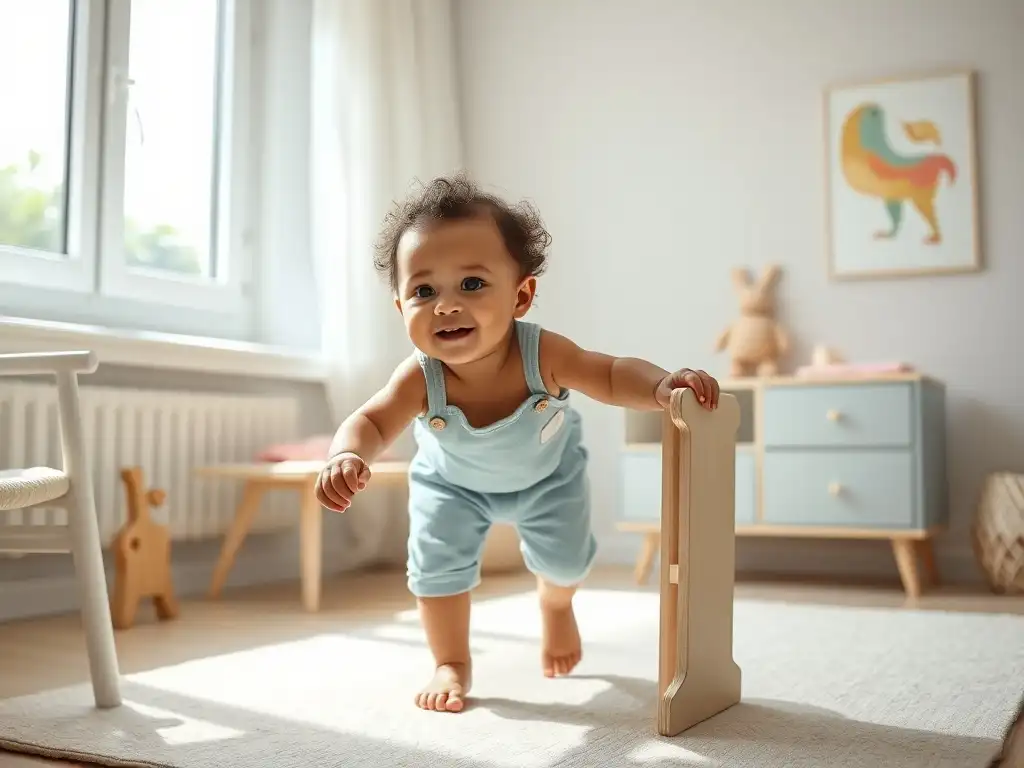
The development of gross motor skills and cognitive abilities in babies is not a case of separate, parallel tracks. Instead, they are intricately interwoven, each significantly influencing the other's progression. A baby's ability to control their body—to roll over, crawl, sit, and eventually walk—directly impacts their cognitive development. This connection is fundamental to a child's overall growth and well-being, shaping their understanding of the world and their capacity for learning.
Understanding this interplay is crucial for parents and caregivers to foster optimal development in their infants. We'll explore this vital connection in detail, examining how physical activity directly boosts brain development and enriches sensory experiences, leading to enhanced cognitive skills. The advancements in baby gross motor skill development are directly correlated with cognitive leaps, creating a positive feedback loop that fuels further growth.
How Physical Activity Stimulates Brain Development
Physical activity isn't just about building strong muscles; it's a crucial driver of brain development in infants. Movement triggers the release of various neurochemicals, including brain-derived neurotrophic factor (BDNF), often called "miracle-grow" for the brain. BDNF promotes the growth and survival of neurons, strengthens synaptic connections, and enhances learning and memory.
For example, when a baby practices lifting their head, the repetitive movements stimulate neural pathways associated with motor control, spatial awareness, and problem-solving. This isn't limited to large movements; even seemingly small actions like kicking their legs or reaching for a toy strengthen neural connections in various brain regions.
Furthermore, physical activity increases blood flow to the brain, delivering essential oxygen and nutrients that support healthy brain function. This improved circulation is vital for optimal cognitive processing, particularly in areas responsible for attention, memory, and executive function. Studies have shown a strong correlation between regular physical activity and improved cognitive performance in infants, suggesting that encouraging movement is a powerful tool for promoting brain health and cognitive development.
The more a baby moves, the more their brain grows and develops, leading to enhanced cognitive capabilities. This is why tummy time, for example, is so crucial in a baby's early development.
The Impact of Movement on Sensory Integration
Sensory integration is the process by which the brain organizes and interprets information from the various senses—sight, hearing, touch, smell, and taste. Gross motor skills play a vital role in this process. As babies move, they experience a wider range of sensory input, enriching their understanding of the world around them. For instance, crawling allows a baby to explore different textures, temperatures, and sounds, fostering sensory exploration and integration. The act of reaching for and grasping objects helps them develop hand-eye coordination and refine their perception of size, shape, and distance.
Consider a baby learning to roll over. This seemingly simple movement involves integrating visual, vestibular (balance), and proprioceptive (body position) information. The brain must process these inputs simultaneously to coordinate the muscles and execute the roll. This process strengthens neural pathways associated with sensory processing and motor control, enhancing the baby's ability to interpret and respond to sensory information efficiently. This improvement in sensory integration, in turn, supports cognitive development, allowing the baby to process and understand information more effectively. The constant feedback loop between movement and sensory input significantly contributes to cognitive development.
Cognitive Benefits of Reaching, Grasping, and Exploring
Reaching, grasping, and exploring objects are not merely motor skills; they are fundamental building blocks of cognitive development. These actions stimulate the development of problem-solving skills, hand-eye coordination, and spatial awareness. When a baby reaches for a toy, they are engaging in a complex process that involves visual tracking, planning, and execution. Successful grasping requires precise motor control and an understanding of object properties like size and weight. This process strengthens neural connections associated with planning, execution, and feedback, promoting cognitive flexibility and adaptability.
The act of exploring objects through touch, manipulation, and even putting them in their mouth, enhances their understanding of cause and effect. For example, shaking a rattle and hearing the sound helps the baby understand that their actions have consequences. This understanding of cause and effect is a foundational element of cognitive development, laying the groundwork for more complex problem-solving and reasoning skills later in life.
These seemingly simple actions are, therefore, crucial steps in the baby's journey towards advanced cognitive abilities. Encouraging exploration through providing a variety of safe and engaging toys is crucial for optimal cognitive and motor development. The more a baby explores, the more they learn about their world and themselves.
Supporting Your Baby's Gross Motor Skill Development
This section focuses on practical strategies to nurture your baby's burgeoning gross motor skills. Remember, each baby develops at their own pace, but consistent stimulation and support play a crucial role in their progress. We'll explore how to create an optimal environment and suggest engaging activities to encourage healthy development. Early intervention is key, so we'll also touch upon recognizing potential delays and seeking professional guidance when necessary. This is all about fostering your baby's natural inclination towards movement and exploration, laying the foundation for a lifetime of physical activity and coordination.
Creating a Safe and Stimulating Environment for Baby's Motor Development
A baby's environment significantly influences their gross motor skill development. Creating a safe and stimulating space is paramount. Think of it as a developmental playground designed to encourage exploration and movement. This doesn't require expensive equipment; rather, it's about thoughtful arrangement and selection of baby-safe items.
- Safe Space: Ensure your home is baby-proofed, removing any hazards that could impede movement or cause injury. This includes securing furniture, covering electrical outlets, and removing small objects that could be choking hazards. Think about floor space – a large, uncluttered area allows for ample room to crawl, roll, and eventually, walk. Consider using soft mats or rugs to cushion falls.
- Stimulating Objects: Provide a variety of textured surfaces, toys, and objects to encourage exploration. A soft playmat with different textures can be incredibly stimulating. Brightly colored, age-appropriate toys that encourage reaching, grasping, and pulling can significantly boost development. Think rattles, soft blocks, and teethers.
- Tummy Time: Don't underestimate the importance of tummy time! This seemingly simple activity strengthens neck, shoulder, and back muscles, crucial for rolling, crawling, and eventually sitting and standing. Start with short sessions (a few minutes at a time) and gradually increase the duration as your baby tolerates it. Make it fun by placing interesting toys within their reach.
- Variety is Key: Avoid overstimulation, but ensure variety in your baby's environment. Rotate toys regularly to maintain interest and challenge their developing skills. Expose them to different textures, sounds, and sights. This constant exposure helps stimulate brain development, which is intrinsically linked to motor skill development.
Engaging Activities to Encourage Gross Motor Skill Development
Active engagement is key to fostering baby gross motor skill development. These activities should be fun and adapted to your baby's developmental stage. Remember to always supervise your baby closely during these activities.
| Activity | Description | Age Range (Months) | Benefits |
|---|---|---|---|
| Tummy Time | Placing your baby on their stomach for short periods. | 0-6+ | Strengthens neck, back, and shoulder muscles. |
| Reaching and Grasping | Offering toys and objects that encourage reaching and grasping. | 3-6+ | Develops hand-eye coordination and fine motor skills. |
| Rolling | Encouraging your baby to roll from back to stomach and vice-versa. | 4-7+ | Improves body awareness and coordination. |
| Sitting Up | Supporting your baby as they learn to sit up independently. | 6-9+ | Strengthens core muscles and improves balance. |
| Crawling | Encouraging crawling through play and creating a stimulating environment. | 7-10+ | Develops gross motor skills and spatial awareness. |
| Pulling to Stand | Providing support as your baby pulls themselves up to stand. | 8-12+ | Strengthens leg muscles and improves balance. |
| Walking | Encouraging walking with support, using walkers or other assistive devices. | 9-12+ | Develops leg strength, balance, and coordination. A major milestone! |
Remember to celebrate each milestone! 🎉 Positive reinforcement encourages your baby and builds confidence.
Recognizing Potential Delays and Seeking Professional Help
While every baby develops at their own pace, it's important to be aware of potential developmental delays. If you notice significant discrepancies from the typical developmental timelines, it's crucial to seek professional help. Early intervention can make a significant difference in a child's development.
- Red Flags: These are not exhaustive, but some red flags might include: a lack of head control by 4 months, inability to roll over by 6 months, failure to sit unsupported by 8 months, and absence of crawling by 12 months. Also, persistent asymmetry in movements (e.g., always favoring one side) warrants attention.
- Seeking Help: If you have concerns, consult your pediatrician or a developmental specialist. They can assess your baby's development and provide guidance or recommend further evaluation if needed. Early intervention services can provide tailored support and therapies to address any identified delays. Don't hesitate to reach out – your concerns are valid and addressing them promptly is crucial for your baby's well-being. Early intervention is key to maximizing your child’s potential. Remember, proactive parenting is the best parenting.
The Importance of Tummy Time for Baby's Gross Motor Skills
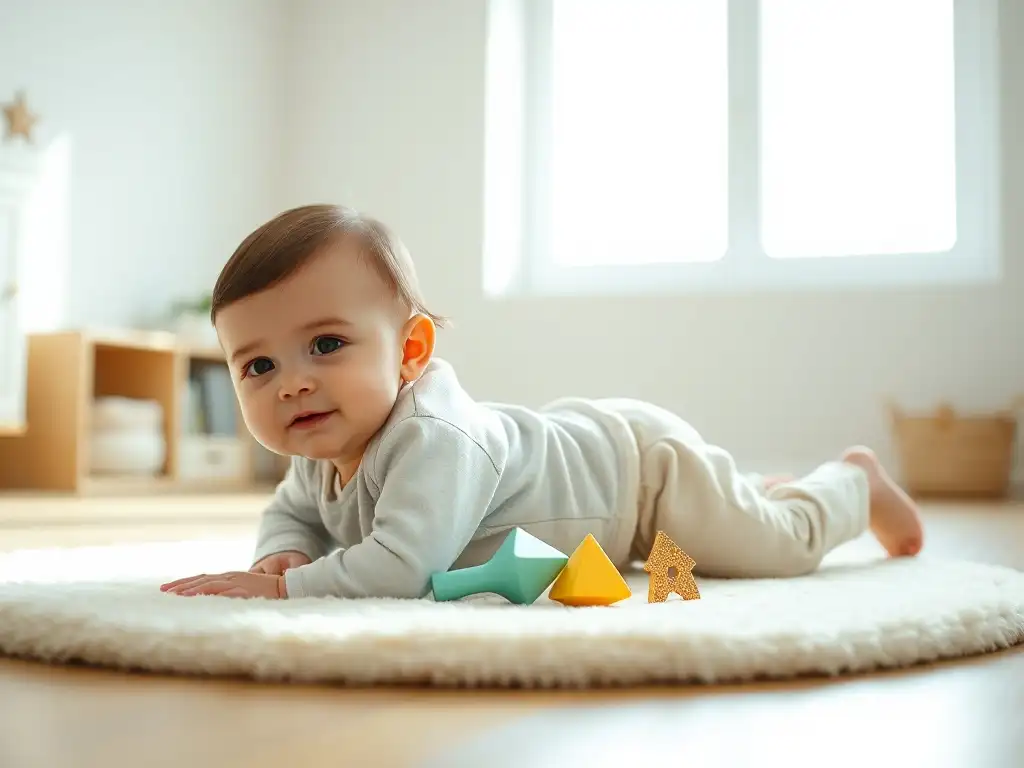
Tummy time is crucial for a baby's gross motor skill development. It's not just about strengthening their neck and upper body muscles; it's a foundational activity that contributes to a multitude of developmental leaps. From a very young age, even just a few minutes several times a day, supervised tummy time helps babies develop the strength and coordination needed to eventually roll over, crawl, sit, and eventually walk.
This seemingly simple activity strengthens muscles in the shoulders, arms, back, and neck, all essential for later milestones. Furthermore, tummy time encourages the development of head control, a critical precursor to other motor skills.
Babies who engage in regular tummy time often exhibit improved head lifting and turning skills earlier than their peers who have limited tummy time. This improved head control translates directly into better hand-eye coordination and visual tracking. Think of it like this: a baby needs to be able to lift and control their head to effectively reach for and grasp toys, a fundamental aspect of cognitive development.
The benefits extend beyond the physical; tummy time also helps babies develop spatial awareness and body awareness. By experiencing different positions and feeling their bodies in space, they begin to understand their own physical capabilities and limitations. Neglecting tummy time can lead to delays in achieving these crucial developmental milestones, potentially impacting the baby's overall development.
Therefore, even short, frequent sessions of tummy time are far more beneficial than infrequent, longer periods. Always supervise your baby during tummy time and ensure they are comfortable and happy. Remember to offer breaks and vary the position to keep your baby engaged.
Interactive Play: Games and Activities for Gross Motor Skill Development
Engaging in interactive play is a fantastic way to support your baby's gross motor skill development while simultaneously fostering a strong parent-child bond. These activities aren't just about fun; they're carefully designed to encourage specific muscle groups and movement patterns. For example, simple games like "reaching for toys" placed just out of reach encourage stretching, reaching, and grasping, building arm and shoulder strength.
This seemingly simple activity directly contributes to later milestones like crawling and pulling to stand. Another effective game involves placing your baby on their back and gently moving their legs in a cycling motion, mimicking the movements of crawling. This helps strengthen their leg muscles and prepares them for the physical demands of locomotion.
Furthermore, activities like rolling a ball back and forth can be incredibly beneficial. This not only enhances hand-eye coordination but also encourages your baby to turn and reach, improving their trunk and core strength. Remember to adjust the game's complexity to your baby's developmental stage. For younger infants, focus on simple, repetitive movements.
As they grow, you can introduce more challenging games that require greater coordination and strength. Consider incorporating different textures and surfaces into your play sessions. Playing on a soft blanket, a firm mat, or even a textured rug provides varied sensory input and promotes better body awareness. Remember to always prioritize safety.
Choose toys that are age-appropriate and avoid anything that could pose a choking hazard. Interactive play is not only beneficial for your baby's physical development but also fosters their cognitive and social-emotional growth. The positive interactions and shared experiences strengthen the bond between parent and child, creating a nurturing environment for optimal development. These playful interactions are essential for your baby's overall well-being and contribute significantly to their healthy development of baby gross motor skills.
Nutrition and its Role in Gross Motor Skill Development
A baby's ability to achieve developmental milestones, particularly in gross motor skills, is intricately linked to their nutritional intake. Adequate nutrition provides the building blocks – proteins, fats, and carbohydrates – necessary for muscle growth, bone development, and overall physical strength. This section explores the crucial relationship between nutrition and a baby's progress in mastering gross motor skills like crawling, pulling themselves up, and eventually walking.
Sufficient nutrients fuel the energy expenditure required for these activities, and deficiencies can lead to delays or difficulties. Understanding these nutritional needs is paramount for parents aiming to support their baby's optimal development. We'll delve into specific nutritional requirements and their impact on baby gross motor skill development.
The Importance of a Balanced Diet for Physical Growth
A balanced diet is the cornerstone of healthy physical growth in infants. This doesn't mean complicated meal plans; rather, it focuses on providing a variety of nutrient-rich foods appropriate for the baby's developmental stage. Breast milk or formula, during the initial months, provides a nearly perfect balance of nutrients. However, as the baby transitions to solid foods (typically around 6 months), introducing a diverse range of options becomes crucial. This includes iron-rich foods like pureed meats and lentils, calcium-rich foods like dairy products (once introduced), and fruits and vegetables offering a wide spectrum of vitamins and minerals.
Consider this example: A baby deficient in iron may experience fatigue and weakness, hindering their ability to engage in physical activities necessary for gross motor skill development. Similarly, a lack of calcium can impact bone density, potentially making it harder for the baby to support their weight while learning to stand and walk. A well-balanced diet minimizes these risks, promoting strong muscles, healthy bones, and the energy needed for active play and exploration – all vital components of baby gross motor skill development.
Nutritional Needs for Optimal Motor Development
Specific nutrients play crucial roles in supporting baby gross motor skill development. Let's examine some key players:
- Protein: Essential for building and repairing tissues, including muscles. Good sources include breast milk, formula, meats, beans, and lentils.
- Iron: Crucial for oxygen transport to muscles, preventing fatigue and supporting energy levels. Iron-rich foods include fortified cereals, pureed meats, and leafy greens (when appropriate).
- Calcium: Essential for bone development and strength, vital for supporting the baby's weight during milestones like standing and walking. Dairy products (once introduced), leafy greens, and fortified foods are good sources.
- Vitamin D: Supports calcium absorption, contributing to strong bones. Breastfed babies may require supplementation, as may formula-fed babies depending on the formula.
- Zinc: Plays a role in cell growth and repair, supporting muscle development. Good sources include meats, beans, and whole grains.
The following table summarizes these key nutrients and their sources:
| Nutrient | Importance in Gross Motor Development | Food Sources |
|---|---|---|
| Protein | Muscle building and repair | Breast milk, formula, meats, beans, lentils |
| Iron | Oxygen transport, prevents fatigue | Fortified cereals, pureed meats, leafy greens |
| Calcium | Bone development and strength | Dairy products, leafy greens, fortified foods |
| Vitamin D | Calcium absorption | Breast milk (may need supplementation), formula (may need supplementation), sunlight exposure |
| Zinc | Cell growth and repair | Meats, beans, whole grains |
Monitoring your baby's intake and consulting with a pediatrician or registered dietitian can help ensure they receive the appropriate amounts of these essential nutrients.
The Link Between Healthy Eating and Cognitive Development
The connection between nutrition and baby gross motor skill development isn't isolated; it's deeply intertwined with cognitive development. A well-nourished brain is better equipped to process information, learn new skills, and coordinate movement. Nutrients like omega-3 fatty acids, found in fatty fish and breast milk, are crucial for brain development and function. These fatty acids support the development of nerve cells and improve communication between brain regions, directly influencing a baby's ability to learn and master new motor skills.
Furthermore, adequate nutrition contributes to better overall health, reducing the risk of illnesses that can indirectly affect both cognitive and motor development. A healthy, well-nourished baby is better positioned to thrive both physically and cognitively, achieving developmental milestones more readily and efficiently. A holistic approach to nutrition supports the whole child, emphasizing the interconnectedness of physical and cognitive growth.
Monitoring Your Baby's Progress: Early Intervention
Monitoring your baby's gross motor skill development is crucial for ensuring they reach their developmental milestones. While every baby develops at their own pace, understanding typical progression allows parents to identify potential delays early on. This early identification is key to facilitating timely intervention, improving outcomes, and ensuring your little one thrives.
Regular monitoring, combined with attentive observation, empowers parents to become active participants in their child's growth journey. This section focuses on recognizing potential delays and understanding when professional guidance is necessary. Remember, seeking help early is not a sign of failure, but rather a proactive step towards supporting your child's healthy development.
Recognizing Signs of Developmental Delays in Gross Motor Skills
Recognizing potential delays in baby gross motor skill development requires careful observation and comparison against typical milestones. While variations exist, significant deviations warrant attention. For example, a baby who isn't lifting their head at 2 months, rolling over by 6 months, or sitting unsupported by 8 months, may be exhibiting a delay. Similarly, a child who struggles to crawl by 10 months or pull themselves to stand by 12 months should be assessed.
Here's a table summarizing some key indicators:
| Age Range (Months) | Expected Gross Motor Skill Development | Potential Delay Indicators |
|---|---|---|
| 2-4 | Head control while held upright, pushes up on arms when prone | Persistent inability to lift head, floppy limbs |
| 4-6 | Rolling over (both ways), reaching for objects | Difficulty rolling over, limited reaching, lack of weight bearing |
| 6-8 | Sitting unsupported, crawling | Inability to sit unsupported, no crawling attempts |
| 8-10 | Pulling to stand, cruising along furniture | Persistent inability to pull to stand, no cruising |
| 10-12 | Standing alone, taking first steps | Significant difficulty standing or walking |
Remember, this is a guideline. Individual variations are common. However, consistent failure to meet several milestones within the expected timeframe may indicate a need for professional evaluation. Don't hesitate to consult your pediatrician if you have any concerns. Early intervention is key for optimal development. Even subtle delays can sometimes indicate underlying issues that are best addressed early on.
When to Seek Professional Advice from your Pediatrician or Specialist
Seeking professional advice is crucial when you observe persistent delays or significant deviations from the typical developmental trajectory. It's always better to err on the side of caution. Don't hesitate to reach out to your pediatrician if you have any concerns about your baby's gross motor skill development. They can conduct a thorough assessment and refer you to specialists if necessary.
Some situations that warrant immediate consultation include:
- Persistent asymmetry in movement (e.g., consistently favoring one side).
- Lack of progress in several gross motor skills over several months.
- Unusual muscle tone (either too stiff or too floppy).
- Delayed reflexes.
- Family history of developmental delays.
- Your own parental intuition – trust your instincts! If something feels "off," seek professional guidance.
Early intervention significantly improves outcomes. The sooner a potential issue is identified and addressed, the better the chances of positive developmental progress. Early intervention services can provide tailored support and guidance to help your child reach their full potential.
Early Intervention Strategies to Support Development
Early intervention focuses on providing support and activities to enhance your baby's gross motor skill development. These strategies are tailored to the individual needs of the child and can include a variety of approaches. While professional guidance is crucial, parents can play a significant role in supporting their child's development at home.
Here are some strategies that can be implemented under professional guidance:
- Tummy time: Regular tummy time strengthens neck and shoulder muscles, crucial for rolling, crawling, and sitting.
- Play-based activities: Engaging your baby in playful activities like reaching for toys, playing with rattles, and interacting during playtime stimulates motor development.
- Physical therapy: A physical therapist can design a personalized program of exercises and stretches to address specific developmental challenges.
- Occupational therapy: Occupational therapy focuses on improving fine motor skills, but often incorporates gross motor activities as well.
- Creating a stimulating environment: Providing a safe and stimulating environment with opportunities for movement and exploration is essential for development.
Remember, consistency and patience are key. Celebrate every milestone achieved, no matter how small. Early intervention is a collaborative effort between parents, professionals, and the child, focusing on fostering growth and development. The journey may have its challenges, but the rewards of supporting your baby's development are immeasurable. 👶
Frequently Asked Questions
What are gross motor skills in babies?
Gross motor skills are large movements your baby makes using their arms, legs, and torso. These include actions like rolling over, crawling, sitting, and walking. Developing these skills is crucial for overall development.
How can I encourage my baby's gross motor skill development?
Provide a safe and stimulating environment with plenty of tummy time, opportunities to explore different textures, and age-appropriate toys. Interaction and play are key to encouraging movement and exploration.
What is the connection between gross motor skills and cognitive development?
Gross motor skill development is strongly linked to cognitive growth. Physical activity stimulates brain development, improving problem-solving skills and spatial awareness. The more they move, the more they learn!
At what age should my baby be reaching certain gross motor milestones?
While every baby develops at their own pace, there are general guidelines. For example, most babies roll over around 4-6 months, crawl around 8-10 months, and walk around 12 months. Consult your pediatrician if you have concerns.
What should I do if my baby seems behind in their gross motor skill development?
If you have concerns, consult your pediatrician. They can assess your baby's development and provide guidance or refer you to specialists if needed. Early intervention is key.
Final Reflection: Unlocking Potential: The Everlasting Impact of Gross Motor Development
The seamless intertwining of physical movement and cognitive development in infancy is not merely a developmental milestone; it's the foundation upon which a lifetime of learning and achievement is built. Understanding this profound connection is crucial not only for parents and caregivers but also for shaping educational and healthcare policies that support optimal child development from the earliest stages of life. The implications are far-reaching and continue to resonate in our understanding of lifelong learning and well-being.
The exploration of gross motor skill development has profoundly impacted my own understanding of childhood development, highlighting the subtle yet powerful ways in which physical activity shapes a child's cognitive abilities. Play is the highest form of research.
- Albert Einstein. This quote perfectly encapsulates the importance of allowing children the freedom to explore their world through movement, fostering both physical and mental growth simultaneously. The sheer joy and wonder observed in a child mastering a new physical skill—from crawling to walking—is a testament to the intrinsic link between body and mind, a connection that deserves continuous nurturing and support.
Consider the impact of early intervention programs designed to stimulate gross motor skills. Think about how you can actively encourage movement and play in the lives of children around you. You hold the power to nurture the next generation of thinkers, innovators, and leaders by fostering a deep appreciation for the mind-body connection. Embrace the joy of movement, encourage exploration, and witness firsthand the remarkable unfolding of a child's potential. Let the journey of gross motor development inspire you to champion the holistic development of every child.
Unlock Your Child's Potential: Nurture Mind & Body Growth
Thank you for exploring the fascinating world of gross motor skills and their impact on cognitive development! You've learned how movement significantly boosts your child's brainpower. Now, let's put that knowledge into practice!
- Prioritize playtime: Dedicate at least 30 minutes each day to active, playful interaction with your child. Encourage activities like crawling, climbing, running, and jumping—their bodies and minds will thrive.
- Create a movement-rich environment: Transform your home into a playful adventure zone! Think beyond store-bought toys; use pillows for climbing, blankets for tunnels, and open spaces for exploration.
- Share your experiences: Join our BabyCareHub community and share your child's developmental milestones and movement-based activities. Let's inspire one another!
What creative movement activities will you and your child enjoy today to nurture their mind-body connection?