
The Magic of "Mama" and "Dada": First Syllables and Their Significance (46 Months)

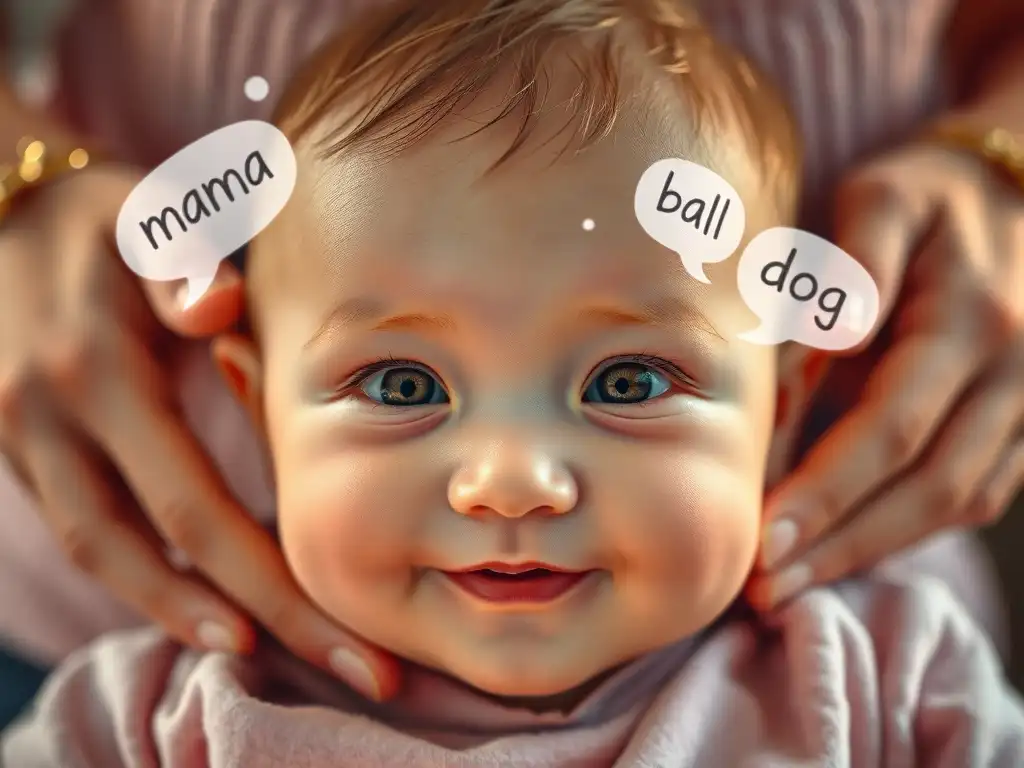
Welcome to BabyCareHub, your ultimate guide to navigating the incredible journey of parenthood! Are you ready to unlock the secrets behind your little one's development? We delve into the fascinating world of baby milestones, starting with the heart-melting moment when those first precious syllables are uttered.
Discover the profound significance of your baby's first word, and learn how this seemingly small step marks a giant leap in their cognitive development. Explore the magic of "Mama" and "Dada" and much more in our comprehensive article, "The Magic of 'Mama' and 'Dada': First Syllables and Their Significance (46 Months)," — your journey to understanding your baby's growth starts now!
- Understanding Your Baby's First Words: A Developmental Milestone
- Baby First Word Significance: The Emotional Connection
- Baby First Word Significance: Cognitive Development and Language Skills
- Supporting Your Baby's Language Development: Practical Tips
- When to Seek Professional Help: Identifying Potential Delays
- Frequently Asked Questions
- Final Reflection: The Enduring Power of "Mama" and "Dada"
- Unlock Your Baby's Language Journey: First Words and Beyond!
Understanding Your Baby's First Words: A Developmental Milestone
The journey of a baby's language development is a fascinating and crucial aspect of their overall growth. From the initial coos and gurgles to the first recognizable words, each milestone represents a significant leap in cognitive and communicative abilities. This article focuses on the profound significance of a baby's first words, particularly the often-anticipated "Mama" and "Dada," and what these early utterances reveal about their developing brains and social understanding.
We'll explore the typical timeline for these milestones, offering insights into what parents can expect and how they can support their child's language acquisition during this exciting phase. Understanding the nuances of early language development empowers parents to nurture their child's linguistic abilities and foster strong communication bonds from the very beginning.
This understanding is key to recognizing potential developmental delays and seeking appropriate support when necessary. We will delve into the specific developmental markers associated with the 46-month mark, providing a comprehensive overview of expected language skills and offering valuable tips for parents.
The Significance of "Mama" and "Dada": More Than Just Sounds
The utterance of "Mama" and "Dada" is often met with overwhelming joy by parents. But these seemingly simple sounds represent a monumental leap in a baby's cognitive and social development. It's not just about mimicking sounds; it's about associating specific sounds with specific individuals and understanding the concept of naming. This demonstrates an evolving understanding of social relationships and the power of language to connect and communicate.
Studies show that the timing of these first words can vary, but they often emerge between 9 and 12 months. However, it's crucial to remember that every child develops at their own pace. Some babies may say "Mama" or "Dada" earlier, while others may reach this milestone later. The key is to focus on the overall trajectory of their language development rather than fixating on specific timelines.
The emotional connection fostered by these first words is undeniably powerful, strengthening the bond between parent and child and laying the foundation for future communication. This emotional connection is crucial for a baby's overall well-being and development. Furthermore, the act of saying these words initiates a positive feedback loop; the parent's enthusiastic response reinforces the child's attempts at communication, encouraging further vocalizations and language exploration.
Early Language Development: Recognizing Patterns and Sounds
Before the emergence of "Mama" and "Dada," babies engage in a series of developmental steps that lay the groundwork for their first words. These include:
- Cooing and babbling: These early vocalizations involve experimenting with sounds and tones, developing the motor skills necessary for speech.
- Gesturing: Babies use gestures, like pointing, to communicate their needs and desires before they can use words.
- Understanding simple words: Even before they can speak, babies begin to understand simple words and commands.
- Responding to their name: This shows they are starting to associate sounds with themselves.
These pre-linguistic skills are essential for subsequent language acquisition. The ability to recognize patterns in sounds, to associate sounds with objects and people, and to understand the communicative intent behind gestures all contribute to the eventual production of meaningful words. Parents can actively support this process through interactive play, reading aloud, and engaging in conversations with their babies, even if the babies aren't yet speaking themselves.
The more exposure babies have to language, the richer their vocabulary and linguistic understanding will become. The consistent use of simple, repetitive language, along with positive reinforcement, helps babies learn and associate words with their meanings.
The 46-Month Mark: What to Expect in Language Acquisition
By the 46-month mark (almost 4 years old), a child's language skills should have significantly progressed. While the focus of this article is on earlier milestones, understanding the broader context of language development helps to frame the significance of those first words. At 46 months, a child is typically expected to:
- Have a vocabulary of several hundred words.
- Speak in simple sentences.
- Understand and follow simple instructions.
- Engage in conversations, albeit sometimes limited.
- Show an increasing understanding of grammar and sentence structure.
While variations exist, significant deviations from these expectations at this age warrant further investigation and potential professional assessment. The early milestones, such as the first utterances of "Mama" and "Dada," are integral stepping stones in this journey. The consistent and enthusiastic support provided by caregivers during the early stages directly impacts the child’s later language proficiency. Understanding this developmental trajectory helps parents appreciate the significance of every babble, gesture, and eventually, every first word. 👶 The journey from "Mama" and "Dada" to complex sentences is a testament to the incredible capacity for language acquisition in young children.
Baby First Word Significance: The Emotional Connection
The significance of a baby's first word extends far beyond the simple utterance of a sound. It marks a monumental leap in their cognitive and emotional development, forging a deeper connection with caregivers and laying the foundation for future language acquisition. The emotional impact on parents is equally profound; hearing "Mama" or "Dada" for the first time is an overwhelmingly joyous and deeply personal experience, solidifying the parent-child bond in a powerful way.
This milestone isn't just about language; it's about love, connection, and the blossoming of a unique relationship. Research consistently shows that early verbal interactions significantly contribute to a child's overall well-being and development, fostering a sense of security and belonging.
The timing of this milestone varies greatly between babies, with some uttering their first words as early as 9 months, while others may take a little longer, closer to 12 months. This variation is perfectly normal and shouldn't be a cause for concern unless other developmental delays are present.
The Power of Parental Bonding Through Early Communication
The first words a baby utters, often "Mama" or "Dada," are not random. They represent a conscious effort to connect with their primary caregivers. This isn't simply imitation; it's a deliberate attempt at communication, demonstrating their growing understanding of social interaction and their ability to associate sounds with specific individuals. The emotional response from parents reinforces this behavior, creating a positive feedback loop that encourages further language development.
This early bonding through communication lays the groundwork for a secure attachment, impacting the child's emotional regulation, self-esteem, and social skills throughout their life. Consider this: the warmth and affection expressed when a baby utters their first recognizable words strengthens the parent-child bond, creating a foundation of trust and security that is crucial for healthy development. The simple act of responding enthusiastically – with smiles, hugs, and verbal affirmation – significantly contributes to the child's language development and overall emotional well-being.
Responding to Your Baby's Vocalizations: Encouraging Language Growth
Responding promptly and enthusiastically to your baby's vocalizations, even before they utter their first words, is crucial for language development. This means engaging with their babbling, cooing, and gurgling. Think of it as a conversation, even if it's one-sided at first. Research suggests that babies whose caregivers engage actively in "baby talk" – characterized by higher pitch, exaggerated intonation, and simple vocabulary – show accelerated language growth.
This isn't about talking down to your baby, but rather about providing clear, repetitive, and stimulating auditory input that helps them understand the rhythm and patterns of language. A simple strategy is to narrate your daily activities, describing what you're doing and what you see. For example, "Mommy is making a bottle for you, baby. See the milk?
It's yummy!" This constant exposure to language significantly boosts their vocabulary and comprehension skills. Remember, even seemingly insignificant interactions contribute to the process, fostering a love for communication and language.
| Interaction Type | Response Example | Impact on Development |
|---|---|---|
| Babbling | "Oh, you're babbling! That's wonderful!" | Encourages vocalization and experimentation with sounds |
| Cooing | "You sound so happy! Coo-coo!" | Reinforces positive vocal expression |
| Pointing at an object | "Is that a doggy? Yes, it's a fluffy doggy!" | Connects words with objects, expanding vocabulary |
Non-Verbal Communication: Understanding Your Baby's Cues
While the first words are a significant milestone, non-verbal communication plays an equally crucial role in a baby's language development. Understanding your baby's cues – facial expressions, body language, and gestures – is essential for effective communication and responsive parenting. For example, a furrowed brow might indicate discomfort, while a wide smile usually signals happiness.
A baby reaching for an object is a clear indication of their desire for that object. Paying close attention to these non-verbal cues allows you to respond appropriately, further strengthening the parent-child bond and encouraging communication. This holistic approach to understanding your baby’s communication – encompassing both verbal and non-verbal cues – fosters a secure and nurturing environment, supporting their overall development and language acquisition.
Learning to interpret these subtle signs is a vital skill for any parent, enabling you to meet your baby's needs and build a strong foundation for future communication. The ability to understand and respond to non-verbal cues contributes significantly to the baby's emotional security and overall well-being, laying the groundwork for healthy social and emotional development.
Baby First Word Significance: Cognitive Development and Language Skills
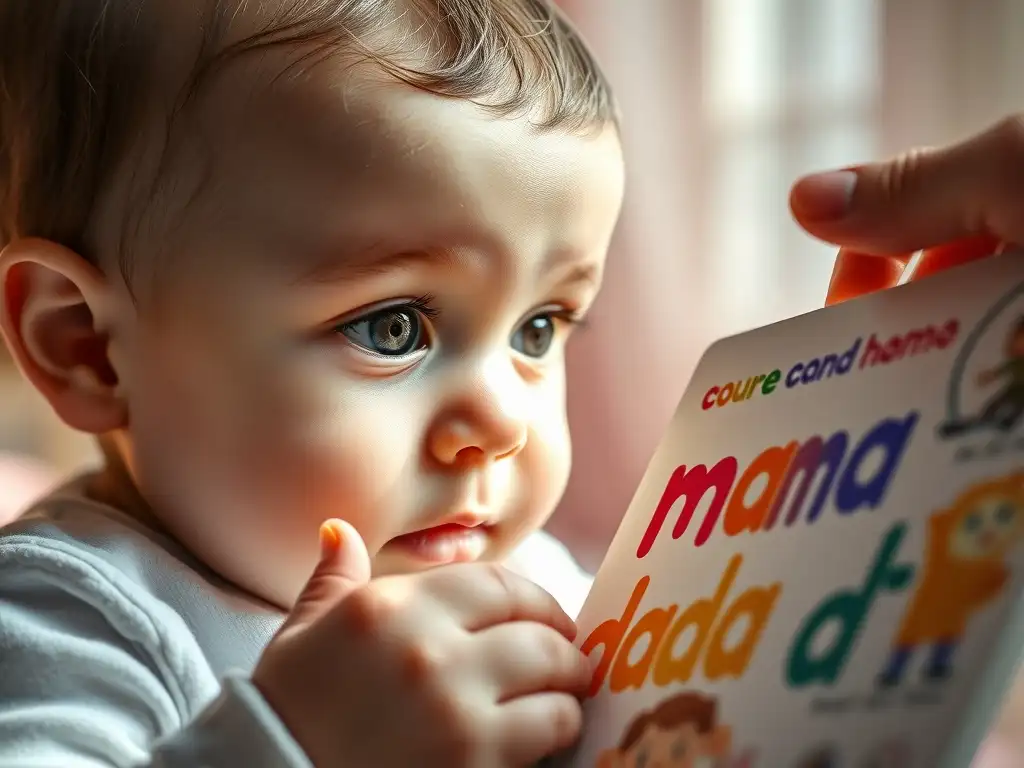
This section delves into the profound connection between a baby's first words – often "mama" and "dada" – and their burgeoning cognitive and language abilities. Understanding this link empowers parents to nurture their child's linguistic growth effectively. The significance of these initial vocalizations extends far beyond simple imitation; they represent a milestone in cognitive development and lay the groundwork for future communication skills.
The timing of these first words, while variable, typically falls within the 9-15 month range, although some babies may reach this milestone earlier or later. This natural variation underscores the importance of focusing on the overall developmental trajectory rather than strict timelines.
The Relationship Between Speech and Cognitive Development
The emergence of a baby's first words is intricately linked to their cognitive development. Research consistently demonstrates a strong correlation between early language acquisition and overall cognitive abilities. For example, studies have shown that children who start speaking earlier tend to perform better on tests of problem-solving, memory, and attention.
This is because language development is not an isolated skill; it relies heavily on cognitive processes like memory, comprehension, and symbolic thinking. Saying "mama" or "dada" isn't just about mimicking sounds; it involves understanding that these sounds represent specific people and their associated emotions and actions. This understanding reflects a significant leap in the baby's cognitive capacity to associate symbols (words) with meaning (people).
Furthermore, the process of learning and using language strengthens neural connections in the brain, enhancing cognitive function across multiple domains. The brain's plasticity during this period is remarkable, and consistent linguistic stimulation helps shape neural pathways crucial for future learning. This period sets the stage for future literacy development and academic success. Early intervention in cases of delayed language acquisition can significantly improve outcomes, highlighting the critical role of early language development in a child's overall cognitive trajectory.
Building a Strong Foundation for Future Language Skills
A baby's first words, particularly the meaningful association of "mama" and "dada," are essential building blocks for future language skills. These initial verbalizations establish a foundation for vocabulary expansion, grammatical understanding, and communication proficiency. The ability to connect sounds with meaning is fundamental to language acquisition. Once a child understands that a specific sound represents a person or object, they are more likely to expand their vocabulary, recognizing patterns and relationships between words. This process is facilitated through consistent exposure to language, interaction with caregivers, and opportunities for communication.
The accuracy of pronunciation isn't as important as the intentionality behind the utterance. The effort the child makes to communicate, even with imperfect sounds, signifies a crucial step in their linguistic journey. Parents can further strengthen this foundation by engaging in interactive activities, reading aloud, and singing songs.
These activities not only expose the child to new vocabulary and sentence structures but also foster a positive association with language learning. This positive reinforcement significantly impacts the child's motivation and confidence in their communicative abilities. The more comfortable a child feels expressing themselves, the more likely they are to continue developing their language skills.
Stimulating Language Development Through Play and Interaction
Parents can actively stimulate their baby's language development through playful interaction and responsive communication. Simple activities like pointing to objects and naming them, reading picture books, and singing nursery rhymes are highly effective. These activities provide rich linguistic input, exposing the baby to various sounds, words, and sentence structures. The use of exaggerated facial expressions and clear, slow speech can further enhance comprehension and engagement.
Creating a language-rich environment is paramount. Talking to your baby frequently, narrating daily activities, and responding to their vocalizations, however rudimentary, are all crucial strategies. Remember to engage in back-and-forth communication, even if it's just a series of gurgles and babbles.
This responsive interaction shows the baby that their communication attempts are valued and encourages them to continue participating in the conversation. This constant interaction, filled with positive reinforcement and encouragement, creates a nurturing environment that fosters language growth and builds a strong parent-child bond. The significance of this early interaction cannot be overstated; it lays the foundation for a lifelong love of learning and communication.
Supporting Your Baby's Language Development: Practical Tips
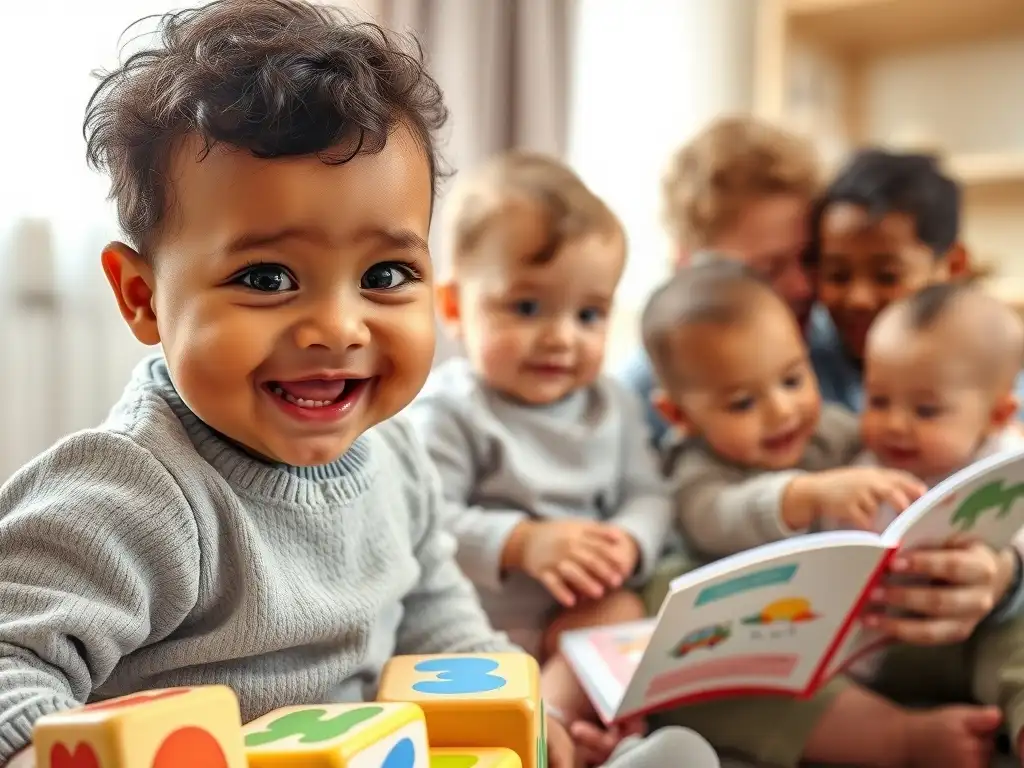
This section focuses on practical strategies parents can implement to nurture their baby's burgeoning language skills. Remember, every interaction is an opportunity to enrich your baby's linguistic journey. The significance of early language development cannot be overstated; it lays the foundation for future academic success and overall cognitive development. Early intervention is key, and even seemingly small actions can have a profound impact. Let's explore some effective techniques.
Creating a Language-Rich Environment at Home
Creating a stimulating environment is crucial for fostering language acquisition. Think of your home as a language learning playground! Surround your baby with opportunities to hear and experience language in diverse ways. This isn't about formal lessons; it's about integrating language into your daily routines.
Consider these practical steps:
- Talk constantly: Narrate your actions throughout the day. "Now I'm putting the milk in the bottle," or "We're going to change your diaper now." Even seemingly mundane tasks become opportunities for language exposure. This constant verbal interaction significantly contributes to vocabulary expansion and comprehension.
- Use simple, clear language: Avoid baby talk (unless used sparingly and playfully). Use age-appropriate words and sentences. While "mama" and "dada" are significant milestones, using grammatically correct language helps them develop language structures.
- Respond to babbling and vocalizations: When your baby makes sounds, respond enthusiastically. This shows them that their communication attempts are valued and encourages further vocal exploration. This positive reinforcement is critical for language development. For example, if your baby coos, you could respond with, "Oh, you're making such sweet sounds!"
- Label objects: Point to objects and name them. "This is a ball. It's round and red." Repeat this frequently, associating the word with the object. Consistency is key to successful vocabulary acquisition.
- Read aloud frequently: Even before your baby understands the words, the rhythm and intonation of your voice are beneficial. Reading aloud exposes them to a wide range of vocabulary and sentence structures, laying the foundation for future literacy.
Engaging in Interactive Reading Sessions
Interactive reading sessions are far more effective than passively reading to your baby. These sessions should be engaging, stimulating, and fun, maximizing the learning potential. Think of it as a two-way communication process, not a one-way lecture.
Here's how to make your reading sessions more impactful:
- Choose age-appropriate books: Select books with bright colors, simple words, and repetitive phrases. Board books are ideal for babies due to their durability. The visual appeal complements the auditory experience.
- Use different voices and intonations: Bring the characters to life with varied vocal expressions. This helps to capture your baby's attention and make the reading experience more dynamic and engaging.
- Point to pictures and name them: Engage your baby by pointing to the pictures and naming the objects. This helps them connect the words with the images, building their vocabulary and comprehension.
- Ask questions: Even if your baby can't answer verbally, asking questions like, "Where's the doggy?" encourages interaction and helps them associate words with actions and images.
- Make it playful: Incorporate sounds, actions, and gestures to make the reading session more enjoyable and memorable for your baby. The more fun the interaction, the more likely your baby is to participate and learn.
Singing Songs and Rhymes with Your Baby
Singing songs and rhymes is a fantastic way to promote language development. The rhythmic nature of songs and rhymes helps babies learn the patterns of language, improving their phonological awareness—the ability to recognize and manipulate the sounds of language. This is a vital pre-reading skill.
Here are some tips for maximizing the benefits:
- Choose songs and rhymes with repetitive phrases: Repetitive phrases help babies learn and remember words and phrases more easily. Classic nursery rhymes are excellent choices for this reason.
- Use hand gestures and actions: Incorporate actions and gestures into the songs and rhymes to make them more engaging and interactive. This multimodal approach enhances learning and memory.
- Sing slowly and clearly: Sing slowly and clearly, enunciating each word. This helps babies hear and understand the sounds of language.
- Make it interactive: Encourage your baby to participate by making sounds or actions along with you. This interactive element increases engagement and reinforces learning.
- Vary your repertoire: Introduce a variety of songs and rhymes to keep your baby interested and engaged. Variety ensures a broader exposure to language patterns and vocabulary. Consider incorporating songs from different cultures to broaden their exposure even further.
Remember, consistency and patience are key. The journey of language development is gradual and unique to each baby. Celebrate every milestone, big or small, and enjoy the process of nurturing your baby's communication skills. The significance of these early interactions will have a lasting impact on your child's future.
Talking to Your Baby Frequently: The Importance of Conversation
Frequent conversation is paramount in a baby's language development journey. It's not just about the words themselves, but the rhythm, intonation, and the emotional connection fostered through verbal interaction. Think of it as building the foundation for their linguistic skills. From the moment your baby is born, start talking to them.
Describe what you're doing, narrate your day, and sing songs. Even if they don't understand the meaning of the words, they're absorbing the sounds and patterns of speech. This constant auditory stimulation helps them develop crucial phonological awareness – the ability to recognize and manipulate the sounds of language, a cornerstone of reading and spelling later on. Studies have consistently shown a strong correlation between the amount of parent-child talk and a child's vocabulary size at later ages.
For example, research indicates that children whose parents engage in extensive "parentese" (the high-pitched, exaggerated speech often used with babies) tend to have larger vocabularies by the age of two. Remember, your baby is a keen listener, even before they can speak themselves. The more you talk, the more they learn.
This consistent verbal interaction also strengthens the parent-child bond. The soothing tone of your voice, the warmth of your presence during these conversations, creates a secure and loving environment conducive to learning. This emotional security is crucial for optimal brain development and language acquisition. Consider the impact of a daily bedtime story, not just for the narrative, but for the shared moment of connection and comfort.
It's a ritual that reinforces the bond and simultaneously nurtures language growth. Furthermore, talking to your baby frequently helps them learn turn-taking in conversation – a crucial social skill that is vital for effective communication throughout their lives. They learn to anticipate your responses, to pause, and to wait for their turn to "speak," even if it's just through gurgles and coos. This reciprocal interaction is a powerful learning tool.
Beyond the spoken word, remember the power of non-verbal communication. Facial expressions, gestures, and even your body language contribute significantly to your baby's understanding. Pointing at objects while naming them, using exaggerated facial expressions to emphasize certain words, all enhance their comprehension and engagement.
This multi-sensory approach to communication makes learning more fun and effective, turning language acquisition into a playful, interactive experience rather than a passive one. Think of it as a constant, enriching conversation, a building block for their future communication skills. The more you invest in this early communication, the more richly rewarding the experience will be for both you and your baby.
When to Seek Professional Help: Identifying Potential Delays
Understanding typical language development milestones is crucial for parents, but it's equally important to recognize when a child might be experiencing a delay. While every child develops at their own pace, consistent delays warrant professional attention. This section focuses on identifying potential red flags and understanding the importance of early intervention for optimal language acquisition. The timely identification of potential delays in a baby's first words is paramount for long-term language development success.
Recognizing Signs of Delayed Language Development
Several indicators might suggest a delay in language development. These aren't definitive diagnoses, but rather signals prompting a consultation with a pediatrician or speech-language pathologist. Consider these points regarding your baby's first words and subsequent communication:
- Limited Vocalizations: By 6 months, most babies babble extensively, experimenting with sounds and intonation. A significant lack of babbling or vocal play could be a concern. For example, a baby who rarely makes sounds other than crying or fussing might require assessment.
- Absence of First Words: While the timing of first words varies, most babies utter their first recognizable words (like "mama" or "dada") between 10 and 14 months. A notable delay beyond 15 months, with no clear attempts at communication beyond babbling, warrants investigation.
- Lack of Response to Name: By 12 months, babies typically respond to their names. A consistent failure to react to their name when called, even with clear visual cues, is another potential warning sign.
- Poor Comprehension: A baby who doesn't seem to understand simple instructions or questions, even at 18 months, may be experiencing a language delay. For instance, if they don't respond when asked to "give me the ball," it's worth exploring further.
- Difficulty Imitating Sounds: The ability to imitate sounds is an important aspect of language acquisition. A lack of imitation, even simple sounds or words, should be noted. This might manifest as an inability to repeat sounds made by caregivers.
Remember, these are just potential indicators. A single sign doesn't necessarily mean a problem exists. However, the presence of multiple signs or significant concern from parents should prompt a professional evaluation. Early detection is key to maximizing the benefits of intervention. The significance of a baby's first word is not solely in the word itself, but also in the overall trajectory of their communication skills.
The Role of Early Intervention in Language Acquisition
Early intervention plays a vital role in addressing potential language delays. The earlier intervention begins, the more effective it tends to be. Intervention strategies might involve:
- Speech-Language Therapy: A speech-language pathologist (SLP) can assess a child's language skills and develop individualized therapy plans to address specific needs. Therapy often involves playful activities designed to stimulate language development.
- Parent Training and Education: Parents are key partners in a child's language development. SLPs often provide guidance and strategies that parents can implement at home to support their child's progress. This might include specific techniques for interacting with the baby and enriching their language environment.
- Educational Programs: In some cases, early intervention may involve participation in specialized educational programs designed to support language acquisition in young children. These programs often provide structured learning environments with focused language activities.
Early intervention significantly increases the chances of a child catching up to their peers and achieving their full language potential. The positive impacts of early intervention can be substantial, improving not only language skills but also overall cognitive development and social-emotional well-being. Addressing delays promptly minimizes the potential long-term effects of language difficulties.
Resources and Support for Parents
Parents facing concerns about their child's language development have several resources available to them:
- Pediatrician: The pediatrician is the first point of contact for any developmental concerns. They can conduct preliminary assessments and refer parents to appropriate specialists.
- Speech-Language Pathologists: SLPs are experts in evaluating and treating communication disorders. They can provide comprehensive assessments and tailored therapy plans.
- Early Intervention Programs: Many communities offer early intervention programs specifically designed to support children with developmental delays. These programs provide comprehensive services, including therapy, education, and family support.
- Online Resources and Support Groups: Numerous online resources and support groups offer information and peer support for parents of children with language delays. These platforms can provide valuable information and a sense of community.
Remember, seeking help is a sign of strength, not weakness. Early intervention can make a significant difference in a child's life, ensuring they reach their full potential. Don't hesitate to reach out for support if you have concerns about your baby's language development. The significance of early intervention in addressing potential delays cannot be overstated.
Frequently Asked Questions
What is the significance of a baby's first word?
A baby's first word marks a major milestone in their language development. It signifies their understanding of symbolic representation, showing they're connecting sounds with meaning. This is a crucial step towards communication and cognitive growth.
Why do many babies' first words tend to be "Mama" or "Dada"?
These words are often the first because they're frequently repeated by caregivers. Babies learn through repetition and association, and these words are easily recognizable and reinforced. The emotional connection also plays a significant role.
What if my baby's first word isn't "Mama" or "Dada"? Should I be concerned?
No, there's no cause for concern. Many babies' first words are other familiar nouns, like "ball" or "dog," or even action words. Every child develops at their own pace. Variability is normal.
At what age should I expect my baby to say their first word?
Most babies say their first word between 10 and 14 months, but there's a wide range of normal development. Some babies may say their first word earlier or later. Don't compare your child's progress to others.
How can I encourage my baby's language development?
Talk, sing, and read to your baby frequently. Use simple words and repeat them often. Engage in interactive games like peek-a-boo to stimulate communication. Positive reinforcement is key!
Final Reflection: The Enduring Power of "Mama" and "Dada"
The seemingly simple utterances of "Mama" and "Dada" are not merely milestones in a child's development; they represent the foundational building blocks of language, love, and connection, profoundly shaping the trajectory of a human life. These first words, often uttered with a mixture of wonder and delight, are far more significant than we often realize, impacting not only the child's linguistic future but also their emotional and psychological well-being.
The influence of those initial syllables extends far beyond the immediate family. The emotional security fostered by these early interactions lays the groundwork for future relationships and communication skills. The language of the home is the language of the heart.
This quote perfectly encapsulates the lasting impact of those first spoken words, shaping a child's understanding of love, trust, and their place in the world. The way a parent responds to those initial attempts at communication sets a tone for future interactions, influencing the child's self-esteem and confidence in expressing themselves.
Consider the power of those first words. They are not just sounds; they are the genesis of a lifelong conversation, a testament to the enduring bond between parent and child. You, the reader, are encouraged to reflect on your own first words and the memories associated with them. Think about the impact those early interactions had on your development, and how you can consciously foster that same sense of security and connection in the children in your life. Let the magic of "Mama" and "Dada" inspire you to nurture the language of love and connection in every interaction.
Unlock Your Baby's Language Journey: First Words and Beyond!
Thank you for exploring the world of early language development with us! We hope you found our insights helpful. Now, let's put that knowledge into practice.
- Create a "First Words" journal: Record your baby's language milestones—from babbling to their first words. This will become a treasured keepsake.
- Share your baby's favorite sounds and early words in the comments below! Let's build a supportive community where parents can celebrate these special moments together.
- Create a stimulating language-rich environment at home: Engage in simple games and conversations, and most importantly, shower your baby with love! Reading aloud and singing songs will add to the experience.
Ready to watch your little one's language skills flourish? What exciting sounds or words are they discovering now?