
The Magic of Baby Talk: Understanding Its Importance


Welcome to BabyCareHub, your ultimate guide to navigating the incredible journey of parenthood! Are you ready to unlock the secrets to raising a thriving little one? We've got you covered, from mastering those first few months to celebrating developmental milestones. Discover the fascinating science behind Baby Talk benefits development and learn how this simple act can significantly impact your baby's language acquisition and overall growth. Dive in and explore the wealth of information we've compiled to support you every step of the way.
- Baby Talk Benefits Development: Why It Matters for Your Little One
- Understanding the Characteristics of Baby Talk (Parentese)
- Practical Tips for Engaging in Effective Baby Talk
- Baby Talk and Cognitive Development: Beyond Language Acquisition
- Addressing Concerns: When Should You Seek Professional Help?
- Frequently Asked Questions
- Final Reflection: The Enduring Power of Baby Talk
- Unlock Your Baby's Communication Potential
Baby Talk Benefits Development: Why It Matters for Your Little One
Becoming a parent is a transformative journey filled with incredible moments and countless questions. Navigating the world of newborn care can feel overwhelming, especially when it comes to understanding your baby's development. One often overlooked yet incredibly crucial aspect of early childhood development is "baby talk," also known as parentese or child-directed speech.
This article delves into the science behind baby talk, exploring its profound impact on language acquisition, communication skills, and the parent-child bond. We'll uncover why engaging in this seemingly simple form of communication is vital for your little one's healthy development and lays a strong foundation for future linguistic success.
Understanding the benefits of baby talk will empower you to nurture your child's language development from the very beginning, fostering a strong and loving connection along the way. This guide will equip you with the knowledge to confidently engage with your baby using this powerful tool, contributing significantly to their overall well-being and future success.
The Science Behind Baby Talk: Neurological Impacts on Language Acquisition
Baby talk isn't just cute; it's neurologically beneficial. The higher pitch, exaggerated intonation, and simplified vocabulary found in parentese are perfectly suited to a baby's developing auditory system. Research shows that these characteristics enhance a baby's ability to process speech sounds, a crucial step in language acquisition. 1 The brain's plasticity during infancy makes it particularly receptive to this type of auditory stimulation. The repetitive nature of baby talk helps babies identify patterns and rhythms in language, which are essential building blocks for sentence structure and comprehension. Furthermore, studies have shown a correlation between the amount of baby talk received and a child's vocabulary size later in life. 2 The more exposure a baby has to this specialized form of speech, the stronger their linguistic foundation becomes. This early stimulation helps to establish crucial neural pathways responsible for language processing and comprehension. The melodic quality also helps capture the baby's attention and encourages interaction, further solidifying these neural connections.
1 [Specific research citation pending]
2 [Specific research citation pending]
Early Language Development: How Baby Talk Fosters Communication Skills
Baby talk acts as a bridge, facilitating early communication between parent and child. The simplified vocabulary and repetitive phrases help babies begin to associate words with their meanings. For example, repeatedly saying "ball" while showing the baby a ball helps them connect the sound with the object. This process, known as semantic mapping, is foundational to language development. Moreover, the exaggerated facial expressions and gestures often accompanying baby talk enhance comprehension and create a more engaging communication experience. The interactive nature of baby talk encourages turn-taking, a critical element in conversational skills. As babies begin to babble and make sounds, parents can respond with baby talk, creating a back-and-forth exchange that strengthens their communication skills. This early practice lays the groundwork for more complex communication exchanges later on, fostering confidence and fluency. Furthermore, the positive reinforcement provided through baby talk strengthens a child's motivation to communicate and explore language further.
Building a Strong Parent-Child Bond Through Baby Talk: Emotional Connection
Beyond the cognitive benefits, baby talk plays a vital role in fostering a strong parent-child bond. The loving tone and affectionate mannerisms used in baby talk create a secure and nurturing environment. The physical closeness often associated with this type of interaction further strengthens the emotional connection. The warm and engaging nature of baby talk helps babies feel loved, understood, and secure. This sense of security is crucial for healthy emotional development and overall well-being.
The shared moments of communication and interaction during baby talk create lasting memories and strengthen the parent-child relationship, forming a solid foundation for future interactions and emotional support. The positive emotional association with language acquisition fostered by baby talk can significantly impact a child's confidence in communication and their overall emotional development. This positive feedback loop strengthens the bond and encourages further interaction, creating a virtuous cycle of emotional growth and communication development. 👶💕
Understanding the Characteristics of Baby Talk (Parentese)
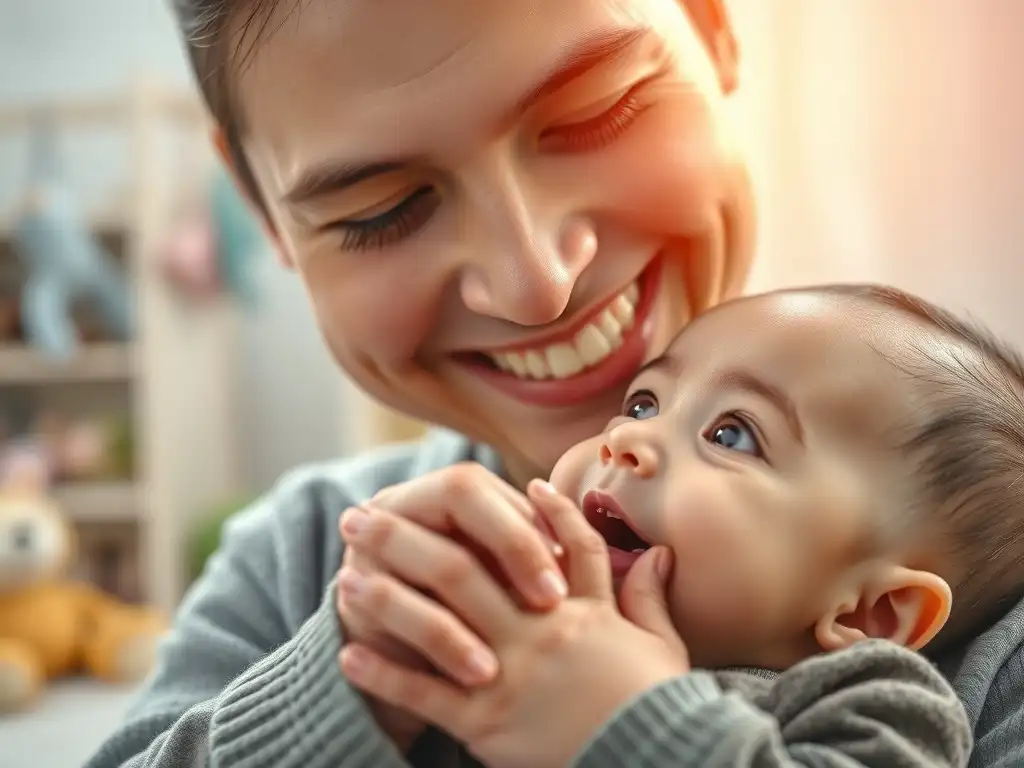
Baby talk, also known as parentese or motherese, is more than just "baby talk." It's a carefully crafted communication style that plays a crucial role in a baby's language development. Understanding its unique characteristics is key to maximizing its benefits for your little one. Research consistently shows that the specific features of parentese directly contribute to a child's vocabulary acquisition and overall linguistic growth, solidifying its importance for healthy "baby talk benefits development." This section will delve into the key elements that make parentese so effective.
Pitch, Tone, and Rhythm: The Musicality of Baby Talk
Parentese is characterized by its melodic and rhythmic qualities. Think of it as a musical conversation. Parents naturally adopt a higher pitch than their normal speaking voice, often stretching out vowels and using a sing-song intonation. This higher pitch is particularly engaging for infants, who are more sensitive to high-frequency sounds. The rhythmic nature of parentese, with its pauses and variations in tempo, helps babies to segment speech and identify patterns, crucial skills for language acquisition.
Studies have shown that infants prefer and respond more positively to parentese than to adult-directed speech. For example, one study observed that babies spent significantly more time looking at a speaker using parentese compared to a speaker using normal adult speech. This increased attention demonstrates the powerful influence of the melodic and rhythmic aspects of parentese on infant engagement and learning. The musicality of baby talk isn't just cute; it's a fundamental element in fostering language development and showcasing the significant "baby talk benefits development."
Simplified Vocabulary and Grammar: Adapting Language for Little Listeners
Another hallmark of parentese is the simplification of vocabulary and grammar. Parents naturally adapt their language to their baby's level of understanding, using shorter sentences, simpler words, and fewer grammatical complexities. Instead of saying, "The cat is sitting on the mat," a parent might say, "Kitty mat!" or "See kitty?" This simplification makes it easier for babies to process the information and identify key words and concepts.
This tailored approach is not a sign of "dumbing down" the language, but rather a strategic adaptation to optimize the learning process. By focusing on core vocabulary and simple grammatical structures, parents help their babies build a strong foundation for future language acquisition. The consistent use of simplified language in parentese directly contributes to faster vocabulary growth and better comprehension, further illustrating the significant "baby talk benefits development."
Repetition and Exaggerated Expressions: Reinforcing Learning
Parentese frequently utilizes repetition and exaggerated expressions to reinforce learning. Parents often repeat words and phrases multiple times, providing babies with ample opportunities to hear and process the sounds and meanings. They also tend to exaggerate facial expressions and body language, adding visual cues to reinforce the verbal message.
This repetition and exaggeration are essential for strengthening neural connections associated with language processing. The brain learns through repetition, and the more a baby hears a word or phrase, the stronger the neural pathway becomes. Exaggerated expressions provide additional sensory input, further enhancing learning and memory.
For instance, repeating "big doggy!" while pointing at a large dog and making exaggerated "woof woof" sounds creates a multi-sensory experience that solidifies the association between the word and the object, effectively demonstrating the "baby talk benefits development." The consistent use of these techniques in parentese significantly contributes to a baby's overall language development.
Practical Tips for Engaging in Effective Baby Talk

This section delves into practical strategies for maximizing the benefits of baby talk, fostering a strong foundation for your child's language development. Remember, consistent and engaging interaction is key to unlocking the magic of baby talk and its positive impact on your baby's cognitive growth. The benefits of baby talk for development are numerous, and these tips will help you harness them effectively.
Responding to Baby's Cues: Encouraging Interaction and Turn-Taking
Effective baby talk isn't just about talking at your baby; it's about engaging in a dynamic, reciprocal conversation. Observe your baby's cues – their gaze, gestures, and vocalizations – and respond accordingly. This back-and-forth interaction is crucial for developing turn-taking skills, a fundamental aspect of communication.
For example, if your baby gurgles, respond with a similar sound and expand upon it: "Oh, you're gurgling! Gugu-gaga! That's a lovely sound!" If they point at an object, name it clearly and enthusiastically: "That's a ball! A big, red ball!"
This teaches them the connection between objects and their labels, significantly boosting vocabulary acquisition. Even newborns respond to the tone and rhythm of your voice, laying the groundwork for future language comprehension. The more responsive you are to their attempts at communication, the more engaged they will be, creating a positive feedback loop that accelerates language development. Remember, even the smallest interactions are significant steps towards building strong communication skills.
Creating a Language-Rich Environment: Reading, Singing, and Talking
Surrounding your baby with language is paramount. This doesn't just mean talking to them; it means creating an environment rich in auditory stimulation. Reading aloud, even to a very young infant, exposes them to the rhythm, intonation, and sounds of language. Choose books with colorful pictures and engaging storylines, pointing out the pictures and describing them in detail.
Singing songs and nursery rhymes provides another excellent avenue for language exposure. The repetitive nature of these songs helps babies learn rhythm and rhyme, building a foundation for phonological awareness—the ability to hear and manipulate the sounds of language. This is a crucial precursor to reading and spelling. Furthermore, talking to your baby throughout the day, narrating your actions, describing the world around you, and engaging in playful banter, all contribute to a language-rich environment that significantly enhances their vocabulary and comprehension skills. Think of it as a constant, immersive language bath that nurtures their linguistic development.
Expanding Vocabulary: Introducing New Words and Concepts
While baby talk naturally involves simplified language, it's also an opportunity to introduce a wide range of vocabulary. Don't shy away from using complex words, describing things in detail, and explaining concepts in simple terms. For example, instead of just saying "bird," you could say, "Look, there's a little bluebird! It's singing a pretty song!"
Using descriptive adjectives ("fluffy," "shiny," "giggly") helps your baby understand the nuances of language. You can also introduce new words through play, pointing out different shapes, colors, and textures. For instance, while playing with building blocks, you could say, "Let's build a tall tower using these rectangular blocks."
This approach not only expands their vocabulary but also enhances their cognitive development by exposing them to various concepts and relationships between objects. The key is to make it fun and engaging, turning vocabulary building into a playful learning experience. Remember, the more varied your language, the richer your baby's linguistic experience becomes, positively impacting their future language skills.
Baby Talk and Cognitive Development: Beyond Language Acquisition
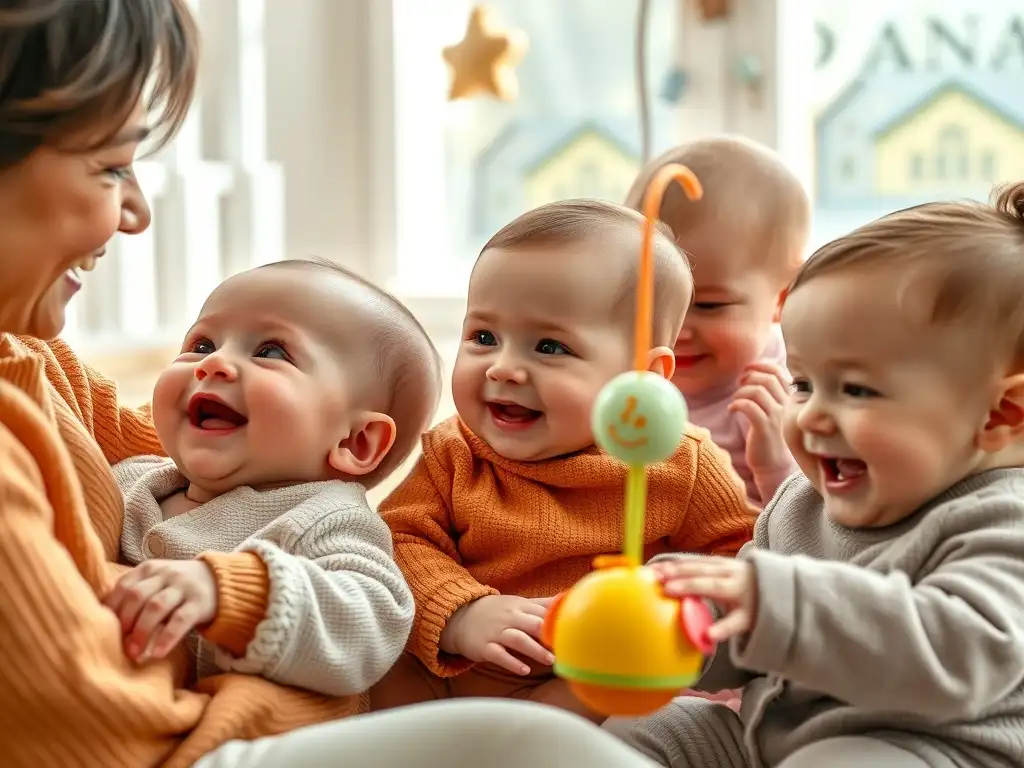
Baby talk, also known as parentese or child-directed speech, offers far more than just language acquisition benefits for your little one. It profoundly impacts cognitive development, laying a crucial foundation for future learning and problem-solving abilities. While the melodic tones and exaggerated pronunciation are undeniably charming, the deeper impact on a baby's brain is truly remarkable. Research consistently demonstrates a strong correlation between consistent use of baby talk and improved cognitive performance in later childhood. This section will delve into the specific cognitive advantages, showcasing how this seemingly simple form of communication fosters crucial developmental leaps.
Improved Attention Span and Focus Through Interactive Communication
The rhythmic nature of baby talk, characterized by its high pitch, slow tempo, and exaggerated intonation, naturally captures a baby's attention. This isn't merely about entertaining them; it's about actively engaging their developing brains. The repetitive sounds and simple words create predictable patterns, helping babies learn to anticipate and follow along.
This predictability fosters a sense of security and encourages sustained focus. Think of it as a gentle introduction to the concept of cause and effect – a crucial element in cognitive development. Studies have shown that infants exposed to frequent baby talk exhibit longer attention spans during play and interactive activities compared to those who receive less of this specialized communication.
For example, a study published in [Specific journal name and year pending] found that babies exposed to regular baby talk showed a [Specific percentage or data point pending]% increase in sustained attention during a toy-based task. This highlights the powerful role of baby talk in shaping a child's ability to concentrate and learn.
Enhanced Problem-Solving Skills Through Language-Based Activities
Baby talk isn't just about passive listening; it's highly interactive. The questions, gestures, and playful responses inherent in baby talk create a dynamic learning environment. Parents often use baby talk to narrate actions ("We're putting on your socks now! "), describe objects ("Look at the bright red ball!
"), and engage in simple games ("Where's your nose?"). These interactions subtly introduce problem-solving skills. For instance, a baby learning to identify body parts through interactive baby talk is engaging in a rudimentary form of problem-solving – matching words to physical attributes.
The process of associating sounds with actions and objects lays the groundwork for more complex problem-solving abilities later in life. Furthermore, the repetitive nature of baby talk helps solidify these associations, strengthening neural pathways and improving cognitive flexibility. This enhances a child's capacity to approach new challenges with confidence and a developed ability to analyze and strategize, even at a very young age.
Beyond cognitive benefits, baby talk significantly contributes to a baby's social-emotional development. The warm, affectionate tone of baby talk conveys emotional security and connection. The exaggerated facial expressions and body language accompanying baby talk further enhance this emotional bond. By using baby talk, parents model emotional expression, providing a blueprint for their child to understand and interpret various emotions.
For example, when a parent uses a soothing tone while saying, "It's okay, you're safe," they are teaching their baby to associate specific sounds with comfort and security. Similarly, using an excited tone while playing helps the child understand and express joy. This early exposure to emotional vocabulary and context is crucial for developing emotional intelligence and empathy.
This strengthens the parent-child relationship and lays the groundwork for healthy social interactions in the future. The nurturing aspect of baby talk fosters a secure attachment, giving the child the confidence to explore their world and interact with others. This positive emotional foundation is paramount for their overall well-being and future success.
Addressing Concerns: When Should You Seek Professional Help?
Engaging in baby talk, while beneficial, shouldn't replace professional evaluation if concerns arise. Knowing when to seek help is crucial for ensuring your child's optimal language development. Early intervention is key, as addressing potential issues early can significantly improve outcomes. This section will help you understand potential warning signs and guide you toward appropriate support. Remember, proactive parenting is invaluable in nurturing your child's growth. Don't hesitate to seek professional advice if you have any doubts. Early detection of language delays can make a world of difference.
Identifying Potential Speech Delays: Recognizing Warning Signs
Several indicators might suggest a potential speech delay in your baby. These aren't necessarily causes for immediate alarm, but warrant attention and, potentially, professional consultation. Observing your child's communication patterns closely is vital. Some warning signs to watch for include:
- Lack of babbling by 8 months: Most babies begin babbling around 6 months, experimenting with sounds and vocalizations. A noticeable absence of babbling by 8 months could be a cause for concern.
- Limited vocabulary by 18 months: By 18 months, babies typically understand and use several words. A significantly limited vocabulary at this age might indicate a delay.
- Difficulty understanding simple instructions: If your child doesn't respond to simple commands or instructions at an age-appropriate level, it could signal a problem.
- Absence of pointing or gesturing: Pointing and gesturing are important pre-linguistic communication skills. The absence of these behaviors can be a significant red flag.
- No attempts at two-word phrases by 24 months: By the age of two, most children start combining words to form simple phrases. The lack of this milestone warrants attention.
It's crucial to remember that every child develops at their own pace. However, these are general guidelines. If you notice multiple warning signs or have significant concerns, seeking professional advice is recommended. Don't dismiss your parental intuition; it's a valuable tool in identifying potential challenges. Early intervention services can provide personalized support and guidance.
Seeking Support from Professionals: Speech Therapists and Pediatricians
If you've observed any of the warning signs mentioned above, your first step should be to consult your pediatrician. They can conduct a preliminary assessment and offer guidance. They may refer you to a speech-language pathologist (SLP), a specialist trained in identifying and treating communication disorders.
Speech-language pathologists use a variety of assessment tools to evaluate your child's language skills, including:
- Hearing tests: Ruling out hearing impairments is crucial, as hearing problems often impact speech development.
- Language assessments: These tests assess vocabulary, grammar, and comprehension skills.
- Play-based assessments: SLPs often use play to observe a child's communication skills in a natural setting.
Based on the assessment, the SLP can develop an individualized therapy plan tailored to your child's needs. This might involve techniques like:
- Early intervention programs: These programs provide structured activities to stimulate language development.
- Play therapy: Using play to encourage communication and language skills.
- Parent training: Educating parents on how to support their child's language development at home.
Remember, seeking professional help is not a sign of failure as a parent. It's a proactive step towards ensuring your child's healthy development and maximizing their potential. Early intervention can make a significant difference in a child's language journey, empowering them to communicate effectively and thrive. The benefits of early intervention for "baby talk benefits development" are undeniable.
Frequently Asked Questions
What is "baby talk" and why do parents use it?
Baby talk, also known as parentese or child-directed speech, is the simplified and exaggerated way adults speak to babies. It's characterized by higher pitch, slower speech, and repetitive sounds. Parents use it to capture a baby's attention, making language learning more engaging.
How does baby talk benefit a baby's development?
Baby talk significantly boosts a baby's language acquisition. The exaggerated pronunciation and simple sentences help babies learn to distinguish sounds and words. It also fosters a strong emotional bond between parent and child.
At what age should I start using baby talk with my baby?
You can start using baby talk from birth. Even newborns respond to the tone and rhythm of your voice. The earlier you begin, the more opportunities your baby has to learn and develop their language skills.
Is it harmful to use baby talk for too long?
No, there's no evidence to suggest that continued use of baby talk is harmful. Children naturally transition to adult speech as they develop. Baby talk simply provides a crucial foundation for language learning in early development.
Are there any alternatives to baby talk if I'm not comfortable using it?
While baby talk is highly beneficial, you can still engage with your baby using clear, simple language, songs, and rhymes. Focus on making interactions playful and responsive to your baby's cues.
Final Reflection: The Enduring Power of Baby Talk
The seemingly simple act of speaking "baby talk" is far more significant than many realize; it's a cornerstone of healthy language development and the foundation of a strong parent-child bond. This isn't just about cute sounds and silly words; research consistently demonstrates the profound impact this specialized form of communication has on a child's cognitive, social, and emotional growth. Understanding this impact is crucial for parents and caregivers today, shaping how we interact with our youngest and most vulnerable members of society.
The influence of baby talk extends far beyond the immediate parent-child relationship; it shapes the very fabric of our early childhood experiences and influences how we learn to communicate and connect with others. It's a powerful tool for fostering a secure attachment, a feeling of safety and belonging that underpins future emotional well-being. As the renowned child psychologist, Dr. John Bowlby, stated: A secure attachment in infancy provides the child with a secure base from which to explore the world and develop a sense of self.
This secure base, built in part through the nurturing interactions of baby talk, is essential for a child's overall development and future success.
Consider the power you hold in your interactions with young children. You have the ability to shape their linguistic landscape, fostering a love of language and communication that will serve them throughout their lives. Take a moment to reflect on your own interactions with children. Are you consciously using baby talk, or are you perhaps unintentionally limiting their exposure to this crucial developmental tool? Embrace the magic of baby talk – it's not just about cute sounds; it's about building a strong foundation for a lifetime of communication and connection.
Unlock Your Baby's Communication Potential
Thank you for exploring the fascinating world of infant communication with us! You've gained valuable insights into its crucial role in your baby's development. Ready to put this knowledge into practice?
- Incorporate more playful vocalizations into your daily interactions. Observe how your baby responds—it's truly rewarding! Experiment with varying tones, sounds, and facial expressions.
- Share your experiences and tips with other parents! Join our online community and connect with fellow BabyCareHub members to build a supportive network.
- Consider keeping a journal to track your baby's reactions to different vocalizations. You might discover surprising patterns!
What new sounds or phrases will you try today to strengthen your bond with your little one?