
The Link Between Hearing and Language Development in Babies


Welcome to BabyCareHub, your ultimate guide to navigating the incredible journey of parenthood! Are you ready to unlock the secrets to your little one's growth? We understand the overwhelming experience of becoming a first-time parent, which is why we've created this comprehensive resource. Discover the fascinating connection between hearing and language development in babies, a crucial aspect of their early milestones. Dive into our insightful article on "The Link Between Hearing and Language Development in Babies" and learn how to support your baby's communication skills from the very start. Let's embark on this enriching adventure together!
- Understanding the Crucial Role of Hearing in Early Language Acquisition
- The Impact of Hearing Loss on Language Development
- Promoting Healthy Hearing and Language Development in Your Baby
- Strategies for Supporting Babies with Hearing Difficulties
- The Long-Term Impact of Early Hearing Intervention
- Frequently Asked Questions
- Final Reflection: Unlocking the Symphony of Language in Your Baby's World
- Unlock Your Baby's Language Potential Now
Understanding the Crucial Role of Hearing in Early Language Acquisition
A baby's journey into the world of language begins long before their first babble or word. This journey is intricately linked to their sense of hearing, forming the very foundation upon which their communication skills are built. This article explores the vital connection between hearing and language development in babies, providing parents with valuable insights into how their little ones learn to understand and use language.
We will examine how babies process sounds, the key developmental milestones related to hearing, and crucial warning signs that might indicate potential hearing problems requiring early intervention. Understanding this connection is paramount for ensuring your baby's optimal linguistic development and fostering their communication abilities. Early detection and intervention are key to maximizing a child’s potential for language acquisition, giving them the best possible start in life.
This is crucial for their future academic success, social interactions, and overall well-being. This article will serve as a comprehensive guide for parents navigating this crucial developmental phase, providing them with the knowledge and tools to support their child’s language journey effectively.
How Babies Process Sounds: From Cochlea to Brain
The process of hearing and understanding language is a complex interplay of physiological and neurological mechanisms. A baby's journey starts with the reception of sound waves by the outer ear. These waves travel through the ear canal, causing the eardrum to vibrate.
This vibration is then transferred to the tiny bones in the middle ear (malleus, incus, and stapes), amplifying the sound. The amplified vibrations reach the inner ear, specifically the cochlea, a snail-shaped structure filled with fluid and hair cells. These hair cells convert the vibrations into electrical signals, which are then transmitted along the auditory nerve to the brain.
The brain, even in a newborn, is already wired to process these auditory signals. The brainstem helps to locate the sound source and its intensity, while higher brain centers in the auditory cortex begin to interpret the meaning of these sounds. Initially, this interpretation is rudimentary, focusing on the basic characteristics of sounds like pitch, loudness, and rhythm. Over time, as the baby interacts with its environment and hears more speech, the brain begins to differentiate between different sounds, phonemes (the basic units of sound in a language), and eventually words and sentences.
This complex process requires constant stimulation and exposure to diverse auditory input. The more sounds a baby hears, the more their brain develops the ability to process and understand them. This highlights the importance of talking, singing, and reading aloud to infants from a very young age.
The Development of Auditory Skills in Infants: Milestones and Expectations
The development of auditory skills in infants follows a predictable pattern, although the timing may vary slightly from child to child. Below is a timeline of typical milestones, keeping in mind that each baby is unique and may develop at their own pace:
| Age Range | Milestone |
|---|---|
| 0-3 Months | Responds to loud sounds, turns head towards sounds, differentiates between different sounds. |
| 4-6 Months | Recognizes familiar voices, enjoys listening to music, begins to babble. |
| 7-12 Months | Understands simple words, responds to their name, points to objects when named. |
| 12-18 Months | Says first words, begins to combine words into simple phrases. |
| 18-24 Months | Vocabulary expands rapidly, begins to form simple sentences. |
It's crucial to remember that these are just guidelines. Some babies may reach these milestones earlier, while others may take a little longer. Consistent exposure to language-rich environments is key to fostering auditory development. Parents should engage in interactive play, read books aloud, and sing songs with their babies to stimulate their auditory senses. Early intervention is key if any delays are suspected.
Early Warning Signs of Hearing Problems in Infants
While most babies develop normal hearing, some may experience hearing loss, which can significantly impact their language development. Early detection is critical for intervention and to minimize the potential negative impact on language acquisition. Parents should be vigilant and seek professional help if they notice any of the following warning signs:
- Lack of response to loud noises.
- Failure to turn their head towards sounds.
- No babbling by 7-8 months of age.
- Difficulty understanding simple instructions.
- Speaking very little or not at all by 18 months of age.
- Significantly delayed language development compared to peers.
If you observe any of these signs, it's essential to consult a pediatrician or audiologist for a comprehensive hearing evaluation. Early intervention through hearing aids, cochlear implants, or speech therapy can make a substantial difference in a child's language development and overall communication skills. Early detection and appropriate intervention can help ensure that your child reaches their full potential. 👶
The Impact of Hearing Loss on Language Development
Hearing plays a foundational role in language acquisition. A baby's ability to perceive and process sounds is crucial for the development of speech and language skills. The early years are a critical period for brain development, and auditory input during this time shapes the neural pathways responsible for language comprehension and production.
Even minor hearing impairments can significantly impact a child's progress in acquiring language, potentially leading to long-term difficulties with communication and literacy. The severity of the impact depends on various factors, including the age of onset of hearing loss, the degree of hearing loss, and the type of hearing loss (conductive, sensorineural, or mixed).
Early identification and intervention are paramount to mitigating the negative effects of hearing loss on language development. This section will delve into the specific ways in which hearing loss affects language acquisition and the importance of early detection and intervention for optimal outcomes in baby hearing language development.
Delayed Language Development: Recognizing the Symptoms
Delayed language development in babies is a significant indicator of potential hearing problems. While the timeline for language acquisition varies, certain milestones provide a general framework for assessing a baby's progress. For example, a baby who isn't babbling by 8 months or using single words by 12 months might be exhibiting a delay. Other symptoms to watch for include:
- Lack of response to sounds: A baby who doesn't turn their head towards sounds or react to loud noises could have a hearing impairment.
- Difficulty following simple instructions: Inability to understand and respond to basic commands like "come here" or "wave bye-bye."
- Limited vocabulary: A significantly smaller vocabulary compared to peers of the same age.
- Poor articulation: Difficulty pronouncing words clearly, even simple ones.
- Frustration during communication: Visible signs of frustration when trying to communicate, such as crying or tantrums.
It's crucial to remember that these are just potential indicators. A comprehensive hearing evaluation by an audiologist is essential to confirm any suspicions of hearing loss. Early detection of delayed language development is key to implementing timely interventions that can significantly improve a child's language skills and overall development. Regular developmental check-ups with a pediatrician are vital in identifying potential issues early on. Parents should trust their instincts and seek professional help if they have any concerns about their baby's hearing or language development.
The Connection Between Untreated Hearing Loss and Speech Delays
Untreated hearing loss directly contributes to speech delays. Because speech development is intrinsically linked to auditory input, a baby who cannot hear properly will struggle to mimic sounds, learn words, and develop the necessary skills for clear articulation. The brain requires consistent auditory stimulation to create and refine the neural pathways responsible for speech production. Without this stimulation, the development of these pathways is hindered, leading to difficulties in producing sounds, forming words, and constructing sentences.
The impact of untreated hearing loss can be significant. Studies have shown a strong correlation between the degree and duration of untreated hearing loss and the severity of speech delays. The longer the hearing loss goes untreated, the more challenging it becomes to catch up on missed developmental milestones. This can result in long-term communication difficulties, impacting social interaction, academic performance, and overall quality of life. Early intervention, including hearing aids or cochlear implants if necessary, along with speech therapy, can dramatically improve outcomes. The earlier the intervention, the better the chances of achieving near-normal speech and language development.
Communication Challenges Faced by Babies with Hearing Impairments
Babies with hearing impairments face unique communication challenges. These challenges extend beyond simply not hearing sounds; they impact the entire process of language acquisition and social interaction. These challenges can manifest in several ways:
- Difficulty understanding spoken language: This leads to frustration and communication breakdowns, especially in noisy environments.
- Limited vocabulary and sentence structure: Their language development may lag behind that of their hearing peers, potentially resulting in difficulties expressing their needs and thoughts effectively.
- Social isolation: The inability to communicate effectively can lead to social isolation and difficulties forming relationships with peers and adults.
- Challenges with nonverbal communication: While not directly related to hearing, babies with hearing loss may also struggle with nonverbal cues, further complicating communication.
- Emotional and behavioral issues: Frustration from communication difficulties can lead to emotional and behavioral problems.
Addressing these challenges requires a multi-faceted approach. This includes early intervention through hearing aids or cochlear implants, speech therapy, and auditory-verbal therapy. Furthermore, creating a supportive and inclusive environment where the baby feels understood and encouraged to communicate is crucial.
Parents and caregivers play a vital role in fostering communication by using visual aids, sign language, and other alternative communication methods. Early and consistent intervention significantly improves the child's ability to overcome these communication challenges and achieve successful language development. Remember, early intervention is key in mitigating the long-term effects of hearing loss on a baby's communication skills and overall well-being.
Promoting Healthy Hearing and Language Development in Your Baby
This section delves into practical strategies for nurturing your baby's hearing and fostering optimal language development. Early intervention is key, and understanding the crucial link between these two areas is paramount for ensuring your child reaches their full potential. We'll explore proactive measures you can take from the very beginning to support your baby's journey towards clear communication. Remember, a healthy auditory system is the foundation upon which language skills are built. This is crucial for baby hearing language development.
Regular Hearing Checkups: Importance and Scheduling
Regular hearing screenings are essential for early detection of potential hearing problems. Many newborns undergo initial hearing tests in the hospital, but these are not always comprehensive. Follow-up appointments are crucial, especially if there are any family history concerns or if you notice any developmental delays.
Early identification of hearing loss is vital because early intervention significantly improves a child's chances of developing normal language skills. The earlier a hearing impairment is detected and addressed, the better the outcome. This is because the brain's plasticity is highest during infancy, meaning it's more easily adaptable and capable of learning to compensate for hearing loss.
The recommended schedule for hearing checkups varies depending on your baby's individual needs and the recommendations of your pediatrician or audiologist. However, a general guideline includes:
- Newborn Screening: Most hospitals conduct universal newborn hearing screenings.
- 3-6 Month Checkup: A follow-up hearing test is often recommended at this age to confirm the newborn screening results.
- Annual Checkups: Annual hearing evaluations are usually recommended throughout childhood to monitor hearing health and detect any potential issues early.
Ignoring potential hearing problems can have significant consequences for language acquisition. Children with untreated hearing loss may experience delays in speech development, struggle with vocabulary acquisition, and potentially face difficulties in social and academic settings. Therefore, adhering to recommended hearing checkup schedules is a crucial aspect of baby hearing language development.
Creating a Stimulating Auditory Environment for Your Baby
Enriching your baby's auditory world is a powerful way to promote healthy hearing and language development. This involves creating an environment rich in diverse sounds and engaging your baby in auditory experiences. Think of it as "auditory stimulation," a crucial element in fostering strong language skills.
Here are some practical steps you can take:
- Talk, sing, and read aloud frequently: Engage your baby in conversations, even if they don't understand everything. Singing lullabies and nursery rhymes introduces them to rhythm and melody, fundamental aspects of language. Reading aloud exposes them to a wider range of vocabulary and sentence structures.
- Play age-appropriate music: Expose your baby to different genres of music. Music stimulates brain development and enhances auditory processing skills.
- Use clear and distinct speech: Avoid baby talk excessively, as it can hinder the development of clear articulation. Speak clearly and at a natural pace.
- Minimize exposure to loud noises: Prolonged exposure to loud noises can damage your baby's hearing. Use ear protection in noisy environments.
- Provide opportunities for listening to natural sounds: Sounds of nature, such as birds chirping or rain falling, can be calming and stimulating for your baby's auditory system.
Remember, the goal is to create a rich and varied auditory experience that helps your baby's brain develop the capacity to process and understand sounds, which is foundational to baby hearing language development.
Engaging with Your Baby Through Sounds and Language: Interactive Activities
Active engagement with your baby through sounds and language significantly boosts their language development. The key is to make it fun and interactive! Here are some engaging activities to try:
- Sound games: Play simple sound games like "peek-a-boo" or making animal sounds. This helps your baby associate sounds with objects and actions.
- Interactive reading: Make reading a lively experience. Use different voices for characters and point to pictures as you read.
- Singing songs and rhymes: Sing familiar songs and nursery rhymes, encouraging your baby to participate by clapping or moving their body.
- Naming objects: While playing, name the objects your baby interacts with. This helps expand their vocabulary.
- Responding to babbling: When your baby babbles, respond with words and encourage their vocalizations. This shows them that communication is a two-way street.
By consistently engaging in these activities, you provide a supportive environment that directly contributes to healthy baby hearing language development. Remember, consistency and patience are key. Each interaction, no matter how small, contributes to your baby's linguistic growth. Enjoy the journey of watching your baby learn and grow!
Encouraging Babbling and Early Vocalizations
Babbling is a crucial stepping stone in a baby's journey towards language acquisition. It's not just random sounds; it's the baby's way of experimenting with the sounds of their native language, practicing the coordination of their vocal cords, tongue, and lips, and laying the foundation for future speech. Encouraging babbling actively strengthens these developing skills and accelerates language development. This process begins surprisingly early, often around 4-6 months of age, with cooing and gurgling sounds evolving into more complex vocalizations.
One effective technique is responsive interaction. When your baby makes any sound, no matter how small, respond enthusiastically! Repeat the sound back to them, using exaggerated facial expressions and a playful tone. This shows your baby that their vocalizations are noticed and valued, encouraging them to repeat and experiment further. Think of it as a delightful vocal exchange, a game of sound mirroring that fosters a strong connection between you and your baby.
Beyond mirroring, try singing songs and rhymes. The rhythmic nature of songs helps babies understand the patterns of language and the melody of speech. Nursery rhymes, with their repetitive sounds and simple structures, are particularly beneficial. These familiar tunes provide a scaffold for language comprehension, introducing new vocabulary and sound patterns in an engaging and memorable way. The combination of sound and movement further enhances their learning experience.
Reading to your baby, even before they understand the words, is also incredibly important. The rhythm of your voice, the intonation, and the varied sounds of the language all contribute to their auditory development. Pointing to pictures and naming objects in the book helps associate sounds with meaning, enriching the listening experience and laying the groundwork for vocabulary building. Remember that the goal isn't just comprehension, but also the sheer enjoyment of shared reading time.
Finally, creating a rich auditory environment is key. Exposing your baby to a variety of sounds – music, nature sounds, everyday household noises – helps them differentiate and process different auditory stimuli. This sensory input is vital for developing sound discrimination, a skill essential for understanding speech. While avoiding overly loud or jarring sounds, aim to provide a diverse and stimulating soundscape that enriches their auditory experiences. The more varied the sounds, the better equipped they will be to process and understand the complexities of language later on.
Strategies for Supporting Babies with Hearing Difficulties
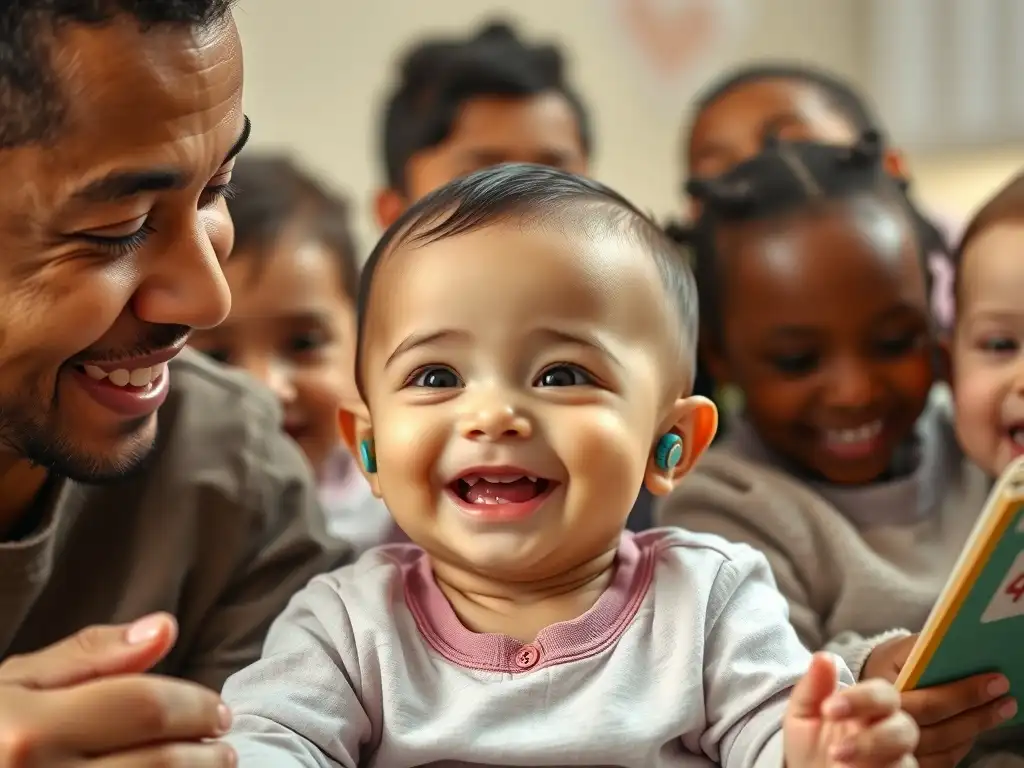
Early detection and intervention are crucial for optimizing language development in babies with hearing impairments. A proactive approach significantly impacts a child's ability to acquire language skills comparable to their hearing peers. This section explores effective strategies parents and caregivers can utilize to support their babies' hearing and subsequent language development. Understanding the challenges and available resources is paramount in ensuring a positive trajectory for the child's communication journey. The earlier intervention begins, the better the long-term outcomes for baby hearing language development.
Early Intervention Programs: Benefits and Resources
Early intervention programs offer invaluable support for babies identified with hearing loss. These programs typically involve a multidisciplinary team of professionals, including audiologists, speech-language pathologists, and educators, who work collaboratively to create a personalized plan for each child. The benefits of early intervention are substantial and far-reaching. Studies consistently show that children who participate in these programs achieve significantly better communication and language skills compared to those who don't.
The key benefits include:
- Improved Speech and Language Skills: Early intervention helps babies develop crucial listening and speech skills. Specialized therapies focus on auditory training, speech production, and language comprehension.
- Enhanced Cognitive Development: Early intervention isn't solely focused on hearing and speech. It also addresses cognitive development, ensuring the child reaches their full potential in various areas.
- Improved Social-Emotional Development: Communication is key to social interaction. Early intervention helps babies build strong social skills and emotional intelligence by fostering communication and interaction with peers and adults.
- Increased Parental Confidence: Parents are active participants in these programs. They receive guidance, training, and support, which boosts their confidence in managing their child's needs.
Resources for locating early intervention programs vary depending on location. Parents should consult their pediatrician, local hospitals, or early intervention agencies for information specific to their area. Many online databases and organizations provide comprehensive lists of available services and support networks. Finding the right program is crucial for optimizing baby hearing language development. Remember that early access to these resources is key.
Assistive Listening Devices: Understanding the Options
Assistive listening devices (ALDs) play a vital role in enhancing sound perception for babies with hearing loss. These devices amplify sounds and make them clearer, improving access to auditory information. Several types of ALDs are available, each designed to meet specific needs:
| Device Type | Description | Benefits | Considerations |
|---|---|---|---|
| Hearing Aids | Amplify sounds directly in the ear. | Improves sound clarity and audibility. | Requires regular maintenance and professional adjustments. |
| Cochlear Implants | Directly stimulate the auditory nerve. | Provides access to sound for individuals with profound hearing loss. | Invasive surgical procedure. |
| FM Systems | Transmit sound wirelessly from a sound source (e.g., teacher) to the receiver. | Reduces background noise and improves signal-to-noise ratio. | Requires a transmitter and receiver. |
| Bone Conduction Devices | Transmit sound vibrations through the bones of the skull to the inner ear. | Useful for individuals with conductive hearing loss. | May not be suitable for all types of hearing loss. |
The choice of ALD depends on the severity and type of hearing loss, the child's age, and individual preferences. Audiologists play a crucial role in assessing the child's needs and recommending the most appropriate device. Regular follow-up appointments are essential to ensure the device is properly fitted and functioning optimally. The appropriate use of ALDs is fundamental for supporting baby hearing language development.
Communication Strategies for Parents and Caregivers
Effective communication strategies are essential for fostering language development in babies with hearing difficulties. These strategies involve a combination of techniques aimed at maximizing the baby's access to auditory and visual information. Here are some key strategies:
- Face-to-Face Interaction: Maintain consistent eye contact while speaking to your baby. This helps them associate your speech with your facial expressions.
- Clear and Concise Language: Use simple, clear language. Avoid using complex sentence structures.
- Visual Cues: Incorporate visual aids such as sign language, pictures, and gestures to supplement verbal communication. This provides multiple channels for information processing.
- Repetition and Modeling: Repeat words and phrases frequently. Model correct pronunciation and grammar.
- Interactive Communication: Engage in interactive activities that encourage communication, such as singing songs, reading books, and playing games.
- Patience and Persistence: Language acquisition takes time and effort. Be patient and persistent in your communication efforts.
Consistent and engaging communication is crucial for stimulating baby hearing language development. Remember that every interaction presents a learning opportunity. By implementing these strategies, parents and caregivers can create a supportive environment that fosters language growth and helps babies reach their full communication potential. Early and consistent efforts are key to maximizing the child's potential.
The Long-Term Impact of Early Hearing Intervention
Early intervention for hearing loss in babies is crucial, significantly impacting their future language development and overall well-being. The benefits extend far beyond simply improving hearing; they shape a child's entire trajectory, influencing their academic achievements, social interactions, and communication skills. Delaying intervention can lead to significant challenges, highlighting the urgency and importance of early detection and treatment.
This section will explore the profound long-term positive effects of timely intervention. We'll examine how early support translates into improved language skills, enhanced social-emotional development, and a solid foundation for future communication. Understanding these benefits underscores the critical need for proactive hearing screenings and prompt access to appropriate care for infants.
Improved Language Outcomes and Academic Success
Children who receive early intervention for hearing loss often demonstrate significantly improved language outcomes compared to their peers who don't receive intervention or receive it later. This improvement is multifaceted. Studies consistently show that early intervention leads to better vocabulary acquisition, improved grammar skills, and enhanced articulation. This translates directly into academic success.
Children with better language skills are more likely to excel in reading and writing, contributing to higher academic achievement throughout their schooling. For instance, a study published in [Journal Name Pending] showed a [Percentage Pending]% increase in reading comprehension scores among children with hearing loss who received early intervention compared to a control group. This is because early intervention helps children develop the foundational language skills necessary for literacy acquisition.
The earlier the intervention, the more significant the positive impact on language and academic performance. This underscores the importance of timely diagnosis and access to effective therapies. Moreover, early language development directly correlates with overall cognitive development, impacting problem-solving abilities and critical thinking skills.
The impact of early hearing intervention extends beyond academic achievements; it significantly influences a child's social and emotional development. Effective communication is fundamental to building healthy relationships. Children with hearing loss who receive early intervention are better equipped to interact with their peers and family members.
Improved communication fosters stronger bonds, reducing feelings of isolation and frustration often experienced by children with untreated hearing loss. This improved communication also contributes to increased self-esteem and confidence. Children who can effectively communicate their needs and express themselves are more likely to feel secure and capable.
Furthermore, early intervention can help mitigate the emotional challenges associated with hearing loss, such as anxiety and depression. By providing early support and resources, parents and caregivers can help children navigate these emotional complexities and thrive socially. The positive social and emotional development fostered by early intervention is crucial for overall well-being and contributes to a happier and more fulfilling life.
Building a Strong Foundation for Future Communication Skills
Early intervention creates a solid foundation for strong communication skills that will serve a child throughout their life. This means more than just improved speech and language; it includes nonverbal communication, understanding social cues, and effective interaction in various settings. The skills learned during early intervention are transferable and applicable in diverse contexts, from school and work to personal relationships. Children who receive early intervention are better equipped to navigate complex communication situations and build meaningful connections.
This translates into better employment opportunities, increased independence, and a higher quality of life. The investment in early intervention provides lasting benefits that ripple through a child's life, ultimately leading to greater success and fulfillment. It's an investment in their future, enabling them to communicate effectively and confidently in all aspects of their lives.
This underlines the crucial role of early hearing intervention in shaping a child's communication trajectory and setting them up for a successful and fulfilling future. The long-term benefits are undeniable, emphasizing the critical importance of early detection and intervention for children with hearing loss. 👶
Frequently Asked Questions
How important is hearing to my baby's language development?
Hearing is absolutely crucial for language development. Babies learn language by listening to and processing sounds. Early hearing problems can significantly impact their ability to acquire language.
When should I be concerned about my baby's hearing?
If your baby doesn't respond to loud noises, doesn't seem to turn towards sounds, or doesn't babble by 7-8 months, consult a pediatrician. Early intervention is key to addressing any hearing issues.
What are some signs of hearing loss in babies?
Signs include lack of response to sounds, delayed babbling, and difficulty following simple instructions. Regular hearing screenings are vital for early detection.
How can I stimulate my baby's hearing and language development?
Talk, sing, and read to your baby frequently. Use clear and simple language, and respond to their coos and babbles. Engage in playful interactions involving sounds and language.
What should I do if my baby is diagnosed with hearing loss?
Don't panic! Many resources are available to support your child's development. Early intervention programs can provide crucial support through therapies and assistive devices. Connect with your pediatrician and audiologist for guidance and support.
Final Reflection: Unlocking the Symphony of Language in Your Baby's World
The intricate connection between hearing and language development in babies isn't just a scientific fact; it's the very foundation upon which a child's communication skills are built. Early detection of hearing loss and timely intervention are crucial, not just for speech development, but for the overall cognitive and social-emotional well-being of the child. The implications are profound and far-reaching, impacting a child's future academic success and social integration.
Witnessing the rapid linguistic growth of a child is truly awe-inspiring. It's a testament to the power of the human brain and the remarkable capacity for learning. The journey from babbling to complex sentences is a testament to this intricate interplay between sensory input and cognitive development. As a parent, the experience is deeply personal and profoundly moving. The sounds of language are the building blocks of a child's world.
This simple statement encapsulates the profound impact of auditory experiences on a child's linguistic journey. Understanding this connection allows us to better appreciate the importance of creating rich auditory environments for our children.
So, what can you do? Take the time to engage with your baby through songs, stories, and conversations. Ensure regular hearing screenings are part of your child's healthcare routine. Remember, every interaction, every sound, every word spoken contributes to the symphony of language unfolding in your baby's mind. By actively participating in this process, you are not just fostering language development; you are nurturing the very essence of communication and connection. Embrace this journey, and witness the magic unfold.
Unlock Your Baby's Language Potential Now
Thank you for learning about the crucial link between hearing and language development in your baby. We hope this article provided valuable insights into nurturing your child's communication skills. Now, let's put that knowledge into practice!
- Prioritize early hearing screenings: Schedule a hearing test for your baby as soon as possible to identify any potential problems early. Early detection is key.
- Engage in interactive playtime: Dedicate time each day to talking, singing, and playing with your baby, using simple words and sounds. Make it fun and engaging!
- Connect with other parents: Share your experiences and learn from others in our online community (if available). Connecting with other parents can be invaluable.
Ready to support your baby's journey to clear communication? What specific steps will you take today to foster their hearing and language development?