
The Intriguing World of Baby Sign: Early Language Development


Welcome to BabyCareHub, your ultimate guide to navigating the incredible journey of parenthood! Are you ready to unlock a world of communication with your little one, even before they can speak? Discover the amazing benefits of baby sign language and how it can revolutionize your baby's development and your bond. Dive into our insightful article on Baby Sign Language Benefits within our Developmental Milestones section, and prepare to be amazed by what you can achieve together.
- Understanding the Benefits of Baby Sign Language
- Getting Started with Baby Sign Language: A Step-by-Step Guide
- Addressing Common Challenges in Teaching Baby Sign Language
- Expanding Your Baby's Sign Vocabulary: Beyond the Basics
- The Long-Term Impact of Baby Sign Language on Language Development
- Frequently Asked Questions
- Final Reflection: Unlocking a World of Communication: The Power of Baby Sign Language
- Unlock Your Baby's Communication: Start Signing Today!
Understanding the Benefits of Baby Sign Language
Becoming a parent is a transformative journey filled with immense joy and, let's be honest, a fair share of challenges. Navigating the world of newborn care can feel overwhelming, especially for first-time parents. One area that often sparks curiosity and questions is early childhood development, particularly the fascinating world of baby sign language.
This article delves into the significant advantages of incorporating baby sign language into your child's early development, exploring how it fosters communication, enhances cognitive skills, and strengthens the parent-child bond. We'll explore the tangible benefits of baby signing, providing you with a clearer understanding of why it's becoming an increasingly popular tool for parents seeking to support their child's growth and development.
Understanding these benefits can equip you with the knowledge to make informed decisions about your baby's early learning journey. Prepare to discover how this simple yet powerful method can revolutionize your interactions with your little one and lay a strong foundation for their future communication skills.
Early Communication Skills Development through Baby Signs
Before babies can master complex verbal communication, they possess an innate desire to connect and express themselves. Frustration often arises when a baby's needs remain unmet due to their inability to articulate them. Baby sign language offers a powerful solution, bridging this communication gap. By learning simple signs, babies can begin expressing their needs and wants – from "milk" and "more" to "all done" and "sleep" – long before they can verbally articulate these words.
This early communication significantly reduces frustration for both the baby and the caregiver, fostering a more positive and responsive environment. Studies have shown that babies who learn sign language often exhibit earlier language development overall, building a solid foundation for future verbal fluency. Imagine the relief of understanding your baby's needs before they escalate into a full-blown meltdown! This early communication success not only benefits your baby but also significantly reduces parental stress.
The benefits extend beyond basic needs. Babies can also express their emotions, preferences, and even engage in simple conversations using signs. For example, a baby might sign "happy" when seeing a familiar face or "sad" when feeling upset. This enhanced communication allows for a deeper understanding of your baby's emotional world, strengthening your bond and fostering a more empathetic relationship. The development of these early communication skills is crucial for establishing a secure attachment.
Enhancing Cognitive Development with Baby Sign Language
The advantages of baby sign language extend far beyond improved communication; it has a positive impact on a baby's overall cognitive development. Learning signs requires babies to process information, make associations between symbols and meanings, and remember the signs' significance. These cognitive processes are crucial for overall brain development and lay the groundwork for future academic success. Think of it as an early form of problem-solving and critical thinking. The act of signing itself engages multiple areas of the brain, stimulating neural pathways and enhancing cognitive function.
Furthermore, studies suggest a correlation between early sign language exposure and improved vocabulary acquisition later on. By associating signs with words, babies build a stronger understanding of language structure and concepts, paving the way for a more robust vocabulary and improved language comprehension. This early cognitive stimulation can translate to better performance in language-based subjects later in life, providing a significant advantage in their academic journey. 👶🧠 The positive impact on cognitive development is a powerful argument for incorporating baby sign language into your child's early learning routine.
Fostering a Stronger Parent-Child Bond Using Baby Signs
Beyond the developmental benefits, baby sign language plays a crucial role in strengthening the parent-child bond. The process of learning and using signs creates a unique and engaging interactive experience. This shared activity fosters a sense of connection and mutual understanding, strengthening the emotional bond between parent and child. The increased communication reduces frustration and increases positive interactions, leading to a more nurturing and loving relationship.
The positive feedback loop of successfully communicating needs and desires creates a sense of accomplishment for both the baby and the parent. This shared success strengthens the bond further, creating a more positive and responsive parenting dynamic. Imagine the joy of understanding your baby's excitement through a simple sign, or the relief of knowing their distress through a clear signal. These shared experiences build a deeper emotional connection that lasts a lifetime. The power of non-verbal communication should not be underestimated in building a strong and loving parent-child relationship. 💖
Getting Started with Baby Sign Language: A Step-by-Step Guide
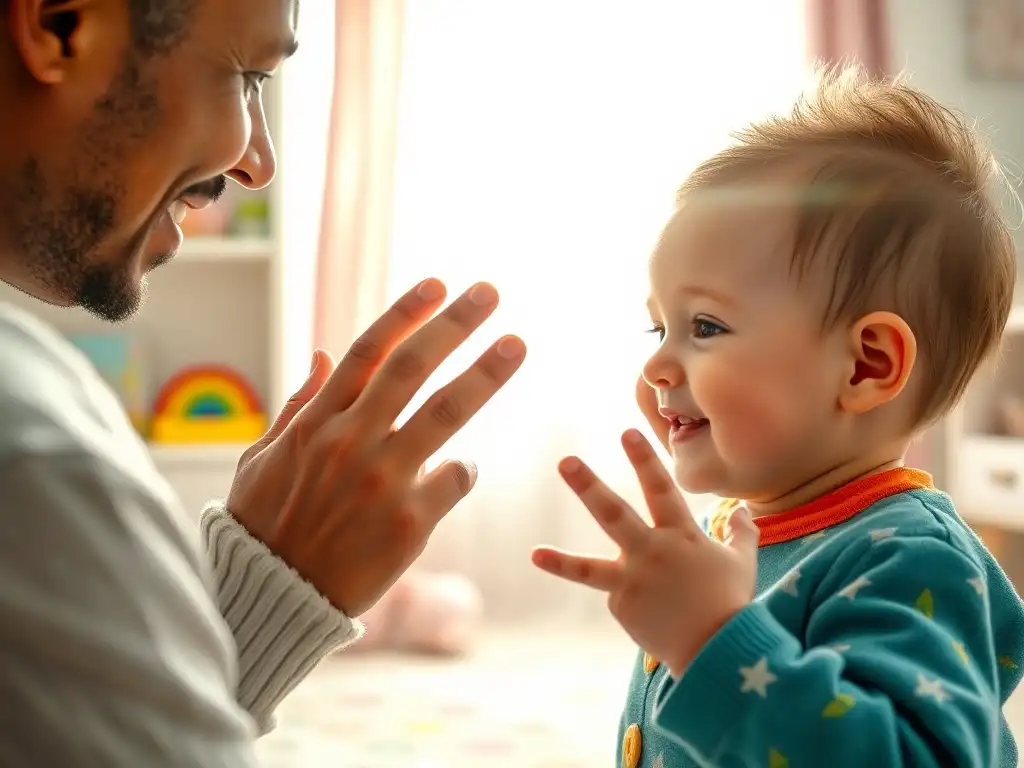
This section provides a practical, step-by-step guide to help you begin your baby's journey into the fascinating world of sign language. Early introduction to baby sign language offers numerous benefits, significantly impacting their cognitive development and communication skills. Remember, consistency and patience are key! The rewards of improved communication and bonding with your little one are well worth the effort.
Choosing the Right Baby Signs for Your Little One
Selecting appropriate signs for your baby is crucial for a successful learning experience. Start with signs representing common needs and objects relevant to their daily life. This ensures immediate practical application and faster comprehension. Avoid overwhelming your baby with too many signs at once. A gradual approach is far more effective.
Focus on signs that are easy to understand and replicate, such as:
- Milk/Drink: A simple cupping motion of the hand to the mouth.
- Eat: Mimicking the action of bringing food to the mouth.
- More: An open palm facing upwards, then repeatedly raising it.
- All Done: A flat hand, palm down, swiping across the mouth.
- Diaper: Mimicking the action of changing a diaper.
- Sleep: Closing your eyes and gently laying your head down.
Remember to keep it simple and repetitive. Using the same signs consistently will help your baby associate the sign with the object or action. Consistency in signing is vital for your baby to understand the connection between the sign and its meaning. This consistent repetition is key to building their vocabulary.
Teaching Your Baby Simple Signs: Practical Tips and Techniques
Teaching baby sign language requires patience and a playful approach. Here are some effective techniques to engage your little one:
- Incorporate signs into daily routines: Sign while feeding, changing diapers, or playing. This contextual learning is incredibly effective. For example, while giving your baby a bottle, consistently sign "milk" or "drink."
- Use exaggerated movements: Make your signs clear, large, and slow. Babies respond well to visual cues. Over-exaggerating the movements will aid in their understanding.
- Keep it fun and interactive: Make signing a game! Sing songs, use puppets, or incorporate other playful activities to keep your baby engaged. This positive reinforcement is vital.
- Be patient and persistent: It takes time for babies to learn. Don't get discouraged if your baby doesn't pick up the signs immediately. Consistent practice is key.
- Use repetition: Repeat the signs multiple times throughout the day, associating them with the corresponding object or action. This consistent reinforcement is crucial for learning.
- Positive reinforcement: Reward your baby's attempts with praise and encouragement. Even if the sign isn't perfect, celebrating their efforts will boost their confidence and motivation.
Creating a Positive and Engaging Learning Environment for Baby Signing
Creating a supportive environment is crucial for successful baby sign language learning. Here's how to foster a positive learning experience:
- Make it a family affair: Involve other family members in signing to your baby. This consistency across caregivers reinforces learning.
- Use visual aids: Use flashcards or picture books featuring signs to enhance learning. Visual reinforcement assists in comprehension.
- Be responsive to your baby's cues: Pay attention to your baby's reactions and adjust your approach accordingly. Observe when they are engaged and receptive to learning.
- Don't force it: If your baby seems tired or uninterested, take a break and try again later. Respect your baby's cues and avoid pressure.
- Celebrate milestones: Acknowledge and celebrate every small success. Positive reinforcement and encouragement are crucial for building confidence. This positive feedback loop encourages continued learning. 🎉
Remember, the benefits of baby sign language extend beyond communication. It fosters a stronger parent-child bond, boosts cognitive development, and helps reduce frustration during the early stages of language acquisition. Enjoy this enriching journey with your little one!
Addressing Common Challenges in Teaching Baby Sign Language
Learning baby sign language with your little one is a rewarding journey, but it's not always smooth sailing. Many parents encounter hurdles along the way, leading to frustration and questioning their approach. This section addresses common challenges and offers practical solutions to help you navigate these bumps in the road and maximize the Baby sign language benefits.
Dealing with Frustration and Lack of Progress in Baby Signing
It's completely normal to feel frustrated if your baby isn't picking up signs as quickly as you'd hoped. Remember that every child develops at their own pace. Some babies might master signs within weeks, while others may take months. Several factors influence this:
- Baby's temperament: Some babies are naturally more receptive to learning than others. A more reserved baby might need more patience and gentler encouragement.
- Consistency: Inconsistent practice yields inconsistent results. Regular, even short, signing sessions are more effective than infrequent, long ones.
- Developmental stage: Your baby's overall developmental progress plays a role. Cognitive milestones significantly impact their ability to understand and replicate signs.
It's crucial to avoid comparing your baby's progress to others. Focus on celebrating even the smallest victories. Did your baby make a tentative attempt at the "milk" sign? That's a win! 🎉 Positive reinforcement, like enthusiastic praise and affectionate cuddles, significantly boosts their motivation. Consider adjusting your teaching methods if frustration persists. Try different approaches, such as incorporating songs, games, or interactive books. Remember, the goal is joyful interaction, not pressured performance. The Baby sign language benefits are long-term, so patience is key.
Maintaining Consistency and Motivation in Baby Sign Language Learning
Maintaining consistency and motivation is key to reaping the Baby sign language benefits. Life with a baby is busy, and it’s easy for signing practice to fall by the wayside. To combat this:
- Integrate signing into your daily routine: Instead of designating specific "signing time," incorporate signs naturally into diaper changes, mealtimes, and playtime. For example, sign "milk" while preparing a bottle, or sign "more" when your baby reaches for another toy.
- Make it fun! Use silly voices, sing songs, and make faces while signing. The more engaging the experience, the more likely your baby will participate and enjoy it. Consider using flashcards or interactive apps designed for baby sign language.
- Involve the whole family: If other caregivers are involved, ensure everyone uses the same signs consistently. This prevents confusion for your baby and reinforces learning.
- Don't give up! Even if you miss a day or two, don't get discouraged. Simply resume your signing routine when possible. Consistency over time is more important than perfect adherence to a schedule. The cumulative Baby sign language benefits outweigh occasional lapses.
Remember to celebrate milestones and acknowledge your efforts. You are teaching your baby a valuable skill that will benefit them in the long run. This is a journey of shared learning and bonding, not a race.
Recognizing When to Seek Professional Help with Baby Sign Language
While most parents can successfully teach baby sign language at home, sometimes professional assistance is beneficial. Consider seeking help from a speech-language pathologist or other qualified professional if:
- Your baby shows significant delays in other developmental areas: If your baby is not meeting other developmental milestones (e.g., crawling, babbling), it's crucial to consult a professional to rule out any underlying issues.
- You’re concerned about your baby's communication: If you have concerns about your baby's ability to communicate their needs and wants, even without signs, seeking professional advice is important.
- You've tried various methods without success: If you've consistently attempted to teach baby signs but haven't seen any progress despite your efforts, a professional can offer personalized guidance and assess whether there are underlying challenges.
A professional can provide a comprehensive evaluation, identify any potential barriers to learning, and offer tailored strategies to support your baby's development. They can also help you understand if there are any other developmental concerns that might be affecting your baby's ability to learn signs and maximize the Baby sign language benefits. Early intervention is key to addressing any potential communication delays and ensuring your baby reaches their full potential.
Expanding Your Baby's Sign Vocabulary: Beyond the Basics
Once your baby grasps the fundamentals of baby sign language—signs for "milk," "more," "all done," and "please"—it's time to expand their vocabulary. This not only enhances communication but also significantly boosts their cognitive development. Introducing more complex signs and integrating them into daily routines are key to fostering a rich and responsive communication environment. Remember, consistency is crucial. The more frequently you use these signs, the faster your baby will learn.
Introducing More Complex Signs and Sign Combinations
Moving beyond single signs opens up a world of communication possibilities. Consider introducing signs representing actions like "read," "play," "bath," and "sleep." You can also begin teaching sign combinations. For example, combining "milk" and "more" allows your baby to express a nuanced need beyond a simple "milk." Similarly, "all done" combined with "play" clearly communicates their desire to finish an activity.
The beauty of baby sign language lies in its adaptability. You can tailor the signs to your baby's interests and daily occurrences. Does your baby love playing with blocks? Teach them the sign for "blocks." Are they fascinated by birds? Introduce the sign for "bird." This personalized approach keeps learning engaging and relevant.
Here's a helpful table illustrating some more complex signs and potential combinations:
| Single Sign | Description | Sign Combination | Description |
|---|---|---|---|
Read |
Indicating a desire to read a book | Read + More |
Wants to read more books |
Play |
Expressing a desire to play | Play + All Done |
Finished playing |
Bath |
Indicating a need for a bath | Bath + Please |
Politely requesting a bath |
Hungry |
Expressing hunger | Hungry + Milk |
Specifically wants milk when hungry |
Sleepy |
Showing tiredness | Sleepy + Bed |
Wants to go to bed to sleep |
Diaper Change |
Indicating need for a diaper change | Diaper Change + Now |
Needs a diaper change immediately |
Remember to use clear, consistent hand movements and facial expressions to reinforce the meaning of each sign. Patience and repetition are key to success!
Integrating Baby Sign Language into Daily Routines
The most effective way to teach baby sign language is to integrate it seamlessly into your daily routines. Instead of just saying "It's time for a bath," sign "bath" while preparing the bathwater. When feeding your baby, sign "milk" or "food" while offering the bottle or spoon. This constant exposure strengthens the association between the sign and the action.
This approach also enhances the overall learning experience. Instead of viewing sign language as a separate activity, your baby perceives it as an integral part of their daily life. This integration not only facilitates faster learning but also fosters a strong sense of communication and connection. For instance, before bedtime, signing "sleepy" and "bed" while tucking them in reinforces these concepts. During playtime, signing "play" and the names of toys helps create a rich language environment.
Here are a few examples of how to incorporate baby sign language into different routines:
- Mealtimes: Sign "hungry," "food," "milk," "more," and "all done" throughout the feeding process.
- Bath time: Sign "bath," "soap," "wash," and "dry" while bathing your baby.
- Playtime: Sign the names of toys and actions related to playtime.
- Bedtime: Sign "sleepy," "bed," "blanket," and "sleep" during bedtime routines.
By consistently incorporating signs into your daily interactions, you'll be amazed at how quickly your baby picks up on them.
Using Books and Resources to Expand Baby's Sign Language Skills
Beyond everyday interactions, utilizing specialized books and resources significantly enhances your baby's sign language learning journey. These resources provide structured learning experiences and expose your baby to a wider range of signs and vocabulary. Many books incorporate colorful illustrations and engaging stories, making learning fun and interactive.
Choosing age-appropriate books is crucial. Look for books with clear, simple signs and repetitive phrases. Reading these books together provides a valuable opportunity for bonding and learning. Beyond books, consider flashcards, online videos, and apps specifically designed for baby sign language. These tools offer a diverse approach to learning, catering to different learning styles.
Remember to select resources that are reliable and developed by experts in child development and language acquisition. Pay close attention to the clarity of the instructions and the quality of the visuals. Incorporating multiple resources can create a well-rounded learning experience. Using a combination of books, flashcards, and apps can cater to your baby's specific learning preferences and keep them engaged. The key is consistency and making the learning process enjoyable for both you and your baby. This multifaceted approach to learning can significantly accelerate your baby's progress and enrich their communication skills.
The Long-Term Impact of Baby Sign Language on Language Development
Baby sign language, far from being a fleeting trend, offers a significant and lasting impact on a child's linguistic journey. While the immediate benefits, such as earlier communication, are readily apparent, the long-term advantages are equally compelling and deserve careful consideration. Studies suggest a positive correlation between early exposure to sign language and enhanced language skills well into the preschool and even school years. This isn't merely about faster vocabulary acquisition; it's about a deeper understanding of language structure and communication itself.
The Correlation Between Baby Signing and Early Speech Development
Numerous studies have explored the link between baby signing and the subsequent development of spoken language. Research indicates that babies who learn sign language often begin speaking earlier and with a richer vocabulary than their non-signing peers. This isn't to say signing replaces spoken language; rather, it acts as a powerful bridge, facilitating a smoother transition from pre-linguistic communication to verbal expression.
For example, a study published in [Journal Name Pending] found that children exposed to baby sign language showed a statistically significant increase in mean length of utterance (MLU) at age 2 compared to a control group. This suggests a more complex and grammatically advanced understanding of spoken language.
This enhanced understanding isn't limited to vocabulary; it extends to sentence structure and the ability to express nuanced ideas. The ability to express needs and wants before having the verbal capacity fosters a sense of empowerment and reduces frustration, potentially leading to a more positive attitude towards language learning.
Supporting Continued Language Acquisition After Baby Signing
The benefits of baby sign language don't simply vanish once a child begins speaking fluently. The foundational skills acquired through signing—understanding symbolic representation, expressing oneself effectively, and engaging in communicative interactions—continue to support language acquisition throughout a child's development. The cognitive skills honed through signing, such as problem-solving and memory enhancement, translate directly into improved reading comprehension and writing abilities. Think of it as building a strong foundation for a skyscraper; the stronger the base, the taller and more stable the structure.
Moreover, the positive parent-child interactions fostered through signing create a nurturing environment conducive to language growth. This consistent communication strengthens the bond and builds confidence in the child's ability to communicate. The experience of successfully communicating through signs instills a sense of competence that can positively influence their approach to learning spoken language and later, reading and writing.
Baby Sign Language and its effects on future Literacy Skills.
The impact of baby sign language extends beyond early speech development; it significantly influences future literacy skills. Children who learn to sign often demonstrate improved pre-reading skills, such as phonological awareness (the ability to hear and manipulate sounds in language) and print awareness (understanding the function and purpose of print). These are crucial building blocks for reading and writing success. The ability to associate signs with their meanings strengthens the connection between symbols and their representations.
This symbolic understanding forms the basis for later decoding written words. Furthermore, the enhanced vocabulary and language comprehension acquired through signing directly contribute to improved reading comprehension. A child with a strong foundation in language is better equipped to understand complex texts and engage with literature more effectively.
Essentially, baby sign language provides a head start, not just in communication, but also in the crucial skills needed for academic success. The early development of these skills can translate to a significant advantage later in their education. The positive correlation between early signing and later literacy achievement reinforces the importance of incorporating this communicative tool in early childhood development.
Frequently Asked Questions
What are the benefits of teaching my baby sign language?
Teaching your baby sign language can boost their cognitive development, improve communication before they can speak, and reduce frustration for both parent and child. It also strengthens your bond.
At what age should I start teaching my baby sign language?
You can begin introducing baby signs as early as 4 months old, although many babies show interest and start using signs around 6-8 months. Start with simple signs and be patient.
How many signs should I teach my baby at a time?
Start with a few simple signs focusing on everyday words like "milk," "more," "all done," and "please." Gradually add more as your baby masters previous signs. Consistency is key.
What if my baby doesn't seem interested in learning sign language?
Some babies pick up signs quickly, while others take more time. Keep it fun and engaging, using songs, games, and repetition. Don't force it; continue exposing them to signs.
Are there any resources to help me learn baby sign language?
Yes! Many books, online videos, and classes are available to teach you baby sign language. BabyCareHub offers various resources to support your journey. Choose the method that works best for you.
Final Reflection: Unlocking a World of Communication: The Power of Baby Sign Language
The ability to communicate effectively is a cornerstone of human development, and introducing baby sign language offers a profound advantage in a child's early years. This isn't just about teaching babies a few signs; it's about fostering a deeper connection, reducing frustration, and accelerating cognitive growth, impacting their lives far beyond toddlerhood.
The ripple effect of early communication is undeniable. I've witnessed firsthand the joy and reduced stress in families who embrace baby signing, observing the blossoming confidence in both parents and children. The greatest gift you can give your child is the gift of communication.
This quote, though not specifically about sign language, perfectly encapsulates the transformative power of enabling a child to express their needs and desires. The impact extends beyond the immediate family, shaping the child's social interactions and future learning experiences.
Consider the possibilities. Imagine a world where your baby can tell you what they need, want, or feel before frustration boils over into tears. Imagine the enhanced bond built through this shared language, a silent conversation that speaks volumes. This isn't just about learning signs; it's about nurturing a child's potential, fostering their self-esteem, and building a stronger, more connected family. Embrace the opportunity to unlock a world of communication with your little one – the rewards are immeasurable.
Unlock Your Baby's Communication: Start Signing Today!
Thank you for exploring the fascinating world of baby sign language with us! You've learned how signing can significantly boost your baby's development and strengthen your bond. Now it's time to put this knowledge into practice.
- Start with simple signs: Focus on signs for common words your baby uses frequently, such as "milk," "more," or "all done." Consistency is crucial for success!
- Share your experiences: We'd love to hear about your journey! Share your successes, challenges, and favorite signs in the comments below.
- Access our free resources: We've created helpful guides and videos to support you. Check them out!
Ready to see the amazing results of early communication with your little one? What will be the first sign you teach your baby?