
Color Vision in Babies: When Do They See the Rainbow?

Welcome to BabyCareHub, your ultimate guide to navigating the incredible journey of parenthood! Are you curious about the vibrant world your little one is experiencing? We delve into the fascinating topic of baby color vision development, exploring exactly when those tiny eyes begin to perceive the rainbow of colors around them. Discover the surprising truth behind how and when babies develop their color vision – it’s a journey filled with milestones you won't want to miss. Let's explore the captivating world of color through your baby's eyes!
- Baby Color Vision Development: The First Few Months
- Milestones in Baby Color Vision Development: A Timeline
- Stimulating Baby's Color Vision Development: Activities and Toys
- Potential Issues and When to Consult a Doctor: Early Detection is Key
- Supporting Your Baby's Overall Visual Development
- Frequently Asked Questions
- Final Reflection: The Unfolding Spectrum of a Baby's World
- Unveil Your Baby's World of Color!
Baby Color Vision Development: The First Few Months
Understanding how your baby's color vision develops is a fascinating journey! This article will explore the evolution of color perception in infants, from their initial blurry world to the vibrant rainbow they'll eventually experience. We'll delve into the specifics of newborn vision, discuss early color preferences, and track the progression of color discrimination, providing you with valuable insights into this crucial aspect of your baby's development.
This information is crucial for first-time parents seeking to understand and stimulate their baby's visual capabilities, aligning perfectly with BabyCareHub's commitment to providing comprehensive guidance on all aspects of newborn and baby care. By understanding the milestones of baby color vision development, you can better engage with your little one and support their healthy visual growth.
This knowledge empowers you to create stimulating environments that nurture their developing senses and contribute to their overall well-being. Optimizing your baby's visual stimulation is key to healthy development, and understanding their color vision journey is a vital first step.
Newborn Vision: Limited Color Perception
Newborn babies don't see the world in the same vibrant colors we do. Their visual acuity is significantly less developed at birth. Think of it like looking through a slightly foggy window – blurry and lacking sharp detail.
While newborns can perceive light and dark, their color perception is quite limited. They primarily see the world in shades of gray, with a slight ability to distinguish between very high contrast colors like black and white, or very bright and very dark shades. This is because the cones, the photoreceptor cells in the retina responsible for color vision, are not fully mature at birth.
The cones need time to develop and become fully functional, allowing for the differentiation of a wider range of colors. This initial stage of limited color perception is perfectly normal and part of the natural developmental process. The good news is that this improves rapidly in the first few months of life.
Early Color Preferences: High Contrast and Bright Colors
Even with their limited color vision, newborns show a clear preference for high-contrast patterns and bright colors. This is because these visual stimuli provide the most stimulation for their developing visual system. Think of black and white mobiles, or toys with bold, contrasting patterns. These are incredibly effective in capturing a baby's attention and encouraging visual engagement.
Research suggests that babies show a particular preference for red and yellow, likely because these colors are easier for their immature visual system to process. This preference for high contrast and bright colors gradually shifts as their color perception improves. Providing your baby with stimulating visuals during these early months is crucial for fostering healthy visual development. Remember, the goal is to provide enriching visual experiences, not to overwhelm your baby with too much stimulation.
Developing Color Discrimination: From Shades of Gray to Vibrant Hues
As your baby grows, their color vision dramatically improves. Within the first few months, they start to discriminate between a wider range of colors. By around 2-3 months, most babies can distinguish between primary colors like red, green, and blue. This is a significant leap forward in their visual development.
By 4 months, their color perception continues to refine, and they are able to perceive a broader spectrum of colors and shades. This rapid progress is a testament to the remarkable plasticity of the developing brain. By 6 months, your baby's color vision is likely quite close to that of an adult, though the full development of their visual system continues for several more years.
Providing a visually rich environment throughout this period is crucial for optimal development. This includes regularly exposing your baby to a variety of colors and patterns in a safe and stimulating way. 👶 This continuous stimulation helps to further refine their color discrimination abilities, ensuring they see the world in all its vibrant glory.
Milestones in Baby Color Vision Development: A Timeline
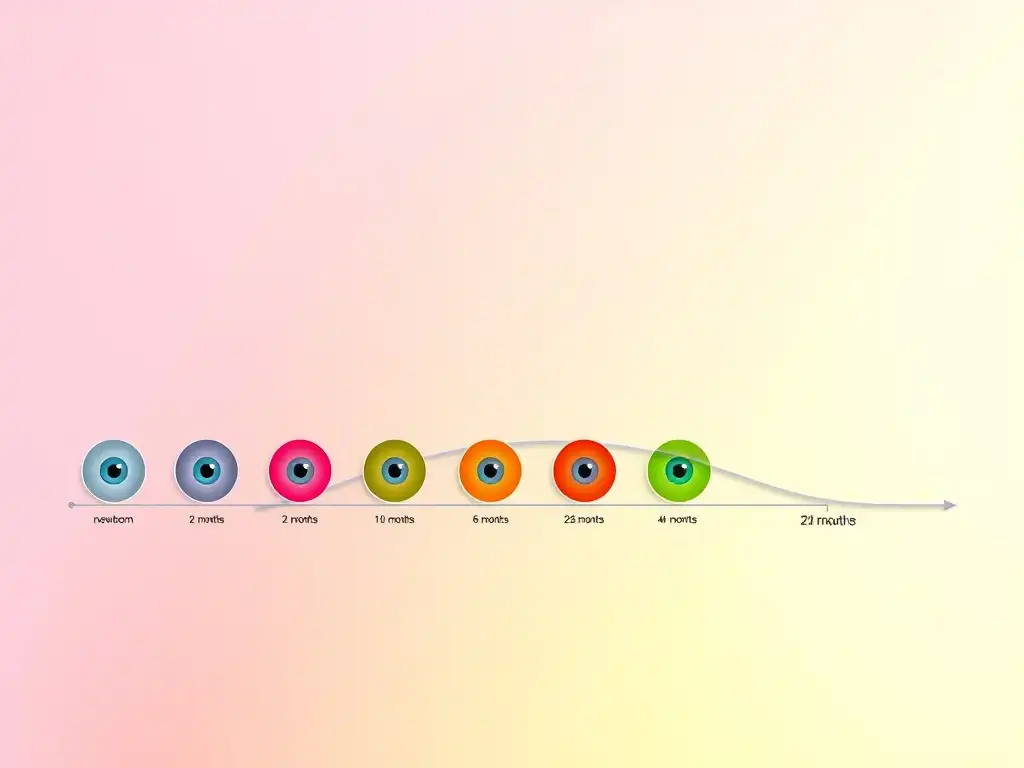
Understanding how your baby's color vision develops is a fascinating journey. This section details the key milestones in baby color vision development, offering a timeline to track your little one's progress. Remember, every baby develops at their own pace, so these are general guidelines, not strict rules. Consistent exposure to diverse colors and stimulating environments can significantly impact their visual development. This is crucial for optimal "baby color vision development".
1-2 Months: Recognizing Basic Colors
At this very early stage, your newborn's color vision is still quite limited. While they can perceive light and dark, their ability to distinguish colors is rudimentary. They primarily react to high-contrast visuals, such as black and white patterns or very bright primary colors like red. Think of it as a blurry, low-resolution image.
They may show a preference for bright reds and yellows, but their perception of subtle color nuances is still developing. This stage is all about establishing the basic neural pathways for color processing. It's less about seeing a rainbow and more about recognizing the difference between light and dark areas within a color field. This early stage of "baby color vision development" lays the foundation for future visual acuity.
2-4 Months: Increased Color Sensitivity and Discrimination
Between two and four months, a significant leap occurs in your baby's color perception. Their cones, the photoreceptor cells in the retina responsible for color vision, are maturing rapidly. They start to distinguish a wider range of colors, moving beyond the stark contrasts of the earlier months. You might notice them paying more attention to colorful toys or objects.
They may begin to show a preference for certain colors over others, indicating that their color discrimination is improving. This is a crucial period for "baby color vision development", and providing stimulating visual input, like colorful mobiles or books with vibrant illustrations, can be beneficial. Research suggests that babies at this age show increased attention to saturated colors compared to pastel shades. This heightened sensitivity to color reflects the ongoing development of their visual cortex.
4-6 Months: Distinguishing a Wider Range of Colors
By four to six months, your baby's color vision is significantly closer to that of an adult. They can now differentiate a much broader spectrum of colors with increasing accuracy. This is a period of rapid refinement in their color perception.
They are likely to show a clear preference for particular colors and may even begin to associate colors with specific objects or emotions. For example, they may reach for a red toy more readily than a blue one, demonstrating a growing understanding of color as a distinct visual attribute. This stage marks a major milestone in "baby color vision development," enabling them to interact more effectively with their colorful world.
Providing a diverse range of colored toys and engaging in activities that involve color recognition can further enhance their visual skills. This period is characterized by a noticeable improvement in their ability to distinguish subtle color differences, indicating the near completion of the development of their color vision system.
6-12 Months: Near Adult-Level Color Vision
By the time your baby reaches 6 months old, their color vision is remarkably close to that of an adult. This doesn't mean their perception is identical, but the significant developmental leaps in the earlier months have culminated in a much more refined and complete experience of color. They can now confidently differentiate between a wide spectrum of hues, readily distinguishing subtle differences that were previously indistinguishable. Think about the joy of watching your little one react to the vibrant colors of a brightly colored toy or the calming effect of a pastel-shaded mobile.
This is a testament to their blossoming color vision. This improved color perception is crucial for their developing cognitive skills and object recognition. The ability to accurately perceive color helps them to categorize objects, understand relationships between things, and begin to build a more complex understanding of their world.
The development of near adult-level color vision around this age is a key milestone in a baby's visual development. It significantly impacts their interaction with their environment and plays a vital role in their overall development. For example, their ability to distinguish colors helps them to identify and engage with faces, a critical element in social and emotional development. This enhanced color perception also supports their burgeoning fine motor skills. As they reach for objects, they can better discern colors, further refining their hand-eye coordination.
The development of color vision at this stage is not simply a biological process; it is intrinsically linked to their cognitive and motor development, fostering a more holistic developmental trajectory. It's a fascinating period of visual maturation, marking a significant step towards the complex visual world they will continue to explore. Enjoy this vibrant stage of their growth! 🎉
Stimulating Baby's Color Vision Development: Activities and Toys
Understanding how your baby's color vision develops is crucial for providing appropriate stimulation. While newborns initially see the world in shades of gray, their color perception rapidly improves during the first few months. This section focuses on practical activities and toys to nurture this crucial developmental milestone, enhancing your baby's visual acuity and cognitive development. We'll explore how to leverage high-contrast items, colorful play environments, and interactive games to boost baby's color vision development.
High-Contrast Toys and Books for Infants
Newborns have limited visual acuity; they see best at close range (around 8-12 inches) and are most responsive to high-contrast images. Black and white, or high-contrast color combinations like red and white, are ideal for stimulating their developing visual system. These high-contrast patterns help to strengthen the neural pathways responsible for visual processing. This early stimulation is key for optimal baby color vision development.
Consider these options:
- Black and white patterned books: These books often feature simple shapes and patterns in stark contrast. The bold visuals help your baby focus and track objects, improving their eye-hand coordination. Look for books with varying textures for added sensory stimulation.
- High-contrast mobiles: Hang a mobile above your baby's crib featuring large, contrasting shapes. The movement of the mobile will capture their attention and encourage them to follow the patterns with their eyes, strengthening their eye muscles and improving visual tracking skills. Rotating mobiles are particularly engaging.
- Checkerboard patterns: Simple checkerboard patterns, either in black and white or high-contrast colors, can be surprisingly effective. These patterns help babies distinguish shapes and edges, contributing to their overall visual development. You can even create your own simple checkerboard using fabric scraps.
Remember, consistency is key. Regularly engage your baby with these high-contrast items for short periods throughout the day. Observe their reactions; you’ll notice their focus and engagement improving over time. This early stimulation lays a strong foundation for their future color perception and overall visual development.
Colorful Playmats and Mobiles for Sensory Stimulation
As your baby's color vision matures, you can introduce more vibrant colors and complex patterns. Colorful playmats and mobiles offer a fantastic way to stimulate their developing visual system and provide a rich sensory experience. These tools aren't just about pretty colors; they actively contribute to baby color vision development.
Think about these options:
- Playmats with varied textures and colors: Opt for playmats with different textures and a range of colors, including primary colors (red, yellow, blue) and secondary colors (green, orange, purple). The varying textures add another layer of sensory input, enhancing the overall learning experience.
- Mobiles with multiple colors and shapes: Gradually introduce more complex mobiles with diverse shapes and a wider range of colors. This helps your baby differentiate between various hues and shapes, promoting their visual discrimination skills. Consider mobiles with dangling toys that your baby can reach and bat at, encouraging interaction.
- Rotating or musical mobiles: Adding movement or sound to the mobile enhances engagement and stimulates multiple senses simultaneously. This multi-sensory stimulation is particularly beneficial for cognitive development.
It's important to note that while vibrant colors are stimulating, avoid overwhelming your baby with too much visual input at once. Keep the environment stimulating but not chaotic. Regularly rotate toys and mobiles to maintain your baby's interest and prevent boredom. Observe your baby’s reactions; if they seem overwhelmed, simplify the environment.
Interactive Games to Enhance Color Recognition
As your baby grows and their color vision develops, interactive games can become a fun and effective tool for enhancing color recognition and visual-cognitive skills. These games help to solidify their understanding of colors and improve their ability to differentiate between various shades. These activities directly support baby color vision development.
Here are some simple yet effective games:
- Color Sorting: Once your baby can sit up, you can start simple color sorting games. Use colored blocks or toys and ask your baby to sort them by color. Start with two colors and gradually increase the number as your baby progresses.
- Color Matching: Show your baby two identical colored objects and encourage them to match them. You can use colored balls, cups, or any other suitable objects. This activity helps them associate similar colors.
- "Where's the [Color]?" Game: Hide a colored object and ask your baby "Where's the red ball?". This simple game helps them associate words with colors and strengthens their visual-cognitive skills.
Remember to keep the games short, fun, and engaging. Your baby's attention span is limited, so keep the sessions brief and positive. Celebrate their successes with praise and encouragement. The goal is to make learning enjoyable and foster a positive association with colors and visual exploration. This playful approach significantly contributes to their overall baby color vision development.
Introducing a Variety of Colors in Daily Life
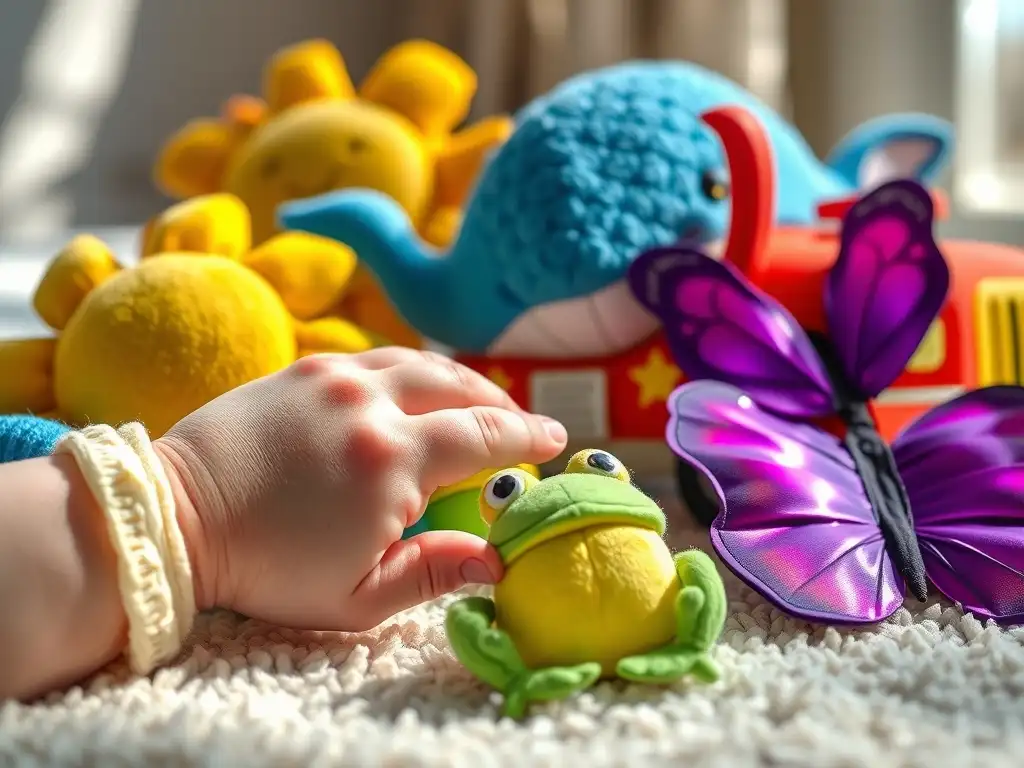
Integrating diverse colors into your baby's daily routine is a simple yet highly effective way to stimulate their color vision development. Think beyond just brightly colored toys; consider the entire environment. For example, during playtime, use colorful blankets, cushions, and play mats. These aren't just aesthetically pleasing; they provide a rich visual landscape for your baby to explore. Notice how their gaze follows different hues, and adjust the positioning of objects to encourage further exploration.
The colors you choose matter. While vibrant shades are naturally engaging, don't neglect softer pastels or even muted tones. A balanced palette is crucial. Consider incorporating different color schemes throughout the day, perhaps using warmer tones in the morning and cooler tones in the evening. This variation keeps the visual stimulation interesting and prevents sensory overload. Remember, consistency is key. Making color a regular part of your baby's day, rather than an occasional event, will maximize the benefits.
You can also incorporate color into feeding time. Using brightly colored bowls and bibs can make mealtimes more visually appealing and stimulating. Even the food itself can play a role; naturally colored fruits and vegetables, such as bright red tomatoes or vibrant green broccoli, offer a feast for the eyes as well as the belly. This holistic approach, integrating color into different aspects of the day, provides a richer and more stimulating environment for your baby's developing visual system.
Observe your baby's reactions; their preference for certain colors might surprise you! This observation can help you tailor your stimulation strategy further. Remember that every baby is unique, and what works for one might not work for another.
Choosing Age-Appropriate Color Toys and Activities
Selecting appropriate toys and activities is essential for fostering your baby's developing color vision. For newborns and very young infants, high-contrast toys are ideal. Think black and white, or black and red patterns. These stark contrasts are easier for their immature visual systems to process. As they grow and their color perception improves, you can gradually introduce more complex color combinations and patterns. Around 2-3 months, you can introduce toys with brighter, more saturated colors.
By 4-6 months, your baby should be able to distinguish a wider range of colors. At this stage, toys with multiple colors and textures are beneficial. Consider soft toys with different colored patches, or rattles with contrasting colors. Remember to rotate toys regularly to maintain their novelty and prevent your baby from becoming visually bored. This variety keeps the stimulation fresh and engaging, encouraging continued visual development.
Beyond toys, consider other stimulating activities. For example, hanging colorful mobiles above the crib can capture your baby's attention and track their eye movements. Remember to choose mobiles with safe, durable materials and ensure they are securely attached to prevent any accidents. Also, interactive activities like colorful books with simple shapes and images are beneficial. Reading to your baby, even at a young age, stimulates not only their language development but also their visual perception. Always supervise your baby during playtime and choose toys that are safe and age-appropriate.
Creating a Stimulating Color Environment at Home
Creating a visually rich home environment is crucial for supporting your baby's color vision development. This doesn't require a major overhaul; simple changes can make a significant difference. Start by incorporating colorful elements into your baby's play area. Brightly colored blankets, cushions, and mobiles can provide a stimulating visual landscape. Remember to vary the colors and patterns to prevent monotony and keep your baby engaged.
Consider the lighting in the room. Natural light is ideal, but you can supplement it with soft, warm lighting. Avoid harsh, fluorescent lighting which can be overwhelming for a baby's sensitive eyes. Position your baby's crib or play area near a window to maximize exposure to natural light and the varied colors of the outdoors. This natural light offers a constantly changing visual environment, fostering continuous development.
Furthermore, think about the wall colors in your baby's room. While you might prefer neutral tones for your own aesthetic preferences, incorporating some pops of color can be beneficial. This doesn't mean painting the entire room in bright primary colors; instead, consider colorful wall hangings, artwork, or even colorful shelves and storage units. Remember to always prioritize safety when decorating your baby's room. Avoid small objects that could be choking hazards and ensure everything is securely fastened. A vibrant and safe environment is the perfect combination for optimal visual development.
Potential Issues and When to Consult a Doctor: Early Detection is Key
Early detection of vision problems in babies is crucial for optimal development. While most babies develop normal color vision, some may experience delays or difficulties. Addressing these issues promptly can significantly impact their long-term visual acuity and overall development. This section outlines potential issues and when professional consultation is necessary. Remember, this information is for educational purposes and doesn't replace professional medical advice. Always consult your pediatrician or an ophthalmologist for any concerns regarding your baby's vision.
Signs of Potential Vision Problems in Babies
Several signs can indicate potential vision problems in infants. These aren't always immediately obvious and require attentive observation from parents and caregivers. Early identification is key to timely intervention and improving developmental outcomes. Some of the key signs to watch out for include:
- Eye misalignment (strabismus): One or both eyes may turn inward (esotropia) or outward (exotropia). This is often noticeable when your baby is looking at something. A simple test is to hold a toy in front of your baby and observe if both eyes follow the toy simultaneously. Consistent misalignment warrants immediate professional attention.
- Excessive tearing or eye discharge: While some tearing is normal, excessive tearing or unusual discharge could indicate an infection or other underlying eye problem. This should be evaluated by a doctor to rule out any serious conditions.
- Light sensitivity (photophobia): Babies with photophobia may squint excessively or cry when exposed to bright light. This can be a symptom of various eye conditions that require diagnosis and treatment.
- Lack of eye contact: While babies won't maintain prolonged eye contact consistently, an almost complete absence of eye contact, particularly in response to faces and familiar stimuli, could signal a vision problem.
- Failure to follow moving objects: By around 2-3 months, most babies will readily follow moving objects with their eyes. A failure to do so might indicate a visual impairment.
- Rubbing eyes excessively: Frequent eye rubbing can be a sign of irritation or discomfort, which could be related to a vision problem. This should be investigated by a healthcare professional.
It's important to remember that these signs can manifest individually or in combination. It's better to err on the side of caution and seek professional help if you have any concerns. Early intervention significantly improves the chances of a positive outcome.
Importance of Regular Eye Examinations for Infants
Regular eye examinations are vital for the early detection and management of potential vision problems in babies. While many pediatricians perform basic vision screenings, a comprehensive eye examination by a pediatric ophthalmologist is crucial. These specialized doctors have the expertise and equipment to thoroughly assess your baby's visual system. The timing of these examinations is generally as follows:
- First examination: Ideally, a comprehensive eye examination should be performed by 6 months of age. This allows for early detection of any potential issues before they significantly impact development.
- Follow-up examinations: Further examinations may be recommended depending on the findings of the initial assessment. Regular checkups, even in the absence of apparent problems, ensure ongoing monitoring of your baby's visual health.
These regular checkups are not just for babies exhibiting symptoms; they are preventative measures to ensure healthy visual development. Early detection and intervention can prevent lasting vision impairments and improve your baby's quality of life. Think of it as an investment in your baby's future. The earlier a problem is identified, the better the chances of successful correction or management.
Addressing Concerns about Baby's Color Vision Development
Concerns regarding baby color vision development are often related to the timing of color perception development. While babies might not initially discriminate between all colors with adult-level precision, it's important to understand the normal developmental trajectory of color vision. Remember that baby color vision development follows a predictable pattern. The ability to distinguish colors develops gradually, with most babies exhibiting near-adult levels of color vision by around 3-4 months of age.
However, significant delays in color perception or other visual issues should be addressed by a professional. While many parents might worry about their baby's color perception, it's crucial to focus on overall visual development. A comprehensive eye examination will address any concerns related to color vision as part of a broader assessment of your baby's visual health. If you have concerns, don't hesitate to schedule an appointment with a pediatric ophthalmologist.
Early intervention is key for optimal visual development. Remember, a healthy visual system is fundamental to a baby's overall development and learning. Don't underestimate the importance of regular checkups and prompt attention to any potential issues.
Supporting Your Baby's Overall Visual Development
This section focuses on broader strategies to nurture your baby's visual development, complementing the specific discussion on color vision. Remember, a baby's visual acuity and color perception are intertwined with their overall neurological and physical development. A holistic approach is key.
Importance of Eye Contact and Interaction
Eye contact is more than just a cute moment; it's a crucial element in your baby's visual and social-emotional development. Consistent eye contact helps strengthen the neural pathways responsible for visual processing and social interaction. Babies learn to interpret facial expressions and emotions through this visual connection. The more you engage in face-to-face interactions, the more your baby's visual system is stimulated.
Consider these practices:
- Dedicated playtime: Schedule at least 15-20 minutes daily for focused interaction, making eye contact and talking softly. Use exaggerated facial expressions to capture their attention.
- Responsive communication: Respond promptly to your baby's vocalizations and movements, reinforcing the connection between their actions and your responses. This strengthens their understanding of cause and effect, contributing to brain development.
- Singing and storytelling: The rhythmic nature of songs and the engaging narratives of stories stimulate their visual and auditory processing simultaneously. Use puppets or other visual aids to enhance the experience.
Early intervention is key. If you notice any significant delays in eye contact or visual responsiveness, consult your pediatrician. Early detection of potential issues can lead to timely intervention and improve long-term outcomes. Remember, every baby develops at their own pace, but consistent monitoring is essential.
Creating a Stimulating Visual Environment for Your Baby
A stimulating visual environment plays a vital role in your baby's baby color vision development. Providing diverse visual experiences helps enhance their ability to perceive colors, shapes, and patterns. Avoid overwhelming them with too much stimulation at once; instead, introduce new visual elements gradually.
Here are some tips for creating a visually rich environment:
- High-contrast mobiles: Mobiles with black and white, or high-contrast colored patterns, are excellent for newborns, as they can perceive these contrasts more easily.
- Colorful toys: Introduce toys with a variety of colors, textures, and shapes as your baby grows. Rotate toys regularly to maintain their interest and prevent visual boredom.
- Natural light: Maximize exposure to natural light, but avoid direct sunlight. Natural light provides better visual stimulation than artificial light.
- Visual exploration: Encourage exploration by placing interesting objects within your baby's reach, allowing them to visually track and examine them.
Promoting Healthy Eye Development Through Nutrition
Nutrition plays a surprisingly significant role in your baby's overall development, including their visual acuity and baby color vision development. A balanced diet rich in essential nutrients is crucial for optimal eye health.
Key nutrients for healthy eye development include:
| Nutrient | Benefits | Food Sources |
|---|---|---|
| Vitamin A | Supports healthy vision and prevents night blindness. | Sweet potatoes, carrots, spinach, liver |
| Vitamin C | Protects against oxidative stress, crucial for eye health. | Citrus fruits, berries, tomatoes, peppers |
| Vitamin E | Acts as an antioxidant, protecting the eyes from damage. | Nuts, seeds, vegetable oils |
| Lutein & Zeaxanthin | Powerful antioxidants that protect against age-related macular degeneration. | Leafy green vegetables, eggs, corn |
| Omega-3 Fatty Acids | Support healthy retinal function and reduce inflammation. | Fatty fish (salmon, tuna), flaxseeds, chia seeds |
Breast milk or formula provides most of the necessary nutrients for newborns. As your baby starts solid foods, introduce a variety of colorful fruits and vegetables to ensure a diverse range of nutrients. Always consult your pediatrician before introducing new foods into your baby's diet, especially if you have concerns about allergies or sensitivities. Remember, a healthy diet contributes significantly to your baby's overall well-being, including their visual development. 👶
Frequently Asked Questions
When do babies start to see color?
Newborns can see some colors, but their color vision is blurry and underdeveloped. It takes several months for their vision to fully mature, with most color perception developing by around 3 to 4 months old.
What colors can newborns see best?
At birth, babies can distinguish between high-contrast colors, particularly shades of red and yellow. They see these colors better than blues and greens, which may appear more muted.
How does a baby's color vision develop over time?
Color vision improves gradually. By about 2 months, they'll start to see a wider range of colors more clearly. Full color vision typically develops by 4 months.
Are there any signs that my baby's color vision isn't developing properly?
If your baby shows no interest in brightly colored toys or seems to struggle tracking objects of different colors by 4-6 months, consult your pediatrician. This could indicate a potential vision problem requiring further assessment.
How can I stimulate my baby's color vision development?
Provide high-contrast toys and books with bright colors. Playing with colorful objects and interacting with your baby while pointing out different colors can help stimulate their vision development.
Final Reflection: The Unfolding Spectrum of a Baby's World
The vibrant world we perceive as adults is built upon a foundation laid in infancy, a foundation of color vision that develops at a surprisingly rapid pace. Understanding this development is not merely an academic pursuit; it profoundly impacts how we interact with and nurture our youngest members of society, shaping their early learning and emotional connections.
The journey of color perception in babies is a testament to the incredible plasticity of the human brain, a constant process of refinement and adaptation. It's a fascinating glimpse into the intricate biological mechanisms that allow us to experience the beauty of the world around us. The eye is the first circle; the horizon which it forms is the second; and throughout nature this primary figure is repeated without end.
- Ralph Waldo Emerson. This quote speaks to the fundamental role of vision, and its development, in shaping our understanding and experience of the world, beginning from the very first moments of life. This developmental journey highlights the importance of providing enriching visual stimulation to infants, fostering their cognitive and emotional growth.
Consider the implications of this knowledge. How can you enrich your child's or grandchild's environment to support their developing color vision? What simple steps can you take to create a visually stimulating and engaging world for them? Take a moment to reflect on the power of color, not just as a sensory experience, but as a fundamental building block of early development and lifelong learning. Embrace the wonder of this unfolding spectrum, and help nurture the vibrant world within each child.
Unveil Your Baby's World of Color!
Thanks for exploring the fascinating world of color vision in babies! You've gained valuable insights into this developmental milestone, and now it's time to put that knowledge into practice. Ready to connect with your little one in a whole new way?
- Engage your baby with colorful toys and books: Use toys and books with bold reds, blues, and yellows, and other high-contrast colors and patterns to stimulate their visual development.
- Share your experiences: Discuss your observations of your baby's color perception in the comments section – which colors seem to capture their attention? Let's build a supportive community!
- Play a simple color-matching game: Use brightly colored blocks or objects to create fun, engaging games that help your baby learn about colors.
What colorful adventures will you and your baby share today?