
Choosing the Perfect First Books for Your Baby: A Parent's Guide

Welcome to BabyCareHub, your ultimate guide to navigating the incredible journey of parenthood! Are you ready to embark on a captivating adventure of discovery with your little one? We understand the overwhelming experience of welcoming a new baby, and that’s why we’ve created this comprehensive resource. Discover expert advice and practical tips on everything from feeding schedules to developmental milestones.
But first, let's dive into something truly special: our Baby's first book selection guide, a crucial step in nurturing your baby's cognitive development. This guide, found within our Developmental Milestones section, will help you choose the perfect books to spark your baby's imagination and lay the foundation for a lifelong love of reading. Let's begin!
- Baby's First Book Selection Guide: Key Considerations for New Parents
- Types of Books Ideal for Baby's First Reading Experience
- Selecting Books Based on Your Baby's Interests
- Creating a Positive Reading Experience for Your Baby
- Building a Diverse Library: Expanding Your Baby's Horizons
- Beyond the Books: Creating a Reading-Rich Environment
- Where to Find the Best Baby Books
- Frequently Asked Questions
- Final Reflection: Cultivating a Love of Reading from Day One
- Unleash Your Baby's Love of Reading!
Baby's First Book Selection Guide: Key Considerations for New Parents
Choosing the perfect first books for your little one can feel overwhelming. This guide navigates the world of baby books, offering a practical, step-by-step approach to selecting age-appropriate literature that fosters your baby's development and ignites a lifelong love of reading. We'll explore key considerations, from understanding your baby's developmental stage to choosing books with engaging textures and vibrant visuals.
This comprehensive guide aims to equip new parents with the knowledge and confidence to build a stimulating and enriching library for their baby, laying the foundation for a future filled with literacy and learning. It's a journey of discovery, not just for your baby, but for you as well, as you embark on this exciting chapter of parenthood.
This guide will help you effectively navigate the selection process so you can choose books that truly resonate with your baby and contribute positively to their development. Remember, selecting the right books is a crucial step in nurturing your baby’s cognitive, emotional, and social growth.
Understanding Your Baby's Developmental Stage and Book Selection
Selecting books aligned with your baby's developmental stage is crucial for maximizing engagement and fostering a love of reading. Babies at different ages respond differently to various stimuli. A newborn will primarily focus on high-contrast images and simple shapes, while a six-month-old might be captivated by textured pages and interactive elements. Understanding these developmental milestones will guide you towards choosing books that are both stimulating and appropriate. Consider the following developmental leaps:
- 0-3 Months: Babies at this stage primarily focus on visual stimulation. High-contrast images in black, white, and red are ideal. Simple shapes and patterns are also very effective. Think bold designs and minimal text.
- 3-6 Months: As babies grow, their visual acuity improves. They begin to notice more details and colors. Books with brighter colors, simple illustrations, and repetitive sounds are engaging.
- 6-12 Months: At this stage, babies start to understand cause and effect. Books with interactive elements like flaps, textures, and sounds become increasingly appealing. They also begin to recognize familiar faces and objects.
Choosing Age-Appropriate Books: 0-3 Months, 3-6 Months, 6-12 Months
The market offers a plethora of books specifically designed for different age groups. Let's delve into specific book types ideal for each stage:
| Age Range | Recommended Book Types | Key Features | Example Themes |
|---|---|---|---|
| 0-3 Months | High-contrast board books, black and white books | Bold patterns, simple shapes, minimal text | Shapes, colors, animals (simple illustrations) |
| 3-6 Months | Soft cloth books, books with crinkly pages, simple picture books | Bright colors, repetitive sounds, durable pages | Familiar objects, animals, everyday routines |
| 6-12 Months | Lift-the-flap books, textured books, interactive books | Engaging elements, simple stories, sturdy construction | Actions, sounds, textures, simple narratives |
This table provides a starting point; remember to always prioritize your baby's individual preferences and reactions.
Textured Books and Sensory Exploration for Infants
Textured books offer a multi-sensory experience that significantly enhances a baby's engagement. The tactile stimulation provided by different textures (soft fabrics, crinkly pages, rough surfaces) not only entertains but also contributes to their cognitive and sensory development. These books often incorporate various materials, allowing babies to explore different feels and textures, stimulating their senses and encouraging exploration.
The variety of textures can be incredibly engaging for babies, fostering their tactile development and enhancing their overall sensory experience. This tactile exploration is vital for their overall development, helping them understand different textures and develop their fine motor skills. Consider books with:
- 柔软的绒毛
- 粗糙的织物
- 褶皱的纸张
- 坚硬的塑料页
Remember, reading to your baby is not just about the books themselves; it's about creating a loving and interactive experience that fosters a lifelong love of reading. Enjoy this special bonding time with your little one!
Types of Books Ideal for Baby's First Reading Experience
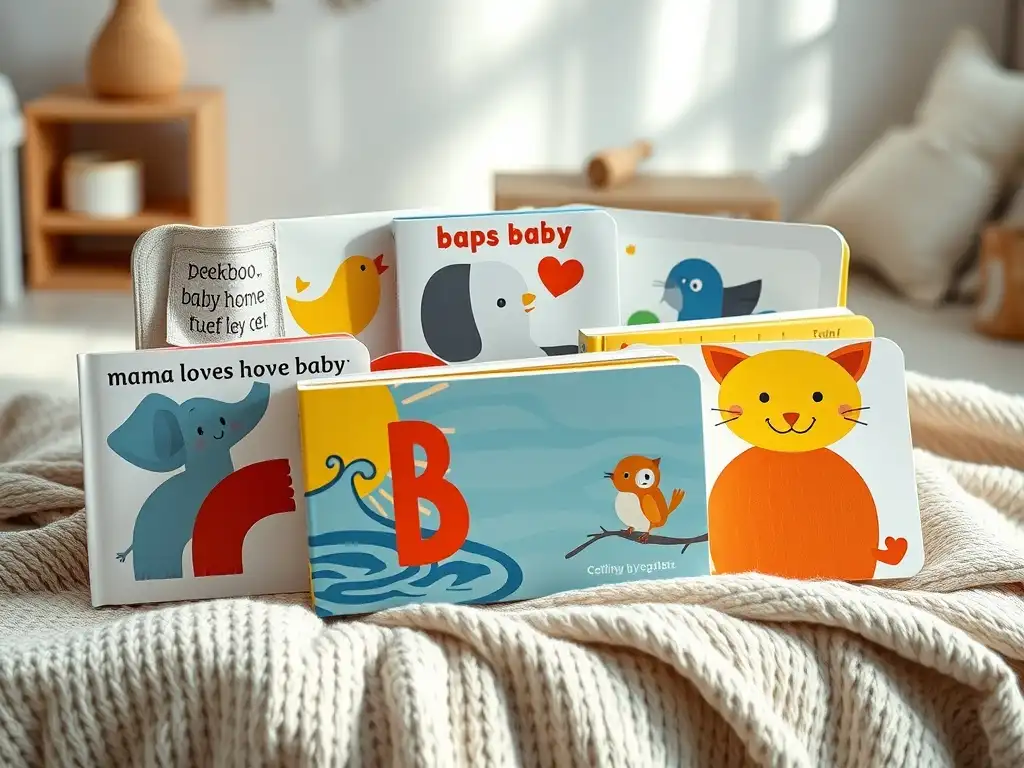
Choosing the right books for your baby's first reading experiences is crucial for fostering a love of reading and stimulating early development. This selection guide focuses on the three most popular and suitable types of books for newborns and infants: board books, soft books, and cloth books. Each type offers unique benefits catered to the specific needs and developmental stages of your little one. Selecting the appropriate type will contribute significantly to a positive and engaging reading experience, laying the groundwork for a lifelong appreciation of literature. Remember, the goal is to make reading a joyful and interactive activity.
Board Books: Durability and Engaging Designs for Little Hands
Board books are a quintessential choice for baby's first library. Their sturdy construction, typically made from thick cardboard, ensures they can withstand the enthusiastic (and often messy) handling of tiny hands and curious mouths. This durability is paramount, considering babies' tendency to explore their world through touch and taste. The simple yet captivating designs, often featuring bright colors, bold illustrations, and repetitive patterns, are specifically tailored to capture a baby's attention. These visual elements stimulate cognitive development and help babies recognize shapes, colors, and objects.
Consider these key features when selecting board books:
- Rounded corners: Essential for safety, preventing sharp edges from causing injury.
- Non-toxic inks: Crucial for ensuring your baby's safety as they may put the book in their mouth. Look for certifications indicating the use of safe materials.
- Engaging themes: Simple themes like animals, vehicles, or everyday objects are perfect for capturing a baby's attention. Look for books with repetitive phrases and sounds to help with language development.
- Variety of textures: Some board books incorporate different textures, adding another layer of sensory stimulation.
Examples of popular board book themes include classic children's rhymes like Pat-a-Cake or The Itsy Bitsy Spider, simple alphabet books, and books focusing on common household objects. The repetitive nature of these books aids in language acquisition and helps babies learn to anticipate and participate in the reading experience. Remember to choose books with clear, large illustrations for optimal visual engagement.
Soft Books: Gentle Textures and Safe Materials for Newborns
Soft books, often made from fabric or plush materials, are particularly well-suited for the youngest babies. Their soft and pliable nature makes them incredibly gentle on delicate skin and safe for newborns who are exploring the world through touch. The soft textures provide sensory stimulation, comforting the baby and encouraging exploration. These books are often lightweight and easy for babies to grasp and manipulate, fostering a sense of independence and control. They are also machine washable, which is a significant advantage given the inevitable spills and drool associated with babies.
Choosing a soft book involves considering:
- Material safety: Ensure the materials used are non-toxic and safe for babies to handle and potentially put in their mouths. Look for OEKO-TEX Standard 100 certification.
- Easy cleaning: Opt for machine-washable books for easy cleaning and hygiene.
- Simple designs: Simple, engaging designs with bright colors and contrasting patterns are ideal for capturing a baby's attention.
- Durable stitching: Check for strong stitching to ensure the book's longevity despite repeated handling.
Soft books often feature textures like crinkle paper, soft fabrics, or even small tags to further stimulate a baby's tactile senses. The emphasis on sensory exploration makes these books ideal for promoting early development. These books often include simple shapes, animals, or faces, contributing to visual development and object recognition.
Cloth Books: Washable and Stimulating for Sensory Development
Cloth books offer a delightful blend of durability and sensory stimulation, making them a versatile choice for baby's first reading experience. Similar to soft books, they are made from fabric, but often feature a more robust construction and a wider variety of textures and elements. The vibrant colors, contrasting patterns, and various textures (including crinkling, rustling, or plush elements) engage multiple senses, stimulating cognitive and sensory development. Furthermore, their washability makes them a practical choice for parents dealing with the inevitable messes that accompany babyhood.
Key aspects to consider when choosing a cloth book include:
| Feature | Importance |
|---|---|
| Washability | Crucial for maintaining hygiene, given babies' tendency to drool and make messes. |
| Material Safety | Ensure materials are non-toxic and baby-safe. |
| Stimulating Textures | A variety of textures enhances sensory exploration and cognitive development. |
| Secure Stitching | Strong stitching prevents tearing and ensures the book's longevity. |
| Engaging Designs | Bright colors, contrasting patterns, and simple shapes capture baby's attention. |
Cloth books often incorporate interactive elements, such as crinkle pages, zippers, or buttons, to encourage exploration and fine motor skill development. The combination of visual stimulation, tactile exploration, and interactive elements makes cloth books a valuable tool for fostering early childhood development. They are also often designed with simple stories or characters, introducing babies to the joy of storytelling.
Interactive Books: Promoting Engagement and Early Learning
Interactive books are a fantastic way to engage your baby from a very young age. These books go beyond simply presenting pictures; they incorporate tactile elements, sounds, or even simple mechanisms that encourage your little one to participate actively in the reading experience. This active participation is crucial for their development.
For example, books with textures like soft fabrics, crinkly pages, or raised elements stimulate their sense of touch and help them understand different materials. This sensory exploration is vital in the early stages of cognitive development. The feeling of a soft bunny or the crinkling sound of a page can become associated with positive reading experiences, fostering a love for books from the start.
Beyond textures, many interactive books include flaps to lift, buttons to press, or even pull-tabs that reveal hidden images or sounds. This element of surprise and discovery is highly engaging for babies, keeping them captivated and encouraging them to explore the book independently. This self-directed exploration is essential for building problem-solving skills and fostering a sense of autonomy.
Consider books with simple mechanisms like a peek-a-boo element, where a character hides behind a flap, or a book with different textures that correspond to various animals (e.g., a soft, furry page for a sheep, a rough page for a dinosaur). These features transform reading time into an exciting game, helping your baby learn cause and effect and develop fine motor skills.
The benefits extend beyond simple engagement. Interactive books often incorporate educational elements subtly woven into the design. For instance, a book about animals might have different textures corresponding to the animal's fur or skin, thereby introducing your baby to diverse textures while learning animal names. Similarly, a book focusing on colors might use brightly colored pages and interactive elements, making color recognition more fun and memorable.
Remember to choose books with simple, clear images and minimal text, focusing on the interactive elements that will capture your baby's attention and stimulate their senses. The goal is to make reading time a joyful and enriching experience, laying the foundation for a lifelong love of learning. The positive association formed during these early interactions with books can significantly impact their future reading habits and overall development.
Selecting Books Based on Your Baby's Interests
Choosing the right book for your little one isn't just about finding a cute cover; it's about selecting a book that stimulates their developing senses and sparks their curiosity. A baby's first book selection guide should consider their age and developmental stage, focusing on elements that will capture their attention and encourage interaction. This section explores key factors to consider when selecting books based on your baby's interests, ensuring a positive and engaging reading experience.
Understanding what grabs your baby's attention will help you build a library that supports their growth and fosters a love of reading from the very beginning. This is crucial for early childhood development and building a strong parent-child bond.
Bright Colors and Bold Illustrations: Capturing Attention
Newborns and young infants are particularly drawn to high contrast images and bright, bold colors. Their visual systems are still developing, and these elements help them focus and track objects. Look for books with primary colors like red, yellow, and blue, as well as strong contrasting colors like black and white or black and orange. The illustrations should be simple yet engaging, featuring large, easily identifiable shapes and patterns.
Consider books with textures as well! Babies love to explore different tactile sensations, so a book with crinkly pages or soft fabric elements can add another layer of engagement. Avoid overly detailed or busy illustrations, as these can be overwhelming for a young baby. Remember, the goal is to capture their attention and keep them interested, not to bombard them with visual information.
For example, a board book with large, brightly colored pictures of animals or simple objects is a great starting point. A book featuring a single, bold image per page is ideal for keeping their attention focused. The simpler the better, in this case!
Simple Shapes and Patterns: Fostering Visual Development
Simple shapes and repetitive patterns are incredibly beneficial for a baby's visual development. These elements help them learn to recognize and differentiate between various forms, contributing to their cognitive development. Look for books that incorporate basic shapes like circles, squares, and triangles, presented in a clear and concise manner. Repetitive patterns, such as stripes, dots, or checkers, can also be very engaging and help babies track movement and develop their visual acuity.
Books featuring these elements can promote pattern recognition skills, a crucial building block for future learning. For instance, a book with a series of progressively larger circles or a page featuring different textured squares can be incredibly stimulating. The predictable nature of the patterns provides a sense of security and encourages interaction, as babies begin to anticipate what comes next. This predictability is calming and helps them understand cause and effect. Remember, a baby's first book selection guide should emphasize simplicity and clarity to maximize the learning benefits.
Familiar Faces and Objects: Creating a Sense of Recognition
Babies find comfort and security in recognizing familiar faces and objects. Including books featuring familiar people, like family members, or common household items can help them build connections between the real world and the world of books. This strengthens their understanding of their environment and creates a positive association with reading.
Consider books with pictures of their favorite toys, their parents, or even their pets. This personalization creates a stronger bond with the book and makes reading time more engaging and meaningful. For example, a book featuring pictures of their family members going about their daily routines can be incredibly comforting and help them understand the world around them.
The repetition of familiar faces and objects also helps babies develop their memory and recall skills. This sense of recognition is crucial for building a strong foundation for language development and overall cognitive growth. Remember, this is a key aspect to consider when creating your baby's first book selection guide.
Rhymes and Simple Stories: Introducing Language and Storytelling
Rhymes and simple stories are excellent choices for a baby's first books because they introduce the fundamentals of language and storytelling in an engaging way. The rhythmic nature of rhymes helps babies develop a sense of language patterns and predictability, a crucial step in language acquisition. This rhythmic repetition also aids in memory development, as babies begin to anticipate the next word or phrase. Furthermore, the melodic quality of rhymes often makes them soothing and calming, perfect for bedtime routines or quiet moments.
Consider books with repetitive phrases and simple storylines. For example, books featuring animals making repetitive sounds ("Moo! Baa! Meow!")
or those with cumulative tales, where a new element is added with each repetition, are ideal. These books not only entertain but actively engage babies in the storytelling process, encouraging them to participate by anticipating the next sound or event. The simple narratives also allow for easy interaction, with parents pointing to pictures and making the sounds alongside the baby. This interactive element is crucial for building a positive association with reading and fostering a love for books from a young age.
The visual elements of these books are equally important. Bold colors, clear illustrations, and simple shapes are visually stimulating for babies, capturing their attention and making the reading experience more enjoyable. Look for books with large, high-contrast images, as these are easier for babies to focus on. Avoid books with overly complex illustrations or small text, as these can be overwhelming and less engaging for young children.
Remember, the aim is to create a positive and enjoyable experience that encourages a lifelong love of reading. Choosing books with a calming palette and consistent design can contribute significantly to this goal. The tactile experience is also important; consider books with different textures or interactive elements, such as flaps to lift or buttons to press, to enhance the sensory experience. These added elements can significantly improve engagement and make the reading session even more stimulating for your little one.
Creating a Positive Reading Experience for Your Baby
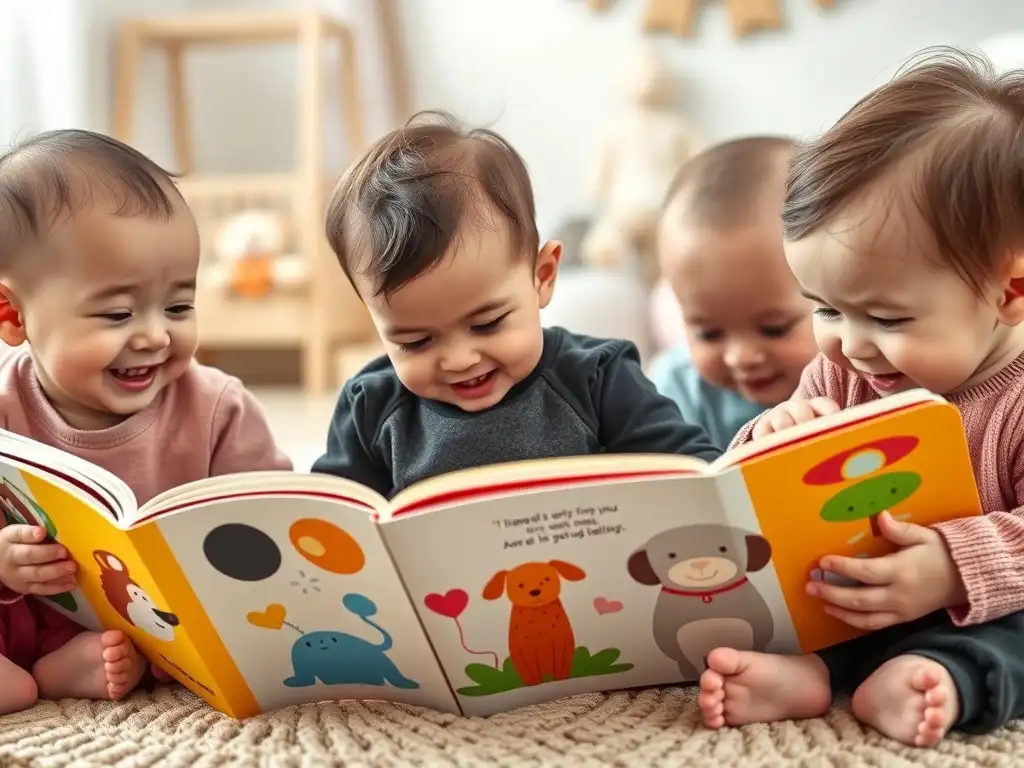
This section focuses on establishing a positive and enjoyable reading routine that fosters a love of books in your little one. Remember, the goal isn't just to read to your baby, but to nurture a lifelong appreciation for the power of storytelling. A positive association with books from infancy will significantly contribute to their future literacy development. This involves more than just picking the right books; it's about creating the right atmosphere and engaging with your baby in a meaningful way. This approach helps build strong cognitive and emotional connections.
Making Reading Time a Special Bonding Experience
Reading aloud shouldn't feel like a chore; it should be a cherished moment of connection between you and your baby. Think of it as a special ritual, a time to focus solely on your child and the magic of the story. This dedicated time strengthens the parent-child bond, creating a sense of security and trust.
Consider these tips for maximizing the bonding aspect:
- Skin-to-skin contact: Hold your baby close during reading time, allowing for physical closeness and comfort. The warmth and touch enhance the experience.
- Soft lighting and quiet environment: Minimize distractions to create a calming atmosphere conducive to relaxation and focus. A dimly lit room can also make the colors in the book pop! ✨
- Vary your routine: While consistency is important, avoid making reading time too predictable. Sometimes read in your baby's crib, other times on the couch, or even outside on a blanket. This keeps things interesting.
- Observe your baby's cues: Pay attention to your baby's reactions. If they seem restless or tired, shorten the reading session. Respecting their needs is crucial.
- Incorporate other senses: Use different textures, sounds, or smells to enhance the experience. A soft blanket, a gentle lullaby, or even the scent of lavender can add to the sensory richness.
Reading with Expression and Encouragement
The way you read matters! Infants are highly responsive to tone, inflection, and facial expressions. Your enthusiasm is contagious. Don't be afraid to use your voice expressively, mimicking animal sounds, changing your pitch, and emphasizing key words.
Here are some practical tips for expressive reading:
- Engage with the illustrations: Point to the pictures and describe what you see, encouraging your baby to look and follow along. Use descriptive language like "Look at the bright red apple!" or "Wow, that fluffy bunny is so cute! ".
- Use different voices: Give each character a unique voice, making the story come alive. Children respond to this variation and engagement.
- Ask questions: Even if your baby can't answer, engage them by asking simple questions like "Where's the ball?" or "What color is the bird?". This encourages interaction.
- Pause for interaction: Don't rush through the book. Pause to let your baby take in the pictures and sounds. This encourages focus and comprehension.
- Positive reinforcement: Offer praise and encouragement, even if your baby only babbles in response. Positive feedback reinforces the positive association with reading.
Choosing a Comfortable and Safe Reading Environment
Creating a comfortable and safe reading space is paramount. Your baby needs to feel secure and relaxed to fully enjoy the experience. This sets the stage for a positive association with books and reading. The right environment contributes significantly to your baby's enjoyment and engagement.
Consider these factors when preparing your reading space:
- Soft, supportive surface: A comfortable blanket, a soft mat, or your lap are all great options. The surface should be supportive and prevent your baby from rolling over or falling.
- Proper lighting: Avoid harsh overhead lights. Soft, warm lighting is more soothing and enhances the visual experience of the book's illustrations.
- Temperature control: Make sure the room is at a comfortable temperature, neither too hot nor too cold. A comfortable temperature prevents discomfort and promotes relaxation.
- Safety precautions: Ensure the area is free of hazards such as sharp objects, electrical cords, or small choking hazards. Prioritizing safety creates a worry-free environment for both you and your baby.
- Accessibility: Keep the books within easy reach. A small shelf or basket near your reading area makes it convenient to grab different books. Rotate books often to keep things fresh and exciting.
Creating a positive reading experience is an investment in your baby's future. By focusing on bonding, expressive reading, and a safe environment, you'll not only help them develop a love for books but also strengthen your relationship and create lasting memories. 🧸
Building a Diverse Library: Expanding Your Baby's Horizons
This section focuses on creating a diverse and enriching collection of books for your little one, going beyond simply choosing cute illustrations. A varied library fosters cognitive development and introduces your baby to a wider world from the very beginning. This isn't just about pretty pictures; it's about sparking curiosity and shaping their understanding of the world around them. Remember, the goal is to cultivate a love of reading that will last a lifetime. Consider this your Baby's first book selection guide to building a truly exceptional collection.
Introducing Different Genres and Themes
Don't limit yourself to board books with simple shapes and colors. While these are essential for early development, gradually introduce different genres and themes to keep your baby engaged and stimulate their imagination. Consider incorporating:
- Interactive Books: Books with flaps, textures, and sounds engage multiple senses, enhancing learning and making reading time more fun. These are perfect for keeping even the most fidgety babies entertained. Think about books with crinkly pages or those featuring different textures like soft fur or bumpy surfaces.
- Concept Books: These books introduce basic concepts like colors, shapes, numbers, and animals. They're fantastic for early learning and lay the groundwork for future academic success. Look for books with clear, simple language and bright, engaging illustrations.
- Story Books: Even at a young age, babies respond to the rhythm and intonation of storytelling. Simple narratives with repetitive phrases are ideal for engaging them, even before they understand the words. The familiarity helps build comfort and anticipation.
- Nature Books: Introducing nature through books can foster a love for the environment and an appreciation for the natural world. Look for books with beautiful photographs or illustrations of animals, plants, and landscapes.
Table 1: Example Book Genres and Themes for Babies
| Genre | Theme Examples | Benefits |
|---|---|---|
| Interactive | Lift-the-flap, textures, sounds | Sensory exploration, fine motor skill development |
| Concept | Colors, shapes, numbers, animals, opposites | Vocabulary building, cognitive development |
| Story | Simple narratives with repetitive phrases | Language development, storytelling skills |
| Nature | Animals, plants, landscapes | Appreciation for nature, environmental awareness |
| Rhymes & Songs | Nursery rhymes, simple songs | Language development, rhythm and musicality |
Representation and Diversity in Children's Literature
It's crucial to choose books that reflect the diversity of the world. Babies benefit from seeing themselves and others represented in literature, fostering a sense of belonging and acceptance. Look for books that feature characters from different racial and ethnic backgrounds, families with diverse structures, and children with disabilities. This promotes inclusivity and expands your baby's understanding of the world's richness. The goal is to build empathy and understanding from an early age. A diverse library helps to combat stereotypes and promotes a more equitable worldview.
Choosing Books that Promote Inclusivity and Understanding
Actively seek out books that celebrate differences and promote inclusivity. Avoid books that perpetuate stereotypes or harmful biases. Consider books that:
- Showcase families of different structures and compositions.
- Feature characters with disabilities, showcasing their abilities and contributions.
- Highlight different cultural traditions and celebrations.
- Promote kindness, empathy, and respect for others.
Remember, reading to your baby is more than just entertainment; it's an investment in their future. A thoughtfully curated library, reflecting the diversity of our world, will not only entertain but also educate and empower your child, shaping their understanding of themselves and the world around them. This careful Baby's first book selection guide focuses on creating a positive and inclusive reading experience from the start. 🎉
Beyond the Books: Creating a Reading-Rich Environment
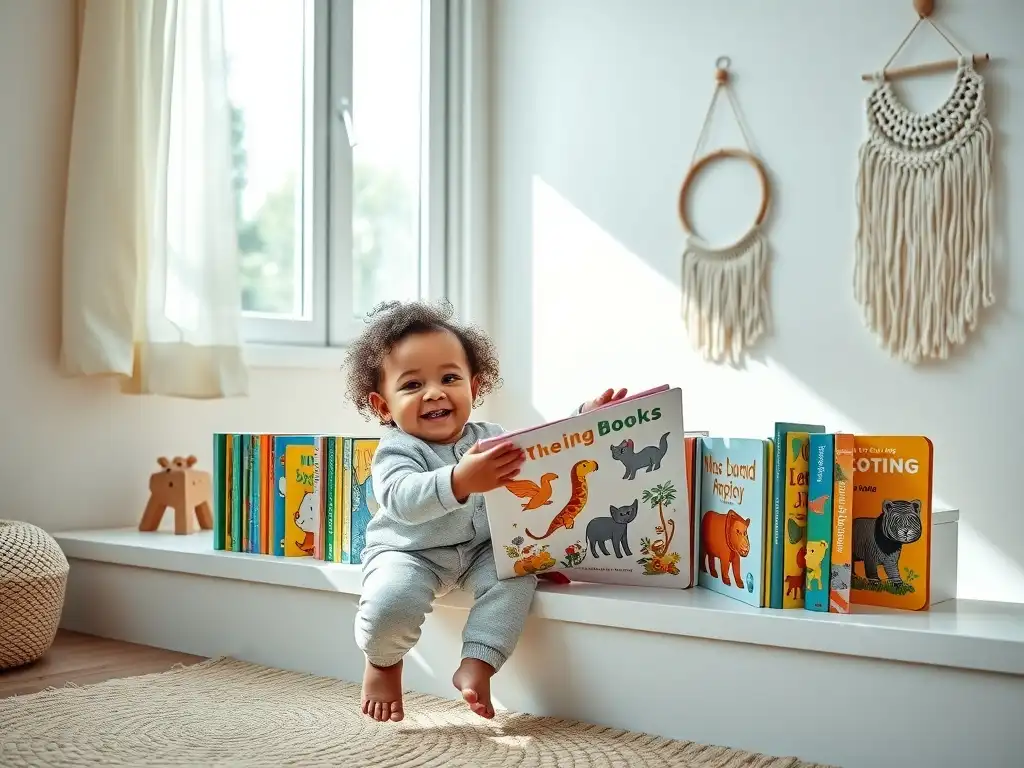
This section focuses on maximizing your baby's engagement with books by creating a supportive and stimulating environment. Simply having books isn't enough; the experience of reading needs to be positive and enriching. Remember, the goal is to foster a love of reading from the earliest stages, laying the foundation for a lifetime of literacy. This isn't just about selecting the perfect baby's first book selection guide, it's about creating a culture of reading within your home.
Establishing a Dedicated Reading Corner
Creating a cozy and inviting reading space is crucial. This doesn't require a large area; even a small, comfortable corner can work wonders. Think soft blankets, plush toys, and soft lighting. The goal is to create a space specifically associated with reading, helping your baby associate books with comfort and relaxation. Consider these points:
- Location: Choose a quiet spot away from distractions. A sunny window seat or a quiet corner of the living room can be ideal.
- Comfort: Soft cushions, blankets, and even a small beanbag chair can make the space more inviting for both you and your baby.
- Accessibility: Ensure that books are easily accessible to your baby (at their level, of course! ), encouraging independent exploration.
- Personalization: Add personal touches, like photos of family members or your baby's favorite stuffed animals. This helps create a sense of familiarity and security.
Remember, consistency is key. Always read in the same designated spot to reinforce the association. This helps build anticipation and excitement for reading time. Over time, your baby will learn to associate this space with positive experiences and look forward to reading sessions. This positive reinforcement is a key component of fostering a love of reading.
Incorporating Books into Daily Routines
Integrating books into your daily routine is as important as choosing the right books. Making reading a consistent part of your day helps your baby develop positive associations with books and reading. Think of it as a building block in their development, like feeding or napping. Here are some practical ways to weave books into your daily schedule:
- Before naps and bedtime: Reading a calming book before sleep can help soothe your baby and establish a relaxing bedtime routine. Choose books with gentle illustrations and repetitive phrases to promote relaxation.
- During playtime: Incorporate books into playtime. Use board books with textures and interactive elements to keep your baby engaged.
- During mealtimes: While not ideal for messy foods, reading a short book during calmer mealtimes can be a nice addition to the routine.
- During diaper changes: Use this time to read a page or two of a short book while keeping your baby engaged and comfortable.
Consider creating a visual schedule with pictures of books to help your baby understand the routine. This can be particularly helpful as they get older and begin to understand visual cues. Remember that flexibility is important. Adjust the routine as needed to fit your baby's needs and temperament.
The key is consistency and making reading a fun and enjoyable part of the day. This helps create a positive association with books, enhancing their development and laying the groundwork for a lifelong love of reading. This approach not only helps with a baby's first book selection guide but also creates a positive relationship with reading as a whole.
Where to Find the Best Baby Books
Choosing the right books for your little one can feel overwhelming, but knowing where to look makes the process much smoother. This section focuses on the best places to discover a diverse range of baby books, ensuring you find perfect titles to spark your baby's imagination and support their early development. We'll explore various options, considering both convenience and cost-effectiveness. Remember, selecting baby's first book is a significant milestone in their journey towards literacy!
Online Retailers and Bookstores: Finding a Wide Selection
Online retailers offer unparalleled convenience and access to a vast selection of baby books. Platforms like Amazon, Barnes & Noble, and independent bookstores often have dedicated sections for children's literature, making it easy to browse by age, author, or theme. The advantage lies in the sheer variety; you can find everything from classic board books to interactive cloth books and innovative pop-up books.
Many sites also offer customer reviews, which can be incredibly helpful in making informed decisions. You can often compare prices and shipping options, ensuring you get the best deal. Furthermore, online searches allow you to easily explore niche categories, like books focusing on specific developmental skills or those promoting diversity and inclusion.
For example, you can specifically search for "baby books about emotions" or "baby books featuring diverse families," broadening your selection considerably. This method allows for a targeted approach to selecting books that align with your parenting philosophy and your baby's unique needs.
The downside? You miss out on the tactile experience of browsing physical books. You also need to consider shipping costs and wait times. However, the convenience and sheer breadth of choice often outweigh these minor inconveniences.
Local Libraries: Access to a Variety of Books at No Cost
Don't underestimate the power of your local library! Libraries offer a fantastic, cost-effective way to explore a wide range of baby books without any financial commitment. They often have dedicated children's sections with a diverse collection of board books, picture books, and even interactive story time events. This allows you to borrow multiple books at a time, letting your baby explore different styles and themes without the expense of purchasing them all.
Moreover, libraries frequently organize baby and toddler story times, providing a wonderful opportunity for socialization and early literacy engagement. This interactive experience enriches the reading experience, making it more fun and engaging for your little one. This is especially beneficial for first-time parents who are still learning about their baby's preferences and what type of books they enjoy. The library provides a risk-free environment to explore and discover.
The main drawback? The selection might not be as extensive as online retailers, and popular titles may be checked out. However, the cost-effectiveness and access to a variety of books make local libraries a valuable resource for building your baby's library.
Recommendations from Other Parents and Professionals
Leveraging the experiences of other parents and professionals can significantly enhance your book selection process. Talking to friends, family members, or other parents in your community can provide valuable insights into their favorite baby books and what resonated well with their children. Online parenting forums and social media groups are also excellent resources for discovering hidden gems and getting personalized recommendations.
Furthermore, pediatricians, librarians, and early childhood educators are invaluable sources of expert advice, guiding you towards books that align with your baby's developmental stage and learning needs. They can often suggest books that focus on specific skills, such as language development, emotional intelligence, or fine motor skills. This targeted approach ensures that the books you choose actively contribute to your baby's holistic development.
Remember to consider the source of the recommendation. While personal anecdotes are helpful, professional advice from educators and healthcare providers offers a more informed perspective on age-appropriateness and educational value. Combining personal recommendations with professional guidance provides a well-rounded approach to selecting the perfect books for your little one. This collaborative approach ensures you are providing your baby with a stimulating and enriching reading experience.
Frequently Asked Questions
What types of books are best for babies?
Board books are ideal for babies, due to their durability and engaging visuals. Simple, colorful illustrations and repetitive text are also great for early development. Cloth books are another excellent option.
When should I start reading to my baby?
You can begin reading to your baby from birth. Even newborns respond to the sound of your voice and the rhythm of language. Reading aloud helps with language development and bonding.
How many books should I choose for my baby's first collection?
Start with 2-3 books, focusing on variety. Include books with different textures, sounds, and simple stories. You can gradually add more books as your baby's interests develop.
What should I look for when selecting a book for my baby?
Choose books with bright, bold colors, simple shapes, and large, clear images. Avoid books with small parts that could pose a choking hazard. Consider books that engage multiple senses.
Are there any specific themes or topics that are particularly beneficial for babies' development?
Books focusing on animals, colors, shapes, and everyday objects are excellent choices. These themes aid in cognitive development and vocabulary building. Interactive books are also very beneficial.
Final Reflection: Cultivating a Love of Reading from Day One
The choices we make in our children's earliest years profoundly shape their futures, and selecting their first books is no exception. Introducing babies to the magic of storytelling isn't merely about entertainment; it's about fostering a lifelong love of reading, igniting their imaginations, and building a strong foundation for cognitive development. This journey begins with careful consideration, a journey we've explored throughout this guide.
The impact of early literacy experiences is undeniable, shaping not only a child's academic trajectory but also their emotional intelligence and overall well-being. The more that you read, the more things you will know, the more that you learn, the more places you'll go.
- Dr. Seuss. This simple yet profound truth underscores the importance of nurturing a child's love of books from the very beginning. My own experience with my children solidified this belief; witnessing their faces light up as we shared stories together created memories I will cherish forever, memories that built a strong foundation for their future learning.
Now, consider your own journey. What books sparked your imagination as a child? What memories do you associate with those early reading experiences? Take this knowledge and use it to guide your selection of your baby's first books. Don't just choose a book; choose an adventure, a connection, a lifelong love. Embrace the power of storytelling, and watch as your baby's world expands with each turn of the page. The investment you make today will yield immeasurable rewards for years to come.
Unleash Your Baby's Love of Reading!
Thank you for joining us on this journey into the wonderful world of children's literature! We hope you've gained valuable insights into selecting the perfect first books for your little one. Now, let's put that knowledge into practice.
- Start building your baby's library today! Explore your local bookstore or library for titles featuring vibrant colors, simple textures, and engaging sounds. We discussed several excellent examples in the previous section.
- Share your favorite baby books with other parents! Join our BabyCareHub community forum—we'd love to hear your recommendations and experiences.
- Create a special reading nook for cozy bonding time with your baby. This dedicated space will help make reading a cherished family ritual.
What special reading experience will you share with your baby today?