
Bilingual Baby Development: Exploring the Emotional Benefits

Welcome to BabyCareHub, your ultimate guide to navigating the incredible journey of parenthood! Are you curious about unlocking the unique emotional advantages of raising a bilingual baby? Our comprehensive resource is designed to support you every step of the way, from feeding schedules to developmental milestones. Discover the fascinating world of bilingual baby emotional development and learn how to nurture your little one's cognitive and social-emotional growth. Dive in and explore the wealth of information waiting for you!
- Understanding Bilingualism and Early Childhood Development
- Bilingual Baby Emotional Development: Enhanced Empathy and Social Skills
- Benefits of Bilingualism on Emotional Resilience and Stress Management in Babies
- Strategies for Fostering Bilingual Baby Emotional Development
- Addressing Potential Challenges in Bilingual Baby Emotional Development
- Long-Term Emotional Benefits of Raising a Bilingual Child
-
Frequently Asked Questions
- How does bilingualism affect my baby's emotional development?
- Are there any potential downsides to raising a bilingual baby?
- What is the best way to create a bilingual environment for my baby?
- At what age should I start exposing my baby to a second language?
- How can I tell if my bilingual baby is developing emotionally on track?
- Final Reflection: The Untapped Emotional Power of Bilingualism
- Unlock Your Child's Bilingual Potential: Take the Next Step!
Understanding Bilingualism and Early Childhood Development
Raising a bilingual baby offers a world of advantages, extending far beyond simple language acquisition. This article delves into the fascinating connection between bilingualism and emotional development in young children, exploring how exposure to multiple languages from infancy can positively impact a child's emotional well-being and social skills. We'll examine the cognitive benefits that lay the groundwork for enhanced emotional intelligence and provide practical insights for parents navigating this enriching journey.
Understanding this connection is crucial for parents who want to foster not only linguistic proficiency but also a well-rounded and emotionally resilient child. The benefits of bilingualism extend beyond simply knowing two languages; it impacts how a child processes information, solves problems, and interacts with the world, ultimately shaping their emotional landscape. This exploration will equip you with the knowledge to support your child's holistic development in a bilingual environment.
The Impact of Bilingualism on Cognitive Development in Babies
Research consistently demonstrates a strong link between bilingualism and enhanced cognitive development in babies and young children. This cognitive boost isn't merely about vocabulary expansion; it's about a fundamental shift in how the brain processes information. Bilingual babies often exhibit improved executive function, a set of cognitive skills crucial for managing attention, working memory, and cognitive flexibility.
These skills are essential for regulating emotions, as they allow children to switch between tasks, inhibit impulsive behaviors, and plan ahead – all vital components of emotional intelligence. For example, studies have shown that bilingual children outperform monolingual peers in tasks requiring cognitive flexibility, such as switching between rules or adapting to changing instructions. This improved cognitive flexibility translates directly into better emotional regulation, allowing them to handle challenging situations more effectively.
Furthermore, the constant mental juggling act of switching between languages strengthens the brain's ability to filter out distractions and focus on relevant information, a skill invaluable for managing emotional responses in various contexts. The enhanced cognitive abilities fostered by bilingualism directly contribute to a child's growing emotional intelligence, laying a strong foundation for healthy emotional development.
Early Language Acquisition and its Connection to Emotional Intelligence
The connection between early language acquisition and emotional intelligence is profound. As babies begin to acquire language, they simultaneously learn to express and understand their emotions. In a bilingual environment, this process is amplified. Exposure to two languages provides a richer vocabulary for describing feelings, allowing babies to articulate their emotional states more precisely.
This nuanced understanding of emotions is a cornerstone of emotional intelligence. For instance, a bilingual child might have separate words for different shades of sadness in each language, enabling a more precise understanding and expression of their feelings. This increased vocabulary empowers them to communicate their needs and desires more effectively, fostering stronger relationships with caregivers and peers. Moreover, the cognitive flexibility inherent in bilingualism enables children to better understand the perspectives of others, a key component of empathy, another crucial element of emotional intelligence.
By navigating the complexities of two languages, they develop a greater capacity for understanding different viewpoints and responding appropriately to diverse emotional expressions. The ability to empathize and understand others' emotions is crucial for building healthy relationships and navigating social interactions, further strengthening their emotional well-being. The multifaceted benefits of bilingualism, therefore, contribute significantly to the development of a well-rounded and emotionally intelligent child.
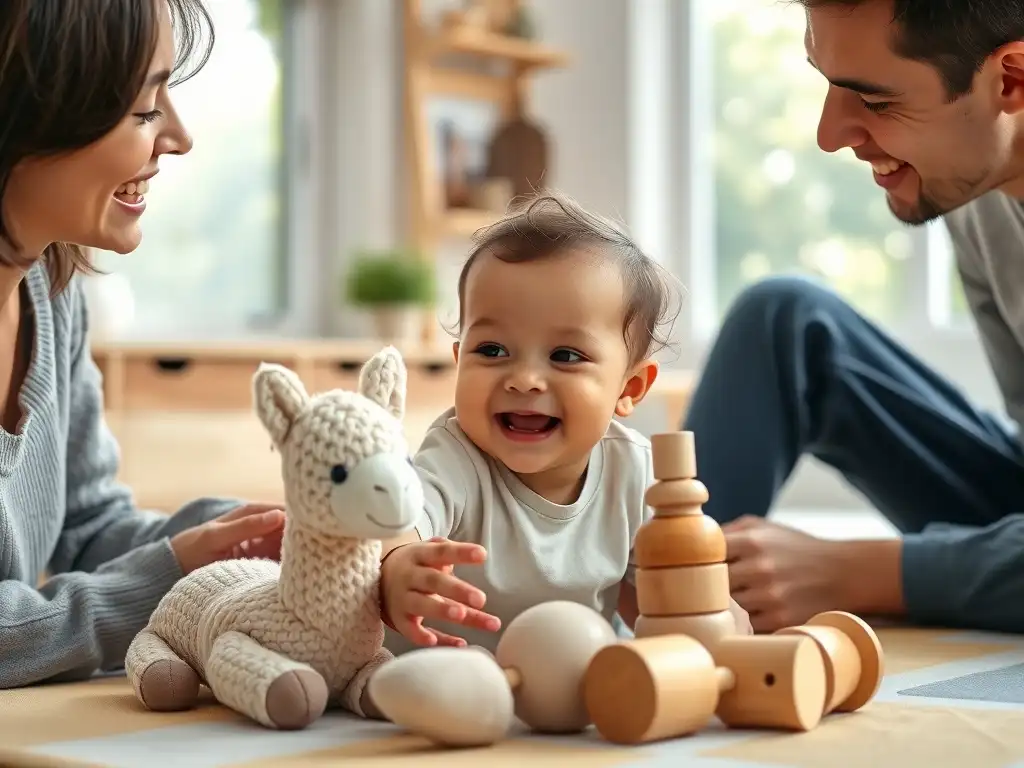
Raising a bilingual child offers a wealth of cognitive benefits, but the impact extends far beyond language acquisition. Emerging research strongly suggests that bilingualism fosters enhanced emotional intelligence and social skills in young children. This section delves into the fascinating connection between bilingualism and a child's socio-emotional development, exploring how speaking multiple languages can contribute to greater empathy and more refined social interactions.
The advantages are multifaceted, impacting everything from emotional vocabulary to conflict resolution strategies. Understanding these benefits empowers parents to nurture their child's emotional growth effectively, even within the context of a multilingual environment. We'll examine specific examples and research findings to illustrate the significant positive correlation between bilingualism and emotional development in babies and toddlers.
Developing Emotional Vocabulary in Bilingual Children
Children who learn two languages from an early age often develop a richer and more nuanced emotional vocabulary. This isn't simply a matter of knowing more words; it's about a deeper understanding of the subtle differences in emotional expression. For instance, the Spanish word "enojado" might convey a different intensity of anger than the English word "angry." This exposure to multiple linguistic nuances helps children differentiate between various emotional states with greater precision. They learn to articulate their feelings more effectively, leading to improved communication and self-awareness.
Studies have shown a correlation between bilingualism and improved emotional labeling abilities. Children exposed to two languages are often better at identifying and naming emotions in themselves and others. This enhanced emotional literacy is crucial for healthy social-emotional development, as it enables children to understand and manage their own emotions and empathize with the feelings of others. This is especially important during the crucial early years of development when emotional regulation is still being established. The ability to accurately label and communicate emotions contributes significantly to conflict resolution skills and positive relationships with peers and caregivers.
Social-emotional regulation – the ability to manage and respond appropriately to one's emotions – is a cornerstone of healthy development. Bilingual children often demonstrate superior skills in this area. The cognitive flexibility required to switch between languages appears to translate into a greater ability to switch between different emotional states and adapt to changing social situations. This "cognitive flexibility" acts like a mental workout, strengthening the brain's ability to handle complex emotional challenges.
Consider this: a bilingual child might be engaged in a playful interaction in one language, then quickly transition to a more serious conversation in the other, depending on the context. This constant mental shifting strengthens their ability to regulate emotions and adapt their behavior accordingly. This enhanced flexibility isn't just observed anecdotally; numerous studies have shown a positive correlation between bilingualism and improved executive functions, including working memory and inhibitory control – essential components of social-emotional regulation.
The increased cognitive demand associated with bilingualism appears to strengthen these executive functions, leading to better emotional control and more adaptive social behavior. This, in turn, contributes to a more secure and well-adjusted child, better equipped to navigate the complexities of social interactions.
The benefits of bilingualism for emotional development are substantial and far-reaching. While further research is always needed to fully understand the intricacies of this relationship, the existing evidence strongly suggests that raising a bilingual child can significantly contribute to their emotional well-being and social success. This underscores the importance of embracing multilingual environments and supporting the linguistic development of young children. The positive impact on their emotional intelligence is a significant and often overlooked advantage of bilingualism.
Benefits of Bilingualism on Emotional Resilience and Stress Management in Babies
Bilingualism, from a young age, offers a significant advantage in fostering emotional resilience and improving stress management capabilities in babies. While the exact mechanisms are still under investigation, several theories point towards a correlation between early bilingual exposure and enhanced emotional regulation. Studies suggest that the cognitive flexibility required to switch between two languages strengthens the brain's executive functions, including those responsible for inhibiting impulses and managing emotions. This improved cognitive flexibility translates to a better ability to cope with challenging situations and regulate emotional responses.
For example, research indicates that bilingual children, even at a young age, show better performance on tasks requiring attention control and emotional regulation compared to their monolingual peers. This enhanced cognitive control allows them to better manage frustration, anxiety, and other negative emotions that are common during infancy. The increased cognitive reserve associated with bilingualism might act as a buffer against stress, leading to greater emotional stability. This is particularly relevant during periods of significant change or challenge, such as weaning, the introduction of solid foods, or adapting to a new environment.
Furthermore, the act of learning and using two languages strengthens the brain's ability to adapt and flexibly process information. This neuroplasticity, the brain's capacity to reorganize itself, may contribute to improved resilience in the face of emotional stressors. The constant mental juggling of two linguistic systems strengthens neural pathways associated with cognitive flexibility and emotional regulation, leading to greater emotional stability and resilience.
The benefits extend beyond simply managing negative emotions; they also contribute to a more positive and adaptable emotional disposition overall. Longitudinal studies are needed to fully understand the long-term implications of early bilingualism on emotional development, but preliminary findings are promising.
Coping Mechanisms and Emotional Stability in Bilingual Toddlers
As bilingual babies transition into toddlerhood, the advantages of bilingualism on their emotional development become increasingly apparent. The cognitive flexibility honed through language acquisition translates into more effective coping mechanisms when faced with emotional challenges. Toddlers are known for their intense emotional outbursts; however, studies suggest that bilingual toddlers demonstrate greater emotional stability and a wider range of coping strategies compared to their monolingual counterparts.
One key aspect is the ability to self-soothe. Bilingual toddlers may utilize the different languages to regulate their emotions. For instance, a toddler might switch to a more comforting language when feeling distressed, using the familiar sounds and structures to calm themselves. This linguistic self-regulation can be a powerful tool in managing overwhelming emotions. Furthermore, the enhanced cognitive flexibility allows them to shift their attention more easily away from upsetting situations, a crucial skill in emotional regulation.
Consider this scenario: a bilingual toddler is frustrated because they can't build a tower as high as they want. A monolingual toddler might respond with a tantrum. However, a bilingual toddler might switch to their other language, perhaps using it to narrate the situation to themselves, which might help them process their feelings and find a solution more calmly.
This demonstrates the practical application of enhanced cognitive flexibility in everyday emotional regulation. The ability to employ multiple linguistic strategies contributes significantly to their overall emotional well-being and resilience. The development of these coping mechanisms is crucial for healthy emotional development throughout childhood and beyond.
Building Emotional Strength Through Language Exposure
The process of acquiring two languages fosters a unique environment for emotional growth. The exposure to diverse cultural perspectives and communication styles inherent in bilingualism contributes to a richer understanding of emotions and social interactions. Learning two languages expands a child's social circle and provides opportunities for interaction with individuals from various backgrounds. This increased social interaction enriches their emotional understanding, allowing them to learn how different cultures express and interpret emotions.
Furthermore, the effort involved in language learning itself builds resilience. The process of mastering two languages requires perseverance, problem-solving, and the ability to overcome challenges. This inherent resilience spills over into other aspects of their development, including emotional resilience. The successful navigation of the complexities of bilingualism equips them with valuable tools for managing emotional difficulties later in life. This can be likened to building emotional muscles; the more they practice navigating the linguistic challenges, the stronger their emotional resilience becomes.
The benefits extend beyond the individual child. Raising a bilingual child often involves actively engaging with other cultures and communities, fostering a sense of belonging and empathy. This exposure to diverse cultural perspectives helps children develop a broader understanding of human emotions and fosters greater tolerance and acceptance of others.
The positive emotional impact of this cultural enrichment is a significant added benefit of bilingualism, contributing to the holistic emotional development of the child. This nurturing environment is invaluable in building a strong foundation for emotional well-being and resilience, benefiting the child throughout their life. Ultimately, providing a bilingual environment creates a powerful synergy between language acquisition and emotional strength.
Strategies for Fostering Bilingual Baby Emotional Development
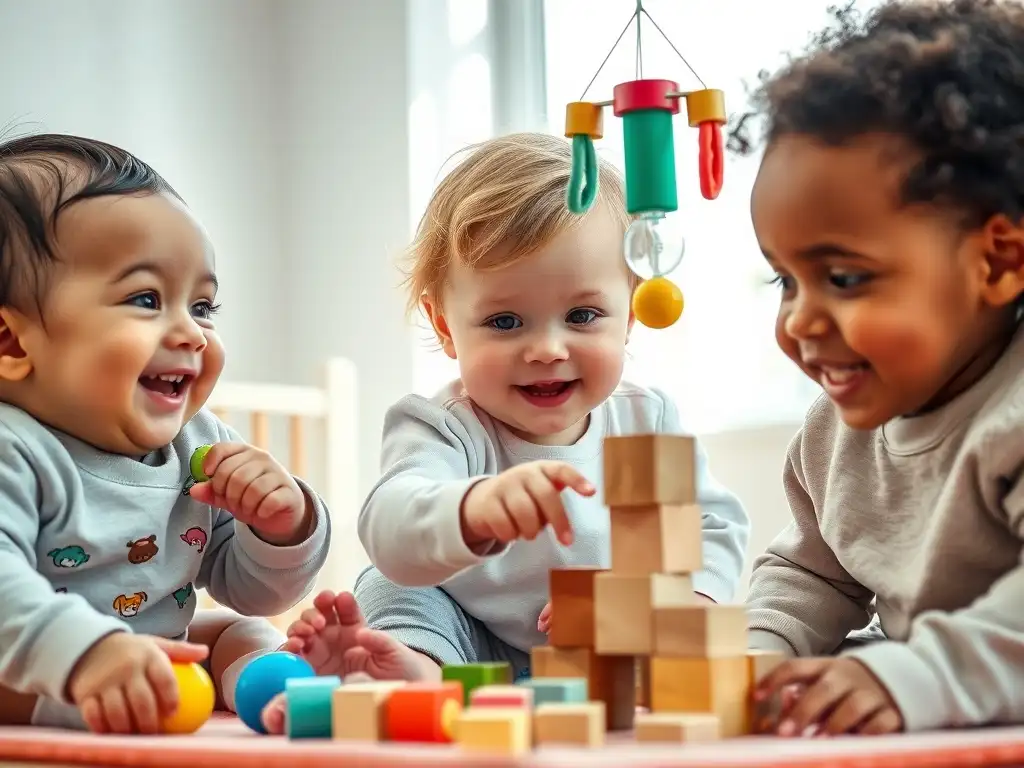
Raising a bilingual child offers a wealth of cognitive benefits, but the positive impact extends significantly to their emotional development. A rich linguistic environment can nurture emotional intelligence, resilience, and adaptability. This section delves into practical strategies parents can employ to foster robust emotional development in their bilingual babies. Understanding the nuances of bilingual language acquisition and its correlation with emotional growth is key to unlocking your child's full potential. We'll explore how creating a supportive environment, engaging in specific activities, and providing consistent parental support can significantly contribute to your child's emotional well-being.
Creating a Supportive and Stimulating Bilingual Environment at Home
Creating a nurturing bilingual environment is the cornerstone of fostering healthy emotional development in your baby. This doesn't require rigid adherence to strict language schedules; instead, focus on creating a consistent and loving atmosphere where both languages are naturally integrated into daily routines.
Consider these practical steps:
- Consistent Language Exposure: Ideally, one parent (or caregiver) consistently speaks one language, and the other parent (or caregiver) consistently speaks the other. This consistent exposure helps the baby to differentiate between the two languages and associate each with a specific person. This consistent association aids in language acquisition and reduces potential confusion.
- Immersive Language Play: Incorporate both languages into playtime. Singing songs, reading books, and playing interactive games in both languages helps to associate positive emotions with language learning. Using colorful toys and engaging materials further enhances the experience.
- Labeling Everyday Objects: Label everyday objects around the house in both languages. This passive exposure helps the baby to associate words with objects and gradually build their vocabulary in both languages. For example, labeling furniture ("table," "mesa"), toys ("ball," "pelota"), and food items ("milk," "leche").
- Bilingual Story Time: Reading bedtime stories in both languages is a fantastic way to bond with your baby while nurturing their language development. Choosing age-appropriate books with vibrant illustrations enhances the experience. The repetition of words and phrases reinforces vocabulary acquisition.
- Cultural Immersion: Incorporating elements of both cultures associated with the languages into your home environment can create a richer and more meaningful experience for your baby. This could involve music, food, or even simple decorations. This helps your child develop a strong sense of identity and belonging within each culture.
Engaging in Emotionally Rich Activities in Both Languages
Beyond simply hearing the languages, actively engaging your baby in emotionally rich activities in both languages is crucial for their emotional development. This involves creating opportunities for your baby to express and understand a wide range of emotions.
Here are some examples:
- Emotional Labeling: When your baby expresses an emotion (crying, laughing, fussing), name the emotion in both languages. For example, "You're feeling sad/triste." This helps your baby to develop emotional vocabulary and understand their own feelings better.
- Social Interaction: Encourage social interaction with other bilingual individuals. This exposure to diverse interactions and language use helps your baby to develop social skills and emotional intelligence.
- Turn-Taking Games: Simple games that involve turn-taking, like peek-a-boo or rolling a ball, encourage communication and emotional connection in both languages.
- Sensory Play: Activities that stimulate different senses (touch, sight, sound, taste, smell) can be incredibly beneficial, using both languages to narrate the experience. This provides rich language input and promotes emotional regulation.
Parental Interaction and Emotional Support in a Bilingual Setting
The role of parents in fostering bilingual baby emotional development cannot be overstated. Consistent, responsive, and emotionally supportive interaction is key. Parents need to create a secure and predictable environment where the baby feels safe to express their emotions.
Consider these important points:
- Responsive Caregiving: Respond promptly and sensitively to your baby's cues, regardless of the language used. This consistency reinforces the feeling of security and trust.
- Emotional Validation: Validate your baby's feelings, even if you don't fully understand them. Simply acknowledging their emotions – "I see you're upset/enojado" – can be very comforting.
- Modeling Emotional Regulation: Show your baby how to manage your own emotions in healthy ways. This provides a valuable role model for emotional regulation techniques.
- Positive Reinforcement: Focus on positive reinforcement and praise when your baby uses both languages, even if it's just babbling. This creates a positive association with language learning and boosts their confidence.
- Seeking Professional Support: Don't hesitate to seek professional support from a pediatrician, child psychologist, or speech-language pathologist if you have concerns about your baby's emotional development or language acquisition. Early intervention can make a significant difference. Remember, a supportive and understanding environment is key to nurturing a happy and emotionally intelligent bilingual child.
Addressing Potential Challenges in Bilingual Baby Emotional Development
Raising a bilingual child offers incredible cognitive and social advantages, but it's crucial to acknowledge potential emotional hurdles. The process of language acquisition, while enriching, can sometimes lead to frustration and emotional outbursts. Understanding these challenges and implementing supportive strategies is key to fostering a positive bilingual experience for your child and promoting healthy bilingual baby emotional development. This section will explore common challenges and provide practical solutions to navigate them effectively. Remember, patience and consistent support are paramount.
Young children, especially those learning two languages simultaneously, often experience frustration when they struggle to express themselves. This frustration can manifest in various ways, including:
- Tantrums: A common response to the inability to communicate a need or want effectively. The intensity of these tantrums may vary, but the underlying cause is often communicative frustration.
- Withdrawal: Some children may become withdrawn or quiet, avoiding situations where they feel pressured to speak. This can be a sign of anxiety related to language learning.
- Increased clinginess: A child might become more clingy to a parent or caregiver, seeking reassurance and comfort in the face of communicative difficulty.
- Aggression: In some cases, frustration can lead to increased aggression towards siblings, toys, or even caregivers.
Addressing these frustrations requires patience, understanding, and a multi-faceted approach:
- Providing ample opportunities for communication: Engage your child in activities that encourage verbal expression, regardless of the language used. Simple games, storytelling, and singing are all excellent tools.
- Creating a supportive and non-judgmental environment: Avoid correcting your child’s language errors constantly. Instead, focus on encouraging communication and understanding the message, not the perfect articulation.
- Using visual aids: Pictures, gestures, and sign language can help bridge the communication gap and reduce frustration. This is particularly helpful during the early stages of language development.
- Recognizing and validating their feelings: Acknowledge your child’s frustration. Phrases like, "I see you're feeling frustrated because you can't say what you want," can help them feel understood and supported.
- Seeking professional help: If frustrations persist or become severe, consider seeking guidance from a speech-language pathologist or child psychologist specializing in bilingual development. They can provide tailored strategies and support.
Supporting Emotional Development During Language Acquisition Stages
The emotional development of a bilingual child is intertwined with their language acquisition journey. Different stages of language learning present unique emotional challenges. For instance, during the early stages (0-2 years), the focus should be on creating a secure and nurturing environment where the child feels safe to explore both languages. As the child progresses, the challenges shift. For example, around ages 3-5, children may experience a period of language mixing or code-switching, which is perfectly normal. However, it can sometimes lead to confusion or criticism from others, impacting the child’s self-esteem.
Here's a breakdown of support strategies tailored to different stages:
| Stage | Age Range | Emotional Challenges | Support Strategies |
|---|---|---|---|
| Early Stages | 0-2 years | Anxiety, insecurity, difficulty expressing needs | Consistent, loving care; responsive communication; use of both languages regularly; visual aids |
| Intermediate | 2-5 years | Frustration, self-doubt, confusion from language mixing | Positive reinforcement; validation of feelings; encouragement of communication in both languages; avoiding language policing; providing a bilingual-friendly environment. |
| Advanced Stages | 5+ years | Social comparison, pressure to conform to monolingual norms | Building self-esteem; celebrating bilingualism; providing opportunities for interaction with other bilingual children; fostering pride in their linguistic abilities. |
Remember that each child develops at their own pace. What might be a challenge for one child might not be for another. The key is to remain flexible, patient, and understanding. By proactively addressing potential emotional challenges, you can create a positive and supportive environment that nurtures both your child's language skills and emotional well-being, leading to thriving bilingual baby emotional development.
Long-Term Emotional Benefits of Raising a Bilingual Child
Raising a bilingual child offers a wealth of cognitive advantages, but the emotional benefits are equally significant and often overlooked. These benefits extend far beyond childhood, shaping the child's emotional landscape and interpersonal skills throughout their life. Studies consistently demonstrate a strong correlation between bilingualism and enhanced emotional regulation, resilience, and social intelligence.
This section will delve into the profound and lasting emotional advantages bestowed upon children who grow up speaking two languages. Understanding these benefits can empower parents to make informed decisions about their child's linguistic development and foster a supportive environment for their emotional growth. The impact on a child's emotional development is a key factor to consider when exploring the advantages of bilingualism.
Enhanced Communication Skills and Emotional Expression in Later Life
Children raised bilingually often exhibit superior communication skills compared to their monolingual peers. This advantage isn't solely about vocabulary size; it's about a deeper understanding of language's nuances and the ability to articulate complex emotions effectively. The process of switching between languages strengthens cognitive flexibility, which translates into a greater capacity for nuanced emotional expression. They learn to navigate different communication styles, tailoring their language to the context and their audience. This adaptability extends to expressing their own feelings, allowing them to communicate their needs and emotions with greater precision and empathy.
For example, a bilingual child might use more descriptive language when expressing sadness in one language, while employing a more assertive tone in the other to express frustration. This subtle shift in linguistic approach demonstrates a higher level of emotional awareness and control. This heightened emotional intelligence is a valuable asset in navigating interpersonal relationships throughout their lives, leading to stronger bonds and improved conflict resolution skills. The ability to clearly and effectively communicate complex emotions is crucial for building healthy relationships and achieving personal well-being.
Improved Adaptability and Cross-Cultural Understanding
Bilingualism fosters a heightened sense of adaptability and a deeper understanding of diverse cultures. This is because language is intricately woven into cultural identity and worldview. By mastering two languages, children develop a more flexible cognitive framework, allowing them to readily adapt to new situations and perspectives. This adaptability translates into increased resilience in the face of challenges and improved stress management. They are better equipped to navigate ambiguous situations and handle unforeseen circumstances with greater composure.
Furthermore, bilingual children often demonstrate a greater appreciation for cultural diversity. Learning a second language exposes them to different cultural norms, values, and perspectives, fostering empathy and understanding towards people from different backgrounds. This increased cross-cultural understanding can contribute to a more inclusive and harmonious social environment, both in their personal lives and in wider society. The ability to connect with people from diverse backgrounds on an emotional level is a significant benefit of bilingual upbringing, promoting tolerance and understanding. This enhanced empathy is a crucial life skill in an increasingly globalized world.
Frequently Asked Questions
How does bilingualism affect my baby's emotional development?
Research suggests that bilingual babies may develop stronger executive function skills, including improved cognitive flexibility and problem-solving abilities. These skills contribute to better emotional regulation and resilience.
Are there any potential downsides to raising a bilingual baby?
While rare, some parents report initial slower language milestones in one or both languages. However, this is usually temporary, and the long-term benefits far outweigh any potential short-term delays. Consistent exposure is key.
What is the best way to create a bilingual environment for my baby?
Consistent and balanced exposure to both languages is crucial. One parent could speak one language, another the other, or you could dedicate specific times of day to each language. Immersion is key.
At what age should I start exposing my baby to a second language?
The earlier, the better! While babies can start picking up language from birth, the ideal time to start is within the first three years of life. Infants are incredibly receptive to language acquisition during this period.
How can I tell if my bilingual baby is developing emotionally on track?
Look for typical milestones like smiling, laughing, showing affection, and responding to different emotions. Consult your pediatrician if you have any concerns about your baby's emotional or language development. Early intervention is key.
Final Reflection: The Untapped Emotional Power of Bilingualism
The ability to speak two languages from infancy isn't just about linguistic prowess; it's a profound gift that shapes a child's emotional landscape, offering resilience and cognitive flexibility that extend far beyond the classroom. This isn't merely a theoretical advantage; the research overwhelmingly supports the positive impact of bilingualism on a child's emotional well-being, providing them with a richer, more nuanced understanding of the world and themselves.
Witnessing the blossoming confidence and adaptability in bilingual children has been a truly rewarding experience. Their ability to navigate different cultural contexts and communicate effectively in multiple languages fosters a sense of empowerment and self-assuredness that is truly inspiring. The bilingual mind is a more flexible mind, capable of switching between different perspectives and tasks with greater ease.
This quote encapsulates the essence of what we've explored: the cognitive benefits directly translate into emotional strength and resilience. The ability to code-switch, to seamlessly transition between languages, mirrors a capacity for emotional flexibility and adaptability in the face of life's challenges.
Consider the implications of this for your own child, or for the children in your life. Embrace the opportunity to nurture bilingualism, not just for the academic advantages, but for the profound emotional enrichment it provides. Explore different language learning methods, engage with diverse cultures, and create a supportive environment where your child can confidently explore the beauty and power of multiple languages. The journey may have its challenges, but the rewards – a child equipped with emotional resilience and a broader worldview – are immeasurable.
Unlock Your Child's Bilingual Potential: Take the Next Step!
Thank you for exploring the wonderful world of bilingual baby development with us! We hope you've gained valuable insights into the emotional benefits of raising a bilingual child. Ready to nurture your child's linguistic journey?
- Start incorporating a second language into your daily routine today. Even simple interactions, songs, or storybooks can make a significant difference!
- Connect with other parents on a similar path and share your experiences by joining our supportive online community, BabyCareHub.
- Consider signing up for a bilingual parenting workshop or online course to learn more advanced techniques and receive additional support.
What exciting ways will you enrich your child's language development today?