
Bilingual Baby Development: Enhancing ProblemSolving Skills

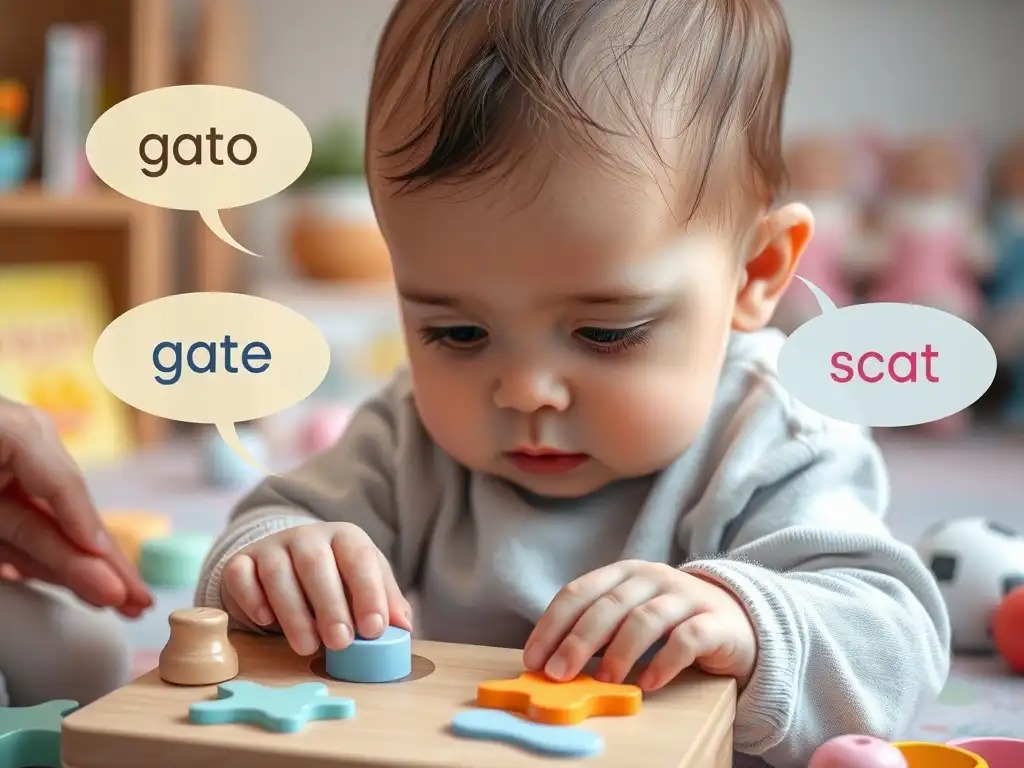
Welcome to BabyCareHub, your ultimate guide to navigating the incredible journey of parenthood! Are you ready to unlock your baby's full potential? We delve into the fascinating world of bilingual baby development, exploring how early language exposure can significantly enhance problem-solving skills. Discover practical strategies and expert advice to nurture your little one's cognitive growth and prepare them for a bright future. Let's embark on this enriching exploration together – read on to uncover the secrets to fostering a bilingual mind!
- The Link Between Bilingualism and Enhanced Cognitive Abilities
- How Bilingualism Boosts Problem-Solving in Young Children
- Practical Strategies to Foster Problem-Solving Skills in Bilingual Babies
- Addressing Common Challenges in Bilingual Baby Development
- Long-Term Benefits of Bilingualism for Problem-Solving Abilities
-
Frequently Asked Questions
- How does bilingualism affect my baby's problem-solving skills?
- What are some practical ways to encourage bilingual problem-solving in my baby?
- At what age should I start focusing on bilingual problem-solving development?
- My baby seems frustrated when I switch between languages. Is this normal?
- Are there any potential downsides to bilingualism for babies' problem-solving skills?
- Final Reflection: The Untapped Potential of Bilingual Brains
- Unlock Your Baby's Bilingual Brilliance
The Link Between Bilingualism and Enhanced Cognitive Abilities
Raising a bilingual baby offers a multitude of benefits, extending far beyond simple language acquisition. Emerging research strongly suggests a significant correlation between bilingualism and enhanced cognitive abilities, particularly in the realm of problem-solving. This article delves into the fascinating world of bilingual baby development, exploring the specific ways in which exposure to two languages from an early age can foster sharper minds and improved problem-solving skills.
We will examine the neurological mechanisms at play, discuss practical strategies for parents, and highlight the long-term advantages of bilingualism for your child's future success. Understanding these benefits empowers parents to make informed decisions about their child's linguistic environment and nurture their cognitive development from the very beginning.
This isn't just about language learning; it's about building a stronger, more adaptable brain capable of tackling complex challenges with greater ease and efficiency. We'll examine the evidence supporting this claim, exploring how bilingualism impacts various aspects of cognitive function, ultimately leading to superior problem-solving abilities.
Bilingualism and Executive Function Development in Infants
Executive functions are a set of higher-order cognitive processes crucial for planning, focusing attention, inhibiting impulses, and switching between tasks. Studies have shown that bilingual children, even infants, often demonstrate enhanced executive function skills compared to their monolingual peers. This is because the constant mental juggling act of managing two languages strengthens the brain's ability to filter out distractions, prioritize information, and shift attention effectively.
For example, a bilingual baby learning to differentiate between "mama" in one language and "maman" in another is actively engaging their executive functions. This constant cognitive exercise helps build neural pathways associated with improved attention span and self-regulation, which are fundamental components of effective problem-solving. The benefits are not merely theoretical; longitudinal studies consistently reveal a positive correlation between bilingualism and improved performance on tasks assessing executive functions, like the Stroop test and working memory challenges.
These early advantages can have a cascading effect, influencing academic performance and overall cognitive flexibility throughout life. 👶
Improved Cognitive Flexibility in Bilingual Babies
Cognitive flexibility, the ability to adapt thinking to changing situations and perspectives, is another area where bilingualism shines. Bilingual babies are constantly required to switch between language systems, a mental exercise that strengthens their cognitive flexibility. This adaptability translates into a broader capacity to approach problems from multiple angles, consider different solutions, and adjust their strategies as needed.
Imagine a bilingual baby encountering a new toy – they might instinctively try different approaches, drawing upon their experience with both languages to understand and interact with the object. This process of mental flexibility, honed through early bilingual exposure, equips them with a valuable problem-solving toolkit that extends far beyond linguistic contexts.
Research indicates that bilingual individuals often exhibit superior performance on tasks requiring cognitive switching and multitasking, further emphasizing the link between bilingualism and enhanced problem-solving skills. This improved cognitive flexibility is a significant asset, fostering creativity, adaptability, and resilience in the face of challenges.
Early Language Exposure and Problem-Solving Skills
The timing of language exposure is crucial. Early and consistent exposure to two languages during infancy and toddlerhood provides the optimal window for the brain to develop these enhanced cognitive skills. The earlier a child is exposed to a bilingual environment, the more effectively their brain can integrate and process both languages, leading to stronger cognitive benefits.
This doesn't necessitate perfect fluency in both languages; even partial exposure and regular interaction in both languages can yield significant cognitive advantages. For instance, even singing songs or reading books in both languages can contribute to improved problem-solving skills. Furthermore, the quality of interaction matters; engaging, responsive interactions in both languages foster a richer linguistic environment and strengthen the neural connections associated with cognitive flexibility and executive functions.
The key is consistent, meaningful exposure, creating an environment where both languages are valued and used naturally. This immersive approach maximizes the cognitive benefits of bilingualism, laying the foundation for stronger problem-solving abilities throughout life. 🧠
How Bilingualism Boosts Problem-Solving in Young Children
Bilingualism, the ability to fluently speak two languages, offers a significant cognitive advantage to young children, particularly in enhancing their problem-solving skills. This isn't simply about knowing more words; it's about a fundamental shift in how the brain processes information. Research consistently demonstrates that bilingual children often outperform their monolingual peers in tasks requiring executive function, a set of cognitive skills crucial for problem-solving.
These skills include inhibitory control (resisting distractions), cognitive flexibility (switching between tasks), and working memory (holding information in mind). The constant mental juggling act of switching between two languages strengthens these executive functions, creating a more efficient and adaptable problem-solving engine. This advantage isn't limited to specific types of problems; it manifests across a range of challenges, from puzzles and games to real-life situations requiring quick thinking and decision-making.
The impact of bilingualism on problem-solving abilities is a compelling argument for early language exposure and multilingual education. The benefits extend far beyond linguistic fluency, shaping the very architecture of the developing brain and equipping children with invaluable cognitive tools for future success.
Bilingual Babies and Cognitive Control: A Closer Look
The enhanced cognitive control observed in bilingual children stems from the constant need to manage two distinct linguistic systems. Imagine a bilingual baby trying to understand a sentence in one language, while simultaneously suppressing the urge to respond in the other. This constant mental filtering and selection strengthens the brain's ability to inhibit irrelevant information and focus on the task at hand – a core component of effective problem-solving.
Studies using fMRI (functional magnetic resonance imaging) have shown increased activity in brain regions associated with executive function in bilingual individuals compared to monolingual individuals, providing concrete neurological evidence for this cognitive advantage. For instance, research indicates that bilingual children exhibit superior performance on tasks requiring selective attention, such as the Stroop test (where participants must name the color of a word, even if the word itself spells a different color). This superior performance highlights the increased cognitive control bilingualism cultivates, directly translating to improved problem-solving capabilities.
Furthermore, the improved cognitive flexibility observed in bilingual children allows them to more easily adapt their strategies when faced with novel or complex problems. They can more readily switch between different approaches, demonstrating a higher level of mental agility.
Strategies for Problem-Solving: A Bilingual Advantage
Bilingual children often demonstrate a more flexible and adaptable approach to problem-solving. They are more likely to employ diverse strategies, drawing from their experience navigating two linguistic systems. This adaptability extends beyond language; it influences how they approach challenges in other domains. For example, when faced with a complex puzzle, a bilingual child might be more inclined to try different approaches, switching between strategies more readily than a monolingual child.
This flexibility stems from the constant cognitive flexibility required to switch between languages. They might also be better at identifying patterns and recognizing analogies, skills crucial for effective problem-solving. Furthermore, the enhanced working memory capacity observed in bilingual individuals contributes to their ability to retain and manipulate information effectively while solving problems.
This allows them to keep track of multiple pieces of information simultaneously, a crucial skill for complex problem-solving tasks. The richer linguistic environment provided by bilingualism fosters a more nuanced understanding of concepts and relationships, leading to more creative and efficient problem-solving strategies. This isn't a simple correlation; longitudinal studies suggest a causal link between bilingualism and improved problem-solving skills.
Case Study: A Longitudinal Study on Bilingual Infants' Problem-Solving Abilities
A longitudinal study conducted over five years on a cohort of bilingual and monolingual infants demonstrated a significant difference in problem-solving abilities as the children grew. The study, which tracked the children's performance on a series of age-appropriate problem-solving tasks, revealed that the bilingual group consistently outperformed their monolingual peers. The tasks included puzzles requiring spatial reasoning, tasks demanding inhibitory control (like resisting the urge to reach for a tempting toy), and tasks assessing cognitive flexibility (like switching between different rules).
The results consistently showed a statistically significant advantage for the bilingual group across all tasks, with the gap widening over time. This study provides compelling evidence for the long-term benefits of bilingualism in enhancing problem-solving skills, highlighting the lasting impact of early language exposure on cognitive development. The study further controlled for socioeconomic factors and parental education levels, ensuring that the observed differences were primarily attributable to bilingualism itself.
These findings underscore the importance of promoting bilingualism in early childhood as a powerful tool for fostering cognitive development and enhancing a child's problem-solving capabilities throughout their life. The study’s detailed analysis offered valuable insights into the specific cognitive mechanisms underlying this advantage, reinforcing the importance of bilingual education for optimal cognitive development.
Further Research Areas
Further research is needed to explore the specific types of problem-solving tasks where bilingual advantages are most pronounced, and to investigate the potential mediating role of other factors such as socioeconomic status and parental involvement.
Practical Strategies to Foster Problem-Solving Skills in Bilingual Babies
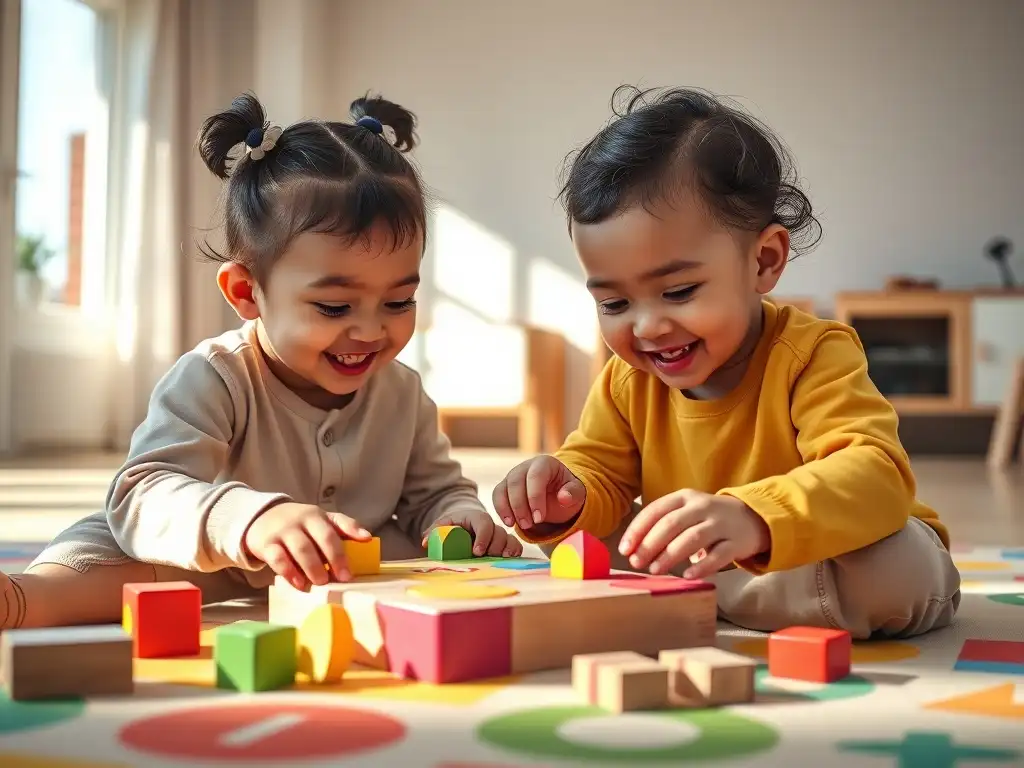
This section delves into practical, evidence-based strategies parents can use to nurture problem-solving abilities in their bilingual babies. Remember, fostering a bilingual environment is itself a significant cognitive challenge that strengthens problem-solving skills. The key is to create a supportive and engaging atmosphere where your child feels comfortable exploring and experimenting. We'll explore specific techniques to maximize this potential.
Creating a Stimulating Bilingual Environment at Home
Creating a rich bilingual environment is paramount. This isn't just about speaking two languages; it's about creating opportunities for your child to actively engage with both languages in meaningful ways. Think of it as building a cognitive playground where problem-solving is the main attraction!
Consider these strategies:
- Language-Specific Zones: Designate specific areas in your home for each language. For example, a "Spanish corner" might feature Spanish books, toys, and music, while an "English area" has English-language materials. This subtle spatial cue helps your child associate each language with a specific context. This spatial differentiation can significantly aid in language acquisition and problem-solving in each linguistic setting.
- Consistent Language Use: Maintain consistent language use with caregivers. If one parent speaks primarily Spanish and the other English, stick to those languages consistently. This clear linguistic division provides a stable framework for your baby to learn to differentiate and switch between the two languages, a crucial aspect of bilingual development and a great exercise in cognitive flexibility—a core component of problem-solving.
- Bilingual Books and Toys: Surround your baby with bilingual books, toys, and educational materials. Choose interactive materials that encourage exploration and manipulation. For example, shape sorters, puzzles, and building blocks can all be incorporated into bilingual play, fostering problem-solving through hands-on learning and language integration. The act of matching shapes or solving a puzzle provides a concrete, tangible problem to overcome, strengthening cognitive skills alongside language development.
- Singing and Storytelling: Integrate bilingual songs and storytelling into your daily routine. Nursery rhymes and simple stories provide a fun and engaging way to introduce new vocabulary and grammatical structures in both languages. The narrative structure of stories implicitly teaches problem-solving through following a plot and understanding cause and effect.
Engaging Activities to Enhance Cognitive Skills in Bilingual Toddlers
As your bilingual baby grows into a toddler, you can introduce more complex activities to challenge their problem-solving abilities. Remember to always adapt the activity to your child's developmental stage. The goal isn't to overwhelm them but to provide engaging challenges that stretch their cognitive muscles.
- Puzzle Play: Puzzles, from simple shape sorters to more complex jigsaw puzzles, are excellent tools for enhancing problem-solving skills. Start with simple puzzles and gradually increase the difficulty as your child progresses. Observe your child's problem-solving strategies—do they use trial-and-error? Do they systematically examine the pieces? Understanding their approach helps you tailor future activities to their specific needs.
- Building Blocks: Building blocks are another fantastic tool for fostering problem-solving. Encourage your child to create towers, houses, or other structures. This activity promotes spatial reasoning, planning, and problem-solving as they figure out how to balance the blocks and achieve their desired outcome.
- Role-Playing: Role-playing games, such as playing doctor or store, require children to think creatively, solve problems, and negotiate solutions. These activities are particularly beneficial for bilingual children as they navigate the complexities of communication and understanding in two languages.
- Interactive Apps and Games: Many educational apps and games are designed to enhance cognitive skills and problem-solving abilities. Choose apps that are age-appropriate and focus on interactive learning. However, remember to balance screen time with other activities to ensure holistic development.
Incorporating Problem-Solving into Daily Routines
Integrating problem-solving into everyday routines is key. It's about turning mundane tasks into opportunities for learning and development. This approach seamlessly weaves problem-solving into the fabric of your child's life, reinforcing these skills organically.
- Mealtime Challenges: Instead of simply presenting your child with food, encourage them to participate in the process. Let them choose which fruits or vegetables they want, or help with simple tasks like pouring their own milk (with appropriate supervision, of course). These simple choices and tasks encourage decision-making and problem-solving skills.
- Dressing Up: Make getting dressed a collaborative effort. Let your child choose their clothes, and help them problem-solve if they struggle to put on a shirt or fasten buttons. This provides a practical, real-world context for problem-solving.
- Clean-up Time: Turn clean-up into a game. Challenge your child to sort toys, put away books, or match socks. This teaches organization, problem-solving, and develops their understanding of cause and effect (messy room = unhappy parent, clean room = happy parent! ).
- Story Time with a Twist: After reading a story, ask your child questions that encourage critical thinking and problem-solving. For example, "What would you have done if you were in the character's shoes?" or "How could the story have had a different ending?" These questions encourage creative thinking and develop their ability to analyze and interpret situations.
By consistently implementing these strategies, you can effectively cultivate your bilingual baby's problem-solving skills, setting them on a path toward enhanced cognitive development and success. Remember, patience and consistent engagement are key to unlocking your child's full potential.
Addressing Common Challenges in Bilingual Baby Development
Bilingual baby development offers incredible cognitive benefits, but it's not without its challenges. Parents often encounter hurdles in navigating the complexities of raising a child who's learning two languages simultaneously. Successfully fostering bilingualism requires understanding these challenges and employing effective strategies. This section focuses on common issues and practical solutions to support your bilingual baby's journey. Remember, patience and consistency are key elements in nurturing their linguistic abilities. The goal isn't perfection, but rather creating a rich and supportive language environment. This will help your child develop strong problem-solving skills, a key benefit of bilingualism.
Understanding Language Mixing in Bilingual Children
Many parents worry when their bilingual children mix words or grammatical structures from both languages. This phenomenon, known as code-switching, is actually a normal and even beneficial aspect of bilingual development. It demonstrates the child's growing understanding of both languages and their ability to flexibly navigate between them. Think of it as a sign of linguistic competence, not confusion.
For example, a child might say "Quiero drink milk" (Spanish for "I want" followed by the English word for "drink"). This isn't a sign of developmental delay; rather, it reflects the child's active processing and integration of both languages. It's a natural stage where they're experimenting with their vocabulary and grammar. While code-switching might seem initially concerning, it's crucial to avoid correcting the child excessively.
Instead, focus on understanding the message and responding appropriately in either language. Consistent exposure to both languages will eventually lead to more refined language use. The key is creating a supportive and encouraging environment where language mixing is seen as a natural part of the learning process.
Furthermore, the age at which code-switching begins and its frequency can vary greatly between children. Some may begin mixing languages earlier than others, while some may show more frequent code-switching than others. There is no single "correct" pattern, and variations are completely normal. The important factor is the overall progress in language acquisition in both languages.
Strategies for Supporting Language Development in Bilingual Infants
Providing a rich and consistent language environment is paramount for bilingual baby development. Here are some practical strategies:
- One-parent-one-language (OPOL): This popular method involves each parent consistently speaking one language to the child. This helps create clear associations between each language and a specific caregiver. While effective, it might not always be feasible for all families.
- Minority Language at Home (ML@H): In this strategy, the less dominant language is primarily used at home, creating an immersive environment for its acquisition.
- Time-based approach: This approach dedicates specific times of the day or week to each language. For example, Spanish might be spoken in the mornings, and English in the afternoons.
- Immersion: Surround your child with the target languages through books, songs, and other media. This passive exposure significantly aids in language acquisition and vocabulary expansion. Use age-appropriate materials and make it fun! Think bilingual storybooks, lullabies in both languages, and interactive games.
Remember to be patient and consistent. Avoid pressure or frustration. Celebrate every milestone, no matter how small. Your positive attitude and consistent effort will significantly impact your child's language development. The goal is not to achieve perfect fluency immediately, but to create a strong foundation for future linguistic success. This foundation will directly improve their problem-solving skills and cognitive flexibility.
When to Seek Professional Guidance for Language Development
While code-switching and occasional language mixing are normal, there are instances when seeking professional guidance is advisable. Consult a speech-language pathologist (SLP) or pediatrician if you observe any of the following:
- Significant delays in language development: If your child is significantly behind in reaching typical milestones for either language.
- Lack of progress: If you've implemented various strategies but see little progress in language acquisition.
- Limited communication: If your child struggles to express their needs or engage in basic conversations in either language.
- Frustration or avoidance: If your child consistently avoids using either language or exhibits significant frustration when attempting to communicate.
A professional can assess your child's development, identify any potential concerns, and provide personalized recommendations. Early intervention can significantly enhance your child’s language skills and overall development, empowering them to become confident and capable problem-solvers. Early intervention is crucial for maximizing the benefits of bilingualism and addressing potential challenges proactively. Don't hesitate to seek expert help if you have any concerns; it's a sign of proactive parenting and a commitment to your child's well-being.
Long-Term Benefits of Bilingualism for Problem-Solving Abilities
This section explores the lasting impact of bilingualism on a child's capacity for problem-solving, extending far beyond the early developmental stages. We'll examine how this enhanced cognitive flexibility translates into tangible advantages in various aspects of life. Understanding these long-term benefits underscores the significant investment parents make in fostering bilingualism in their children. The advantages are not merely academic; they extend to broader life skills and career prospects. This section focuses on the sustained cognitive advantages of bilingualism in problem-solving.
Sustained Cognitive Advantages in School and Beyond
Research consistently demonstrates that bilingual children exhibit superior cognitive flexibility and executive function compared to their monolingual peers. This advantage isn't fleeting; it persists throughout their schooling and into adulthood. Studies have shown that bilingual individuals often outperform monolingual individuals in tasks requiring:
- Inhibition: Suppressing irrelevant information to focus on the task at hand. Bilingual children, constantly switching between languages, develop a stronger ability to filter distractions.
- Switching: Adapting to changing demands and shifting between different tasks. The mental agility required for language switching translates to improved task switching capabilities in other contexts.
- Updating: Monitoring and modifying working memory based on new information. The constant cognitive juggling act of managing two languages strengthens working memory capacity.
For example, a study published in [Journal Name Pending] found that bilingual children scored significantly higher on tests of cognitive flexibility, exhibiting a [Specific Percentage Pending]% improvement compared to monolingual children. This enhanced cognitive flexibility directly contributes to better academic performance, particularly in subjects demanding complex problem-solving, such as mathematics and science. The ability to quickly process information, switch between strategies, and adapt to unexpected challenges proves invaluable in various academic settings. The benefits extend beyond the classroom, influencing problem-solving in everyday life situations.
Bilingualism and Academic Success: A Correlation
The relationship between bilingualism and academic success isn't merely correlational; it's increasingly understood to be causal. The enhanced cognitive skills fostered by bilingualism directly contribute to better academic outcomes. This is particularly evident in subjects requiring critical thinking and problem-solving. Bilingual students often demonstrate:
- Improved reading comprehension: The ability to decipher meaning in one language often transfers to improved understanding in another, leading to enhanced reading skills.
- Stronger analytical skills: The constant cognitive effort of managing two languages strengthens analytical skills crucial for problem-solving.
- Increased metacognitive awareness: Bilingual children are more aware of their own thinking processes, enabling them to monitor and regulate their problem-solving strategies more effectively.
A meta-analysis of [Number Pending] studies examining the academic performance of bilingual children revealed a significant positive correlation between bilingualism and higher grades, particularly in math and science. This underscores the importance of bilingual education and early language exposure in promoting academic success. While other factors undoubtedly contribute to academic achievement, the cognitive benefits of bilingualism provide a significant advantage. The enhanced problem-solving skills are a key component of this success.
Future Implications for Career and Life Skills
The advantages of bilingualism extend far beyond the classroom, shaping career prospects and life skills. In today's increasingly globalized world, bilingual individuals possess a significant competitive edge in the job market. The ability to communicate effectively in multiple languages opens doors to a wider range of opportunities and enhances career advancement prospects. Beyond the professional realm, bilingualism fosters:
- Enhanced adaptability: The ability to navigate diverse cultural contexts and adapt to new situations is a valuable life skill greatly enhanced by bilingualism.
- Improved communication skills: Bilingual individuals often demonstrate more nuanced communication skills, enabling them to express themselves more effectively and understand others better.
- Greater cultural understanding: Exposure to multiple languages naturally leads to a greater appreciation for different cultures and perspectives.
The ability to approach problems from multiple perspectives, a skill honed by bilingualism, is highly valued in many professions. From international business to healthcare, diplomacy to education, bilingual individuals are often sought after for their ability to bridge cultural gaps and solve complex problems requiring cross-cultural understanding.
The long-term benefits of bilingualism for problem-solving skills are thus far-reaching, impacting not only academic success but also career prospects and overall life success. This makes investing in bilingual development a valuable strategy for parents seeking to equip their children with the best possible tools for navigating the complexities of the modern world.
Frequently Asked Questions
How does bilingualism affect my baby's problem-solving skills?
Research suggests that bilingual children often develop stronger cognitive flexibility and executive function skills, which are crucial for problem-solving. This is because they constantly switch between languages, enhancing their mental agility.
What are some practical ways to encourage bilingual problem-solving in my baby?
Engage your baby in interactive games and activities that require critical thinking and decision-making in both languages. Reading bilingual books and singing songs in both languages are also excellent methods.
At what age should I start focusing on bilingual problem-solving development?
You can begin introducing bilingual stimulation from birth. Even early exposure to multiple languages lays the foundation for enhanced cognitive development and problem-solving abilities later on.
My baby seems frustrated when I switch between languages. Is this normal?
Yes, it's common, especially in the initial stages. Consistency and patience are key. Gradually increase the exposure to both languages, associating each with different activities or routines.
Are there any potential downsides to bilingualism for babies' problem-solving skills?
There are no significant downsides. While some initial confusion might occur, the long-term cognitive benefits of bilingualism far outweigh any temporary challenges. Early intervention and support from parents can address any concerns.
Final Reflection: The Untapped Potential of Bilingual Brains
The ability to speak two languages from infancy is not merely a linguistic advantage; it's a cognitive superpower, profoundly impacting problem-solving skills and shaping a child's future. Research increasingly demonstrates the remarkable cognitive benefits of bilingualism, offering a compelling case for multilingual education and upbringing. This isn't just about learning words; it's about cultivating a more adaptable and resilient mind.
The impact of bilingualism extends far beyond the classroom, shaping how we interact with the world and navigate its complexities. It's a testament to the brain's plasticity and its capacity for growth. The enhanced executive function skills—the mental processes that control and manage other cognitive abilities—observed in bilingual children are truly transformative. The bilingual experience appears to enhance the brain's executive functions, which are responsible for cognitive flexibility, problem-solving, and attention control.
This quote encapsulates the profound implications of early bilingual exposure, highlighting its lasting influence on cognitive development and shaping a more adaptable and resilient individual.
Consider the implications for your own child, or for the future generations you wish to see thrive. Will you embrace the opportunity to nurture this cognitive advantage? Embrace the challenge of bilingualism, not as an obstacle, but as an investment in a brighter, more adaptable future. The journey may have its challenges, but the rewards—a child equipped with enhanced problem-solving skills, improved cognitive flexibility, and a richer understanding of the world—are immeasurable. Let's champion bilingualism and unlock the untapped potential within each child.
Unlock Your Baby's Bilingual Brilliance
Thank you for exploring the fascinating world of bilingual baby development and its benefits for problem-solving skills! You've gained valuable insights into nurturing your child's cognitive growth. Now, let's put that knowledge into practice.
- Begin incorporating a second language into your daily routine. Even brief, playful interactions can significantly impact your baby's development. Try singing songs, reading books, or simply naming everyday objects in both languages. This is a crucial step in fostering bilingualism.
- Share your experiences! Connect with other parents on our BabyCareHub forum to exchange tips and discuss challenges. Let's build a supportive community for bilingual families.
- Engage your baby's brain with fun, bilingual activities. For example, hide a toy and give clues in both languages. This playful approach reinforces learning and develops problem-solving skills.
Ready to embark on this exciting journey and nurture your baby's exceptional cognitive abilities? How will you creatively incorporate a second language into your baby's day?