
Beyond Babbling: How Baby Sign Language Can Transform Your Baby's Communication

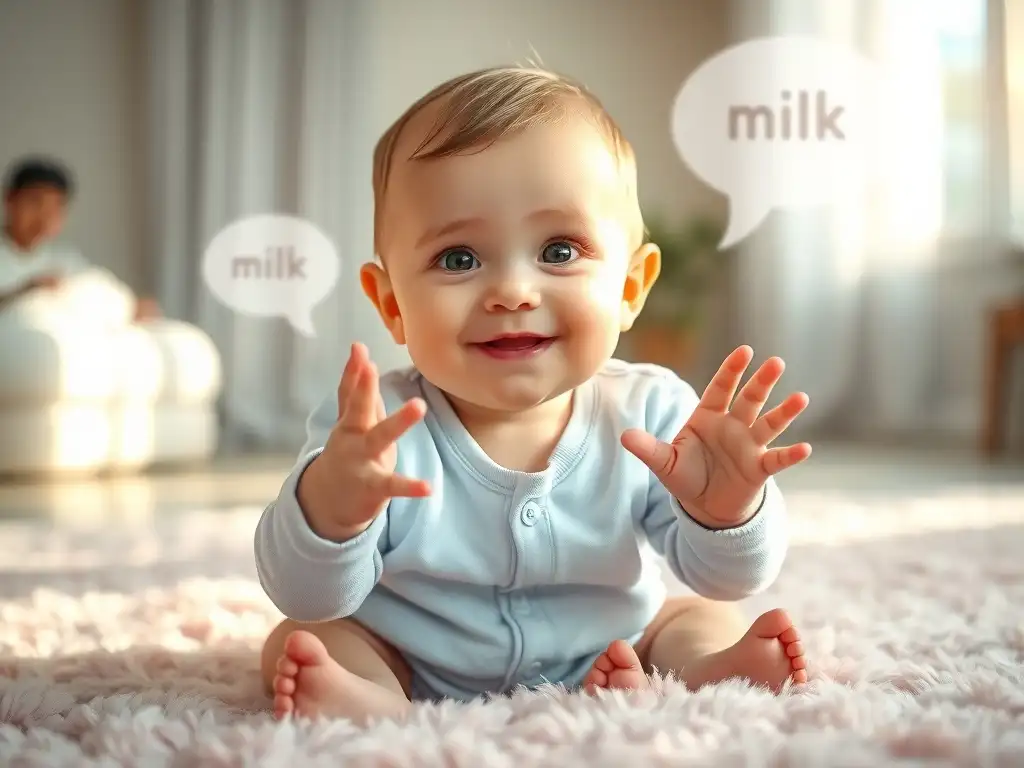
Welcome to BabyCareHub, your ultimate guide to navigating the incredible journey of parenthood! Are you ready to unlock a world of communication with your little one, before they can even speak? Discover the amazing benefits of baby sign language and how it can transform your baby's development and your relationship. Dive into our insightful article, "Beyond Babbling: How Baby Sign Language Can Transform Your Baby's Communication," and uncover the secrets to fostering a richer, more connected bond with your child. Let's embark on this exciting adventure together!
-
Understanding the Benefits of Baby Sign Language
- Early Communication Skills Development Through Baby Signs
- Reducing Frustration: The Power of Signing for Non-Verbal Babies
- Baby Sign Language and Cognitive Development: Boosting Brainpower
- Enhancing Parent-Child Bonding Through Early Communication
- Reducing Frustration and Tantrums
- Fostering Early Cognitive Development
- Getting Started with Baby Sign Language: A Step-by-Step Guide
- Expanding Your Baby's Sign Vocabulary
- Addressing Potential Challenges and Concerns
- Long-Term Benefits of Baby Sign Language: Beyond the Toddler Years
- Frequently Asked Questions
- Final Reflection: Unlocking a World of Communication Through Baby Sign Language
- Unlock Your Baby's World: Start Signing Today!
Understanding the Benefits of Baby Sign Language
First-time parents often find themselves navigating a world of gurgles, coos, and cries, desperately trying to decipher their little one's needs. While verbal communication takes time to develop, babies are capable of much more than we often realize. Introducing baby sign language offers a revolutionary way to bridge the communication gap between parent and child, fostering a deeper bond and accelerating your baby's development.
This article delves into the remarkable benefits of baby sign language, exploring how this simple yet powerful tool can transform your interactions with your little one and significantly enhance their cognitive and emotional growth. We'll examine the impact on early communication, frustration reduction, and cognitive development, providing practical insights and real-world examples to illustrate the profound effects of incorporating baby signs into your daily routine. Learning baby sign language isn't just about teaching your baby signs; it's about unlocking a world of understanding and connection, paving the way for a smoother and more fulfilling journey through the early years of parenthood.
The benefits extend far beyond simple communication, impacting your baby's overall development and emotional well-being. Get ready to discover how baby sign language can truly transform your parenting experience.
Early Communication Skills Development Through Baby Signs
Before babies can master complex verbal communication, they possess a remarkable capacity for understanding and expressing themselves through gestures and signs. Baby sign language taps into this innate ability, providing a powerful tool for early communication development. By learning simple signs, babies can express their needs and wants before they can verbally articulate them. This early communication success builds confidence and encourages further communication attempts.
For example, a baby learning the sign for "milk" can directly communicate their hunger, reducing frustration for both the baby and the caregiver. This early success in communication can positively impact their language development later on. Studies have shown that babies who learn sign language often exhibit accelerated vocabulary growth and improved language comprehension once they begin speaking.
The earlier you start, the more profound the benefits can be. Think of it as laying a strong foundation for future linguistic skills. The consistent use of baby sign language creates a positive feedback loop; the baby communicates successfully, feels understood, and is encouraged to communicate more frequently.
Reducing Frustration: The Power of Signing for Non-Verbal Babies
The frustration a baby experiences when unable to communicate their needs can manifest in crying, tantrums, and general distress. This is especially true before they can speak. Baby sign language provides a vital outlet for these pent-up emotions. Imagine a hungry baby who doesn't yet have the words to express their hunger.
By learning the sign for "eat" or "milk," they can directly communicate their need, reducing their frustration and anxiety. This simple act can have a profound impact on the baby's emotional well-being and the overall family dynamic. Parents report a significant decrease in crying and fussiness once they introduce baby sign language.
This reduction in frustration leads to a calmer, more positive environment for both the baby and the caregivers. The ability to communicate effectively fosters a sense of security and control, allowing the baby to feel empowered and understood, even before they can speak. This positive experience builds trust and strengthens the bond between parent and child.
Baby Sign Language and Cognitive Development: Boosting Brainpower
The benefits of baby sign language extend beyond communication; it also significantly boosts cognitive development. Learning signs engages multiple areas of the brain, stimulating neural connections and enhancing cognitive function. The process of associating a visual sign with a specific meaning strengthens memory skills and improves problem-solving abilities.
Furthermore, studies suggest that babies who learn sign language often demonstrate enhanced hand-eye coordination and fine motor skills. The act of forming the signs requires precise hand movements, which contributes to the development of these crucial skills. This enhanced cognitive development can have a ripple effect, impacting other areas of the baby's learning and development.
For example, improved memory and problem-solving skills can translate to better performance in other areas, such as learning to read and write later on. The overall cognitive benefits of baby sign language contribute to a well-rounded and intellectually stimulated child. It's an investment in your baby's future, laying the groundwork for academic success and lifelong learning.
Enhancing Parent-Child Bonding Through Early Communication

Early communication is crucial for building a strong parent-child bond. While babbling and cooing are adorable, they don't always convey a baby's needs or desires clearly. Baby sign language bridges this communication gap, allowing for more meaningful interactions from a much earlier age. Imagine a frustrated baby, unable to express their hunger or discomfort.
The resulting cries and tantrums can be stressful for both parent and child, potentially straining the bond. However, when a baby learns to sign "milk" or "tired," they can communicate their needs directly, leading to quicker responses and a feeling of being understood. This immediate gratification fosters a sense of security and trust, strengthening the parent-child connection significantly. The shared experience of learning and communicating through signs creates a unique and intimate bond, enriching the parent-child relationship in ways verbal communication alone cannot achieve.
The positive feedback loop—baby signs, parent understands, baby feels understood, parent feels connected—reinforces this bond daily. This early connection built through shared understanding lays the foundation for a healthy and loving relationship that will continue to flourish as the child grows. Studies have shown that increased communication leads to increased feelings of parental competence and confidence, further strengthening the bond.
Reducing Frustration and Tantrums
Frustration is a common emotion in babies, especially when they can't communicate their needs effectively. The inability to express themselves often leads to crying, screaming, and tantrums, which can be exhausting for both the baby and caregivers. Baby sign language offers a powerful tool to mitigate this frustration.
By learning simple signs, babies can express their wants and needs before they reach a point of overwhelming frustration. For instance, a baby who is hungry but can't yet speak can sign "milk" or "eat," reducing the likelihood of a tantrum triggered by unmet hunger. This proactive communication approach minimizes the frequency and intensity of tantrums, creating a calmer and more harmonious home environment for everyone.
The reduction in frustration also benefits the baby's emotional development, fostering self-regulation skills and emotional intelligence. This is because the baby learns a coping mechanism for expressing their feelings, rather than resorting to negative behaviors. Furthermore, parents report a significant decrease in stress levels when their baby can communicate their needs more effectively, leading to a more positive and enjoyable parenting experience.
Fostering Early Cognitive Development
Learning baby sign language isn't just about communication; it significantly contributes to a baby's cognitive development. The process of learning signs strengthens memory skills, as babies need to associate specific hand movements with specific meanings. This active learning process enhances their ability to retain information and improve problem-solving skills.
Studies have shown that babies who learn sign language often demonstrate accelerated language development later on, as they develop a better understanding of symbols and their representation of meaning. This early exposure to symbolic representation lays the foundation for reading and writing skills. Furthermore, the improved communication fostered by sign language allows for richer interactions with caregivers, expanding the baby's vocabulary and understanding of the world around them.
The cognitive benefits extend beyond language development, encompassing improved attention span, memory, and overall cognitive flexibility. The act of signing itself enhances fine motor skills and hand-eye coordination, contributing to overall physical development. In essence, incorporating baby sign language into a baby's routine provides a powerful boost to their overall cognitive growth and development.
Getting Started with Baby Sign Language: A Step-by-Step Guide
This section provides a practical, step-by-step approach to integrating baby sign language into your daily interactions with your little one. Remember, consistency and patience are key! The benefits of baby sign language are numerous, fostering earlier communication and strengthening your bond.
Choosing the Right Baby Sign Language Resources
Selecting the appropriate resources is crucial for a successful journey into baby sign language. Avoid overwhelming yourself with too many options; start with a few high-quality sources. Consider these factors:
- Simplicity and Clarity: Look for resources that use clear, concise instructions and visuals. Avoid overly complex sign systems. Many parents find success using readily available books and online videos demonstrating the most common signs.
- Age Appropriateness: Materials should be specifically designed for babies and toddlers. The focus should be on foundational signs related to everyday needs and activities. Look for resources that emphasize the importance of positive reinforcement and playful interactions.
- Variety of Learning Styles: Different learning styles thrive with different methods. Some parents prefer books with vibrant images, others benefit from video demonstrations, and some find interactive apps beneficial. Explore options that cater to your learning preferences and your baby's engagement level.
- Community Support: Consider resources that offer community support, such as online forums or local classes. Connecting with other parents embarking on this journey can provide valuable encouragement and practical tips.
Introducing Simple Signs: Starting with Everyday Words
Begin by introducing a small set of simple, commonly used signs. Focusing on a few key signs at a time prevents overwhelming both you and your baby. Prioritize signs related to your baby's immediate needs and everyday experiences:
- Basic Needs: Start with signs for "milk," "eat," "more," "all done," "sleep," and "diaper." These are essential for clear communication regarding your baby's fundamental requirements.
- Emotional Expression: Include signs for "happy," "sad," "tired," and "hurt." This allows your baby to express their feelings even before they can verbally articulate them. This early communication can significantly reduce frustration and build emotional intelligence.
- Objects and Actions: Gradually introduce signs for everyday objects like "book," "ball," "dog," and actions like "play," "bath," and "up." This enhances engagement during playtime and daily routines.
Remember to use consistent handshapes and movements each time you sign. Repeat the signs frequently and incorporate them naturally into your conversations, even if your baby isn't immediately mimicking you. Patience is vital; babies learn at their own pace. Observe your baby's reactions and adjust your approach accordingly.
Incorporating Signs into Daily Routines and Interactions
Integrating baby sign language into your daily routines is key to making it a natural part of your interactions. Here are some practical strategies:
- Mealtimes: Sign "milk," "eat," "more," and "all done" while feeding your baby. This helps create a clear connection between the action and the sign. For example, you could sign "more" while offering more milk.
- Playtime: Use signs to name objects during playtime. Point to a ball and sign "ball," or point to a book and sign "book." This creates a meaningful association between the object and the sign. This playful approach will make learning fun and engaging.
- Bath Time: Sign "bath" before and during bath time. This helps establish a predictable routine and prepares your baby for the transition. This predictability and consistency are crucial for babies to learn and understand the meanings.
- Bedtime: Sign "sleep" as you're preparing your baby for bed. This helps create a calming and predictable bedtime routine.
- Diaper Changes: Sign "diaper" during diaper changes. This helps your baby associate the sign with the action. This consistent pairing helps establish a strong connection between the sign and its meaning.
Remember that the benefits of baby sign language extend far beyond just communication. It strengthens the parent-child bond, fosters emotional intelligence, and can even contribute to better sleep and reduced frustration for both parent and child. Enjoy this enriching journey!
Practicing Consistency: Making Signing a Habit
Consistency is key when it comes to teaching baby sign language. Think of it like learning any new skill – whether it's riding a bike or playing the piano; regular practice is essential for mastery. With baby sign language, consistent exposure helps your little one associate the signs with their meanings. This doesn't mean you need to sign incessantly throughout the day, but incorporating signing into your daily routine, even in small ways, can make a significant difference.
For example, you can start by signing during diaper changes, mealtimes, or bath time. These are already established parts of your daily routine, providing natural opportunities for incorporating signs. Signing during these moments connects the sign with the action, making it easier for your baby to understand. If you're feeding your baby, you can sign "milk" or "eat" while offering the bottle or food. During bath time, you can sign "bath" or "wash" as you're cleaning your baby. This consistent association strengthens the learning process.
Another effective strategy is to incorporate signs into your playtime. As you play with your baby, use signs to describe the toys, your actions, and your baby's actions. For instance, if you're playing with blocks, you can sign "block" each time you pick one up. If your baby is reaching for a toy, you can sign "toy" or "want". This active engagement during playtime makes learning fun and interactive, enhancing your baby's engagement and comprehension.
Remember, patience is paramount. It may take time for your baby to grasp the meaning of the signs, and that's perfectly normal. Don't get discouraged if your baby doesn't immediately start signing back. Continue signing consistently, and eventually, your baby will begin to understand and even use the signs themselves.
Celebrating small milestones and maintaining a positive, encouraging atmosphere will significantly impact your baby's learning journey. The payoff of consistent signing is a more communicative and connected relationship with your child, fostering a stronger bond and paving the way for enhanced language development. The benefits of early language development are significant and far-reaching, offering your child a head start in communication and cognitive skills.
Expanding Your Baby's Sign Vocabulary
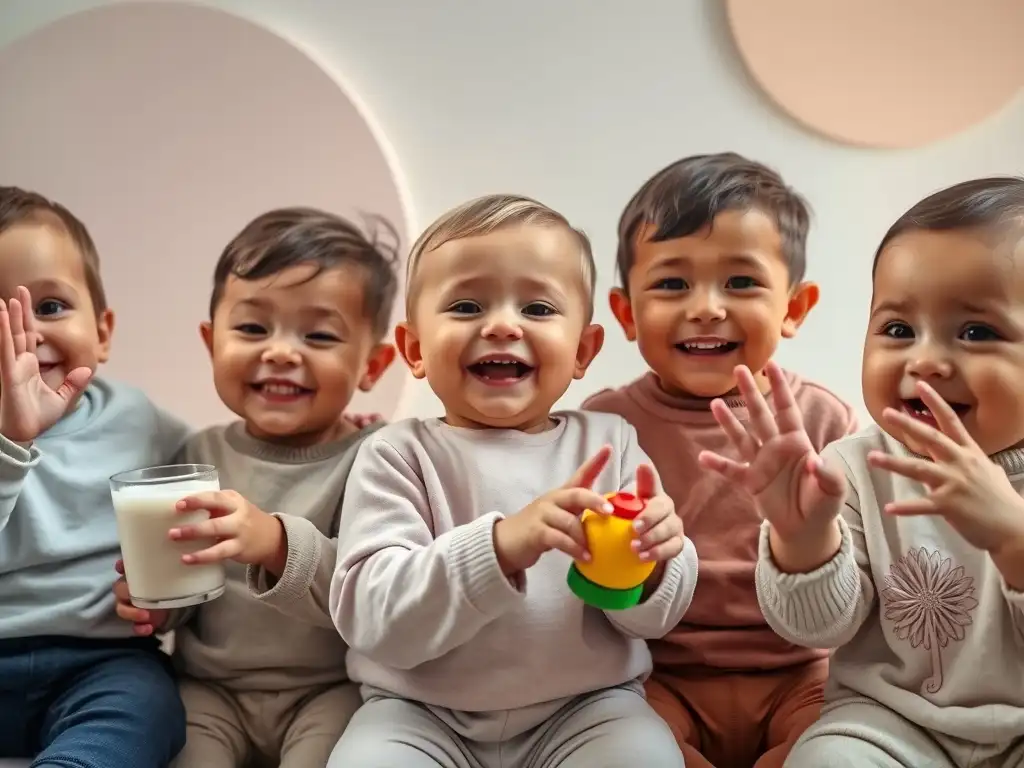
This section delves into the practical application of baby sign language, moving beyond the basics to enrich your baby's communication skills and foster a deeper connection. We'll explore common signs, advanced techniques, and personalized approaches to maximize learning. Understanding the Baby sign language benefits extends far beyond simple communication; it builds confidence, reduces frustration, and strengthens the parent-child bond.
Common Baby Signs for Everyday Needs and Emotions
Mastering fundamental signs is the cornerstone of successful baby sign language implementation. These signs address immediate needs and common emotions, paving the way for more complex communication later. Here's a selection of frequently used signs:
- Milk/Drink: Mimic drinking from a cup by bringing your hand to your mouth.
- Eat: Make a pretend scooping motion with your hand towards your mouth.
- More: Extend your index finger and repeatedly tap it.
- All Done: Make a sweeping motion with your open hand from your chest outward.
- Happy: Smile widely and make a large, upward sweeping motion with your hand.
- Sad: Slightly frown and gently wipe a tear from your cheek.
- Sleep: Close your eyes and gently lay your head on your hand.
- Potty: Mimic the action of sitting on a potty.
Consistent repetition is key. Use these signs frequently throughout your daily routines. For example, before offering a bottle, sign "milk" and say the word. When your baby is finished eating, sign "all done." This consistent association helps your baby connect the sign with the action and word. The benefits are clear: reduced frustration from unmet needs and a boost to your baby's confidence in expressing themselves.
| Sign | Action | Associated Word(s) |
|---|---|---|
| Milk/Drink | Mimic drinking from a cup | Milk, Drink, Juice |
| Eat | Pretend scooping motion to mouth | Eat, Food |
| More | Tap index finger repeatedly | More, Again |
| All Done | Sweeping motion from chest outward | Finished, Done |
| Happy | Wide smile, upward sweeping motion | Happy, Joyful |
| Sad | Wipe a tear from cheek | Sad, Upset |
| Sleep | Close eyes, head on hand | Sleep, Bedtime |
| Potty | Mimic sitting on potty | Potty, Toilet |
Remember, consistency and patience are crucial. Don't be discouraged if your baby doesn't pick up the signs immediately. Some babies learn faster than others. The Baby sign language benefits will become apparent over time.
Teaching Advanced Signs: Expanding Communication Capabilities
Once your baby grasps basic signs, you can introduce more complex concepts. This stage focuses on expanding their vocabulary and communication skills to express more nuanced thoughts and ideas. Consider introducing signs for:
- Objects: "Ball," "Book," "Toy," etc. Use real objects while signing.
- Actions: "Play," "Read," "Sing," etc. Perform the action as you sign.
- Qualities: "Big," "Small," "Hot," "Cold," etc. Use descriptive language alongside the signs.
- Locations: "In," "Out," "Up," "Down," etc. Use gestures to emphasize the location.
The key to teaching advanced signs is to build upon what your baby already knows. Introduce new signs gradually, connecting them to familiar routines and objects. For instance, while playing with blocks, you could sign "big block" and "small block." This contextual learning significantly aids comprehension. The baby sign language benefits at this stage include improved cognitive development and enhanced problem-solving skills.
This stage also allows for the introduction of two-sign combinations. For example, you can combine "more" and "milk" to express a desire for more milk. This demonstrates to your baby the power of combining signs to create more complex sentences. This is a significant milestone in their communication development, showcasing the far-reaching baby sign language benefits.
Adapting Signs to Your Baby's Individual Learning Style
Every baby is unique, and their learning styles vary considerably. Some babies are visual learners, responding well to demonstrations and visual aids. Others are kinesthetic learners, preferring hands-on activities and physical interaction. Adapting your approach to your baby's individual style is crucial for maximizing the baby sign language benefits.
- Visual Learners: Use flashcards, picture books, and videos featuring sign language.
- Kinesthetic Learners: Incorporate physical activities and games into your signing sessions.
- Auditory Learners: Use clear verbal cues and repeat the signs frequently.
Observe your baby's reactions and adjust your teaching methods accordingly. If your baby seems frustrated or disinterested, try a different approach. Experiment with various techniques until you find what works best for your little one. The flexibility in this approach is another significant baby sign language benefit, ensuring a positive and engaging learning experience for your child. Remember, patience and positive reinforcement are essential ingredients in this journey. Celebrating even small successes will encourage your baby's continued progress and reinforce the baby sign language benefits.
Recognizing Your Baby's Sign Language Attempts
Even before your little one can master the perfect "milk" or "more" sign, they'll likely start experimenting with hand gestures. These early attempts might be clumsy, inconsistent, or even look like random flailing. However, it's crucial to pay close attention to these initial efforts. Recognizing these early attempts, no matter how rudimentary, is vital for encouraging further communication and reinforcing the positive association between the gesture and its meaning.
For example, your baby might repeatedly reach for their bottle while making a vaguely hand-shaped motion near their mouth. This could be an early, albeit imperfect, attempt at signing "milk." Don't dismiss these early attempts as mere coincidences. Instead, acknowledge them enthusiastically, mirroring the gesture back to your baby and verbally confirming their intention.
This positive reinforcement is key to helping them develop their signing skills. Remember, consistency is crucial. If you respond positively to these early attempts, your baby is more likely to continue practicing and refining their sign language skills.
The process of recognizing these early attempts is less about precise technical perfection and more about observing patterns and intent. Babies often use a combination of gestures, facial expressions, and vocalizations to communicate their needs and desires. Focus on the overall message your baby is trying to convey rather than getting bogged down in the minutiae of perfect hand placement.
For instance, a slightly different hand shape for "more" shouldn't discourage you from understanding their request. Over time, with consistent interaction and positive reinforcement, your baby will refine their signing techniques, becoming more precise and confident in their communication. This early recognition builds a strong foundation for future language development and fosters a positive communication dynamic between you and your baby.
It's a rewarding process that strengthens your bond and helps your baby feel understood and empowered. This creates a positive feedback loop where your baby feels confident in communicating and you feel connected to their developing communication skills. This early engagement significantly benefits your baby's cognitive and emotional development.
Addressing Potential Challenges and Concerns
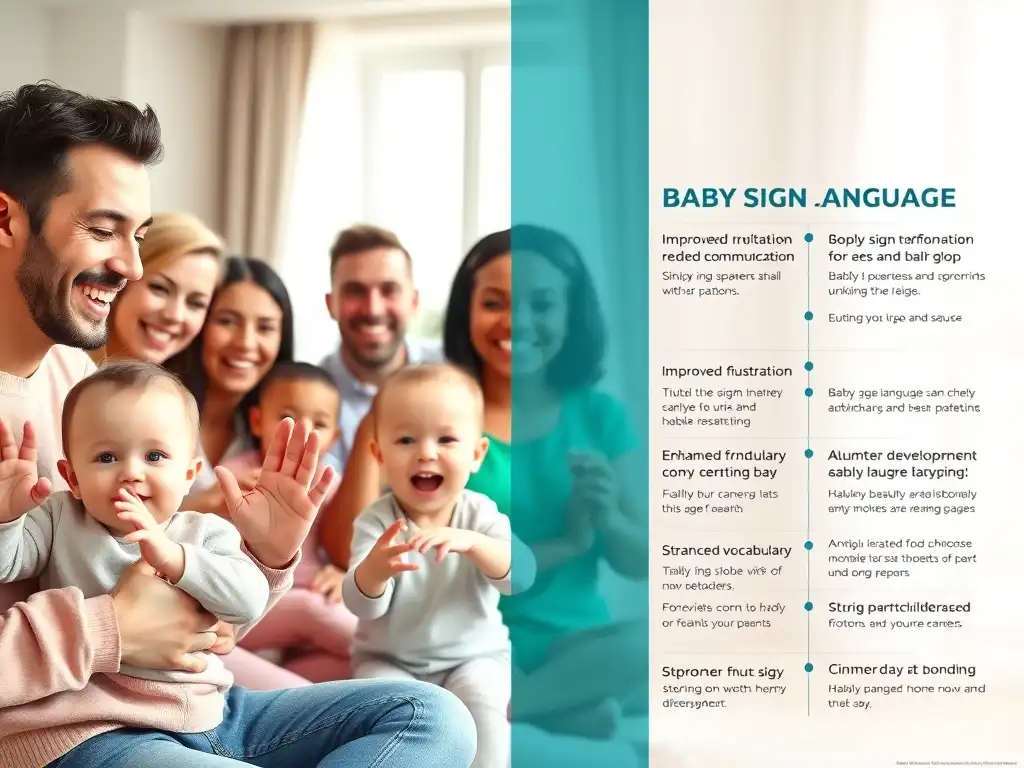
Becoming proficient in baby sign language, like any new skill, presents some hurdles. Understanding these challenges upfront can help you navigate them effectively and maximize the benefits of this enriching communication tool. This section addresses common concerns and offers practical solutions to ensure a smooth and rewarding experience for both you and your little one. Focusing on the Baby sign language benefits is key to overcoming initial difficulties.
Dealing with Resistance: Motivating Your Baby to Sign
Not all babies embrace signing with the same enthusiasm. Some might show initial resistance, seeming uninterested or even frustrated. This is perfectly normal. Remember, learning takes time and patience. The key is to make signing fun and rewarding, avoiding pressure.
Several strategies can help motivate a hesitant baby:
- Keep it playful: Turn signing into a game. Use silly faces, sing songs incorporating signs, or make it part of a playful routine like bath time or diaper changes. The more enjoyable the experience, the more likely your baby will participate.
- Positive reinforcement: Reward your baby's attempts, even if they're not perfect. A smile, a cuddle, or enthusiastic praise can go a long way in encouraging continued effort. Consider a small, age-appropriate reward system, but focus on positive reinforcement rather than punishment.
- Follow your baby's lead: Don't force the issue. If your baby seems tired or disinterested, take a break and try again later. Respect their cues and avoid creating negative associations with signing.
- Consistency is key: Regular practice, even for short periods, is more effective than infrequent, longer sessions. Aim for several short signing sessions throughout the day, integrating signs naturally into your daily interactions.
- Variety is the spice of life: Introduce a range of signs, focusing on words that are relevant to your baby's interests and daily life. This keeps things engaging and prevents boredom.
Remember, every baby develops at their own pace. Some babies might pick up signs quickly, while others might take longer. Celebrate every small victory and remain patient and supportive throughout the process. The Baby sign language benefits are ultimately worth the effort.
Incorporating Signing into a Busy Schedule
Juggling work, household chores, and caring for a baby can leave little time for anything extra. However, incorporating baby sign language doesn't require significant time commitments. Even short, consistent interactions can yield impressive results.
Here's how you can seamlessly integrate signing into your busy life:
- Multitask: Sign while performing other tasks, such as feeding, changing diapers, or during bath time. This maximizes efficiency and minimizes the disruption to your routine.
- Short bursts: Several 5-10 minute sessions throughout the day are far more effective than one long, exhausting session.
- Make it a family affair: Involve other family members in signing. This reinforces learning and provides additional opportunities for practice.
- Utilize downtime: Use moments like car rides or waiting rooms to practice simple signs. These little moments accumulate and contribute significantly to your baby's learning.
- Be flexible: Some days will be busier than others. Don't be discouraged if you miss a day or two. Consistency is important, but flexibility is equally crucial.
Understanding the Differences Between Signing and Spoken Language Development
It's crucial to understand that baby sign language and spoken language development are distinct but complementary processes. Signing doesn't replace spoken language; it enhances and supports it.
- Independent skills: While they often develop concurrently, proficiency in sign language doesn't guarantee rapid spoken language acquisition. Each skill develops at its own pace.
- Different modalities: Sign language utilizes visual-spatial processing, while spoken language relies on auditory processing. These are different cognitive pathways.
- Complementary benefits: Signing can improve cognitive skills, vocabulary development, and expressive communication, all of which positively influence spoken language development. Early signing can also reduce frustration associated with communication gaps.
- Individual variations: Just as with spoken language, the pace of sign language acquisition varies among babies. Some might pick up signs rapidly, while others might progress more gradually. This is entirely normal.
Understanding these distinctions helps parents manage expectations and appreciate the unique contributions of both sign and spoken language to a child's overall linguistic development. The Baby sign language benefits are amplified when viewed within this broader context of holistic language acquisition.
Seeking Support: Resources for Parents Learning Baby Sign Language
Learning baby sign language can be a rewarding journey, but it's also important to acknowledge that it might present some challenges. Parents may encounter difficulties in remembering signs, finding the time to practice consistently, or even feeling discouraged if their baby doesn't immediately grasp the concepts. Fortunately, numerous resources are available to provide support and guidance throughout this learning process.
One excellent source of support is other parents. Connecting with other parents who are also using baby sign language can create a strong sense of community and shared experience. Online forums, local parent groups, and even social media platforms often have dedicated spaces where parents can share tips, ask questions, and offer encouragement to one another.
The collective wisdom and shared struggles can be invaluable in navigating the learning curve. For example, a parent might discover a particularly effective mnemonic device for remembering a specific sign, or learn a creative way to incorporate signing into their daily routines from another parent's experience.
Beyond peer support, many professional resources exist to aid in learning baby sign language. Numerous books, DVDs, and online courses offer structured lessons and visual aids. These resources often break down the learning process into manageable steps, providing clear instructions and visual demonstrations of each sign. Some even incorporate interactive elements, like games and quizzes, to make learning more engaging and fun for both parent and child. The structured approach of these resources can be particularly beneficial for parents who prefer a more formal learning environment.
Furthermore, consider seeking guidance from professionals specializing in child development or speech therapy. While not all speech therapists specialize in baby sign language, many are familiar with its benefits and can offer valuable insights and support. They can help identify any potential communication delays or challenges and offer personalized advice tailored to your child's individual needs. This professional perspective can provide reassurance and address any concerns about your child's progress.
A speech therapist might, for example, suggest adapting certain signs to better suit your child's developmental stage or recommend strategies for integrating signing into therapy sessions. Remember, seeking professional support is not a sign of failure, but rather a proactive step towards ensuring your child’s optimal communication development. Utilizing these diverse resources will significantly enhance your baby sign language journey, making the experience more enjoyable and effective.
Long-Term Benefits of Baby Sign Language: Beyond the Toddler Years
Baby sign language isn't just a fleeting trend; its positive effects extend far beyond the toddler years, significantly impacting a child's development and future success. While the immediate benefits, like reduced frustration and enhanced bonding, are readily apparent, the long-term advantages are equally compelling and deserve careful consideration. Investing time in teaching your baby sign language is an investment in their future cognitive, social, and emotional well-being. This section will explore some of these lasting impacts, providing you with a clearer understanding of the profound and sustained benefits of early communication development.
Laying the Foundation for Future Literacy
Numerous studies suggest a strong correlation between early language exposure and later literacy skills. Babies who learn to sign often develop a richer vocabulary and a deeper understanding of language structure earlier than their non-signing peers. This early exposure to symbolic representation—the understanding that a gesture represents a word—lays a critical foundation for reading and writing acquisition.
Think of it as priming the brain for language acquisition. The process of learning signs strengthens the neural pathways associated with language processing, creating a more robust and efficient system for learning to read and write later on. This advantage can be particularly significant for children who might otherwise struggle with language development.
This early advantage can translate to improved reading comprehension, stronger writing skills, and a greater love for reading throughout their school years and beyond. The benefits are not limited to literacy; research also indicates that early sign language acquisition can lead to improved phonological awareness, a crucial skill for decoding written words.
Boosting Self-Esteem and Confidence Through Communication
The ability to communicate effectively is fundamental to a child's sense of self-worth. Frustration and helplessness are common experiences for babies who cannot yet express their needs or desires verbally. Baby sign language provides an invaluable outlet for expression, empowering babies to communicate their wants and needs clearly and directly.
This clear communication leads to a significant reduction in frustration, resulting in a happier, more confident child. Imagine the impact of a baby being able to sign "more milk" or "all done" instead of resorting to crying or tantrums. This newfound ability to be understood fosters a sense of independence and control, boosting their self-esteem and confidence in their ability to navigate the world around them.
This increased self-assurance extends beyond the early years, influencing their social interactions, academic performance, and overall emotional well-being. The positive feedback loop created by effective communication is a powerful tool for nurturing self-belief and resilience.
The benefits of baby sign language extend well into a child's school years and beyond. Children who have learned to communicate effectively through sign language often demonstrate enhanced social skills and improved classroom participation. Their ability to express themselves clearly and understand others more readily facilitates smoother interactions with peers and teachers.
This improved communication can lead to better relationships, increased collaboration, and a more positive learning environment. They may be better equipped to handle classroom situations, articulate their needs, and participate more actively in group activities. Moreover, this early communication advantage can help them navigate social situations with greater confidence and ease.
The ability to express their emotions and thoughts effectively reduces the likelihood of misunderstandings and conflict, promoting positive social interactions and building stronger relationships with their peers and teachers. This translates into a more positive and enriching school experience, paving the way for future academic and social success. The positive impact on social-emotional learning is undeniable, contributing to a well-rounded and successful individual.
Frequently Asked Questions
What are the benefits of teaching my baby sign language?
Baby sign language offers numerous benefits! It can reduce frustration for both baby and parent by providing a means of communication before verbal skills develop. It also helps boost language development and cognitive skills.
At what age can I start teaching my baby sign language?
You can begin introducing baby sign language as early as 6 months old, although some babies may show interest even earlier. Consistency is key, so start when you feel comfortable and ready.
How many signs should I teach my baby at first?
Start with a small number of essential signs, focusing on things your baby interacts with daily, like "milk," "more," "all done," and "sleep." Gradually introduce new signs as your baby learns.
Does teaching baby sign language delay speech development?
No, research shows that baby sign language actually enhances speech development. It provides a foundation for language acquisition and doesn't hinder verbal communication. Many babies who learn signs also begin speaking earlier.
How can I make learning baby sign language fun for my baby?
Make it a positive and playful experience! Incorporate signs into your daily routines, use songs and rhymes, and be patient and encouraging. Positive reinforcement is key to success.
Final Reflection: Unlocking a World of Communication Through Baby Sign Language
The ability to communicate effectively is a fundamental human need, and for babies, this need is often unmet until they can verbally express themselves. Introducing baby sign language bridges this gap, offering profound benefits that extend far beyond simple communication. This isn't just about teaching signs; it's about fostering a deeper connection with your child, nurturing their cognitive development, and laying the foundation for a lifetime of successful communication.
The impact of early communication on a child's development is undeniable. It shapes their emotional intelligence, their confidence, and their overall sense of self. Witnessing my own child's frustration melt away as they successfully signed for "milk" or "more" was a profoundly moving experience. The most important thing a father can do for his children is to love their mother.
– Theodore Hesburgh. While not directly about baby sign language, this quote highlights the importance of fostering connection and understanding within the family unit, a goal baby sign language beautifully supports. The ripple effect of this early communication extends beyond the immediate family, impacting their interactions with caregivers, peers, and the wider world.
Consider the potential. Imagine a world where fewer toddlers experience the frustration of unmet needs, where parents and children connect on a deeper level earlier in life, and where the foundation for strong communication skills is laid from infancy. You have the power to make this a reality for your child.
Start today. Explore the world of baby sign language, and witness firsthand the transformative power of early communication. The journey may be filled with adorable miscommunications and hilarious attempts at signing, but the rewards – a closer bond with your child and a head start on their communication journey – are immeasurable.
Unlock Your Baby's World: Start Signing Today!
Thank you for learning about the amazing benefits of baby sign language! We hope you feel inspired and ready to connect with your little one in a whole new way. Now it's time to put your knowledge into practice!
- Begin with a few simple signs: Start with words relevant to your baby's daily life, such as "milk," "more," or "all done." Consistent practice is key to success.
- Explore online resources: Find more baby signs and helpful tips through free online videos and printable charts. These resources will greatly enhance your learning experience.
- Share your experience: Connect with other parents who are teaching their babies sign language! Share your successes and ask questions within online communities or by talking to your friends.
Ready to witness the wonder of communication blossoming in your baby's eyes? What will be the first sign you teach your little one?