
The Beat of Bonding: Strengthening Your Connection Through Music and Movement


Welcome to BabyCareHub, your ultimate guide to navigating the incredible journey of parenthood! Are you ready to unlock the power of music to deepen your bond with your little one? Discover how engaging in Baby bonding music activities can foster crucial developmental milestones and create lasting memories. We'll explore simple yet effective techniques in our latest article, "The Beat of Bonding: Strengthening Your Connection Through Music and Movement," so dive in and let the music begin!
- Understanding the Power of Music and Movement in Baby Bonding
-
Baby Bonding Music Activities: A Step-by-Step Guide
- Creating a Calming Sensory Environment for Music Time
- Simple Songs and Rhymes for Newborn Bonding
- Interactive Music Games for 3-6 Month Olds
- Movement Activities: Tummy Time with Music and Sensory Toys
- Dance and Sing-Along Sessions for Older Babies
- Adapting Activities Based on Your Baby's Preferences and Development
- Choosing the Right Music for Baby Bonding Activities
- Integrating Music and Movement into Your Daily Routine
- Safety Considerations for Music and Movement Activities
- Beyond the Basics: Exploring Advanced Music and Movement Activities
- Sustaining the Bond: Long-Term Benefits of Music and Movement
-
Frequently Asked Questions
- What is the importance of music in baby bonding?
- What types of music are best for baby bonding activities?
- At what age can I start doing music and movement activities with my baby?
- What are some simple music and movement activities I can do at home?
- How do I know if my baby is enjoying the music and movement activities?
- Final Reflection: The Enduring Harmony of Connection
- Unleash the Rhythm of Connection: Grow Closer Through Music and Movement
Understanding the Power of Music and Movement in Baby Bonding
The first few months of your baby's life are a whirlwind of new experiences, sleep deprivation, and an overwhelming sense of love. Building a strong bond with your newborn is paramount for their healthy development and your own well-being. While feeding, cuddling, and eye contact play crucial roles, incorporating music and movement into your daily routine can significantly enhance this precious connection.
This article explores the profound impact of "baby bonding music activities," highlighting the science behind sensory stimulation and its contribution to early development, improved parent-child interaction, and the long-term emotional benefits for your little one. We'll delve into practical, enjoyable ways to integrate music and movement into your daily life, fostering a deeper connection with your baby and celebrating the joy of parenthood.
This journey of bonding through music and movement is not just about entertainment; it's about nurturing your baby's brain, building their confidence, and strengthening the unbreakable link between parent and child. Prepare to discover how the rhythm of music and the flow of movement can create a symphony of love and growth.
The Science Behind Sensory Stimulation and Early Development
The developing brain of a newborn is incredibly receptive to sensory input. Music and movement provide a rich tapestry of auditory and kinesthetic stimulation, vital for optimal brain development. Auditory stimulation from music activates various brain regions, improving neural pathways and enhancing cognitive function. The rhythmic patterns in music can help regulate a baby's heartbeat and breathing, promoting calmness and reducing stress. Simultaneously, movement activities engage their proprioceptive system – the sense of body position and movement in space.
This helps improve motor skills, coordination, and balance, laying the foundation for future physical development. Studies have shown that babies exposed to music and movement exhibit improved language development, enhanced cognitive abilities, and even better emotional regulation. 👶🎶 The combined effect of these sensory experiences fosters a positive feedback loop, reinforcing neural connections and promoting healthy brain growth. This early sensory enrichment is a powerful investment in your baby's future.
How Music and Movement Enhance Parent-Child Interaction
Music and movement provide a unique platform for fostering meaningful parent-child interaction. Singing lullabies, dancing gently, or playing simple rhythm games creates a shared experience, strengthening the emotional bond between you and your baby. These activities offer opportunities for eye contact, touch, and responsive interaction, all crucial elements in building attachment. The joyful expressions on your baby's face as you sing or dance together are priceless.
Furthermore, engaging in these activities can reduce parental stress and increase feelings of competence and confidence in your parenting abilities. The shared joy and laughter during these moments create positive memories and strengthen the parent-child bond, setting the stage for a secure and loving relationship. The simple act of swaying to music while holding your baby can be incredibly soothing and bonding.
Benefits of Baby Bonding Music Activities for Emotional Development
The emotional benefits of baby bonding music activities are far-reaching. Music has a profound impact on emotional regulation, helping babies learn to soothe themselves and manage their emotions. The rhythmic nature of music can be particularly calming for fussy babies, helping to reduce crying and promote relaxation. Movement activities, such as gentle rocking or bouncing, can also have a calming effect.
Moreover, engaging in music and movement together fosters a sense of security and trust, contributing to a healthy emotional development. The positive interactions and shared experiences create a sense of joy and connection, building a strong foundation for your baby's emotional well-being. These early experiences lay the groundwork for developing healthy emotional coping mechanisms and strong emotional resilience throughout life. The positive impact on emotional development is a significant long-term benefit of incorporating music and movement into your baby's life.
Baby Bonding Music Activities: A Step-by-Step Guide
This section explores practical ways to use music and movement to strengthen the parent-baby bond, focusing on activities suitable for different developmental stages. We'll delve into creating the right atmosphere, suggesting age-appropriate songs and rhymes, and outlining interactive games to enhance your baby's musical journey and foster a deeper connection. Remember, consistency is key! Even short, regular sessions contribute significantly to your baby's development and your bond.
Creating a Calming Sensory Environment for Music Time
Creating a soothing environment is crucial for successful baby bonding music activities. Think of it as preparing a stage for your little one's musical debut! A calm and comfortable setting will help your baby relax and engage more fully with the music.
Several factors contribute to this ideal atmosphere:
- Dim Lighting: Soft, indirect lighting minimizes stimulation and promotes relaxation. Think soft lamps or a dimmed overhead light. Avoid harsh, bright lights.
- Temperature Control: Ensure the room is comfortably warm, neither too hot nor too cold. A slightly cooler temperature might be preferable, as overheating can make babies fussy.
- Comfortable Positioning: Hold your baby securely, either in your lap or in a comfortable carrier. Skin-to-skin contact can enhance the bonding experience. Consider using a supportive nursing pillow for added comfort.
- Minimizing Distractions: Turn off the television, put away noisy toys, and mute your phone. The focus should be on you and your baby. A quiet, peaceful atmosphere is essential for maximizing the benefits of the music.
- Scent: A calming scent, like lavender (used cautiously and appropriately for a baby's sensitive nose), can contribute to a relaxing ambiance. However, avoid strong or artificial fragrances.
Remember, every baby is different. Experiment to find what works best for your little one. Observe their cues – if they seem restless or overwhelmed, adjust the environment accordingly.
Simple Songs and Rhymes for Newborn Bonding
Newborns respond well to simple, repetitive melodies and rhythms. These early musical experiences lay the foundation for future language development and cognitive skills. Here are a few examples of songs and rhymes ideal for newborn bonding:
- "Twinkle Twinkle Little Star": Its gentle melody and simple lyrics are soothing and easily memorized. Sing it slowly, emphasizing the rhythm.
- "Hush Little Baby": This lullaby is perfect for calming a fussy baby. The repetitive rhythm and soft melody are naturally comforting.
- "Row, Row, Row Your Boat": The rhythmic nature of this rhyme makes it engaging for newborns, even though they may not understand the words. Gently rock your baby as you sing.
- "Pat-a-Cake": This interactive rhyme involves gentle hand movements, making it a multi-sensory experience. The physical touch further strengthens the bond.
Remember to vary your tone and pitch slightly to keep your baby engaged. Don't worry about perfect pitch; your baby will appreciate the warmth and connection in your voice more than anything else. Adding soft humming or cooing between verses can also be very effective.
Interactive Music Games for 3-6 Month Olds
As your baby grows, you can introduce more interactive music games. These activities encourage active participation and stimulate their developing senses.
Here are some ideas:
| Game | Description | Benefits |
|---|---|---|
| Shaker Fun | Fill plastic containers with rice or beans and let your baby shake them to different rhythms. | Develops hand-eye coordination, rhythm awareness, and cause-and-effect understanding. |
| Musical Instrument Play | Introduce soft, baby-safe instruments like rattles, bells, or xylophones. Let your baby explore the sounds. | Encourages sensory exploration and musical creativity. |
| Dance Party! | Put on some upbeat music and gently dance with your baby, holding them securely. | Promotes gross motor skills, coordination, and joyful bonding. |
| Sing and Sign | Incorporate simple sign language into songs like "Itsy Bitsy Spider" or "Baby Shark". | Enhances language development and communication skills. |
| Rhythm Games | Clap, stomp, and tap to different rhythms, encouraging your baby to mimic your actions. | Develops rhythm recognition and motor skills. |
Remember to always supervise your baby during these activities and choose age-appropriate toys and instruments. Observe your baby's reactions and adjust the activities accordingly. The goal is to have fun and create positive musical experiences that strengthen your bond. 🥳
Movement Activities: Tummy Time with Music and Sensory Toys
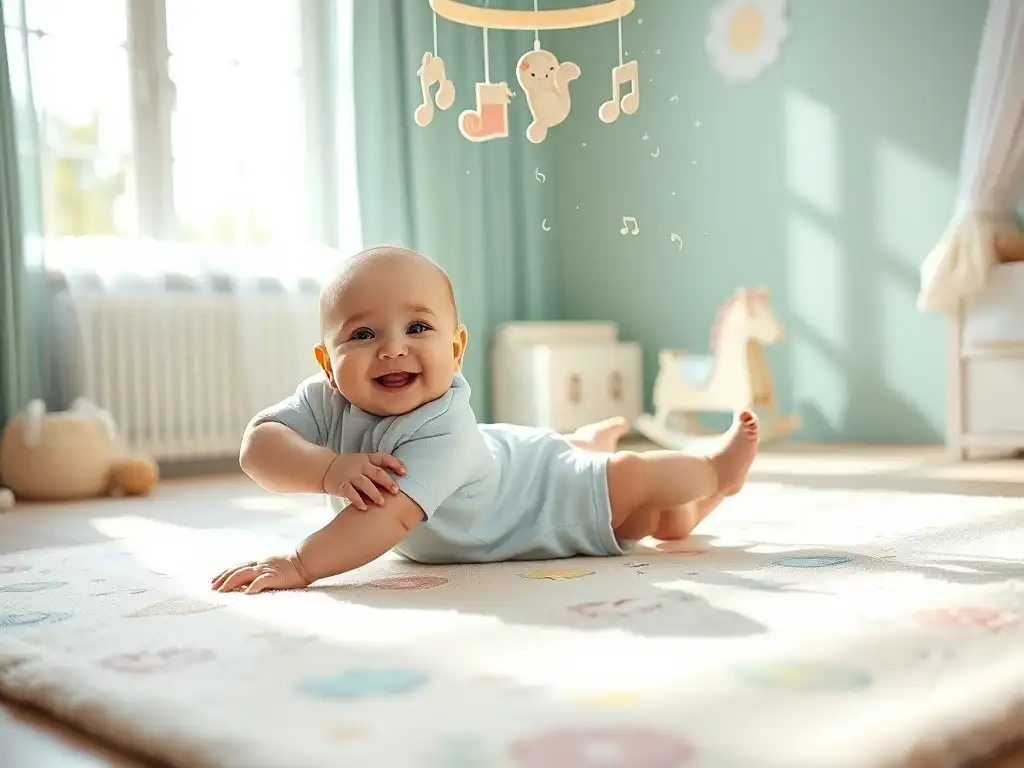
Tummy time is crucial for a baby's development, strengthening their neck, back, and shoulder muscles. Integrating music and sensory toys can make this essential activity more engaging and enjoyable for both you and your little one. Start with short, 5-10 minute sessions, increasing the duration gradually as your baby's strength improves. Choose upbeat, cheerful music with a moderate tempo – think classic children's songs or instrumental pieces with a lively rhythm. Place your baby on a soft, comfortable surface, such as a playmat.
Surround them with a variety of textured toys: a crinkly fabric book, a soft rattle, a teether with different surfaces. As you play the music, gently move the toys around, encouraging your baby to reach, grasp, and explore. Talk to your baby, describing the toys and their textures, and sing along to the music. Observe your baby's cues; if they become tired or frustrated, take a break.
Remember, the goal is to make tummy time a positive experience, fostering a loving connection through shared activity and playful interaction. You might notice your baby reacting to the rhythm of the music, perhaps moving their limbs or head in time with the beat – this is a great sign of engagement and enjoyment. Experiment with different types of music and toys to discover what your baby responds to best. Consistent, playful tummy time sessions with music will contribute significantly to your baby's physical development and strengthen your bond.
Dance and Sing-Along Sessions for Older Babies
As your baby grows and becomes more mobile, you can transition to more active dance and sing-along sessions. These activities are excellent for promoting gross motor skills, coordination, and social interaction. For babies who can sit up unsupported, create a comfortable and safe space for dancing. Choose songs with actions, like "Itsy Bitsy Spider" or "The Wheels on the Bus," encouraging your baby to participate by mimicking the movements. You can gently hold your baby's hands and sway to the music, or if they are more mobile, let them explore their own movements within a safe area.
Use props like scarves or soft balls to add an element of sensory exploration. The key is to make it fun and playful! Observe your baby's reactions; they might giggle, clap, or try to mimic your movements. These interactions are vital for strengthening your bond and fostering a positive emotional connection. Remember to adjust the intensity and duration of the sessions based on your baby's energy levels and preferences.
Some babies might prefer shorter, more frequent sessions, while others might enjoy longer, more energetic dances. Always prioritize safety, ensuring your baby's environment is free of hazards and that you provide appropriate support as needed. The goal is to create a joyful, shared experience that strengthens your connection and supports your baby's development. Consider incorporating different musical styles and tempos to keep things interesting and cater to your baby's changing preferences.
Adapting Activities Based on Your Baby's Preferences and Development
Every baby is unique, and their responses to music and movement activities will vary. Adaptability is key to creating a successful and enjoyable experience for both you and your baby. Pay close attention to your baby's cues. If they seem overwhelmed or disinterested, shorten the session or try a different activity. If they are particularly engaged with a certain type of music or toy, incorporate more of it into future sessions.
For example, if your baby loves rhythmic songs, focus on activities that involve repetitive movements and patterns. If they seem more drawn to quieter, calmer music, opt for gentler activities like cuddling and singing lullabies. You might find that your baby responds better to certain tempos or instruments. Experiment with different styles of music, from classical to jazz to folk, to see what resonates with your baby. Remember that the goal is to create a positive and engaging experience that fosters a strong bond between you and your baby.
Regularly assess your baby's developmental milestones and adjust the complexity of the activities accordingly. As your baby grows and develops new skills, you can introduce more challenging activities that stimulate their cognitive and physical development. This continuous adaptation ensures that the music and movement activities remain stimulating and enjoyable, further strengthening the connection between you and your little one. Flexibility and observation are paramount in creating a truly personalized and effective bonding experience through music.
Choosing the Right Music for Baby Bonding Activities
Selecting the right music is crucial for maximizing the benefits of music-based baby bonding activities. The type of music you choose significantly impacts your baby's response and the overall effectiveness of the activity. Remember, the goal is to create a positive and engaging experience that fosters a strong parent-child connection. Consider your baby's age and temperament when making your selections. Newborns, for example, might respond better to softer sounds, while older infants may enjoy more rhythmic and stimulating music. Always prioritize music that you enjoy as well, as your positive energy will be contagious!
Calming Classical Music for Relaxation and Sleep
Classical music, particularly pieces with slow tempos and simple melodies, can be incredibly soothing for babies. The consistent, predictable patterns can help regulate their breathing and heart rate, promoting relaxation and facilitating sleep. Think of composers like Mozart, Bach, and Debussy. Their works often feature gentle harmonies and flowing melodies that create a peaceful atmosphere conducive to bonding. Studies have even shown that exposure to classical music can potentially improve cognitive development in infants, although more research is needed in this area.
Furthermore, the act of softly singing or humming along to classical music while rocking your baby can deepen the connection between you. This shared experience creates a sense of calm and security for your little one. Experiment with different pieces to find what resonates most with your baby. Observe their reactions; if they seem relaxed and content, you've found a winner!
Upbeat and Energetic Music for Playtime and Movement
For playtime activities, upbeat and energetic music can stimulate your baby's senses and encourage physical interaction. Think lively folk songs, children's rhymes set to music, or even some carefully selected pop songs with a strong, steady beat. The rhythmic nature of this music can encourage movement and coordination. This is a fantastic opportunity for playful bonding. You can dance with your baby, gently bounce them to the rhythm, or simply sing along together.
This physical interaction releases endorphins, strengthening the bond between you and fostering a sense of joy and connection. Remember to keep the volume at a moderate level to avoid overwhelming your baby's sensitive hearing. Observe your baby's reactions; if they seem engaged and happy, you are on the right track! Consider incorporating instruments like shakers or rattles into your playtime to add another layer of sensory stimulation and enhance the bonding experience.
The Importance of Varied Musical Genres and Instruments
Exposure to a variety of musical genres and instruments is beneficial for your baby's development. While calming classical music is excellent for relaxation, incorporating other genres like folk, jazz, or even world music can broaden your baby's auditory experiences and stimulate their brain development. Similarly, exposing your baby to different instruments—such as the piano, guitar, flute, or even simple percussion instruments—introduces them to a richer soundscape, encouraging their musical appreciation and cognitive development.
This diversity also keeps things interesting for both you and your baby, preventing the bonding activities from becoming monotonous. Remember that the goal is to create a fun and engaging experience that fosters a strong and lasting connection between you and your little one. The more varied your musical selections, the more enriching the experience will be.
Embrace the opportunity to explore different musical styles and share your musical preferences with your baby! This shared exploration is a powerful bonding experience in itself.
Creating Personalized Playlists for Your Baby
Creating a personalized playlist for your baby is a wonderful way to tailor music experiences to their unique preferences and developmental stages. It allows you to build a collection of sounds that soothe, stimulate, and engage your little one, fostering a deeper connection through shared musical moments. Think of it as crafting a soundtrack for your baby's life, filled with melodies that mark milestones and create lasting memories.
Begin by considering your baby's age and developmental stage. Newborns, for instance, respond well to slow, calming melodies with simple, repetitive patterns. Think classical lullabies or nature sounds like gentle rain or ocean waves. As your baby grows, you can introduce more complex rhythms and melodies, experimenting with different genres and instruments to see what captures their attention. Observe your baby's reactions; do they become calmer with softer sounds, or more energized with upbeat tempos? This observation will guide your playlist curation.
Don't be afraid to experiment! Include a variety of musical styles. Classical music is often recommended for its soothing qualities, but world music, folk songs, and even carefully selected pop tunes can also be beneficial. Consider incorporating instrumental pieces alongside songs with lyrics, always prioritizing clear and gentle vocals. Remember, the goal is to create a diverse and engaging auditory experience, not to overwhelm your baby with too much stimulation.
Remember to also consider the context. Will this playlist be for calming bedtime routines, or for more active playtime sessions? A playlist for a soothing bath time might feature soft, ambient music, while a playlist for tummy time could include more upbeat and rhythmic tunes. Differentiating these playlists allows you to create specific musical environments that support your baby's activities and moods. The key is to be mindful and responsive to your baby's cues, adjusting the music accordingly.
Finally, regularly review and update your playlists. As your baby grows and their preferences evolve, you'll find that certain songs resonate more than others at different stages. This constant evolution reflects the dynamic nature of your relationship and provides a unique opportunity to build a constantly evolving musical journey together. This personalized approach ensures that the music remains engaging and relevant, strengthening your bond through shared musical experiences. Adding new songs and removing less-favored ones keeps the playlist fresh and exciting for both you and your baby.
Integrating Music and Movement into Your Daily Routine

This section explores practical ways to weave music and movement into your daily interactions with your baby, fostering a strong bond while stimulating their development. Remember, consistency is key! Even short bursts of musical engagement throughout the day can significantly contribute to your baby's development and your connection. The goal is not perfection, but consistent, loving interaction fueled by music and movement. This approach helps build a strong foundation for your baby’s emotional, cognitive, and physical growth, strengthening the crucial parent-child bond often referred to as "baby bonding music activities."
Music During Feeding Time: Soothing and Engaging
Feeding time presents a perfect opportunity for quiet, calming music to create a peaceful atmosphere. Soft lullabies, classical music, or even nature sounds can soothe your baby and enhance their feeding experience. Avoid overly stimulating music with jarring sounds or rapid tempo changes. The aim is to create a relaxing environment conducive to feeding and bonding.
Consider these tips for incorporating music during feeding:
- Create a playlist: Curate a selection of calming instrumental music specifically for feeding times. This ensures consistency and predictability for your baby.
- Observe your baby's cues: If your baby seems agitated by the music, try switching to a different genre or turning it off altogether. Every baby is different!
- Sing along: Even humming or softly singing along to the music can strengthen your connection with your baby. The sound of your voice is inherently soothing.
- Experiment with different genres: Explore various genres of calming music, including classical, ambient, and world music, to see what resonates best with your little one. You might find that certain melodies or rhythms are particularly effective at calming them during feedings.
Music and Movement During Bath Time: Fun and Relaxing
Bath time, often a source of potential stress for both parent and baby, can be transformed into a joyful, bonding experience with the addition of music and movement. Upbeat, playful songs can stimulate your baby's senses and encourage interaction, while gentle songs can create a calming atmosphere.
Here's how to incorporate music and movement into bath time:
- Sing playful songs: Use simple, repetitive songs with actions, such as "Itsy Bitsy Spider" or "Twinkle Twinkle Little Star," to engage your baby and encourage playful movement.
- Use water toys: Combine music with the use of water toys to create a multi-sensory experience. The combination of sounds, sights, and touch provides rich stimulation.
- Gentle splashing and swaying: Engage in gentle splashing and swaying to the rhythm of the music. This is a great way to incorporate movement and create a fun, interactive experience.
- Maintain a warm and safe environment: Ensure the bathroom is warm and that the water is at a safe temperature. A relaxing and comfortable environment is essential for a positive bath time experience. This contributes significantly to positive "baby bonding music activities."
Using Music to Soothe Fussy Babies
When your baby is fussy or upset, music can be a powerful tool to calm and comfort them. Gentle, repetitive sounds, such as lullabies or white noise, can help soothe your baby and regulate their emotions. The rhythmic nature of music can have a calming effect on the nervous system.
Consider these strategies for soothing fussy babies with music:
- White noise machines: These devices produce a consistent, calming sound that can mask distracting noises and help your baby relax.
- Nature sounds: The sounds of rain, ocean waves, or birdsong can be incredibly soothing for babies.
- Lullabies: Traditional lullabies are designed to soothe and comfort babies, and singing them yourself adds a personal touch.
- Soft instrumental music: Classical music or other calming instrumental music can also help to calm a fussy baby. Experiment to find what works best for your little one. This is a crucial aspect of positive "baby bonding music activities."
Remember, the most important aspect of using music and movement for bonding is to enjoy the process. Your positive energy and enthusiasm will be contagious, creating a loving and supportive environment for your baby's development.
Music as a Transition Tool
Music can be a powerful tool to ease transitions for your baby, a time often fraught with potential distress. Instead of abrupt shifts from playtime to diaper changes or feeding to bedtime, use music to signal the upcoming change. For example, a calming lullaby played softly can signal the approach of bedtime, preparing your baby for a peaceful sleep. This gentle introduction allows your baby to anticipate the change and reduces the likelihood of a sudden upset.
The consistent association of a specific song with a particular routine helps your baby understand and accept these transitions more smoothly. This predictability is crucial for a baby's developing sense of security and reduces anxiety related to routine changes. Consider creating a playlist specifically designed for transitions, featuring slow, soothing melodies for bedtime and slightly more upbeat, yet gentle tunes for moving from one activity to another.
Observe your baby's reactions; you might find that certain melodies are particularly effective in calming them or preparing them for a new activity. Remember to keep the volume low and always prioritize your baby's comfort. The goal is to create a positive association with the transition, not to overwhelm or startle them.
Movement Breaks During Playtime
Integrating movement into playtime isn't just about structured activities; it's about incorporating spontaneous bursts of physical interaction. Think of it as adding a dash of playful energy to your baby's already fun playtime. For instance, during tummy time, you can sing a lively action rhyme and gently bounce your baby to the rhythm. This adds a dynamic element to the exercise, making it more engaging and less of a chore.
Similarly, while playing with rattles or soft toys, you can incorporate simple stretches or rocking motions, subtly encouraging your baby's physical development while keeping the play session light and fun. The key is to keep the movements gentle and age-appropriate, always respecting your baby's cues. If your baby seems tired or restless, shorten the playtime or take a break. Remember that the goal is to bond and enjoy the moment, not to force any activity.
Observe your baby's responses; some babies may enjoy vigorous bouncing, while others might prefer slower, more gentle movements. Adjust your approach accordingly and let your baby guide the pace and intensity. These spontaneous moments of interaction often lead to the most meaningful bonding experiences.
Incorporating Music During Feeding Time
Feeding time can be a wonderful opportunity for bonding, and music can enhance this experience. Soft, calming instrumental music can create a relaxed atmosphere, helping your baby focus on feeding and reducing distractions. However, avoid music that is too loud or stimulating, as this can be overwhelming and interfere with your baby's ability to feed comfortably. The goal is to create a peaceful and nurturing environment.
Some parents find that singing lullabies or softly humming while feeding helps soothe their baby and creates a sense of connection. The gentle rhythm and melody can be calming and comforting. Experiment with different styles of music to see what works best for you and your baby. Always prioritize a comfortable feeding position and a relaxed atmosphere.
If your baby seems distracted or fussy, try adjusting the volume or changing the music entirely. Remember that every baby is different, and what works well for one might not work for another. The key is to find a musical approach that promotes a positive and enjoyable feeding experience for both you and your baby. This mindful approach to music during feeding fosters a sense of calm and promotes a stronger parent-child bond.
Safety Considerations for Music and Movement Activities
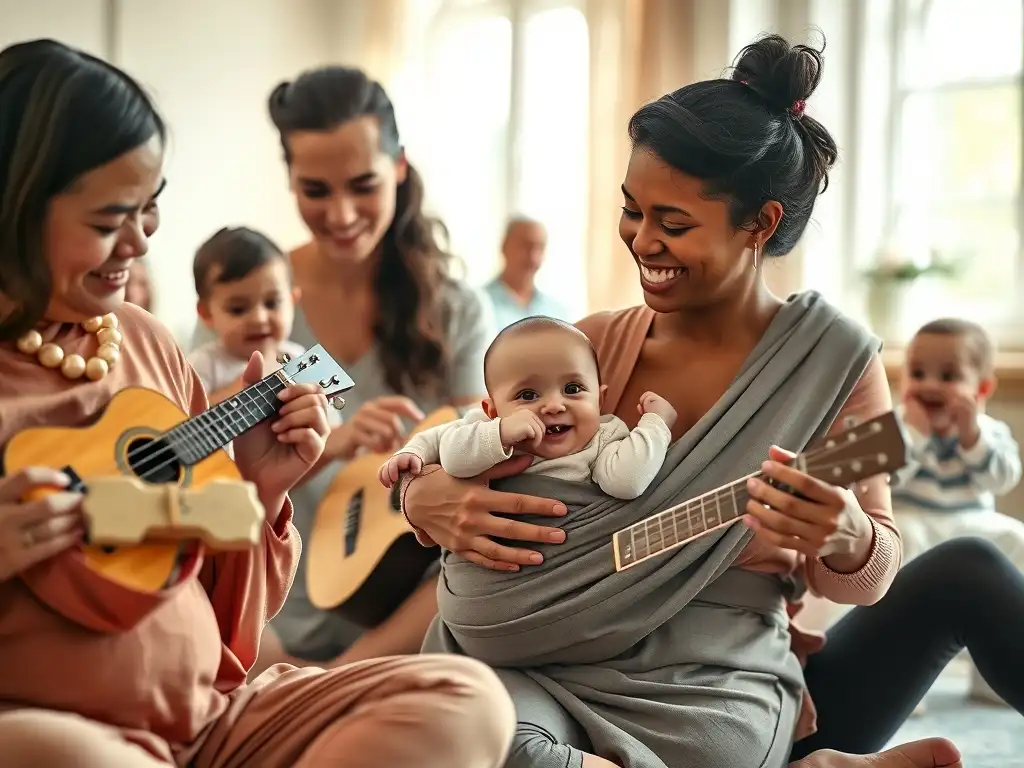
Engaging your baby in music and movement activities is a wonderful way to foster bonding and development, but safety should always be the top priority. This section outlines crucial safety measures to ensure a positive and risk-free experience for your little one. Remember, even seemingly harmless activities can pose potential hazards if not approached with careful consideration. Proactive safety measures are key to maximizing the benefits of these enriching activities while minimizing any risks. Prioritizing safety allows you to fully enjoy the joy of shared musical moments with your baby, knowing you've taken all necessary precautions.
Creating a Safe Space for Movement and Play
Before you begin any music and movement activity, carefully assess your environment. A safe space is paramount for your baby's well-being. This means removing any potential hazards such as:
- Small objects: Anything that could be easily swallowed or cause choking hazards should be removed from the immediate area. This includes small toys, buttons, coins, and even loose food particles.
- Fragile items: Breakable objects like vases, lamps, or picture frames should be placed out of reach. A tumbling baby could easily knock them over, resulting in injury or damage.
- Sharp edges and corners: Protect your baby from sharp corners on furniture or other household items by using corner guards or padding.
- Electrical cords and wires: Keep electrical cords and wires tucked away to prevent entanglement or electrocution.
- Loose rugs or carpets: These can be tripping hazards for both you and your baby. Secure them firmly or remove them from the play area.
- Unsafe surfaces: Avoid hard surfaces where a fall could cause injury. Opt for soft flooring such as carpet or a padded playmat.
Think of it this way: you are creating a "baby-proofed" zone specifically for your music and movement sessions. This proactive approach helps prevent accidents and allows you to focus on enjoying quality time with your baby. Regularly inspect the area before each session to ensure continued safety. Remember, a safe space fosters a relaxed and enjoyable experience for both you and your baby, allowing for better engagement in the activities.
Choosing Age-Appropriate Toys and Instruments
Selecting age-appropriate toys and musical instruments is crucial for safe and effective baby bonding music activities. Improperly sized or designed items can pose choking hazards or other risks. Always follow these guidelines:
- Avoid small parts: Toys with small detachable parts are a significant choking hazard for babies under three years old. Opt for larger, solid toys.
- Check for sharp edges: Make sure toys and instruments are free of sharp edges or points that could cause injury.
- Choose sturdy materials: Select toys made from durable, non-toxic materials that can withstand enthusiastic play.
- Consider texture and size: Babies enjoy exploring different textures. Choose toys with varied textures that are appropriately sized for their little hands.
- Soft instruments are best: For musical instruments, soft, fabric-based instruments are ideal for babies, minimizing the risk of injury.
Here's a table summarizing age-appropriate musical instrument choices:
| Age Range | Suitable Instruments | Instruments to Avoid |
|---|---|---|
| 0-6 Months | Soft rattles, textured balls, mobiles | Hard, metallic instruments, small parts |
| 6-12 Months | Fabric books with sounds, teethers with sounds, simple drums | Instruments with sharp edges, small parts |
| 12-18 Months | Simple xylophones (with large keys), soft keyboard toys | Complex instruments, instruments with small, detachable parts |
Remember to always supervise your baby closely during playtime, even with seemingly safe toys. Regularly inspect toys for damage or wear and tear, replacing them as needed.
Monitoring Your Baby's Reactions During Activities
Throughout any music and movement session, closely monitor your baby's reactions. Pay attention to both verbal and non-verbal cues:
- Overtiredness: If your baby seems tired or fussy, stop the activity and allow for rest. Forcing participation can be counterproductive and potentially stressful.
- Discomfort: Observe for signs of discomfort such as crying, frowning, or pulling away. These are clear signals to stop the activity and investigate the cause.
- Over-stimulation: Too much stimulation can overwhelm a baby. If your baby appears overstimulated, reduce the intensity or duration of the activity.
- Negative responses to specific sounds or movements: Some babies may be sensitive to certain sounds or movements. Observe your baby's reactions and adjust accordingly. If a particular sound or movement consistently elicits a negative response, avoid it in future sessions.
Remember, the goal is to create a positive and enjoyable experience for your baby. By carefully monitoring your baby's responses, you can tailor the activities to their individual needs and preferences, ensuring a safe and enriching experience for both of you. This attentive approach fosters a strong bond and lays the foundation for a lifelong love of music and movement. Always prioritize your baby's comfort and well-being above all else.
When to Consult a Healthcare Professional
It's crucial to prioritize your baby's safety and well-being during music and movement activities. While generally safe and beneficial, certain situations warrant immediate consultation with a healthcare professional. Always seek medical advice if your baby exhibits any unusual reactions or displays signs of discomfort during or after these activities. This proactive approach ensures early detection and management of any potential issues.
For instance, if your baby experiences excessive fussiness, unusual crying, or changes in their breathing pattern following a music or movement session, it's vital to seek medical attention. These symptoms could indicate underlying health concerns that require professional assessment. Similarly, if you notice any changes in your baby's skin, such as rashes or unusual redness, you should consult a pediatrician. These skin reactions might be allergic responses to certain materials used during the activities or a sign of an underlying condition.
Furthermore, if your baby has any pre-existing health conditions, such as heart problems or respiratory issues, it's essential to discuss the suitability of music and movement activities with their physician. The doctor can provide personalized guidance and assess any potential risks associated with these activities, ensuring your baby's safety remains paramount. Remember, every baby is unique, and what works for one may not work for another. Close monitoring and prompt medical consultation are key to ensuring a safe and enriching experience for your little one.
Don't hesitate to reach out to your healthcare provider if you have any doubts or concerns whatsoever; their expertise is invaluable in safeguarding your baby's health and well-being. Early intervention is always better than reactive treatment. Your peace of mind is just as important as your baby's safety, so don't hesitate to ask for professional guidance.
Beyond the Basics: Exploring Advanced Music and Movement Activities
This section delves into more advanced music and movement activities to further enrich your baby's development and strengthen your bond. We'll move beyond simple songs and rhymes, exploring activities that stimulate cognitive, social-emotional, and physical growth. Remember, always prioritize your baby's safety and adjust activities based on their individual abilities and temperament. These activities are designed to enhance "baby bonding music activities," fostering a deeper connection between you and your little one.
Introduction to Baby Sign Language with Music
Integrating baby sign language with music creates a multi-sensory experience that accelerates language development and enhances communication. This isn't about forcing your baby to sign; it's about playfully introducing signs alongside familiar songs. The rhythmic nature of music helps babies associate movements with meaning, aiding comprehension.
For example, while singing "Twinkle Twinkle Little Star," you can incorporate signs for "star" and "twinkle." Start with simple signs like "milk," "more," "all done," and "sleep," which are directly relevant to your baby's daily routine. You can find numerous resources online offering videos and guides on baby sign language. Consistency is key; repeat the signs frequently throughout the day, embedding them naturally into your interactions.
Remember to keep it fun and engaging. Use exaggerated facial expressions and playful tones. Don't be discouraged if your baby doesn't immediately grasp the signs; it's a gradual process. The joy of shared interaction is far more important than perfect execution. Observe your baby's cues; if they seem frustrated or disinterested, switch to a different activity.
Here's a sample schedule you could try incorporating baby sign language with music into your daily routine:
| Time of Day | Activity | Song Suggestion | Signs Introduced |
|---|---|---|---|
| Morning Routine | Diaper change & getting dressed | "If You're Happy and You Know It" | "Diaper," "Clothes," "Happy" |
| Feeding Time | During feeding | "Itsy Bitsy Spider" | "Milk," "More," "All Done" |
| Playtime | Interactive playtime with toys | "Wheels on the Bus" | "Car," "Ball," "Up," "Down" |
| Bedtime Routine | Bath time & putting baby to bed | "Hush Little Baby" | "Bath," "Sleep," "Night-Night" |
This structured approach helps ensure consistency and maximizes learning opportunities. Remember, the goal is to nurture a loving and communicative bond through shared musical experiences.
Creative Movement Activities
Creative movement activities go beyond simple rocking and swaying. These activities encourage your baby to explore their physical capabilities while fostering their imagination and creativity. Think of it as improvisational dance, tailored to your baby’s developmental stage.
For example, you can create a “sensory dance” using scarves or ribbons. Drape a soft, colorful scarf over your baby and gently move it to the rhythm of the music. This introduces them to different textures and encourages them to reach and grasp. You can also use musical instruments like shakers or rattles to add another layer of sensory stimulation. Observe how your baby responds to different sounds and rhythms; some might enjoy fast-paced music, while others prefer slower, more calming melodies.
Another engaging activity is “obstacle course” play, adapted for babies. Create a simple course using pillows, blankets, and soft toys. Sing a lively song as you guide your baby through the course, encouraging crawling, rolling, and reaching. This activity enhances gross motor skills and promotes problem-solving abilities. Remember to supervise your baby closely throughout the activity and ensure their safety.
Remember to vary the activities to keep your baby engaged and challenged. Experiment with different music genres, tempos, and instruments. The key is to create a playful and interactive environment where your baby feels free to explore their movement and express themselves. The goal is to make these "baby bonding music activities" a joyful experience for both of you. The positive emotions generated during these activities significantly contribute to the parent-child bond.
Music Therapy for Babies
While not a replacement for medical treatment, music therapy can be a valuable complementary approach to support your baby's development, particularly in addressing sensory sensitivities or developmental delays. A certified music therapist uses music and movement to address specific developmental goals, creating a personalized program tailored to your baby's needs.
Music therapy sessions might involve singing, playing instruments, listening to music, and engaging in movement activities. The therapist will observe your baby's responses to different musical stimuli and adapt the session accordingly. The goal is to foster communication, improve sensory regulation, and enhance overall well-being. Music therapy can be particularly beneficial for babies with certain challenges, such as autism spectrum disorder or premature birth.
It's crucial to find a qualified and experienced music therapist who specializes in infant development. Check their credentials and ensure they have experience working with babies of your child's age and developmental stage. Remember, music therapy is a specialized field, and a qualified professional will assess your baby's individual needs before developing a treatment plan. This approach, while potentially beneficial, does not replace regular medical checkups and consultations with your pediatrician. The benefits of these "baby bonding music activities" extend to strengthening the emotional connection between parent and child through shared musical experiences.
Sustaining the Bond: Long-Term Benefits of Music and Movement
Engaging in music and movement activities with your baby isn't just a fun way to spend time together; it lays a crucial foundation for their future development and strengthens your parent-child bond in profound ways. The benefits extend far beyond the immediate joyful experience, shaping your baby's social, emotional, cognitive, and physical growth for years to come. Consistent engagement in these activities provides a wealth of advantages, fostering a strong and lasting connection.
Music and movement are powerful tools for nurturing a baby's social-emotional development. The shared experience of singing lullabies, dancing to lively tunes, or playing rhythm instruments creates a secure and loving environment. This consistent interaction helps babies develop:
- Emotional Regulation: The rhythmic nature of music and the predictable patterns of movement can help soothe babies and regulate their emotions, reducing stress and anxiety. Studies have shown a correlation between exposure to music and reduced crying in infants.
- Empathy and Social Skills: Singing songs about emotions, like happiness and sadness, helps babies begin to understand and express their feelings. Interactive games involving movement and imitation foster turn-taking and cooperation, essential building blocks for social interaction.
- Self-Esteem and Confidence: When babies experience the joy and positive reinforcement associated with music and movement activities, it boosts their self-esteem and confidence. Mastering a simple dance step or singing a familiar song gives them a sense of accomplishment.
The positive emotional experiences cultivated during these activities become integral parts of their developing emotional intelligence, influencing their interactions and relationships throughout life. This early foundation of secure attachment, fostered through shared musical experiences, lays the groundwork for healthy emotional development.
Fostering a Lifelong Love of Music and Movement
Early exposure to music and movement can cultivate a lifelong appreciation for these enriching activities. Think of it as planting seeds for a future filled with creativity, expression, and physical well-being. By consistently engaging your baby in these activities, you are:
- Stimulating Brain Development: Music engages multiple areas of the brain, stimulating cognitive development and enhancing memory, language skills, and problem-solving abilities. Movement, in turn, improves coordination, balance, and gross motor skills.
- Creating Positive Associations: Making music and movement a regular part of your routine creates positive associations with these activities. This positive reinforcement increases the likelihood that your child will continue to enjoy and participate in them as they grow.
- Opening Doors to Creativity and Self-Expression: Music and movement provide outlets for self-expression and creativity. As your baby grows, they can explore different instruments, dance styles, and musical genres, fostering their individual talents and preferences.
This early foundation of musical appreciation and physical activity can significantly impact their overall well-being and contribute to a more fulfilling life. The benefits extend beyond childhood, influencing their choices and interests throughout their adolescence and adulthood.
Continuing the Musical Journey
The journey of bonding through music and movement doesn't end as your baby grows. Adapting your approach to their developmental stage is key to maintaining this enriching connection. As your child progresses, you can:
- Introduce more complex musical concepts: Gradually introduce more complex rhythms, melodies, and musical instruments. Explore different genres of music, exposing your child to a wide range of sounds and styles.
- Expand movement activities: Introduce more structured dance classes, swimming lessons, or other physical activities that encourage coordination and fitness. Consider joining a parent-child music class for a shared experience.
- Encourage participation and exploration: Allow your child to take the lead in choosing songs, instruments, or dance moves. Support their creativity and encourage their exploration of different musical and movement styles.
Remember that consistency is crucial. Even short, regular sessions of music and movement can have a significant impact. This ongoing engagement will not only strengthen your bond but also provide a solid foundation for your child's overall development and well-being, ensuring a lifelong appreciation for the power of music and movement. The joy shared during these activities will create lasting memories and strengthen the parent-child bond in immeasurable ways. 🎉
Frequently Asked Questions
What is the importance of music in baby bonding?
Music stimulates brain development and creates a positive emotional connection between parent and child. Singing, playing instruments, and dancing together foster a secure attachment.
What types of music are best for baby bonding activities?
Calming melodies and rhythmic songs are ideal. Consider classical music, lullabies, or even your own singing. The key is to choose music you enjoy and that your baby responds to positively.
At what age can I start doing music and movement activities with my baby?
You can begin from birth! Newborns respond to sounds and rhythms. As they grow, introduce more interactive activities like shaking rattles or dancing together.
What are some simple music and movement activities I can do at home?
Try singing lullabies, dancing gently, or playing soft instrumental music during playtime. Use simple instruments like rattles or shakers, and engage in activities like bouncing or swaying.
How do I know if my baby is enjoying the music and movement activities?
Look for positive responses like smiling, cooing, or moving their limbs in rhythm. If your baby seems distressed or uninterested, try a different type of music or activity. Observe your baby's cues for guidance.
Final Reflection: The Enduring Harmony of Connection
The power of shared rhythm and movement in fostering parent-child bonds is not merely a fleeting trend; it's a fundamental truth woven into the fabric of our shared human experience. From the gentle swaying of a newborn to the joyous dance of a toddler, music and movement provide a universal language of love, understanding, and connection that transcends cultural boundaries and resonates deeply within our hearts.
The impact of music and movement on early childhood development is profound and far-reaching, shaping not only cognitive and motor skills but also the emotional landscape of a child's life. These shared experiences build a foundation of trust and security, creating a strong and loving bond that will influence their relationships throughout life. Music is the universal language of mankind.
- Henry Wadsworth Longfellow. This quote rings especially true when considering the effortless communication that occurs between parent and child during these shared musical moments. It's a language that speaks volumes beyond words, fostering a deep sense of belonging and mutual understanding.
Now, consider the music you share with your little one. What melodies bring you both joy? What rhythms inspire spontaneous movement and laughter? Take a moment to reflect on the power of these shared experiences and how they are shaping your unique connection. Embrace the simple joy of singing, dancing, and making music together. Let the beat of bonding guide you, enriching your relationship and creating memories that will last a lifetime. The harmony you create today will resonate through the years to come.
Unleash the Rhythm of Connection: Grow Closer Through Music and Movement
Thank you for exploring the power of music and movement to strengthen your relationships! We hope you've gained valuable insights into nurturing connection through shared experiences. Now, let's put these ideas into action.
- Start a family dance party! Put on your favorite music and let loose—even if it's just for five minutes. The shared laughter and movement are key to strengthening your bond.
- Explore new musical styles together. Try something completely different—perhaps a genre neither of you has ever heard before! This shared exploration can be a wonderful bonding experience.
- Share your favorite bonding moments in the comments below! Let's inspire each other with creative ways to connect through music and movement.
What unique musical activity will you and your loved ones enjoy this week to strengthen your connection?