
Baby's First Year: The Intricate Dance Between Physical and Cognitive Development


Welcome to BabyCareHub, your ultimate guide to navigating the incredible journey of parenthood. Are you ready to unlock the secrets to your baby's growth? We delve into the fascinating world of baby development first year milestones, exploring the intricate dance between physical and cognitive leaps your little one will take. Discover the key developmental stages and gain invaluable insights to support your baby's thriving future. Prepare to be amazed by the rapid progress your child will make—let's begin!
- Understanding Baby Development First Year Milestones: A Holistic Approach
- Motor Skill Development and its Cognitive Impact in the First Year
- Cognitive Milestones in Your Baby's First Year: A Month-by-Month Guide
- Supporting Your Baby's Cognitive Development: Practical Tips and Activities
- Recognizing Potential Delays in Baby Development First Year Milestones
-
Frequently Asked Questions
- What are some key physical development milestones in a baby's first year?
- How does cognitive development progress during the first year?
- When should I be concerned about my baby's development?
- How can I stimulate my baby's development during the first year?
- What role does nutrition play in my baby's development?
- Final Reflection: Weaving the Tapestry of a Baby's First Year
- Unlock Your Baby's Potential: Nurture Growth & Development
Understanding Baby Development First Year Milestones: A Holistic Approach
The first year of your baby's life is a period of astonishing transformation, a whirlwind of growth marked by leaps and bounds in both physical and cognitive development. This journey, often described as a delicate dance between these two intertwined aspects, lays the foundation for your child's future learning and overall well-being.
Understanding the key milestones in your baby's first year – from mastering head control to engaging in symbolic play – is crucial for parents seeking to nurture their child's potential. This article serves as a comprehensive guide to navigate the exciting world of baby development first year milestones, providing insights into the fascinating interplay between physical and cognitive progress during this formative period.
We'll explore how physical achievements unlock new cognitive possibilities, and vice-versa, painting a holistic picture of your baby's remarkable development. This detailed understanding will empower you to support your little one's journey every step of the way, fostering a strong foundation for their future.
The Intertwined Nature of Physical and Cognitive Growth in Infants
The development of a baby is not a linear process; it's a complex interplay between physical and cognitive skills. Physical milestones, such as gaining head control, crawling, and walking, directly impact cognitive development. For example, the ability to sit upright allows for enhanced exploration of the environment, leading to increased sensory input and cognitive stimulation. Similarly, the development of fine motor skills, like grasping objects, is directly linked to cognitive development, facilitating object permanence and problem-solving abilities.
Consider this: a baby who can reach for and manipulate toys will develop a deeper understanding of cause and effect than a baby who lacks this physical ability. They learn about object properties, spatial relationships, and the consequences of their actions. This reciprocal relationship underscores the importance of supporting both physical and cognitive development simultaneously.
Encouraging tummy time, providing age-appropriate toys, and creating a stimulating environment all contribute to this holistic growth. Early intervention, in case of any delays, is crucial to ensure the child reaches their developmental potential. Regular check-ups with your pediatrician are vital for monitoring progress and identifying any potential concerns.
Early Indicators of Cognitive Development: From Reflexes to Intentional Actions
In the early weeks and months, cognitive development manifests in subtle yet significant ways. Newborns exhibit a range of reflexes, such as the rooting and sucking reflexes, which are essential for survival and lay the groundwork for more complex behaviors. These reflexes are not yet intentional actions, but they are crucial building blocks for later cognitive development.
As your baby grows, you'll observe a gradual shift from reflexive actions to intentional behaviors. For instance, the seemingly simple act of reaching for a toy marks a significant cognitive leap. This demonstrates the development of object permanence – the understanding that objects continue to exist even when out of sight. Other key indicators of cognitive development in the first year include:
- Following objects with their eyes: This develops early on and is a crucial precursor to more complex visual-spatial skills.
- Responding to sounds and voices: Auditory processing is vital for language development and social interaction.
- Smiling and laughing: These social milestones signify the development of emotional understanding and connection.
- Babbling and cooing: These early vocalizations are the building blocks of language acquisition. The progression from simple sounds to more complex babbling demonstrates increasing cognitive control over vocal muscles and the association of sounds with meaning.
The first year is a period of rapid cognitive growth, and by carefully observing your baby's progress, you can gain valuable insights into their unique developmental trajectory. Remember that every baby develops at their own pace, and seeking professional guidance if you have any concerns is always advisable. 🎉
Motor Skill Development and its Cognitive Impact in the First Year
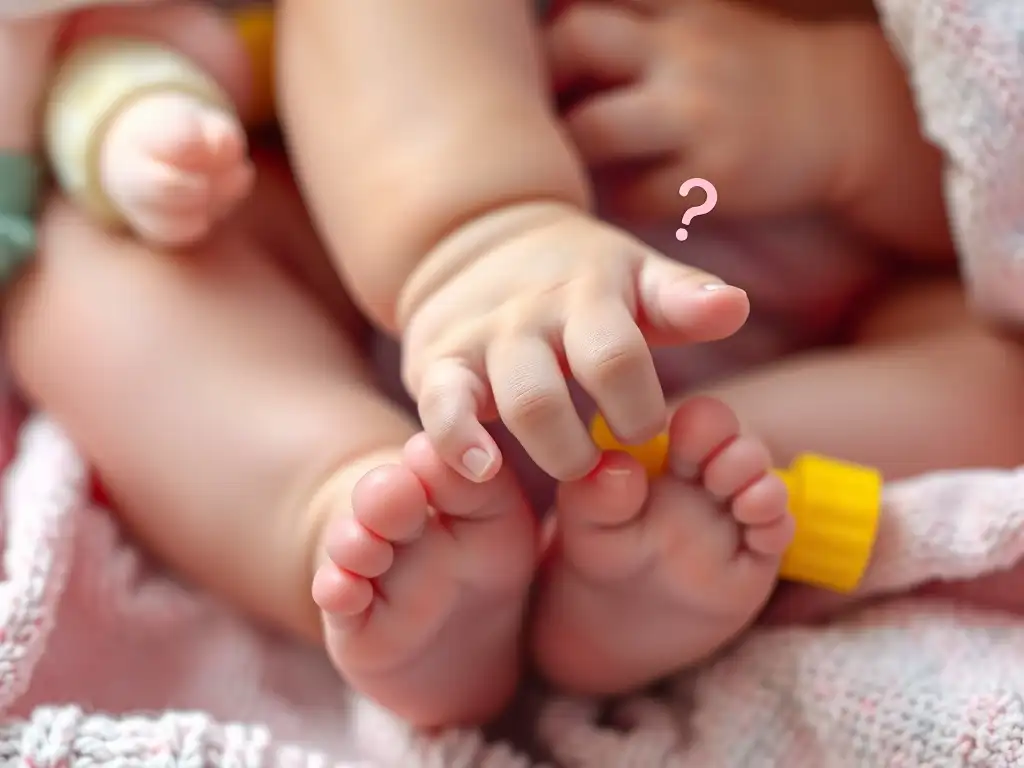
The first year of a baby's life witnesses an astonishing surge in motor skill development, intricately intertwined with their burgeoning cognitive abilities. Mastering physical tasks directly impacts cognitive growth, fostering problem-solving skills, spatial awareness, and even language development. This section explores the crucial link between motor milestones and cognitive advancement during this pivotal period, focusing on both gross and fine motor skills. Understanding these developmental leaps can help parents appreciate their baby's progress and identify potential areas needing attention. This understanding is vital for navigating the journey of "baby development first year milestones."
Gross Motor Skills: Milestones and Cognitive Correlates (e.g., Rolling, Crawling, Walking)
Gross motor skills involve the larger muscles of the body, enabling movements like rolling, crawling, sitting, and eventually, walking. Each milestone achieved isn't merely a physical feat; it significantly impacts cognitive development.
For example, learning to roll over (typically around 4-6 months) isn't just about strengthening neck and torso muscles. It also enhances spatial awareness. Babies begin to understand their body's position in relation to their surroundings. This understanding forms the foundation for later navigational skills. They start to perceive objects from different angles, a crucial step in object permanence—the understanding that objects continue to exist even when out of sight.
Crawling, usually emerging between 7-10 months, is another significant leap. It allows babies to actively explore their environment, encountering diverse textures, shapes, and sounds. This active exploration greatly stimulates sensory processing and problem-solving. A baby might need to figure out how to navigate around obstacles, strengthening their planning and decision-making skills. This is a crucial period for building a strong foundation for "baby development first year milestones" in the gross motor skill area.
Finally, walking, typically achieved around 12 months (though the range is quite broad), represents a huge cognitive and physical achievement. It dramatically expands a baby's world, offering newfound independence and opportunities for exploration. The cognitive benefits are extensive, from improved spatial reasoning and problem-solving to enhanced self-confidence and social interaction. The ability to reach for and interact with objects independently further fuels cognitive development.
Fine Motor Skills: Hand-Eye Coordination and its Cognitive Development (e.g., Grasping, Reaching, Pincer Grasp)
Fine motor skills, involving the smaller muscles in the hands and fingers, are equally important in the first year. The development of these skills is closely linked to cognitive development, particularly in areas like problem-solving and language acquisition.
Reaching for objects, initially clumsy and uncoordinated, improves significantly over the first year. This seemingly simple act involves complex interplay between visual perception, motor planning, and execution. As hand-eye coordination develops, babies become more adept at grasping objects, initially using a whole-hand grasp, then progressing to a more refined pincer grasp (using thumb and forefinger) around 9-12 months. This progression fuels cognitive development by enhancing their ability to manipulate objects, explore their properties, and engage in more complex play.
The development of a pincer grasp, for instance, is crucial for self-feeding and exploring smaller objects. This directly impacts their understanding of cause and effect. Picking up a small toy and dropping it repeatedly teaches them about gravity and object permanence. These seemingly simple actions are building blocks for complex cognitive processes. The ability to manipulate objects also lays the groundwork for future activities like writing and drawing. Tracking these fine motor milestones is as crucial as tracking other "baby development first year milestones" to ensure that your baby's development is on track.
The development of fine motor skills isn’t just about dexterity; it’s a crucial aspect of cognitive development in the first year, paving the way for future learning and development. These skills, along with gross motor skills, contribute significantly to a baby's overall development, marking important stages in their "baby development first year milestones" journey. Careful observation and support during this crucial period can help nurture their cognitive and physical growth.
Cognitive Milestones in Your Baby's First Year: A Month-by-Month Guide
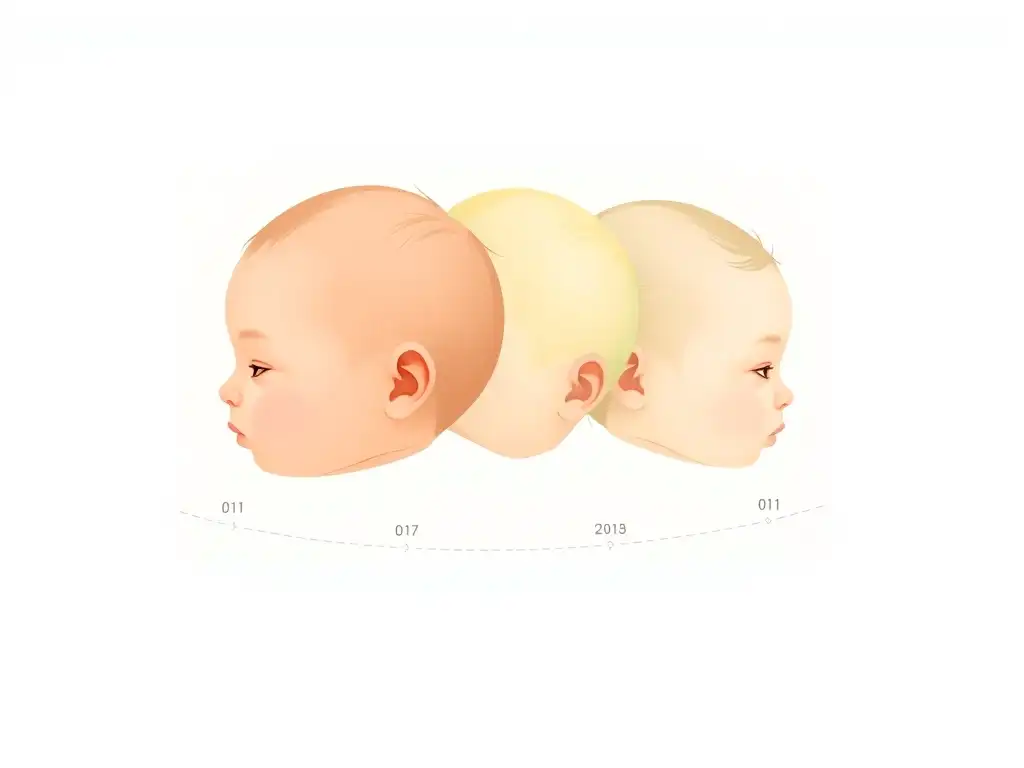
This section details the fascinating cognitive development your baby experiences during their first year, focusing on key milestones and offering insights into their rapidly expanding world. Understanding these milestones can help you better appreciate your baby's unique journey and provide appropriate stimulation. Remember, every baby develops at their own pace, so these are guidelines, not rigid rules. Enjoy this incredible year of discovery with your little one! 🎉
0-3 Months: Sensory Exploration and Early Learning
During these initial months, your baby's cognitive development is primarily focused on sensory exploration. Their world is a kaleidoscope of sights, sounds, smells, tastes, and textures, and they're actively learning to process this information. This period is crucial for establishing foundational neural connections.
Babies in this age range demonstrate cognitive growth through:
- Responding to sounds: They will startle at loud noises, turn their heads towards familiar voices, and show preference for certain sounds, like their caregiver's voice. This auditory processing is fundamental for later language development.
- Visual tracking: They begin tracking moving objects with their eyes, initially with jerky movements, gradually becoming smoother and more precise. This helps them understand spatial relationships and object permanence (the understanding that objects continue to exist even when out of sight – a milestone that develops later).
- Recognizing faces: By the end of this period, many babies show a clear preference for familiar faces, especially their caregivers. This is a crucial step in developing social bonds and attachment.
- Reflexive actions: While not purely cognitive, reflexes such as grasping and sucking are early precursors to intentional actions and provide valuable sensory feedback. Observe how your baby's grasp strengthens over time.
Think of this stage as the "foundation" for all future learning. Providing a stimulating environment with varied sights, sounds, and textures is key. Soft toys with different textures, mobiles with contrasting colors, and gentle singing all contribute to this early sensory education.
4-6 Months: Object Permanence and Early Communication
This phase marks a significant leap in cognitive development. Babies start to grasp the concept of object permanence, understanding that objects continue to exist even when they can't see them. This is often tested by the classic "peek-a-boo" game, where their delight at your reappearance demonstrates their growing understanding.
Beyond object permanence, several other cognitive milestones emerge:
- Increased attention span: Babies can now focus their attention on specific objects or activities for longer periods. This improved attention is crucial for learning and engagement.
- Early communication: They begin experimenting with sounds, babbling, and vocalizations, attempting to communicate their needs and engage with caregivers. Responding enthusiastically to these attempts encourages further communication.
- Reaching and grasping: Their motor skills improve dramatically, allowing for more intentional reaching and grasping. They're not just reacting to stimuli; they're actively seeking and interacting with their environment.
- Exploring cause and effect: They begin to understand that their actions have consequences. Shaking a rattle to hear the sound is a simple example of this emerging understanding of cause and effect.
This period is characterized by a growing curiosity and a desire to interact with their surroundings. Providing opportunities for exploration, such as safe toys that encourage manipulation and exploration, is vital for fostering cognitive growth.
7-9 Months: Intentional Actions and Problem-Solving Skills
By 7-9 months, your baby's cognitive abilities are blossoming. They're moving beyond simple sensory exploration and are engaging in more intentional actions and problem-solving.
Observe these key developments:
- Problem-solving: They begin exhibiting simple problem-solving skills. For example, they might pull a blanket to reach a toy hidden underneath, demonstrating a rudimentary understanding of how to overcome obstacles.
- Purposeful actions: Their actions become increasingly purposeful. They're no longer just randomly manipulating objects; they're using them in specific ways, such as banging a spoon on the highchair tray to make a noise.
- Understanding simple instructions: They begin to respond to simple commands, like "wave bye-bye" or "give me the toy." This demonstrates their growing understanding of language and symbolic representation.
- Stranger anxiety: While emotionally challenging, this milestone also reflects their developing cognitive abilities. They're recognizing familiar faces and differentiating them from unfamiliar ones, demonstrating growing cognitive awareness and social understanding.
This period is crucial for encouraging exploration and problem-solving. Providing age-appropriate toys that challenge their abilities and encourage experimentation will help them develop their cognitive skills further. Remember to celebrate their every achievement; positive reinforcement is key to their cognitive and emotional development. This active engagement with the world lays the groundwork for more complex cognitive skills in the coming months.
10-12 Months: Symbolic Thought and Language Development
This period marks a significant leap in your baby's cognitive abilities. Between 10 and 12 months, the development of symbolic thought becomes increasingly evident. This means your baby begins to understand that objects and symbols can represent something else. For example, they might start to understand that a picture in a book represents a real-life object, or that a gesture, like waving goodbye, signifies a specific action. This ability is foundational for future language acquisition and problem-solving skills.
The development of symbolic thought is closely intertwined with language development. At this age, babies are not only understanding more words but also actively trying to communicate using words, gestures, and sounds. While they may not be forming complete sentences, you'll likely hear them babbling more extensively, experimenting with different sounds and intonations. They might even start to use gestures to indicate their needs or desires, such as pointing to an object they want or reaching for your hand to be picked up.
One fascinating aspect of this stage is the emergence of pretend play. Your baby might start to engage in simple pretend play, such as pretending to feed a doll or mimicking your actions. This type of play is crucial for developing their understanding of the world and their ability to think creatively. For example, a baby might pretend to drink from an empty cup, demonstrating their understanding of the symbolic representation of the action of drinking.
This period also sees a significant increase in their understanding of cause and effect. They begin to realize that their actions have consequences. For instance, they might learn that shaking a rattle produces a sound, or that dropping a toy makes it fall. This understanding lays the groundwork for more complex problem-solving skills later in life. Observing these cause-and-effect relationships is vital for their cognitive development and helps them actively engage with their environment.
Furthermore, around this age, you'll notice a significant improvement in their memory. They can remember and recognize familiar faces, objects, and routines. This improved memory capacity contributes directly to their developing language skills and overall cognitive development. They might even start to anticipate familiar events, like bath time or bedtime, showing a growing understanding of time and sequence. This predictability fosters a sense of security and comfort. The development of memory at this stage is crucial for building a foundation for future learning and understanding.
Remember, every baby develops at their own pace. While these are typical milestones for 10-12-month-olds, some babies may reach them earlier or later. If you have any concerns about your baby's development, it's always best to consult with your pediatrician. Early intervention is key to addressing any potential developmental delays and ensuring your little one gets the support they need to thrive. 🎉
Supporting Your Baby's Cognitive Development: Practical Tips and Activities
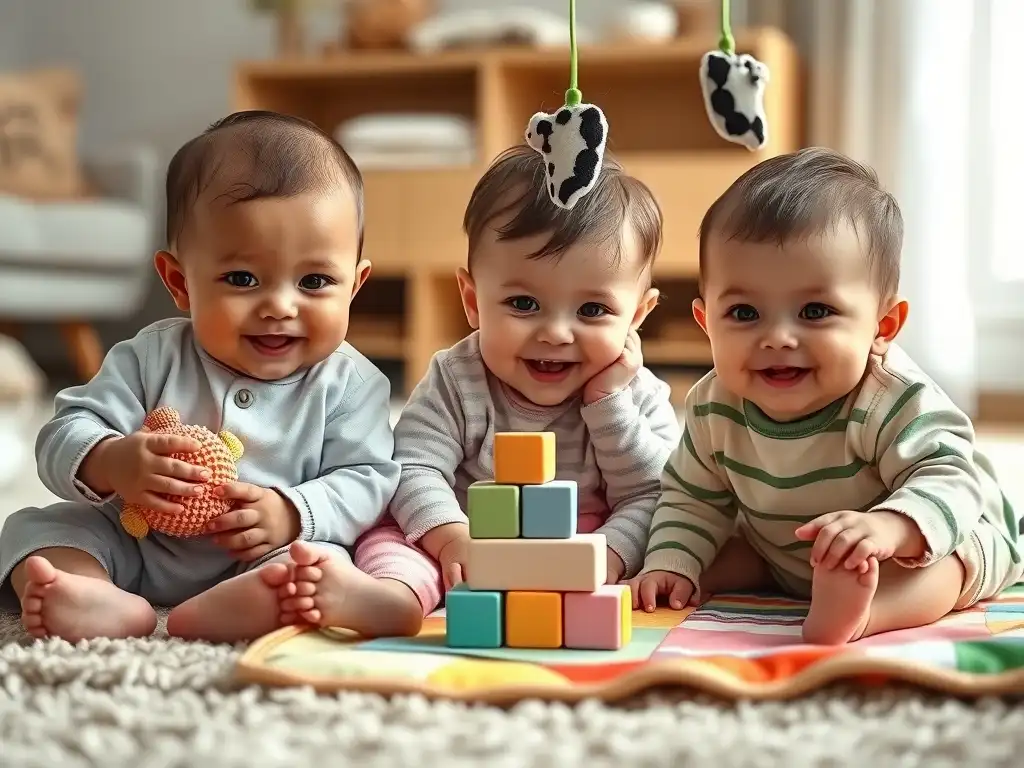
This section focuses on actionable strategies parents can implement to nurture their baby's cognitive development during the crucial first year. We'll explore how to create a stimulating environment, engage in play-based learning, and highlight the significance of social interaction in shaping your little one's cognitive abilities. Remember, consistent effort and a nurturing environment are key to fostering healthy cognitive growth. This is a critical period for "baby development first year milestones," and actively participating in your baby's development can have a profound impact.
Creating a Stimulating Environment for Cognitive Growth
A baby's brain develops rapidly during the first year. Providing a rich and stimulating environment is paramount. This doesn't require expensive toys; rather, it's about thoughtful choices. Think about creating spaces that encourage exploration and discovery.
Consider these points:
- Visual Stimulation: Hang colorful mobiles above the crib, rotating them regularly to prevent boredom. Use high-contrast patterns and images (black and white, or bright primary colors) in the early months, gradually introducing more complex visuals.
- Auditory Stimulation: Play a variety of sounds – classical music, nature sounds, lullabies – to stimulate auditory processing. Talk, sing, and read to your baby frequently. The sound of your voice is incredibly soothing and stimulating.
- Tactile Stimulation: Offer a range of textures for your baby to explore – soft blankets, crinkly toys, smooth wooden blocks. This helps develop their sense of touch and fine motor skills.
- Safe Exploration: Baby-proof your home meticulously. This allows your baby to explore safely, fostering a sense of independence and confidence. Remember, safety is the foundation for exploration and learning. This is a crucial component of achieving key "baby development first year milestones."
Providing a consistently stimulating environment is more effective than sporadic bursts of activity. Think of it as a marathon, not a sprint. Consistency is key to maximizing the impact of these efforts on your baby's cognitive development.
Engaging in Play-Based Learning Activities for Babies
Play isn't just fun; it's a fundamental component of cognitive development. Even seemingly simple activities can significantly contribute to your baby's learning.
Here are some examples of play-based learning activities suitable for babies in their first year:
- Tummy Time: Essential for strengthening neck and back muscles, tummy time also encourages visual exploration and problem-solving (how to lift their head). Start with short sessions and gradually increase the duration as your baby gets stronger.
- Interactive Books: Choose books with bright colors, simple shapes, and textures. Point to pictures and name the objects, engaging your baby in a conversation.
- Sensory Play: Fill a container with safe, unbreakable items of varying textures (rice, beans, soft toys) for your baby to explore under supervision. This is a fantastic way to stimulate tactile senses and fine motor skills.
- Object Permanence Games: Hide a toy under a blanket and encourage your baby to find it. This helps them understand that objects continue to exist even when out of sight—a significant cognitive leap.
Remember to adapt activities to your baby's developmental stage. What works for a 3-month-old might not be as engaging for a 9-month-old. Observe your baby’s cues; if they seem frustrated or disinterested, switch to a different activity. This flexibility is vital to nurturing their interest and enjoyment of learning. These activities directly contribute to reaching important "baby development first year milestones."
Social interaction is crucial for cognitive development. Babies learn through observation, imitation, and interaction with others.
Consider these points:
- Face-to-Face Interaction: Spend quality time engaging face-to-face with your baby. Make eye contact, smile, talk, and sing. This strengthens the parent-child bond and stimulates brain development.
- Reading Aloud: Reading aloud, even in the early months, exposes your baby to language, rhythm, and storytelling. This fosters language development and a love of reading.
- Social Play: As your baby gets older, introduce them to other babies and caregivers in safe, supervised environments. This helps them learn social skills, such as sharing and taking turns. This is important for achieving social "baby development first year milestones."
- Responding to Cues: Pay close attention to your baby's cues and respond appropriately. This helps them learn that their actions have consequences and fosters a sense of security and trust.
The first year of life is a period of incredible growth and development. By actively engaging with your baby and providing a stimulating and loving environment, you can significantly contribute to their cognitive development and help them reach their full potential. Remember to celebrate each milestone and enjoy this special journey!
Recognizing Potential Delays in Baby Development First Year Milestones
This section focuses on identifying potential delays in your baby's development during their first year. Early detection is crucial for timely intervention and support. While every child develops at their own pace, understanding typical milestones helps parents recognize when professional guidance may be beneficial. Remember, this information is for educational purposes and should not replace professional medical advice. Always consult your pediatrician with any concerns.
Signs of Developmental Delays to Watch Out For
Identifying potential developmental delays requires careful observation and awareness of your baby's individual progress. It's not about comparing your baby to others, but rather recognizing significant deviations from expected milestones. These deviations can manifest in various ways, and it's important to consider the cluster of signs rather than focusing on a single instance.
Here are some key areas to monitor, along with specific examples of potential delays:
Gross Motor Skills:
- Rolling Over: A significant delay would be if your baby isn't able to roll from back to tummy or tummy to back by 6 months of age. Some babies might achieve this earlier, but a consistent lack of progress beyond this age warrants attention.
- Sitting: If your baby shows no signs of sitting unsupported by 8 months, this could indicate a delay. Remember, this is a general guideline; some babies might sit earlier or later. The absence of any progress towards sitting should be noted.
- Crawling/Cruising: While not every baby crawls, the absence of any form of independent mobility (crawling, scooting, or pulling themselves up) by 12 months could suggest a delay.
Fine Motor Skills:
- Reaching and Grasping: If your baby struggles to reach for objects or consistently misses grasping them by 6 months, it's worth observing closely. This could indicate a delay in hand-eye coordination.
- Pincer Grasp: The inability to use the thumb and forefinger to pick up small objects (like Cheerios) by 9-12 months could suggest a fine motor skill delay.
- Object Manipulation: Lack of interest in exploring objects or manipulating them (e.g., banging, shaking, dropping) by 9 months might be a cause for concern.
Language Development:
- Responding to Sounds: If your baby doesn't respond to their name or familiar sounds by 6 months, or doesn't babble by 8 months, it could signal a potential delay. This is especially important because language development forms the foundation for later cognitive skills.
- Simple Gestures: The absence of simple gestures like waving goodbye or pointing by 12 months could be a cause for concern.
- Limited Vocalizations: A very limited vocabulary or absence of attempts at communication beyond crying by 12 months may indicate a delay.
Social and Emotional Development:
- Limited Social Interaction: A lack of engagement with caregivers, minimal response to smiles or other social cues, or persistent avoidance of eye contact could be indicative of a developmental delay.
- Difficulty with Emotional Regulation: Extreme difficulty in calming down or persistent inconsolability may warrant further investigation.
- Lack of Interest in Play: A significant lack of interest in interactive play or engagement with toys beyond a very basic level could be a potential indicator.
Remember, this list is not exhaustive. The key is to observe your baby's progress holistically and trust your instincts. If you have any concerns, don't hesitate to seek professional guidance.
Seeking Professional Help: When to Consult a Pediatrician or Specialist
Early intervention is key when it comes to addressing potential developmental delays. Don't wait for things to "get better on their own." If you notice any of the signs mentioned above, or if you simply have concerns about your baby's development, promptly consult your pediatrician.
Your pediatrician can conduct a comprehensive assessment and determine whether further evaluation is needed. They might refer you to specialists like developmental pediatricians, occupational therapists, or speech-language pathologists, depending on the specific areas of concern.
The earlier intervention is initiated, the better the outcome. Early intervention programs provide specialized support and therapies tailored to your baby's individual needs. These programs can significantly improve developmental outcomes and enhance your baby's overall well-being. Don't hesitate to advocate for your child and seek the help they need. Early identification and intervention can make a profound difference in their future development and quality of life. 👶
Frequently Asked Questions
What are some key physical development milestones in a baby's first year?
Babies typically lift their heads by 2 months, sit unsupported by 6 months, crawl around 8-10 months, and walk by 12 months. Remember that these are averages, and every baby develops at their own pace.
How does cognitive development progress during the first year?
Cognitive development involves learning and problem-solving. Expect your baby to respond to sounds and start babbling early on, progressing to understanding simple words and gestures later in the year. Object permanence (understanding that things exist even when out of sight) also develops.
When should I be concerned about my baby's development?
If you notice significant delays in reaching milestones, or if your baby is showing unusual behaviors, consult your pediatrician. Early intervention is key to addressing any developmental concerns.
How can I stimulate my baby's development during the first year?
Provide a stimulating environment with plenty of toys and opportunities for interaction. Talk, sing, and read to your baby regularly. Tummy time is crucial for physical development.
What role does nutrition play in my baby's development?
Proper nutrition is essential for healthy development. Breast milk or formula provides essential nutrients for the first year. Introduce solid foods gradually, following your pediatrician's recommendations. A balanced diet is vital for brain development and overall growth.
Final Reflection: Weaving the Tapestry of a Baby's First Year
The first year of life is a breathtaking period of unparalleled growth, a whirlwind of physical and cognitive leaps that lay the foundation for a lifetime of learning and development. Understanding this intricate dance between the body and mind is not just fascinating; it's crucial for nurturing healthy, thriving children. The milestones we've explored aren't just checkboxes on a list; they are vital indicators of a child's progress and potential.
The impact of this initial year resonates far beyond the immediate milestones. The secure attachment formed, the language skills acquired, the motor skills developed – these all shape a child's personality, their confidence, and their ability to navigate the world. Give me a child until he is seven, and I will show you the man.
This quote, often attributed to Jesuit educator Ignatius of Loyola, powerfully underscores the profound influence of those formative early years. The experiences a baby encounters, the love and support they receive, directly impact their future trajectory.
Now, consider your own experiences, your own memories of this crucial period. What stands out? What lessons can you glean from this exploration of baby development? I urge you to reflect on the power of nurturing, the importance of responsive caregiving, and the sheer wonder of witnessing a tiny human blossom into a unique individual. Embrace the journey, celebrate the small victories, and remember that every interaction, every moment of connection, contributes to the beautiful tapestry of your child's first year and beyond.
Unlock Your Baby's Potential: Nurture Growth & Development
Thank you for exploring the fascinating world of your baby's first year! We hope you gained valuable insights into the incredible connection between physical and cognitive development. Now, let's put that knowledge into action.
Here are a few ways to nurture your little one's growth:
- Create a stimulating environment: Designate a play area with age-appropriate toys that encourage exploration and learning. Enriching your baby's surroundings directly impacts their development.
- Connect with other parents: Share your experiences and learn from others in our BabyCareHub community forum. The support and shared experiences are invaluable!
- Document your baby's milestones: Keep a special journal or digital record to capture these precious moments of growth. This will become a treasured keepsake for years to come.
What creative activities will you enjoy with your baby today to stimulate their development?