
Baby's First Music Class: Exploring the Benefits of Group Settings

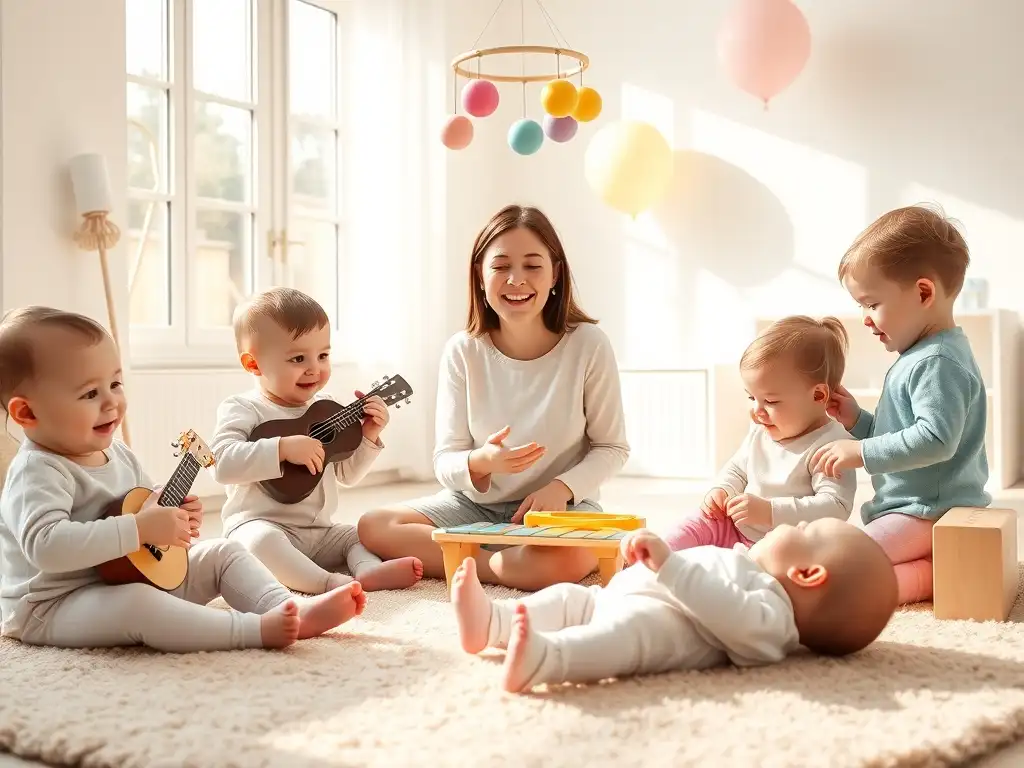
Welcome to BabyCareHub, your ultimate guide to navigating the incredible journey of parenthood! Are you ready to unlock the secrets to your little one's development? We delve into the fascinating world of early childhood enrichment, starting with our insightful article on Baby Music Class Benefits. Discover how group music classes can significantly impact your baby's cognitive, social, and emotional growth. Prepare to be amazed by the power of music in shaping your child's future – let's explore together!
- Understanding the Advantages of Baby Music Classes
- Choosing the Right Baby Music Class: Key Considerations
- Preparing Your Baby for Their First Music Class
- Maximizing the Benefits of Baby Music Classes: Activities at Home
- Long-Term Benefits of Early Music Education: Setting the Stage for Future Success
- Frequently Asked Questions
- Final Reflection: The Harmonious Growth of Little Minds
- Unlock Your Baby's Musical Potential!
Understanding the Advantages of Baby Music Classes
Welcoming your little one into the world is a joyous occasion, filled with countless firsts and exciting developmental leaps. As first-time parents navigate this incredible journey, choosing enriching activities that stimulate your baby's growth becomes paramount. This article delves into the significant benefits of baby music classes, particularly within a group setting, focusing on how these classes contribute to your baby's cognitive, social-emotional, and language development.
We'll explore the multifaceted ways music nurtures your baby's burgeoning brain and helps them thrive in their early years. Understanding these advantages will empower you to make informed decisions about enriching your baby's life and fostering their overall well-being.
Choosing the right activities can significantly impact your child's development, and baby music classes offer a unique and engaging way to support this crucial process. This is especially important as you consider the long-term impact of early childhood stimulation on your baby's cognitive abilities and social skills.
Cognitive Development: Enhanced Brain Function Through Music
Music engages multiple areas of the brain simultaneously. For infants, exposure to music, rhythm, and melodies stimulates neural pathways, enhancing cognitive development. Studies have shown that musical training, even at a young age, can improve memory, attention span, and problem-solving skills. In a group setting, the varied sounds and interactions further enhance this cognitive stimulation.
Babies are naturally drawn to sounds and respond positively to the melodic patterns and rhythmic structures present in music classes. The interactive nature of these classes, with instruments and songs tailored to their developmental stage, creates a dynamic learning environment that fosters cognitive growth. This early exposure to musical concepts lays a strong foundation for future academic success and overall cognitive agility.
Think of it as a form of brain gymnastics, making connections and strengthening neural pathways in a fun and engaging way. Moreover, the varied sounds and interactions in a group setting further enhance the cognitive stimulation provided by music. The vibrant, dynamic nature of a group music class provides a rich sensory experience that actively supports brain development.
Baby music classes aren't just about musical training; they're also valuable social-emotional learning environments. The group setting provides opportunities for your baby to interact with other infants and caregivers, fostering social skills. Observing other babies and engaging in shared activities helps them understand social cues and develop empathy. The structured yet playful nature of these classes helps babies build confidence in a supportive environment.
The positive reinforcement from instructors and the shared experience of singing and playing together create a sense of belonging and security. Furthermore, the exposure to different personalities and interactions helps babies learn to navigate social situations, developing crucial skills for future social success. Witnessing their baby's growing confidence and ability to interact positively with others is a rewarding experience for parents as well. 🎶 The positive interactions in a group setting build a sense of community and belonging, crucial for healthy social-emotional development.
Language Development: Early Exposure to Rhythm, Sounds, and Vocabulary
Music is intrinsically linked to language development. The rhythmic patterns, melodic contours, and repetitive phrases found in baby music classes help babies develop their auditory processing skills. Early exposure to the sounds and rhythms of language enhances their ability to discern and discriminate between different phonemes, the building blocks of spoken language. Many songs also introduce new vocabulary in a fun and engaging way, expanding your baby's receptive language skills. The interactive nature of the classes, with singing, clapping, and movement, encourages active participation, further solidifying language acquisition.
This early introduction to the musicality of language helps establish a strong foundation for future verbal and communicative skills. The combination of rhythm, sounds, and vocabulary in a stimulating environment creates a powerful and effective tool for language development, laying the groundwork for future linguistic success. Remember, every “ba-ba-black-sheep” sung is a step towards building strong language skills! 🐑
Choosing the Right Baby Music Class: Key Considerations
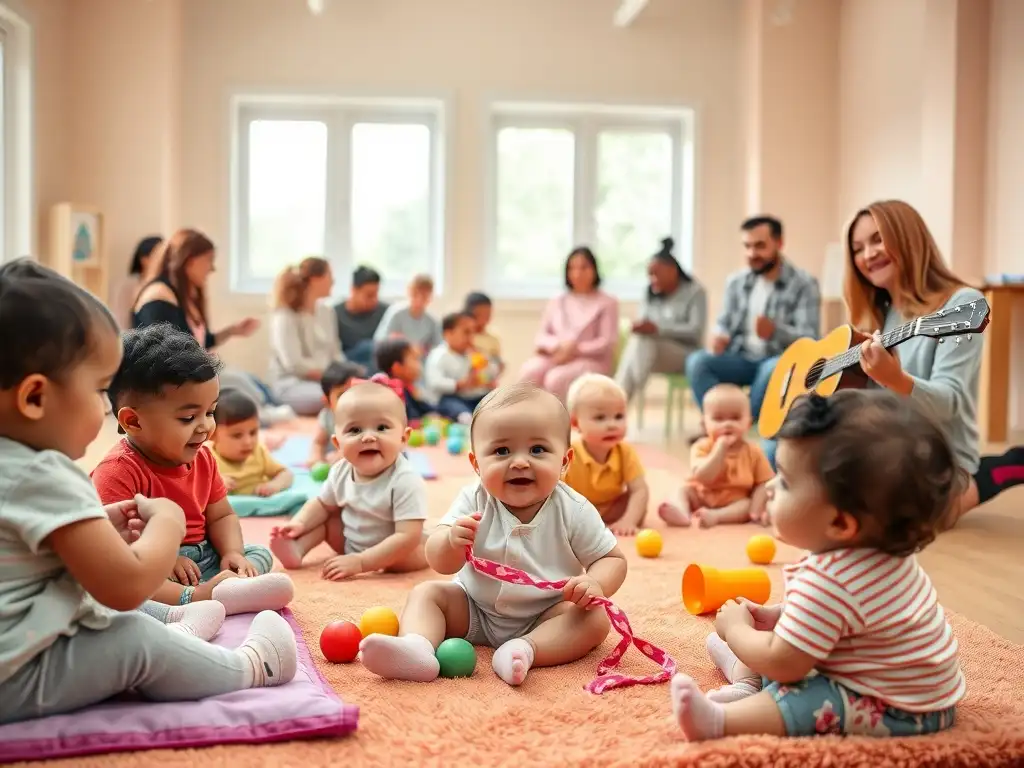
Choosing the right baby music class can significantly impact your little one's experience and the benefits they reap. It's not just about singing songs; it's about creating a nurturing and stimulating environment that fosters their development. Several key factors should guide your decision, ensuring a positive and enriching musical journey for both you and your baby. This section focuses on helping you navigate these important considerations, maximizing the "baby music class benefits" for your child.
Age-Appropriate Classes: Finding the Perfect Fit for Your Little One
Finding a class designed for your baby's developmental stage is paramount. A class geared towards newborns (0-6 months) will differ greatly from one for toddlers (18-24 months). Newborn classes typically emphasize gentle sounds, soothing rhythms, and parent-child interaction, focusing on bonding and sensory stimulation. Older babies, however, might benefit from more interactive activities, including simple movement and instrument exploration.
Consider the specific age range advertised. Some classes might be broader, encompassing a wider age range (e.g., 6-12 months), but even then, the activities should be adaptable to the varying developmental levels within that group. Look for classes that clearly outline the types of activities planned and the skills they aim to develop. For instance, a class for 6-month-olds might focus on cause-and-effect relationships through musical toys, while a class for 12-month-olds might incorporate more active movement and singing along. The curriculum should be age-appropriate and developmentally relevant, contributing significantly to the overall "baby music class benefits".
Remember, a well-structured class will cater to the developmental needs of the babies enrolled. A mismatch can lead to frustration for both the baby and the parent. For example, a highly active class might overwhelm a younger baby, while a passive class might bore an older, more curious child. Choosing correctly will significantly enhance the "baby music class benefits."
Class Size and Teacher-Student Ratio: Ensuring Individual Attention
The class size and teacher-student ratio are crucial factors influencing the quality of instruction and individual attention your baby receives. Smaller classes generally allow for more personalized interaction between the teacher and each baby. A lower teacher-student ratio ensures that your baby gets sufficient individual attention, allowing the teacher to address their specific needs and responses.
Ideally, look for classes with a teacher-student ratio of no more than 6:1 or even lower, especially for younger babies. This allows the teacher to observe each baby's engagement, respond to their cues, and provide individualized support. Larger classes, while potentially more affordable, may leave your baby feeling overlooked, diminishing the potential "baby music class benefits." Furthermore, a smaller class allows for a more intimate and nurturing environment, fostering a sense of security and comfort for your little one.
Consider the teacher's experience and training as well. A qualified and experienced teacher will be better equipped to manage a class of varying ages and temperaments, ensuring that all babies receive adequate attention and engagement. The right teacher can make all the difference in maximizing the "baby music class benefits".
Location and Convenience: Accessibility and Comfort for Parents and Babies
The location and accessibility of the class are important practical considerations. Choose a location that is convenient for you to reach, considering factors like parking, public transportation, and proximity to your home. A convenient location reduces stress and makes attending classes more manageable, maximizing the "baby music class benefits" by minimizing logistical hurdles.
The class environment should be safe, clean, and comfortable for both you and your baby. Consider factors such as the temperature, lighting, and overall atmosphere. Is the space well-ventilated? Is there enough space for babies to move around safely? Is there a designated area for diaper changes and feeding? A comfortable and safe environment contributes greatly to your baby's enjoyment and learning experience.
Think about amenities too. Are there comfortable seating arrangements for parents? Is there a waiting area? Are there facilities for breastfeeding or bottle-feeding? These practical considerations can make a significant difference in your overall experience and the enjoyment of "baby music class benefits." A well-planned class will consider the needs of both babies and parents, creating a welcoming and supportive environment for everyone.
Curriculum and Teaching Style: A Variety of Musical Experiences
Choosing a baby music class involves carefully considering the curriculum and teaching style. A well-structured curriculum should offer a diverse range of musical experiences, catering to your baby's developmental stage. This isn't simply about passively listening to music; it's about active engagement and exploration. Look for classes that incorporate various musical elements, including singing, rhythmic movements, instrument playing (age-appropriate, of course!
), and exposure to different genres of music. The goal is to stimulate your baby's auditory senses and foster a love for music from a young age. For example, a strong curriculum might include songs focusing on different tempos and rhythms, introducing simple musical concepts like high and low notes through playful activities, or incorporating lullabies to promote relaxation and soothing. The variety is key; a monotonous approach will likely bore both you and your little one.
The teaching style is equally important. An effective instructor will be engaging, enthusiastic, and patient. They should be able to adapt their teaching to the different developmental levels within a group, ensuring that all babies feel included and stimulated. Observe the instructor's interaction with the babies; do they respond sensitively to cues of boredom or overstimulation?
Do they create a warm and welcoming atmosphere? A good instructor will also actively involve parents, providing guidance and tips on how to continue the musical exploration at home. Look for classes that encourage parent-child interaction during musical activities, fostering a strong bond and shared musical experience.
The instructor's ability to manage a group of babies and maintain a stimulating yet calm environment is crucial for a positive learning experience. Remember, the best classes blend structured learning with spontaneous play, ensuring every session is enjoyable and enriching for both parent and child. Consider asking for a trial class or attending an observation session to get a feel for the teaching style before committing to a full course.
Preparing Your Baby for Their First Music Class
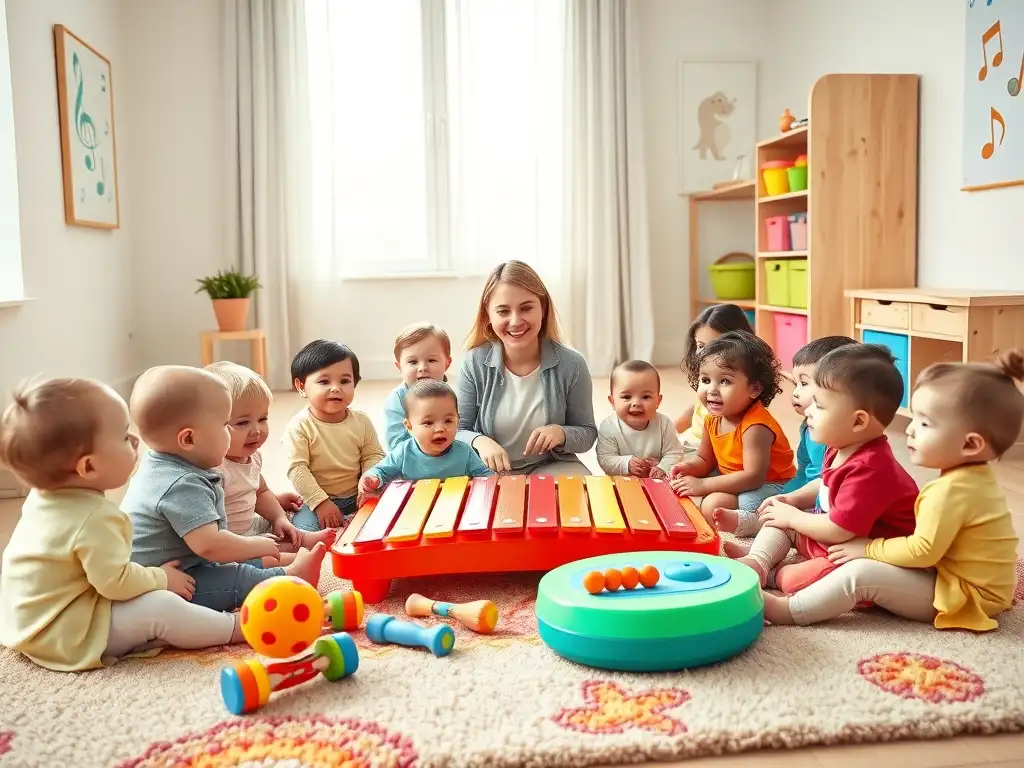
This section focuses on preparing your little one for their first foray into the world of musical exploration. A well-prepared baby is a happy baby, and a happy baby is more likely to engage fully in the class. Remember, the goal is to foster a positive association with music from the earliest stages of development. This lays the groundwork for future musical appreciation and potentially even musical talent!
We'll explore practical steps you can take to ensure a smooth transition into this enriching experience. The benefits of early music exposure are numerous, contributing to cognitive, social, and emotional development. Let's dive into the specifics!
What to Bring: Essential Items for a Smooth Experience
Bringing the right items can significantly impact your baby's comfort and your own peace of mind during the class. It's all about being prepared for any eventuality. Forget something crucial, and the entire experience can be negatively affected. Here's a checklist to ensure a smooth and enjoyable experience for both you and your baby:
- Diapers and wipes: This is a no-brainer! Babies are unpredictable, and accidents happen. Better to be over-prepared than under-prepared.
- Change of clothes: Spills, spit-up, and unexpected diaper blowouts are all possibilities. Having a spare outfit will prevent any embarrassing moments and keep your baby comfortable.
- Burp cloths: These are invaluable for catching those inevitable post-feeding dribbles.
- Blanket: A soft blanket provides a comforting and familiar surface for your baby to lie on, especially if the class floor isn't carpeted.
- Favorite toy or pacifier: Familiar objects can offer comfort and security in a new environment.
- Bottle or snacks (if necessary): Babies have different feeding schedules. Keeping your baby happy and content is paramount.
- Small, lightweight stroller or carrier: Some classes may involve movement, and a carrier allows you to easily participate while keeping your baby close.
- Diaper bag: A well-organized bag is essential for transporting all these essentials.
Easing Baby into the Class Environment: Tips for a Positive First Impression
The first music class experience should be positive and enjoyable. A smooth introduction to the new environment is key to establishing a love for music early on. The goal is to create a sense of familiarity and security. Here are some tips to ensure a positive first impression:
- Arrive early: This allows your baby to acclimate to the space before the class begins and reduces any potential stress from a rushed entry.
- Explore the room: Let your baby gently explore the room at their own pace. This helps them to become familiar with the surroundings.
- Introduce yourself to the instructor: A friendly conversation with the instructor can put you and your baby at ease.
- Find a comfortable spot: Choose a location that allows your baby to see and hear everything without feeling overwhelmed.
- Respond to your baby's cues: Pay close attention to your baby's body language. If they seem overwhelmed, take a break or step outside for a few minutes.
- Positive reinforcement: Praise and encourage your baby's participation, even if it's just a smile or a gurgle. This helps to build confidence and a positive association with the class.
Managing Baby's Emotions: Addressing Potential Challenges
Even the best-prepared baby might experience some emotional challenges during their first music class. It's a new environment, new sounds, and possibly new people. Understanding and addressing these challenges is crucial for a positive experience. Here's how to navigate potential difficulties:
- Crying: Crying is a normal response to a new situation. Try soothing your baby with physical comfort, like rocking or cuddling. Sometimes, a brief break from the class to return to a familiar environment can be beneficial.
- Over-stimulation: If your baby seems overwhelmed, move to a quieter area of the room or step outside for a few minutes. Remember, it's okay to take breaks.
- Fear of new sounds: Introduce new sounds gradually. Start with quieter, more familiar sounds before moving to louder or more unfamiliar ones.
- Separation anxiety: If your baby experiences separation anxiety, try to stay close and provide reassurance. Consider bringing a familiar object, like a favorite toy or blanket.
- Unpredictable behavior: Babies are unpredictable. Be prepared for anything, and remember that it's okay if things don't go exactly as planned. Focus on creating a safe and loving environment. The benefits of early music exposure far outweigh minor setbacks. Remember, consistency is key. Regular attendance will help your baby to adjust and fully enjoy the class.
Maximizing the Benefits of Baby Music Classes: Activities at Home
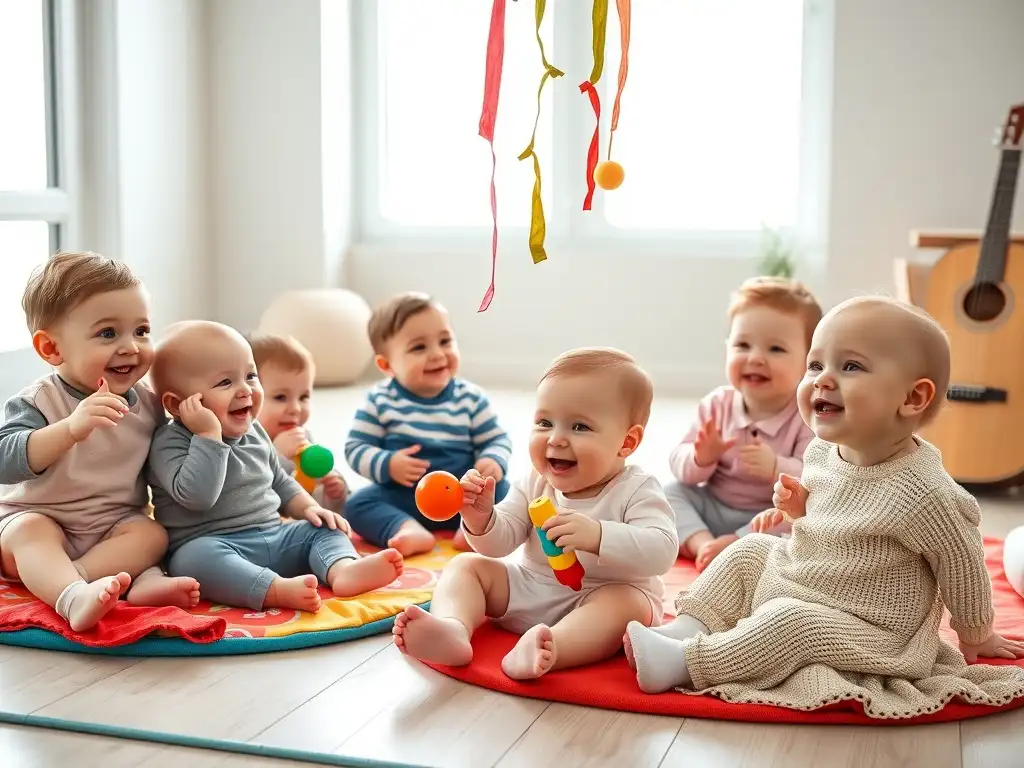
This section focuses on extending the enriching experiences of baby music classes into the home environment. Consistent exposure to music and rhythmic activities is key to maximizing the developmental benefits discussed earlier. Remember, the goal is not to create a miniature concert hall, but to integrate music naturally into your baby's daily routine. This fosters a love for music and contributes significantly to their cognitive, social, and emotional growth. The "Baby music class benefits" extend far beyond the classroom.
Continuing the Music: Simple Activities to Do at Home
Even simple activities can significantly enhance your baby's musical development. Think about incorporating music into playtime, bath time, or even diaper changes. Here are some practical ideas:
- Sing nursery rhymes and lullabies: These classic songs are not just entertaining; they also help with language development, memory skills, and emotional bonding. Try variations in tone and tempo to keep things interesting. Singing familiar tunes also provides a sense of comfort and predictability for your little one.
- Play musical instruments: Rattles, shakers, and soft xylophones are great for sensory exploration. Let your baby explore the sounds and textures, encouraging them to experiment with different rhythms and pitches. Even pots and pans can become makeshift instruments! Observe their reactions – do they prefer certain sounds or rhythms? This provides valuable insight into their preferences and can guide your musical selections.
- Dance and move together: Gentle swaying, bouncing, and rocking to music are wonderful ways to bond with your baby and promote their gross motor skills. The rhythmic movement helps with coordination and balance. Even babies who are too young to actively participate enjoy the feeling of being held and swayed to music.
- Listen to a variety of music genres: Expose your baby to different styles of music, from classical to jazz to folk. This broadens their musical horizons and helps them develop an appreciation for a variety of sounds and rhythms. Remember to adjust the volume to avoid overwhelming your baby's sensitive hearing. Consider creating playlists tailored to different moods or activities.
Remember to always supervise your baby during these activities and choose age-appropriate instruments and music.
Creating a Musical Environment: Stimulating Sensory Development Through Music
Beyond structured activities, consider how you can create a musical atmosphere in your home. This holistic approach further enhances the "baby music class benefits." Think of it as creating a sensory-rich environment where music plays a vital role.
- Use music as background noise: Playing soft, calming music during playtime or naptime can create a soothing and relaxing atmosphere. This helps regulate your baby's emotions and promotes a sense of calm. Classical music, especially, is often recommended for its calming properties.
- Introduce different textures and sounds: Use musical toys with varying textures, like soft fabrics or smooth wood. This stimulates their tactile senses alongside their auditory ones, enriching their overall sensory experience. The combination of sound and touch enhances memory and learning.
- Use visual aids: Pair music with visual stimulation, such as colorful mobiles or lights that pulse to the rhythm. This multi-sensory approach strengthens neural connections and promotes holistic development. The visual element adds another layer of engagement and interest.
- Incorporate nature sounds: The sounds of rain, birdsong, or ocean waves can be calming and soothing for your baby. This introduces them to a broader range of sounds beyond musical instruments and human voices. Nature sounds can also be particularly helpful during naptime.
Engaging with Music Regularly: Consistent Exposure for Optimal Results
The key to reaping the full "baby music class benefits" lies in consistent exposure. Think of it as a form of early childhood education – the more frequently your baby engages with music, the more significant the impact on their development.
- Establish a daily routine: Incorporate music into your baby's daily routine, whether it's singing during bath time, playing music during playtime, or listening to lullabies before bedtime. Consistency is crucial for establishing positive associations with music.
- Make it interactive: Don't just passively play music; actively engage with your baby. Sing along, dance together, and respond to their reactions. This encourages active participation and strengthens the bond between you and your child.
- Observe your baby's responses: Pay attention to your baby's reactions to different types of music and instruments. This helps you tailor your musical selections to their preferences and maximize their engagement. Their nonverbal cues will tell you what they enjoy the most.
- Be patient and persistent: Don't get discouraged if your baby doesn't immediately show an enthusiastic response. Consistent exposure over time will gradually foster a love for music and its many benefits. Remember, every baby develops at their own pace.
By incorporating these strategies into your daily routine, you can significantly enhance your baby's musical development and create a positive and enriching environment for them to thrive. Remember, the journey of musical exploration is as important as the destination! 🎶
Long-Term Benefits of Early Music Education: Setting the Stage for Future Success
Early exposure to music, especially in a group setting like a baby music class, offers a wealth of long-term benefits that extend far beyond simple entertainment. These benefits impact cognitive development, social-emotional growth, and even future academic success. Studies have shown a strong correlation between early music training and enhanced brain development, particularly in areas related to language acquisition, memory, and attention span.
The positive effects of a baby music class are not fleeting; they lay a solid foundation for a child's overall development and future well-being. This section will delve into the specific ways in which early music education impacts a child’s life, exploring the lasting advantages of introducing your little one to the world of music. The advantages are significant and far-reaching, making early music education a valuable investment in your child's future.
Musical Appreciation and Enjoyment: Fostering a Lifelong Love of Music
One of the most immediate and rewarding benefits of a baby music class is the cultivation of a lifelong love for music. Through interactive songs, rhythmic movements, and exposure to diverse musical styles, babies develop a positive association with music. This early exposure helps them build an appreciation for different genres, instruments, and musical expressions.
This isn't simply about passively listening; active participation through singing, dancing, and playing simple instruments fosters a deep connection and enjoyment that can last a lifetime. Think of it as planting a seed – the more you nurture that seed through early exposure and engagement, the more likely it is to blossom into a lifelong passion. Many adults who participated in music programs as children often cite these early experiences as formative in shaping their musical tastes and preferences.
Improved Academic Performance: The Link Between Music and Cognitive Skills
The benefits of baby music classes extend far beyond musical appreciation. Research consistently demonstrates a strong correlation between musical training and improved academic performance. Music education enhances cognitive skills crucial for academic success, such as memory, attention, and problem-solving.
Participating in a structured music class helps babies develop their listening skills, improve their focus, and learn to follow instructions – all essential skills for future learning in school. Furthermore, the development of fine motor skills through playing instruments or engaging in rhythmic activities directly translates to improved handwriting and dexterity, beneficial for writing and other academic tasks. This cognitive boost isn't just about memorizing melodies; it's about strengthening the brain's ability to process information efficiently and effectively, leading to improved academic outcomes.
Developing a Sense of Rhythm and Coordination: Building a Foundation for Future Movement Skills
Baby music classes are not just about listening; they are also about movement and coordination. The rhythmic nature of music and the accompanying actions encourage the development of motor skills, balance, and coordination. Through songs that involve clapping, tapping, and dancing, babies learn to synchronize their movements with the rhythm and tempo of the music. This early development of rhythm and coordination forms a strong foundation for future physical activities, from sports and dance to everyday tasks requiring dexterity and precision.
This rhythmic training also contributes to improved gross motor skills, enhancing their overall physical development and coordination. Furthermore, the social interaction inherent in a group music class further enhances their development of coordination and rhythmic awareness. The combined effect of music and movement creates a holistic developmental experience beneficial for the child's physical and cognitive growth.
Frequently Asked Questions
What are the benefits of baby music classes?
Baby music classes offer numerous benefits! They promote early brain development, socialization skills, and motor skill development through interactive activities and music. Exposure to music also enhances language acquisition.
Are baby music classes suitable for all ages?
Generally, classes are designed for babies from newborn to 18 months, although some may cater to slightly older toddlers. Check the specific class description for age recommendations. Always prioritize your baby's comfort level.
How do I choose the right baby music class?
Consider factors like class size, teacher experience, curriculum, and location. Look for classes that offer a safe and stimulating environment with age-appropriate activities. Read reviews from other parents.
What should I bring to a baby music class?
Bring your baby, a comfortable blanket or mat, and a change of clothes (accidents happen!). Some classes may provide instruments, but check beforehand. A bottle or snack may also be beneficial, depending on your baby's needs and the class length.
Do baby music classes help with sleep?
While not directly designed for sleep training, the rhythmic nature of music and the calming atmosphere of some classes can positively influence your baby's sleep patterns. The routine can also be beneficial. However, results vary between babies.
Final Reflection: The Harmonious Growth of Little Minds
The early exposure to music in a group setting isn't just a fun activity; it's a foundational element in a child's cognitive, social, and emotional development. The benefits extend far beyond simple entertainment, shaping crucial neural pathways and fostering a lifelong appreciation for the arts. This impact is profoundly significant in today's fast-paced world, where nurturing well-rounded individuals is more critical than ever.
Witnessing the joy and engagement of babies in a music class is truly heartwarming. The collective energy, the shared experience of singing and moving together, creates a powerful learning environment. Music is the universal language of mankind.
- Henry Wadsworth Longfellow. This quote rings especially true when observing the effortless connection babies form through music, transcending language barriers and cultural differences. The ripple effect of these early musical experiences extends into their future interactions, shaping their social skills and emotional intelligence.
Consider the potential you hold in your hands. You have the power to shape your child's future by providing them with enriching experiences like music classes. Don't underestimate the profound impact of these seemingly simple activities. Take the time to explore the options available in your community, and watch as your little one blossoms through the power of music. Embrace the harmonious journey of growth, and nurture the musical spirit within your child.
Unlock Your Baby's Musical Potential!
Thank you for exploring the wonderful world of early childhood music education with us! We hope you've gained valuable insights into the benefits of group music classes for your little one. Now it's time to put that knowledge into action.
- Sign your baby up for a trial music class: This is the best way to see firsthand the joy and learning that awaits! Many local studios offer introductory sessions.
- Share this article with other parents: Help them discover the incredible benefits of music for their babies, too! Start a conversation about early childhood development in your parent groups or online communities.
- Research local music programs: Explore various classes focusing on different musical styles and age groups to find the perfect fit for your family.
Ready to give your baby the gift of music? What instrument do you think your little one will enjoy exploring first? A xylophone? A shakers? Perhaps a miniature keyboard?