
Baby's First Jokes: Understanding Humor in Early Communication

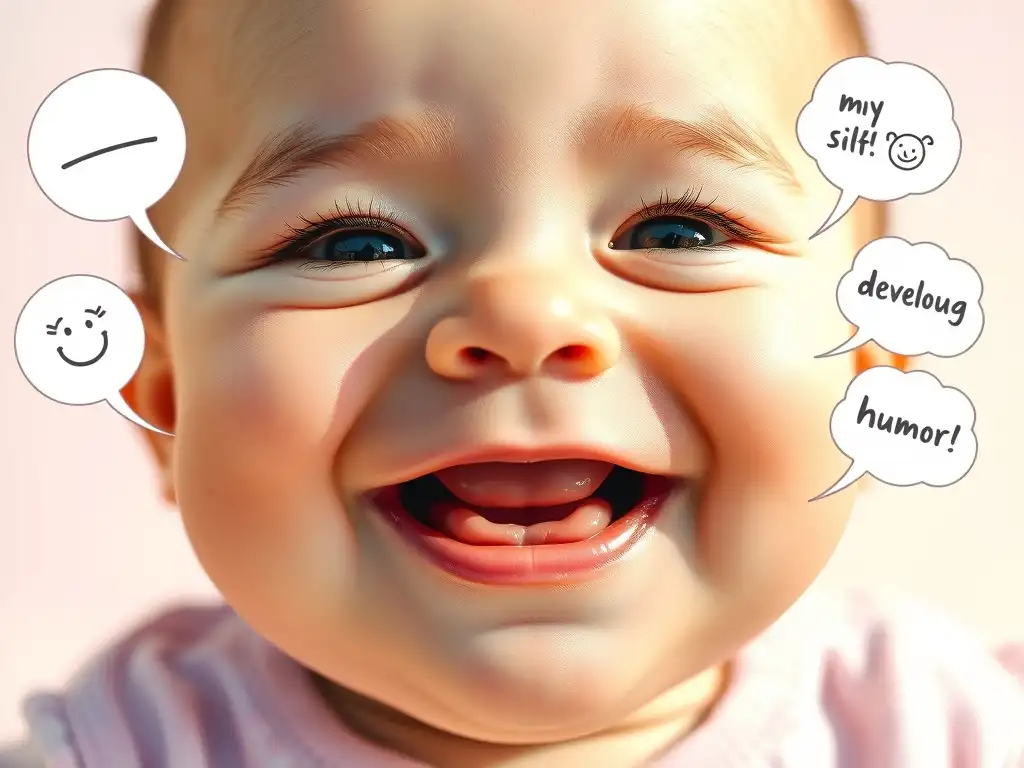
Welcome to BabyCareHub, your ultimate guide to navigating the incredible journey of parenthood! Are you curious about the surprising ways your little one is developing a sense of humor? We delve into the fascinating world of baby humor development stages, exploring when those first giggles and grins appear, and what they reveal about your baby's cognitive growth. Discover the secrets behind your baby's early communication and unlock a deeper understanding of their developing personality – read on to learn more!
-
Baby Humor Development Stages: A Timeline of Giggles
- Early Signs of Humor (0-6 Months): Sensory and Physical Reactions
- Developing Understanding of Cause and Effect (6-12 Months): The Joy of Surprise
- First Attempts at Communication Through Laughter (12-18 Months): Responding to Simple Jokes
- Understanding Simple Wordplay and Repetition (18-24 Months): Building Blocks of Humor
- Types of Humor Babies Enjoy: From Tickles to Silly Faces
- Encouraging Humor Development in Your Baby: Interactive Play and Communication
- Baby Humor and Cognitive Development: A Deeper Look
- Understanding Your Baby's Individual Sense of Humor: Recognizing Unique Preferences
- When to Seek Professional Advice Regarding Your Baby's Development
- Frequently Asked Questions
- Final Reflection: The Giggles and the Growth: Unpacking the Power of Baby Humor
- Unlock Your Baby's Hilarious Inner Comedian!
Baby Humor Development Stages: A Timeline of Giggles
Understanding your baby's humor is a delightful journey for new parents. This article explores the fascinating development of humor in infants, providing a timeline of giggling milestones and insights into how babies perceive and respond to funny situations. From early sensory reactions to the first conscious chuckles, we'll unravel the stages of baby humor development, helping you appreciate those precious moments of shared laughter and understand your little one's unique communication style.
Learning about the "baby humor development stages" will not only enrich your parenting experience but also help you bond more deeply with your child as you witness their cognitive and emotional growth. We will delve into the different stages, exploring how babies move from reacting to stimuli to actively participating in humorous interactions, thus enriching your understanding of your baby's cognitive development.
Early Signs of Humor (0-6 Months): Sensory and Physical Reactions
Even newborns show early signs of reacting to stimuli in ways we might interpret as amusement. While they aren't consciously "getting" a joke, their responses to certain sensory experiences can be incredibly endearing and lay the groundwork for future humor appreciation.
These early signs often manifest as:
- Smiling: Spontaneous smiles, often appearing around 6 weeks, are a precursor to laughter. They indicate a positive emotional response, a crucial building block for appreciating humor.
- Giggles: These early, involuntary giggles are often triggered by physical sensations like being tickled or bounced. They demonstrate a growing sensitivity to physical touch and the enjoyment of playful interactions.
- Cooing and Babbling: These vocalizations, often accompanied by smiles, suggest a positive response to their environment and interactions with caregivers. The playful nature of these sounds can be seen as a rudimentary form of communication that foreshadows their future use of laughter in social interaction.
- Facial Expressions: Observe your baby's facial expressions – raised eyebrows, wide eyes, and open mouths can all signal enjoyment and a positive response to playful stimulation. These expressions, even without laughter, suggest an early appreciation for the sensory experience of play.
Developing Understanding of Cause and Effect (6-12 Months): The Joy of Surprise
Between 6 and 12 months, babies begin to grasp cause-and-effect relationships. This newfound understanding significantly impacts their perception of humor. The element of surprise becomes a key component in eliciting laughter.
This developmental leap is marked by:
- Anticipation and Reaction: Babies at this age start to anticipate actions and react with delight or surprise to unexpected outcomes. A simple game of peek-a-boo perfectly illustrates this – the anticipation and sudden reappearance trigger laughter.
- Object Permanence: The understanding that objects continue to exist even when out of sight (object permanence) plays a crucial role. Peek-a-boo wouldn't be funny if the baby didn't understand that you're still there.
- Increased Social Interaction: Laughter becomes more social. Babies start to laugh more readily in response to interactions with caregivers, demonstrating a growing understanding of shared experiences and emotional connection. This shared laughter strengthens the bond between parent and child.
- Responding to Simple Actions: Simple, repetitive actions like making silly faces or dropping a toy repeatedly can elicit laughter, showcasing the baby's developing sense of cause and effect and their enjoyment of predictable yet surprising outcomes.
First Attempts at Communication Through Laughter (12-18 Months): Responding to Simple Jokes
By 12-18 months, babies are actively engaging with humor as a form of communication. They start to understand simple jokes and respond with laughter, demonstrating their growing cognitive abilities and social understanding.
This stage is characterized by:
- Understanding Simple Jokes: Simple jokes involving familiar objects or actions, like pretending to hide a toy or making exaggerated facial expressions, become sources of amusement. This demonstrates a growing comprehension of symbolic representation and playful deception.
- Shared Laughter: Laughter becomes a powerful tool for social interaction. Babies actively seek out playful interactions and engage in shared laughter with caregivers, strengthening social bonds and fostering emotional development.
- Imitation and Play: Babies begin to imitate funny actions and sounds, actively participating in humorous exchanges. This imitation demonstrates their cognitive development and ability to understand and respond to social cues.
- Developing a Sense of the Absurd: While still rudimentary, babies start to appreciate the absurd or unexpected, finding amusement in actions that defy expectations or logic. This growing appreciation for the unexpected is a key element in the development of humor.
The development of humor in babies is a fascinating process, reflecting their growing cognitive abilities and social understanding. By understanding these stages, parents can better appreciate and respond to their baby's unique sense of humor, strengthening their bond and fostering healthy emotional development. Remember, every baby develops at their own pace, so enjoy the journey and cherish those precious giggles!
Understanding Simple Wordplay and Repetition (18-24 Months): Building Blocks of Humor
At 18-24 months, babies begin to grasp the basics of language and start to appreciate the simplest forms of wordplay and repetition. This is a crucial stage in their humor development, as they begin to understand that language can be used not just for communication, but also for amusement. Their understanding of language is still developing, but they are starting to recognize patterns and inconsistencies, which forms the foundation for appreciating jokes.
One common example is the repetition of words or phrases. A simple game of "peek-a-boo" relies on this, with the repeated disappearance and reappearance of a face creating a sense of surprise and delight. Similarly, repeating a silly word or sound multiple times can elicit giggles. Think of the classic "ba-ba-ba" or the playful repetition of a favorite word like "dada" or "mama" in a slightly exaggerated tone. This isn't just about mimicking; it's about experiencing the playful manipulation of language.
Babies at this age also start to recognize the incongruity in simple wordplay. For instance, using a word in a nonsensical context can be highly amusing. Saying "the cow jumped over the moon" with a silly voice and exaggerated expression can create a humorous effect.
They are beginning to understand the difference between the expected and the unexpected, and this contrast is a significant element in humor. The absurdity of the situation, however exaggerated, is what creates the laughter. This stage is vital in laying the groundwork for more complex forms of humor later on.
The ability to appreciate simple wordplay and repetition is a stepping stone to understanding puns, sarcasm, and other sophisticated forms of humor that will develop later in childhood. This playful exploration of language is not only entertaining but also incredibly important for their cognitive and linguistic development. It demonstrates their growing understanding of language structure and their ability to use it creatively.
Types of Humor Babies Enjoy: From Tickles to Silly Faces
Babies, even newborns, demonstrate a surprisingly sophisticated understanding of humor, though their expressions of amusement differ significantly from adults. Their sense of humor develops in stages, mirroring their cognitive and social development. Understanding these stages helps parents engage their babies in playful interactions that stimulate their intellectual and emotional growth, fostering a strong parent-child bond.
This section will explore the types of humor that resonate most with babies during their early development, focusing on the key elements that trigger laughter and positive engagement. Understanding these preferences can significantly enhance parent-child interaction and contribute to the baby's overall well-being. This directly relates to the crucial developmental milestone of "Baby humor development stages".
The Appeal of Physical Humor: Tickles, Wiggles, and Playful Roughhousing
Physical humor forms a cornerstone of early childhood amusement. The simple act of a tickle, a playful wiggle, or gentle roughhousing elicits uproarious laughter from even the youngest babies. This is because these actions stimulate their proprioceptive senses – their awareness of their body's position and movement in space.
The unexpected nature of these interactions, combined with the physical sensations, creates a surprising and delightful experience. For example, a gentle bouncing game, where the baby is lifted and lowered playfully, can trigger immense joy. Similarly, a game of peek-a-boo, involving the hiding and revealing of the parent's face, leverages both surprise and physical interaction to create a humorous effect.
The intense focus on physical interaction during this stage underscores the importance of tactile stimulation in a baby's development. This type of play isn't just about laughs; it strengthens the parent-child bond and helps the baby develop crucial motor skills and coordination. The consistent positive reinforcement through laughter also contributes to the baby's developing emotional intelligence.
The Magic of Unexpected Events: Surprise and Anticipation
Babies are fascinated by the unexpected. The element of surprise, carefully managed and presented within a safe and loving environment, is a potent source of amusement. This is evident in the popularity of games like peek-a-boo, where the sudden reappearance of a familiar face after a brief absence creates a delightful shock. Similarly, the anticipation before the reveal builds suspense and adds to the overall humorous effect.
This element of anticipation plays a crucial role in the development of a baby's cognitive abilities. They learn to predict events, build expectations, and experience the joy of having those expectations fulfilled. Consider dropping a toy from a short height and letting it bounce, which repeatedly surprises and delights the baby.
The predictability of the dropping action combined with the unexpected bounce leads to sustained amusement. This highlights the intricate relationship between surprise, anticipation, and the development of a baby's cognitive skills and sense of humor. The ability to anticipate and react to unexpected events is a significant step in their cognitive development, contributing to their overall understanding of cause and effect.
The Power of Repetition: Rhymes, Songs, and Familiar Phrases
Repetition is another key ingredient in baby humor. Familiar rhymes, songs, and phrases, delivered with playful variations in tone and inflection, can elicit consistent laughter. The predictability of the rhythm and structure provides a sense of security and comfort, while the slight changes keep things interesting. This is because babies thrive on routines and predictability, but also crave novelty and stimulation.
The repetition reinforces learning, while the subtle variations challenge them and keep them engaged. For instance, repeating a simple rhyme like "Pat-a-cake, pat-a-cake, baker's man" with exaggerated actions and varied intonations can be immensely entertaining. Similarly, singing familiar songs with playful facial expressions and gestures adds another layer of humor. This repeated exposure to language also significantly contributes to their language development.
The familiar structure and rhythm aids in their understanding of language patterns and helps them learn new words and phrases more easily. The playful delivery fosters a positive association with language acquisition, laying a strong foundation for future communication skills. This method cleverly combines entertainment with crucial educational elements, making learning fun and engaging.
Understanding Absurdity: Silly Faces and Unexpected Actions
Babies, even at a very young age, find humor in the unexpected and the absurd. This is largely due to their developing understanding of cause and effect. When you make a silly face, pull a funny prank (like pretending to eat their toes! ), or do something that violates their expectations, it triggers a response of surprise and delight. This isn't just a reflexive giggle; it's a cognitive process where the baby processes the incongruity between what they expect and what actually happens. The mismatch itself is funny!
For example, a simple game of peek-a-boo perfectly illustrates this. The baby understands object permanence – that things continue to exist even when they can't be seen. However, the sudden reappearance of your face after hiding is still surprising and amusing. The repeated element of surprise and the predictable reveal create a loop of anticipation and resolution, fueling the laughter. This is a key stage in their humor development; they're learning to anticipate and then be delightfully surprised. The more exaggerated the actions, the more pronounced the reaction.
Consider also the reaction to unexpected sounds. A funny voice, a silly noisemaker, or even just a change in tone can elicit giggles. These sounds break the pattern of everyday auditory input, creating a novel experience that the baby's brain finds amusing. This highlights the importance of auditory stimulation in early humor development. The brain is constantly seeking novel stimuli, and unexpected sounds provide that novelty, leading to laughter. This is a crucial element of "baby humor development stages," showing how early sensory experiences shape their sense of humor.
The developmental leap here is significant. It's not just about reacting to a stimulus; it's about understanding the relationship between the expected and the unexpected, a critical step in cognitive development. This ability to perceive and appreciate the absurd is a foundational element of humor that will continue to develop as the baby grows. The more opportunities you provide for these kinds of interactions, the more you are fostering their cognitive development and their sense of humor.
Encouraging Humor Development in Your Baby: Interactive Play and Communication
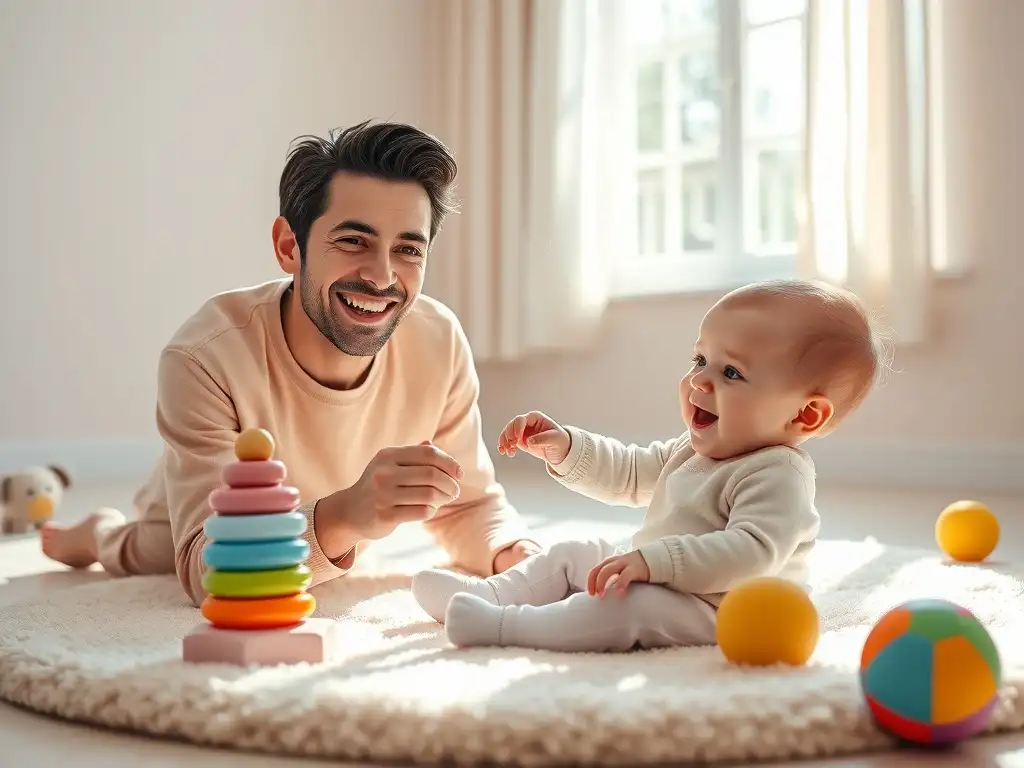
Understanding the stages of baby humor development is crucial for nurturing your little one's cognitive and social-emotional growth. While babies don't understand jokes in the adult sense, their early responses to playful interactions lay the groundwork for future humor appreciation. This section focuses on practical strategies to stimulate your baby's developing sense of humor, emphasizing the importance of interactive play and effective communication. Remember, fostering a playful environment is key to unlocking your baby's unique comedic potential. This process is a significant aspect of their overall baby humor development stages.
Creating a Playful Environment: Toys, Games, and Sensory Experiences
A stimulating environment rich in sensory experiences is paramount for encouraging humor development. Think beyond just rattles and stuffed animals. Consider incorporating a variety of textures, sounds, and visual stimuli. For example:
- Soft, crinkly fabrics: These provide tactile stimulation and unexpected sounds, triggering giggles.
- Brightly colored toys with contrasting patterns: These visually engaging items help stimulate a baby's developing visual perception and can be incorporated into playful games.
- Musical instruments: Simple instruments like shakers or xylophones create auditory stimulation and encourage interactive play.
- Mirrors: Babies are fascinated by their reflections, and the interaction with their image can lead to spontaneous laughter.
- Books with bright colors and simple sounds: Reading aloud, with exaggerated expressions and sounds, can be highly entertaining for babies.
Remember to rotate toys regularly to maintain your baby's interest and prevent boredom. The novelty of new toys can spark new waves of laughter and excitement. The aim is to create a vibrant and engaging atmosphere where your baby feels safe to explore and express themselves freely – a vital part of their baby humor development stages. Observe your baby's reactions closely; this helps you understand what types of play they find most amusing.
Turn-taking games are essential for developing social interaction skills and a sense of humor. These games teach your baby about cause and effect, anticipation, and shared experience—all critical components of understanding humor. Examples include:
- Peek-a-boo: This classic game is a fantastic way to teach object permanence and elicit laughter. The surprise element is inherently funny for babies.
- Simple hand games: Games like "pat-a-cake" or "itsy bitsy spider" involve repetitive actions and sounds, creating a predictable yet engaging rhythm.
- Rolling a ball back and forth: This simple activity teaches turn-taking and provides visual and tactile stimulation.
- Singing songs with actions: Songs like "Wheels on the Bus" or "Twinkle Twinkle Little Star" incorporate actions that make the experience more interactive and enjoyable.
The key to these games is the interaction. Your baby learns to anticipate your actions and participate actively, fostering a sense of connection and shared enjoyment. This reciprocal engagement is a vital aspect of their baby humor development stages. Pay close attention to your baby's cues; if they seem tired or disinterested, take a break and try again later.
Responding to Your Baby's Laughter and Expressions: Positive Reinforcement
Responding enthusiastically to your baby's laughter and other expressions of amusement is crucial for positive reinforcement. When your baby laughs, make it a point to acknowledge their joy with smiles, playful noises, and perhaps even a little dance! This positive feedback loop reinforces the behaviors that lead to laughter, encouraging them to explore and engage in humorous interactions more often. This positive reinforcement is a key component of their baby humor development stages.
Consider these strategies:
- Mirror your baby's expressions: If they giggle, giggle back! If they make a funny face, try mimicking it.
- Use exaggerated facial expressions and vocalizations: Babies are drawn to exaggerated expressions, which can enhance the comedic effect.
- Celebrate small victories: Even a small smile or gurgle should be met with positive reinforcement.
Remember, every baby develops at their own pace. While some babies may start responding to playful interactions earlier than others, consistent engagement and positive reinforcement are key to nurturing their sense of humor. By creating a playful and responsive environment, you're laying a strong foundation for their future enjoyment of jokes and playful interactions, significantly contributing to their overall baby humor development stages.
Reading Books with Funny Illustrations and Sounds: Stimulating Imagination
Reading books to your baby isn't just about literacy; it's a fantastic way to nurture their sense of humor. Choose board books or cloth books with exaggerated facial expressions, silly characters, and repetitive sounds. The visual humor in these books, often featuring animals doing funny things or objects in unexpected places, can spark giggles and delight. For example, a book showing a giraffe wearing a tiny hat, or a pig playing the trumpet, can be surprisingly hilarious to a baby. The unexpectedness and absurdity are key elements.
Beyond the visuals, incorporate sounds into your reading. Make funny noises to match the illustrations – a "moo" for a cow, a loud "woof" for a dog, or even silly made-up sounds. Vary your tone and pitch to add to the comedic effect. This playful interaction not only enhances comprehension but also models playful expression and humor. Babies learn by imitation, and hearing you use a funny voice or make silly sounds encourages them to experiment with vocalizations and expressions themselves, laying the groundwork for their own comedic timing.
Remember to engage your baby actively during this process. Point to the illustrations, ask simple questions like, "Where's the monkey? ", and make eye contact to encourage interaction. This shared experience strengthens your bond and turns reading time into a fun, humorous exchange.
The more interactive the reading session, the more likely your baby is to connect with the humor and develop an appreciation for it. Consider books with textures and interactive elements; the surprise element of a crinkly page or a pop-up element can add another layer of playful engagement and contribute to the overall funny experience. This multi-sensory approach caters to a baby's developing senses and enhances their enjoyment. Remember, the goal is not just to read the words, but to create a positive and playful learning environment that fosters a love of books and an appreciation for humor.
Baby Humor and Cognitive Development: A Deeper Look
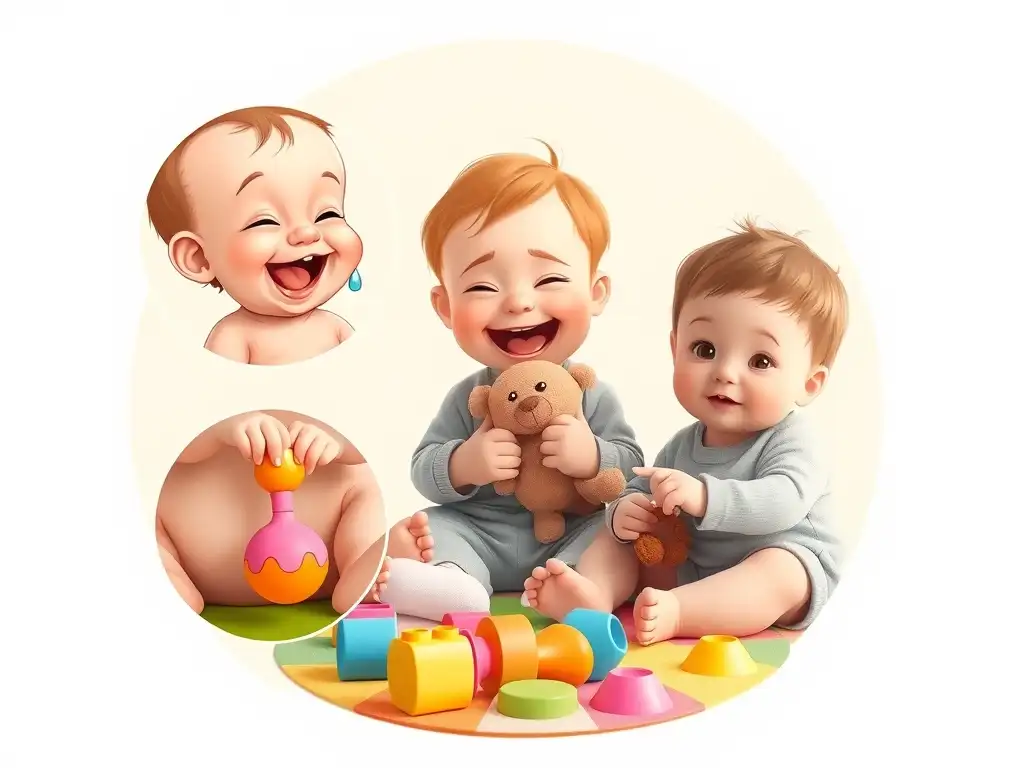
This section delves into the fascinating connection between a baby's developing sense of humor and their overall cognitive growth. Understanding the nuances of "baby humor development stages" is crucial for parents seeking to nurture their child's intellectual and emotional well-being. We'll explore how laughter, play, and social interaction contribute to a child's cognitive development and language acquisition. Remember, every giggle and gurgle is a milestone in your baby's journey!
The Connection Between Laughter and Brain Development
Laughter isn't just a cute reaction; it's a complex neurological process reflecting significant brain development. The act of laughing involves multiple brain regions, including those responsible for processing emotions, reward, and social interaction. Studies have shown a strong correlation between early laughter and enhanced cognitive function later in life.
For example, research indicates that babies who laugh frequently during their first year show improved problem-solving skills and better language comprehension by age three. This isn't to say that forced laughter achieves this – it's the natural, spontaneous laughter that is key. The more opportunities babies have to experience joy and amusement, the more their brains are stimulated, fostering the development of crucial neural pathways.
This positive feedback loop – laughter leading to brain development and further laughter – underscores the importance of creating a playful and stimulating environment for your baby. This is particularly relevant in the crucial "baby humor development stages".
Beyond cognitive benefits, humor plays a vital role in a baby's social and emotional development. Shared laughter creates a strong bond between parent and child, fostering a sense of security and trust. The playful interaction inherent in humorous exchanges helps babies learn to read social cues, understand emotions, and develop empathy.
Consider this: when a baby coos and you respond with exaggerated delight and playful sounds, you're not just entertaining them; you're teaching them about emotional expression and reciprocal communication. This back-and-forth exchange is crucial for building social skills and emotional intelligence. Furthermore, experiencing humor with caregivers helps babies learn to regulate their own emotions, developing crucial coping mechanisms for dealing with frustration and stress.
The development of a sense of humor, therefore, is inextricably linked to the development of healthy social and emotional skills. Observing and participating in these "baby humor development stages" is a rewarding experience for both parent and child.
The Role of Play in Cognitive Development and Language Acquisition
Play is the cornerstone of cognitive development in babies, and humor is often interwoven into this playful interaction. Through playful activities like peek-a-boo, making silly faces, and engaging in interactive games, babies learn about object permanence, cause and effect, and problem-solving. These seemingly simple games are, in fact, powerful learning experiences. Moreover, play significantly contributes to language acquisition.
The repetitive sounds and actions in many playful interactions help babies associate words with actions and objects, expanding their vocabulary and comprehension. The joyful context of play makes learning fun and engaging, making it easier for babies to absorb new information. As babies progress through the "baby humor development stages", play becomes increasingly complex and sophisticated, reflecting their growing cognitive abilities.
For instance, a baby's understanding of surprise and anticipation, key components of humor, develops through repeated exposure to playful scenarios. This highlights the synergistic relationship between play, humor, and cognitive/linguistic development. Encouraging playful interactions is therefore crucial for supporting your baby's overall development.
Understanding Your Baby's Individual Sense of Humor: Recognizing Unique Preferences
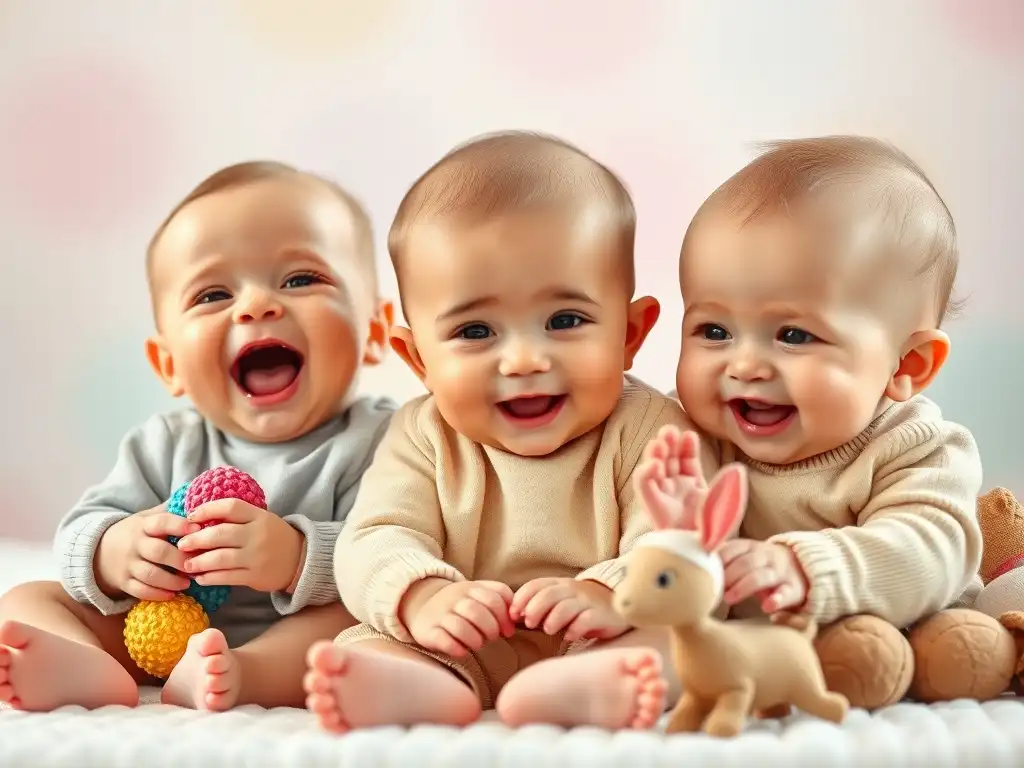
Understanding your baby's humor development stages is crucial for fostering their cognitive and social-emotional growth. While there are general developmental milestones related to humor, each baby is unique, possessing individual preferences and sensitivities. Some babies might roar with laughter at silly faces, while others might be more captivated by rhythmic sounds or unexpected actions.
Recognizing these unique preferences is key to maximizing the positive impact of playful interactions and strengthening your bond. The development of humor is intrinsically linked to a baby's burgeoning understanding of cause and effect, anticipation, and social interaction. This isn't just about giggles; it's about building a foundation for communication, emotional intelligence, and a lifelong appreciation for the joy of laughter.
Observing Your Baby's Reactions to Different Types of Humor
Observing your baby's responses to various humorous stimuli is a fascinating and insightful process. Start by introducing a variety of playful interactions:
- Silly faces: Make exaggerated faces, sticking out your tongue, widening your eyes, and contorting your features. Note their reaction – do they smile, giggle, or seem uninterested?
- Sounds and voices: Use funny voices, mimicking animal sounds, or creating nonsensical babble. Observe if they are drawn to the sounds, if they try to mimic them, or if they show signs of enjoyment.
- Unexpected actions: Try peek-a-boo, dropping a toy unexpectedly, or making a toy "disappear" and reappear. Track their responses to these surprises. Do they anticipate the action, and does the surprise elicit a positive reaction?
- Rhythmic activities: Engage in playful bouncing, swaying, or singing songs with repetitive actions. Observe if the rhythm itself brings enjoyment. This taps into their sensory development and can be a strong predictor of later humor appreciation.
- Tickling: Gentle tickling can be a source of laughter for many babies, but always be mindful of your baby's comfort level and stop if they show any signs of distress.
Record your observations in a simple journal. Note the types of humor that elicit the strongest reactions. This personalized data will help you tailor your interactions to your baby's unique sense of humor, optimizing the benefits of playful engagement. For example, a baby who responds strongly to rhythmic activities might benefit more from songs and dances than from silly faces.
Adapting Your Play Style to Your Baby's Personality
Once you've identified your baby's preferred types of humor, you can adapt your play style accordingly. This personalized approach ensures that your interactions are engaging, effective, and enjoyable for both you and your baby. Remember, consistency is key. Regular exposure to humor helps solidify neural pathways associated with laughter and positive emotional responses.
Consider these adjustments:
- For babies who love silly faces: Increase the frequency of silly faces and incorporate them into everyday routines like diaper changes or bath time.
- For babies who respond well to sounds: Use funny voices and sounds during playtime, storytelling, or singing. Explore musical toys and instruments.
- For babies who enjoy unexpected actions: Continue incorporating peek-a-boo and other surprise games, gradually increasing the complexity of the interactions as their cognitive abilities develop.
- For babies who are sensitive to touch: Focus on gentle tickling or other forms of tactile play that they find enjoyable, avoiding any forceful or overwhelming actions. Always prioritize their comfort and well-being.
Remember, the goal isn't to force laughter, but to create a positive and engaging environment that fosters a healthy sense of humor and strengthens your bond. A baby's laughter is a powerful indicator of healthy development and a joyful connection with their caregiver. By understanding and responding to their unique preferences, you can nurture this essential aspect of their growth and create lasting memories filled with laughter and love. This personalized approach to "baby humor development stages" will lead to a richer and more rewarding parent-child experience.
When to Seek Professional Advice Regarding Your Baby's Development
Understanding your baby's developmental milestones is crucial for ensuring their healthy growth. While every child develops at their own pace, certain red flags may indicate a need for professional assessment. This section focuses on recognizing these signs and knowing when to seek expert help, specifically concerning baby humor development stages and related cognitive abilities. Early intervention is key to maximizing your child's potential.
Identifying Potential Delays in Language or Cognitive Development
Identifying potential delays in your baby's language or cognitive development can be challenging, especially concerning subtle cues related to humor comprehension and expression. While giggling and smiling are early signs of social interaction, a lack of these responses or a significant delay in their emergence might warrant attention. Here's a breakdown of potential indicators:
- Lack of response to playful interactions: By 6 months, most babies respond to playful facial expressions and sounds with smiles or giggles. A consistent lack of reaction could signify a potential delay. For example, if you make silly faces and your baby remains unresponsive, it could be a cause for concern.
- Limited vocalizations: Babies typically begin babbling around 6 months, experimenting with different sounds and tones. A significant reduction in babbling or the absence of vocal experimentation beyond simple cries might indicate a developmental issue.
- Difficulty understanding simple instructions: Around 9-12 months, babies should begin to understand simple commands like "wave bye-bye" or "give me the toy." Consistent failure to follow these basic instructions could point towards a potential delay.
- Absence of playful interactions: While every baby's personality is unique, a complete lack of engagement in playful activities, such as peek-a-boo or pat-a-cake, could suggest a problem. This is especially relevant when considering the development of humor, which relies on playful interactions and understanding of social cues.
- Delayed understanding of simple jokes or funny situations: As babies grow, they gradually begin to understand simple forms of humor, like unexpected actions or silly sounds. A significant delay in recognizing or responding to these humorous situations could indicate a potential developmental delay. For instance, if a 15-month-old doesn't react to peek-a-boo or simple slapstick, it might be worth investigating.
Remember, this list is not exhaustive, and these signs should be considered in conjunction with other developmental markers. A single missed milestone doesn't necessarily indicate a problem. However, a pattern of delays or concerns should prompt a consultation with a pediatrician or developmental specialist.
Resources for Parents Concerned About Their Baby's Progress
If you have concerns about your baby's developmental progress, particularly regarding their humor development stages or other aspects of language and cognitive development, several resources can provide support and guidance:
- Pediatrician: Your pediatrician is the first point of contact for any developmental concerns. They can conduct a basic assessment and refer you to specialists if needed.
- Developmental Pediatrician: These specialists focus on diagnosing and treating developmental delays and disabilities in children.
- Speech-Language Pathologist: They assess and treat communication disorders, including speech and language delays.
- Early Intervention Programs: These programs provide services for infants and toddlers with developmental delays. They offer a range of therapies and support to help children reach their full potential.
- Online Resources and Support Groups: Numerous websites and online communities offer information and support for parents of children with developmental concerns. Remember to always verify the credibility of the source.
Remember, seeking professional help is not a sign of failure as a parent. Early intervention can make a significant difference in a child's development and overall well-being. Trust your instincts and don't hesitate to reach out for support if you have any concerns. Early identification and intervention are crucial for optimizing your baby's development journey, including their understanding and appreciation of humor.
Frequently Asked Questions
When do babies start to understand humor?
Babies begin to appreciate simple humor around 4-6 months old, responding to silly faces and sounds. Their understanding of jokes develops gradually as their cognitive abilities improve.
What are the early signs of a baby's developing sense of humor?
Look for giggles, smiles, and delighted sounds in response to playful interactions. Repeated actions that create surprise or anticipation are often very funny to babies.
How does humor relate to a baby's cognitive development?
Humor development is linked to cognitive milestones like object permanence and understanding cause and effect. Understanding incongruity, the unexpected, is key to appreciating jokes later on.
What kind of humor is appropriate for babies at different ages?
Simple, repetitive actions and sounds work well for younger infants. As they grow, you can introduce more complex games and gentle teasing. Always ensure the humor is appropriate and kind.
How can I encourage my baby's humor development?
Play interactive games, make silly faces, and read books with funny sounds or actions. Respond enthusiastically to your baby's laughter and attempts at humor to reinforce positive associations.
Final Reflection: The Giggles and the Growth: Unpacking the Power of Baby Humor
The development of humor in infants is far more than just cute giggles; it's a crucial window into cognitive development and the blossoming of social understanding. Understanding the stages of baby humor development offers parents and caregivers invaluable insight into their child's intellectual and emotional growth, providing a roadmap for nurturing their communication skills and fostering a strong bond.
The journey of witnessing a child's humor unfold is profoundly personal and deeply rewarding. It's a testament to the intricate process of learning, adaptation, and the sheer joy of connection. As babies navigate the world, their laughter becomes a beacon, illuminating their understanding and their growing capacity for empathy. Laughter is the best medicine,
the old adage goes, and for a developing child, it's also a powerful tool for learning and growth, strengthening neural pathways and fostering emotional intelligence.
Now, consider the implications of this understanding. How can you actively engage with your child's developing sense of humor? What opportunities can you create to foster their cognitive and social development through playful interaction and shared laughter? Take the time to observe, to engage, and to cherish those precious moments of shared mirth. The giggles are not just fleeting moments; they are milestones in a child's journey towards becoming a fully realized, communicative, and compassionate individual. Embrace the power of baby humor—it's a gift worth nurturing.
Unlock Your Baby's Hilarious Inner Comedian!
Thanks for exploring the world of baby humor with us! We hope you've learned how your little one's giggles and gurgles are actually early forms of communication. Ready to delve deeper?
- Start recording your baby's funniest moments! Create a personalized archive of their precious laughter to cherish forever. This is key—preserve those memories!
- Share this article with other parents—spread the joy and the knowledge! Let's build a supportive community of giggling parents.
- Think about what makes your baby laugh—note those unique quirks and share them in the comments below!
What's the funniest thing your baby has ever done? Let's hear your stories!