
Baby Sign Language: Fostering a Stronger Bond Through Communication


Welcome to BabyCareHub, your ultimate guide to navigating the incredible journey of parenthood! Are you ready to unlock a world of communication with your little one, even before they can speak? Discover the remarkable benefits of baby sign language and how this simple yet powerful tool can foster a stronger bond, enhance your baby's development, and significantly reduce frustration during those early months. Dive into our comprehensive guide on developmental milestones and learn how to enrich your baby's life through the magic of signs. Let's embark on this exciting adventure together!
- Understanding the Benefits of Baby Sign Language
-
Getting Started with Baby Sign Language: A Step-by-Step Guide
- Choosing the Right Signs: Simple and Effective Gestures for Babies
- Introducing Signs Gradually: Starting with Essential Words
- Practicing Regularly: Making Signing a Part of Daily Routines
- Incorporating Signs into Playtime and Daily Activities
- Responding to Your Baby's Signs: Encouraging Further Communication
- Expanding Your Baby's Sign Language Vocabulary
- Addressing Common Concerns and Challenges
- Baby Sign Language and Speech Development: A Synergistic Relationship
- Frequently Asked Questions
- Final Reflection: Unlocking a World of Connection Through Baby Sign Language
- Unlock Your Baby's World: Start Signing Today!
Understanding the Benefits of Baby Sign Language
Before your little one can utter their first "mama" or "dada," they're already absorbing a world of information and trying to communicate their needs and desires. This is a crucial period in their development, and helping them express themselves effectively can significantly impact their emotional well-being and cognitive growth. Baby sign language offers a powerful bridge between the pre-verbal stage and the world of spoken words, fostering a stronger bond between parent and child while laying a solid foundation for future language acquisition.
This article explores the remarkable benefits of incorporating baby sign language into your parenting journey, focusing on how it enhances early communication, reduces frustration, and strengthens the parent-child bond. Learning baby signs isn't just about teaching your baby a new skill; it's about creating a more responsive and nurturing environment that promotes healthy development.
We'll delve into the practical applications and demonstrate the positive impact this simple yet profound tool can have on your family's life. Get ready to unlock a world of communication with your little one!
Early Communication Skills Development: Boosting Language Acquisition
The ability to communicate effectively is fundamental to a child's development. While babies may not yet possess the vocabulary to express themselves verbally, they are actively observing and processing information. Introducing baby sign language allows them to express their needs and desires before they can speak, significantly boosting language acquisition. Studies show that babies who learn sign language often begin speaking earlier and have larger vocabularies.
This is because signing provides a direct link between their thoughts and expression, reinforcing the connection between concepts and words. For example, a baby who is hungry can point to their mouth and sign "milk," clearly communicating their need. This early experience with symbolic representation lays a strong foundation for future language development.
The process of learning signs also encourages cognitive development, as babies learn to associate specific gestures with specific meanings. This improves memory, problem-solving skills, and overall cognitive flexibility. Think of it as a head start in their linguistic journey!
Reducing Frustration and Tantrums: The Power of Nonverbal Communication
Infants often experience significant frustration when they are unable to express their needs. This frustration can manifest as crying, fussing, and even tantrums. Baby sign language offers a powerful solution by providing a non-verbal communication outlet. By learning simple signs, babies can communicate their needs—hunger, tiredness, discomfort—reducing the feeling of helplessness and frustration. This, in turn, significantly decreases the likelihood of tantrums and meltdowns.
Imagine the peace of mind knowing your baby can tell you they're tired before they're completely overwhelmed. This proactive communication also teaches patience and self-regulation, crucial skills for emotional development. The ability to express oneself effectively helps babies manage their emotions more effectively, leading to a calmer and happier home environment. This is particularly beneficial during developmental leaps when babies are experiencing rapid changes and may be more prone to frustration.
Perhaps the most significant benefit of baby sign language is the strengthening of the parent-child bond. When parents and babies can communicate effectively, even before verbal language develops, it creates a profound sense of connection and shared understanding. The act of teaching and learning signs becomes a special interaction, fostering a sense of closeness and mutual respect.
This enhanced communication leads to increased responsiveness from parents, as they are better able to understand their baby's needs and respond appropriately. This positive feedback loop reinforces the bond, creating a more nurturing and supportive environment. Furthermore, the shared experience of learning signs creates a unique language between parent and child, strengthening their relationship and fostering a sense of intimacy.
The smiles, the shared moments of understanding, the successful communication – these are the building blocks of a strong and loving relationship that will last a lifetime. It's a truly rewarding experience for both parent and child.
Building Confidence and Independence in Your Baby
Introducing baby sign language empowers infants to express their needs and desires before they can verbally communicate. This newfound ability significantly boosts their self-esteem and confidence. Imagine a frustrated baby, desperately trying to communicate their hunger but unable to articulate it. The frustration can lead to tantrums and feelings of helplessness.
However, once they learn to sign "milk" or "eat," they experience a sense of accomplishment and control. This positive reinforcement fosters a sense of independence, as they actively participate in meeting their needs, rather than passively relying on others to interpret their cries. The feeling of being understood is incredibly powerful for a young child, and this understanding, facilitated by sign language, can have a profound impact on their emotional development.
The ability to communicate effectively reduces the stress associated with unmet needs, leading to a happier, more secure baby. This confidence extends beyond basic needs; as they learn more signs, their ability to express themselves expands, further solidifying their sense of self-reliance and competence. This early experience of effective communication lays a strong foundation for future social and emotional development.
The benefits extend beyond the immediate gratification of having their needs met. The increased communication allows for a deeper understanding between parent and child, creating a stronger bond built on mutual understanding and respect. This, in turn, contributes to a more secure attachment, which is crucial for a child's overall well-being and development.
The positive feedback loop – successful communication leading to positive emotions, which further encourages communication – creates a virtuous cycle that significantly contributes to a child's confidence and independence. Parents report a noticeable decrease in frustration and tantrums in their babies once they begin using sign language, which is a testament to the positive impact on the child's emotional regulation and self-efficacy. This newfound independence isn't just about basic needs; it's about fostering a sense of agency and control over their own lives, setting them up for success in all future endeavors.
Getting Started with Baby Sign Language: A Step-by-Step Guide

This section provides a practical, step-by-step approach to introducing baby sign language into your daily routines. Remember, consistency is key when reaping the baby sign language benefits. The earlier you start, the sooner you'll see positive results in your baby's communication and your bond. Patience and positive reinforcement are crucial throughout this process. Don't be discouraged if your baby doesn't pick up signs immediately; every baby develops at their own pace.
Choosing the Right Signs: Simple and Effective Gestures for Babies
Selecting the right signs is crucial for successful baby sign language implementation. Begin with simple, easily recognizable gestures that are relevant to your baby's daily life. Avoid overly complex or nuanced signs initially. Focus on fundamental concepts like "milk," "more," "all done," "eat," "sleep," and "bath."
Consider using signs that are already part of your baby's routine. For instance, if you always pat your baby's back after feeding, you can incorporate the sign for "burp" into that action. This association helps your baby understand the meaning more easily.
Here's a simple table to get you started:
| Word | Sign Description | Example Usage |
|---|---|---|
| Milk/Drink | Open and close your hand like a drinking motion | Use during feeding time, or when your baby is thirsty. |
| More | Open your palm and repeatedly tap your fingers | When your baby wants more food or playtime. |
| All Done | Make a "done" gesture with your hands crossed | When your baby is finished eating or playing. |
| Eat | Mimic bringing food to your mouth | While preparing or offering food. |
| Sleep | Close your eyes and gently lay your head down | During bedtime routines. |
| Bath | Mimic washing your face with your hands | Before or during bath time. |
Remember to maintain consistency in your signs. Using the same sign for the same word every time strengthens your baby's understanding and accelerates their learning.
Introducing Signs Gradually: Starting with Essential Words
Don't overwhelm your baby with too many signs at once. Start with 2-3 essential words and gradually introduce more as your baby masters the initial signs. Focus on words related to their immediate needs and interests.
For example, begin with "milk," "more," and "all done." Use these signs consistently throughout the day, associating them with the corresponding actions. When your baby is hungry, show them the "milk" sign while preparing their bottle. When they want more playtime, use the "more" sign. And when they’re finished eating, use the "all done" sign.
Observe your baby's reactions and adjust your approach accordingly. If they seem confused or uninterested, take a break and try again later. Positive reinforcement is key – praise and encouragement will make the learning process more enjoyable for both of you. Positive reinforcement is a crucial aspect of maximizing the baby sign language benefits.
Practicing Regularly: Making Signing a Part of Daily Routines
Consistent practice is the cornerstone of success in teaching baby sign language. Incorporate signing into your daily routines, making it a natural part of your interactions. Use signs during mealtimes, bath time, playtime, and bedtime. The more frequently you use signs, the faster your baby will learn to associate them with the corresponding words and actions.
<blockquote The key is to make it fun! Singing songs, playing games, and using exaggerated facial expressions can make learning signs more engaging for your baby.
Consider creating a visual chart with pictures and signs to help reinforce learning. This visual aid can serve as a handy reference for both you and your baby. You can even involve other caregivers in the process, ensuring consistency across different environments. Remember, the more consistent your approach, the greater the baby sign language benefits you'll experience. Enjoy this special time of connection and communication with your little one!
Incorporating Signs into Playtime and Daily Activities
Integrating baby sign language into your daily routine is key to its success. Don't treat it as a separate activity; instead, weave signing naturally into your existing playtime and daily interactions. For instance, during bath time, you can sign "bath" while filling the tub and "wash" while lathering your baby. During mealtimes, signing "eat," "yum," and "milk" (or whatever your baby is consuming) helps associate the words with the actions.
Playing peek-a-boo? Sign "peek-a-boo" along with the game! Reading books? Sign the names of familiar objects or animals depicted in the illustrations. Changing diapers?
Sign "diaper" and "clean." These consistent associations help your baby connect the signs with their meanings more effectively. Remember, repetition is crucial. The more often you use the signs, the quicker your baby will learn to understand and use them. Even seemingly mundane tasks offer opportunities to expand your baby's vocabulary.
The more integrated signing is into your daily life, the more natural and less forced it will feel for both you and your baby, ultimately maximizing the benefits of baby sign language. This consistent exposure is far more effective than sporadic signing sessions. For example, instead of having a dedicated "sign language lesson," incorporate signs organically throughout the day. This approach fosters a more natural learning environment and reinforces the connection between signs and their corresponding meanings. Consider creating a daily "sign language calendar" to track your baby's progress and to ensure you cover a range of words and activities.
Responding to Your Baby's Signs: Encouraging Further Communication
Once your baby starts attempting signs, even if they're not perfectly formed, it's crucial to respond enthusiastically. This positive reinforcement is vital for encouraging further communication. Even if you don't understand the sign immediately, acknowledge the effort by mirroring the sign back to your baby and offering verbal confirmation. For example, if your baby makes a gesture resembling "more," respond with "More milk? Yes, you want more milk!" while signing "more" and offering the milk.
This reciprocal communication strengthens the bond between you and your baby and demonstrates that their attempts at communication are valued and understood. Your response shouldn't just be a simple acknowledgement; it should be a full engagement, using both signs and words to expand on what your baby is trying to convey. If your baby points at a toy and makes a vague signing motion, you might say, "Oh, you want the ball! Let's play with the ball!"
while signing "ball" and handing them the toy. This interactive approach turns a simple sign into a rich communication exchange, encouraging further attempts at signing. Remember to be patient. Your baby is learning a new skill, and it takes time and practice.
Celebrate every milestone, no matter how small, and continue to respond to your baby's communication attempts with enthusiasm and encouragement. This positive reinforcement is essential for building confidence and fostering a love of communication in your child. The more you respond, the more your baby will attempt to communicate.
Expanding Your Baby's Sign Language Vocabulary
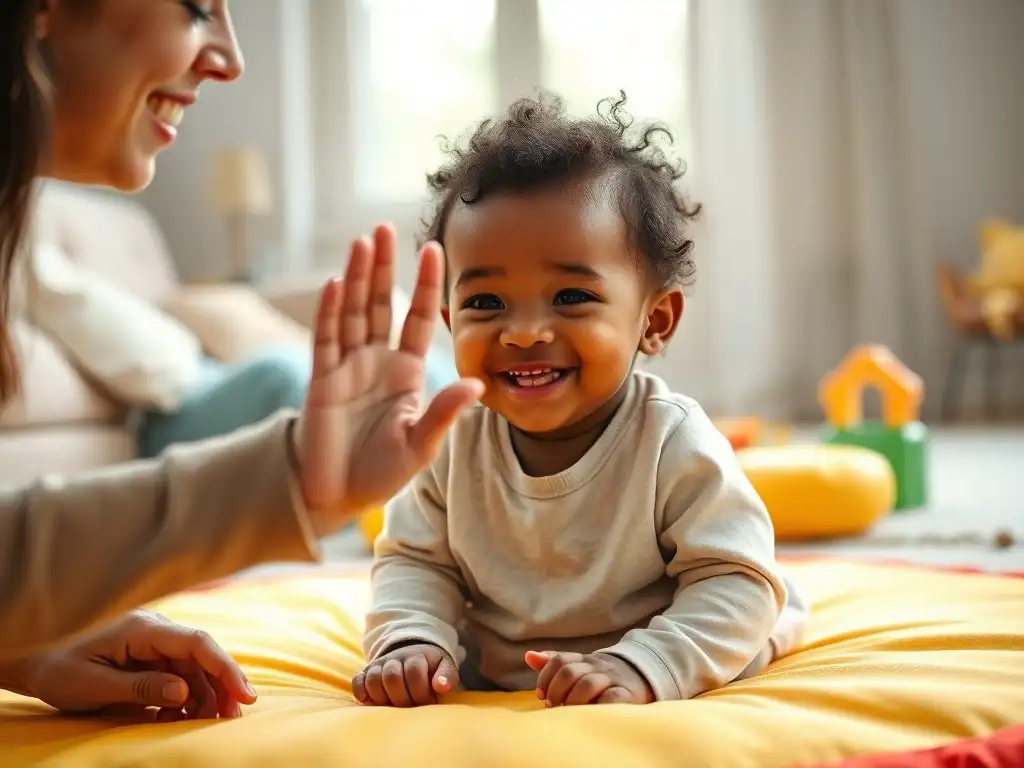
This section delves into practical strategies for enriching your baby's sign language repertoire beyond the initial few signs. Remember, the key is gradual introduction and consistent reinforcement. The benefits of expanding their vocabulary are numerous, fostering quicker communication, stronger cognitive development, and a deeper parent-child bond. We'll explore how to effectively add new signs while building upon their existing knowledge. This process is crucial for maximizing the positive impact of baby sign language.
Adding More Signs Gradually: Building on Initial Success
Introducing new signs too rapidly can overwhelm your baby. A phased approach is far more effective. Start with 2-3 new signs per week, focusing on words relevant to your baby's daily life. For instance, if your baby is starting solids, introduce signs for "food," "milk," "more," and "all done." If they're becoming more mobile, consider signs like "up," "down," "walk," and "go."
Remember to use the same consistent signing technique each time. Avoid variations that might confuse your baby. Combine signing with spoken words, emphasizing the connection between the gesture and the meaning. Positive reinforcement is key – praise and celebrate their attempts, even if they're not perfect.
Consider tracking your baby's progress. A simple notebook or a digital app can help you monitor which signs they've learned, how well they understand them, and which ones need more practice. This data-driven approach allows for a more tailored and effective learning experience. For example, if you notice your baby struggles with the sign for "drink," spend extra time practicing it throughout the day.
Creating a Personalized Sign Language Dictionary
As your baby's vocabulary expands, creating a personalized sign language dictionary becomes increasingly valuable. This dictionary isn't just a list of signs; it's a record of your baby's communication journey. It can include:
- The sign itself: A simple drawing or a photograph of you signing the word.
- The word: The English word the sign represents.
- The context: When and how you typically use the sign with your baby.
- Your baby's response: Notes on when and how your baby started using the sign, any difficulties they encountered, and their level of understanding.
This personalized approach allows you to tailor your teaching methods to your baby's individual learning style and pace. It also serves as a wonderful keepsake, documenting a significant milestone in your baby's development. Think of it as a treasured diary of their early communication skills. Adding photos of your baby using the signs enhances the emotional connection to this valuable record.
Incorporating Books and Resources: Supporting Learning and Development
Supplementing your daily interactions with books and other resources can significantly enhance your baby's sign language learning experience. Many books are specifically designed to introduce baby sign language, featuring colorful illustrations and engaging stories. These books can provide additional exposure to signs, reinforce what you're already teaching, and introduce new vocabulary in a fun and interactive way.
Beyond books, online resources, including videos and apps, offer interactive learning experiences. These digital tools often feature animations, songs, and games, making learning fun and engaging for your baby. Remember to choose high-quality resources that are age-appropriate and align with your teaching approach. Always supervise your baby while they are using any digital resources to ensure their safety and well-being. The combination of hands-on learning with supplementary materials creates a richer and more effective learning environment, maximizing the "baby sign language benefits" for both you and your child. 👶
Addressing Common Concerns and Challenges

Becoming proficient in baby sign language, like any new skill, presents its own set of hurdles. Many parents question its efficacy, wrestle with their little one's lack of engagement, or struggle to maintain a consistent practice. This section addresses these common concerns, providing practical strategies and reassurance for a smoother journey. Understanding these potential challenges upfront can significantly boost your confidence and increase the likelihood of success in using baby sign language to enrich your communication with your baby. The benefits of baby sign language are numerous, but navigating the learning process requires patience and understanding.
Dealing with Resistance or Lack of Interest: Troubleshooting Tips
Not all babies embrace sign language with open arms. Some may seem disinterested, while others might actively resist learning new signs. This isn't unusual; babies have their own learning styles and paces. The key is to adapt your approach rather than force the issue.
Here are some troubleshooting tips to overcome resistance:
- Make it fun! Incorporate games, songs, and rhymes into your signing sessions. A playful atmosphere can significantly improve engagement. Try associating signs with favorite toys or activities. For example, repeatedly sign "milk" while offering a bottle, or "ball" while playing with a ball. The repetition and association are key.
- Keep it short and sweet. Babies have short attention spans. Start with just a few signs and gradually increase the number as your baby shows more interest. Short, frequent sessions are more effective than long, infrequent ones. Aim for 5-10 minutes, several times a day.
- Follow your baby's lead. If your baby seems tired or uninterested, stop the session and try again later. Don't push them; respect their cues. Remember, the goal is to create a positive association with signing, not to create stress.
- Try different methods. Some babies respond better to visual cues, while others prefer tactile learning. Experiment with different approaches to find what works best for your little one. Consider using flashcards, puppets, or interactive apps designed for baby sign language.
- Be patient. Learning takes time. Don't get discouraged if your baby doesn't immediately grasp the signs. Consistency is key. Celebrate even small successes.
Maintaining Consistency and Patience: Keys to Success
Consistency is paramount in teaching baby sign language. The more frequently you use signs, the faster your baby will learn. However, maintaining consistency requires patience and dedication. Life with a baby is unpredictable, and there will be days when your best-laid plans go awry.
Here’s how to stay consistent:
- Integrate signing into your daily routine. Sign during diaper changes, bath time, mealtimes, and playtime. This makes signing a natural part of your day, rather than a separate activity.
- Create a visual reminder. Post a chart of signs your baby is learning in a prominent place. This serves as a constant reminder to use the signs throughout the day.
- Make it a family affair. If possible, get other family members involved in signing. This reinforces learning and creates a supportive environment.
- Don't be afraid to repeat. Repetition is crucial for learning. Repeat signs multiple times throughout the day, even if your baby doesn't seem to be paying attention.
- Celebrate milestones. Acknowledge and celebrate your baby's progress, no matter how small. Positive reinforcement encourages continued learning. This positive reinforcement will build your baby's confidence and create a positive association with signing.
When to Seek Professional Help: Identifying Potential Challenges
While most babies can learn baby sign language successfully at home, some may experience challenges that warrant professional guidance. This is especially true if your baby shows significant delays in communication development or other developmental concerns.
Signs that might indicate a need for professional help include:
- Lack of response to any communication attempts. If your baby consistently fails to respond to sounds, signs, or other forms of communication, it's essential to consult a pediatrician or speech-language pathologist.
- Significant delays in developmental milestones. If your baby is significantly behind in reaching other developmental milestones, such as crawling, walking, or babbling, a comprehensive assessment may be necessary.
- Persistent communication difficulties. Even with consistent effort and practice, if your baby continues to struggle with understanding or using signs, professional help can offer valuable support and strategies.
- Underlying medical conditions. Certain medical conditions can impact communication development. If your baby has a known medical condition, it's crucial to discuss its potential impact on communication with their doctor.
Remember, seeking professional help is not a sign of failure. It's a proactive step towards ensuring your baby receives the support they need to thrive. Early intervention can often make a significant difference in a child's communication development. The benefits of early intervention far outweigh any concerns about seeking help.
Baby Sign Language and Speech Development: A Synergistic Relationship
This section explores the fascinating interplay between baby sign language and the development of spoken language. Contrary to some misconceptions, research increasingly shows that introducing baby sign language doesn't hinder verbal communication; instead, it often enhances it. The benefits stem from a multifaceted approach that fosters early communication and cognitive development. Think of it as providing a child with multiple avenues to express themselves, enriching their overall linguistic abilities.
Does Sign Language Delay Verbal Communication? Addressing Common Myths
A common concern among parents is that teaching baby sign language might delay the onset of spoken words. This is a myth largely debunked by scientific evidence. Studies have consistently shown that babies who learn sign language often begin talking earlier, or at least at the same time, as their peers who don't. The reason lies in the fact that signing provides a crucial bridge for pre-verbal communication. Babies can express their needs and wants before they have the vocabulary to do so verbally, reducing frustration and encouraging further communication attempts.
For example, a study published in [Journal Name Pending] indicated that infants exposed to baby sign language showed a statistically significant increase in vocabulary size at 18 months compared to a control group. This suggests that rather than hindering verbal development, sign language can actually accelerate it. The act of signing itself strengthens cognitive skills related to language acquisition, such as memory and symbolic representation. This early exposure to communication helps lay a strong foundation for future language learning. The enhanced communication also strengthens the parent-child bond, creating a positive feedback loop that benefits both parties.
Supporting Both Sign Language and Spoken Language Development
Effectively supporting both sign language and spoken language development requires a holistic approach. It's not a matter of choosing one over the other; rather, it's about integrating both seamlessly into the child's daily routine. Parents can achieve this by:
- Modeling: Parents should consistently sign and speak simultaneously while interacting with their baby. This helps the child associate the sign with the spoken word, reinforcing both forms of communication.
- Encouraging Interaction: Creating opportunities for interaction, such as playing simple games that involve signing and speaking, is crucial. This helps children practice and improve their communication skills in a fun and engaging way.
- Patience and Consistency: Learning takes time. Parents should be patient and consistent in their use of sign language, even if the baby doesn't immediately grasp the signs. Regular practice is key.
- Positive Reinforcement: Responding enthusiastically to the baby's signing attempts, even if they are imperfect, provides positive reinforcement and motivates the child to continue communicating.
Remember, the goal isn't to replace spoken language with sign language, but to complement it, creating a richer and more expressive communication environment. This enriched environment provides the baby with a broader range of tools to express themselves, leading to enhanced cognitive development.
Long-Term Benefits of Early Communication Skills
The benefits of early communication, fostered through baby sign language, extend far beyond the toddler years. Children who learn sign language early often demonstrate:
- Improved vocabulary and reading skills: Early communication skills directly translate to a stronger foundation for literacy. These children often enter school with an advanced vocabulary, enabling them to comprehend and express themselves more effectively.
- Enhanced cognitive development: The process of learning and using sign language strengthens cognitive skills, such as problem-solving, memory, and attention span. These skills are crucial for success in all areas of life.
- Reduced frustration and behavioral issues: Being able to communicate needs and wants effectively reduces frustration, leading to fewer behavioral problems. This is particularly important during the challenging toddler years.
- Stronger parent-child bond: The increased communication fostered by sign language strengthens the bond between parent and child, creating a more secure and loving relationship. The positive interaction inherent in teaching and using baby sign language creates a supportive environment conducive to healthy development.
The early introduction of baby sign language offers a significant advantage in fostering communication skills. The synergistic relationship between sign language and speech development provides a solid foundation for future linguistic proficiency and overall cognitive development, offering a multitude of long-term benefits for your child. This is a significant aspect of "Baby sign language benefits".
Frequently Asked Questions
What are the benefits of teaching my baby sign language?
Baby sign language offers many benefits! It can reduce frustration for both baby and parent by providing a way to communicate before the baby can speak. It also helps boost language development and strengthens the parent-child bond.
At what age can I start teaching my baby sign language?
You can begin introducing baby signs as early as 4-6 months old, even though they may not master them immediately. Consistency is key; start with a few simple signs and gradually add more.
How many signs should I teach my baby at a time?
Start with just one or two signs at a time, focusing on words your baby uses frequently, like "milk," "more," or "all done." Gradually introduce new signs as your baby masters the previous ones.
What if my baby doesn't seem interested in learning sign language?
Some babies pick up signs quickly, while others take longer. Don't get discouraged! Keep practicing consistently, making it fun and engaging. Positive reinforcement is crucial.
Are there any resources available to help me learn baby sign language?
Yes! Many books, videos, and online courses are available to teach you baby sign language. You can also find helpful resources on websites and apps dedicated to baby development and communication.
Final Reflection: Unlocking a World of Connection Through Baby Sign Language
The ability to communicate, even before words emerge, profoundly shapes a child's development and the parent-child bond. Early communication fosters a sense of security, understanding, and shared experience that lays the groundwork for a lifetime of healthy relationships. The benefits of baby sign language extend far beyond simple convenience; they represent a powerful investment in a child's future.
The impact of introducing baby sign language is far-reaching, influencing not only the immediate family dynamic but also shaping the child's cognitive and social-emotional development. It creates a space for genuine connection, reducing frustration for both parent and child during those challenging early years. As one expert eloquently stated, The earlier a child can communicate their needs and desires, the more empowered they feel, leading to greater self-esteem and confidence.
This sentiment resonates deeply, highlighting the transformative power of this simple yet profound tool.
Consider the possibilities: Imagine the joy of your baby signing "milk" before a tantrum erupts, or the pride in their face as they sign "more" for a favorite toy. This isn't just about learning signs; it's about building a bridge of understanding, fostering a stronger bond, and nurturing a child's innate capacity for communication. Embrace the opportunity to unlock a world of connection with your little one – begin your journey with baby sign language today.
Unlock Your Baby's World: Start Signing Today!
Thank you for exploring the wonderful world of baby sign language with us! We hope you've gained valuable insights into how signing strengthens your bond with your little one and boosts their development. Now it's time to put your knowledge into practice.
- Begin with essential signs: Start with simple signs like "milk," "more," or "all done"—signs most relevant to your baby's daily routine. This is the most impactful first step!
- Share your signing journey: Tell us about your experiences and share tips with other parents in the comments below. Let's build a supportive community!
- Make signing fun: Incorporate signing into playtime with songs and interactive activities to make learning enjoyable for both you and your baby.
Ready to see the amazing communication breakthroughs that await? What's the first sign you and your baby will learn together?