
Baby Sign Language: Enhancing ParentChild Interaction


Welcome to BabyCareHub, your ultimate guide to navigating the incredible journey of parenthood! Are you ready to unlock a world of communication with your little one, even before they can speak? Discover the surprising benefits of baby sign language and how it can transform your parent-child bond, fostering deeper connection and understanding. Dive into our insightful article on Developmental Milestones and learn how this simple yet powerful tool can enrich your baby's development and make those early months even more rewarding. Let's explore the magic together!
-
Understanding the Benefits of Baby Sign Language for Parents
- Early Communication and Bonding: Fostering a Stronger Parent-Child Connection through Signs
- Reducing Frustration: How Baby Sign Language Helps Manage Baby's Communication Needs
- Improved Parent-Child Interaction: Positive Impacts of Baby Sign Language on Family Dynamics
- Building a Foundation for Language Development: The Long-Term Advantages of Early Signing
-
Getting Started with Baby Sign Language: A Step-by-Step Guide
- Choosing the Right Signs: Selecting Simple and Effective Baby Signs
- Introducing Signs to Your Baby: Practical Tips and Techniques for Effective Teaching
- Incorporating Signs into Daily Routines: Making Signing a Natural Part of Your Day
- Expanding Your Baby's Sign Vocabulary: Gradually Adding New Signs
- Common Baby Signs and Their Usage: A Practical Guide for Parents
- Addressing Common Concerns and Misconceptions about Baby Sign Language
- Resources and Further Learning: Continuing Your Baby Sign Language Journey
- Frequently Asked Questions
- Final Reflection: Unlocking Communication, Strengthening Bonds
- Unlock Your Baby's World: Start Signing Today!
Understanding the Benefits of Baby Sign Language for Parents
Becoming a parent is a transformative journey filled with joy, wonder, and, let's be honest, a fair share of challenges. One of the most significant hurdles first-time parents often face is effective communication with their little ones, especially before they can verbally express their needs and desires. This article explores the remarkable benefits of baby sign language, focusing on how it empowers parents to connect more deeply with their infants and toddlers.
We'll delve into the practical advantages of learning and implementing baby sign language, demonstrating how it can significantly improve parent-child interaction and reduce common frustrations associated with early parenthood. By understanding the positive impacts on family dynamics and the fostering of a stronger parent-child bond, you’ll discover how baby sign language can be a game-changer in your parenting journey.
This comprehensive guide will equip you with the knowledge and insights to navigate this exciting phase of your child's development, ultimately enriching your family life. The benefits extend far beyond simple communication; they impact the emotional well-being of both parent and child, establishing a foundation for a stronger, more harmonious relationship.
Early Communication and Bonding: Fostering a Stronger Parent-Child Connection through Signs
Before babies can speak, they have a wealth of thoughts, feelings, and needs. Frustration can arise when these needs go unmet because babies lack the verbal tools to communicate them. Baby sign language offers a powerful solution. By teaching your baby simple signs, such as "milk," "more," "all done," or "sleep," you open a direct line of communication long before they can speak.
This early communication fosters a unique bond, creating a sense of understanding and connection. Imagine the joy of your baby signing "milk" when thirsty, or "more" when they want another bite of food! This direct communication reduces guesswork and frustration for both parent and child, leading to a more positive and responsive relationship.
The act of learning and using signs together also provides valuable one-on-one time, strengthening the emotional connection between you and your little one. This early bonding experience creates a secure attachment, paving the way for healthy emotional development in your child. Studies have shown that babies who use sign language often exhibit enhanced cognitive development and improved language acquisition later in life.
Reducing Frustration: How Baby Sign Language Helps Manage Baby's Communication Needs
The early months of a baby's life are often characterized by a cycle of crying, guessing, and trying to decipher what your baby needs. This can be incredibly frustrating for both parents and the baby. Baby sign language provides a direct and efficient method to break this cycle.
By teaching your baby signs, you empower them to communicate their needs clearly, significantly reducing the guesswork involved in interpreting their cries. For example, if your baby is hungry, they can sign "milk" or "eat," eliminating the need to try different solutions before finding the right one. This reduces the baby's frustration from unmet needs, and correspondingly reduces parental stress and exhaustion.
Furthermore, understanding your baby's needs through signs helps to prevent meltdowns and tantrums, creating a more peaceful and harmonious home environment. This proactive communication strategy significantly improves the overall quality of life for the entire family. The reduction in frustration translates to increased patience and a more positive parenting experience.
Improved Parent-Child Interaction: Positive Impacts of Baby Sign Language on Family Dynamics
The benefits of baby sign language extend beyond the individual parent-child relationship. It positively impacts the entire family dynamic. When parents and babies can communicate more effectively, the overall atmosphere in the home becomes more positive and cooperative.
The increased understanding and empathy fostered by signing creates a stronger sense of connection between all family members. Siblings may also become more involved in the signing process, further strengthening family bonds and promoting a sense of shared responsibility. Moreover, the positive interactions facilitated by baby sign language contribute to a more harmonious and less stressful family life.
The reduced frustration and increased understanding lead to more patience, more positive interactions, and a more enjoyable experience for everyone involved. Family mealtimes, bedtime routines, and playtime all benefit from the improved communication, creating a more relaxed and loving atmosphere within the home. The impact on family dynamics is a significant, often overlooked, benefit of embracing baby sign language.
Building a Foundation for Language Development: The Long-Term Advantages of Early Signing
Introducing baby sign language lays a robust foundation for future language acquisition. Studies show that babies who learn signs often exhibit accelerated vocabulary development later on. This isn't simply about replacing spoken words with signs; instead, it's about enriching the child's overall linguistic experience. By engaging with signs, babies are actively participating in communication, understanding the connection between symbols and meaning, and developing crucial pre-linguistic skills.
This early exposure to symbolic representation helps them grasp the complexities of language more readily when they begin speaking. The benefits extend beyond vocabulary acquisition, influencing their comprehension skills and overall communication abilities. This early engagement fosters a love for communication and learning, setting a positive trajectory for their educational journey. Think of it as building a strong base for a skyscraper – a solid foundation ensures a taller, more stable structure.
Similarly, early sign language provides a strong base for future language skills, leading to improved literacy and communication later in life. The impact of this early intervention can be significant, potentially reducing the risk of later language delays and fostering a lifelong appreciation for learning and communication. Early sign language can also help bridge the gap between a baby’s understanding and their ability to express themselves verbally, leading to reduced frustration for both parent and child.
Getting Started with Baby Sign Language: A Step-by-Step Guide
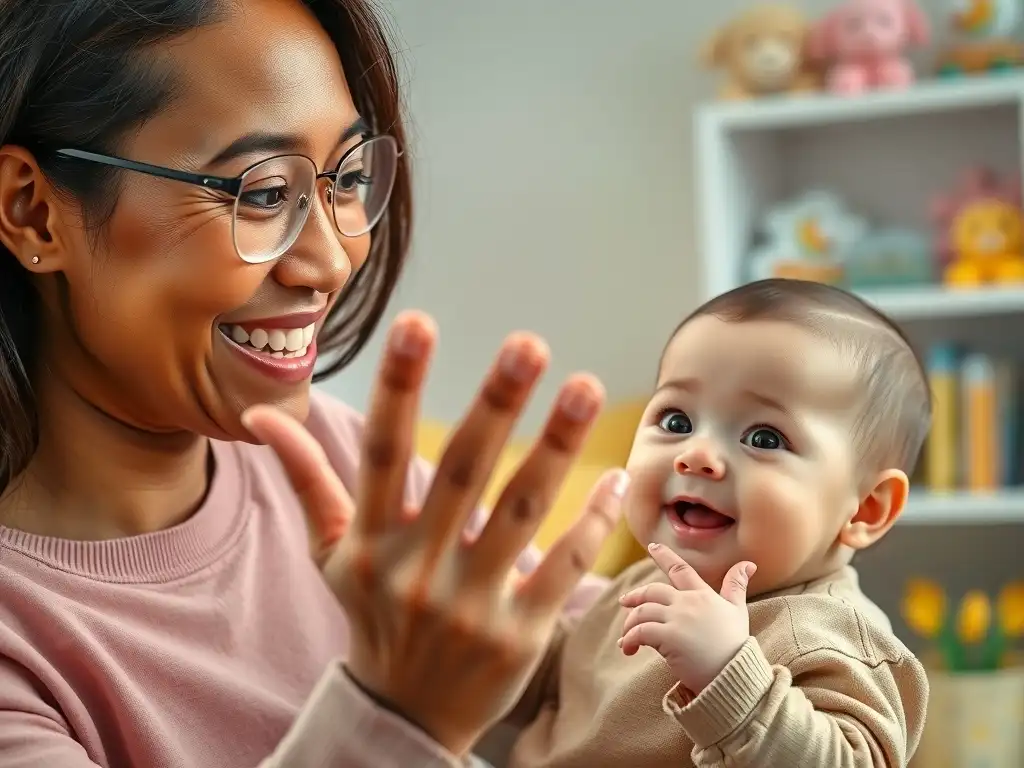
This section provides a practical, step-by-step approach to learning and implementing baby sign language, focusing on the benefits for parents. Mastering baby sign language offers numerous advantages, significantly enhancing parent-child communication and bonding. It's a rewarding journey that strengthens the parent-child relationship and fosters a deeper understanding between you and your little one. Let's delve into the process.
Choosing the Right Signs: Selecting Simple and Effective Baby Signs
The key to successful baby sign language is starting with simple, clear, and consistent signs. Avoid overly complex gestures initially. Focus on signs that represent everyday objects and actions relevant to your baby's life. Here's a suggested starting point:
- Basic Needs: "Milk," "Eat," "More," "All Done," "Sleep," "Diaper." These are crucial for communicating your baby's immediate needs and understanding their cues.
- Emotions: "Happy," "Sad," "Angry." Recognizing and expressing emotions is vital for emotional development and empathy.
- Objects: "Book," "Ball," "Toy," "Mommy," "Daddy." These help your baby associate words with objects and people.
- Actions: "Drink," "Play," "Go," "Up," "Down." These aid in understanding instructions and describing actions.
Remember consistency is key! Use the same sign repeatedly for each word to avoid confusion. Many resources offer visual guides; consider using flashcards or online videos to aid in learning. You can even create your own visual aids with pictures and the corresponding sign. This personalized approach can make the learning process more fun and engaging for both you and your baby.
Introducing Signs to Your Baby: Practical Tips and Techniques for Effective Teaching
Introducing baby sign language should be a fun and interactive experience. Don't force it; rather, integrate signing naturally into your daily interactions. Here are some effective techniques:
- Timing is Everything: Begin introducing signs around 6-8 months, when babies start to understand cause and effect. However, some babies may show readiness earlier or later.
- Repetition: Repeat signs frequently throughout the day, associating them with the corresponding word and action. For instance, while giving your baby a bottle, repeatedly sign "milk" while saying the word.
- Exaggerated Movements: Use clear, exaggerated movements to make the signs easily visible and understandable. This makes the signs easier for your baby to grasp and mimic.
- Positive Reinforcement: Praise and encourage your baby's attempts at signing, even if they're not perfect. Positive reinforcement fosters their confidence and enthusiasm.
- Make it Fun: Incorporate songs, rhymes, and games into your signing sessions. This keeps your baby engaged and makes the learning process enjoyable.
- Patience is Paramount: Learning takes time. Don't get discouraged if your baby doesn't pick up signs immediately. Consistency and patience are key to success.
Incorporating Signs into Daily Routines: Making Signing a Natural Part of Your Day
The most effective way to teach baby sign language is to integrate it seamlessly into your daily routines. This makes signing a natural part of your interactions and avoids making it feel like a separate lesson.
| Routine | Signs to Incorporate | Benefits |
|---|---|---|
| Mealtimes | "Eat," "Milk," "More," "All Done," "Yummy" | Reduces frustration during feeding, clearer communication of needs. |
| Diaper Changes | "Diaper," "Wet," "Poopy" | Makes the process smoother and less stressful for both parent and baby. |
| Bath Time | "Bath," "Wash," "Bubbles" | Creates a more predictable and enjoyable experience. |
| Playtime | "Ball," "Toy," "Play," "Happy" | Enhances interaction and communication during play. |
| Bedtime | "Sleep," "Night-night," "Bed," "Mommy," "Daddy" | Helps establish a calming bedtime routine and reduces separation anxiety. |
By incorporating signs into these everyday interactions, you'll notice a significant improvement in communication with your baby. This leads to a stronger bond, reduced frustration, and a more enriching parent-child experience. Remember, the benefits of baby sign language for parents extend far beyond just communication; it fosters a deeper connection and understanding, making parenting more rewarding and less stressful. The journey of learning together is a testament to the beautiful bond you share. 👶💕
Expanding Your Baby's Sign Vocabulary: Gradually Adding New Signs
Introducing new signs shouldn't feel overwhelming. Start with a small set of core signs – perhaps five to seven – focusing on words your baby uses frequently, like "milk," "more," "all done," "eat," "sleep," and "play." Mastering a few signs well is far more effective than rushing to teach many imperfectly. Consistency is key; repeat the signs frequently throughout the day, naturally incorporating them into your interactions.
Once your baby shows comprehension and begins using one or two signs reliably (this can take anywhere from a few weeks to a couple of months depending on the child), you can gradually introduce new signs. A good strategy is to add one or two new signs per week. This prevents sensory overload and allows your baby time to process and integrate the new information. Remember to always maintain a positive and encouraging environment; the learning process should be fun for both you and your baby!
Consider focusing on signs related to your baby's immediate needs and interests. If they are showing a fascination with animals, introduce signs for "dog," "cat," or "bird." If mealtimes are a focal point, add signs for different foods they enjoy. This tailored approach maximizes engagement and reinforces the relevance of sign language in their daily life. The more connected the signs are to your baby's world, the quicker they'll pick them up.
Observe your baby's cues. If they seem frustrated or losing interest, take a break and revisit the signs later. Never force the issue. Learning sign language should be a positive and enjoyable experience. Some babies might pick up signs faster than others, and that's perfectly normal.
Celebrate each milestone, no matter how small, and remember to adjust your pace based on your baby's individual learning style and progress. Patience and persistence are your greatest allies in this journey. The rewards of enhanced communication with your little one are well worth the effort. Remember to use a variety of techniques and keep the learning process exciting and engaging to maximize your baby's learning potential.
Common Baby Signs and Their Usage: A Practical Guide for Parents

This section delves into the practical application of baby sign language, providing a detailed guide for parents eager to enhance communication with their little ones. Mastering these signs can significantly improve parent-child interaction and understanding, leading to a more harmonious and fulfilling relationship. The benefits of early communication extend far beyond simple needs fulfillment; they foster emotional intelligence, cognitive development, and a stronger bond. Remember, consistency is key! Regular practice is crucial for both you and your baby to become proficient in this enriching form of communication.
Basic Needs Signs: Communicating Hunger, Thirst, and Tiredness
Understanding your baby's basic needs is paramount, and baby sign language offers a powerful tool for achieving this. Instead of relying solely on crying, which can be ambiguous, you can teach your baby signs for hunger, thirst, and tiredness. This proactive approach promotes a more responsive and sensitive parenting style, reducing frustration for both you and your baby.
Early introduction of these signs is beneficial. Start as early as 6 months, when babies begin to develop hand-eye coordination. Consistency is key. Use the signs each time you address the need, along with verbal cues. For example, when your baby is hungry, point to their mouth and say "hungry?" while simultaneously signing "milk" or "eat."
Here's a table outlining common signs and their variations:
| Sign | Description | Variation |
|---|---|---|
| Milk/Eat | Open and close hand repeatedly near mouth. | Mimic sucking motion. |
| Water/Drink | Mimic drinking from a cup. | Point to the bottle or cup. |
| Tired/Sleep | Rub eyes gently. | Close eyes and gently nod your head. |
Remember to keep the signs simple and consistent. Avoid complex gestures initially. Positive reinforcement, such as smiles and praise, will encourage your baby to use the signs. The transition from crying to signing will significantly reduce stress and improve your overall relationship with your child.
Emotional Expression Signs: Helping Your Baby Express Feelings
Beyond basic needs, baby sign language empowers your baby to express a wider range of emotions. This can be particularly helpful during developmental stages where verbal communication is limited. Learning to understand and respond appropriately to their feelings will deepen your bond and create a more secure attachment.
Teaching emotional signs promotes emotional intelligence in your child. They learn to identify and articulate their feelings, improving self-awareness and reducing emotional outbursts. This improved communication reduces parental frustration and leads to a more positive parenting experience. The ability to express emotions through sign language can also be beneficial for babies struggling with communication difficulties.
Here are some examples of emotional signs and how to teach them:
- Happy: A wide smile and open hands waving. Use this sign when your baby is clearly happy, associating it with joyful moments.
- Sad: Frowning and drooping shoulders. Acknowledge your baby's sadness by using the sign and offering comfort.
- Mad/Angry: Clenched fists and furrowed brows. This is a challenging emotion to manage, but understanding your baby's anger through signs allows for better communication and redirection.
- More: Open palm, repeatedly tapping the other hand. This is incredibly useful in various situations, from wanting more food to wanting to continue an activity.
Consistent use of these signs, coupled with verbal cues and appropriate responses, will help your baby learn to express themselves effectively and build emotional resilience.
Object and Action Signs: Enhancing Interaction with Toys and Activities
Extending baby sign language beyond basic needs and emotions opens up a whole new world of interaction. Introducing signs for objects and actions significantly enriches playtime and daily routines. This form of communication enhances cognitive development, vocabulary building, and overall engagement with the environment.
Learning object signs helps babies develop early vocabulary. Instead of just pointing, they can communicate their desires more clearly. Action signs, such as "up," "down," "more," and "all done," provide a way to actively participate in daily activities. This fosters independence and a sense of agency. The improved communication leads to more enjoyable and less stressful interactions.
Here are some examples of object and action signs:
- Book: Open and close your hands like a book.
- Ball: Make a circle with your hands.
- Dog: Mimic a dog barking.
- Up: Point upwards.
- Down: Point downwards.
- All Done: Sign "finish" by bringing your hands together in a clap.
Remember, the key to success is consistency and patience. Start with a few signs, mastering them before introducing more. Make it fun and engaging, incorporating the signs into your daily routine. The benefits of baby sign language extend far beyond simple communication; they lay a foundation for a more connected, communicative, and emotionally intelligent child. The rewards for both parent and child are immeasurable.
Addressing Common Concerns and Misconceptions about Baby Sign Language

Many parents, understandably hesitant to introduce new methods, harbor concerns about baby sign language. Let's address some common misconceptions and anxieties head-on. The benefits of baby sign language for parents often outweigh these concerns, leading to a more positive and communicative relationship with their little ones.
Does Baby Sign Language Delay Spoken Language Development? Debunking Common Myths
One of the most prevalent myths surrounding baby sign language is that it somehow delays or hinders the development of spoken language. This is simply untrue. Numerous studies have shown that babies who learn sign language often develop spoken language earlier and more proficiently. 1 Why? Because signing provides a crucial communication outlet before babies can articulate their needs verbally. This reduces frustration, enhances their understanding of language structure, and builds a strong foundation for future verbal skills. Instead of hindering speech, signing supplements it, creating a richer linguistic environment.
Think of it like this: learning a second language doesn't prevent you from speaking your native tongue fluently; instead, it expands your linguistic capabilities. Similarly, signing expands a baby's communication toolkit, making them more expressive and better equipped to learn spoken language. The key is consistent exposure to both signed and spoken language. Parents should continue to talk to their babies, narrating their daily activities, reading to them, and singing songs – all while incorporating signs.
The research is clear: early exposure to sign language does not impede speech development; instead, it often accelerates it.
- Dr. [Name Pending], Child Development Specialist
How to Maintain Consistency and Motivation: Tips for Long-Term Success with Baby Signing
Maintaining consistency is crucial for successful baby sign language implementation. It's easy to start enthusiastically, but life with a baby can be unpredictable. Here are some tips to stay motivated and make signing a regular part of your routine:
- Make it Fun! Incorporate signing into playtime, bath time, and mealtimes. Make it a game, using silly faces and exaggerated movements to keep your baby engaged. 🥳
- Keep it Simple. Start with a small set of core signs (e.g., "milk," "more," "all done," "please") and gradually expand your vocabulary. Overwhelming yourself and your baby with too many signs at once is counterproductive.
- Be Patient. Babies learn at their own pace. Don't get discouraged if your baby doesn't immediately grasp a sign. Keep practicing, and celebrate even the smallest successes. 🎉
- Involve Others. Encourage caregivers, grandparents, and babysitters to use signs consistently. The more exposure your baby has, the faster they'll learn.
- Use Visual Aids. Flashcards, charts, and even simple drawings can help reinforce learning. Visual cues can provide additional support for your baby's understanding.
- Track Your Progress. Keep a record of the signs you're teaching and your baby's progress. This can be a great way to stay motivated and see how far you've come.
Integrating Baby Sign Language with Other Developmental Activities
Baby sign language isn't an isolated skill; it seamlessly integrates with other developmental activities. Here's how you can enhance learning and engagement:
- During Reading Time: Sign words as you read books to your baby. This enhances comprehension and vocabulary building simultaneously.
- During Playtime: Sign words related to toys and activities, such as "ball," "car," "up," and "down." This helps your baby associate signs with concrete objects and actions.
- During Mealtimes: Sign words related to food, such as "milk," "juice," "more," and "all done." This promotes healthy eating habits and communication around mealtimes.
- During Bath Time: Use signs like "wash," "soap," and "water" to enhance your baby's understanding of the routine and vocabulary.
By integrating baby sign language into everyday routines, you create a richer, more communicative environment for your baby, fostering language development and strengthening your bond. Remember, consistency and patience are key to reaping the significant benefits baby sign language offers parents and their children.
1 Further research and specific study citations are pending.
Resources and Further Learning: Continuing Your Baby Sign Language Journey
This section provides valuable resources to help you continue your baby sign language journey and maximize its benefits for you and your little one. Learning baby sign language is an ongoing process, and access to supportive materials and communities is key to success. Remember, consistency is crucial in teaching your baby signs, so leveraging these resources can significantly enhance your efforts. The positive impact on parent-child communication is well documented, offering a unique way to foster bonding and understanding.
Recommended Books and Online Resources: Expanding Your Knowledge and Skills
Embarking on the journey of teaching your baby sign language requires access to reliable and comprehensive resources. Fortunately, numerous books and online platforms cater specifically to this need, providing detailed instructions, visual aids, and helpful tips. These resources are invaluable for both beginners and those seeking to expand their existing knowledge and skills. Consider these options to further enhance your baby sign language expertise:
- Books: Look for books that include clear illustrations, step-by-step instructions for each sign, and age-appropriate information. Many books focus on specific age ranges or developmental stages, allowing you to tailor your approach. Some even include accompanying DVDs or online resources. Pay attention to reviews to gauge the quality and usefulness of the resources.
- Online Courses and Videos: Numerous online platforms offer structured courses on baby sign language, often incorporating video demonstrations and interactive exercises. These courses can be particularly helpful for visual learners. Many free resources are available online, alongside paid options offering more structured learning and personalized feedback.
- Sign Language Dictionaries and Apps: These tools provide a quick and convenient way to look up signs, often with accompanying images or videos. Many apps are designed for mobile devices, allowing you to access information on the go. The ease of access provided by these apps makes learning and practicing signs significantly easier.
- Websites and Blogs: Many dedicated websites and blogs offer valuable information on baby sign language, including articles, tips, and advice from experienced parents and professionals. The vast amount of information available online can be overwhelming, so focus on reputable sources with verified credentials. Remember to critically evaluate the information you find.
| Resource Type | Example | Benefits |
|---|---|---|
| Book | [Specific Book Title Pending] | Comprehensive instruction, structured learning, detailed illustrations. |
| Online Course | [Specific Online Course Pending] | Flexible learning, video demonstrations, interactive exercises. |
| Sign Language App | [Specific App Name Pending] | Quick sign lookup, visual aids, convenient access. |
| Website/Blog | [Specific Website/Blog Pending] | Diverse perspectives, tips and tricks, community support. |
Remember that choosing the right resources will depend on your learning style and preferences. Experiment with different options to find what works best for you and your baby. The more you learn and practice, the more confident you'll become in using baby sign language.
Finding Local Support Groups and Classes: Connecting with Other Parents
Connecting with other parents who are using baby sign language can provide invaluable support, encouragement, and a sense of community. Sharing experiences and challenges with others going through the same process can ease anxieties and provide practical solutions. Furthermore, interacting with other parents can help you learn new signs and techniques, broadening your baby's communication skills.
- Local Parent Groups: Search online for local parenting groups or forums. Many groups specifically focus on baby sign language, providing a platform for sharing tips, asking questions, and exchanging experiences. These groups often organize meetups and playdates, offering opportunities for social interaction and learning.
- Community Centers and Libraries: Check with your local community center or library for classes or workshops on baby sign language. These facilities often host parenting education programs, including those focused on baby sign language. These classes provide a structured learning environment and opportunities for interaction with other parents.
- Early Childhood Education Centers: Inquire with local daycare centers or preschools about their programs. Some centers incorporate baby sign language into their curriculum, potentially offering workshops or parent-child classes. This can be a particularly beneficial option if you're already enrolling your child in an early childhood program.
- Online Forums and Social Media Groups: While not a substitute for in-person interaction, online forums and social media groups can provide a supportive community and access to a wealth of information. Many online groups are dedicated to baby sign language, offering a space to ask questions, share experiences, and connect with other parents.
The benefits of connecting with others extend beyond practical advice. Sharing your journey with other parents creates a supportive network, reducing feelings of isolation and fostering a sense of community. This shared experience significantly enhances your overall baby sign language experience and its positive impact on your family. Remember to actively participate in these groups and take advantage of the opportunities for learning and connection they provide.
Frequently Asked Questions
What are the benefits of teaching my baby sign language?
Baby sign language offers numerous benefits! It can reduce frustration during the early months when babies can't communicate verbally, strengthen the parent-child bond, and even stimulate early language development.
When should I start teaching my baby sign language?
You can begin introducing signs as early as 4-6 months old, when babies start to show an interest in imitating hand movements. Consistency is key, so even a few signs a day can make a difference.
How many signs should I teach my baby at a time?
Start with just a few simple signs related to everyday needs and activities, such as "milk," "more," "all done," and "please." Gradually introduce more as your baby progresses. Don't overwhelm them!
Are there any specific signs I should prioritize?
Prioritize signs related to your baby's immediate needs and desires, such as food, drink, diaper changes, and sleep. This will have the most immediate impact on communication and reduce frustration.
What if my baby doesn't seem interested in learning sign language?
Some babies pick up signs faster than others. Persistence and patience are crucial. Keep practicing regularly, making it fun and engaging, and celebrate even small successes. If you're concerned, consult a child development specialist.
Final Reflection: Unlocking Communication, Strengthening Bonds
The ability to communicate effectively with your baby, even before they can speak, is a revolutionary experience, profoundly impacting the parent-child relationship and fostering a deeper connection. This isn't just about convenience; it's about building a foundation of understanding and trust that will shape your child's development and your family's dynamic for years to come. The benefits extend far beyond simple communication, touching upon emotional intelligence, cognitive development, and the overall joy of parenthood.
Learning baby sign language has been a transformative journey for me, personally. The ability to understand my child's needs and desires before frustration sets in has been invaluable. It's not just about avoiding tantrums; it's about witnessing the pure delight on their face when they successfully communicate their wants and needs. The most important thing a father can do for his children is to love their mother.
– Theodore Hesburgh. While this quote speaks to a broader familial context, the sentiment resonates deeply – fostering strong communication within the family unit strengthens all relationships.
Now, consider the impact this could have on your family. Imagine the reduced stress, the increased understanding, and the joy of shared experiences fostered by early communication. Take the first step today. Explore resources, learn a few signs, and begin building a richer, more communicative relationship with your little one. The rewards are immeasurable, and the journey is filled with heartwarming moments that will forever be etched in your memories.
Unlock Your Baby's World: Start Signing Today!
Thank you for exploring the wonderful world of baby sign language! You've discovered a powerful tool to enhance communication and strengthen your bond with your little one. Ready to begin?
- Start with essential signs: Focus on words relevant to your baby's daily life, such as "milk," "more," or "all done." Begin slowly and celebrate every achievement!
- Connect with other parents: Join our online community forum (link to be added later) and share your experiences, tips, and challenges. The support of a community is invaluable!
- Explore various signing styles and resources: Experiment with different methods to find what works best for you and your baby. Many excellent books and videos are available to guide you.
What's the first sign you'll teach your baby, and why did you choose it?