
Baby Sign Language 101: Essential Signs for FirstTime Parents


Welcome to BabyCareHub, your ultimate guide to navigating the incredible journey of parenthood! Feeling overwhelmed by the endless advice surrounding newborns? We understand. That's why we've created this comprehensive resource, packed with practical tips and expert guidance. Discover how baby sign language can revolutionize your communication with your little one and unlock a world of connection, starting with our insightful article on essential signs for first-time parents. Ready to unlock a smoother, more joyful parenting experience? Let's begin!
- Understanding the Benefits of Baby Sign Language for First-Time Parents
- Getting Started with Baby Sign Language: First Steps for New Parents
- Essential Baby Signs for First-Time Parents: A Practical Guide
- Incorporating Baby Sign Language into Your Daily Routine
- Expanding Your Baby's Sign Language Vocabulary: Beyond the Basics
- Troubleshooting Common Challenges: Addressing Potential Hurdles
- Celebrating Milestones: Tracking Your Baby's Sign Language Journey
- Frequently Asked Questions
- Final Reflection: Unlocking Communication's Early Wonders
- Unlock Your Baby's Communication: Start Signing Today!
Understanding the Benefits of Baby Sign Language for First-Time Parents
Navigating the world of parenthood for the first time can feel overwhelming, a whirlwind of sleepless nights, endless diaper changes, and the constant quest to decipher your little one's needs. Before your baby can articulate their wants and needs verbally, frustration can easily arise. This is where baby sign language steps in as a powerful tool, offering a bridge to earlier communication and a smoother transition into parenthood.
This article will explore the significant advantages of incorporating baby sign language into your routine, focusing on how it helps first-time parents build a stronger bond with their child while reducing everyday stress. Learning basic baby signs can dramatically improve your interactions, fostering a more connected and harmonious family life.
We'll delve into specific signs and their practical applications, providing you with the confidence to engage in meaningful communication with your baby long before they utter their first words. This journey into baby sign language is about more than just teaching signs; it's about building a foundation of understanding and connection that will last a lifetime.
Early Communication Development: Bridging the Gap Before Speech
Babies are eager communicators from day one, expressing their needs and emotions through cries, coos, and gestures. However, the ability to verbally express these needs lags significantly behind their understanding and desire to communicate. Baby sign language helps bridge this gap, allowing babies to express themselves earlier than they would otherwise be able to.
Studies have shown that babies who learn sign language often begin signing between 6 and 9 months old, sometimes even earlier! This early communication can reduce frustration for both the baby and the parent by providing a clear and effective means of communication. For example, instead of crying inconsolably because they're hungry, a baby might sign "milk" or "eat," leading to a quicker resolution and a happier baby.
This early communication development is crucial for building a strong foundation for language acquisition later in life, potentially impacting their vocabulary and literacy development down the line. The earlier a child starts communicating, the more opportunities they have to practice and expand their communication skills.
Reducing Frustration for Baby and Parent: A Calmer Approach to Communication
The frustration experienced by both parents and babies during the pre-verbal stage is often immense. Babies struggle to express their needs, leading to crying, fussiness, and general distress. Parents, in turn, struggle to understand what their baby needs, leading to feelings of helplessness and inadequacy. Baby sign language offers a powerful solution to this cycle of frustration.
By giving babies a way to communicate their needs clearly and directly, it significantly reduces the likelihood of meltdowns and tantrums. Imagine the relief of understanding that your baby is signing "more" instead of crying uncontrollably because they want another bite of food! This calmer approach to communication creates a more positive and enjoyable experience for both the parent and the child, fostering a more relaxed and loving environment. The reduction in stress and frustration translates to a more peaceful household and a stronger parent-child bond.
Fostering a Stronger Bond: Enhanced Connection Through Nonverbal Communication
Beyond the practical benefits of reducing frustration and enabling earlier communication, baby sign language significantly strengthens the bond between parent and child. The act of learning and using signs together creates a unique shared experience, fostering a deeper level of connection and understanding. The focused interaction required to teach and learn signs provides valuable one-on-one time, strengthening the parent-child attachment.
This nonverbal communication builds trust and mutual understanding, creating a secure and loving environment for the baby to thrive in. The positive reinforcement and shared smiles during successful communication sessions further strengthen this bond, creating a positive feedback loop that encourages both parent and baby to continue engaging in sign language.
This enhanced connection transcends the practical aspects of communication, creating a lasting and meaningful bond built on mutual understanding and shared experiences. The positive emotional connection fostered through baby sign language is a valuable gift that will benefit both parent and child for years to come.
Preparing for Future Language Acquisition: A Head Start on Speech Development
Introducing baby sign language can significantly boost your little one's future language acquisition. Studies suggest that babies who learn sign language often begin speaking earlier and develop a richer vocabulary than their non-signing peers. This isn't because signing replaces talking; rather, it provides a crucial bridge. Think of it as expanding the communication highway.
While verbal language is still under construction, signing offers an alternative route for expressing needs and desires. This early exposure to symbolic communication strengthens the neural pathways associated with language processing, laying a solid foundation for future verbal fluency. The act of signing itself—the hand movements, the facial expressions—enhances fine motor skills and coordination, further contributing to overall developmental readiness for speech.
The improved communication also fosters a stronger parent-child bond, creating a positive and encouraging environment for language learning. This early success builds confidence and enthusiasm, making the transition to spoken words smoother and more enjoyable for both parent and child. The benefits extend beyond just vocabulary acquisition; it can also positively influence cognitive development and problem-solving skills.
Early introduction to sign language doesn't just benefit the child's linguistic development, it also helps parents understand their baby's needs more effectively. Frustration is often reduced as parents can quickly grasp what their baby is trying to communicate, whether it's hunger, tiredness, or discomfort. This improved communication leads to less crying and stress for everyone involved, resulting in a calmer and more harmonious family environment. This positive feedback loop – clear communication leading to reduced stress and improved bonding – further encourages the child's language development.
The early successes reinforce the value of communication and build a positive association with learning. It's not simply about learning signs; it's about building a strong foundation for lifelong communication skills. The earlier you start, the greater the potential benefits.
Getting Started with Baby Sign Language: First Steps for New Parents
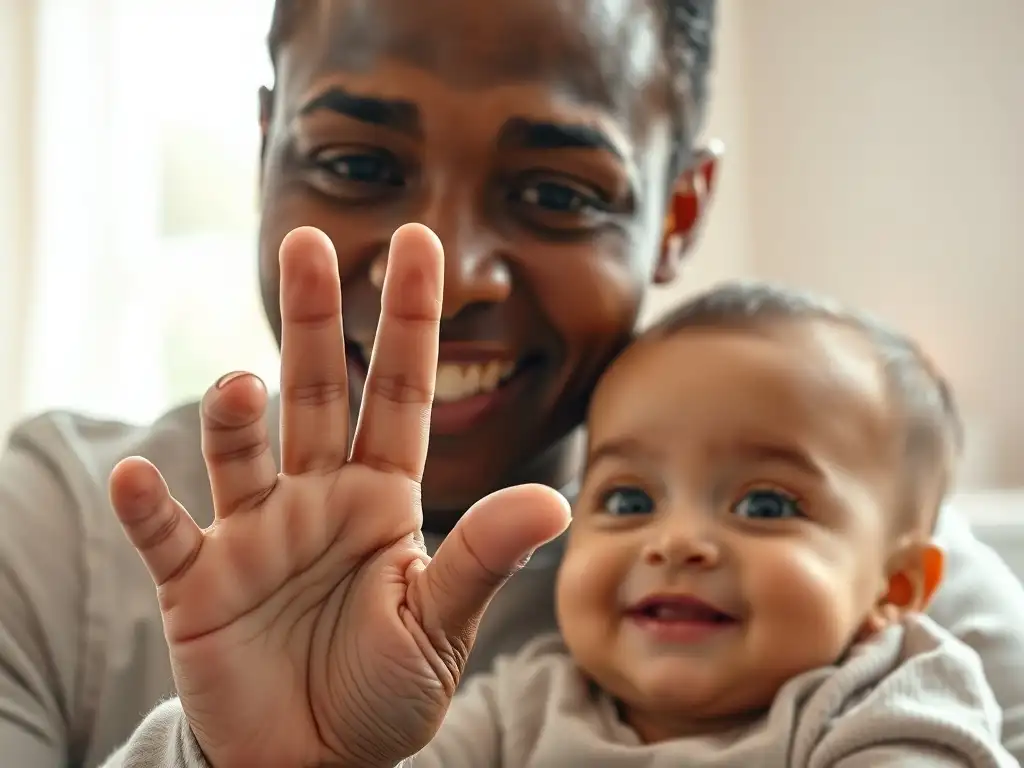
Embarking on the journey of teaching your baby sign language can feel overwhelming, but it doesn't have to be! This section provides a practical, step-by-step guide to help first-time parents confidently introduce baby sign language into their daily routines. Remember, consistency and patience are key. The goal is to create a positive and enjoyable experience for both you and your little one.
This approach fosters a strong bond while boosting your baby's communication skills. Early introduction of simple signs can significantly impact your baby's development, paving the way for better understanding and reducing frustration during the early communication stages. Many parents report a reduction in crying and increased engagement once baby sign language is implemented. Success in teaching baby sign language is largely dependent on the parent's commitment and the creation of a fun, interactive learning environment.
Choosing the Right Signs for Your Baby: Simple and Effective Gestures
When starting out, avoid overly complex signs. Begin with signs that represent everyday needs and objects relevant to your baby's life. Think about words like "milk," "more," "all done," "sleep," and "diaper." These are practical and frequently used words that will quickly become essential in your daily interactions. Simplicity is key – the easier the sign, the quicker your baby will grasp it.
Many resources offer visual guides with clear illustrations of basic baby signs. It's also beneficial to use signs that are easy for you to remember and perform consistently. Inconsistent signing can confuse your baby. Here's a table of some excellent starting points:
| Word | Sign Description | Notes |
|---|---|---|
| Milk | C shape around mouth, mimicking drinking | Use consistently at feeding times |
| More | Open palm, repeatedly tapping chest or hand | Great for requesting more food or play |
| All Done | Place flat hands together, then turn palms down | Use when baby has finished eating/playing |
| Sleep | Close eyes with hands, mimicking sleeping | Use before bedtime and naps |
| Diaper | Make a "diaper" shape with hands | A clear visual cue for changing time |
Remember, consistency is crucial. Use the same sign for the same word every time, even if your baby doesn't immediately understand.
Timing is Key: When to Introduce Baby Sign Language
There's no single "right" time to start, but many experts suggest introducing baby sign language around 6 months old. At this age, babies are beginning to develop their cognitive abilities and hand-eye coordination is improving. However, don't feel discouraged if your baby shows interest earlier or later. Observe your baby's cues. If they seem engaged and interested in your facial expressions and hand movements, you can begin earlier. Some babies show readiness as early as 4 months.
Conversely, if your baby is not showing much interest, wait a few weeks and try again. Each baby develops at their own pace. The most important factor is to create a positive and fun learning experience. Remember, it's a journey, not a race. Early signs of receptive language (understanding your words) are a good indicator of readiness.
Creating a Positive and Engaging Learning Environment: Making it Fun!
Learning should be enjoyable for both you and your baby! Incorporate signing into your daily routines naturally. Don't force it; make it a fun, interactive part of playtime, mealtimes, and bath time. Use exaggerated facial expressions and enthusiastic tones to emphasize the signs. Sing songs and rhymes incorporating the signs. For example, you could sign "milk" while singing a feeding song. Positive reinforcement is key. When your baby uses a sign correctly, even if unintentionally, praise them enthusiastically.
This positive reinforcement helps build their confidence and encourages them to use signs more often. Make it playful! Use puppets or toys to engage your baby and make learning more interactive. Remember, patience is a virtue. It takes time and repetition for babies to learn, and progress might seem slow at times. But with consistent effort, you'll see amazing results! 👶🍼👏
Essential Baby Signs for First-Time Parents: A Practical Guide
This section provides a practical guide to essential baby signs for first-time parents, focusing on signs that address basic needs, emotions, and common activities. Mastering these signs can significantly improve communication with your baby, fostering a stronger bond and easing the transition into parenthood. Early introduction of baby sign language offers numerous developmental benefits, including enhanced language acquisition and cognitive development. Remember, consistency is key! The more you use these signs, the faster your baby will learn to understand and use them.
Basic Needs Signs: Milk/Food, More, All Done, Change
Understanding your baby's basic needs is paramount. Baby sign language can bridge the communication gap before verbal skills develop, reducing frustration for both parent and child. Here's how to sign some crucial needs:
- Milk/Food: Make a "drinking" motion by bringing your hand to your mouth as if you're drinking from a cup. Alternatively, you can mimic the action of eating with a spoon. Repeat this action several times while saying "milk" or "food."
- More: Extend your index finger and repeatedly tap your open palm. This signifies the desire for more food, milk, or attention.
- All Done: Signify completion by placing your hands together in a prayer-like position, then firmly push your hands down towards the table or your lap. This clearly communicates your baby has finished eating or playing.
- Change: Make a twisting motion with your hand, as if you are unscrewing a diaper. This is a helpful sign to communicate the need for a diaper change, saving time and preventing potential diaper rashes.
It's important to be patient and consistent. Some babies pick up signs faster than others. Don't be discouraged if your baby doesn't respond immediately. Keep practicing, and soon you'll be communicating effortlessly using baby sign language! Remember to use these signs in conjunction with verbal cues for optimal learning.
Emotions and Feelings Signs: Happy, Sad, Tired, Angry
Understanding your baby's emotional state is crucial for providing appropriate care and support. Teaching your baby to express themselves through signs can help you respond more effectively to their needs. Here are some common emotional signs:
- Happy: Smile broadly and make a wide, open hand gesture across your chest, as if embracing happiness. You can also gently pat your baby’s back or stroke their head while signing to associate the gesture with positive feelings.
- Sad: Gently stroke your cheek with the back of your hand, making a slight frown. This mimics the action of wiping away tears.
- Tired: Rub your eyes gently with your fingertips, mimicking the act of being tired and sleepy. This is easily recognizable for your baby.
- Angry: Furrow your brows and clench your fists slightly. This conveys frustration and anger. It's important to remain calm and reassuring when your baby uses this sign, validating their feelings and helping them learn to manage their emotions.
These signs can help you understand your baby's emotional landscape better and provide the appropriate support. Remember to pair these signs with verbal cues and gentle physical touch.
Objects and Activities Signs: Book, Play, Sleep, Bath
Expanding your baby's vocabulary with signs for objects and activities can further enhance communication and engagement. Here are some essential signs:
- Book: Open and close your hands as if you are turning the pages of a book.
- Play: Make a playful waving motion with your hands, mimicking the action of playing. You can also use this sign to indicate playtime is starting or ending.
- Sleep: Make a gentle sleeping motion by placing your hands together under your head, as if you're resting. Combine this with a soft and calming tone of voice.
- Bath: Mimic the action of washing oneself with a soft scrubbing motion, like washing your face or body. This helps your baby associate the sign with bath time.
Using these signs consistently alongside verbal communication will help your baby learn faster. Remember, the goal is to build a strong communication bridge with your little one, fostering a loving and responsive relationship. Enjoy this journey of learning and growing together!
Incorporating Baby Sign Language into Your Daily Routine
This section focuses on seamlessly integrating baby sign language into your daily interactions with your little one. Remember, consistency is key! The more you use signs, the quicker your baby will learn to understand and use them themselves. This isn't about replacing verbal communication, but rather supplementing it, enriching your baby's understanding of the world, and fostering a stronger connection. Early introduction of baby sign language can significantly impact your baby's communication development, leading to reduced frustration for both parent and child. This is particularly beneficial for first-time parents navigating the often challenging world of infant communication.
Mealtimes: Sign Language During Feeding and Snack Time
Mealtimes present a perfect opportunity to introduce baby sign language. The repetitive nature of feeding routines makes it ideal for associating specific signs with actions. For example, while preparing a bottle or offering a puree, repeatedly sign "milk" or "eat." This consistent pairing helps your baby quickly grasp the meaning. Don't worry about perfection; even if your baby doesn't immediately understand, the consistent exposure is crucial.
Here's a sample schedule incorporating sign language during mealtimes:
| Time | Activity | Signs Used | Notes |
|---|---|---|---|
| 7:00 AM | Breakfast (bottle/cereal) | "Milk," "Eat," "More," "All done" | Use exaggerated movements and facial expressions for emphasis. |
| 12:00 PM | Lunch (purees/solids) | "Eat," "Yummy," "Finish," "Thank you" | Vary signs to keep your baby engaged. |
| 5:00 PM | Snack (fruit/yogurt) | "Fruit," "Yogurt," "More," "Please" | Encourage your baby to try signing back. |
| 7:00 PM | Dinner (family meal/purees) | "Eat," "Food," "Yummy," "All done" | Involve your baby in the meal preparation if possible. |
Remember to be patient and persistent. Some babies pick up signs quickly, while others may take longer. The key is consistent repetition and positive reinforcement. 🎉
Playtime: Integrating Signs into Interactive Play
Playtime offers a dynamic and engaging environment to incorporate baby sign language. By associating signs with actions and objects during play, you can significantly enhance your baby's language acquisition. For instance, while playing with building blocks, you can sign "block" or "build." Similarly, during a game of peek-a-boo, you can sign "peek-a-boo" itself. This approach not only teaches your baby new words but also enhances their overall understanding of communication.
Consider these examples:
- Reading books: Sign words like "book," "read," "animal," or the names of objects pictured in the book.
- Bath time: Sign "bath," "water," "wash," "soap," and "clean."
- Playing with toys: Use signs for the names of toys, actions, and feelings associated with playing. For example, if your baby is playing with a car, you can sign "car," "go," "fast," and "stop."
The playful environment encourages natural learning, making it an effective tool in early childhood development. Remember to keep the interactions fun and engaging; a positive experience will foster a love of learning.
Bedtime: Using Signs to Communicate Before Sleep
Bedtime routines are another excellent opportunity to use baby sign language. Signing words associated with sleep, like "sleep," "bed," "night-night," "lullaby," and "dream," can help your baby understand the transition to sleep. This can reduce anxiety and promote a more peaceful bedtime. Using signs can also help you communicate your baby's needs, like needing a diaper change or more cuddles, before they become fully frustrated.
Here's how to incorporate signs into your bedtime routine:
- Start with a consistent routine: A predictable routine helps your baby anticipate bedtime.
- Use calming tones and gentle touches: Create a relaxing environment.
- Incorporate signs naturally: Sign "night-night," "sleep," "bed" as you tuck your baby into bed.
- Respond to your baby's cues: If your baby is showing signs of discomfort, use signs to understand their needs. For example, if they are signing "milk" or "diaper," address those needs before continuing the bedtime routine.
- Be patient and consistent: It may take time for your baby to fully understand and respond to the signs.
By consistently using baby sign language during bedtime, you can foster a calmer and more connected bedtime routine, beneficial for both you and your little one. 😴
Expanding Your Baby's Sign Language Vocabulary: Beyond the Basics

This section delves into expanding your baby's sign language repertoire beyond the common introductory signs. Remember, the goal is to make communication easier and more enjoyable for both you and your little one. Introducing new signs gradually and consistently is key to success. The more signs your baby learns, the more effectively they can express their needs and desires, leading to reduced frustration and a stronger parent-child bond. Building this vocabulary is a journey, not a race!
Introducing New Signs Gradually: Avoid Overwhelming Your Baby
Introducing too many signs at once can be counterproductive. Babies, especially newborns and infants, learn best through repetition and consistent reinforcement. Start with just one or two new signs per week, focusing on signs related to your baby's current developmental stage and daily routines. For example, if your baby is starting to show interest in food, introduce signs for "milk," "more," and "all done." If they are becoming more mobile, add signs like "up," "down," and "walk."
A helpful strategy is to integrate new signs into existing routines. For instance, while preparing a bottle, repeatedly sign "milk" while verbalizing the word. During diaper changes, use the signs for "wet" or "dirty." This consistent association reinforces learning. Observe your baby's reactions. If they seem overwhelmed or losing interest, slow down and focus on mastering the signs already introduced. Patience and consistency are crucial. Remember, every baby learns at their own pace. Some babies may pick up signs quickly, while others may take longer. Celebrate every small milestone! 🎉
Resources for Learning More Baby Signs: Books, Apps, and Classes
There's a wealth of resources available to help you expand your baby's sign language vocabulary. Many books offer comprehensive sign language dictionaries specifically designed for babies and toddlers. These resources often include illustrations and tips for teaching. Numerous apps provide interactive lessons, flashcards, and games to make learning fun and engaging for both you and your baby.
These digital tools often offer progress tracking and personalized learning plans. Finally, consider enrolling in a baby sign language class. These classes provide structured learning, expert guidance, and opportunities to connect with other parents. This social aspect can be incredibly beneficial, offering support and sharing experiences.
The choice of resource will depend on your learning style and preferences. Some parents prefer the tactile experience of books, while others find apps more convenient and engaging. Classes offer a structured environment and expert guidance. No matter which method you choose, the key is consistency and making the learning process enjoyable for you and your baby. The investment in expanding your baby's communication skills is invaluable.
Observing Your Baby's Progress and Adjusting Your Approach
Regularly assess your baby's understanding and use of signs. Don't just focus on whether they're producing the signs correctly; observe whether they understand the meaning. For example, if you sign "more" and your baby reaches for their bottle, they are demonstrating comprehension. If your baby is struggling with a particular sign, try different techniques. Some babies respond better to visual cues, others to tactile ones. Experiment with varying the pace, repetition, and context in which you use the signs.
Keep a record of your baby's progress. Note which signs they grasp quickly and which ones require more practice. This allows you to tailor your approach and focus on areas where your baby needs more support. Remember, setbacks are normal. There will be days when your baby seems less interested or struggles to produce the signs.
Don't get discouraged. Maintain a positive and encouraging attitude, and remember that consistency is key to success. This journey of learning and communicating with your baby through sign language is a rewarding experience that fosters a deep and meaningful connection. The effort you put in now will pay dividends in the future.
Troubleshooting Common Challenges: Addressing Potential Hurdles

First-time parents embarking on the journey of baby sign language often encounter a few common hurdles. Understanding these challenges and implementing proactive solutions can significantly enhance your success and make the experience more rewarding for both you and your little one. Remember, consistency and patience are key!
Learning baby sign language is a process, and it's perfectly normal to experience some bumps along the way. This section addresses some frequently asked questions and provides practical strategies to overcome them. The goal is to foster a positive and effective communication experience with your baby, strengthening your bond and enriching their early development.
My Baby Isn't Responding to Signs: Possible Reasons and Solutions
It's not uncommon for babies to not immediately grasp baby sign language. Several factors might contribute to this:
- Developmental Stage: Babies develop at their own pace. While some babies might start responding to signs as early as 6 months, others might not show significant interest until closer to 9 or 12 months. Patience is crucial. Continue practicing consistently, even if you don't see immediate results.
- Lack of Repetition: Like learning any new skill, consistent repetition is essential. Use the signs frequently throughout the day, in various contexts. The more exposure your baby has, the better their chances of understanding and using the signs themselves.
- Distraction: Babies are easily distracted. Try signing in a quiet environment, minimizing distractions, and maintaining eye contact. Make sure your baby is alert and receptive before starting your signing session.
- Incorrect Sign Execution: Ensure you are performing the signs correctly. Slight variations can confuse your baby. Refer to reliable resources and videos to ensure you're using the correct hand shapes and movements.
- Underlying Developmental Delays: In rare cases, a lack of response to signs could indicate underlying developmental delays. If you have concerns, consult your pediatrician.
Here's a table summarizing potential reasons and their corresponding solutions:
| Reason | Solution |
|---|---|
| Developmental Stage | Continue practicing consistently; be patient and understanding. |
| Lack of Repetition | Use signs frequently throughout the day, in various contexts. |
| Distraction | Minimize distractions; ensure baby is alert and receptive before signing. |
| Incorrect Sign Execution | Refer to reliable resources; ensure correct hand shapes and movements. |
| Underlying Developmental Delays | Consult your pediatrician if you have any concerns. |
Remember, each baby is unique. Don't compare your baby's progress to others. Focus on building a positive and enjoyable communication experience.
Inconsistent Sign Usage: Tips for Maintaining Consistency
Maintaining consistency in using baby sign language is vital for your baby's learning process. Inconsistency can lead to confusion and slow down their progress. Here are some strategies to maintain a consistent routine:
- Create a Routine: Incorporate signing into your daily routines, such as mealtimes, bath time, and bedtime. This helps create a predictable and familiar context for your baby to associate signs with actions.
- Use Visual Aids: Consider using flashcards or visual charts with pictures and the corresponding signs. This can serve as a helpful reminder for both you and your baby.
- Involve Family and Caregivers: Ensure everyone involved in your baby's care is using the same signs consistently. This prevents confusion and reinforces learning.
- Set Realistic Goals: Don't try to teach too many signs at once. Start with a few essential signs and gradually introduce new ones as your baby progresses.
- Track Progress: Keep a simple log of the signs you're teaching and your baby's responses. This can help you monitor progress and identify areas needing more focus. This can also boost your own motivation! 👶
Remember, consistency is key. Even a few minutes of signing each day can make a big difference.
Maintaining Motivation: Keeping it Fun and Engaging for Both of You
Maintaining motivation is crucial for both you and your baby. If you find yourselves losing interest, try these tips to keep the process fun and engaging:
- Make it Playful: Turn signing into a game. Sing songs, use puppets, or incorporate other playful elements to make the experience enjoyable.
- Positive Reinforcement: Praise and reward your baby's attempts at signing, even if they are not perfect. Positive reinforcement encourages them to continue trying.
- Vary Your Approach: Don't be afraid to experiment with different methods. If one approach isn't working, try another. Some babies respond better to visual aids, while others prefer interactive games.
- Take Breaks: If you feel frustrated or overwhelmed, take a break. It's important to approach signing with a positive attitude.
- Celebrate Milestones: Acknowledge and celebrate your baby's progress. This reinforces positive learning and motivates you both to continue.
Remember, learning baby sign language is a journey, not a race. Enjoy the process and celebrate the small victories along the way! 🎉
Celebrating Milestones: Tracking Your Baby's Sign Language Journey
Learning baby sign language with your little one is a significant developmental milestone, not just for your baby, but for you as a parent too! This journey is filled with heartwarming moments of connection and understanding. It's crucial to celebrate these achievements, both big and small, to reinforce positive learning and strengthen your bond. Tracking your baby's progress is a wonderful way to do this, allowing you to reflect on their growth and identify areas where they might need extra encouragement.
Recording Your Baby's Progress: A Journal or Digital Tracker
Many parents find it incredibly rewarding to keep a record of their baby's sign language development. This can be as simple as a dedicated journal or as sophisticated as a digital tracking app. A physical journal allows for personal touches, like adding photos or little notes about the context in which your baby learned a sign. For example, you might write: "October 26th - Learned 'Milk' sign! So proud. She used it spontaneously after her 10 am feeding! 🍼".
Alternatively, digital trackers offer features like progress charts, reminders for practice sessions, and the ability to easily share updates with family members. Some apps even offer curated lists of signs categorized by age or developmental stage. Regardless of your chosen method, the key is consistency.
Regularly noting your baby's progress, even if it's just a few lines, will help you appreciate the journey and identify any potential challenges early on. Remember to focus on the positive aspects of your baby's learning process, focusing on their successes rather than any perceived setbacks. This positive reinforcement is key to fostering a love of communication and learning.
Connecting with other parents who are also teaching their babies sign language can be incredibly beneficial. Sharing experiences, tips, and challenges creates a supportive community and can provide valuable insights. Online forums, social media groups, and even local parenting classes dedicated to baby sign language are excellent avenues for connecting with other parents. You might be surprised by the shared struggles and triumphs that arise from this shared journey.
For instance, you could find out that what seems like a slow start for your baby is perfectly normal, or discover a new way to make learning more engaging. The mutual support and encouragement you receive from this network will help you navigate the process with confidence and joy. 🤝
Long-Term Benefits: The Lasting Impact of Early Sign Language
The benefits of introducing baby sign language extend far beyond the early years. Studies show that babies who learn sign language often display enhanced cognitive development, improved language acquisition later in life, and increased emotional regulation. These long-term benefits underscore the significance of this seemingly simple act of communication. For example, a baby who can sign "more" or "all done" may experience reduced frustration during mealtimes or playtime.
This early communication can foster a sense of independence and self-expression, paving the way for smoother transitions into toddlerhood and beyond. Furthermore, this early success in communication can boost your baby's confidence and self-esteem, setting a positive foundation for future learning. The investment you make in teaching baby sign language today will yield rich rewards for years to come. It's an investment in your baby's future success and your ongoing relationship.
Frequently Asked Questions
What is baby sign language and why should I use it?
Baby sign language is a way to communicate with your baby before they can speak. It helps reduce frustration for both parent and baby by providing a means of expression and understanding. This can lead to less crying and a stronger bond.
When can I start teaching my baby sign language?
You can begin introducing baby signs as early as 4 months old, although babies typically start showing comprehension and using signs around 6-8 months. It's never too early to start!
Which signs should I teach my baby first?
Focus on signs for essential needs like "milk," "more," "all done," and "please." Then, expand to signs related to your baby's favorite objects or activities. Simple signs are key to early success.
How long does it take for my baby to learn sign language?
Every baby learns at their own pace. Some babies may pick up signs quickly, while others take longer. Consistency and positive reinforcement are crucial for success. Be patient and celebrate every milestone.
Are there any resources to help me learn baby sign language?
Yes! There are many books, videos, and online classes available. Many libraries offer resources as well. Look for reputable sources that demonstrate clear and simple sign language techniques.
Final Reflection: Unlocking Communication's Early Wonders
The ability to communicate effectively with your baby, even before they can speak, is a revolutionary experience that profoundly impacts the parent-child bond. This isn't just about convenience; it's about fostering a deeper connection, understanding your child's needs more readily, and nurturing their cognitive development from the earliest stages. The benefits of early communication are undeniable, and the positive ripple effects extend far beyond the first few months.
Learning baby sign language has been a transformative journey for me, personally. It's not just about teaching signs; it's about opening a window into my child's world, witnessing their burgeoning understanding, and sharing in the joy of their discoveries. The most important thing a father can do for his children is to love their mother.
This quote, while traditionally focused on the parent-parent dynamic, speaks to the importance of creating a supportive and communicative environment – a sentiment that baby sign language beautifully embodies. The early communication fostered through signing creates a foundation of mutual understanding and strengthens the parent-child bond in ways I never anticipated.
Now, I invite you to consider how incorporating baby sign language into your own parenting journey can enrich your relationship with your little one. Don't be intimidated by the learning curve; start small, choose a few essential signs, and watch the magic unfold. Embrace the opportunity to connect with your baby on a deeper level, fostering a bond built on understanding, patience, and the shared joy of communication. The rewards are immeasurable, and the journey is one you'll cherish forever.
Unlock Your Baby's Communication: Start Signing Today!
Thank you for exploring the wonderful world of baby sign language! We hope you've discovered how signing can strengthen your bond with your little one. Now, let's put your knowledge into practice.
- Start with essential signs: Choose three signs relevant to your baby's daily life, such as "milk," "more," or "all done." Practice them consistently throughout the day, even if your baby doesn't respond immediately. Consistency is key!
- Share your experience: Connect with other parents on BabyCareHub's forums—we're building a supportive community—to share your successes and challenges. Learning from each other's experiences is invaluable.
- Introduce a new sign: Try a sign you haven't learned yet, perhaps one related to a favorite activity or toy. This will expand your baby's communication possibilities and make learning fun.
Ready to begin this exciting communication journey with your baby? What's the first sign you'll teach them today?