
Is Your Baby Highly Reactive? Understanding This Temperament Trait


Welcome to BabyCareHub, your ultimate guide to navigating the incredible journey of parenthood! Are you facing challenges with your little one's seemingly intense reactions? We understand. This website is designed to empower you with the knowledge and support you need. Discover practical advice and expert insights into highly reactive baby temperament and learn how to best understand and nurture your baby's unique needs within our comprehensive Developmental Milestones section. Dive in and unlock the secrets to confident, joyful parenting!
- What is a Highly Reactive Baby Temperament?
- Understanding the Roots of High Reactivity
- Challenges Faced by Parents of Highly Reactive Babies
- Strategies for Supporting a Highly Reactive Baby
- Seeking Professional Guidance for Highly Reactive Babies
- Long-Term Outlook for Highly Reactive Babies
- Frequently Asked Questions
- Final Reflection: Nurturing the Highly Reactive Child
- Unlock Your Baby's Potential: Nurturing a Highly Reactive Little One
What is a Highly Reactive Baby Temperament?
Having a baby is an incredibly rewarding experience, filled with joy, wonder, and…a whole lot of surprises! One of the most significant surprises many new parents face is understanding their baby's unique temperament. While all babies are different, some exhibit a trait called "high reactivity," which can significantly impact their behavior and responses to their environment.
This article delves into the specifics of a highly reactive baby temperament, helping you understand what it means, how to recognize it, and how to differentiate it from other temperament traits. Understanding your baby's temperament is crucial for adapting your parenting style and fostering a secure and loving environment where your little one can thrive. This knowledge empowers you to meet your baby's individual needs, promoting healthy development and a positive parent-child relationship.
Learning to navigate the challenges associated with a highly reactive temperament can transform your parenting journey from stressful to fulfilling. Let's explore this fascinating aspect of infant development.
Defining High Reactivity in Infants
High reactivity in infants refers to a temperament style characterized by intense emotional responses and heightened sensitivity to sensory stimuli. These babies tend to react strongly to both positive and negative experiences. A small sound might startle them significantly, while a bright light could overwhelm them. Similarly, positive experiences, like cuddling, might elicit an extremely intense response of joy and excitement. This doesn't necessarily mean your baby is "difficult" or "bad," but rather that their nervous system processes information differently, leading to more intense reactions.
Think of it like a volume knob – their volume is turned up higher than average. It's essential to remember that high reactivity is a spectrum; some babies exhibit it more intensely than others. This inherent tendency towards heightened responsiveness isn't a flaw but a unique characteristic that shapes their individual personality. Understanding this inherent predisposition is the first step towards effective parenting strategies.
Recognizing Signs of High Reactivity: Sensory Sensitivity and Emotional Responses
Recognizing a highly reactive baby can be challenging, as it manifests differently in each infant. However, several common signs can help you identify this temperament trait. These babies often display intense reactions to sensory input, such as:
- Loud noises: They might cry excessively, become startled, or even exhibit a full-blown fright response.
- Bright lights: Intense light can cause discomfort, leading to fussiness, crying, or attempts to shield their eyes.
- New textures: The feel of certain fabrics or textures against their skin might be unpleasant, causing them to resist being dressed or touched.
- Sudden movements: Unexpected movements or changes in position can trigger distress or anxiety.
- Crowds or busy environments: Overwhelming sensory input in crowded places can lead to significant distress and overstimulation.
Furthermore, highly reactive babies often show intense emotional responses, including:
- Intense crying spells: Their crying might be louder, longer, and more difficult to soothe than in less reactive babies.
- Sudden mood swings: They might transition rapidly from calm to agitated or upset.
- Difficulty self-soothing: They may struggle to calm themselves down after becoming upset, requiring more parental intervention.
- Strong reactions to frustration: Minor setbacks or frustrations can lead to disproportionately intense displays of anger or distress.
Understanding these specific sensory sensitivities and emotional responses is key to providing tailored support and fostering a nurturing environment.
Differentiating High Reactivity from Other Temperament Traits
It's crucial to differentiate high reactivity from other temperament traits, such as slow-to-warm-up or difficult temperaments. While a highly reactive baby might also exhibit characteristics of other temperament styles, the key differentiator is the intensity of their reactions. A slow-to-warm-up baby might be hesitant and cautious, but their reactions are generally less intense than those of a highly reactive baby.
Similarly, a difficult temperament often involves a combination of negative mood, irregular patterns, and intense reactions, but the intensity of sensory sensitivity might be less pronounced. Accurate identification allows for a more targeted approach to parenting, ensuring the implementation of effective strategies that address the unique needs of your child. This distinction is vital for providing appropriate support and avoiding misinterpretations of your baby's behavior.
Remember to consult with your pediatrician or a child development specialist if you have concerns about your baby's temperament. They can provide valuable insights and guidance tailored to your individual situation.
Understanding the Roots of High Reactivity

High reactivity in babies, a key aspect of their temperament, isn't simply a matter of chance. It's a complex interplay of genetic inheritance and environmental influences shaping a baby's neurological responses to stimuli. Understanding these roots is crucial for parents to develop nurturing and supportive strategies. This section delves into the foundational elements contributing to a highly reactive baby temperament, providing insights into the biological and environmental factors at play. Recognizing these influences empowers parents to better understand their baby's unique needs and adjust their parenting approach accordingly.
Genetic Predisposition and Highly Reactive Baby Temperament
A significant portion of a baby's temperament, including their reactivity level, is believed to be inherited. Studies suggest that genes influence the development and functioning of the nervous system, impacting a child's baseline sensitivity to external stimuli. This doesn't mean a specific "reactivity gene" exists, but rather that multiple genes interact to shape a baby's overall response profile. For example, variations in genes related to neurotransmitter production (like serotonin and dopamine) can influence a baby's emotional regulation and their tendency towards heightened responses to sensory input.
Family history can offer valuable clues; if parents or other close relatives exhibited a highly reactive temperament in infancy, the likelihood of the baby inheriting a similar trait is increased. However, it's vital to remember that genetics provide a predisposition, not a predetermined outcome. Environmental factors significantly modulate gene expression, influencing how these genetic tendencies manifest.
Environmental Factors Influencing Reactivity in Babies
While genetics lay the groundwork, the environment plays a crucial role in shaping a baby's reactivity. Prenatal factors, such as maternal stress levels during pregnancy or exposure to toxins, can influence a baby's developing nervous system, potentially increasing their sensitivity. Postnatal experiences are equally important.
A chaotic or unpredictable environment, characterized by inconsistent routines, lack of parental responsiveness, or frequent changes in caregivers, can contribute to heightened reactivity. Conversely, a calm, predictable, and nurturing environment can buffer the effects of genetic predispositions, promoting better emotional regulation and reducing the intensity of reactive responses. Early experiences shape the brain's architecture, strengthening neural pathways associated with either heightened or subdued responses to stimuli.
Consider this: a baby consistently exposed to loud noises might develop a more pronounced startle reflex compared to a baby raised in a quieter environment. This underscores the importance of creating a supportive and predictable environment for highly reactive infants.
The Role of the Nervous System in Highly Reactive Infants
The nervous system is the central player in determining a baby's reactivity. Highly reactive infants often exhibit a more sensitive and easily aroused nervous system. This means their brains process sensory information more intensely, leading to amplified responses to sights, sounds, smells, tastes, and touch. Their threshold for sensory overload is lower, triggering a quicker and stronger reaction to even mildly stimulating inputs.
This heightened sensitivity isn't necessarily a negative trait; it simply reflects a different neurological processing style. Understanding this neurological basis is key to tailoring parenting strategies. For example, a highly reactive baby might benefit from quieter environments, gentler handling, and a more structured daily routine to minimize sensory overload and promote a sense of security and predictability.
By recognizing the neurological underpinnings of high reactivity, parents can create an environment that supports their baby's unique needs and fosters healthy development. Further research is needed to fully understand the complex interplay between genetic, environmental, and neurological factors in shaping highly reactive baby temperament. This knowledge continues to evolve, leading to ever-improving strategies for supporting the unique needs of these infants and their families.
Challenges Faced by Parents of Highly Reactive Babies
Parenting a highly reactive baby presents unique challenges that require understanding, patience, and adaptable parenting strategies. While a reactive temperament isn't inherently "bad," it demands a different approach than might be needed for a less sensitive child. This section explores some of the common difficulties faced by parents of highly reactive infants, offering insights into navigating these complexities. Understanding these challenges is the first step towards providing the best possible care and support for your little one and yourselves.
Difficulty with Transitions and Routine Changes
Highly reactive babies often struggle with transitions and changes in routine. A seemingly minor alteration—a shift in feeding schedule, a change in caregiver, or even a new location—can trigger significant distress. This is because their nervous systems are highly sensitive to external stimuli, making them less adaptable to unexpected changes.
For example, a highly reactive baby might become inconsolable when moved from a car seat to a crib, even if they were perfectly content just moments before. Similarly, introducing new foods or altering their sleep environment can lead to significant fussiness and resistance. This isn't necessarily a sign of defiance; it's a manifestation of their heightened sensitivity and need for predictability.
Parents often find themselves feeling frustrated and overwhelmed by the constant need to anticipate and manage these transitions. The key is to introduce changes gradually, providing ample warning and comfort during the process. For instance, instead of abruptly changing a feeding time, parents might gradually adjust the schedule over several days.
Similarly, introducing new foods one at a time, allowing the baby to get used to each before moving on to another, can significantly minimize distress. Using consistent routines and predictable signals can also help create a sense of security and reduce anxiety related to transitions. Remember, patience and understanding are crucial.
Intense Emotional Outbursts and Regulation Challenges
One of the most prominent features of a highly reactive baby temperament is the intensity of their emotional responses. These babies might cry more easily and for longer periods than their less reactive counterparts. Their reactions can seem disproportionate to the triggering event, leaving parents feeling confused and sometimes even inadequate. These intense emotional outbursts often stem from their difficulty regulating their emotions and nervous system.
It's important to remember that these outbursts aren't manipulative behavior; they are a genuine expression of their overwhelming feelings. The child lacks the emotional regulation skills to manage these intense feelings independently. Parents can support their child by providing a calm and reassuring presence during these episodes. Techniques like swaddling, gentle rocking, or singing soothing lullabies can sometimes help to calm the baby down.
However, understanding the underlying cause of the outburst is important. Is it hunger, fatigue, discomfort, or an overstimulating environment? Identifying and addressing the root cause can significantly reduce the frequency and intensity of these episodes. Providing a consistent and predictable environment, minimizing overstimulation, and offering plenty of opportunities for quiet time can also help. Consistent responses from caregivers help the baby learn how to self-soothe over time.
Sleep Disturbances and Feeding Issues in Highly Reactive Infants
Highly reactive babies often experience sleep disturbances and feeding difficulties. Their heightened sensitivity to sounds, light, and touch can interfere with their ability to fall asleep and stay asleep. Similarly, the intensity of their emotions can make feeding times challenging, with fussiness and refusal common occurrences.
Sleep problems can manifest in various ways: frequent waking, difficulty settling, and short sleep cycles. Creating a calm and dark sleep environment, establishing a consistent bedtime routine, and addressing any underlying discomfort (e.g., gas, reflux) can significantly improve sleep quality. Gentle white noise or a calming lullaby can also help block out external stimuli.
Feeding issues might involve difficulties latching, rejecting bottles or breast, or exhibiting strong preferences for specific feeding positions or times. Parents might need to experiment with different feeding techniques and strategies to find what works best for their baby. Consulting a lactation consultant or pediatrician can provide valuable support and guidance in addressing specific feeding challenges. Patience and consistency are crucial, as it may take time to establish a comfortable and effective feeding routine. Remember that even small improvements are progress.
Strategies for Supporting a Highly Reactive Baby

Understanding your highly reactive baby's temperament is the first step towards providing effective support and creating a nurturing environment. This doesn't mean changing your baby; it means adapting your parenting style to meet their unique needs. A highly reactive baby temperament often manifests as heightened sensitivity to stimuli, leading to frequent crying, fussiness, and difficulty settling.
However, with the right strategies, you can help your little one thrive. This section focuses on practical approaches to help your highly reactive baby feel safe, secure, and understood. Remember, consistency and patience are key to success in managing a highly reactive baby's temperament.
Creating a Calming and Predictable Environment
A predictable routine is incredibly beneficial for highly reactive babies. Their heightened sensitivity thrives on consistency. This means establishing regular feeding, sleeping, and playtime schedules. Predictability reduces anxiety and allows your baby to anticipate events, lessening their reactive responses. Think of it as providing a secure "base camp" from which they can explore the world.
Consider these practical steps:
- Consistent Sleep Schedule: Aim for consistent bedtimes and wake-up times, even on weekends. This helps regulate their circadian rhythm, promoting better sleep and reducing daytime fussiness. A dark, quiet, and cool room is also essential.
- Structured Playtime: Instead of overwhelming your baby with a variety of toys simultaneously, offer a few carefully selected items at a time. Rotate toys regularly to maintain interest and avoid overstimulation.
- Quiet Time: Incorporate periods of quiet time into the daily routine, providing opportunities for your baby to decompress and recharge. This could involve gentle rocking, cuddling, or simply quiet observation.
- Minimizing Sensory Overload: Reduce noise and visual clutter in your baby's environment. Soft lighting, calming music (if your baby responds positively), and a clutter-free space can significantly reduce sensory input.
Sensory Regulation Techniques for Highly Reactive Infants
Highly reactive infants are often overwhelmed by sensory input. Implementing sensory regulation techniques can significantly improve their ability to self-soothe and manage their reactions. This involves carefully observing your baby's responses to different stimuli and adapting your approach accordingly.
Here are some effective techniques:
- Swaddling: For some highly reactive babies, the gentle pressure of swaddling can be incredibly soothing, mimicking the feeling of being held securely. However, always follow safe swaddling guidelines.
- White Noise: The consistent, low-level sound of white noise can mask other distracting noises and create a calming auditory environment. White noise machines or even a fan can be helpful.
- Massage: Gentle massage can be deeply relaxing for babies and promote a sense of calm. Use gentle, rhythmic strokes, focusing on areas like the back, arms, and legs.
- Skin-to-Skin Contact: The warmth and closeness of skin-to-skin contact releases oxytocin, a hormone that promotes bonding and relaxation. This is a powerful tool for soothing a highly reactive baby.
- Babywearing: Wearing your baby in a carrier can provide a sense of security and reduce their anxiety. The rhythmic movement and close proximity to you can be incredibly soothing.
Responding to Emotional Outbursts with Empathy and Patience
Emotional outbursts are a common characteristic of highly reactive babies. Instead of reacting with frustration or impatience, respond with empathy and understanding. Your calm and reassuring presence can help your baby regulate their emotions.
Consider these strategies:
- Validate Their Feelings: Acknowledge your baby's distress by saying things like, "I see you're upset," or "It looks like you're feeling overwhelmed." This validates their emotions and helps them feel understood.
- Offer Comfort and Support: Provide physical comfort through cuddling, rocking, or gentle pats. A calm and reassuring presence is essential during emotional outbursts.
- Maintain a Calm Demeanor: Your own emotional state can significantly impact your baby's response. Try to remain calm and patient, even when faced with challenging behavior. Taking deep breaths can help you manage your own stress.
- Avoid Punishment: Punishment is never an effective way to manage a highly reactive baby's emotional outbursts. Instead, focus on providing comfort and support.
- Seek Professional Help: If you're struggling to manage your baby's highly reactive temperament, don't hesitate to seek professional help from a pediatrician or child psychologist. They can provide valuable guidance and support. Early intervention is often key to successful management. 👶
Remember, every baby is unique, and what works for one may not work for another. Observe your baby's cues, experiment with different strategies, and be patient. With understanding and consistent effort, you can create a supportive and nurturing environment that helps your highly reactive baby thrive.
Adapting Routines to Minimize Sensory Overload
Highly reactive babies are exquisitely sensitive to their environment. Sensory overload can trigger intense distress, manifesting as crying, fussiness, or even withdrawal. Creating predictable and calming routines is crucial for mitigating these overstimulation episodes. This doesn't mean rigidly adhering to a minute-by-minute schedule, but rather establishing a framework that provides your baby with a sense of security and control.
For example, a consistent bedtime routine might involve a warm bath, a gentle massage, a lullaby, and then settling into the crib. This predictable sequence signals to your baby that it's time to wind down, reducing the likelihood of a meltdown. Similarly, structuring daytime activities with clear transitions between different tasks can help. Instead of abruptly shifting from playtime to feeding, try incorporating a brief calming activity, such as cuddling or singing a song, to ease the transition.
Remember that even seemingly minor changes can significantly impact a highly reactive baby. Sudden loud noises, bright lights, or even changes in temperature can trigger a negative reaction. Therefore, minimizing exposure to these potential stressors is key. Consider dimming the lights during feeding or playtime, using soft, calming music instead of jarring sounds, and maintaining a consistent room temperature. Pay close attention to your baby's cues; if they seem overwhelmed, remove them from the stimulating environment immediately and offer comfort and reassurance.
Creating a calming sanctuary, a space specifically designed to minimize sensory input, can be incredibly beneficial. This might involve a dimly lit room with soft textures and minimal clutter. Having a dedicated space for quiet time allows your baby to retreat when they feel overwhelmed, providing a safe haven where they can regulate their emotions.
Consistency and predictability are paramount; sticking to a routine, even on weekends, helps your baby feel secure and in control of their environment, thereby reducing the likelihood of sensory overload. This careful management of sensory input is a vital component in supporting a highly reactive baby and fostering a sense of wellbeing. The goal is not to eliminate all stimulation, but to carefully manage and modulate it to suit your baby's unique needs.
Seeking Professional Guidance for Highly Reactive Babies
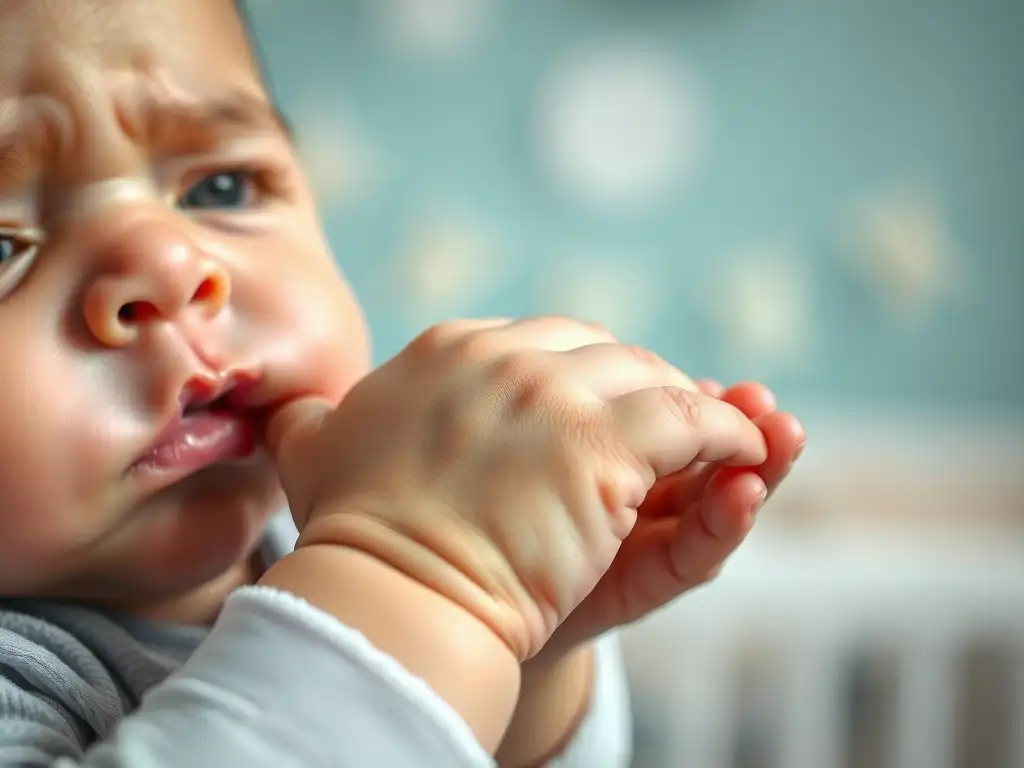
Understanding your baby's temperament is crucial, but knowing when to seek professional help is equally important. A highly reactive baby temperament, while not inherently problematic, can present significant challenges for parents and impact the baby's overall well-being. This section focuses on recognizing situations requiring expert intervention. Early intervention can significantly improve outcomes and reduce parental stress.
When to Consult a Pediatrician or Child Development Specialist
Several signs indicate that it's time to consult a pediatrician or child development specialist. These aren't necessarily cause for alarm, but rather opportunities for proactive support. Consider seeking professional guidance if your highly reactive baby exhibits:
- Persistent difficulty self-soothing: If your baby struggles to calm down independently after extended periods of crying or distress, despite your best efforts, professional intervention may be beneficial. This is especially true if it significantly impacts your sleep and well-being.
- Extreme sensitivity to stimuli: While some reactivity is normal, excessive sensitivity to light, sound, touch, or smells that consistently disrupts sleep or feeding routines warrants evaluation. This could point to underlying sensory processing sensitivities.
- Feeding challenges: Refusal to feed, difficulty latching (breastfeeding), or persistent vomiting could indicate underlying medical issues or feeding aversions linked to heightened reactivity.
- Significant developmental delays: If your baby consistently lags behind expected developmental milestones (e.g., rolling over, sitting up, babbling), a professional assessment can rule out underlying conditions or provide tailored support.
- Parental burnout: The constant demands of caring for a highly reactive baby can lead to parental exhaustion and stress. Seeking support from professionals can provide coping strategies and reduce the burden on caregivers.
Remember, seeking help is a sign of strength, not weakness. A professional can offer personalized advice, support, and resources tailored to your baby's unique needs and your family's circumstances. Early intervention can prevent potential problems from escalating and improve both your baby's development and your family's overall well-being.
Therapy Options for Highly Reactive Infants and Their Families
Several therapeutic approaches can effectively address the challenges associated with a highly reactive baby temperament. These therapies often focus on helping parents manage their baby's reactivity and develop coping mechanisms. Some common options include:
- Infant massage: Gentle, rhythmic massage can help soothe and calm highly reactive babies, reducing their overall stress levels and promoting relaxation.
- Sensory integration therapy: This therapy aims to help babies regulate their responses to sensory input, improving their ability to cope with overwhelming stimuli.
- Parent-child interaction therapy (PCIT): PCIT helps parents learn effective techniques for interacting with their highly reactive babies, promoting positive engagement and reducing negative interactions.
- Behavioral therapy: This approach focuses on modifying specific behaviors associated with reactivity, such as excessive crying or tantrums, through positive reinforcement and other techniques.
- Family-based therapy: This type of therapy acknowledges that a highly reactive baby impacts the entire family. It provides support and coping mechanisms for all family members.
The choice of therapy will depend on your baby's specific needs and your family's preferences. Consult with a professional to determine the most appropriate approach. Remember, the goal is to create a supportive and nurturing environment where your baby can thrive.
Identifying and Addressing Underlying Medical Conditions
While a highly reactive temperament is often a personality trait, it's crucial to rule out any underlying medical conditions that could contribute to or exacerbate the reactivity. Some conditions to consider include:
| Condition | Symptoms | Impact on Reactivity |
|---|---|---|
| Reflux/GERD | Spitting up, vomiting, fussiness after feeding | Increased irritability and discomfort during and after feeding |
| Colic | Intense, inconsolable crying, often in the evenings | Heightened sensitivity to stimuli, difficulty self-soothing |
| Food sensitivities | Skin rashes, digestive issues, fussiness after consuming certain foods | Irritability and discomfort related to specific foods |
| Sensory processing disorder | Over- or under-sensitivity to sensory input (light, sound, touch) | Overwhelming reactions to everyday sensory experiences |
| Other conditions | Sleep disturbances, developmental delays, frequent illness | These may indirectly influence reactivity levels |
A thorough medical evaluation by your pediatrician is essential to identify and address any potential underlying medical issues. This evaluation may include physical examinations, allergy testing, and other diagnostic procedures. Addressing any underlying medical conditions can significantly improve your baby's overall well-being and reduce their reactivity. Early diagnosis and treatment are key to optimal outcomes. Don't hesitate to discuss your concerns with your pediatrician to ensure your baby receives the best possible care.
Long-Term Outlook for Highly Reactive Babies
Understanding the long-term implications of a highly reactive baby temperament is crucial for parents. While a reactive temperament doesn't predict a specific future outcome, it does suggest certain developmental pathways that parents can proactively support. It's important to remember that temperament is not destiny; with the right support and understanding, children can learn to manage their reactivity and thrive.
Temperament as a Dynamic Trait: Changes Over Time
Temperament, while present from infancy, is not static. A baby exhibiting high reactivity might show less intense reactions as they grow older. Brain development, particularly in areas related to emotional regulation, plays a significant role. As the prefrontal cortex matures, children gain better control over their impulses and responses. This maturation process typically unfolds gradually throughout childhood and adolescence.
For instance, a highly reactive toddler might still exhibit sensitivity to loud noises or sudden changes, but their reactions might be less intense and more easily managed than in infancy. This isn't to say that reactivity disappears entirely; rather, it transforms. Some children may develop more effective coping mechanisms, while others might require ongoing support to navigate challenging situations. Longitudinal studies are needed to provide more definitive data on the trajectory of reactivity in various contexts. [Specific information pending: Longitudinal studies on temperament and reactivity across childhood.]
Fostering Resilience and Emotional Regulation Skills
Parents play a pivotal role in shaping how their highly reactive child navigates the world. Fostering resilience and emotional regulation skills are key. This involves creating a predictable and safe environment, providing consistent routines, and responding sensitively to their child's needs.
Techniques like gentle parenting, positive discipline, and mindfulness practices can be particularly beneficial. For example, consistently responding to a crying baby with calm reassurance can help them learn to self-soothe. Similarly, teaching children simple relaxation techniques, such as deep breathing exercises, can equip them with tools to manage overwhelming sensations.
Early intervention programs, focusing on parent education and support, can be incredibly valuable in helping parents effectively manage their child's reactivity and build their child's resilience. These programs often incorporate strategies designed to help parents understand and respond appropriately to their child's emotional cues. The goal is not to eliminate reactivity but to help the child develop adaptive strategies to handle challenging situations effectively.
Supporting Your Child's Development Through Understanding Their Temperament
Understanding your child's highly reactive temperament is the first step towards supporting their development. This understanding allows for tailored parenting strategies that acknowledge and accommodate their unique needs. For example, a highly reactive child might benefit from a less stimulating environment, with fewer distractions and a slower pace of activity. Parents can also anticipate potential triggers and implement strategies to minimize exposure or prepare the child beforehand.
This proactive approach can significantly reduce the frequency and intensity of negative reactions. Furthermore, recognizing the child's strengths and fostering those areas can build their self-esteem and confidence. Even a highly reactive child likely possesses unique talents and interests. Nurturing these strengths can help counteract any negative self-perception that might arise from frequent challenging behaviors.
Remember, consistent positive reinforcement and unconditional love are crucial in building a strong and secure attachment, which serves as a fundamental foundation for healthy development, regardless of temperament. The journey of raising a highly reactive child requires patience, understanding, and a commitment to providing a nurturing and supportive environment. This proactive approach will lay the groundwork for the child to develop into a confident and well-adjusted individual.
Frequently Asked Questions
What is a highly reactive baby temperament?
A highly reactive baby is one who responds intensely to stimuli, whether it's loud noises, bright lights, or new situations. They may cry easily, become easily overstimulated, and have difficulty calming down. This is a normal variation in temperament.
How can I tell if my baby has a highly reactive temperament?
Observe your baby's reactions to different situations. Intense crying, withdrawal, or heightened physical responses (like arching their back) to everyday events are signs. Consult your pediatrician if you have concerns.
Is a highly reactive temperament a cause for concern?
Not necessarily. While challenging, a highly reactive temperament isn't inherently problematic. Understanding your baby's needs and adapting your parenting style accordingly is key. Early intervention can be beneficial.
How can I soothe a highly reactive baby?
Create a calming environment with soft lighting, gentle sounds, and predictable routines. Swaddling, skin-to-skin contact, and consistent responses to their cries can be helpful. Seek professional guidance if needed.
What long-term effects might a highly reactive temperament have?
Highly reactive babies may be more prone to anxiety or sensitivity later in life, but this isn't guaranteed. With supportive parenting and appropriate interventions, many children with reactive temperaments thrive and develop healthy coping mechanisms.
Final Reflection: Nurturing the Highly Reactive Child
Understanding the temperament of a highly reactive baby is not just about identifying traits; it's about fostering their healthy development and building a strong parent-child bond. The information presented in this article highlights the crucial role parents play in shaping the future of their highly sensitive children, emphasizing the need for patience, understanding, and tailored parenting strategies. This knowledge is more vital than ever in our fast-paced world, where children face increasing pressures and demands.
The journey of raising a highly reactive child is a deeply personal one, filled with both challenges and immense rewards. It's a journey of learning to adapt, to understand the unique needs of your little one, and to celebrate their inherent sensitivity. As the renowned pediatrician, Dr. Harvey Karp, once said, A baby's cry is not a sign of weakness, but a powerful communication tool.
Understanding this communication, particularly with a highly reactive child, is key to building a secure attachment and fostering their emotional resilience. This understanding extends beyond the immediate family, impacting how we, as a society, approach early childhood development and support families navigating these unique challenges.
You now possess a deeper understanding of the highly reactive temperament. Consider how you can apply this knowledge to your own interactions with children, whether they are your own, nieces, nephews, or children you encounter in your daily life. Remember, patience, empathy, and a willingness to adapt are your greatest tools. Embrace the unique beauty and potential within each child, and watch them flourish. Let's create a world where all children, regardless of temperament, feel understood, supported, and empowered to thrive.
Unlock Your Baby's Potential: Nurturing a Highly Reactive Little One
Thank you for taking the time to learn more about highly reactive babies! Understanding your baby's temperament is crucial for building a stronger, more loving relationship. Let's put this knowledge into practice.
- Create a personalized soothing routine: Develop calming strategies tailored to your baby's specific needs. This could involve a special lullaby, a relaxing bath, or a particular way of swaddling. Observe your baby closely to identify what calms them most effectively.
- Connect with other parents: Sharing experiences and learning from others facing similar challenges is invaluable. Join online forums or local parent support groups to build a supportive network. The shared experiences can be incredibly helpful.
- Keep a journal of your baby's reactions: Tracking triggers and responses can reveal patterns, enabling you to proactively manage difficult situations. This proactive approach can make a significant difference in your daily interactions.
What small step will you take today to better understand and nurture your baby's unique and precious temperament?